Category: Phones

Stay updated with the latest phone news, reviews, and trends. Discover cutting-edge smartphones, features, and innovations in our Phones category at GizNewsDaily

  • Samsung Galaxy Z Fold 7 Introduces Qi2 Support with Limitations

    Samsung Galaxy Z Fold 7 Introduces Qi2 Support with Limitations

    Key Takeaways

    1. The Samsung Galaxy Z Fold7 will support the Qi 2.1.0 standard, upgrading from Qi 1.3.3 in the Galaxy Z Fold6.
    2. It will only support Basic Power Profile (BPP), allowing for 5-watt wireless charging, without Extended Power Profile (EPP) for faster charging.
    3. The device may allow the use of magnetic accessories with a protective case, similar to the Galaxy S25 series.
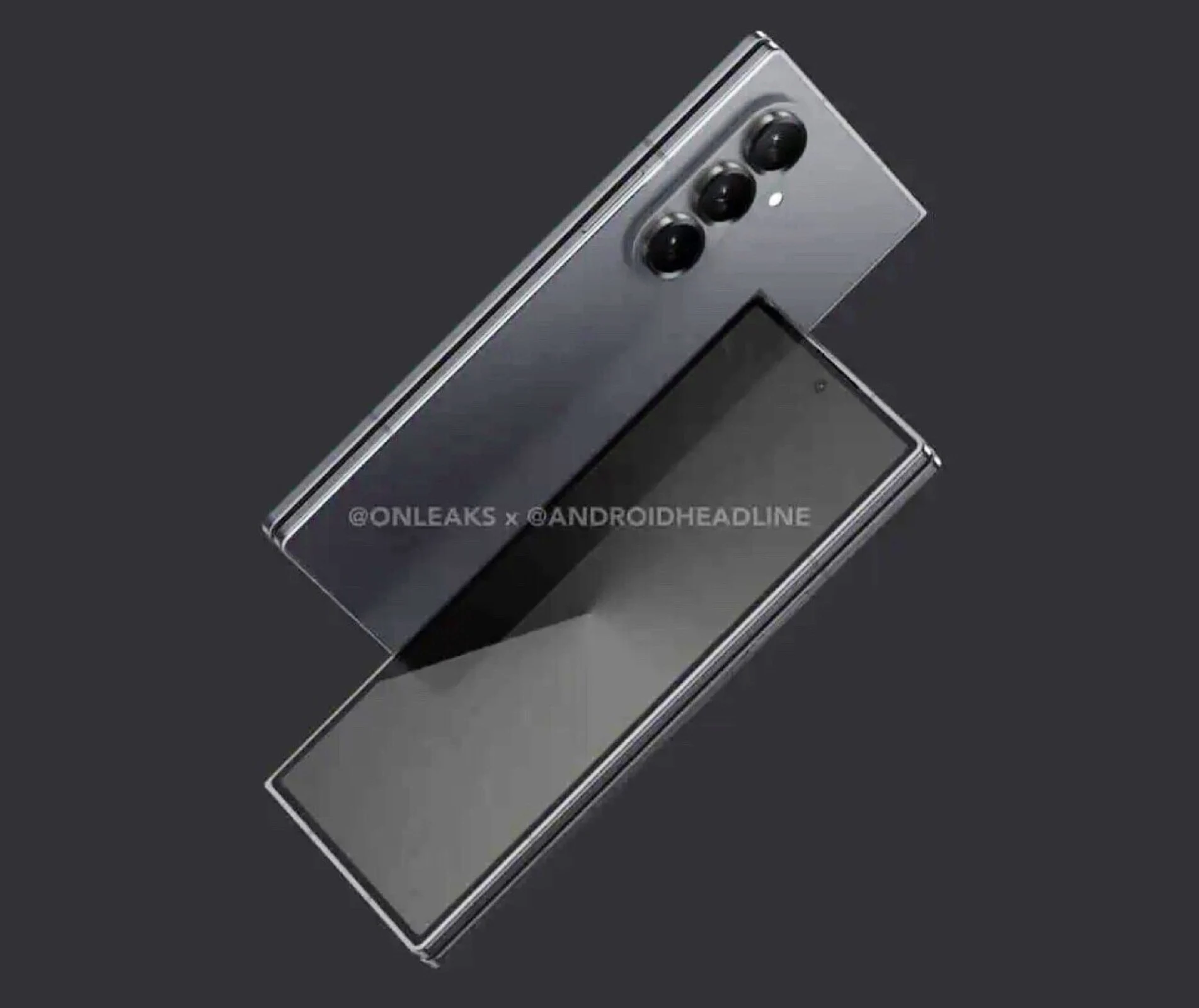
    4. The Galaxy Z Fold7 is expected to have a slimmer design, measuring 4.5 mm when unfolded.
    5. Anticipated upgrades include a Qualcomm Snapdragon 8 Elite processor, an 8.2-inch main display, and a 200 MP main camera.


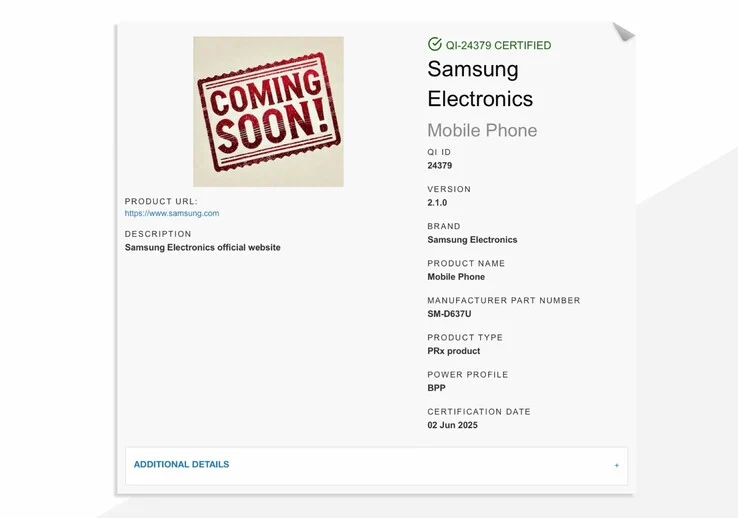
    The Samsung Galaxy Z Fold7 has made its appearance on the Wireless Power Consortium’s website, revealing that this upcoming foldable flagship will support the Qi 2.1.0 standard, which is an upgrade from the Qi 1.3.3 standard seen in the Galaxy Z Fold6. This certification, however, indicates that the device only supports the Basic Power Profile (BPP), allowing it to charge at a rate of 5 watts on Qi charging pads.

    Charging Capabilities

    Unfortunately, the smartphone does not support the quicker Extended Power Profile (EPP), which allows for wireless charging at 15 watts, nor does it support the Magnetic Power Profile (MPP) for magnetic accessories. Nonetheless, it doesn’t mean that the Galaxy Z Fold7 is restricted to only 5 watts of wireless charging. The Galaxy S25 Ultra, for instance, has been certified for both BPP and EPP and can charge at 15 watts without problems.

    Similar Strategy as Galaxy S25 Series

    Given that the Galaxy S25, Galaxy S25+, and Galaxy S25 Ultra already support Qi2 without magnet features, this latest certification hints that Samsung is likely following a similar route with the Galaxy Z Fold7. Just like the Galaxy S25 lineup, it may be possible to add a protective case to the Galaxy Z Fold7, enabling the use of magnetic chargers and accessories that attach magnetically.

    The Samsung Galaxy Z Fold7 is set to be officially revealed in July. It is anticipated to have a notably slimmer design, measuring a max thickness of 4.5 millimeters when unfolded. Users can look forward to upgrades, including the Qualcomm Snapdragon 8 Elite processor, an 8.2-inch main display, and a broader 6.5-inch secondary display. Additionally, Samsung is expected to incorporate a 200 MP main camera, a 12 MP ultra-wide-angle camera, and a 10 MP telephoto camera.

    Source:
    Link


  • Bluefox NX1: Compact 4-Inch Smartphone with 3000mAh Battery

    Bluefox NX1: Compact 4-Inch Smartphone with 3000mAh Battery

    Key Takeaways

    1. The Bluefox NX1 features a compact 4-inch display, making it significantly smaller than most modern smartphones.
    2. It has a sleek design with dimensions of 10 x 4.9 x 1.2 cm and includes a 3,000 mAh battery for decent battery life.
    3. The device runs on a MediaTek Helio G81 chipset, with options for up to 8 GB of RAM and expandable storage via microSD.
    4. The camera setup includes a 5 MP front camera and a 21 MP rear camera using a Sony IMX230 sensor.
    5. The Bluefox NX1 is priced starting at ¥599 (about $83) and is expected to have a global release later in June.


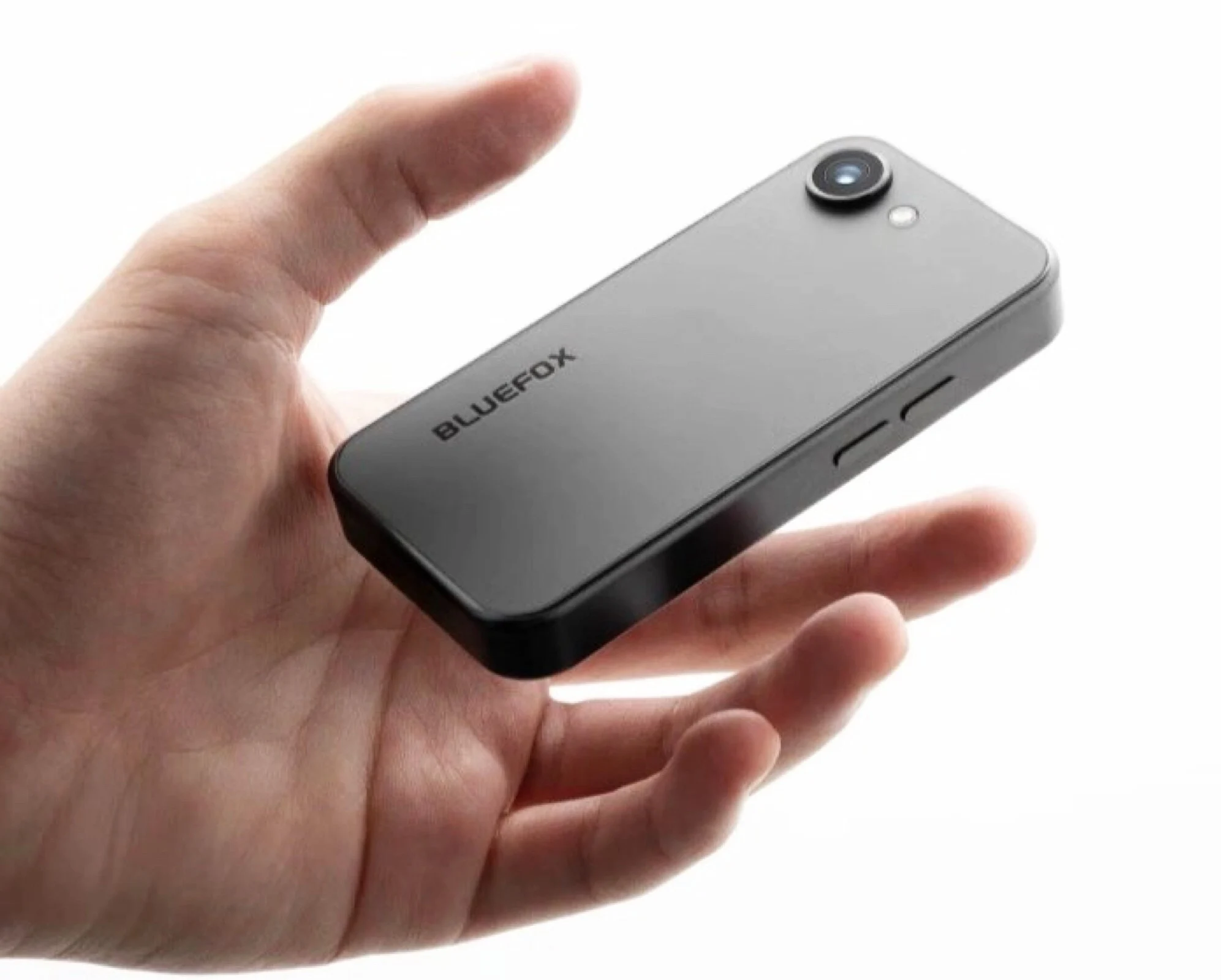
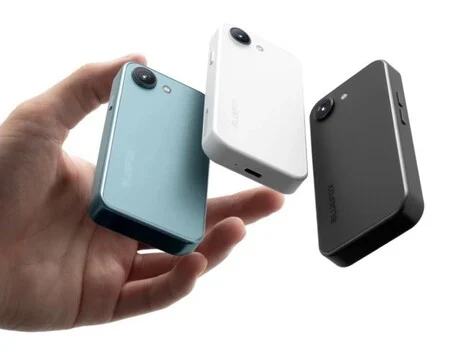
    Smartphones that have a 6.3-inch display are now viewed as small by current standards. Take the Apple iPhone 16, which has a 6.1-inch screen and is one of the tiniest smartphones on the market today. However, breaking this norm is the ultra-compact Bluefox NX1, which sports a minuscule 4-inch display, akin to the size of the iPhone 5’s screen.

    Compact Design

    With dimensions of merely 10 x 4.9 x 1.2 cm (3.9 x 1.9 x 0.5 in), the NX1 is even more compact than the iPhone 5, thanks to its sleeker bezels. The thicker profile allows Bluefox to fit a 3,000 mAh battery, which should deliver decent battery life considering the small display and basic hardware. The IPS panel boasts a resolution of 1,168 x 540, achieving a peak brightness of 500 nits and a refresh rate of 60 Hz. To keep costs down, the company had to make some sacrifices apart from just the display.

    Performance and Features

    Inside, the Bluefox NX1 runs on the MediaTek Helio G81, a chipset that was first introduced in 2019. It is available with up to 8 GB of RAM and 128 GB of storage, which can be expanded via a microSD card. The 5 MP front camera is surrounded by a Dynamic Island-like feature that can display battery level and incoming calls. On the rear, the device features a 21 MP main camera using a Sony IMX230 sensor. Although the NX1 comes preloaded with Android 15, Bluefox hasn’t provided any information regarding future updates.

    Pricing and Availability

    The Bluefox NX1 made its debut in China, with entry-level pricing starting at ¥599 (about $83) for the version that has 4 GB of RAM and 64 GB of internal storage. There’s also a premium version available with 8 GB of RAM and 128 GB of storage, priced at ¥799 (around $111). A global release is anticipated to happen later in June.

    Source:
    Link


  • Galaxy A17 Expected to Introduce OIS in Affordable Samsung Phones

    Galaxy A17 Expected to Introduce OIS in Affordable Samsung Phones

    Key Takeaways

    1. Samsung is enhancing features in its affordable Galaxy devices, with the Galaxy A17 set to include optical image stabilization (OIS).
    2. OIS helps reduce blurry images caused by shaky hands, improving photo quality, especially in low-light conditions.
    3. The Galaxy A17 would be the first budget-friendly model in the Galaxy A1x series to feature OIS, setting it apart from competitors.
    4. Adding OIS is a strategic move for Samsung to increase competitiveness in the budget smartphone market.
    5. Samsung is exploring cost-effective “hybrid OIS” technologies to keep the Galaxy A17 affordable while offering advanced features.


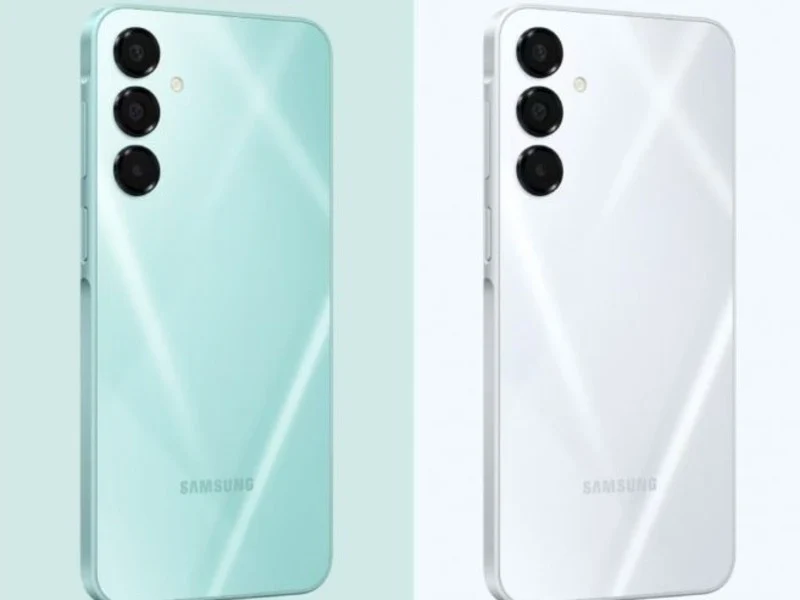
    Affordable Galaxy devices are often some of the top sellers around the globe every quarter. Samsung has taken note of this trend and is actively working on enhancing certain important features. Recent reports from Korea indicate that Samsung intends to introduce optical image stabilization (OIS) as a major upgrade for one of its most economical upcoming smartphones: the Galaxy A17.

    The Benefits of OIS

    Many smartphone users frequently deal with the annoyance of blurry images, typically due to unsteady hands. OIS is an intelligent technology that addresses this issue by physically adjusting the camera lens to counteract slight movements. This leads to images that are much sharper and clearer, particularly in low-light situations or when trying to remain still. As it stands, the most affordable Samsung phone equipped with OIS would generally be a model such as the Galaxy A26 or a higher version. However, if the rumors are accurate, the Galaxy A17 would be the first in the budget-friendly Galaxy A1x series to feature this technology.

    Strategic Move by Samsung

    This upgrade is not just a random enhancement; it seems to be a smart strategic decision from Samsung. By adding OIS to a device like the Galaxy A17, the company can significantly enhance its competitiveness in the budget market, presenting a strong advantage over competitors and potentially capturing a larger segment of consumers.

    Integrating OIS into an affordable phone does pose certain challenges, mainly the rise in component costs. Nevertheless, Samsung is allegedly looking into cost-effective options, possibly including “hybrid OIS” technologies, to maintain an attractive price point for the Galaxy A17 while still providing advanced technology.

    The Future of Galaxy A17

    Should these rumors come to fruition, the Galaxy A17 could provide a photography experience that far exceeds what you would expect for its price. For those in search of a dependable, budget-friendly smartphone that can still take good, shake-free photos, the upcoming Galaxy A17 could be a top contender to keep an eye on.

    Source:
    Link

  • Galaxy S26 Series: Thinner Design and Improved Zoom Features

    Galaxy S26 Series: Thinner Design and Improved Zoom Features

    Key Takeaways

    1. Samsung is focusing on making its Galaxy mobile devices thinner, starting with the Galaxy Z Fold SE and continuing with the upcoming Galaxy Z Fold 7 and Galaxy S26 series.
    2. The Galaxy S26 and S26 Plus are expected to be around 6.x mm thick, while the S26 Ultra will be about 7.x mm, showing a significant reduction from the current S25 models.
    3. Design innovations in camera optics are likely contributing to the reduced thickness of the devices.
    4. The Galaxy S26 series is rumored to feature an upgraded 3x telephoto lens, potentially increasing resolution from 10MP to 12MP for sharper zoomed-in images.
    5. These details are based on early reports and may change as the launch date approaches.


    Lately, Samsung has been paying a lot of attention to making its Galaxy mobile devices thinner. They kicked off this trend with the Galaxy Z Fold SE, and reports suggest that the upcoming Galaxy Z Fold 7 will also be super slim. Furthermore, it appears that Samsung is set to slim down the Galaxy S26 series significantly, along with adding an upgraded 3x telephoto sensor.

    Thickness Specifications of Galaxy S26

    A recent report indicates that the Galaxy S26 and the Galaxy S26 Plus will have a thickness around 6.x mm. In contrast, the premium model, the Galaxy S26 Ultra, is expected to measure about 7.x mm. For comparison, the current Galaxy S25 Ultra is 8.2 mm thick, the S25 Plus is at 7.3 mm, and the standard S25 is 7.2 mm. This suggests a notable reduction in thickness across all models.

    Engineering Innovations

    This reduction in size may be due to some smart design choices in the camera area. Earlier reports have suggested that Samsung is looking into a new structure for their camera optics, which could help make the devices thinner overall.

    Camera Upgrades Expected

    The improvements aren’t just about being slimmer. The Galaxy S26 series is also rumored to have an upgraded 3x telephoto lens. The Galaxy S25 lineup, including the Ultra model, currently features a 10MP 3x telephoto lens in its rear camera system. However, the S26 series might upgrade this lens to a 12MP resolution. While the 3x telephoto sensor on the S25 Ultra is larger than those on the smaller models and performs well, an increase in resolution across the S26 range could result in sharper zoomed-in images for all users.

    Of course, these are still early rumors, and the final design and specifications could change. We’ll keep watching for more solid information as the launch date approaches.

    Source:
    Link

  • Samsung Galaxy Z Fold to Outshine Oppo Find N5 with Bigger Display

    Samsung Galaxy Z Fold to Outshine Oppo Find N5 with Bigger Display

    Key Takeaways

    1. Samsung has teased an upcoming Galaxy Unpacked event, likely hinting at the launch of a Galaxy Z Fold Ultra.
    2. The new Galaxy Z Fold is expected to be wider than the current model, taking inspiration from the Galaxy Z Fold Special Edition.
    3. The next Galaxy Z Fold may feature a larger display, increasing to 8.2 inches with thinner internal bezels.
    4. The camera setup is anticipated to include a 200 MP main sensor, a 10 MP telephoto lens, and a 12 MP ultra-wide-angle camera.
    5. Additional information on colors and storage options for the new model has been shared by insiders.


    Samsung has recently released its first teaser for the upcoming Galaxy Unpacked event, and we’ve got all the details you need in a separate piece. As expected, the teaser is quite mysterious, leading many to believe it hints at the launch of a Galaxy Z Fold Ultra. Historically, Samsung tends to keep things under wraps until the summer, so don’t expect too much more information just yet.

    Exciting Leaks Ahead

    In the meantime, insiders like PandaFlashPro are stepping in to share what they know about Samsung’s next Galaxy Z Fold. On X, the leaker mentioned that this year’s model takes inspiration from the Galaxy Z Fold Special Edition, not the Galaxy Z Fold6 (currently priced at $1,049.95 on Amazon). This suggests that the upcoming Galaxy Z Fold will be noticeably wider than the model available now, a point that the official teaser seems to hint at as well.

    A New Display Experience

    If these speculations are accurate, the next Galaxy Z Fold could potentially outshine the Oppo Find N5 in terms of display size. PandaFlashPro claims that the new design will feature thinner internal bezels, allowing an increase of 0.2 inches for the foldable display, which should measure 8.2 inches diagonally. The camera setup will likely mirror that of the Special Edition, featuring a 200 MP main sensor, along with a 10 MP telephoto lens and a 12 MP ultra-wide-angle camera. Additionally, news about the available colors and storage options was revealed yesterday. For more detailed information, check out our previous article on the topic.

    Source:
    Link

  • Checkmag: Flagship Smartphone Without Android or iOS Faces Struggles

    Checkmag: Flagship Smartphone Without Android or iOS Faces Struggles

    Key Takeaways

    1. Unique Hobby: Installing Linux on smartphones is a niche activity, especially as many devices focus on reducing screen time and user tracking.

    2. Liberux NEXX Campaign: Liberux has launched an Indiegogo campaign to fund the development of their NEXX smartphone, which promotes user ownership of both hardware and software.

    3. User Control and Longevity: The Liberux vision includes features like removable batteries, 5 years of software updates, and support for Android, aiming to reduce planned obsolescence.

    4. Impressive Specs, High Price: The NEXX offers strong specifications but comes at a steep price of $1480, raising concerns about its accessibility and market viability.

    5. Investment Risks: While the vision is commendable, the lack of a working prototype and high cost pose significant risks for potential backers of the project.


    Installing Linux on a smartphone is quite a unique hobby, even with the increase in smartphones aimed at cutting down screen time and distancing from large companies that are often criticized for tracking users closely.

    Options Available

    Yet, there are numerous choices available, including brands like Volla and Fairphone, plus Ubuntu Touch can be set up on many older models.

    We talked about the Liberux NEXX back in January when it was first revealed, and Liberux has now started an Indiegogo campaign to gather funds for the development of the phone.

    The Liberux Vision

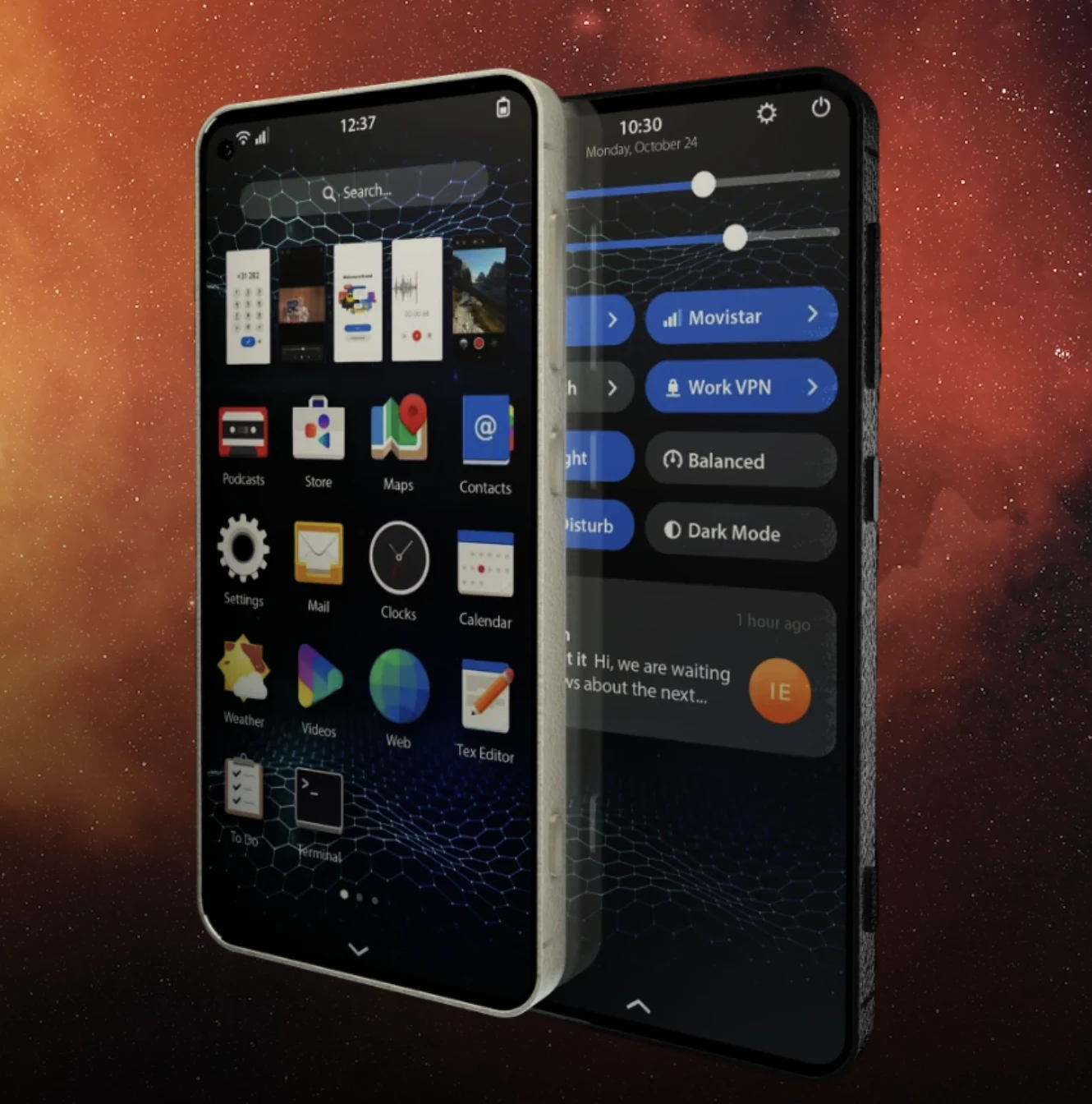
    The vision of Liberux is indeed praiseworthy, offering a way to escape tracking and planned obsolescence, with both hardware and software owned by the user. The features include removable batteries and a promise of 5 years of software updates, aiming to keep devices from ending up in landfills. They also plan to support Android via a Waydroid setup, and the full operating system could transform the device into a highly portable computer with the addition of a dock.

    Specifications and Price

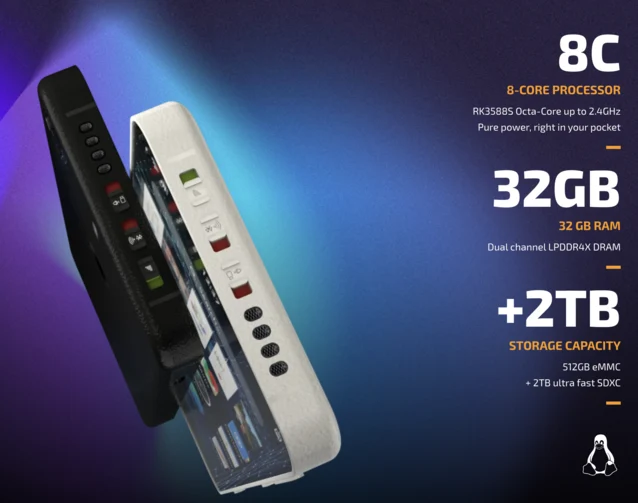
    The specs are quite impressive too, with the NEXX flaunting 32 GB of LPDDR4X RAM, a 256 GB eMMC storage, and a Rockchip RK3588S 8-core processor. It even includes hardware switches to manage all of your device’s radios and USB ports.

    Even if this niche product had a broader audience, the main issue is its price. Liberux is asking for $1480 to secure one device, which is set to ship around July 2026. That comes with a 21% discount off the anticipated retail price of $1878. There are development boards and a proof of concept, but no working prototype exists, and Indiegogo has this campaign listed as still in the concept phase.

    Conclusion

    That’s quite a hefty sum for an open-source phone, especially when you can get a first-generation Pixel Fold from Amazon and install LineageOS on it for significantly less. It’s also a risky investment, since there’s a chance this product may never arrive at your door.

    The Liberux NEXX showcases an admirable and deserving vision, aiming for user control over hardware and software, free from the influence of large corporations. However, the cost of this freedom could hinder the realization of their aspirations.

    Source:
    Link


  • Anker Nano Charger 35W with Retractable USB-C Cable Leaked

    Anker Nano Charger 35W with Retractable USB-C Cable Leaked

    Key Takeaways

    1. The Anker Nano Charger (35W) features a built-in retractable USB-C cable and is designed specifically for charging smartphones.

    2. It offers dual output options: a built-in cable providing 35W or a USB-C port with the same maximum power, allowing for efficient charging.

    3. The charger is compact, measuring 61 x 48 x 30 mm and weighing around 110 g, and is available in black or white.

    4. The price is set at ¥4,990 (approximately $35) in Japan, with a scheduled release in summer 2025 and potential availability in the US soon.

    5. The product has received TUV Rheinland certification, indicating it may also be launched in Europe.


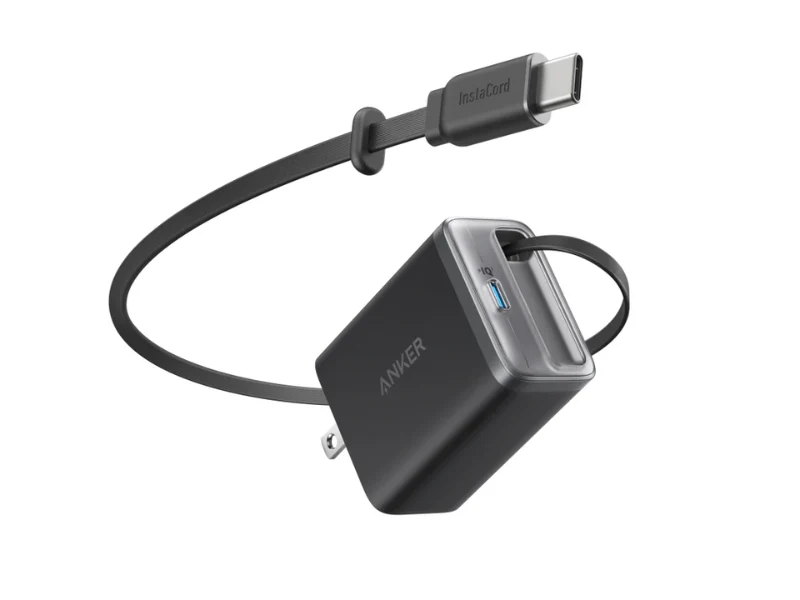
    The Anker Nano Charger (35W, retractable USB-C cable) has shown up on the company’s online store in Japan. A TUV Rheinland certificate connected to this same model number, A2658, has also been noticed, where it is referred to as the Anker Nano Charger (35W, Built-in Retractable USB-C Cable).

    Designed for Your Devices

    This Anker Nano Charger (35W, Built-in Retractable USB-C Cable) is made specifically to charge smartphones. As the name indicates, this handy gadget provides up to 35W output through its built-in USB-C cable. The cable measures 70 cm (about 27.6 inches) and is reported to endure roughly 20,000 uses of retracting.

    Dual Output Options

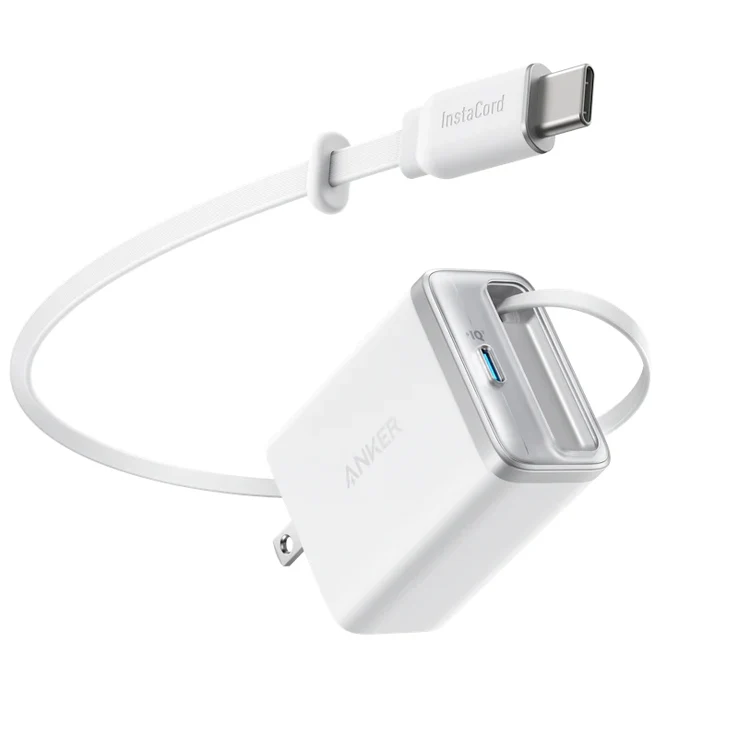
    Additionally, there’s a USB-C port that offers the same maximum power. If both outputs are utilized at the same time, they can supply 17 W each, or the cable could give 30 W while the port delivers 5 W. The Anker device comes in black or white and has dimensions of 61 x 48 x 30 mm (approximately 2.4 x 1.9 x 1.2 inches), weighing around 110 g (about 0.24 lbs). It’s also anticipated to include folding pins.

    The price for the Anker Nano Charger (35W, Built-in Retractable USB-C Cable) is set at ¥4,990 (around $35) in Japan, with a listing indicating it is “Scheduled for release in summer 2025.” Leaker AnkerInsider suggests that this product might arrive in the US within the next few months, priced between $30 and $50. It would join other accessories with integrated cables like the Anker Nano Car Charger (currently $24.99 on Amazon). The TUV Rheinland certification hints at a potential launch in Europe as well.

    Source:
    Link


  • Nothing Phone (3) Launch Date Revealed, Chipset Still Uncertain

    Key Takeaways

    1. The Nothing Phone (3) will be launched on July 1.
    2. It is expected to be available in Black and White color options.
    3. The starting price is rumored to be $799 for the 12/256 GB variant and $899 for the 16/512 GB version.
    4. The Nothing Phone (3) is priced $50 lower than the OnePlus 13 for both versions.
    5. There is uncertainty about the SoC, with speculation around either the Snapdragon 8 Gen 3 or alternatives like Snapdragon 8s Gen 4 and Snapdragon 8 Elite.


    Nothing has finally announced when it will be releasing its flagship smartphone for the year, the Nothing Phone (3). This new device is anticipated to be the most high-end smartphone from the company, and it has been confirmed that it will be unveiled in just a few weeks.

    Launch Date

    According to a recent post from Nothing on their official X page, the Nothing Phone (3) is set to launch on July 1. Although the company hasn’t shared additional details about the phone, earlier leaks suggest that it will come in two color options: Black and White. The starting price is rumored to be $799 for the 12/256 GB variant, while the 16/512 GB version might be priced at $899.

    Pricing Comparison

    This pricing structure would position the Nothing Phone (3) at a $50 lower price point than the OnePlus 13 for both versions. How the public perceives the phone’s pricing will largely depend on the specifications it offers, especially regarding the SoC, since devices in this price range usually come with Qualcomm’s top-tier chipset.

    SoC Speculation

    Sadly, detailed information about the SoC for the Nothing Phone (3) is still hard to come by. A recent tweet from tipster Yogesh Brar suggests that the phone might use a Snapdragon 8 Gen 3 processor, but another source argues that this chipset won’t be used. This uncertainty leaves the Snapdragon 8s Gen 4 and Snapdragon 8 Elite as the most probable alternatives.

    Source:
    Link


  • Google delays Pixel 10 launch event and release after leak

    Google delays Pixel 10 launch event and release after leak

    Key Takeaways

    1. The Pixel 10 series, including Pixel 10, Pixel 10 Pro, Pixel 10 Pro XL, and Pixel 10 Pro Fold, is expected to launch on August 13.
    2. Release dates for the smartphones have been pushed to August 28 due to changes in the launch schedule.
    3. Pre-orders for the Pixel 10 series are likely to start on August 20, after the launch event.
    4. There are conflicting reports about the launch date, with some sources maintaining the original schedule and others indicating a delay.
    5. Preliminary details about a successor to the Pixel 9 Pro have emerged, but no official statements from Google have been made yet.


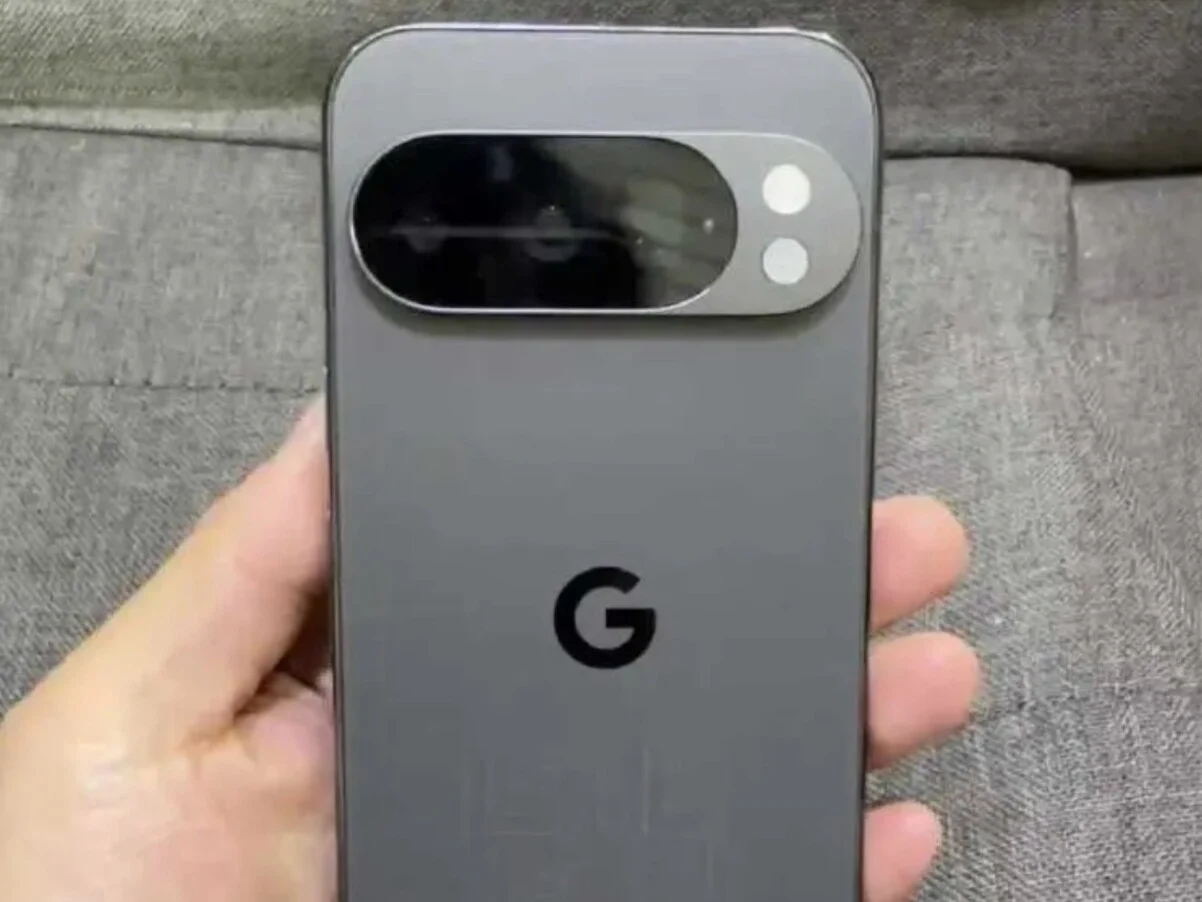
    Details about the Pixel 10 series are heating up. Just yesterday, a number of sources reported they had received news regarding Google’s upcoming Pixel launch event. Contrary to recent hints about an early summer reveal, both sources stated that the Pixel 10, Pixel 10 Pro, Pixel 10 Pro XL, and Pixel 10 Pro Fold would be available by August 20 following a launch event scheduled for August 13.

    Shift in Dates

    While Arsène Lupin maintains that the original date is accurate, Android Headlines has altered its stance. According to them, they have now been informed that Google has delayed its next Pixel event to a week later than what was initially suggested. This delay is also expected to affect the release dates for the four smartphones, which are now projected to hit shelves on August 28.

    Pre-Order Plans

    It seems that Google aims to start pre-orders on August 20, likely coinciding with the conclusion of its launch event. As of now, Google has not made any official statements regarding the rumors surrounding its next Pixel launch event. In the meantime, preliminary information about a possible successor to the Pixel 9 Pro (currently priced at $999 on Amazon) has surfaced, and we have covered those details in a separate article.

    Source:
    Link

  • BlackBerry Classic Q20 Revived with New Features and Upgrades

    BlackBerry Classic Q20 Revived with New Features and Upgrades

    Key Takeaways

    1. Revival of the BlackBerry Classic: Zinwa Technologies plans to revive the BlackBerry Classic (Q20) as the Zinwa Q25 with updated internals while keeping original features like the display and keyboard.

    2. Enhanced Specifications: The Zinwa Q25 will have improved specifications, including a MediaTek Helio G99 processor, 12GB RAM, and 256GB storage, along with new camera features.

    3. Future BlackBerry Models: Zinwa is also developing other models, including a revamped BlackBerry KEYone and Passport, named Zinwa P25 or P26 based on release timing.

    4. Operating System and Updates: The Zinwa Q25 will run on Android 13, with plans for regular updates to fix bugs and introduce new features, although major OS updates are not expected.

    5. Pre-order and Upgrade Options: The Zinwa Q25 is available for pre-order at $400, with shipments starting in August, and a conversion kit for existing BlackBerry Classic owners priced at $300.


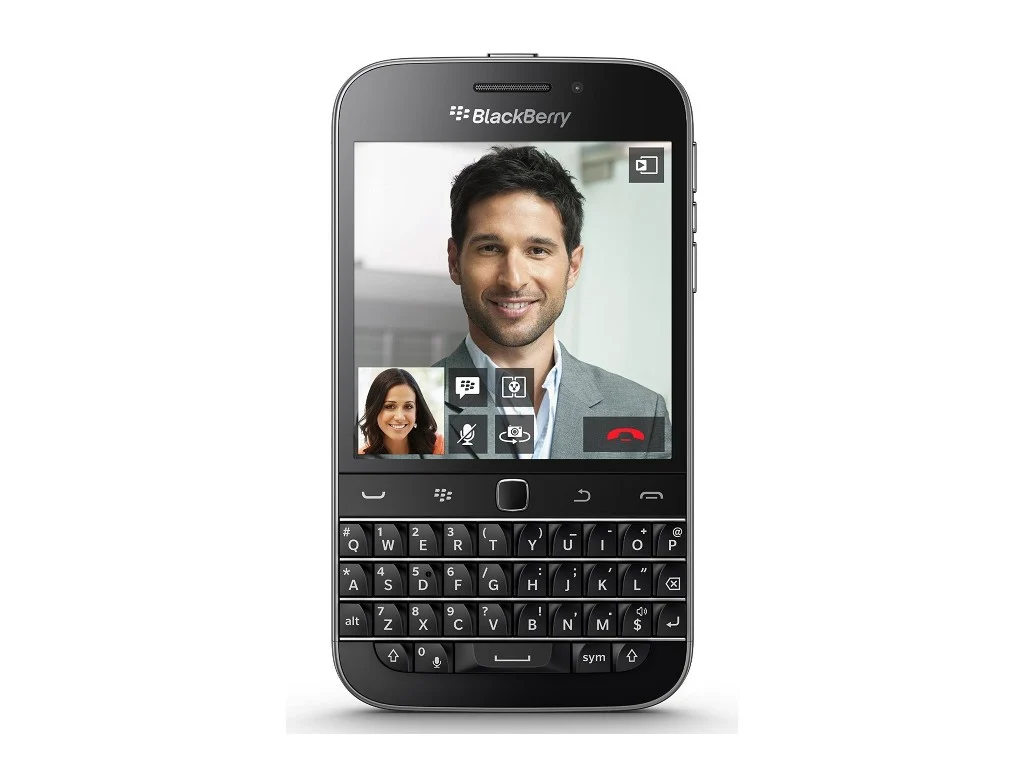
    The BlackBerry Classic, also known as the BlackBerry Q20, was a smartphone with a keyboard that hit the market in 2014, running on the BlackBerry 10 OS. Now, more than a decade later, a Chinese firm named Zinwa Technologies is aiming to bring it back to life with updated internals and, of course, a new name.

    Revamping an Icon

    Zinwa intends to buy up remaining stock of the BlackBerry Classic and upgrade it with new internal parts, like a fresh motherboard, updated cameras, and a new battery. Some original features, including the display, keyboard, notification LED, and casing, will remain unchanged.

    In a chat with the YouTube channel Returning Retro, Zinwa disclosed that the revamped BlackBerry Classic will be marketed as the Zinwa Q25. This name combines the company’s title, the “Q” from the BlackBerry’s alternate name, and “25” signifying the year 2025.

    Future Plans for BlackBerry Models

    The company is also in the works to bring back the BlackBerry KEYone, currently in the early stages of development. Additionally, they aim to revive the BlackBerry Passport, which will be available as either the Zinwa P25 or Zinwa P26, depending on its release date.

    The Zinwa Q25 will keep the 720 x 720 touchscreen from the BlackBerry Classic. However, it will replace the original Snapdragon S4 Plus with a MediaTek Helio G99 processor on the new motherboard. The updated modem will support all LTE bands, ensuring that the Zinwa Q25 will function in every region without a hitch.

    Enhanced Specifications and Features

    Another significant improvement is in RAM and storage, now upgraded to 12GB (LPDDR4x) and 256GB (UFS 2.x), compared to the original model’s single option of 2GB RAM and 16GB storage.

    The Q25 will feature new cameras, including an 8MP front camera and a 50MP rear camera. Other confirmed specs include NFC capability, a USB-C port, a single SIM card slot, a MicroSD card slot, and a battery capacity of 3,000mAh. Zinwa mentioned the device will come with Android 13, and while they don’t plan on major OS updates, the phone will receive regular updates to fix bugs and introduce new features.

    The Zinwa Q25 is up for pre-order at a price of $400, with the first shipments expected to start in August. Additionally, a conversion kit is available for those who already own a BlackBerry Classic and wish to upgrade it themselves, priced at $300, and shipping is set to begin in early August.

    If you happen to own a modern smartphone like the iPhone 16 Pro, you can get the Clicks Keyboard, which is available on Amazon for $159. This accessory adds a physical keyboard to your device without requiring any complex modifications.

    Source:
    Link