Category: Phones

Stay updated with the latest phone news, reviews, and trends. Discover cutting-edge smartphones, features, and innovations in our Phones category at GizNewsDaily

  • Infinix GT 30 Pro: Affordable Gaming Smartphone Sale at $268 in India

    Key Takeaways

    1. Infinix launched the budget-friendly gaming smartphone GT 30 Pro in India, starting at INR 24,999 (~$292) for the 8 GB + 256 GB version.
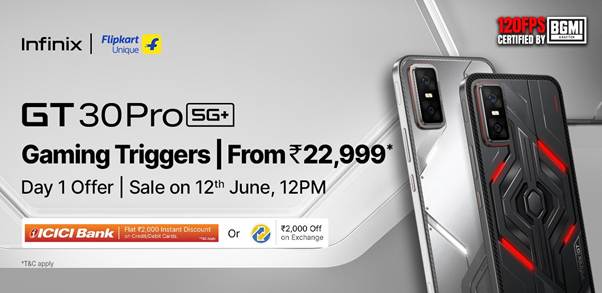
    2. An introductory offer allows early buyers to purchase the GT 30 Pro for INR 22,999 (~$268) until June 12, 2025.
    3. The smartphone features a MediaTek Dimensity 8350 Ultimate chipset, up to 12 GB of RAM, and a unique cooling system for enhanced gaming performance.
    4. The GT 30 Pro has a 6.78-inch AMOLED display with 1080p+ resolution, 4,500 nits brightness, and a 144 Hz refresh rate, powered by a 5,500 mAh battery with 45 W wired charging.
    5. It includes a 108 MP rear camera, 8 MP ultrawide camera, and a 13 MP front camera, running on Android 15 with guaranteed updates to Android 16 and 17.


    Infinix has launched its new budget-friendly gaming smartphone, the GT 30 Pro, in India last month. The device is now available for purchase through Infinix’s official website and Flipkart, starting at INR 24,999 (~$292) for the entry-level 8 GB + 256 GB version. The higher-end 12 GB + 256 GB variant comes with a price tag of INR 26,999 (~$315).

    Special Offer for Early Buyers

    As part of an introductory sale, buyers can snag the GT 30 Pro at a reduced price of INR 22,999 (~$268). However, this offer is only valid for a limited time, running until June 12, 2025. Additionally, Infinix has launched a special GT Gaming Kit for gamers, which includes a magnetic cooling fan along with a GT case. This kit is available for INR 1,199 (~$14) if bought with the smartphone; otherwise, it costs around INR 1,999 (~$23.47).

    Powerful Performance Specs

    The GT 30 Pro is designed for gaming enthusiasts, featuring a MediaTek Dimensity 8350 Ultimate chipset. It can be equipped with up to 12 GB of RAM and 256 GB of expandable storage. The device also boasts a specially designed 5400 mm² vapor chamber cooling system that incorporates 2 copper foils, 3 graphite layers, and a 3D VC structure, ensuring it stays cool during long gaming sessions.

    Display and Battery Details

    This gaming smartphone showcases a 6.78-inch AMOLED display that offers a 1080p+ resolution, with a peak brightness of 4,500 nits and a refresh rate of 144 Hz. The screen is safeguarded by Gorilla Glass 7i, which helps to avoid scratches. It is powered by a 5,500 mAh battery that supports 45 W wired charging, but sadly, it does not include wireless charging options.

    Impressive Camera Features

    Even though it’s primarily a gaming phone, Infinix didn’t skimp on the camera capabilities of the GT 30 Pro. The rear camera features a 108 MP primary lens along with an 8 MP ultrawide camera. For selfies, there’s a 13 MP front-facing camera. The smartphone runs on Android 15-based XOS 15 and Infinix guarantees two significant OS updates (Android 16 & 17) along with three years of security patches. Additional features include an in-display fingerprint sensor, IP64-rated dust and splash resistance, plus customizable GT shoulder triggers.

    Source:
    Link


  • Google Pixel 10 Pro: Qi2 Support, Magnetic Accessories, 60W Charging

    Google Pixel 10 Pro: Qi2 Support, Magnetic Accessories, 60W Charging

    Key Takeaways

    1. Google Pixel 10 and Pixel 10 Pro will support the Qi2 standard with magnetic accessory compatibility.
    2. New magnetic accessories branded as “Pixelsnap” are expected, including a charger, charger with stand, and ring stand.
    3. The Pixel 10 may feature a hub mode that turns the phone into a smart display while charging.
    4. The Pixel 10 series is rumored to use the ConvenientPower CPS4041 chip, supporting Qi2.2 and wireless charging up to 60 watts.
    5. Charging speed may be restricted by Google for various reasons despite the high capability of the chip.


    Back in January, Google announced it would back the Qi2 standard in the future. Now, it seems that Android Authority has obtained some official marketing documents that confirm the Google Pixel 10 and Pixel 10 Pro will indeed feature Qi2 support. This includes the optional magnets that come with the Qi2 standard, allowing users to attach compatible accessories magnetically to the back of the Pixel 10. These magnets can also be used to mount the phone onto a suitable charger or stand.

    New Accessories on the Horizon

    According to the leaked information from Android Authority, Google is gearing up to release a fresh range of magnetic accessories branded as “Pixelsnap.” At least three products are anticipated at launch: the Pixelsnap Charger, the Pixelsnap Charger with Stand, and the Pixelsnap Ring Stand. While there isn’t more information about these accessories in the marketing material, the names clearly hint at the type of products Google is developing.

    Exciting Charging Features

    The charging stand could be particularly intriguing because there’s a rumor that the Pixel 10 will come equipped with a hub mode. This mode would turn the smartphone into a smart display while it’s charging, much like the StandBy mode found on Apple’s iPhone 16 (available refurbished for $548 on Amazon). Android Authority also suggests that the Pixel 10 series utilizes the ConvenientPower CPS4041 chip, which supports Qi2.2, including Magnetic Power Profile (MPP) and wireless charging capabilities of up to 60 watts. However, Google might restrict this charging speed for several reasons.

    Source:
    Link

  • Motorola Moto Tag Tracker Adds UWB Support for Google Find Hub

    Motorola Moto Tag Tracker Adds UWB Support for Google Find Hub

    Key Takeaways

    1. Motorola Moto Tag introduced UWB tracking capabilities with a focus on accurate device location.
    2. Firmware version 2.0.69 enables tracking through Google’s updated Find Hub app, providing precise distance and direction.
    3. The new tracking feature simplifies locating the Moto Tag compared to previous methods.
    4. Unlike Samsung’s Galaxy SmartTags, Moto Tag lacks a camera feature for enhanced visualization of location.
    5. UWB tracking requires an Android smartphone with an ultra-wideband chip for functionality.


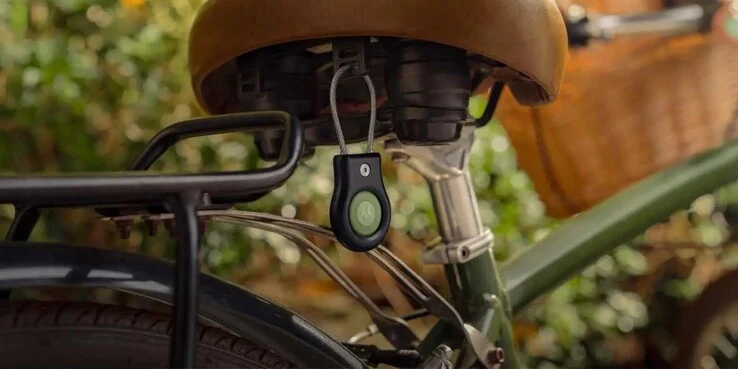
    The Motorola Moto Tag (starting at $29 on Amazon) was introduced nearly a year ago, and at that time, Motorola promoted the tracker featuring an ultra-wideband (UWB) chip. Up until this point, UWB tracking has been limited to a small number of smartphones and was only functional within the exclusive Moto Tag app. With the new firmware version 2.0.69, Motorola has now enabled users to accurately track their device using ultra-wideband technology through Google’s updated Find Hub app.

    Improved Tracking Capabilities

    Now, when you locate the tracker using Google’s Find Hub, the app displays the precise distance and direction to the device post-update, rather than just an approximate guess. This enhancement makes it much simpler to locate a Moto Tag that’s nearby. In contrast to Samsung’s Galaxy SmartTags that utilize UWB, Motorola does not provide a camera feature for better visualization of the tracker’s location. To use UWB for locating a Moto Tag, an Android smartphone equipped with an ultra-wideband chip is necessary.

    Source:
    Link


  • Oppo Licenses 5G Technology to Volkswagen for Enhanced Connectivity

    Oppo Licenses 5G Technology to Volkswagen for Enhanced Connectivity

    Key Takeaways

    1. Oppo is known for smartphones, tablets, audio gadgets, and its fast SuperVOOC charging system.
    2. The company ranks #8 globally in wireless technology and has launched its 5G IP in over 40 countries.
    3. Oppo is expanding into areas like artificial intelligence, augmented reality, imaging, and wireless communication.
    4. Volkswagen has become Oppo’s newest licensee for automotive technology, enhancing smart car experiences.
    5. OnePlus Buds Pro 3 are available for $159 at Amazon.


    Oppo is a brand that many people might recognize for its smartphones, tablets, and audio gadgets. They are also well-known for their SuperVOOC charging system, which is really fast. However, they’re not just stopping there; they are diving into other tech fields like artificial intelligence, augmented reality, imaging, and wireless communication.

    Global Ranking and 5G Expansion

    The company has mentioned that it ranks #8 globally concerning wireless technology. Additionally, Oppo has successfully launched its 5G IP in more than 40 countries around the globe.

    Future Plans with Automotive Tech

    This technology could be used not only in mobile devices but also in new cars, potentially leading to significant advancements in speed and bandwidth. In light of this, Volkswagen has recently been announced as Oppo’s newest licensee for this intellectual property.

    Enhancing the Smart Car Experience

    According to Volkswagen, this fresh agreement will enhance the high-tech experience they plan to offer in their smart cars. This collaboration is set to roll out in all regions where Volkswagen does business.

    Source:
    Link

  • Vivo T4 Ultra 5G Launch: Dimensity 9300+ & Sony Periscope Lens

    Vivo T4 Ultra 5G Launch: Dimensity 9300+ & Sony Periscope Lens

    Key Takeaways

    1. Camera Features: The Vivo T4 Ultra includes a triple camera setup with a 50 MP primary camera, a 50 MP periscope lens with 3x zoom, and an 8 MP ultra-wide lens, plus a 32 MP front camera for selfies.

    2. Powerful Chipset: It is powered by the MediaTek Dimensity 9300+ chipset, the same processor used in the Xiaomi 14T Pro.

    3. Display and Battery: The smartphone features a 6.67-inch quad-curved AMOLED display with a resolution of 2800 x 1260 and a 120 Hz refresh rate, along with a large 7,300 mAh battery supporting 90 W wired charging.

    4. Operating System and Updates: The device runs on Android 15-based Funtouch OS 15, with promises of two major OS updates and three years of security patches.

    5. Affordability and Availability: The Vivo T4 Ultra starts at INR 38,000 (~$445) for the 8 GB + 256 GB model, with sales beginning on June 18 and pre-orders currently open.


    Vivo has unveiled a new budget-friendly smartphone in its T4 range, featuring a high-end chipset. The Vivo T4 Ultra boasts remarkable characteristics and an attractive price point. Let’s dive into the camera setup. The T4 Ultra includes a triple camera system on the back, which comprises a 50 MP primary camera with OIS from Sony IMX921, a 50 MP periscope lens utilizing Sony IMX882 with 3x zoom, and an 8 MP ultra-wide lens.

    Camera Capabilities

    The periscope lens is equipped with a 10x telephoto macro mode along with OIS+EIS stabilization for video recording. On the front, there’s a 32 MP camera for taking selfies and video calls. Under the hood, this smartphone is powered by MediaTek’s Dimensity 9300+ chipset, the identical processor found in the Xiaomi 14T Pro (currently priced at $626 on Amazon). It offers options of 8 or 12 GB of RAM and 256 or 512 GB of internal storage, with no possibility for additional storage upgrades.

    Display and Battery

    When it comes to the display, the T4 Ultra features a 6.67-inch quad-curved AMOLED screen with a resolution of 2800 x 1260, a refresh rate of 120 Hz, and a peak brightness of 1,600 nits. This 5G-capable smartphone is powered by an extensive 7,300 mAh battery that supports 90 W wired charging. However, it does not have wireless charging capability. Even with such a large battery, it remains sleek at just 7.4 mm (0.29 inches) in thickness and weighs roughly 192 grams (0.42 lbs).

    Operating System and Features

    The device comes with Android 15-based Funtouch OS 15 right out of the box, and Vivo has promised two major OS updates along with three years of security patches. Other notable features include an in-display optical fingerprint scanner, a vapor chamber for cooling, IP64 water and dust resistance, an aura light, and Wi-Fi 6 support.

    The Vivo T4 Ultra 5G starts with a price of INR 38,000 (~$445) for the entry-level 8 GB + 256 GB version, while the premium 12 GB + 512 GB model is priced at INR 42,000 (~$490). It will be available in two color options: phoenix gold and meteor grey. Pre-orders are currently open, and general sales will commence on June 18 through Vivo’s official website and other authorized sellers.

    Source:
    Link


  • Vivo X Fold5 Camera Upgrades Shine in Early Samples

    Vivo X Fold5 Camera Upgrades Shine in Early Samples

    Key Takeaways

    1. Vivo is enhancing the X Fold5’s promotional focus on its camera capabilities.
    2. The X Fold5 features a brightness of 4,500 nits for both internal and external displays, matching the X Fold3 Pro.
    3. The X Fold5 will include a superior telephoto camera compared to the X Fold3 Pro, which is known for its strong camera performance.
    4. New camera features include a periscope telephoto camera with an aperture of f/2.55 and potential upgrades to the primary camera’s specifications.
    5. The X Fold5 may introduce a macro mode for its ultra-wide-angle camera, but this has not been officially confirmed yet.


    Vivo is ramping up its promotional efforts for the X Fold5 by focusing on the device’s camera capabilities. To summarize, company executive Han Bo Xiao has already revealed that the X Fold5 will have 4,500 nit brightness for both its internal and external displays, matching the X Fold3 Pro. Moreover, both screens will come equipped with LTPO backplanes, enabling true variable refresh rate control, a feature missing in Vivo’s prior foldable smartphones.

    Camera Enhancements

    The X Fold5 promises at least one significant camera improvement over the X Fold3 generation. For context, the X Fold3 and its Pro version both have a 50 MP ultra-wide-angle camera and a 32 MP selfie camera. The Pro model, however, boasts better primary and telephoto cameras. Han Bo Xiao stated that the X Fold5 is equipped with a superior telephoto camera compared to the X Fold3 Pro, which is often viewed as having the best camera performance of any current foldable, rivaling devices like the Galaxy Z Fold Special Edition or the Pixel 9 Pro Fold (currently priced at $1,499 on Amazon).

    New Features

    In line with this, Han Bo Xiao has shared three camera samples taken with the X Fold5, which we’ve embedded below. While we won’t dive into the specifics of image quality just yet, it appears that Vivo might have introduced a new primary camera. For instance, one photo taken at 20x zoom shows that the X Fold5 features a periscope telephoto camera with an aperture of f/2.55, slightly different from the f/2.57 of the X Fold3 Pro.

    Additionally, another image hints that the X Fold5 is equipped with an f/1.57 and 23 mm primary camera, whereas the X Fold3 Pro has an f/1.67 and 23 mm primary camera. It also seems that the X Fold’s ultra-wide-angle camera utilizes a macro mode this time around, which is a change from earlier versions; however, Vivo has yet to officially confirm this detail. As for the launch date, Han Bo Xiao’s teasers have not provided any information on that front so far.

    Source:
    Link


  • Xiaomi 15T Pro Launch: Key Differences from Redmi K80 Ultra

    Xiaomi 15T Pro Launch: Key Differences from Redmi K80 Ultra

    Key Takeaways

    1. Xiaomi is launching the Redmi K80 Ultra soon, which will be globally released as the Xiaomi 15T Pro later this year.
    2. There will be notable differences in the camera systems between the Redmi K80 Ultra and the Xiaomi 15T Pro.
    3. This pattern of differing camera configurations is similar to the previous release of the Xiaomi 14T Pro and Redmi K70 Ultra.
    4. The Redmi K80 Ultra has the model number “25060RK16C,” while the Xiaomi 15T Pro is identified by the codes “2506BPN68G.”
    5. The Redmi K80 Ultra is also referred to as the Redmi K80 Extreme Edition.


    Xiaomi is set to unveil the Redmi K80 Ultra in just a few weeks. This phone is anticipated to be released globally as the Xiaomi 15T Pro later in the year. However, a recent leak suggests that the 15T Pro may have some notable differences in one area.

    Camera Differences Expected

    According to Chinese insider Exeprience More, the Xiaomi 15T Pro will launch globally, sharing much of its design and features with the upcoming Redmi K80 Ultra. Nevertheless, it seems the two phones will have some discrepancies, especially regarding their camera systems.

    Historical Context

    This won’t shock followers of the series, as a similar situation occurred with the Xiaomi 14T Pro and Redmi K70 Ultra last year. More specifically, the Xiaomi 14T Pro featured a significantly different camera configuration, which included an enhanced main camera, ultra-wide camera, and selfie camera, along with a proper 2.6x zoom lens, in contrast to the macro lens found on the Redmi K70 Ultra. It’s likely that the Xiaomi 15T Pro will follow this pattern.

    Model Specifications

    Reports indicate that the Redmi K80 Ultra, also known as the Redmi K80 Extreme Edition, has the model number “25060RK16C,” the internal name “O12,” and the codename “Dali.” In comparison, the Xiaomi 15T Pro is said to carry the codes “2506BPN68G,” “O12U,” and “Klimt.”

    Source:
    Link

  • Nothing Phone (3a) Prototype Revealed, Glyph Interface Expected

    Nothing Phone (3a) Prototype Revealed, Glyph Interface Expected

    Key Takeaways

    1. The Nothing Phone (3) is set to be unveiled on July 1, but its design remains uncertain.
    2. A render posted online may show a prototype of the Nothing Phone (3a), not the Phone (3).
    3. The render lacks the Glyph interface, which Nothing previously claimed to have discontinued.
    4. There are hints that the Glyph interface might not be completely gone, despite earlier statements.
    5. More teasers from Nothing are expected before the launch, which could clarify the features of the Phone (3).


    Nothing is getting ready to unveil its first real flagship smartphone, the Nothing Phone (3), on July 1. Before the big reveal, a render appeared online, allegedly showing the new phone but without the Glyph interface. However, it seems this render might actually depict a prototype of the Nothing Phone (3a), leaving the Phone (3) still shrouded in mystery as it was just a few days ago.

    First Look at Nothing Phone (3)

    Well-known leaker Max Jambor posted the initial glimpse of the Nothing Phone (3) on X, featuring a render that displayed the entire back panel. It showcased the Nothing logo, a distinctive arrangement for the camera system, and the overall Nothing design style. However, it was missing the Glyph interface or any lighting features at all. Although Nothing previously stated that they had “killed the Glyph Interface,” a recent Reddit post suggests it might not be completely gone after all.

    Uncertainty About the Design

    The post from Eyal-M includes a screenshot from the “The SECRETS behind Phone (3a)” video on the company’s official YouTube channel, revealing several prototypes of the Phone (3a). One of these prototypes closely resembles the render shared by Jambor. This indicates that we still have no clear idea of what the Nothing Phone (3) looks like, but there’s still some hope that the Glyph interface could come back.

    The Future of the Glyph Interface

    It’s also possible that Nothing has taken one of the Phone (3a) prototypes and made it into the Phone (3). If that is true, it means the Glyph interface might really be gone for good. However, as we approach the July 1 launch, things should become more clear, since the company plans to release additional teasers regarding what they’re calling a true flagship.

    Source:
    Link

  • A19 Pro Performance Leak for iPhone 17 Series Revealed

    A19 Pro Performance Leak for iPhone 17 Series Revealed

    Key Takeaways

    1. Apple will unveil the iPhone 17 series, including the iPhone 17 Pro and Pro Max, in September.
    2. The new A19 Pro chipset may offer a 15-20% performance improvement over the A18 Pro.
    3. Expected Geekbench scores for the A19 Pro are around 4,000 (single-core) and 10,000 (multi-core).
    4. The A19 Pro will be manufactured using TSMC’s N3P node.
    5. Other chipsets debuting in September include the Snapdragon 8 Elite 2 and MediaTek Dimensity 9500.


    Apple is set to unveil the iPhone 17 series this coming September. Among the new models, the iPhone 17 Pro and iPhone 17 Pro Max are anticipated to come equipped with the A19 Pro chipset. Recently, a leak has emerged that sheds light on the potential performance of this new chipset.

    Performance Insights

    According to Digital Chat Station on Weibo, the A19 Pro chipset may not represent a significant leap from its predecessor, the A18 Pro. Current estimates suggest that the A19 Pro could achieve around 4,000 in Geekbench 6’s single-core test and approximately 10,000 in the multi-core test.

    While these figures might not be completely precise, they do hint at the A19 Pro’s expected capabilities. For comparison, the A18 Pro found in the iPhone 16 Pro and iPhone 16 Pro Max usually scores about 3,500 and 8,900 on Geekbench’s single-core and multi-core tests, respectively. This indicates a performance improvement of around 15-20% for the A19 Pro, which is a solid gain but not particularly groundbreaking.

    Manufacturing Process

    The A19 Pro is likely to be manufactured using TSMC’s N3P node, similar to the Snapdragon 8 Elite 2 and MediaTek Dimensity 9500. Interestingly, all three of these chipsets are also expected to make their debut in September.

    Source:
    Link

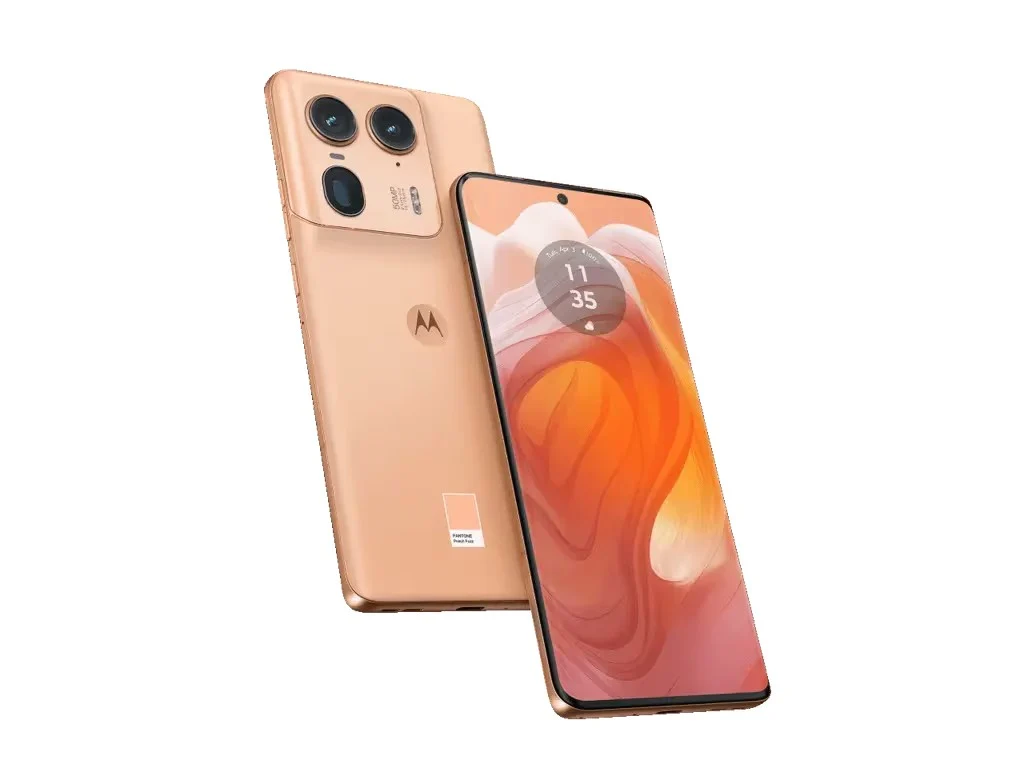
  • Motorola Edge 70 Ultra Coming, Edge 60 Ultra May Be Canceled

    Motorola Edge 70 Ultra Coming, Edge 60 Ultra May Be Canceled

    Key Takeaways

    1. The Motorola Edge 60 series includes models like Edge 60, Edge 60 Fusion, Edge 60 Pro, Edge 60 Stylus, and Edge 60s for China, but the Edge 60 Ultra is notably missing.
    2. The Edge 50 Ultra, last year’s flagship, features a Snapdragon 8s Gen 3 processor, up to 16GB of RAM, 1TB of storage, and a triple rear camera setup, making it competitive in the market.
    3. Speculation suggests that the Edge 60 Ultra may not be released, with hints from leaker Evan Blass indicating its absence.
    4. There is a theory that Ultra models are released every two years, explaining the lack of an Edge 60 Ultra following the Edge 30 Ultra in 2022.
    5. The Motorola Edge 70 Ultra is rumored to be released next year, as per unofficial sources.


    The Motorola Edge 60 series includes a variety of models such as the Edge 60, Edge 60 Fusion, Edge 60 Pro, Edge 60 Stylus, and the exclusive Edge 60s for China. However, the much-anticipated model, the Edge 60 Ultra, seems to be missing from this lineup. Recent information suggests that it may not be released at all.

    Edge 50 Ultra Overview

    Last year’s Edge 50 Ultra was the flagship of its series, though some might argue it doesn’t fully fit the flagship category. It was equipped with a Snapdragon 8s Gen 3 processor, unlike the Snapdragon 8 Gen 3 found in other prominent 2024 Android devices, such as the Samsung Galaxy S24. That said, it does boast impressive specifications like up to 16GB of RAM, 1TB of UFS 4.0 storage, and a triple rear camera setup featuring a 64MP periscope telephoto lens, alongside a 50MP front camera. Additionally, it has a 4,500mAh battery that supports rapid charging at up to 125W for wired and 50W for wireless, plus Ultra Wideband support. The Motorola Edge 50 Ultra is currently listed on Amazon for €657.79, making it potentially a strong contender against its competitors in terms of features.

    Speculations on the Edge 60 Ultra

    Many fans were hoping for a new model this year, but Evan Blass, a well-known leaker, indicates that this may not be the case. A post on X suggests that the Motorola Edge 60 Ultra might not be happening. Interestingly, it also hints at the upcoming Motorola Edge 70 Ultra, which is rumored to be released next year.

    The reason behind the possible cancellation of the Edge 60 Ultra remains unclear. One theory suggests that the Ultra models are released every two years. This theory seems reasonable since the Motorola Edge 30 Ultra debuted in 2022 but didn’t receive a successor in 2023; instead, it was followed by the Edge 50 Ultra in 2024. This timeline could explain why the Edge 60 Ultra is absent, while the Motorola Edge 70 Ultra has been confirmed, though through unofficial channels.

    Source:
    Link