Key Takeaways
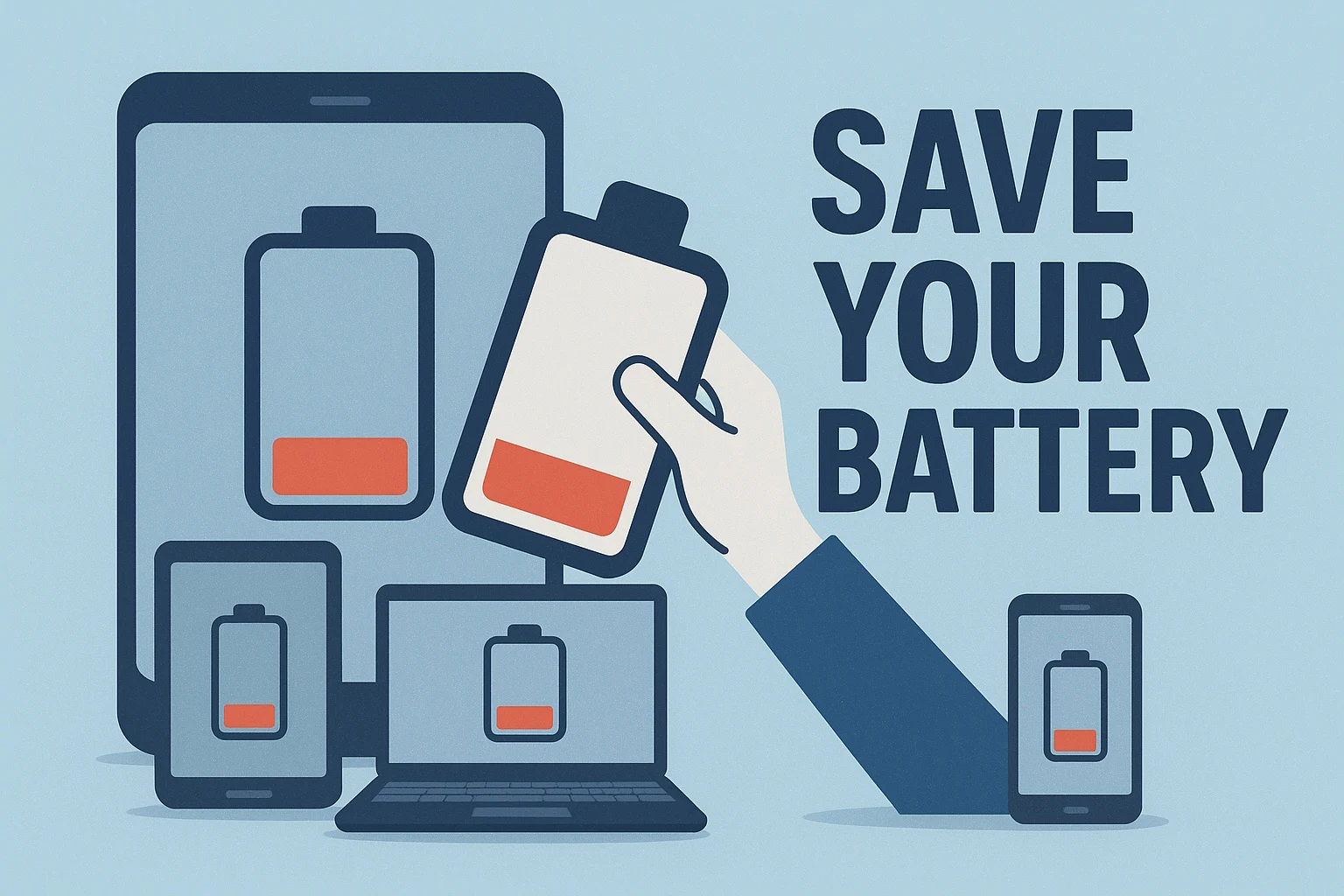
1. Many modern gadgets have non-removable batteries, leading to increased e-waste when devices fail due to battery issues.
2. Batteries deteriorate when not used regularly, making it challenging to maintain devices that aren’t used daily.
3. The culture of overconsumption contributes to the problem, with consumers frequently buying cheap gadgets that quickly become waste.
4. The EU is working on regulations to address battery waste, but full implementation and effectiveness will take time and enforcement.
5. Consumers can make informed choices by opting for devices with replaceable batteries and being mindful of their purchases to reduce e-waste.
I recently rediscovered a smartphone gimbal that I hadn’t used for quite some time. I had a reason to take it out again, so I thought I’d just charge it up and use it. However, the battery was completely dead, which wasn’t a surprise. After charging it, the device turned on, but the battery was clearly in bad shape, likely due to being deeply discharged or just sitting around for too long. It struggled to hold its own weight, much less balance a phone. Since the battery can’t be replaced, the gimbal has basically become e-waste.
Another Example of E-Waste
A similar situation happened with a wireless lav mic I got as a present. I left it untouched for three months, and when I finally decided to try it out, it was totally dead – I never even got a chance to use it.
Changing Times and Technologies
Back in the early 2000s, this kind of problem was less common. Most gadgets had removable batteries. Phones and laptops allowed you to change the battery when it stopped working. Many devices simply used standard AA or AAA batteries. Fast forward to now, and even with the EU’s new Battery Regulation (2023/1542), most consumer electronics have sealed batteries—smartphones, laptops, and especially the myriad of gadgets we tend to collect.
You can find non-removable batteries in many things like headphones, Bluetooth speakers, and party boxes, as well as VR headsets, controllers, electric shavers, clippers, gamepads, gimbals, microphones, power banks, power stations, screwdrivers, voice recorders, translation devices, lamps, e-readers, and so much more. Then there are items with removable batteries, such as drones, action cameras, and e-bikes, which still need regular charging and maintenance. If you look around your home with this in mind, you’ll probably find dozens of such devices. I lost count after 30.
The Challenge of Battery Care
Here’s the catch: batteries don’t like to sit idle. Like my gimbal, many of these gadgets deteriorate if they’re not charged and used often. But with so many devices, how can anyone keep track? I use my power station only for a few outdoor trips. I fly my drone maybe a couple of times a year. The same applies to my cordless screwdriver or remote-control car. These aren’t everyday items.
A Larger Problem
This issue goes beyond personal inconvenience. We live in a culture of overconsumption, constantly purchasing cheap, trendy gadgets that provide a few hours of fun before being forgotten in a drawer and eventually thrown away, batteries included. The environmental impact is significant and growing. It’s not surprising that the EU is attempting to counter this with regulations, although these won’t be fully implemented until 2027. Even then, the effectiveness depends on how strictly they are enforced, and there are already loopholes and exemptions.
As consumers, we do have the power to make choices. We can opt for devices with replaceable batteries. We can be more conscious of our purchases and resist every enticing “deal” during events like Amazon Prime Day or Black Friday. Just because something is inexpensive and appealing doesn’t mean it won’t end up as waste within a year.
The Temptation Remains
Of course, this is easier said than done. Will I manage to resist the temptation next time? Honestly… I’m not so sure.