Category: Home

  • GL.iNet HaLowLink 2: Wi-Fi Router with 1 km Range for 1,000 Devices

    GL.iNet HaLowLink 2: Wi-Fi Router with 1 km Range for 1,000 Devices

    Key Takeaways

    1. The HaLowLink 2 is a long-range router designed for IoT devices, offering better range and capacity than its predecessor, the HaLowLink 1.
    2. It operates in the sub-1GHz frequency band, allowing for a range of up to 1 km (0.6 miles) and coverage of over 200 acres without extenders.
    3. The router can connect up to 1,000 IoT devices simultaneously.
    4. It features one LAN port, one WAN port, a USB-C port, and runs on a dual-core MediaTek MT7621 processor with 256 MB of DRAM.
    5. The HaLowLink 2 is priced at $129.90 for a single unit and $233.82 for a two-pack, available for purchase directly from the GL.iNet website.


    GL.iNet and Morse Micro have launched the HaLowLink 2, which is the new version of the HaLowLink 1 long-range router. This upgraded model offers even better range and greater capacity for Internet of Things (IoT) devices. You can purchase it directly from the GL.iNet website for $129.90, shipped straight from China.

    Enhanced Connectivity

    As indicated by its name, the HaLowLink 2 functions as a Wi-Fi HaLow router. It operates within the sub-1GHz frequency band, providing enhanced range and improved signal penetration through walls and floors compared to the typical 2.4GHz and 5GHz Wi-Fi. GL.iNet claims that the HaLowLink 2 can reach up to 1 km (0.6 miles) or cover more than 200 acres without needing an extender. It can also connect up to 1,000 IoT end devices, making it perfect for extensive IoT setups.

    Router Features

    The router is equipped with one LAN port, one WAN port, and an additional USB-C port. It runs on a dual-core MediaTek MT7621 processor and comes with 256 MB of DRAM. It is compatible with HaLow-enabled devices right out of the box, but users have the option to connect a second unit as an extender, allowing for a 2.4GHz hotspot for regular Wi-Fi devices. The device features one external HaLow antenna along with two internal 2.4GHz Wi-Fi antennas in a compact design.

    The HaLowLink 2 can be ordered now on the GL.iNet website. The price is $129.90 for a single unit or $233.82 for a two-pack, both available as direct imports from China, not including any import costs.

    Source:
    Link



  • NASA Discovers Unusual Findings in Chemically Primitive Galaxy

    NASA Discovers Unusual Findings in Chemically Primitive Galaxy

    Key Takeaways

    1. Sextans A is a dwarf galaxy located about 4 million light-years from Earth and has low metallicity, similar to early galaxies in the universe.
    2. The early universe was mostly hydrogen and helium, with heavier elements formed later through supernovae.
    3. Recent studies using NASA’s Webb telescope found metallic iron dust and silicon carbide in Sextans A, challenging previous assumptions about its low metallicity.
    4. AGB stars, nearing the end of their life cycles, were identified as the sources of iron dust and silicon carbide in Sextans A.
    5. The discovery of polycyclic aromatic hydrocarbons (PAHs) in Sextans A suggests that complex carbon-based molecules can form in low metallicity environments, indicating diverse dust production processes in the early universe.


    The galaxy being discussed is Sextans A, a dwarf galaxy situated around 4 million light-years from Earth. It is characterized by a low metallicity, which is only about three to seven percent compared to that of our Sun. Metallicity refers to the presence of elements heavier than hydrogen and helium. The low levels of metallicity in Sextans A are reminiscent of galaxies that existed during the early stages of the universe.

    Understanding the Early Universe

    In the beginning, the universe was primarily composed of hydrogen and helium. Heavier elements such as carbon, oxygen, silicon, and iron were formed later, primarily released through supernovae. This understanding reflects the current view astronomers hold regarding the development of the universe over time.

    New Discoveries in Sextans A

    However, two recent studies supported by NASA’s Webb space telescope revealed the presence of metallic iron dust and silicon carbide created by aging stars within Sextans A. One of these studies, published in the Astrophysical Journal, uncovered a star that was producing dust grains mainly composed of iron. This was unexpected, considering Sextans A’s low metallicity.

    Additionally, silicon carbide (SiC) was also detected as being formed by certain stars. These stars, responsible for the iron dust and silicon carbide, are known as Asymptotic Giant Branch (AGB) stars, which are large stars nearing the end of their life cycles.

    Surprising Findings of PAHs

    The other study, which is still undergoing peer review, identified polycyclic aromatic hydrocarbons (PAHs), which are complex carbon-based molecules. Discovering PAHs in Sextans A was surprising due to its low metallicity. The Webb telescope highlighted these PAHs in small, dense areas only a few light-years wide, indicating that such molecules can arise and persist in environments with low metal content.

    Together, these studies suggest that the early universe may have had a broader range of processes for producing dust than what astronomers previously thought.

    Source:
    Link


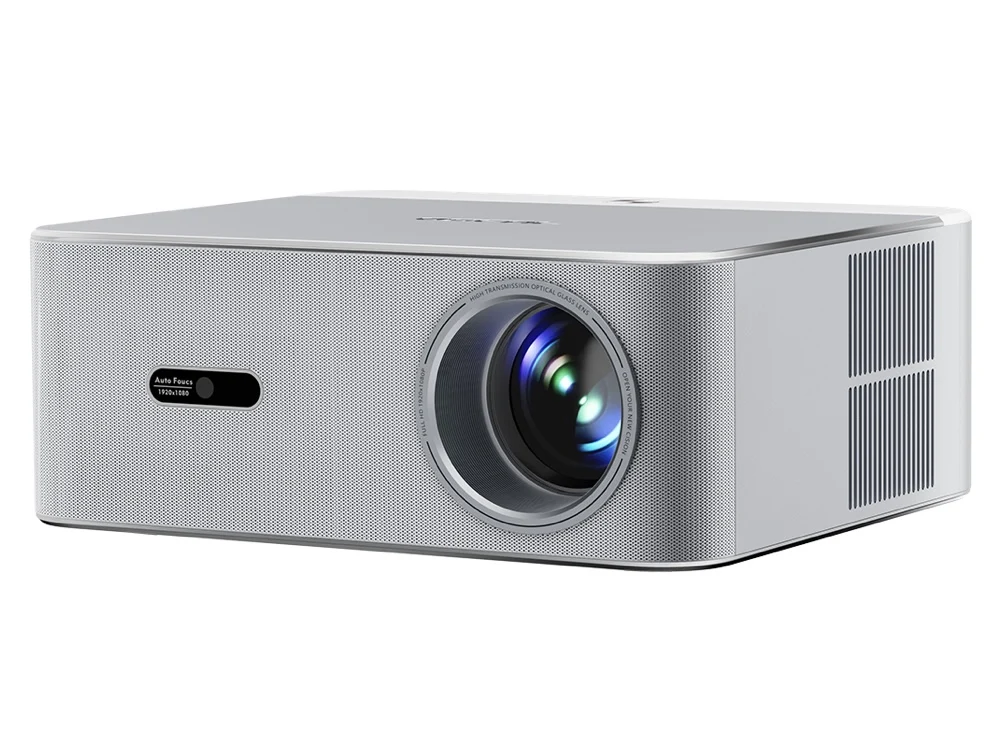
  • OSCAL PV800 Pro Projector: 1400 ANSI Lumens & 4K Discounted

    OSCAL PV800 Pro Projector: 1400 ANSI Lumens & 4K Discounted

    Key Takeaways

    1. High Brightness and Picture Quality: The OSCAL PV800 Pro features 1400 ANSI lumens, native 1080p resolution, 4K support, HDR10+, and a 4000:1 contrast ratio, enhancing viewing in various lighting conditions.

    2. Large Projection Size: Capable of projecting images up to 200 inches, making it suitable for living rooms and outdoor events, with user-friendly setup including automatic focus and keystone correction.

    3. Smart Streaming Capabilities: Operates on Google TV, providing access to major streaming services and over 10,000 apps, along with AI voice control for easy navigation.

    4. Durability and Longevity: The LED light source lasts up to 150,000 hours and comes with a three-year warranty, ensuring long-term use.

    5. Promotional Pricing: Officially priced at $299, currently available for $219 on Amazon with a special coupon code until January 18.


    OSCAL has introduced a new projector named the PV800 Pro, marking its debut flagship model that focuses on brightness, durability, and built-in smart functionalities. A standout feature is the impressive 1400 ANSI lumen output, which places it significantly ahead of many basic home projectors. This allows it to function well in spaces with ambient light, eliminating the need for complete blackout curtains. The projector also boasts native 1080p resolution and is capable of supporting 4K content, complemented by HDR10+ and a contrast ratio of 4000:1. Together, these elements enhance picture quality and bring vibrant colors to larger displays.

    Ideal For Various Settings

    When it comes to projection size, the OSCAL PV800 Pro can project images as large as 200 inches. This makes it ideal for use in living rooms, as well as outdoor gatherings and group scenarios. The setup process is quite user-friendly, thanks to features like automatic focus and keystone correction, allowing the projector to self-align without manual effort. Audio is provided through built-in stereo speakers equipped with a 75mm driver and a 360-degree sound output, which means you might not need external speakers for smaller areas.

    Stream Everything Easily

    The new high-end projector from OSCAL operates on Google TV, giving users direct access to nearly all major streaming services, including Netflix, YouTube, Disney Plus, and Amazon Prime Video. It also supports over 10,000 additional applications and features AI voice control. Inside, the projector is driven by a quad-core Hi3751 V352 processor paired with Mali-450 MP2 graphics for seamless playback. Plus, it keeps operating noise below 35dB thanks to a sophisticated cooling system.

    Built to Last

    Another impressive aspect of this OSCAL projector is its longevity. The LED light source has a lifespan of up to 150,000 hours and comes with a three-year warranty. The official price of the PV800 Pro is set at $299, but a special launch promotion offers it for just $219 on Amazon. This deal is available until January 18, and customers can use the coupon code “NRC28FE4” to maximize their savings.

  • NASA’s Webb Discovers Unclassified Strange Objects in Space

    NASA’s Webb Discovers Unclassified Strange Objects in Space

    Key Takeaways

    1. Nine peculiar galaxies were discovered in James Webb Space Telescope archives, exhibiting unique characteristics that defy existing classifications.
    2. These galaxies have a point-like appearance similar to quasars, but are too faint for such classification and display narrow spectral lines.
    3. The galaxies are too distant to be stars from our own galaxy, highlighting their uniqueness.
    4. Astronomers theorize that these galaxies may represent an earlier phase of galaxy formation not previously observed.
    5. Further identification of similar objects is needed to explore deeper questions about the initiation of galaxy formation.


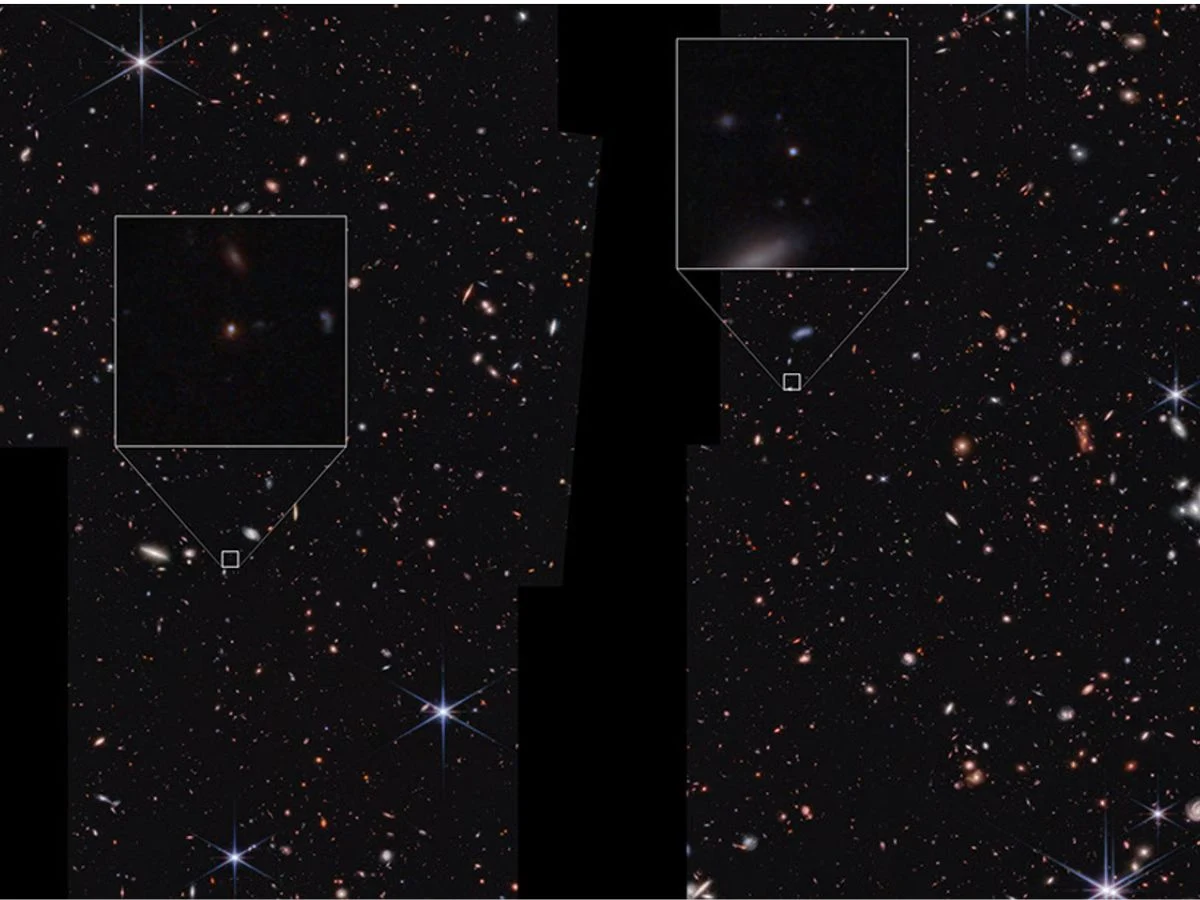
    While sifting through the archives of the James Webb Space Telescope, a group of astronomers stumbled upon nine peculiar galaxies. These galaxies showcase a blend of characteristics that have never been observed before. Due to their unique traits, they cannot be classified into any existing categories. The astronomers have drawn a comparison between these galaxies and platypuses, which are known for their unusual mix of features.

    Unique Appearance of Galaxies

    The common trait among these nine galaxies is their point-like appearance. This is similar to quasars, but these particular objects are too faint to be classified as such. The spectral data revealed narrow lines that are not characteristic of quasars. Although narrow-line galaxies do exist, they do not present themselves as point-like sources. Additionally, these nine strange objects are too distant to be stars within our own galaxy.

    Theories Behind the Discovery

    Astronomers propose a possible explanation for these peculiar galaxies. They suggest that what Webb has captured may represent an earlier phase of galaxy formation than has previously been observed. If this hypothesis holds true, this finding could encourage astronomers to pursue answers to more profound questions, such as “What initiates the process of galaxy formation?” However, to delve deeper into this mystery, astronomers would need to identify more similar objects for further investigation.

    Source:
    Link


  • Hubble Uncovers New Celestial Object Type in Space Discovery

    Hubble Uncovers New Celestial Object Type in Space Discovery

    Key Takeaways

    1. Cloud-9 was first detected three years ago using the FAST telescope, but no stars were found at that time.
    2. Recent observations with the Very Large Array (VLA) and Hubble’s Advanced Camera for Surveys confirmed that Cloud-9 contains no stars.
    3. Cloud-9 is identified as a Reionization-Limited H I Cloud (RELHIC), a new type of starless, gas-rich cloud theorized to exist.
    4. This cloud is considered a “failed galaxy” that never formed stars due to insufficient mass, providing insights into the early universe.
    5. The discovery suggests that similar clouds may exist throughout the universe and contributes to understanding the formation of galaxies.


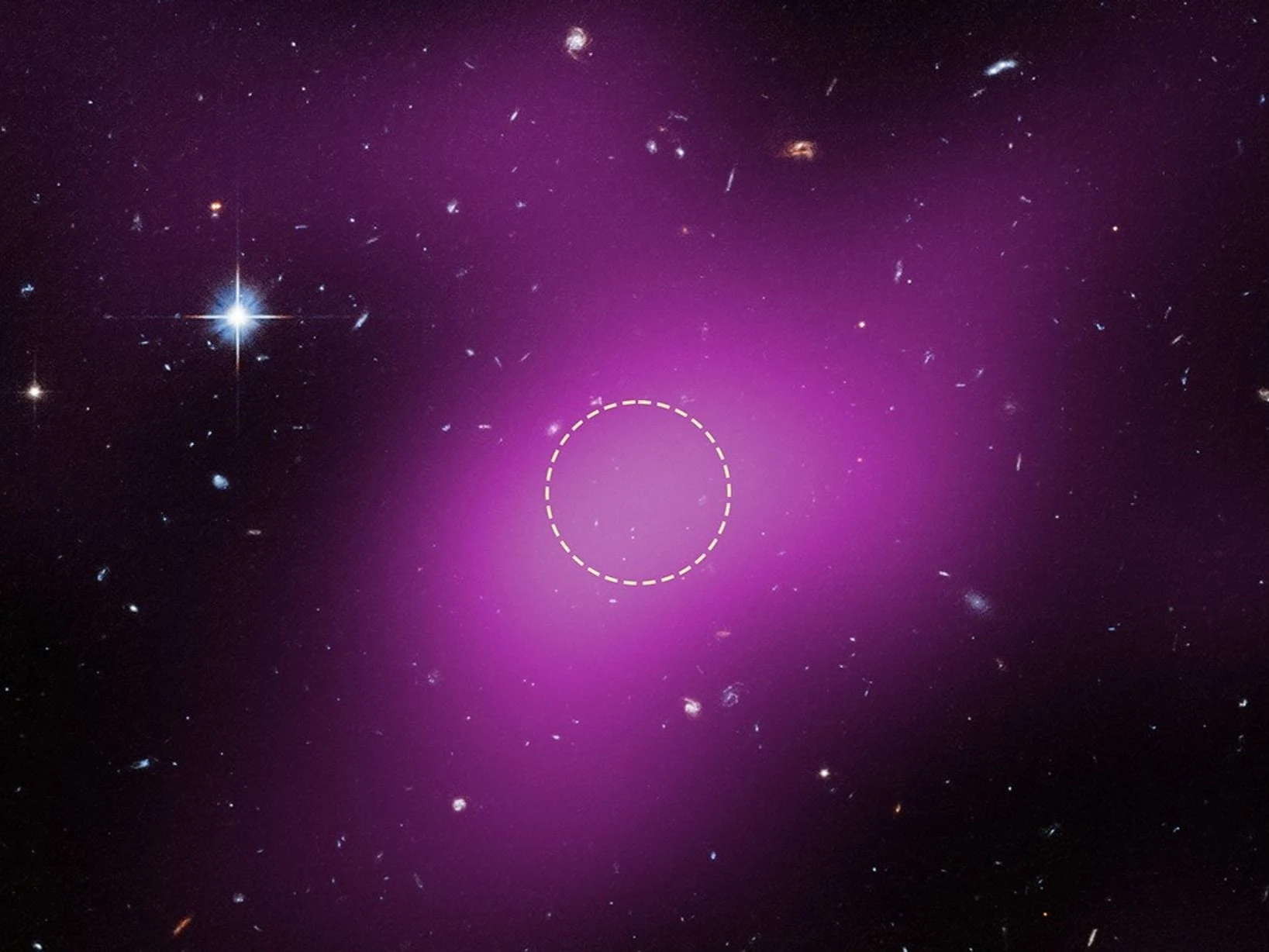
    Cloud-9 was first noticed three years ago during a radio survey conducted by the Five-hundred-meter Aperture Spherical Telescope (FAST). At that time, astronomers couldn’t find any stars in it, suspecting that their tools were simply not sensitive enough to detect them.

    Recent Observations

    In a new observation, the Very Large Array (VLA), a ground-based radio telescope, picked up radio signals from Cloud-9. Following this, Hubble’s Advanced Camera for Surveys analyzed the cloud, but it still found no stars, which surprised the astronomers involved in the study.

    “Before we used Hubble, you could argue that this is a faint dwarf galaxy that we could not see with ground-based telescopes,” said lead author Gagandeep Anand from Space Telescope Science Institute (STScI). “But with Hubble’s Advanced Camera for Surveys, we’re able to nail down that there’s nothing there.”

    Groundbreaking Discovery

    Astronomers had theorized about the existence of starless, gas-rich, dark-matter clouds, and this marked the first discovery of such a cloud. This particular cloud is named a Reionization-Limited H I Cloud (RELHIC) and is thought to be a remnant from the early universe, abundant in neutral hydrogen (H I).

    This cloud is referred to as a “failed galaxy,” meaning it never gathered enough mass to collapse and start star formation. The identification of this RELHIC hints that there may be many similar clouds scattered throughout the universe. Moreover, it provides a glimpse into the early universe, as these objects are seen as leftovers from the initial stages of galaxy development. The findings from this study were published in the Astrophysical Journal Letters.

    Source:
    Link


  • iFixit Names CES 2026 Worst Products with “Worst in Show” Awards

    iFixit Names CES 2026 Worst Products with “Worst in Show” Awards

    Key Takeaways

    1. iFixit identified several disappointing innovations at CES 2026, highlighting risks to privacy, costs, and the environment.
    2. The Lava Lollipop Star was named “Worst of Show” for being a single-use item that negatively impacts the environment.
    3. Bosch’s eBike Lock was criticized for unnecessary features that limit the availability of replacement parts, leading to “enshittification.”
    4. Amazon’s Ring products received the “Worst in Show” award for excessive data collection and privacy violations.
    5. The Samsung smart fridge was awarded for worst repairability, raising concerns about its complicated design and existing reliability issues.


    Today marks the last day of CES 2026, the biggest electronics exhibition held annually in Las Vegas. This year, CES showcased a variety of impressive breakthroughs, including a number of laptops powered by Intel’s Panther Lake, a stair-climbing robot vacuum with legs, and innovative cellulose-based batteries.

    Highlighting the Worst Innovations

    However, instead of celebrating the best products, the repair specialists at iFixit have identified the most disappointing ones revealed at CES. They emphasize that while new features can be exciting, they often come with significant risks regarding personal privacy, consumer costs, and environmental concerns.

    Notable Disappointments

    One standout failure is the Lava Lollipop Star, which combines the taste of a lollipop with a vibration component. When bitten, the lollipop vibrates to create music, using your skull as an echo chamber. The drawback? Once you finish the lollipop, it goes straight to the trash. There’s no way to replace the battery, making it a single-use item that provides only a few minutes of entertainment. Because of this, iFixit has awarded the Lollipop Star the title of “Worst of Show” due to its negative impact on the environment.

    Privacy Issues on the Rise

    In iFixit’s view, “enshittification” refers to the process of degrading a product with unnecessary features. This year, the “honor” goes to Bosch for its eBike Lock. This feature is meant to deter thieves by disabling the motor until unlocked through a smartphone app. However, it also introduces parts pairing, making it impossible to use replacement parts unless they are specifically bought from Bosch and authorized for that bike. This situation is similar to Apple’s iPhone, leading to a significant limitation on the availability of spare parts for e-bikes.

    Security Concerns

    iFixit discovered that Amazon leads in privacy violations with its latest Ring smart home cameras and the Ring Video Doorbell, which gather more personal information than ever. This includes always-on facial recognition and mobile surveillance units that can continuously monitor public spaces. Additionally, the app store shares this information with third-party companies. Amazon tries to persuade users that increased surveillance equates to enhanced security, receiving a “Worst in Show” award for its efforts.

    Cybersecurity Risks

    In 2026, even treadmills come equipped with numerous sensors, internet connectivity, and AI, which can gather personal information, including sensitive health data. The award for the poorest cybersecurity goes to the Chinese firm Merach, primarily because the company clearly states that it cannot assure the safety of the data it collects.

    Complex Appliances

    The Samsung smart fridge has received both the worst repairability and overall worst product awards. This model replaces the traditional door handle with a motor and AI that responds to a trigger phrase like “open sesame.” iFixit is worried that this fridge will grow increasingly complicated. Given Samsung’s existing issues with faulty compressors, touch screens, and ice makers, this new mechanism could lead to even more problematic refrigerators.

    Source:
    Link


  • Xiaomi Launches New Washing Machine Pro with Electrolysis Feature

    Xiaomi Launches New Washing Machine Pro with Electrolysis Feature

    Key Takeaways

    1. The Xiaomi Mijia Washing Machine Pro features advanced super electrolysis technology for effective stain removal and sterilization (99% rate).
    2. It has a capacity of 12 kg for washing and 9 kg for drying, with a low-temperature drying option and a drum cleaning mode at 95°C.
    3. The machine offers 31 selectable programs, including a quick 12-minute wash and a cycle for pet hair removal.
    4. Users can control the washing machine remotely via an app and it supports future OTA updates with HyperOS Connect.
    5. Priced at CNY 3,999 (about $573), availability outside of China, including Europe, has not been confirmed.


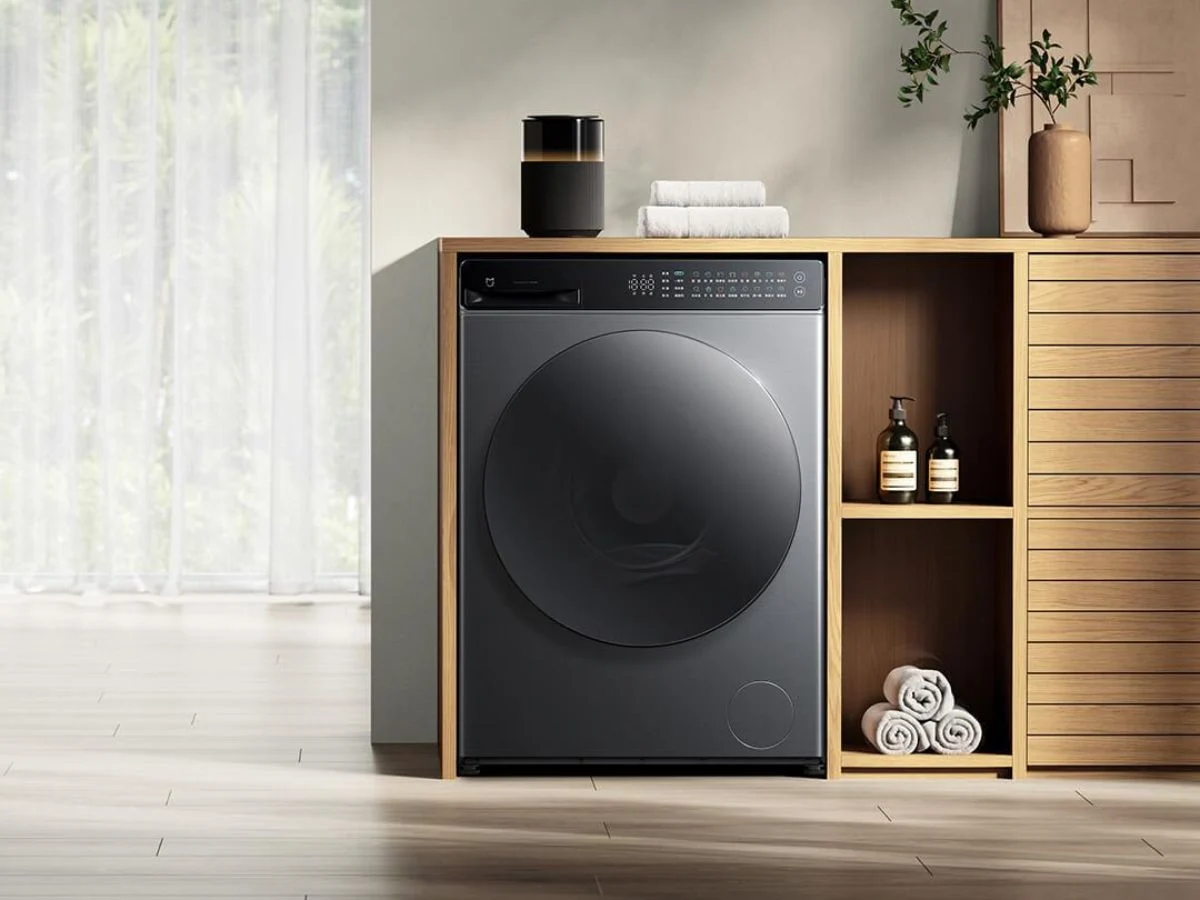
    A new washing machine from Xiaomi has been unveiled in China. The Mijia Washing Machine Pro Super Electrolytic Smart Wash and Dry 12kg has some features in common with the previous Mijia Washing Machine Pro Blue Oxygen model.

    Advanced Features

    The latest Xiaomi Mijia Washing Machine Pro incorporates the brand’s super electrolysis technology. This technology is claimed to effectively remove stains, whiten clothes, and stop colors from bleeding. Additionally, it boasts a 99% sterilization rate and offers a total of 31 selectable programs via a touch panel. Among these programs are a quick setting that takes just 12 minutes, a wool wash, and a cycle specifically designed for removing pet hair.

    Impressive Capacity

    This washing and drying machine can handle loads of up to 12 kg (approximately 26.5 lbs) for washing and up to 9 kg (around 19.8 lbs) for drying. It includes a low-temperature drying option, which automatically finishes the cycle once sensors indicate that the laundry is dry. Other notable features consist of a drum cleaning mode at 95°C (about 203°F) and smart detergent dispensing from two compartments, which can hold enough detergent for 30 days. Users can also control the washing machine remotely via the brand’s app, and there are plans for future over-the-air (OTA) updates with HyperOS Connect.

    Pricing and Availability

    In China, the Xiaomi Mijia Washing Machine Pro Super Electrolytic Smart Wash and Dry 12kg is priced at CNY 3,999 (around $573). As of now, Xiaomi has not revealed if this model will be available in Europe in the future. Currently, the brand offers the Mijia Front Load Washer Dryer Pro 9kg in this market, priced at €499 at the Xiaomi Store ES.

    Source:
    Link


  • OSCAL PowerMax 1800 SE: 1024Wh Power Station Launch Discount

    OSCAL PowerMax 1800 SE: 1024Wh Power Station Launch Discount

    Key Takeaways

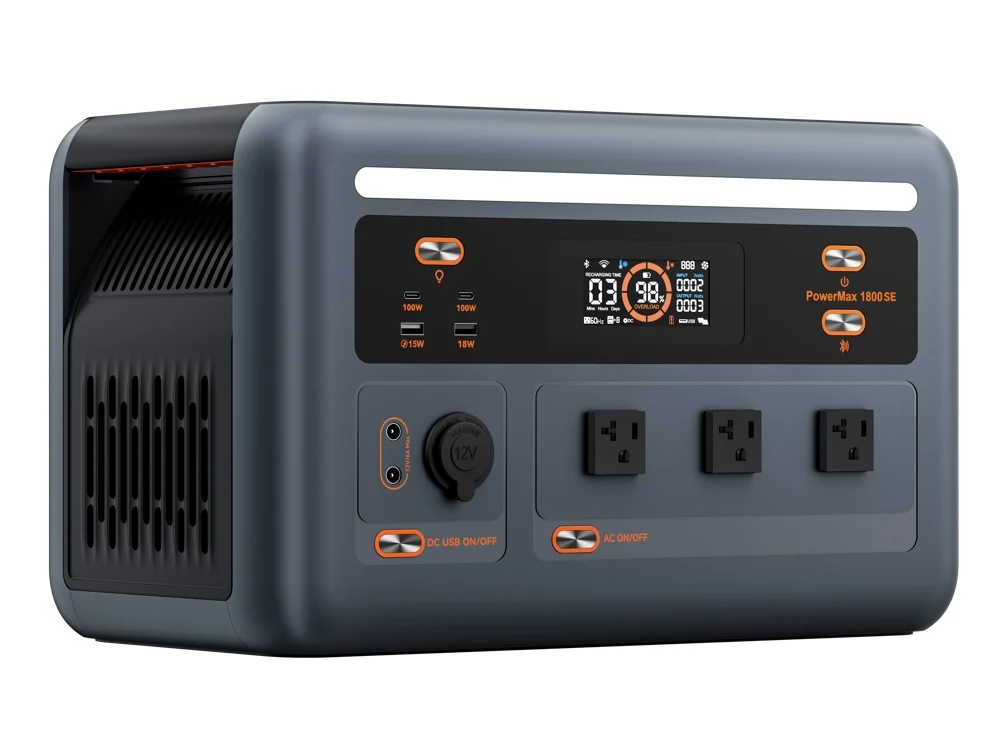
    1. Power and Capacity: The OSCAL PowerMax 1800 SE features a battery capacity of 1,024Wh and a continuous output of 1,800W, capable of handling spikes up to 2,400W.

    2. Lightweight Design: Weighing only 15.5 kilograms, the device is lighter than many competing portable power stations, making it easy to transport.

    3. Versatile Charging Options: It supports multiple charging methods, including up to 800W solar input for fast charging, AC power, car charging, and other renewable sources.

    4. Safety and Durability: The power station has a UL-certified LFP battery, a robust battery management system, fire-resistant casing, and an IP54 rating for dust and water resistance.

    5. Promotional Price: The official MSRP is $459.99, but a special launch discount brings it down to $400 with a coupon code valid until January 31.


    OSCAL has recently launched the PowerMax 1800 SE, a small yet powerful portable power station that’s perfect for home backup, outdoor activities, and emergency situations. One of the key features of this device is its impressive balance of size and functionality. With a battery capacity of 1,024Wh and a continuous output of 1,800W pure sine wave, it can support most daily appliances and electronics, such as kitchen gadgets, laptops, power tools, and sensitive devices that need a steady current. It can even handle spikes of up to 2,400W without any trouble. Despite its strong output, the unit weighs only 15.5 kilograms, making it lighter than many other similar models available.

    Charging Options

    Another great feature of this power station is its versatile charging options. Specifically, the OSCAL PowerMax 1800 SE can accept up to 800W of solar input, allowing it to reach 80% charge in about one hour under optimal conditions. When plugged into standard AC power, its 700W fast charging capability can fully charge the device in roughly 90 minutes. Besides typical wall charging, it also supports hybrid AC and solar inputs, car charging, EV charging stations, generators, and even wind or hydro sources, making it very handy in both city and off-grid environments.

    Safety and Durability

    In terms of safety and durability, this power station is equipped with a third-generation UL-certified LFP battery designed for over 3,500 charge cycles. It incorporates a 12-layer battery management system and a UL 94 V-0 fire-resistant casing. The IP54 rating provides added protection against dust and water splashes, making it suitable for outdoor use or job sites. Additionally, the built-in 0.01-second UPS function safeguards critical devices like routers, PCs, NAS, and medical equipment during unexpected power outages.

    The OSCAL PowerMax 1800 SE has an official MSRP of $459.99 in the U.S., but a special launch discount brings the price down to a tempting $400 on Amazon. Buyers should apply the coupon code “6486YEZ5,” which is valid until January 31. This offer presents a great chance to acquire a high-output, portable power station at a reasonable price.

  • Roborock Saros 20 Sonic: Powerful New Robot Vacuum Unveiled

    Roborock Saros 20 Sonic: Powerful New Robot Vacuum Unveiled

    Key Takeaways

    1. The Roborock Saros 20 Sonic features enhanced suction power of up to 35,000 Pa, surpassing the 22,000 Pa of the Saros 10 model.
    2. It includes advanced cleaning tools like the DuoDivide Main Brush and FlexiArm Arc Side Brush to prevent tangles, and offers improved mopping pressure with 14N and 4,000 vibrations per minute.
    3. The innovative AdaptiLift Chassis 3.0 allows the robot to navigate double-layer thresholds of 4.5+4 cm while maintaining a slim profile.
    4. The upgraded RockDock provides mop washing with hot water, self-cleaning capabilities, and automatic dustbin emptying.
    5. The Saros 20 Sonic is set to launch between April and June 2026, with no confirmed pricing yet, following the previous model’s price of $1,599.99.


    Roborock has introduced the Saros 20 Sonic robot vacuum and mop at CES 2026. This latest flagship model enhances the features of the Saros 10, which was revealed at the same event last year, by incorporating numerous improvements.

    Enhanced Power and Design

    The Roborock Saros 20 Sonic stands out with its impressive suction power of up to 35,000 Pa, a notable upgrade from the 22,000 Pa of the 10R model. It comes equipped with the DuoDivide Main Brush and FlexiArm Arc Side Brush, both designed to prevent tangles. Similar to its earlier version, it includes a vibrational mopping system, but this new version claims to provide 1.75 times more pressure, with 14N of downward force and 4,000 vibrations per minute. Roborock also mentions that the extendable mop has improved corner cleaning capabilities. Depending on the selected cleaning mode, users can detach the mops and raise the main brush for enhanced cleaning efficiency.

    Innovative Features

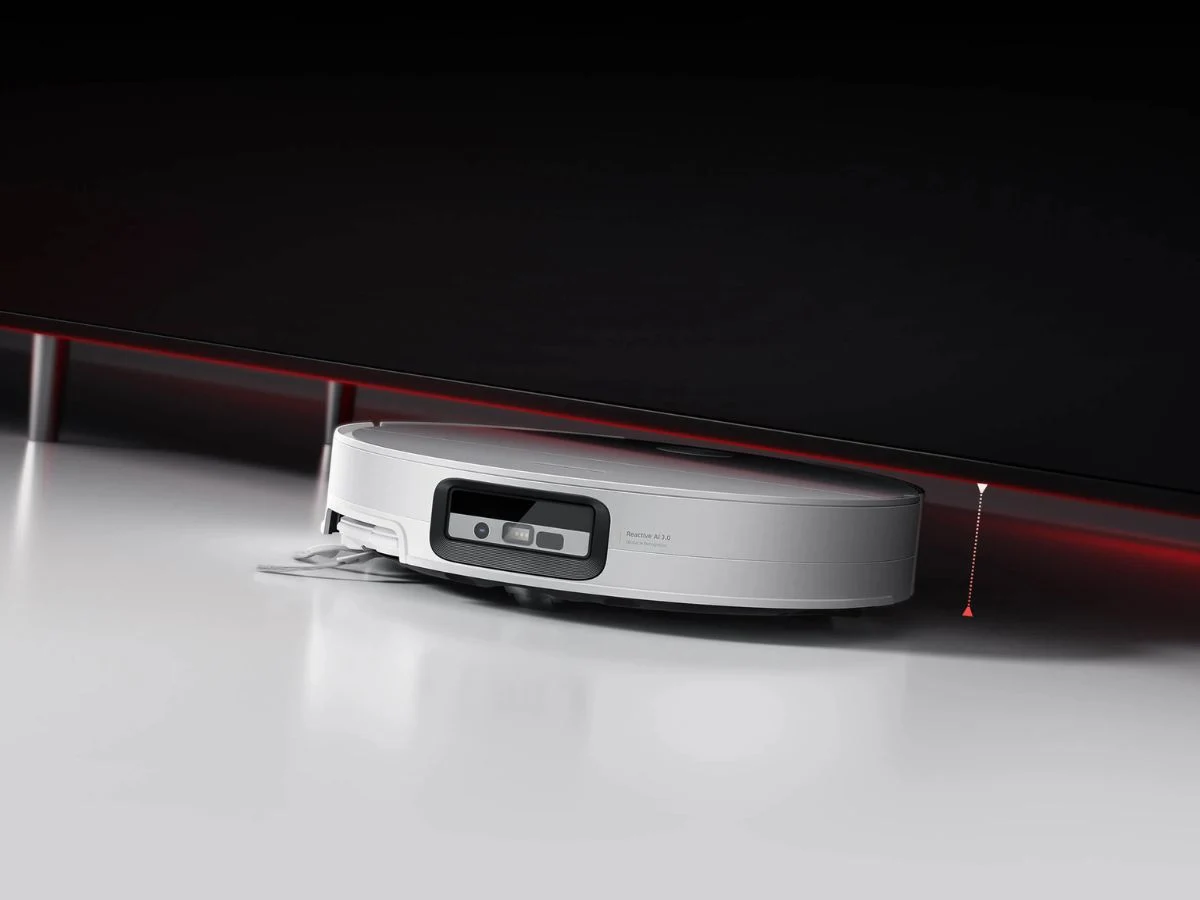
    A standout addition in the Roborock Saros 20 Sonic is the AdaptiLift Chassis 3.0, which allows the robot to ascend a double-layer threshold of 4.5+4 cm (1.8+1.6 inches). It maintains the sleek 7.98 cm (~3.1 inch) profile of its predecessor, featuring a retractable LDS sensor for navigation purposes. Furthermore, it includes an upgraded RockDock that allows for mop washing with hot water at 100°C (~212°F), self-cleaning of the dock, and emptying of the robot’s dustbin.

    Availability and Pricing

    Roborock plans to launch the Saros 20 Sonic robot vacuum and mop between April and June 2026. Customers can choose from black or white colors, along with standalone and Refill and Drainage System options. While the company hasn’t yet revealed the price for the new model, the previous Saros 10 robot vacuum and mop was released at a recommended retail price of $1,599.99 (currently $1,299.99 on Amazon).

    Source:
    Link


  • Asteroid Spotted by Vera C. Rubin Observatory Spinning Fast

    Asteroid Spotted by Vera C. Rubin Observatory Spinning Fast

    Key Takeaways

    1. The Vera C. Rubin Observatory has discovered over 2,000 new asteroids since its launch in June.
    2. The fastest rotating asteroid identified is named 2025 MN45, spinning once every 1.88 minutes.
    3. 2025 MN45 is located in the main asteroid belt between Mars and Jupiter and has a diameter of 710 meters.
    4. Astronomers believe a strong collision in the past could explain the asteroid’s high rotation speed.
    5. There are even faster-spinning smaller asteroids that can rotate in under a minute.


    Space is filled with wonders, and every year, astronomers uncover new secrets. A recent discovery was made possible by the Vera C. Rubin Observatory, which found an asteroid that spins faster than any other.

    Fast Discoveries

    Since its launch last June, the observatory has spotted over 2,000 newly identified asteroids. Out of these, 19 are incredibly fast rotators, turning on their axes in less than 2.2 hours. However, one asteroid stands out above the rest.

    This record-breaking asteroid, named 2025 MN45, resides within our solar system in the main asteroid belt that lies between Mars and Jupiter. If that belt were to vanish, this asteroid would still be significant, boasting a diameter of 710 meters. Yet, what truly amazes is its rotation speed; it spins once in only 1.88 minutes. This makes it the fastest rotating asteroid over 500 meters that has ever been found.

    The Mystery Behind Its Speed

    Astronomers think that a strong collision must have happened in the past to cause this speed. Still, the exact makeup of the asteroid is unknown. Sarah Greenstreet, an assistant astronomer at NSF NOIRLab, has a theory that it could be made of very strong rock:

    “It’s clear that this asteroid needs to be composed of material with exceptional strength to remain intact as it spins at such a high rate.”

    Other Fast Rotators

    Despite the excitement surrounding this discovery, there are even faster-spinning asteroids out there. These tend to be smaller celestial bodies, which can rotate in under a minute.

    NOIRLab

    Source:
    Link