Category: Gaming

  • Jsaux Unveils RGB Cooling Fan Edition for ROG Ally ModCase

    Jsaux Unveils RGB Cooling Fan Edition for ROG Ally ModCase

    Jsaux has introduced their newest ModCase specifically designed for the ROG Ally series. This case is constructed from “precision”-moulded, “eco-friendly” ABS polycarbonate and silicone materials, providing “ultimate” protection. It features a complete front panel cover, ensuring that you can safely carry your Asus handheld console in a backpack or suitcase without worry.

    Compatibility with Accessories

    The ModCases are designed for both the ROG Ally and its successor, the Ally X. They support detachable stands and Velcro attachments for various accessories, including the Jsaux 65W 20,000mAh power bank, which is currently priced at $59.99 on Amazon.

    Enhanced Features for Ally X

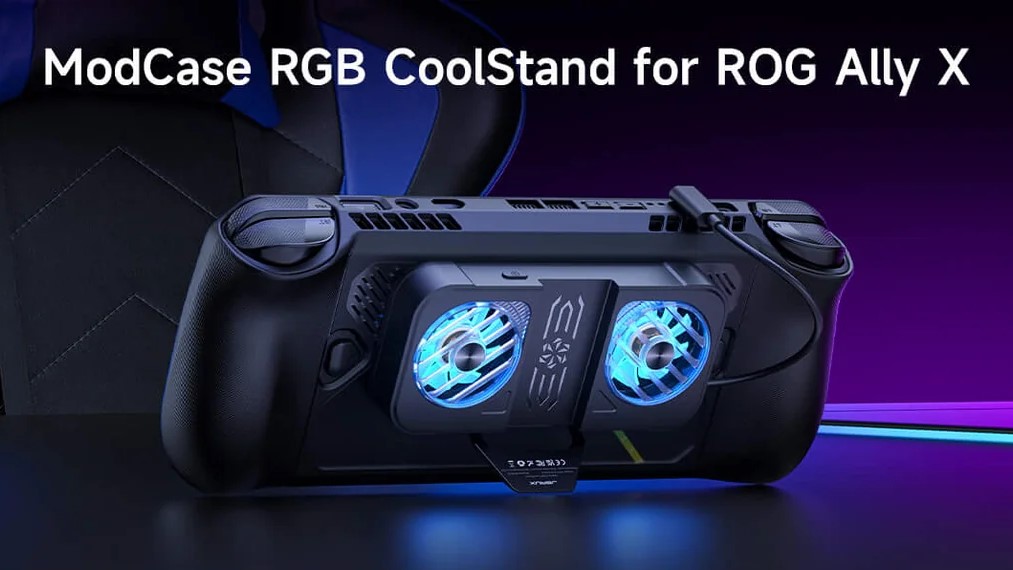
    It is important to note that only the Ally X works with the ModCase version that allows for the attachment of the OEM’s new Dynamic 7-Color Gradient RGB fans (GP0202). Alongside the new 7-in-1 Docking Station, these fans are said to offer “precision” cooling when connected to the back of the case.

    Cooler Kit Offer

    This specific ModCase version can be purchased with the new fans as part of the Cooler Kit for the ROG Ally X, which is now available for $49.99 on jsaux.com. For customers who already own the ModCase for the Ally X, there’s an option to enhance it with the new dual fan attachment, currently available at a reduced price of $5 off its original price of $25.99 when using the code PC0111FAN.

    Source: Link


    Image 1
  • Jsaux 7-in-1 Docking Station with Cooling for Handheld Consoles

    Jsaux 7-in-1 Docking Station with Cooling for Handheld Consoles

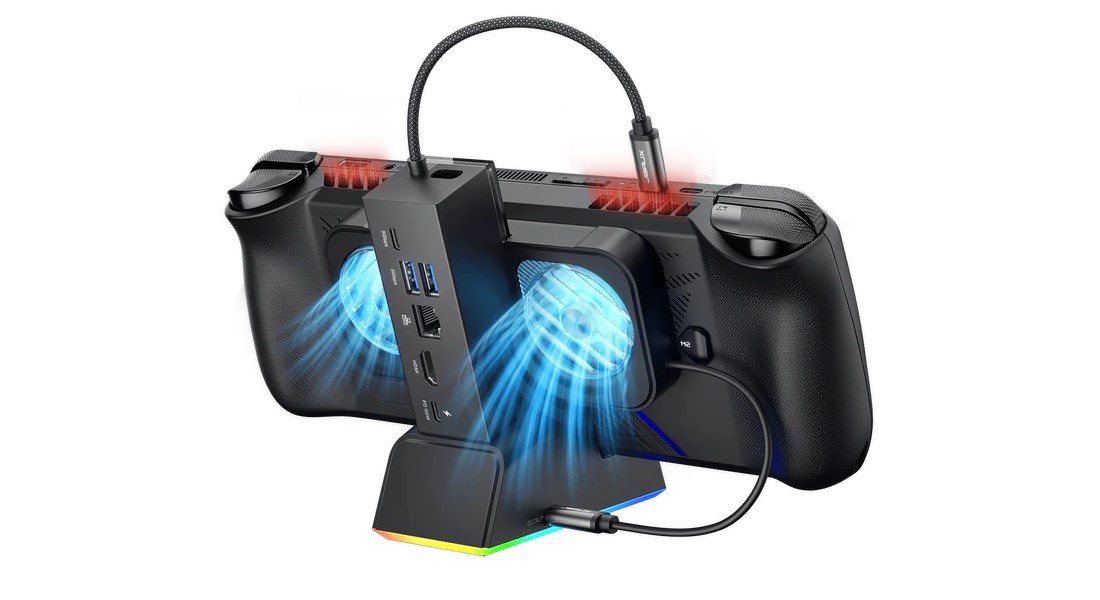
    Jsaux has introduced a new Docking Station, marking the first in its line to feature built-in fans that attach magnetically to align perfectly with the back of the user’s handheld device.

    Features of the Docking Station

    This docking station comes with dual fans that showcase Dynamic 7-Color Gradient RGB lighting. The base, which also serves as a cradle for the console, supports various RGB modes including Breathing, Chasing, Gradient, Monochromatic, and Stacking. Additionally, it maintains the same design as its 6-in-1 predecessor, enabling users to utilize the main dock body without the fans and base.

    Connectivity Options

    offer data transfer speeds of 5Gb/s

    However, the manufacturer only lists compatibility with specific consoles, namely the Steam Deck, Steam Deck OLED, and Lenovo Legion Go. Unfortunately, others, like the MSI Claw, may not work with this docking station.

    Pricing and Availability

    The 7-in-1 RGB Cooling Docking Station is currently available for pre-order directly from Jsaux for $59.99. In comparison, the non-RGB 6-in-1 version can be found on Amazon for a reduced price of $36.80, thanks to a 20% discount coupon, as of today, December 26, 2024.

    Source: Link


    Image 1
  • Razer Blade 18 Appears on Geekbench with Intel Arrow Lake HX and Nvidia GPU

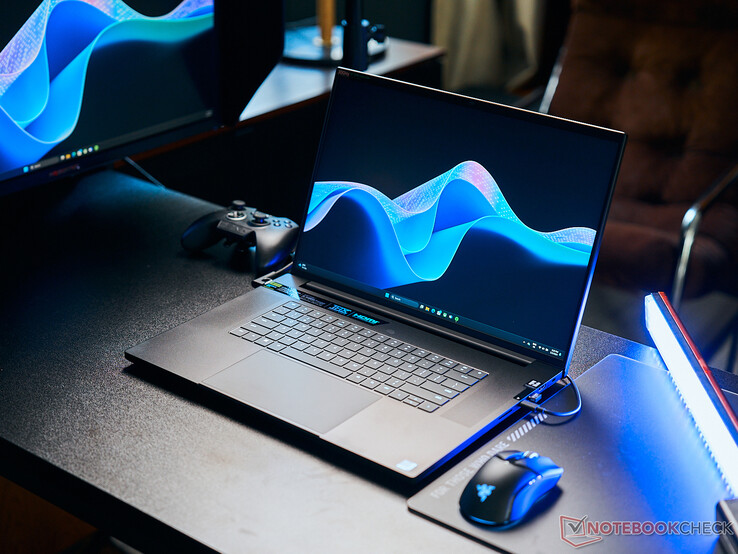
    Razer Blade 18 Appears on Geekbench with Intel Arrow Lake HX and Nvidia GPU

    An earlier leak hinted at a new HP Omen laptop featuring cutting-edge hardware from Nvidia and Intel. Many other manufacturers are likely to follow suit, and we have now come across one of Razer’s highest-spec models. Yet, the Razer Blade 18 we’re looking at raises more questions than it clears up.

    Performance Specs

    On Geekbench, we can observe this new 18-inch model equipped with a Core Ultra 9 275HX, which is Intel’s top-of-the-line Arrow Lake-HX processor. It boasts 8 performance cores and 16 efficiency cores, with a maximum clock speed of 5.2 GHz for the performance cores. This particular laptop comes with a whopping 64 GB of RAM. So far, everything seems fine, but the graphics card tells a different story.

    GPU Confusion

    The Razer Blade 18 appears to be fitted with a full GeForce RTX 4090 graphics card. That’s right, the desktop variant, which features 128 Streaming Multiprocessors and a boost clock of 2.5 GHz. It doesn’t seem like Geekbench is mistakenly identifying the SKU, as it clearly states 24 GB VRAM underneath. Moreover, the upcoming mobile GeForce RTX 5090 is rumored to have only 16 GB of video memory, not 24 GB.

    Possible Future Developments

    Although there is a 24 GB variant of the GeForce RTX 5090 planned for laptops in the future, it won’t be available until 3 GB GDDR7 modules are widely used. It looks like someone has plugged an RTX 4090 into a Razer Blade 18 and took it for a test run.

    Could this indicate the launch of a new eGPU dock from Razer? Most likely. This theory is supported by the actual OpenCL score, which is 241,793—significantly lower than the usual score of 345,652, suggesting that some throttling is happening.

    Source: Link


    Image 1
  • Massive GeForce RTX 5090 GPU Leaked with GDDR7 Chips

    Massive GeForce RTX 5090 GPU Leaked with GDDR7 Chips

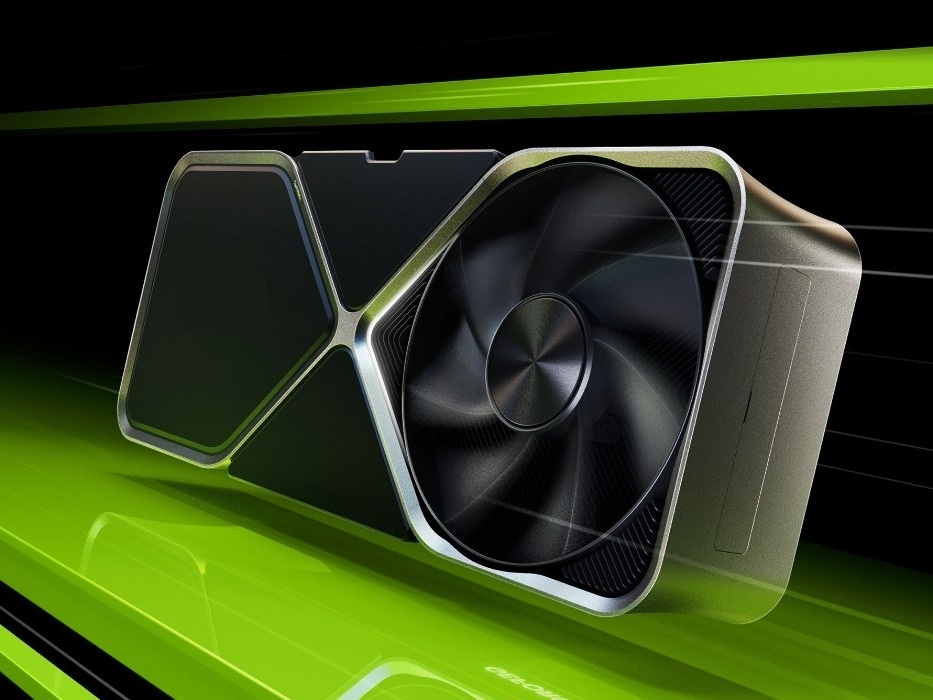
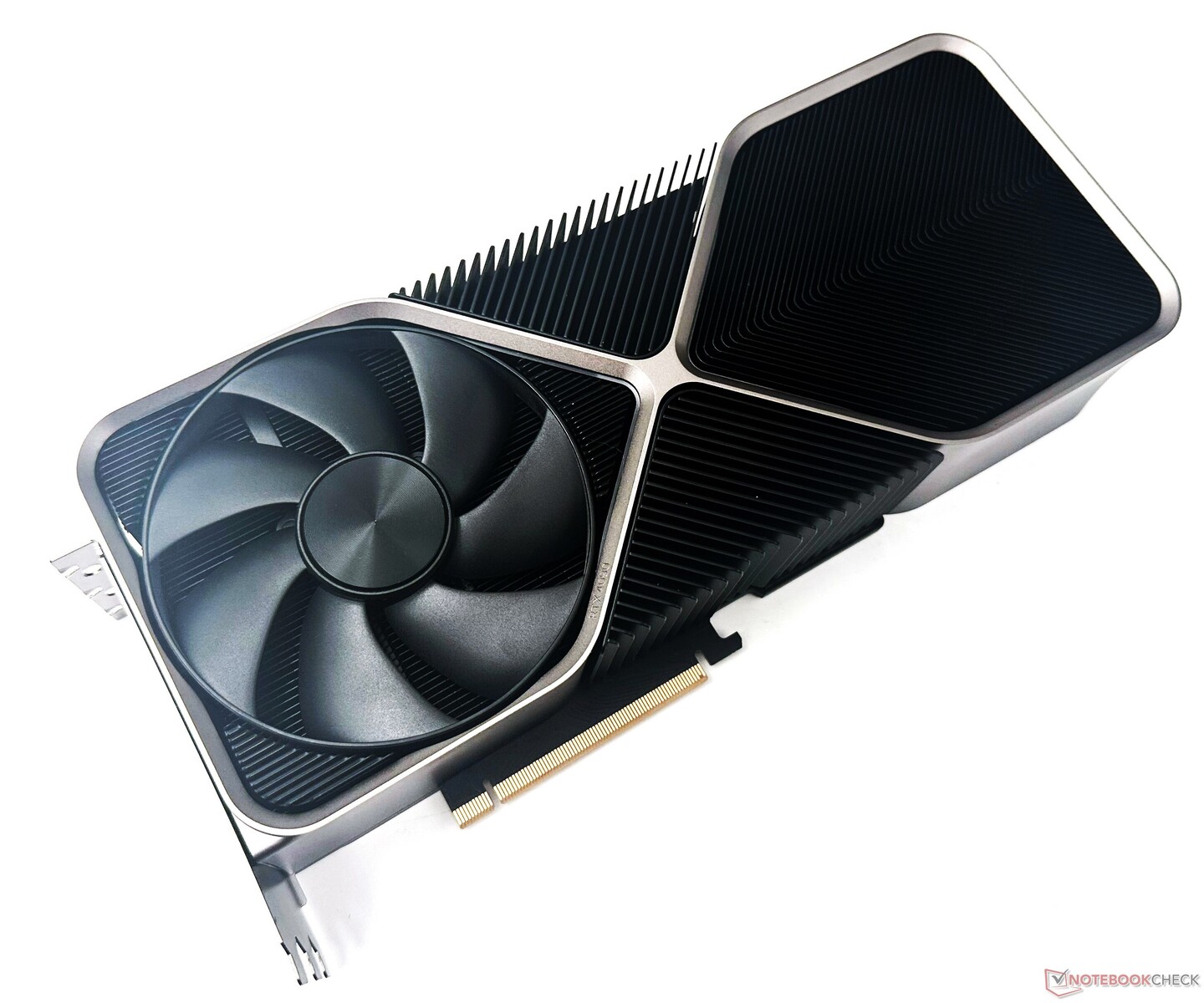
    Just a day after the PCB for the eagerly awaited GeForce RTX 5090 was leaked, the same source has now shared an image of the GPU itself. This picture showcases the GB202, a graphics processor based on the Blackwell architecture, which is set to be the heart of the RTX 5090. The official reveal is anticipated to take place in early January at CES 2025.

    Specifications of the RTX 5090

    At the core of the RTX 5090 is the GB202-300 silicon, marking it as the largest gaming GPU in NVIDIA’s Blackwell series with a remarkable 21,760 CUDA cores. The physical size of the GB202 is considerable, measuring around 63 × 56 mm. The die itself occupies a substantial area of 24 × 21 mm, leading to an overall die size of 744 mm².

    Memory and Performance

    Surrounding the GPU are 16 Samsung GDDR7 memory chips, contributing to a total memory capacity of 32 GB. The combination of numerous chips, the large GPU package, and a high pin count strongly suggests a 512-bit wide memory bus. If the memory speed reaches 28 Gbps, this setup could achieve an astonishing memory bandwidth of 1,792 GB/s, representing a major advancement compared to earlier models.

    Power and Launch Details

    To power this powerful GPU, a sturdy 24-phase VRM solution is implemented. It is anticipated that the card will utilize a single 12+4-pin 12V-2×6 power connector. Given that this connector can handle 600W of continuous power, experts in the industry predict that the Total Graphics Power (TGP) for the RTX 5090 could be between 500 and 550W, or maybe even more.

    Both the GeForce RTX 5090 and RTX 5080 are set to debut in January at CES 2025, with the RTX 5080 possibly arriving on the market ahead of its more advanced counterpart. The existence of samples with board partners, along with the matching NVIDIA branding on the GPU label, further confirms the credibility of these leaks. The only detail still unknown is when production of the GPU will actually begin.

    Source: Link


    Image 1
  • Ayaneo 3 Teaser Reveals Modular Design of New Gaming Handheld

    Ayaneo 3 Teaser Reveals Modular Design of New Gaming Handheld

    Ayaneo is gearing up to introduce its first gaming handheld powered by the Ryzen AI 9 HX 370 very soon. The company has already revealed several features of the device, and now they have released the final teaser for the Ayaneo 3. A previous teaser highlighted a customizable ABXY layout, while the latest one indicates that users can tweak the entire controller layout.

    Magic Module Technology

    The Ayaneo 3 will incorporate the innovative Magic Module technology, which has been in development for two years, as the company claims. This technology allows players to switch between different modules, giving them the ability to customize the control and button layout to fit their personal gaming style and preferences.

    Customizable Modules

    Regarding the modules, there are multiple options available, including one that features a touchpad. Although Ayaneo hasn’t officially confirmed it, these interchangeable modules likely attach and secure through magnets. Nonetheless, the company has stated that these modules can be rotated, enabling a truly personalized controller setup.

    Hardware Configurations

    Additional confirmed information about the Ayaneo 3 indicates that it will be offered in two distinct hardware configurations. In addition to the model with the Ryzen AI 9 HX 370, there will also be a version featuring the Ryzen 7 8840U. The former is expected to be the more powerful gaming handheld due to its Radeon 890M iGPU, while the latter is anticipated to deliver performance comparable to handhelds equipped with the Z1 Extreme (Legion Go currently priced at $549 on Amazon).

    While an exact launch date hasn’t been revealed yet, the release of the final teaser suggests that the Ayaneo 3 is imminent. It’s also noteworthy that in their official announcement, the company hinted at a live stream scheduled for December 26, which may provide further details about the launch. It will be fascinating to see how its pricing compares to the Ryzen Z2 series gaming handhelds that are expected to be unveiled at the upcoming CES 2025 event.

    Source: Link

  • AOC Launches Q25G4S and Agon Pro AG276QSD Gaming Monitors

    AOC Launches Q25G4S and Agon Pro AG276QSD Gaming Monitors

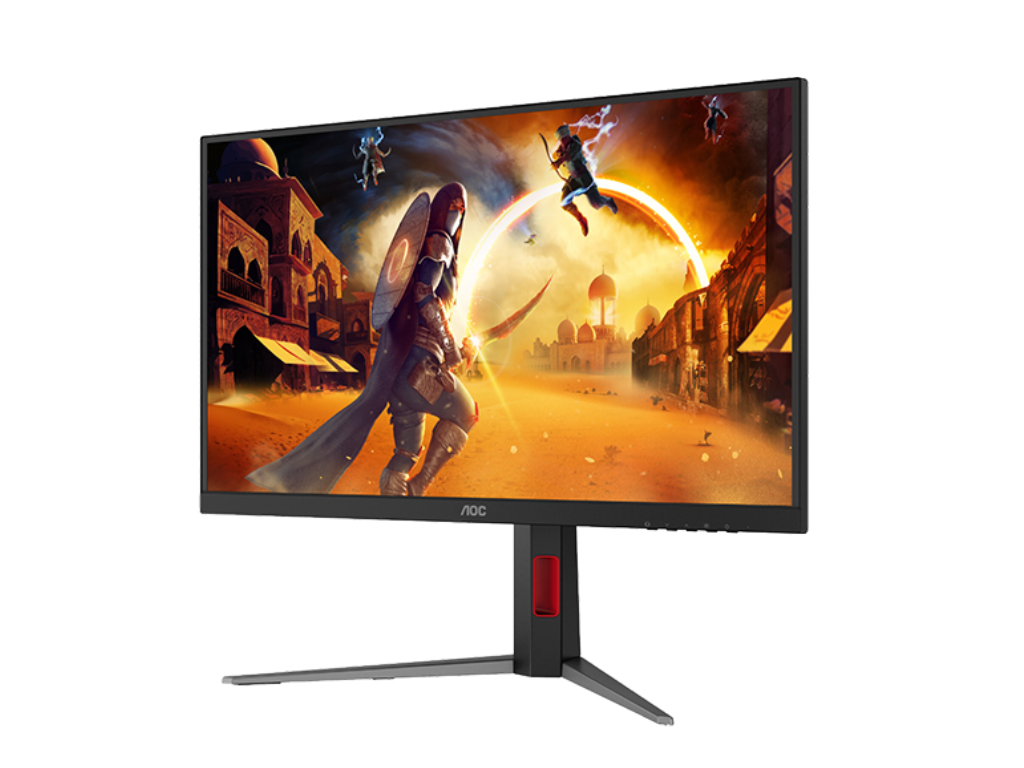
    AOC is broadening its selection of gaming monitors with two new models designed for various types of gamers: the Q25G4S and the Agon Pro AG276QSD. These displays highlight AOC’s commitment to performance while meeting different user requirements.

    Features of the AOC Q25G4S

    The Q25G4S targets competitive gamers who prioritize speed and quick reactions. It boasts a refresh rate of 300Hz and a motion picture response time (MPRT) of 0.5ms on a 24.5-inch Quad HD IPS screen, ensuring smooth and tear-free gameplay thanks to Adaptive-Sync technology. In addition to its strong performance, it provides 94% DCI-P3 color coverage and a 178° viewing angle for vibrant and accurate colors, making it a good choice for creators too.

    This monitor comes with an adjustable stand and a borderless design, which improves its functionality for multi-monitor arrangements. TÜV Rheinland certifications for low blue light and flicker-free technology enhance comfort during long gaming sessions. Connectivity features include two HDMI 2.1 ports, a DisplayPort 1.4, and a 3.5mm audio jack, ensuring compatibility with the latest gaming computers and consoles.

    Agon Pro AG276QSD Details

    The Agon Pro AG276QSD is made for gamers who demand high visual quality and performance. This 26.5-inch monitor, available only in China, utilizes QD-OLED technology to achieve a 360Hz refresh rate and a super-fast 0.03ms response time. It has a QHD resolution of 2560 x 1440 pixels with an impressive contrast ratio of 1,500,000:1.

    It has an HDR400 True Black certification that provides rich blacks and bright highlights, reaching a peak brightness of 1000 nits. The monitor covers 99% DCI-P3 and 100% sRGB color spaces, catering to both gaming enthusiasts and creative professionals. With its ergonomic frameless design and extensive connectivity options, it is ideal for high-performance setups. It includes two HDMI 2.1 ports, a DisplayPort 1.4 with Display Stream Compression (DSC), three USB 3.2 ports, and a 3.5mm audio jack.


    Image 1
    Image 1
    Image 1
    Image 1
  • Lenovo Legion Go S Specs Leaked: Ryzen Z2 Go APU & High Refresh Rate

    Lenovo Legion Go S Specs Leaked: Ryzen Z2 Go APU & High Refresh Rate

    Lenovo is preparing for CES 2025 by introducing its new handheld gaming console, the Legion Go S. This device is part of a trio of upcoming gadgets in the Legion Go lineup, which also includes the Legion Go 2 and a version of the Legion Go S that runs on SteamOS.

    Specs and Features

    The Legion Go S is said to be powered by an AMD Ryzen Z2 Go APU, which utilizes the Zen 3+ architecture. This chip features 8 cores and 16 threads, making it quite capable for multitasking. It’s combined with a Radeon 800M series GPU, designed with RDNA 2 architecture, ensuring that the handheld can deliver smooth gameplay along with stunning visuals.

    Another impressive aspect of the console is its 8-inch Lenovo PureSight display, which boasts a resolution of 1920×1200, a refresh rate of 120Hz, 500 nits brightness, and full 100% sRGB color coverage. Lenovo claims that this will offer gamers an “ultra-vivid and immersive” experience, positioning it as a strong competitor in the handheld market.

    Memory and Battery Life

    For memory, the Legion Go S will come in either 16GB or 32GB LPDDR5X options and offer storage choices of 512GB or 1TB through PCIe Gen4x4 NVMe SSDs. The 32GB model is expected to set a new standard in handheld consoles, allowing for enhanced performance and multitasking capabilities.

    It will also come equipped with a 55.5Wh battery, promising sufficient playtime for gamers when they’re on the move. Additionally, the console includes dual USB4 ports, providing flexibility for both charging and connectivity options.

    Design and Availability

    Unlike the previous models, the Legion TrueStrike controllers on the Legion Go S are fixed and cannot be detached. However, the console still preserves an ergonomic design and a premium touch.

    There will be two versions of the Legion Go S: a Glacier White edition running Windows 11 and a Gray variant that operates on SteamOS. The Windows model is aimed at users looking for a multifunctional handheld PC, while the SteamOS version is specifically for gamers who are deeply embedded in the Steam platform.

    The Legion Go S is set to be priced around 600 Euros, making it an attractive choice considering its hardware capabilities. Furthermore, there are rumors that the Legion Go 2 could feature a more powerful Ryzen Z2 Extreme processor and Radeon 890M GPU, expanding Lenovo’s presence in the gaming arena.

    Source: Link


    Image 1
    Image 1
    Image 1
    Image 1
    Image 1
  • Nvidia GeForce RTX 5070 Ti and RTX 5070 Specs Unveiled

    Nvidia GeForce RTX 5070 Ti and RTX 5070 Specs Unveiled

    Prolific leaker Kopite7kimi has consistently provided accurate information about Nvidia products. Recently, a leak has revealed details about Nvidia’s mid-range Blackwell graphics cards, specifically the GeForce RTX 5070 Ti and GeForce RTX 5070. This time, Nvidia’s product segmentation is confusing, particularly for laptops, as there are several SKUs that offer the same amount of VRAM.

    GeForce RTX 5070 Ti Specs

    Let’s start with the GeForce RTX 5070 Ti (PG147-SKU60), which boasts 16 GB of GDDR7 VRAM and operates on a 256-bit bus. It features a GB203-300-A1 GPU that includes 8,960 CUDA cores and has a total graphics power (TGP) of 300 Watts. This card should at least match the performance of the previous generation GeForce RTX 4080, especially since it shares the same VRAM capacity. Depending on the tasks it’s handling, the performance could range between that of the RTX 4080 and the high-end GeForce RTX 4090. Then, there’s its non-TI counterpart,

    GeForce RTX 5070 Features

    the GeForce RTX 5070 (PG146/147-SKU70). This model comes equipped with 12 GB of GDDR7 VRAM on a 192-bit bus, featuring a GB205-300-A1 GPU with 6,144 CUDA cores and a TGP of 250 watts. Judging by these specifications, this card is more suited for 1080p gaming rather than 1440p, especially due to the increasing VRAM requirements of modern games. While it will outperform other 12 GB options such as the Intel Arc B580 and AMD Radeon RX 9060 in terms of raw power, its pricing might be on the higher side.

    Consider Future VRAM Needs

    For those in need of more VRAM, the GeForce RTX 5060 Ti may be a smart choice, as it’s said to have 16 GB of GDDR7 VRAM. It might come with fewer CUDA cores and a lower TGP, but the added VRAM can help ensure it remains relevant for future games, similar to how the GeForce RTX 3060 12 GB has surprised many with its performance in certain titles. Alternatively, if your budget allows, you might want to look into the GeForce RTX 5080, which, for some unknown reason, will also be launched with 16 GB of video memory.

  • Legion Go S Appears as Lenovo Teases AMD Ryzen Handhelds

    Legion Go S Appears as Lenovo Teases AMD Ryzen Handhelds

    It’s widely known that Lenovo is set to launch new gaming handhelds next month at CES 2025 in Las Vegas. The company has already confirmed this to several media outlets through an official press invitation. Moreover, Lenovo has stated its return to using AMD’s Ryzen APUs, which is different from MSI’s recent Claw 7 AI Plus and Claw 8 AI Plus models.

    Details Still Under Wraps

    At this time, details about Lenovo’s next device following the Legion Go are still not officially revealed. Nevertheless, there have been several leaks recently suggesting that three new Legion Go gaming handhelds are on the way. It appears that a source has tipped off VideoCardz regarding a retailer listing that has since been removed.

    Specs and Features Leaked

    Regardless, VideoCardz managed to capture screenshots of the Legion Go S, which seems to be the final name for the device. Alongside promotional images, various hardware specs have also been leaked. For example, the Legion Go S features a 1,920 x 1,200-pixel IPS display, although Lenovo plans to market the device with a focus on 1080p gaming.

    In addition, it’s equipped with an AMD Ryzen Z2 Go APU that merges a quad-core Zen 3 CPU with an integrated GPU (iGPU) based on RDNA 2 technology. This will be part of the Radeon 800M series, even if it shares some similarities with the RDNA 2 Radeon 680M. Overall, the Legion Go S is expected to be less powerful than the current Legion Go, which is priced at $469.99 for a refurbished model on Amazon.

    Pricing Information Available

    According to the MicroAid listing, the starting price for the Legion Go S is around €600 (approximately $624), with options for 16 GB of RAM and 512 GB of storage. There may also be a version with 32 GB of RAM and 1 TB of storage in development, although pricing details for this variant have not yet been disclosed.

    Source: Link


    Image 1
    Image 1
    Image 1
    Image 1
    Image 1
    Image 1
    Image 1
  • Samsung Sonic-themed microSD Cards Perfect for Nintendo Switch 2

    Samsung Sonic-themed microSD Cards Perfect for Nintendo Switch 2

    Samsung has revealed new microSD cards inspired by SEGA’s Sonic characters. These cards come in four different sizes and are similar to the Nintendo-themed microSD cards from SanDisk for the Nintendo Switch.

    Storage Options

    The Samsung microSD cards are offered in 128GB, 256GB, 512GB, and 1TB options. The 128GB card features a design based on Knuckles, while the 256GB version showcases Tails. For the larger capacities, the 512GB variant is styled after Sonic and the 1TB option is themed around Shadow.

    Performance Details

    Samsung calls these new cards the Sonic the Hedgehog PRO Plus series, but they are essentially the same as the standard Samsung PRO Plus microSD cards. They boast sequential read speeds of up to 180MB/s and write speeds of 130MB/s, alongside an A2 app performance rating. They also hold U3 and V30 speed classes. These microSD cards are built to endure extreme temperatures and are resistant to X-rays, drops, magnets, and water immersion.

    Compatibility and Pricing

    Similar to the regular Samsung PRO Plus cards, these new ones can be used in many devices, including handheld gaming consoles. The anticipated Nintendo Switch 2 will likely support storage expansion just like the original, positioning Samsung to compete with SanDisk’s gaming-themed microSD offerings.

    Pricing for the Sonic the Hedgehog PRO Plus microSD cards starts at $23.99 for the 128GB model. The 256GB version is priced at $36.99, while the 512GB card costs $68.99, and the 1TB card is available for $125.99. A 30% discount is available for those who sign up on Samsung’s website for notifications regarding the cards’ availability.

    Source: Link


    Image 1