Category: Gaming

  • Mangmi Pocket Max: First Android Handheld with Modular Controls

    Mangmi Pocket Max: First Android Handheld with Modular Controls

    Key Takeaways

    1. Modular Magnetic Buttons: The Pocket Max features detachable modular buttons, allowing users to customize controls like the ABXY buttons and D-Pad.

    2. Customization and Compatibility: Details on available modules at launch are not confirmed, and it’s unclear if third-party companies can create custom controls.

    3. Market Competition: The Pocket Max claims to be the first Android handheld with modular controls, but the Windows-based Ayaneo 3 also offers similar features, including joystick swaps.

    4. Launch Strategy: The Pocket Max will be released on Mangmi’s website rather than through crowdfunding platforms, with no specific release date announced yet.

    5. Specifications Disclosure: Mangmi has revealed the processor, display specs, and color options for the Pocket Max.


    Mangmi has shared another teaser that highlights a standout feature of its upcoming handheld device, the Pocket Max. The company claims this feature is one-of-a-kind for Android handhelds.

    Modular Magnetic Buttons

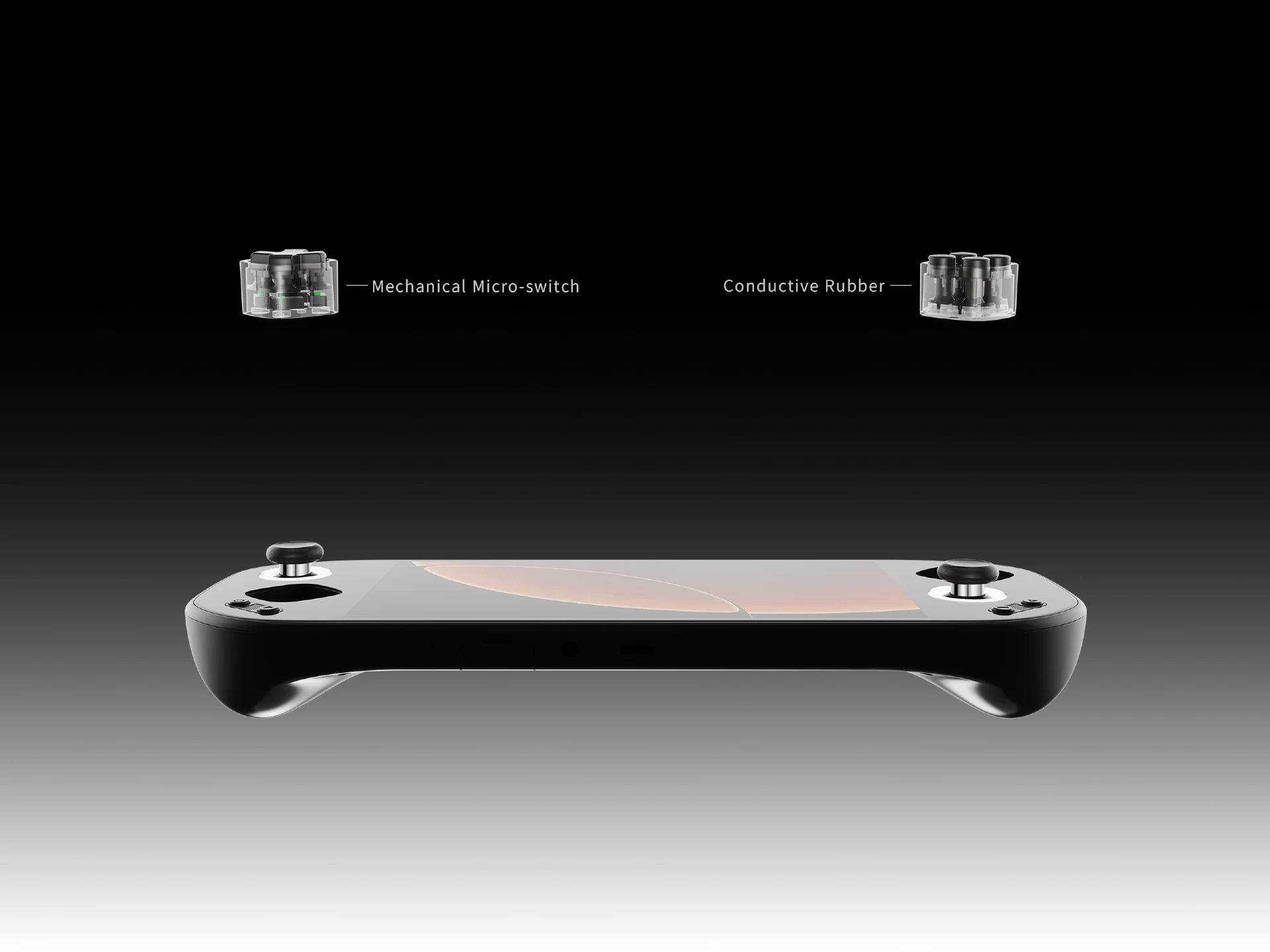
    In a post on their social media, Mangmi announced that the Pocket Max will feature modular magnetic buttons. The accompanying image shows the handheld with its D-Pad and ABXY buttons detached. This innovative design enables users to change controls, allowing for different layouts for the ABXY buttons or even replacing the D-Pad with a touchpad.

    Customization and Compatibility

    Mangmi has not disclosed which modules will be available at launch, nor has it confirmed if third-party companies will be able to create custom modular controls for the Pocket Max. However, they have shared a YouTube short demonstrating how simple it is for users to change the controls.

    Competition in the Market

    Although Mangmi claims that the Pocket Max is the first Android handheld with modular controls, it’s important to note that the Windows-based Ayaneo 3 also offers this feature. Unlike the Pocket Max, which only allows modifications to the D-Pad and ABXY buttons, the Ayaneo 3, priced at $1,799 on Amazon, provides the option to swap out the joysticks as well.

    In addition to the modular buttons, Mangmi mentioned on its Discord channel that the Pocket Max will be launched on its website instead of a crowdfunding platform like Kickstarter. However, a specific release date for the handheld is still not announced.

    Specifications and Disclosure

    Earlier this week, Mangmi also unveiled the processor that will power the Pocket Max. They have shared details about the display specs and the color options that will be available for the device.

    Source:
    Link



  • Logitech G304 X Lightspeed: Ultralight Gaming Mouse with 106h Battery

    Logitech G304 X Lightspeed: Ultralight Gaming Mouse with 106h Battery

    Key Takeaways

    1. The Logitech G304 X is significantly lighter than the G304, weighing just over 2 oz compared to 3.49 oz, achieving a 42% weight reduction.
    2. The G304 X features an upgraded HERO sensor with a resolution increase from 12,000 DPI to 25,600 DPI, along with enhanced acceleration and tracking speed.
    3. The mouse offers improved handling due to an adjusted center of gravity, though battery life has decreased from 250 hours to 106 hours with a smaller battery.
    4. Connectivity options include USB and a 2.4GHz Logitech Lightspeed USB dongle, but it does not support Bluetooth.
    5. Pricing and availability for the G304 X are currently unclear, but it is expected to be budget-friendly like its predecessors, the G304 and G305.


    With a weight of 3.49 oz, the Logitech G304 isn’t exactly heavy, but the newly released Logitech G304 X is in the race with other super-light gaming mice, tipping the scales at just over 2 oz. This reduction in weight is quite significant, dropping by 42%, yet Logitech has kept the overall design largely unchanged. The main distinction between the G304 X and its predecessor, the G304, lies in the introduction of new color choices.

    Improved Handling

    The center of gravity has been adjusted to be in the middle of the mouse, which is said to enhance the handling experience. This lower weight is partly attributed to a smaller battery, which leads to a decrease in battery life from 250 hours to 106 hours; however, recharging still occurs via USB-C. As in previous models, Logitech employs its proprietary HERO sensor, but the resolution has seen an upgrade from 12,000 DPI to a staggering 25,600 DPI. Logitech also claims an acceleration capability of up to 40G and a max tracking speed of 400 IPS.

    Connectivity Options

    You can connect the gaming mouse through either USB or the provided 2.4GHz Logitech Lightspeed USB dongle, but there’s no mention of Bluetooth in the specs. The G304 X boasts a wireless polling rate of up to 1,000 Hz. Additionally, the Logitech mouse works on both Windows and macOS platforms, and the Logitech G Hub software needed for button customization is available on both systems.

    Pricing and Availability

    As of now, the Logitech G304 X Lightspeed gaming mouse is only listed on the Logitech China website, and information regarding its price and availability remains unclear. Nevertheless, it is expected that the mouse will be priced as a fairly budget-friendly gaming option, similar to the G304 and G305, the latter of which is currently available for $26 on Amazon.

    Source:
    Link


  • LG Launches 3 New 5K Gaming Monitors, Featuring Mini LED Model

    LG Launches 3 New 5K Gaming Monitors, Featuring Mini LED Model

    Key Takeaways

    1. LG introduced three new 5K gaming monitors under the UltraGear evo brand, set to be showcased at CES 2026.
    2. The UltraGear GX9 is a 39-inch ultra-wide OLED monitor with a 1500R curvature, 165Hz refresh rate at 5K2K, and a response time of 0.03ms.
    3. The GM9 is the world’s first 5K Mini LED monitor, featuring 2,304 local dimming zones and VESA DisplayHDR 1000 certification with a peak brightness of 1,250 nits.
    4. The 52G930B is a 5K2K monitor with a unique 12:9 aspect ratio and a 1000R curve, designed for immersive viewing, operating at a constant 240Hz.
    5. Pricing details for the new UltraGear monitors have not been disclosed, with more information expected at CES 2026 starting January 6.


    LG is not holding back for CES 2026 to reveal its new gaming monitors. The South Korean display leader announced three 5K gaming screens under the UltraGear evo brand on Friday, giving us a sneak peek of what it will showcase in Las Vegas. Let’s dive into what LG is offering.

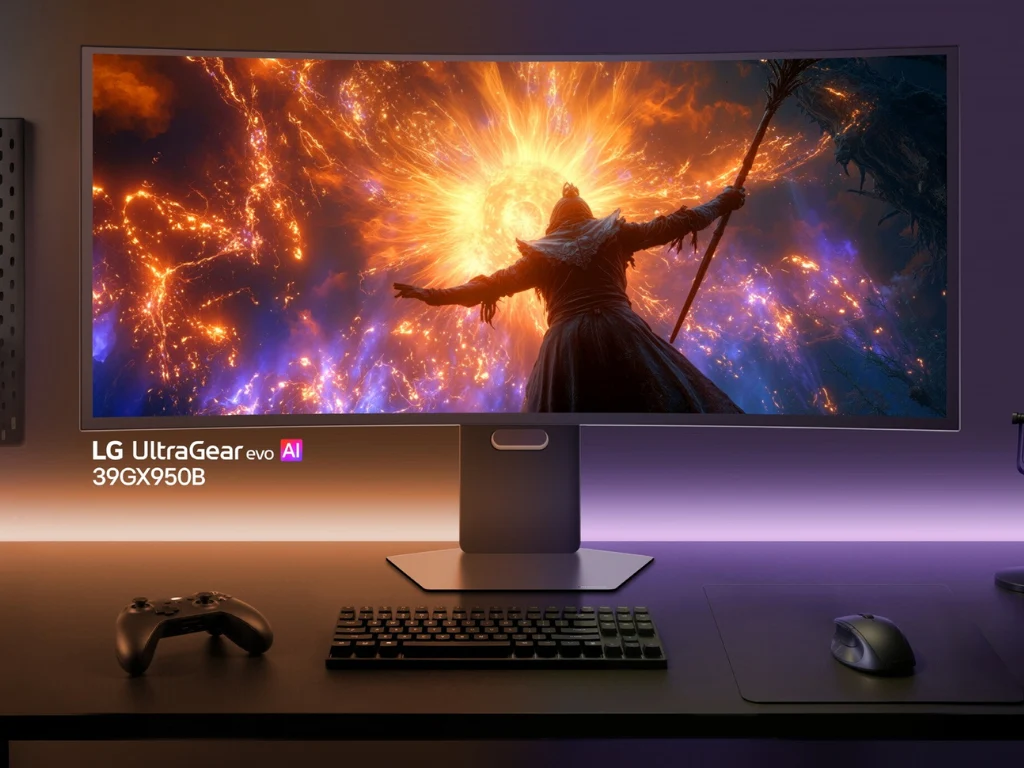
    UltraGear GX9 Features

    The first model is the UltraGear GX9 (39GX950B), a 39-inch 5K2K ultra-wide monitor featuring LG’s Tandem WOLED panel. It has a 21:9 aspect ratio with a smooth 1500R curvature and a resolution of 5120 x 2160. It also includes Dual Mode, which allows users to switch between a native refresh rate of 165Hz at 5K2K or an impressive 330Hz at WFHD (Wide Full HD). Being an OLED, its response times are incredibly quick, at just 0.03ms.

    With a response time of 0.03ms and VESA DisplayHDR True Black 500 certification, it aims to be the ultimate all-in-one display. LG also highlights its built-in 5K AI upscaling, AI Scene Optimization, and AI Sound processing, enhancing visual and audio quality in real-time without putting extra load on the GPU.

    GM9 Mini LED Monitor

    Next in line is the 27-inch GM9 (27GM950B), which LG claims is the first 5K Mini LED monitor in the world. Mini LED displays often suffer from blooming or halo effects, making it challenging to reach the deep blacks that OLEDs provide. LG states that its new Mini LED panel has been engineered for improved blooming control, featuring 2,304 local dimming zones and an innovative Zero Optical Distance technique that minimizes the space between the display and LEDs. This allows the monitor to provide the characteristic high brightness of Mini LED while reducing halo effects and maintaining fine detail in both bright and dark scenes.

    It is VESA DisplayHDR 1000 certified, boasting a peak brightness of 1,250 nits. Similar to the OLED model, it supports Dual Mode operation, enabling users to switch between 165Hz at native 5K resolution or 330Hz at QHD.

    The 52G930B Monitor

    Lastly, there’s the 52G930B, the largest model in the series. This is a 5K2K panel with a distinctive 12:9 aspect ratio, which effectively gives the vertical height of a 42-inch TV stretched into a wide workspace. LG claims this design is 33 percent wider than a typical UHD monitor, wrapped in an aggressive 1000R curve for enhanced immersion. It operates at a constant 240Hz, aiming to eliminate the need for multiple monitor setups. It’s also VESA DisplayHDR 600 certified.

    As for pricing, LG hasn’t disclosed any details for these models yet, but we anticipate more information to be revealed at CES 2026, starting on January 6. The new UltraGear monitor series will be showcased at LG’s booth during the event.

    Source:
    Link


  • LG Remains Silent on Pricing for 39GX950B Evo 5K2K OLED at CES 2026

    LG Remains Silent on Pricing for 39GX950B Evo 5K2K OLED at CES 2026

    Key Takeaways

    1. LG’s UltraGear 39GX950B evo is the world’s first 39-inch 5K2K gaming monitor with a resolution of 5120 x 2160 pixels and a pixel density of 142 PPI.
    2. The monitor features a gentle 1500R curve, a 4th-generation Primary RGB Tandem WOLED panel, and covers 99.5% of the DCI-P3 color gamut, ensuring superior visuals.
    3. It offers a 165Hz refresh rate and a low 0.03 G2G response time, with a dual-mode feature for scaling resolution to 2560 x 1080p for competitive gaming.
    4. The UltraGear 39GX950B evo includes built-in AI for real-time content enhancement and features “AI Scene Optimization” and “AI Sound” for improved audio and visuals.
    5. Connectivity options include DisplayPort 2.1, two HDMI 2.1 ports, and a USB Type-C port with DP Alt mode and 90W power output for charging.


    In a bit of an unexpected development just before CES 2026, LG has revealed its newest high-end gaming monitor, the UltraGear 39GX950B evo. This monitor claims to be the world’s first 39-inch 5K2K display, and it is set to make its debut at CES 2026.

    Stunning Display Details

    What really stands out about the UltraGear 39GX950B evo is its capability to deliver a resolution of 5120 x 2160 pixels in a 39-inch size, boasting a pixel density of 142 PPI. This new display is said to offer sharper visuals compared to earlier UltraGear models. For gamers with top-tier PCs seeking superior image quality, LG’s upcoming 39-inch 5K2K monitor is definitely worth considering.

    Enhanced User Experience

    Taking into consideration feedback from users, LG has chosen to implement a more gentle 1500R curve, as opposed to the sharper curves seen in previous ultrawide OLED monitors. Inside, it utilizes a 4th-generation Primary RGB Tandem WOLED panel, which is expected to cover 99.5% of the DCI-P3 color gamut. It also has the VESA DisplayHDR 500 True Black certification, promising deep blacks and good HDR performance.

    The new UltraGear monitor retains the vertical height of a 32-inch display while extending horizontally, allowing for a 21:9 aspect ratio perfect for gaming and movie watching.

    Gaming Performance

    For gamers eager to maximize their GPU’s capabilities, the UltraGear 39GX950B evo boasts a 165Hz refresh rate and an impressively low 0.03 G2G (Gray-to-Gray) response time. Additionally, it includes a dual-mode feature that allows resolution scaling to 2560 x 1080p, enabling 330Hz gaming in competitive titles like Valorant, Counter-Strike 2, Arc Raiders, and Battlefield 6.

    LG is also rolling out fresh features with the evo series. The UltraGear 39GX950B, part of this lineup, comes equipped with built-in AI that claims to analyze and enhance content in real-time before it appears on your screen. LG assures users of nearly 5K AI-upscaled quality without the need for a high-end GPU.

    Superior Connectivity Options

    Moreover, the integrated AI technology sharpens images using LG’s “AI Scene Optimization” and enhances audio experiences with “AI Sound.” Connectivity features on the UltraGear include a DisplayPort 2.1 port that supports full-speed UHBR20, two HDMI 2.1 ports, and a USB Type-C port with DP Alt mode and up to 90W power output for quick charging.

    At this time, details on the pricing and availability of the UltraGear 39GX950B evo remain undisclosed, as LG plans to showcase it at CES 2026 in January.


    Source:
    Link


  • Stunning Sabre Wulf Commodore 64 Remaster by Genesis Project

    Stunning Sabre Wulf Commodore 64 Remaster by Genesis Project

    Key Takeaways

    1. Revamped Classic: A remake of the classic game Sabre Wulf is being developed for the Commodore 64 by the Genesis Project Team.

    2. Enhanced Pixel Art: The new pixel art features a higher resolution of 320×200 pixels and uses multi-color tilesets for a vibrant 256-screen jungle.

    3. Improved Gameplay: The game’s code has been rewritten for smoother character movement and to fix bugs, enhancing the overall gameplay experience.

    4. Modern Soundtrack and Cinematics: A new soundtrack by Marcin Majdzik accompanies updated loading screens and cinematics, maintaining the original game’s essence.

    5. Additional Upgrades: The remaster includes a “fog of war” map, a detailed user interface, and a wider variety of enemies, showcasing the Commodore 64’s true capabilities.


    If you’ve just got your hands on the new Commodore 64: Ultimate, then you’ll be happy to hear that modders are revamping classic games from other systems, like the ZX Spectrum. A highly anticipated remake of Sabre Wulf for the Commodore 64 is making progress thanks to the skilled Genesis Project Team.

    New Life in Pixel Art

    Jon Eggleton has carefully designed the new pixel art, breathing fresh life into the game’s expansive 256-screen jungle. He used a variety of multi-color tilesets and increased the resolution to 320×200 pixels, which is an upgrade from the original’s 256×176 resolution.

    Smooth Gameplay and Music Enhancements

    Robert Troughton took on the task of rewriting the game’s code to ensure the characters move fluidly on-screen, aligning with the improved refresh rate. He also removed various bugs present in the original, including some annoying screen-transition issues. The soundtrack is crafted by Marcin Majdzik and comes with new loading screens and cinematics, adding a modern touch while keeping the game’s original essence intact.

    Enhanced Visuals and Features

    This remaster stands out from the original Commodore 64 version by unlocking the system’s true capability. The first C64 port borrowed visuals from the ZX Spectrum but had a less vibrant color palette. The remastered Sabre Wulf addresses this, presenting bright and lively graphics.

    Additional upgrades include a new “fog of war” map, a more detailed user interface, and a greater variety of enemies to encounter.

    Originally launched in 1984 by British developer Ultimate Play the Game, Sabre Wulf was available on multiple platforms such as the Commodore 64, ZX Spectrum, BBC Micro, and Amstrad CPC. Back then, it became a cult classic where players took on the role of Sabreman, navigating a colorful jungle maze to retrieve treasures stolen by the blue Wolf.

    The most recent preview shows that the Commodore 64 remaster of Sabre Wulf is almost done. However, the team has yet to provide a specific release date. If you can’t wait to play Sabre Wulf Remastered, you can download version 0.5 right now.

    Source:
    Link


  • AMD RDNA 5 GPUs Taped Out on TSMC N3P, Launch in Mid-2027

    AMD RDNA 5 GPUs Taped Out on TSMC N3P, Launch in Mid-2027

    Key Takeaways

    1. AMD’s next Radeon chips are reportedly taped out on TSMC’s N3P node, dismissing rumors of Samsung Foundry involvement.
    2. A tentative release window for the RDNA 5 architecture is suggested to be mid-2027, allowing time for validation and production.
    3. AMD has not confirmed new desktop Radeon products or the “RDNA 5” title, focusing instead on general next-gen gaming GPU discussions.
    4. AMD is collaborating with Sony on “Project Amethyst,” developing advanced graphics technologies for future GPUs and consoles.
    5. Speculation about the internal “GFX13” graphics lineup and HDMI 2.2 support continues, but no official specifications have been released.


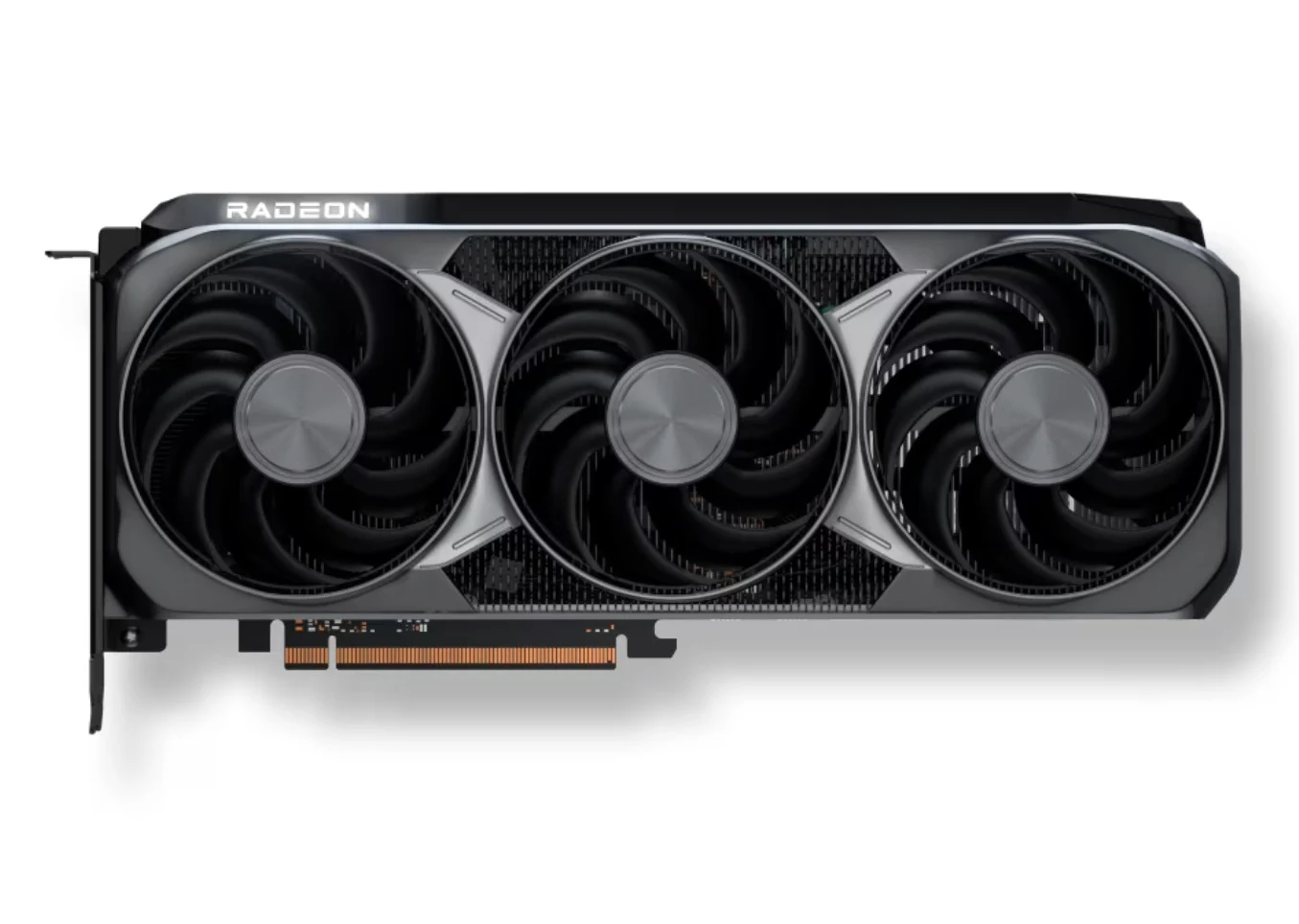
    Rumors about AMD’s upcoming Radeon graphics architecture gained attention this week, sparked by suggestions that the company might produce its next Radeon chips at Samsung Foundry, potentially using a 2 nm or 4 nm process. However, prominent hardware leaker Kepler_L2 quickly dismissed these claims, labeling them as nonsense and stating that the chips have already been taped out by another manufacturer.

    Details on Manufacturing

    Kepler_L2, who has a solid reputation for AMD-related revelations and early talks about the PlayStation 5 Pro, indicated that the next-gen Radeon chips are already taped out on TSMC’s N3P node. If this information is correct, it would eliminate Samsung Foundry from the equation for this generation and strongly imply that AMD is continuing its partnership with TSMC for these premium GPUs.

    Expected Release Timeline

    Additionally, Kepler_L2 mentioned a tentative release window in mid-2027 for what many are calling RDNA 5. This timeline aligns well with the idea of a completed tape-out, as cutting-edge GPUs usually need a significant validation period and production ramp-up before they hit the market. For now, AMD hasn’t commented on any branding or launch strategies related to this.

    Current Product Landscape

    As of now, AMD has not disclosed any new desktop Radeon offerings, nor has it verified the “RDNA 5” title. The company has only talked generally about “next-generation gaming GPUs” while emphasizing AI capabilities and ray tracing, but without any specific timelines or branding. In contrast, AMD is more forthcoming regarding its CPU plans, frequently discussing future EPYC generations and even mentioning early work on 2 nm wafers. Radeon, however, remains intentionally vague.

    Collaboration with Sony

    One of the few definite pointers about future graphics is AMD’s partnership with Sony, referred to as “Project Amethyst.” Both firms have shared information about developing new Radiance Cores for ray tracing and path tracing, along with Neural Arrays for AI-driven graphics tasks and enhanced compression methods to alleviate memory bandwidth bottlenecks. It is anticipated that these advancements will be incorporated into both future desktop Radeon GPUs and next-gen console SoCs, suggesting a unified graphics strategy.

    Speculation and Leaks

    Apart from that, most information relies on leaks and educated guessing. Mentions of an internal “GFX13” graphics lineup continue to emerge, along with rumors of various desktop dies labeled AT0, AT2, AT3, and AT4 — each with different compute unit counts and memory setups. HDMI 2.2 support has also been a recurring topic, yet no official specifications have been released to confirm this.

    Market Dynamics for 2027

    If the mid-2027 target is accurate, 2026 may end up being relatively uneventful, particularly since Radeon marketing has already been subdued for most of the year. AMD even removed its RDNA 4 announcement from its CES 2026 presentation, leading to low expectations for the event. This quietness could be a strategic choice: if mid-2027 is indeed the aim, generating buzz too soon wouldn’t be practical. There are also real-world factors at play, as memory shortages and increasing costs could complicate the launch of a desktop GPU in 2026, making it hard to price and position effectively.

    Kepler_L2 shared this information on X via VideoCardz.

    Source:
    Link


  • RTX 5090 Power Cable Melts in Nvidia Blackwell GPU Incident

    RTX 5090 Power Cable Melts in Nvidia Blackwell GPU Incident

    Key Takeaways

    1. Incidents of RTX 5090 power connectors catching fire continue, with recent cases being severe, including one where a GPU caught fire and damaged its power cable.
    2. The affected user had the graphics card for nine months, and the fire melted the insulation of the 12V-2×6 power cable, damaging the GPU connection point.
    3. Fortunately, the fire did not spread far, and other components of the PC are still functional; the user has a protection plan that may cover some damages.
    4. Concerns have been raised about the compatibility of the Cooler Master MWE Gold 1050 V2 power supply, which may be inadequate for the high power demands of the RTX 5090.
    5. Nvidia and GPU manufacturers are addressing issues with power connectors, with some implementing design changes to improve safety, but incidents of overheating and melting persist.


    Despite numerous efforts to address the problem, incidents of RTX 5090 power connectors catching fire keep happening. The most recent instance might be among the worst recorded so far. A Reddit user, nmp14fayl, revealed that his expensive Blackwell GPU literally went up in flames, with a portion of the 16-pin power cable completely ruined.

    Incident Details

    The Redditor shared that he had owned the graphics card for nine months before the unfortunate event occurred. Suddenly, flames consumed the 12V-2×6 power cable, melting the insulation off its wires. The connection point on the GPU has also suffered damage, and the gamer hasn’t yet tried to unplug the cable.

    Damage Assessment

    Fortunately, the fire didn’t spread too far from where the MSI RTX 5090 was located. Other crucial components in the gaming PC, such as the motherboard and onboard video output, are still operational. The gamer has a protection plan with Micro Center, which might cover some of the damage.

    nmp14fayl mentioned that he was using a cable that came with the power supply. Readers are now discussing whether the ATX 3.1 PSU played a role in this incident. Given the history of the RTX 50-series, some critics argue that the power connector design is insufficient.

    Power Supply Concerns

    Another user pointed out that the power supply in question is a Cooler Master MWE Gold 1050 V2. At 1050 watts, this is on the edge for many setups that include the power-hungry RTX 5090. This particular component doesn’t have the best reputation compared to other options. Ideally, a PSU should cut off electricity before a fire can ignite.

    It’s also possible that, no matter the configuration, the RTX 5090 would have failed early on. The overheating issue has been around since the RTX 4090, which led Nvidia to switch to the newer 12V-2×6 connector. Even though the manufacturer asserts that it can handle high power demands, incidents of melting continue to occur.

    Often, Nvidia attributes these problems to a poorly seated power cable, but nmp14fayl insists that the connection was secure. GPU manufacturers like MSI have adjusted their cables to ensure better pin alignment. Asus has also incorporated sensors in its Blackwell cards to monitor for any potential issues with individual pins.

    nmp14fayl@PC Master Race subreddit

    Source:
    Link


  • New Free Zombie FPS on Steam: 80% Positive Reviews, Unreal Engine 5

    New Free Zombie FPS on Steam: 80% Positive Reviews, Unreal Engine 5

    Key Takeaways

    1. Game Overview: Operation: Outbreak is a free-to-play FPS survival horror game designed for a short playtime of 10–20 minutes, developed as a student project in a few weeks.

    2. Simple Storyline: Players assume the role of “Nomad,” the lone survivor in a city overrun by the undead, with guidance from “Sentinel” as they navigate toward an extraction point.

    3. Combat Mechanics: The game emphasizes scarcity in combat, focusing on limited ammunition and healing supplies, making strategic decisions crucial for survival.

    4. Cinematic Experience: Built using Unreal Engine 5, the game features a cinematic atmosphere with abandoned buildings and flickering lights to enhance immersion.

    5. Player Feedback Note: The game utilizes AI for voice-overs due to budget constraints, and players are encouraged to consider this when providing feedback; it has a “Very Positive” rating on Steam.


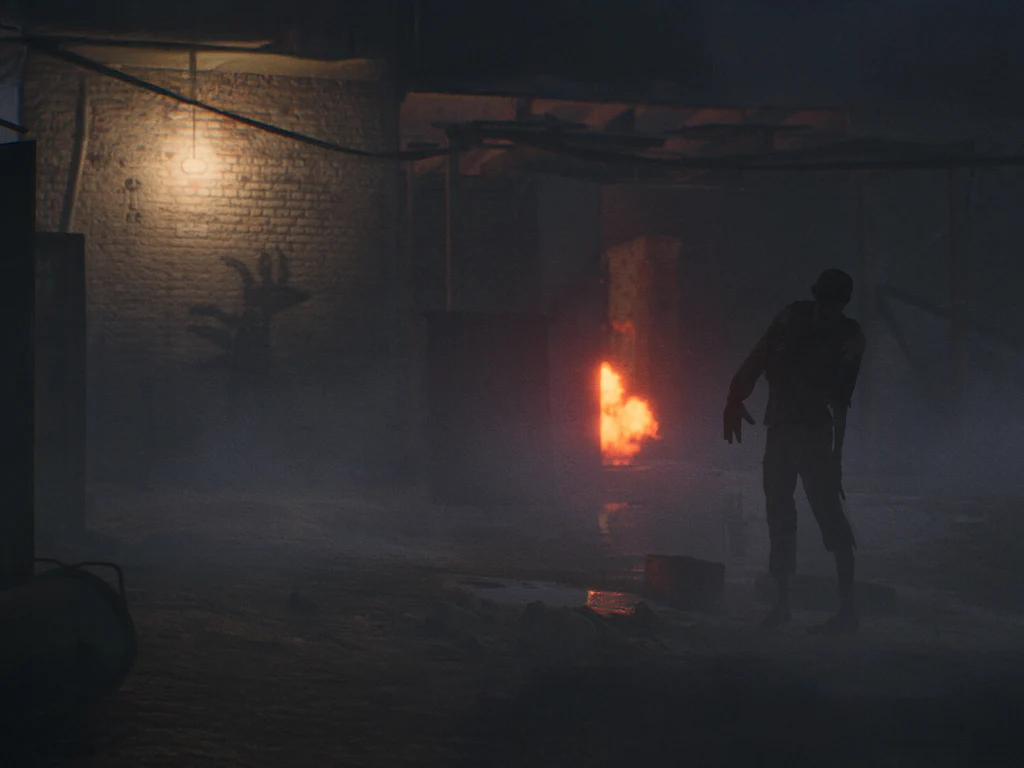
    Steam has just introduced a new free-to-play shooter that doesn’t aspire to be a lengthy adventure. Titled Operation: Outbreak, this is a brief, standalone FPS survival horror game. The developer is refreshingly upfront about what players can expect: a 10–20 minute journey created independently in just a few weeks as part of a student project.

    Simple Yet Engaging Premise

    The story is straightforward, but that’s part of its charm. After your squad’s vehicle gets wrecked during a patrol, you find yourself as the lone survivor in a city overrun by the undead due to a virus. You take on the role of “Nomad,” aiming to reach an extraction point while receiving guidance from a character named “Sentinel” via radio. The twist lies in the dangerous streets that steer you towards narrow, dark underground tunnels as a seemingly safer path.

    Focus on Scarcity in Combat

    Combat in this game prioritizes scarcity over a “power fantasy.” You’ll primarily be armed with a pistol, and the gameplay emphasizes limited ammunition, healing supplies, and even night vision, which makes key decisions—like when to shoot, move, or flee—the central source of tension. Built using Unreal Engine 5, the developer has crafted a cinematic atmosphere featuring abandoned buildings and flickering lights that enhance the experience.

    Important Player Note

    One noteworthy detail for players: the Steam description clearly states that AI was utilized for voice-overs due to budget constraints and requests that players consider this when giving their feedback. As of now, Operation: Outbreak is available for free on Steam, having launched on December 20, 2025. It currently holds a “Very Positive” rating, with 80% of 81 reviews being favorable. In terms of compatibility, Steam indicates that “Steam is learning about this game,” which typically means that the support for Steam Deck/controller information isn’t fully set up on the store page yet.

    Source:
    Link


  • Retroid Pocket 6 Revealed in Stunning Live Images

    Retroid Pocket 6 Revealed in Stunning Live Images

    Key Takeaways

    1. The Retroid Pocket 6 has two design variants: one with the D-Pad at the top and another at the bottom.
    2. It features a 5.5-inch AMOLED screen with 1080p resolution and a 120Hz refresh rate.
    3. The device is powered by the Snapdragon 8 Gen 2 chip, with options for 8GB or 12GB of RAM and 128GB or 256GB of storage.
    4. It includes a 6,000mAh battery, supports Wi-Fi 7, and features Bluetooth 5.3, running on Android 13.
    5. The Retroid Pocket 6 is set to start shipping in January 2026 for early buyers, with a second round of pre-orders shipping in March.


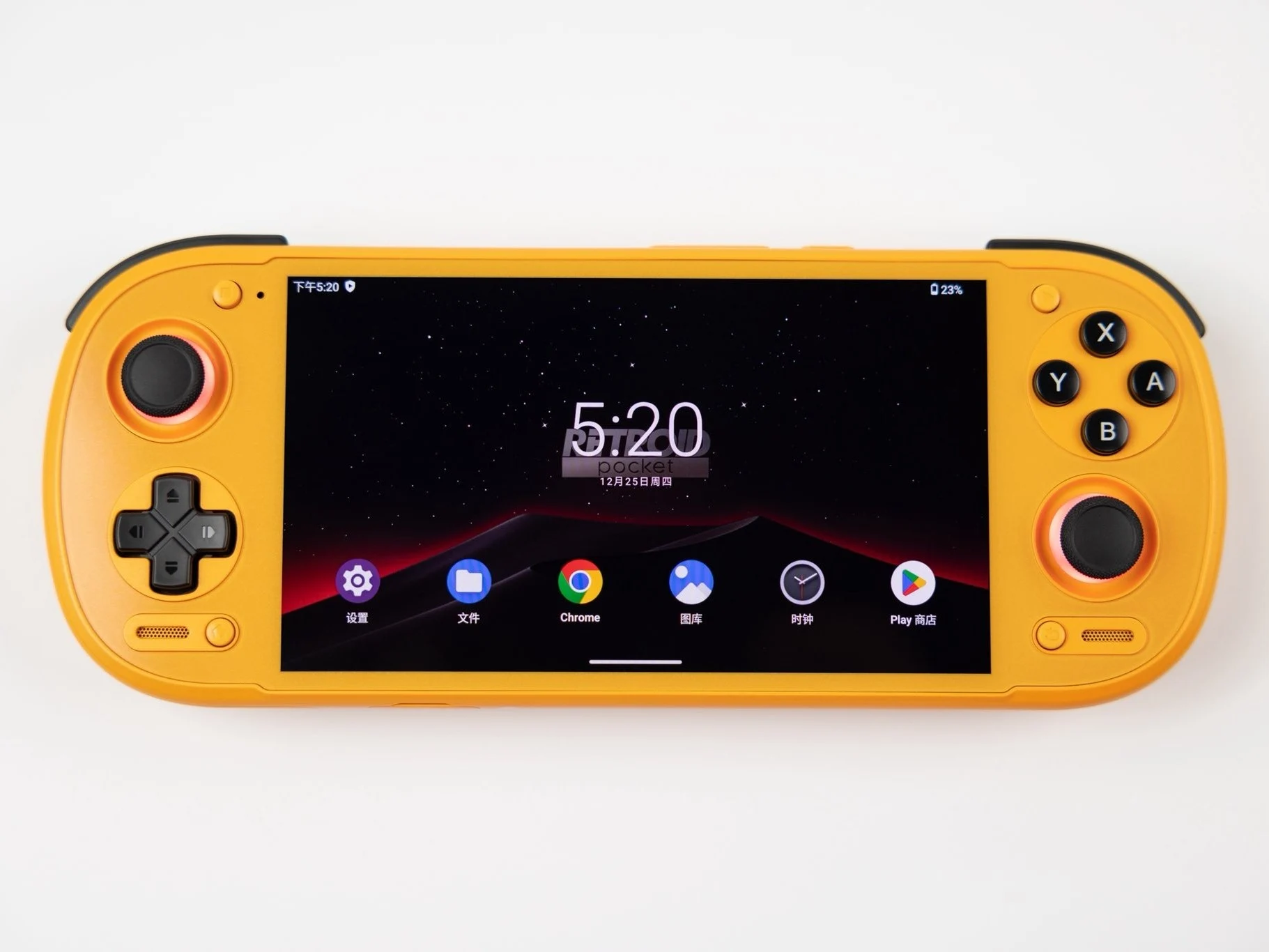
    Since the announcement of the Retroid Pocket 6 in October, the company has only released renders of this handheld gaming device. Now, for the first time, actual photographs of the Pocket 6 are available. The images reveal just two of the six colors that the device is offered in, but they represent two distinct designs.

    Design Variants

    The Retroid Pocket 6 comes in two styles — one features the D-Pad located at the top, while the other places it at the bottom. The images shared on their social media showcase the Black and Orange color options, although the Orange one appears more yellow, resembling the Konkr Pocket Fit.

    The Black model has its D-Pad situated on the top, and the yellow version has it on the bottom. The pictures provide a view of the front, back, and bottom of the handheld, allowing us to see the air vents, back buttons, and ports in detail.

    Specifications and Features

    The Retroid Pocket 6 boasts a 5.5-inch AMOLED screen with a 1080p resolution and a 120Hz refresh rate. It runs on the Snapdragon 8 Gen 2 chip and comes with either 8GB of RAM and 128GB of storage or a higher-end option with 12GB of RAM and 256GB of storage. Additionally, this handheld includes a 6,000mAh battery, supports Wi-Fi 7, and features Bluetooth 5.3. The device will come with Android 13 pre-installed according to the specifications.

    The Retroid Pocket 6 is set to start shipping in January 2026 for early buyers from the first pre-order batch. Retroid has already opened a second round of pre-orders, which are scheduled to ship in March.

    Conclusion

    Overall, the Retroid Pocket 6 looks like an exciting addition to the handheld gaming market, with its sleek design and impressive specs. It will be interesting to see how it performs once it hits the shelves.

    Source:
    Link


  • “Popular Free-to-Play Auto-Battler Game Gaining Momentum on Steam”

    “Popular Free-to-Play Auto-Battler Game Gaining Momentum on Steam”

    Key Takeaways

    1. Engaging Auto-Battler Experience: Players make crucial decisions that impact gameplay in a roguelike setting.

    2. Protect the Spell Factory: The main objective is to defend a magical factory by linking tiles to empower MAC (Magical Automatic Custodian).

    3. Limited Grid Space Management: Strategic tile placement is essential as space is limited, and merging tiles can enhance effects.

    4. Collect Rewards and Upgrade: Players can gather rewards after battles to strengthen their arsenal, heal characters, and expand the grid.

    5. High User Rating and Accessibility: Clockwork Cleanup is free on Steam, has a 99% positive rating, and is praised for its gameplay and absence of microtransactions, though some find it brief.


    Clockwork Cleanup offers players an engaging experience in the auto-battler genre where your decisions play a crucial role. With its roguelike elements, strategic thinking is essential to overcome various foes. You should also be wary of the challenging bosses that show up, as they can be quite tough to defeat.

    Defend the Spell Factory

    In this adventure, your mission is to protect a magical factory from invading monsters. To do this, you must link tiles together to generate energy for MAC (Magical Automatic Custodian), enabling it to eliminate all threats. The more tiles you successfully connect, the more formidable MAC becomes in battle.

    Manage Your Grid Space

    One key aspect to remember is that the grid space is limited, much like in several other games. This means you must carefully consider where to place your tiles to maximize both space and the strength of MAC. You can also merge specific tiles for enhanced effects, adding another layer of strategy to the gameplay.

    Collect Rewards and Upgrade

    After each encounter, you’ll have the chance to gather rewards that will help you create a stronger arsenal. Additionally, you can expand the grid, heal your character, or adjust the orientation of the tiles. These actions are vital, as you will face a total of 35 battles, each consisting of 5 waves, featuring 22 unique enemy types alongside bosses.

    If you’re intrigued by this game, Clockwork Cleanup is available for free on Steam. It has gained immense popularity among gamers, boasting a 99% positive rating. Many players enjoy its gameplay and the lack of microtransactions. Nevertheless, some reviewers argue that the game feels brief and is lacking in content.

    Source:
    Link