Category: Computers

  • Xiaomi Introduces Redmi Book 14/16 2024 Models in China, Starting at 4199 Yuan ($592)

    Xiaomi Introduces Redmi Book 14/16 2024 Models in China, Starting at 4199 Yuan ($592)

    Xiaomi Unveils Redmi Book 14/16 2024 Laptop Series with Impressive Specifications

    Xiaomi has recently announced the launch of its latest laptop series, the Redmi Book 14/16 2024, alongside the Redmi K70, K70 Pro, and Redmi K70e smartphones. These laptops come with impressive specifications and features that are worth checking out.

    Xiaomi Redmi Book 14 2024 Specifications

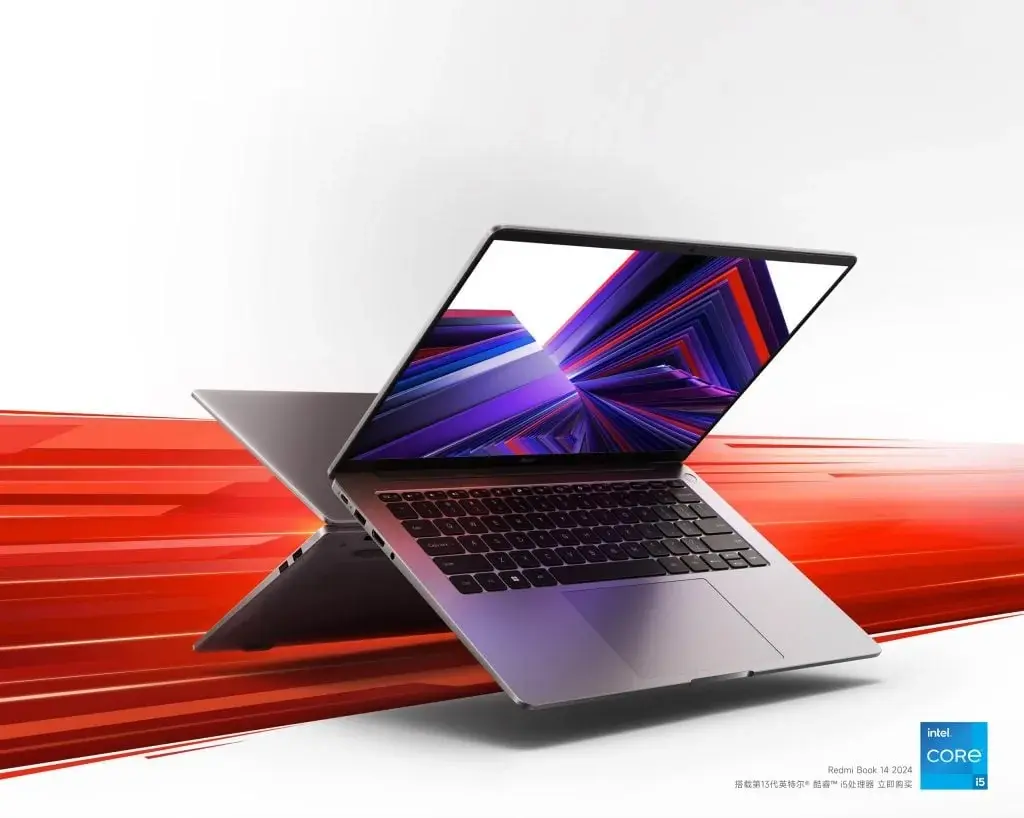
    The Xiaomi Redmi Book 14 2024 laptop is equipped with a 14-inch 2.8K (2880×1800) display that offers a speedy 120Hz refresh rate. With a pixel density of 242 PPI and full sRGB color gamut coverage, the laptop delivers vibrant and detailed visuals. The device features a sleek and lightweight design, weighing only 1.37kg and measuring 15.9mm in thickness.

    Under the hood, the Redmi Book 14 2024 is powered by the Intel i5-13500H processor. It includes dual fans and dual 8mm heat pipes for efficient cooling, allowing the laptop to support a 47W performance boost. This results in a 12% higher fps compared to competitors when playing mainstream FPS games. The laptop also offers 16GB LPDDR5-6400 RAM and up to 1TB SSD, with an additional M.2 SSD slot for expandable storage.

    Connectivity options on the Redmi Book 14 2024 include Thunderbolt 4, USB-A ports, HDMI, and a 3.5mm audio jack. The device is powered by a 56Wh battery, ensuring long-lasting usage.

    Xiaomi Redmi Book 16 2024 Specifications

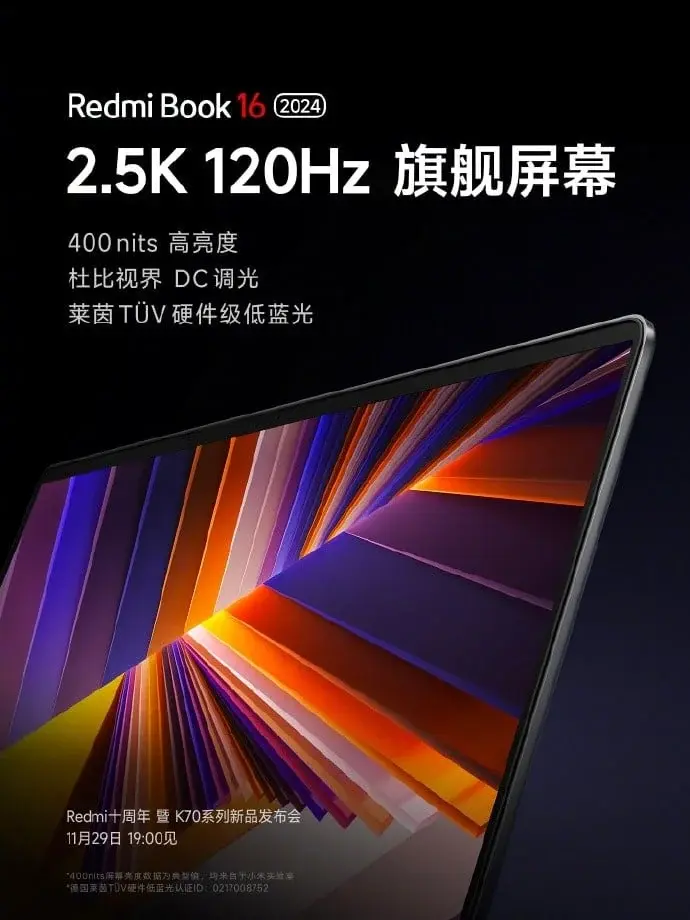
    The Xiaomi Redmi Book 16 2024 laptop features a larger 16-inch 2.5K display with a high 120Hz refresh rate. It offers 100% sRGB color gamut and 400 nits brightness, providing a stunning visual experience. The laptop comes with a slim and lightweight full metal body, weighing just 1.68kg and measuring 15.9mm in thickness.

    Similar to the Redmi Book 14 2024, the Redmi Book 16 2024 is powered by the i5-13500H processor and utilizes dual fans and dual 8mm heat pipes for efficient cooling. It also supports a 47W performance boost and includes 16GB LPDDR5-6400 RAM. The laptop offers up to 1TB SSD, with an additional M.2 SSD slot for extra storage. The Redmi Book 16 2024 is equipped with a larger 72Wh battery for extended usage.

    Connectivity options on the Redmi Book 16 2024 include Thunderbolt 4, USB-A ports, HDMI, and a 3.5mm audio jack.

    HyperOS Connect and Fast Charging Adapter

    Both the Redmi Book 14/16 2024 laptops come with HyperOS Connect, a feature that enables seamless real-time communication and integration between the laptop, smartphone, tablet, and other devices. This creates a unified ecosystem, allowing users to access their smartphone’s camera through the laptop.

    Additionally, the Redmi Book 2024 series includes a 100W GaN adapter that offers high-power smart fast charging in a compact and portable design. This adapter supports bi-directional USB-C cables and phone charging, making it a convenient power backup for on-the-go use. It can charge devices up to 50% in just 35 minutes and is compatible with various devices, including tablets, smartphones, and PCs.

    Pricing and Availability

    The Xiaomi Redmi Book 14 2024 is available in two configurations:

    • 16GB RAM + 512GB storage: 4199 Yuan ($592)
    • 16GB RAM + 1TB storage: 4499 Yuan ($635)

    The Xiaomi Redmi Book 16 2024 is offered in two configurations:

    • 16GB RAM + 512GB storage: 4399 Yuan ($621)
    • 16GB RAM + 1TB storage: 4699 Yuan ($663)

    The Redmi Book 14 is available in Starlight Silver and Starry Grey colors, while the 16-inch variant is exclusively available in Starry Grey. The Redmi Book 14 is currently on sale in China, while the Redmi Book 16 is set to be available starting from December 1st.

  • China’s Attempt to Compete with South Korea and the US in Advanced Chip Development

    China’s Attempt to Compete with South Korea and the US in Advanced Chip Development

    China Makes Strides in Mobile Memory Chip Development

    China has achieved a significant milestone in its technological rivalry with South Korea and the United States by successfully developing its first advanced mobile memory chip. This breakthrough by ChangXin Memory Technologies (CXMT) demonstrates China's revitalized growth in the semiconductor industry.

    A Notable Development in Mobile Technology

    CXMT's introduction of the lower power Double Data Rate 5 (LPDDR5) dynamic random access memory (DRAM) chip is a remarkable achievement in the field of mobile technology. Initially pioneered by South Korea's Samsung Electronics in 2018, this type of memory chip is crucial for electronic devices like smartphones and laptops. China's successful production of the LPDDR5 chip is even more impressive considering the increased US sanctions aimed at hindering its progress in high-tech manufacturing.

    A Strategic Move towards Self-Reliance

    This breakthrough is not just about technological prowess; it also represents a strategic move for China to reduce its reliance on imported technology. By developing its own advanced mobile memory chip, China takes a significant step towards achieving self-reliance in a critical sector. The validation of these chips by prominent Chinese smartphone manufacturers like Xiaomi and Transsion further emphasizes the practical application and market readiness of this technology.

    Overcoming Challenges in the Semiconductor Industry

    China's achievement in mobile memory chip development comes amidst a challenging environment where it faces restrictions in accessing high-end lithography systems from international suppliers. Despite these hurdles, the country has shown steady progress in semiconductor development and manufacturing technologies. The launch of Huawei Technologies' Mate 60 Pro smartphone, powered by a locally made advanced chip, serves as another testament to China's capabilities in this domain.

    Enhanced Performance and Market Position

    CXMT's new memory chip offers substantial improvements compared to its previous versions. It boasts a 50% increase in data transfer speed and capacity, while also reducing power consumption by 30%. This advancement is set to enhance China's position in the competitive mobile devices market, where faster data transfer and improved power efficiency are highly sought-after features.

    In conclusion, China's successful development of its first advanced mobile memory chip by CXMT marks a significant leap forward in the country's technological rivalry with South Korea and the United States. This achievement not only showcases China's revitalized growth in the semiconductor industry but also represents a strategic move towards reducing reliance on imported technology. With its improved performance and market readiness, the new memory chip is poised to strengthen China's position in the competitive mobile devices market.

  • Unveiled: Iiyama G-Master GB2745QSU-B1 Monitor featuring 27″ 2K 100Hz IPS Panel

    Unveiled: Iiyama G-Master GB2745QSU-B1 Monitor featuring 27″ 2K 100Hz IPS Panel

    Iiyama Introduces New Monitor to G-Master Lineup: GB2745QSU-B1

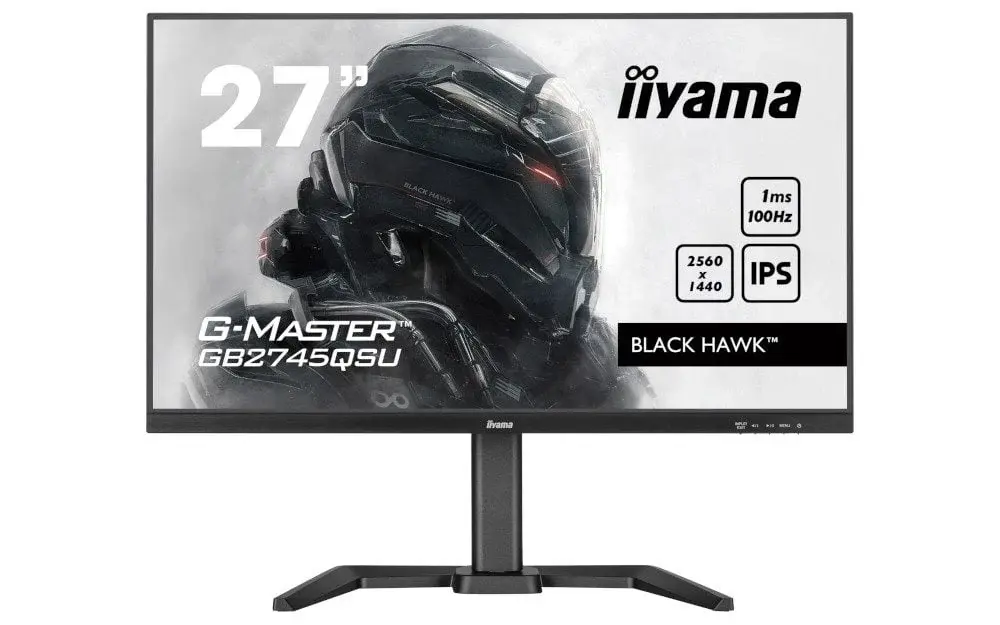
    Japanese monitor manufacturer Iiyama has expanded its G-Master lineup with the addition of the Iiyama G-Master GB2745QSU-B1. This new monitor offers a higher resolution compared to its predecessor, the G2745HSU-B1, while maintaining the same 27" panel size. Here are all the details you need to know about the GB2745QSU-B1.

    Specifications

    The Iiyama G-Master GB2745QSU-B1 features a 27-inch IPS panel with a matte surface. It boasts a physical resolution of 2560 x 1440 and a 16:9 image format, delivering a crisp and detailed display. With a brightness of 250 cd/m² and a contrast ratio of 1300:1 (extended contrast ratio 80M:1), this monitor offers vibrant visuals. The quick 1ms response time (MPRT) ensures minimal motion blur.

    Enhanced Viewing Experience

    The GB2745QSU-B1 offers wide viewing angles of 178°/178° horizontally and vertically, along with 89°/89° right/left and up/down, providing flexibility for various viewing positions. Supporting 16.7 million colors, it guarantees a rich and immersive visual experience. The monitor's horizontal frequency ranges from 30 to 151kHz, and the pixel pitch is 0.233mm. Its sleek matte black color adds a touch of elegance to any setup.

    Connectivity and Features

    On the connectivity front, the GB2745QSU-B1 includes HDMI (v.2.0) and DisplayPort (v.1.2) for video input, along with a USB HUB (2x, v.3.2 Gen 1) and a headphone connection. HDCP is supported. Notable features of this monitor include blue light reduction and flicker-free LED technology, ensuring eye comfort during long hours of use. It also offers FreeSync support at 1920×1080 @48-100Hz for smoother gaming experiences.

    Additional features of the GB2745QSU-B1 include i-Style Color, OSD menu languages, control buttons, adjustable parameters, built-in speakers, theft protection, VESA mount compatibility (100x100mm), and cable management. Mechanically, the monitor offers tilt, height adjustment (15mm), and a 90° rotatable pivot function. It can be rotated at angles of 45° left and right, and tilted from 23° up to 5° down.

    Pricing and Availability

    Pricing and availability details for the Iiyama G-Master GB2745QSU-B1 are expected to be revealed soon. Stay tuned for updates on this exciting addition to Iiyama's G-Master lineup.

  • Today’s launch: Redmi Book 16 (2024) teaser reveals additional key specifications

    Today’s launch: Redmi Book 16 (2024) teaser reveals additional key specifications

    Redmi Book 16 (2024) Laptop: Sleek Design and Impressive Features

    Redmi is all set to unveil its highly anticipated Redmi K70 series smartphones at a launch event in China today. However, the brand has also confirmed that it will be introducing other products alongside the smartphones, including the Redmi Book 16 (2024) laptop. Ahead of the launch, more details about this sleek and powerful laptop have been revealed.

    Design and Display

    The Redmi Book 16 (2024) boasts a slim and sleek full metal body, measuring just 15.9 mm in thickness and weighing a mere 1.68 Kg. It offers a premium and lightweight design, making it highly portable and ideal for users on the go.

    The laptop features a high-resolution 2.5K display with a speedy 120 Hz refresh rate, ensuring smooth visuals and a seamless user experience. With a peak brightness of 400 nits and TÜV Rheinland Hardware Level Low Blue Light certification, the Redmi Book 16 prioritizes eye comfort during extended usage.

    Efficient Cooling and Battery Life

    To address heat dissipation and ensure optimal performance, the Redmi Book 16 incorporates dual fans and dual 8mm heat pipes. This advanced cooling system prevents overheating and ensures that the laptop operates smoothly even during intensive tasks.

    The laptop is equipped with a substantial 72Wh battery, providing an impressive 16 hours of local video playback on a single charge. Additionally, the Redmi Book 16 comes with a 100W GaN adapter for efficient and fast charging.

    Powerful Performance

    Under the hood, the Redmi Book 16 is powered by the Core i5-13500H processor, which boasts 12 cores and 16 threads. With a turbo boost frequency of up to 4.70 GHz, this laptop delivers exceptional performance and speed for multitasking, gaming, and productivity.

    The device also features flagship-level LPDDR5 6400MT/s memory, ensuring smooth and efficient operations even when handling demanding applications and tasks.

    Pricing and Availability

    The pricing details of the Redmi Book 16 (2024) laptop will be revealed during today's launch event, along with the introduction of the Redmi Buds 5 Pro and the Redmi Watch 4. For more information on the upcoming Redmi K70 series smartphones, you can check out our comprehensive roundup where we discuss all the confirmed and unconfirmed details.

    Stay tuned for the latest updates and announcements from Redmi as they unveil their exciting lineup of products at the launch event today.

  • Rapoo introduces the MT760 mouse featuring PixArt 3220 sensor, designed for larger hands, available for 199 Yuan ($28)

    Rapoo introduces the MT760 mouse featuring PixArt 3220 sensor, designed for larger hands, available for 199 Yuan ($28)

    Rapoo Unveils MT760 Mouse: Perfect for Users with Large Hands

    Rapoo has recently introduced the MT760 mouse, specifically designed to cater to users with large hands. With dimensions measuring 125 x 81 x 47mm and weighing approximately 101 grams, this mouse boasts an ergonomic design, ensuring optimal comfort for prolonged use. The MT760 mouse will be available for purchase on December 4th at 8:00 AM, priced at 199 yuan ($28).

    Key Features of the Rapoo MT760 Mouse

    1. Comfortable Hand Placement:

      • The mouse is ideal for business and office use, featuring an arched back that provides a comfortable hand placement.
      • Strategically placed buttons and a scroll wheel further enhance the user experience.
    2. Durable Aluminum Alloy Side Scroll Wheel:

      • Notably, the MT760 mouse includes a durable aluminum alloy side scroll wheel.
      • It utilizes Hall magnetic induction technology, ensuring precise scrolling.
    3. PixArt 3220 Sensor and Adjustable DPI:

    • The MT760 mouse features a PixArt 3220 sensor, guaranteeing accurate tracking.
    • It offers seven preset DPI values, adjustable via a DPI button, with a maximum of 4000 DPI.
    1. Versatile Connectivity Options:

      • In terms of connectivity, the MT760 mouse supports Bluetooth 5.0, 2.4G wireless, and wired connections.
      • Users can simultaneously connect up to five devices, providing flexibility and convenience.
    2. Long Battery Life and Convenient Charging:

      • Powered by an 800mAh rechargeable lithium battery, the MT760 mouse promises up to 160 hours of continuous use in 2.4G wireless mode.
      • In Bluetooth mode, it offers approximately 150 hours of battery life.
      • The mouse supports charging while in use, requiring around 3 hours for a full charge.

    MT760 Mini: A Variant for Medium to Small Hands

    Rapoo also offers a smaller variant of the MT760 mouse, called the MT760 Mini. This variant is specifically designed for users with medium to small hands, weighing about 88 grams and measuring 115 x 74 x 42mm. Like its larger counterpart, the MT760 Mini features matte-finish hard rubber buttons and soft rubber finger rests with a textured pattern. These design elements ensure an anti-slip and anti-sweat grip, enhancing the overall user experience.

    Additional Features and Color Options

    The Rapoo MT760 mouse offers a range of additional features to enhance usability. These include a thumb rest design, a magnetic storage compartment, and an optional wireless charging expansion slot. Users can choose from three elegant color options: Elegant Black, Pearl Gray, and Rose Pink.

    VT9 Air: Rapoo's Gaming Mouse

    Earlier this month, Rapoo also launched the VT9 Air gaming mouse. This mouse features a semi-transparent design and is available for 249 yuan ($34).

  • Foxconn, the iPhone manufacturer, pledges $1.5 billion investment, fostering numerous employment opportunities in India

    Foxconn, the iPhone manufacturer, pledges $1.5 billion investment, fostering numerous employment opportunities in India

    Foxconn Pours $1.5 Billion into India for Apple’s Expansion Strategy

    Foxconn, the Taiwanese company responsible for producing iPhones for Apple, is set to invest $1.5 billion in India as part of its efforts to diversify production locations and support Apple's expansion strategy. This move comes as India continues to make progress in becoming a global technology production hub, with companies increasingly investing in the region following the pandemic.

    Foxconn's Commitment to India

    Previously, Foxconn had announced its commitment to invest $600 million in India, creating job opportunities for 13,000 individuals. Now, through its subsidiary "Hon Hai Technology," the company has revealed plans for an undisclosed building project in India to meet its operational needs. However, specific details regarding the project have not been provided in securities filings, and Foxconn has not responded to inquiries.

    Speculating on the Purpose of the Investment

    While limited information is available at this time, we can make some educated guesses and engage in speculation. Given the substantial investment of $1.5 billion, it is likely that the mentioned building could serve as a factory. This aligns with Apple's plans to increase production in the region and suggests that Foxconn is taking steps to meet the demands of its important customer.

    Considering Political Factors

    In addition to business considerations, there is a political aspect to Foxconn's investment in India. China and Taiwan have a complex relationship, and it is uncertain how long their cooperation in the technology sector will last. Therefore, it may not be the most prudent decision for Foxconn to keep a significant portion of its production in China. However, it is important to note that these thoughts are purely speculative and may not align with the goals of the companies involved.

    Waiting for More Information

    As of now, the details surrounding Foxconn's investment in India remain limited. We can only wait for more information to emerge, potentially through leaks or official announcements, to gain a better understanding of the intended purpose of the facility. Nonetheless, this investment marks a significant step in India's journey towards becoming a global technology production hub and highlights the importance of the region for Apple's expansion strategy.

  • China Launches Huawei MateBook D16 (2024) Featuring 13th Gen Core i9 SoC

    China Launches Huawei MateBook D16 (2024) Featuring 13th Gen Core i9 SoC

    Huawei MateBook D16 (2024): Upgraded Features and Specifications

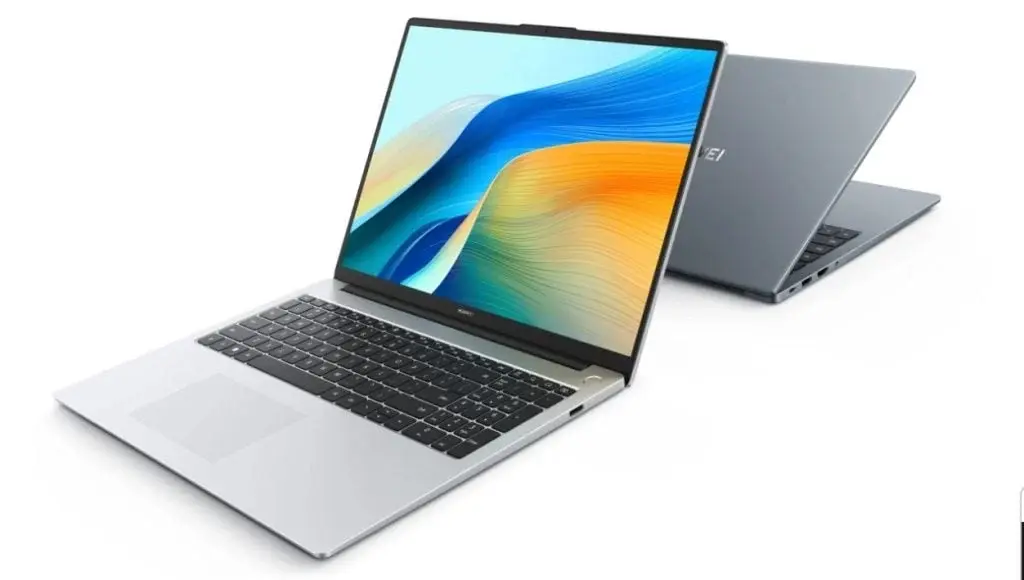
    The Huawei MateBook D16 (2024) laptop has been launched alongside the Huawei MatePad Pro 11 (2024). Compared to its predecessor, the 2023 edition, the latest model comes with incremental upgrades and improved internals. Let’s take a closer look at what the Huawei MateBook D16 (2024) has to offer.

    Display and Design

    The Huawei MateBook D16 (2024) features a large 16-inch IPS display with a resolution of 1,920 x 1,200 pixels and a peak brightness of 300 nits. With narrow bezels, the laptop offers a 90 percent screen-to-body ratio, providing users with an immersive viewing experience. It is designed to be lightweight, weighing just 1.68kg, and has passed durability tests to ensure its longevity. The laptop also includes a dedicated numeric keypad and a fingerprint scanner integrated into the power button. Additionally, it boasts a metamaterial antenna that enhances download speeds and extends the connection range up to 270 meters.

    Performance and Storage

    Under the hood, the Huawei MateBook D16 (2024) is powered by the 13th generation Intel Core processors, with options ranging up to Core i9. While the Core i5 variant comes with Intel UHD graphics, the Core i7 and i9 options feature Intel Iris Xe GPU. The laptop is equipped with 16GB of RAM and 1TB of SSD storage, ensuring smooth multitasking and ample storage capacity. It is fueled by a 70Wh battery cell, providing sufficient power for extended usage.

    Enhanced Features

    The Huawei MateBook D16 (2024) is equipped with a 1080p webcam, dual speakers, and microphones, allowing users to have high-quality video calls and audio experiences. The laptop also includes a five-point touchpad for convenient navigation and control.

    Pricing and Availability

    The Huawei MateBook D16 (2024) is available in three configurations, with different processor options and storage capacities. The base model, featuring a Core i5 processor, 16GB of RAM, and 1TB of storage, is priced at CNY 4,999 ($704). The Core i7 and i9 variants, both with 16GB of RAM and 1TB of storage, are priced at CNY 5,999 ($845) and CNY 6,499 (~$915) respectively. The laptop is offered in two color options, bright moon silver and deep space grey.

    In conclusion, the Huawei MateBook D16 (2024) offers notable upgrades compared to its predecessor. With its large display, lightweight design, powerful performance, and enhanced features, it is a compelling option for those in need of a reliable and efficient laptop.

  • Google is investigating the loss of data from certain Google Drive users since May.

    Google is investigating the loss of data from certain Google Drive users since May.

    Google Drive Users Report Data Disappearance Issue on Desktop Platforms

    Google Drive users accessing the service on desktop platforms have reported a concerning issue where a portion of their data from recent months is mysteriously disappearing. This issue has affected a limited subset of users utilizing specific versions of the Google Drive desktop app (versions 84.0.0.0 through 84.0.4.0). The problem came to light when a user shared their distressing experience of losing all Google Drive data dating back to May.

    Distressed Users Seek Help

    The issue has drawn attention from affected users on a Google community support thread, with 192 users indicating they have experienced similar problems. Reports suggest that the missing files include documents, photos, and videos. Some affected users sought help from Google’s support team, but recovery attempts were reportedly unsuccessful.

    Actions to Avoid

    Google has since advised users against certain actions, including clicking “disconnect account” in Google Drive for desktop and deleting or relocating the app data folder. Saitej, a Google Drive team member, issued a warning within the support thread, emphasizing the importance of avoiding specific actions that could potentially worsen the situation. Users are cautioned against disconnecting their accounts and advised not to delete or move the app data folder, typically located in specific directories on Windows and macOS systems.

    Precautionary Measures

    As a precautionary measure, Saitej recommended users create a backup copy of the app folder in a separate location. The investigation by Google into this data loss is ongoing, and affected users are urged to follow Google’s official support channels for updates and assistance. The company is actively working to resolve the issue and prevent further instances of data loss for users accessing Google Drive on desktop platforms.

  • Apple turns to Chinese supply chain for large-scale production of Vision Pro MR headset

    Apple turns to Chinese supply chain for large-scale production of Vision Pro MR headset

    Apple Turns to Chinese Suppliers for its Vision Pro Headset

    Apple is set to rely heavily on its supply chain in mainland China for its highly anticipated mixed reality (MR) headset, the Apple Vision Pro. Recent reports indicate that a significant 60% of the components for the Vision Pro will be sourced from Chinese suppliers, marking a departure from Apple's recent supply chain diversification efforts. This shift highlights the increased involvement of Chinese suppliers, particularly in the development of innovative products like the Vision Pro.

    A Shift in Supply Chain Strategy

    The Vision Pro, set for mass production in December, has an ambitious sales target of 1 million units in 2024, with the aim of reaching 10 million units by the third year. To achieve this, Apple has chosen to source a substantial portion of its components from China, a notable change compared to the iPhone 15 series.

    Key Chinese Suppliers

    Lingyi Intelligent Manufacturing, a prominent Chinese supplier, will play a crucial role in the production of the Vision Pro. They will provide components such as heat sink modules, headbands, eye masks, and nose pads, valued between $250-300 per unit. Another key supplier, Lixun Precision, will handle exclusive OEM assembly and contribute components valued at approximately $150-200 per unit.

    Benefits of Chinese Supply Chain

    The involvement of Chinese supply chain companies in the development and prototype stages of the Vision Pro headset has showcased their remarkable flexibility and capabilities. This has played a pivotal role in winning Apple's favor and CEO Tim Cook has publicly expressed his preference for mainland supply chains, especially in the creation of innovative products.

    By sourcing a majority of components from China, Apple stands to benefit from reduced production costs, potentially enabling the company to lower the overall cost of the Vision Pro. This strategic relocation of the supply chain to China marks a significant shift and highlights Apple's confidence in the capabilities of Chinese suppliers.

    In conclusion, Apple's decision to heavily rely on Chinese suppliers for the Vision Pro headset represents a departure from its recent supply chain diversification efforts. With an ambitious sales target and the aim to reach millions of units in the coming years, Apple is placing its trust in the flexibility and capabilities of Chinese supply chain companies. This strategic move is expected to reduce production costs and potentially lower the overall cost of the Vision Pro for consumers.

  • Starting December 2023, Google will delete Gmail accounts that remain inactive.

    Starting December 2023, Google will delete Gmail accounts that remain inactive.

    Google to Delete Inactive Gmail Accounts from December 2023

    Google has announced its plans to delete inactive Gmail accounts starting from December 1, 2023. This move aims to address the increased vulnerability of older accounts to cyberattacks. Inactive accounts, defined as those that have not been used in the past two years, will be subject to deletion, along with all associated data such as emails, Drive files, Photos, and Contacts.

    The Importance of Security Measures

    According to internal data from Google, inactive accounts are ten times less likely to have two-factor authentication enabled compared to active accounts. This lack of security measures makes older accounts more susceptible to hacking attempts. By deleting inactive accounts, Google aims to protect user data and reduce the risk of compromise.

    Phased Approach to Account Deletion

    Not all inactive accounts will be deleted immediately. Google plans to remove accounts gradually, starting in December 2023, in small batches. This approach allows users time to reactivate their accounts if they still wish to use them. However, once an account is deleted, all associated data will be permanently removed, and users will not be able to recover their data.

    Tips to Keep Your Account Active

    To prevent their accounts from being deleted, users should ensure they sign in to their Gmail accounts at least once every two years. This minimal activity will keep their accounts active and protect them from being removed. In addition to regular sign-ins, users can engage in various activities to maintain account activity, such as using Google Drive, watching YouTube videos, downloading apps from the Google Play Store, performing Google searches, and utilizing Sign-in with Google for third-party apps or services.

    Exemption for YouTube Videos

    It is important to note that Google currently has no plans to delete inactive accounts that have YouTube videos. If an old unused account is linked to YouTube and has a public video on it, Google will not delete that account despite its inactivity. However, it is possible that the company may update this policy in the future.

    To ensure the security of user accounts and data, Google's decision to delete inactive Gmail accounts is a proactive measure. Users are advised to take the necessary steps to keep their accounts active and protect their valuable information.