Category: Computers

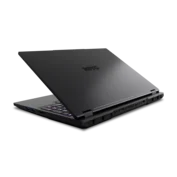
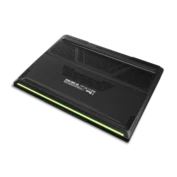
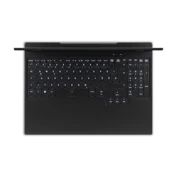
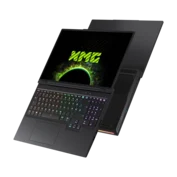
  • XMG Pre-Selling NEO 16 Laptops with RTX 5090 and Latest APUs

    XMG Pre-Selling NEO 16 Laptops with RTX 5090 and Latest APUs

    Key Takeaways

    1. Processor Options: The NEO 16 series features Intel Core Ultra 9 275HX and AMD Ryzen 9 9955HX/9955HX3D processors, catering to both Intel and AMD enthusiasts.

    2. Graphics Performance: Graphics options include the RTX 5070 Ti, RTX 5080, and RTX 5090, with enhanced cooling through the improved OASIS external water cooling solution.

    3. Display and Design: Two 16-inch display options are available, with a reinforced aluminum chassis and a customizable RGB LED light bar, weighing between 2.65 kg and 2.8 kg.

    4. Storage and RAM: Supports dual M.2 SSDs up to 16 TB and offers up to 96 GB of RAM (with plans for 128 GB), utilizing DDR5-6400 for Intel and DDR5-5600 for AMD models.

    5. Connectivity Features: Both models feature a range of ports, including Mini DisplayPort 2.1 and Thunderbolt 4 (Intel only), alongside USB-A, HDMI 2.1, and a high-speed SD card reader.


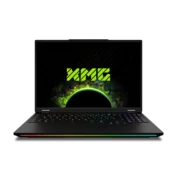
    Earlier this year, at CES 2025, XMG and Schenker revealed the 2025 series of NEO 16 laptops that come equipped with Intel Core Ultra 9 275HX processors. These new models are now up for pre-sale. In an effort to appeal to AMD enthusiasts, the NEO 16 2025 range also incorporates AMD options, including the robust Ryzen 9 9955HX3D.

    Specifications of NEO 16 Models

    The NEO 16 E25 models are powered by the Intel Core Ultra 9 275HX processor, which has 8 P-cores and 16 E-cores. On the other hand, the NEO 16 A25 comes with either the Ryzen 9 9955HX or the 9955HX3D variant that features 16 Zen 5 cores and supports 32 threads.

    Graphics Options

    For graphics, XMG provides the RTX 5070 Ti with 12 GB VRAM and a total graphics power (TGP) of 140 W. Additionally, there’s the RTX 5080 that includes 16 GB VRAM and the RTX 5090 with 24 GB VRAM, both sporting a TGP of 175 W.

    XMG has also enhanced the OASIS external water cooling solution (Mk2-V4), which is offered as a reliable choice for optimal cooling performance. The updated V4 model has a quieter pump and swaps the old magnetic connector for a snap-in mounting solution, while keeping self-sealing connectors. Although the standard air cooling for the compact 16-inch laptop provides impressive performance, the XMG OASIS enables even better performance with reduced noise levels, particularly for the RTX 5090 GPU.

    Display Choices and Chassis Design

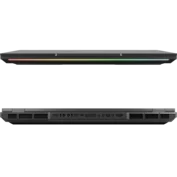
    Customers can select between two 16-inch 16:10 display options, depending on their budget. The all-aluminum laptop chassis, which contains a 99.8 Wh battery, measures 356.7 x 259.9 x 27.9 mm. The weight fluctuates based on the display choice, with the more efficient IPS panel weighing around 2.65 kg and the power-hungry Mini LED panel weighing about 2.8 kg. The chassis design remains similar to its predecessor but has been slightly reinforced. The front of the laptop now showcases a larger RGB LED light bar, which can be turned off if desired.

    In terms of weight, the new package features lighter power supplies made with silicon carbide semiconductors. The RTX 5080 and 590 models come with a PSU measuring 179 x 81 x 27 mm, weighing 834 g, whereas the RTX 5070 Ti models include a smaller PSU of 65 x 75 x 25 mm, weighing 751 g.

    Storage and RAM Capacity

    For storage, XMG supports dual M.2 SSDs, each capable of up to 8 TB, with one using PCIe 5.0 and the other PCIe 4.0. The current maximum RAM capacity is set at 96 GB, but XMG plans to allow up to 128 GB in the future. The Intel model supports DDR5-6400 RAM, while the AMD model is limited to DDR5-5600 RAM modules.

    Connectivity Options

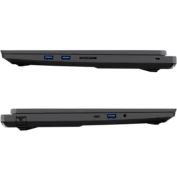
    The ports differ across the two models. Both the Intel and AMD versions now have a Mini DisplayPort 2.1 (DP80), but the Intel versions support Thunderbolt 4 with an integrated DisplayPort 2.1 (DP80) at the back, while the AMD versions only have USB-C 3.2 Gen2 with DisplayPort 1.4a. The left-side USB-C 3.2 Gen2 port supports DisplayPort 1.4a and can deliver 100W Power. Additional connectivity features include a high-speed full-size SD card reader compatible with SD Express, three USB-A ports, 2.5 Gigabit LAN, HDMI 2.1, and a 2-in-1 audio jack.

    The base model of the XMG NEO 16 (E25) or XMG NEO 16 (A25), which can be customized at bestware.com, comes with an Intel Core Ultra 9 275HX or AMD Ryzen 9 9955HX, an NVIDIA GeForce RTX 5070 Ti, 32 GB DDR5-5600 RAM, a 1 TB Kingston Fury Renegade SSD, and a 300 Hz 1600p IPS display. The starting prices are €2,699 for Intel and €2,649 for AMD, both including 19% VAT. Upgrades are available at extra costs, such as an RTX 5080 (€595), an RTX 5090 (€1,450), a 300 Hz Mini LED display (€175), and different SSD and RAM configurations. For the AMD-based NEO 16, an upgrade to the Ryzen 9 9955HX3D is available for €215, while the Intel version allows faster CSO DIMM RAM up to 6400 MT/s in the configurator on bestware.com.

    Pre-orders for all variants are open now, with shipping anticipated to start in April, depending on the chosen configuration and NVIDIA’s current sales embargo.

    Source:
    Link


  • New Verbatim TurboMetal 4TB USB 4 SSD with Active Cooling

    New Verbatim TurboMetal 4TB USB 4 SSD with Active Cooling

    Key Takeaways

    1. Solid-state drives (SSDs) are preferred for their faster file access and compact size compared to traditional hard drives.
    2. SSDs are sensitive to high temperatures, which can lead to thermal throttling during extended use.
    3. Verbatim’s TurboMetal SSD features an active cooling system with a fan to help prevent overheating.
    4. The TurboMetal SSD offers impressive speeds of up to 3,700 MB/s for reading and 3,600 MB/s for writing, requiring a USB 4 Type-C connection.
    5. Available in 1, 2, or 4TB capacities, the 1TB version costs $167 and includes Nero backup software.


    Solid-state drives and other flash storage options have become the standard choice for most new devices, and it’s easy to see why. Unlike traditional hard drives that spin, flash storage allows for faster access to files. Additionally, SSDs are much more compact in size.

    Cooling Features to Prevent Throttling

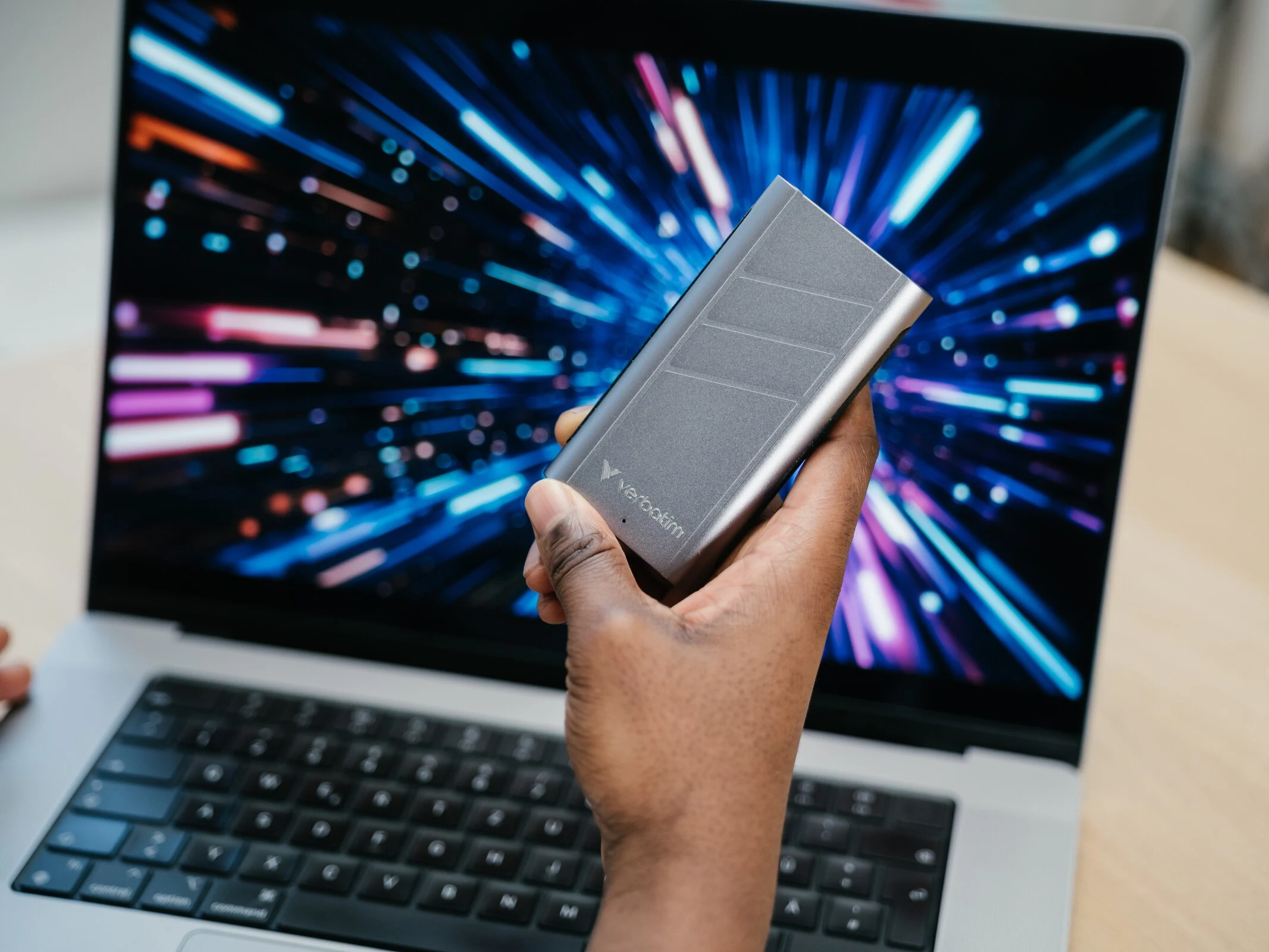
    However, one drawback of SSDs is their sensitivity to high temperatures, which can cause thermal throttling during extended file transfers. Verbatim has introduced a solution to this problem with its latest product, the TurboMetal. This external SSD is equipped with a fan and active cooling system. We will need to wait for tests to confirm how well this cooling feature performs. Nonetheless, the TurboMetal SSD is encased in a sturdy metal housing, which is designed to help keep temperatures down by effectively dissipating heat.

    Impressive Speed Specs

    Verbatim claims that the TurboMetal SSD can reach speeds of up to 3,700 MB/s for reading and 3,600 MB/s for writing. To utilize these impressive transfer rates, it requires a fast connection. More specifically, Verbatim employs a USB 4 Type-C port that supports data transfer speeds of up to 40 Gbps. The dimensions of the portable SSD are 4.17 x 2.17 x 0.71 inches, and it has a weight of 5.3oz. It is designed to function effectively in temperatures ranging from 41° to 104° Fahrenheit. Verbatim offers this new SSD in capacities of 1, 2, or 4TB. The 1TB version is available on Amazon for $167, which also includes the handy Nero backup software.

    Source:
    Link


  • Redmi Book Pro 14: Xiaomi’s New Rival to MacBook Pro 14

    Redmi Book Pro 14: Xiaomi’s New Rival to MacBook Pro 14

    Key Takeaways

    1. The Redmi Book Pro 14 2025 features Intel’s new Arrow Lake architecture, offering improved performance over previous models.
    2. It is available with Core Ultra 5 225H and Core Ultra 7 255H processors, up to 32 GB of LPDDR5X RAM, and 1 TB of PCIe 4.0 storage.
    3. The laptop has a 14-inch 2.8K display with a 120 Hz refresh rate and 500 nits peak brightness.
    4. Connectivity options include USB 3.2, HDMI 2.1, USB Type-C, and Thunderbolt 4 ports.
    5. Pricing in China starts at CNY 5,699 (about $783), with additional options for RAM and processor upgrades.


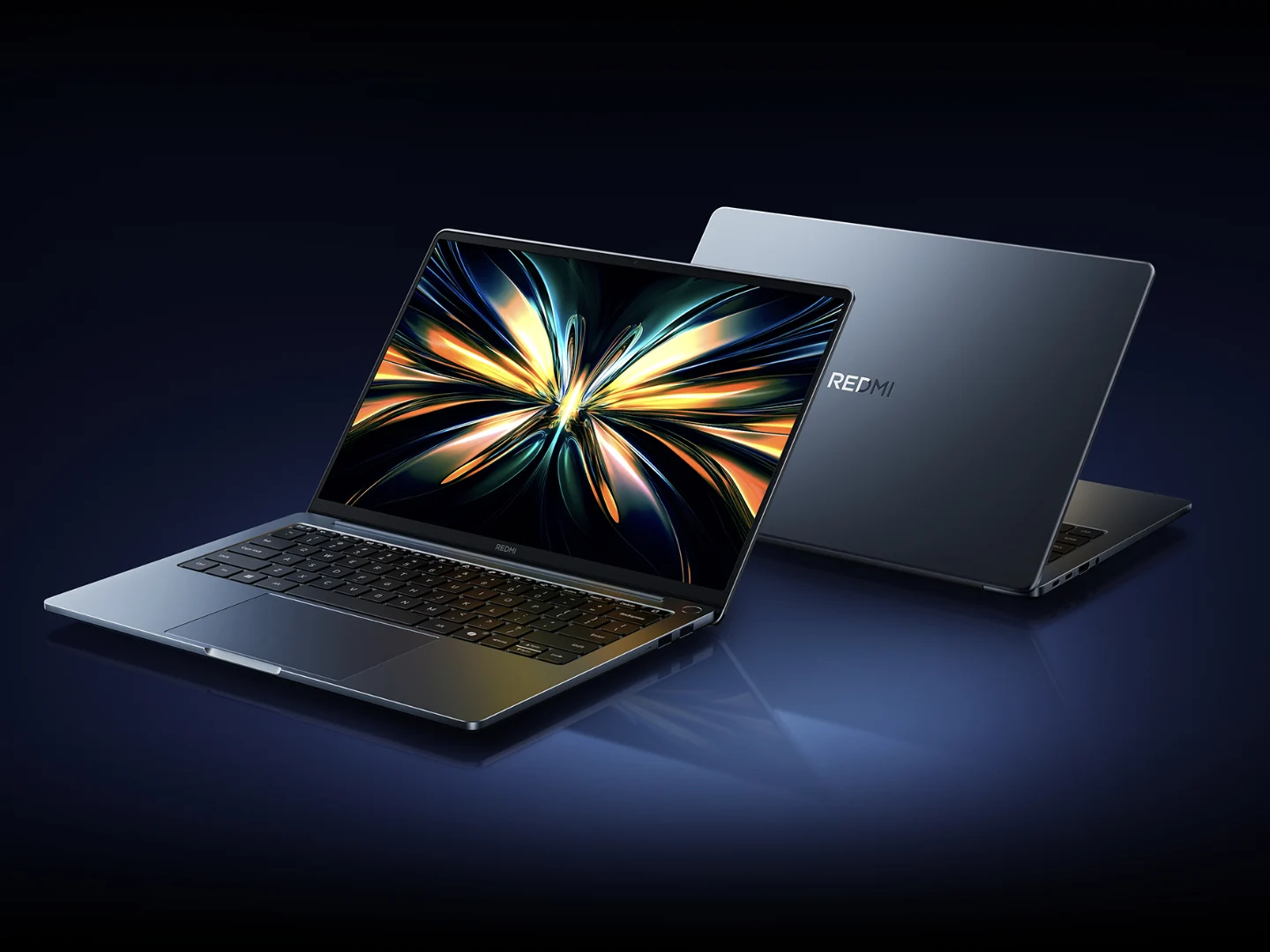
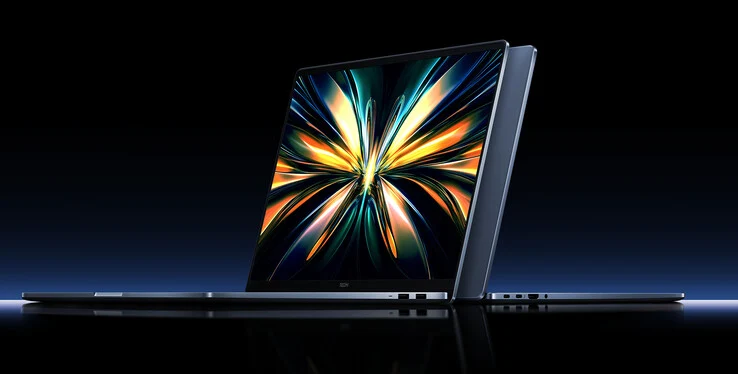
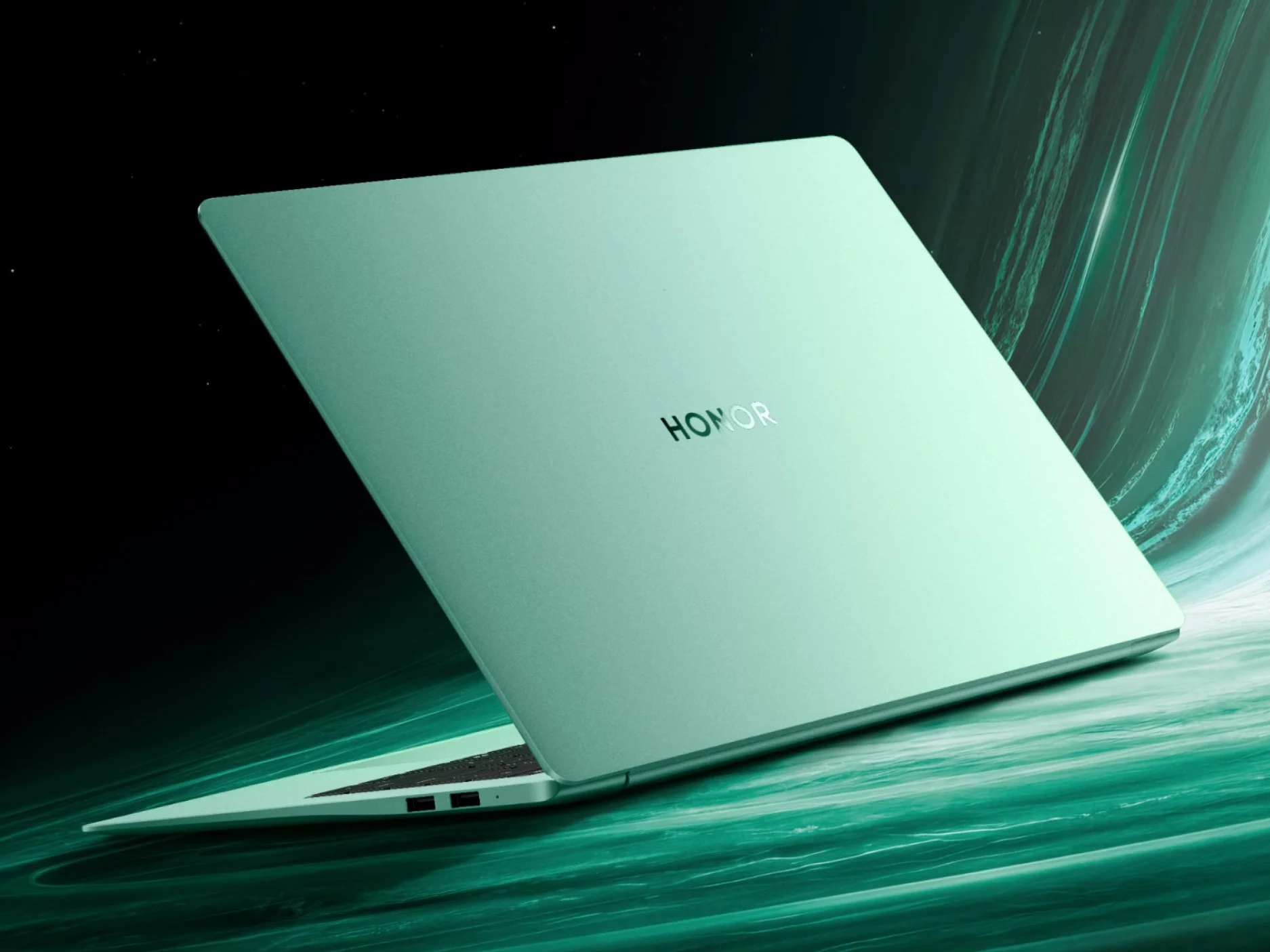
    The Redmi Book 14 Pro is back, a year post Xiaomi’s upgrade to Intel’s Meteor Lake platform. This time, they’ve integrated Intel’s latest Arrow Lake architecture into the 14-inch laptop, which measures 312 x 220 x 15.9 mm and weighs 1.45 kg.

    Specifications and Performance

    The Redmi Book Pro 14 2025 offers options between the Core Ultra 5 225H and Core Ultra 7 255H processors, both utilizing Arc 130T and Arc 140T integrated graphics, respectively. The laptop can be configured with up to 32 GB of LPDDR5X RAM running at 8,400 MT/s, but it comes with only 1 TB of PCIe 4.0 storage. Additionally, Xiaomi has included an 80 Wh battery, giving the Redmi Book Pro 14 2025 an edge over competitors like the MacBook Pro 14, which is currently priced at $1,399 on Amazon.

    Display and Connectivity

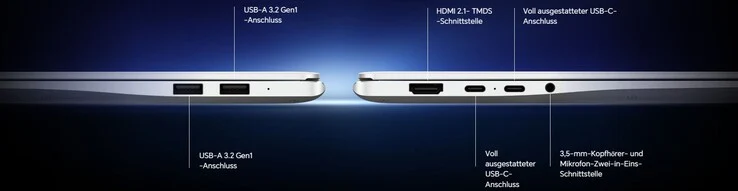
    The Redmi Book Pro 14 2025 features a 16:10 display that has a resolution of 2,880 x 1,800 pixels (2.8K) and boasts a refresh rate of 120 Hz with a peak brightness of 500 nits. The new 14-inch model doesn’t skimp on connectivity, offering two USB 3.2 Gen 1 Type-A ports on one side and a 3.5 mm jack, HDMI 2.1 (TMDS), USB Type-C, and Thunderbolt 4 ports on the other side.

    Pricing and Availability

    In China, the Redmi Book Pro 14 2025 starts at CNY 5,699 (about $783) for the version with a Core Ultra 5 225H processor, 16 GB of RAM, and a 1 TB SSD. For an additional CNY 300 (~$41), buyers can upgrade to 32 GB of RAM, or spend CNY 6,999 (~$961) for the more capable Core Ultra 7 255H with the same memory. There is currently no information on when it will be available internationally.

    Source:
    Link


  • Lenovo Reveals Solar-Powered Laptop Concept with Multi-Monitor Arm

    Lenovo Reveals Solar-Powered Laptop Concept with Multi-Monitor Arm

    Key Takeaways

    1. Lenovo is set to showcase mid-cycle updates and a new foldable ThinkBook at MWC 2025.
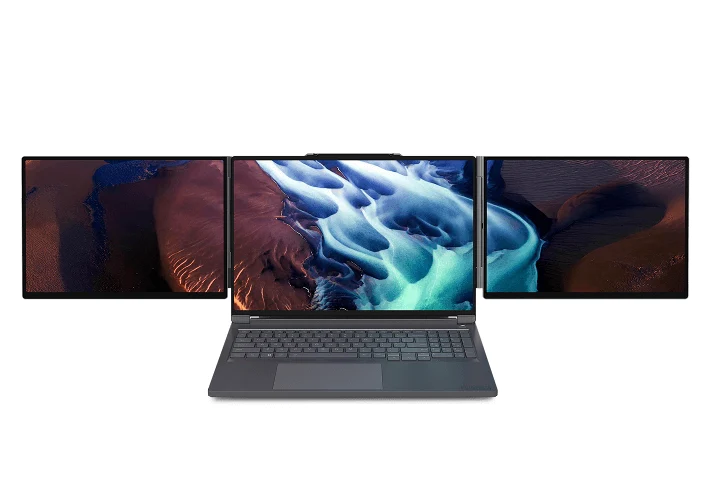
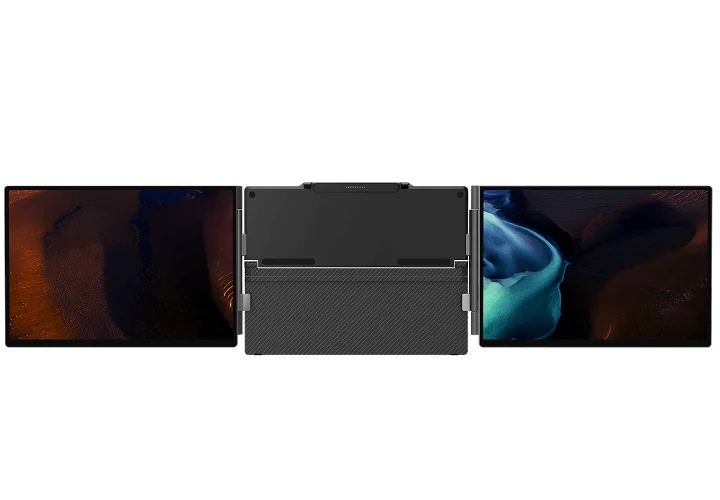
    2. The “Magic Bay Module” is a sleeve-like device that adds up to two displays to a laptop via USB-C.
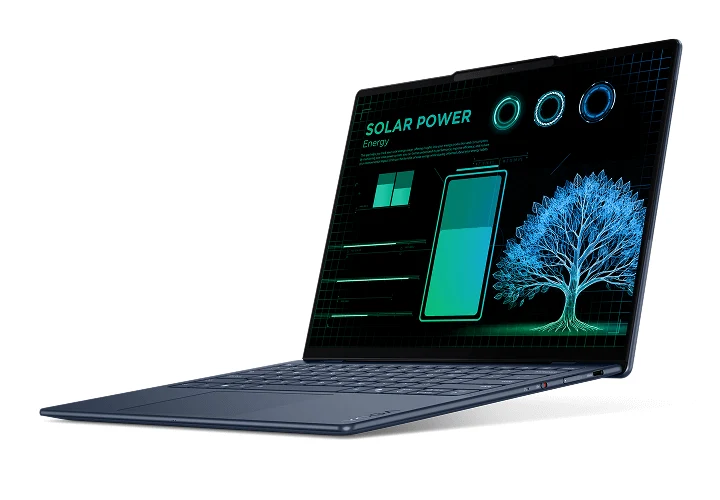
    3. A controversial solar-powered laptop concept features a solar panel on the back of the screen for charging in sunlight.
    4. Concerns arise about the effectiveness of a small solar panel in charging a laptop battery and the risks of exposing electronics to sunlight.
    5. While intriguing, the solar-powered laptop concept may face challenges in becoming a practical reality.


    Renowned leaker Evan Blass has revealed much of what Lenovo is preparing for MWC 2025. This lineup features mid-cycle updates for current models and an exciting new ThinkBook with a foldable display. Now, two additional products have come into view, and one of them is sure to turn heads.

    Magic Bay Module

    The first item is possibly named the “Magic Bay Module.” It appears to be a sleeve-like device that can be attached to your laptop, allowing for the addition of up to two new displays, likely connecting through USB-C. This design is reminiscent of Razer’s attempt with Project Valerie, which sadly never became a reality. Still, it seems like a more refined approach compared to the ideas Expanscape had back in the day.

    Solar-Powered Laptop Concept

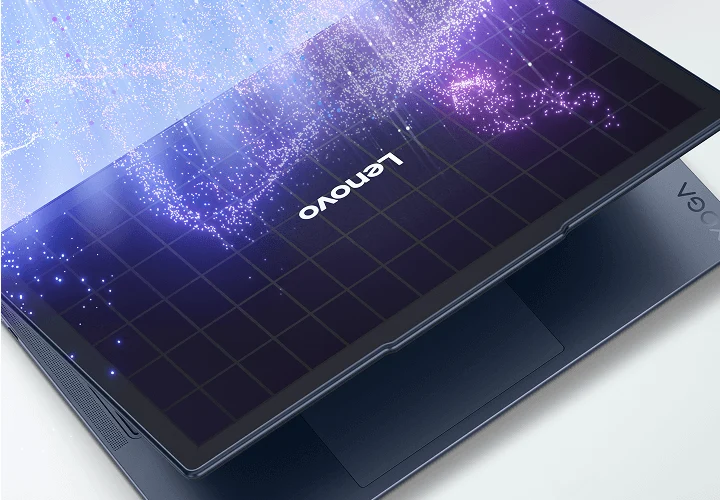
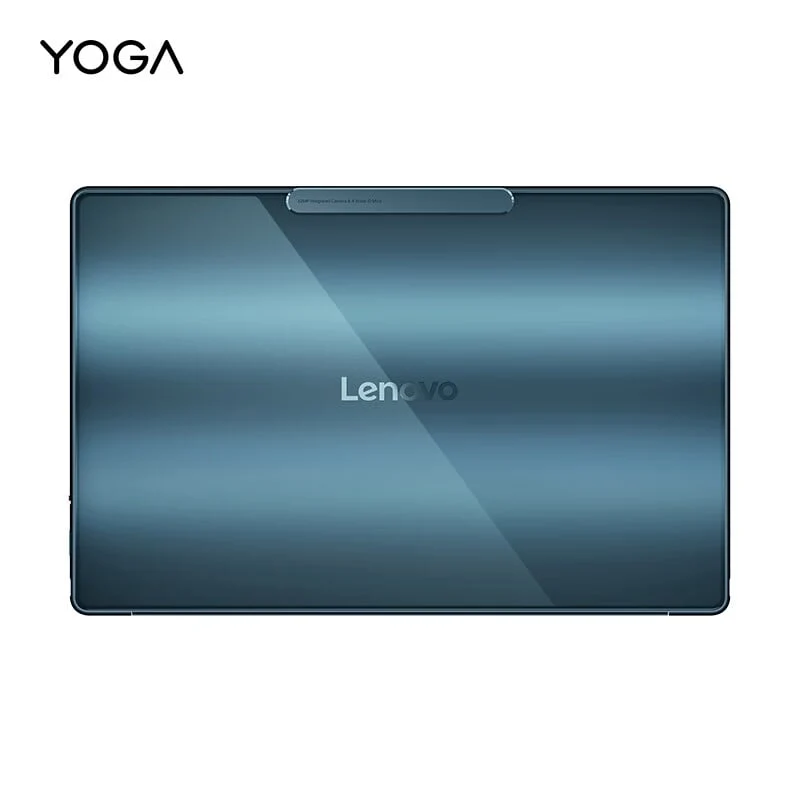
    Next, we encounter what could be one of Lenovo’s most controversial concepts yet. This design features a laptop screen that has a solar panel built into its back. Theoretically, this would enable users to charge their laptop while in sunlight, allowing for later use. The Yoga-branded device is surprisingly slim and includes a notch for its webcam.

    Questions and Concerns

    This concept brings up a lot of questions. For example, can a tiny solar panel on what appears to be a 13-14-inch screen really produce enough power to charge a laptop battery? Even if it can, exposing delicate electronics to sunlight for long periods poses its own set of issues. Regardless, it’s a fascinating idea, though it seems unlikely to become a reality anytime soon (both literally and figuratively).

    Source:
    Link

  • CWWK S7 Mini PC Launches with 10 Gigabit Ethernet Speed

    CWWK S7 Mini PC Launches with 10 Gigabit Ethernet Speed

    Key Takeaways

    1. Impressive Network Connectivity: The CWWK S7 features four Ethernet ports, with two offering 10 Gbps and two at 2.5 Gbps.

    2. Ideal for Fast Connections: Designed for high-speed networking, it effectively supports fast routers and NAS for local file transfers.

    3. Pricing and Specifications: The base model starts at £313 and includes options for different Intel processors and memory configurations, including up to 32GB DDR5 RAM and a 2TB SSD.

    4. Versatile Design: Supports two M.2 2280 PCIe 3.0 SSDs and can also function as a standard mini PC, accommodating Wi-Fi cards with an adapter.

    5. Multiple Video Output Options: Offers HDMI 2.0, DisplayPort 1.4, and USB Type-C for external display connections, along with various USB ports and a headphone jack.


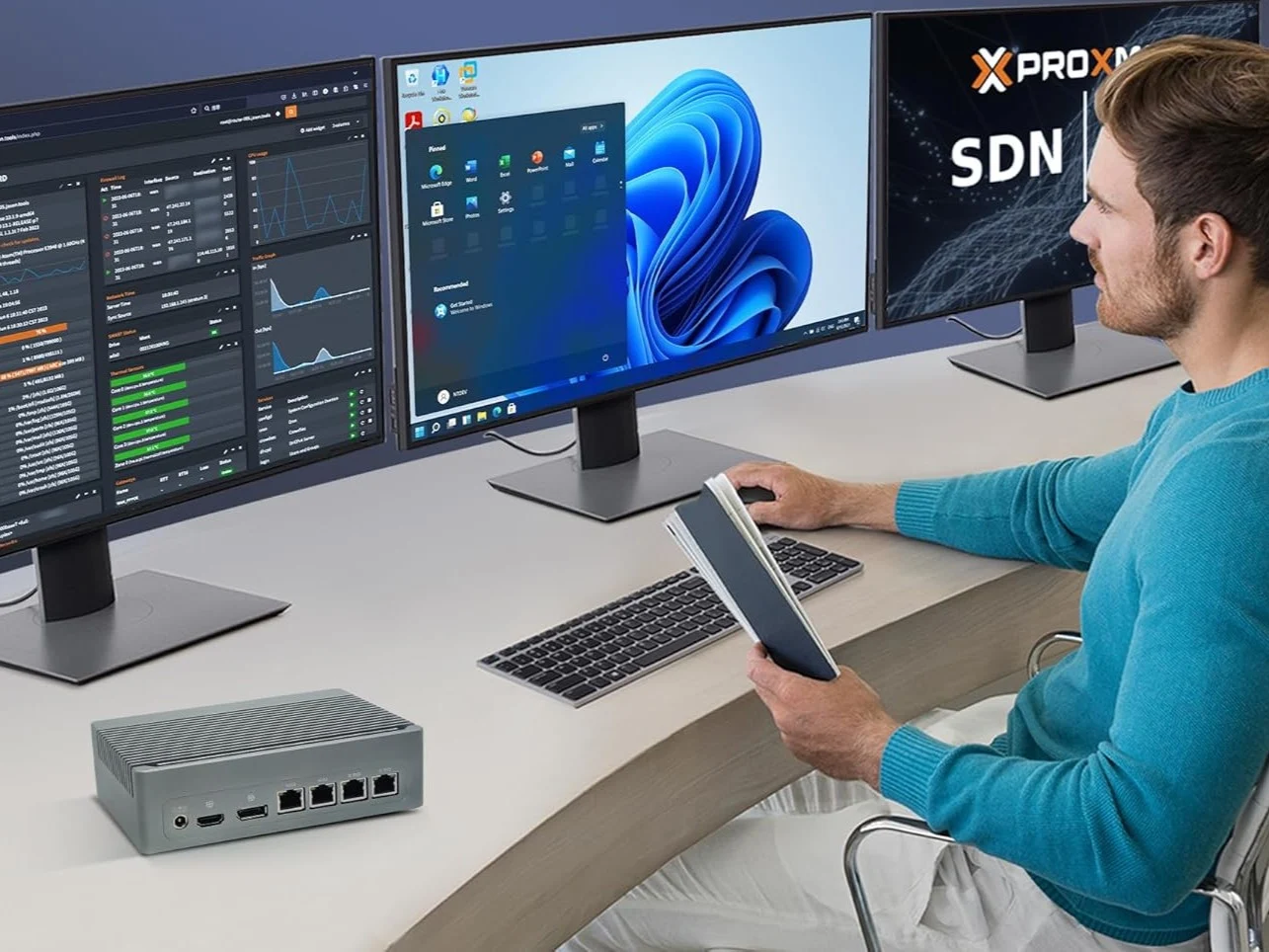
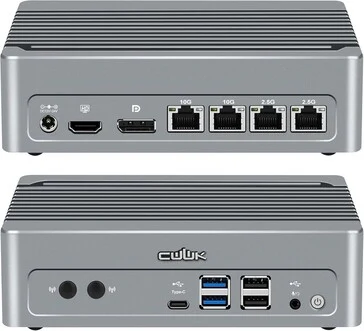
    The Chinese company CWWK has released a new mini PC called the S7. One of its key features is the impressive network connectivity, which includes four Ethernet ports. Out of these, two ports offer a bandwidth of 10 Gbps, while the other two are capped at 2.5 Gbps.

    Ideal for Fast Connections

    While these speedy LAN ports might not be necessary for users with internet speeds of one gigabit or less, the CWWK S7 will not slow you down when connected to a fast router or NAS for local file transfers. It’s built to handle high-speed networking without being a hindrance.

    Pricing and Specifications

    The CWWK S7 is currently listed on Amazon UK, starting at a price of £313. This price is for the base model featuring the Intel N150 processor. Customers can also opt for configurations with Intel Core i3-N305 or Intel Core 3 N355. Additionally, there are various memory options available, including 32GB DDR5 RAM and a 2TB SSD.

    Versatile Design

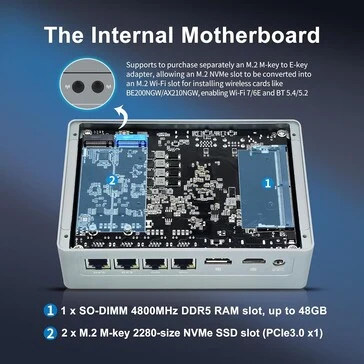
    The compact mini PC supports two M.2 2280 PCIe 3.0 SSDs, which can also accommodate Wi-Fi cards using an M.2 Key-M to Key-E adapter. While it’s primarily designed as a networking device, it can also function like a standard mini PC.

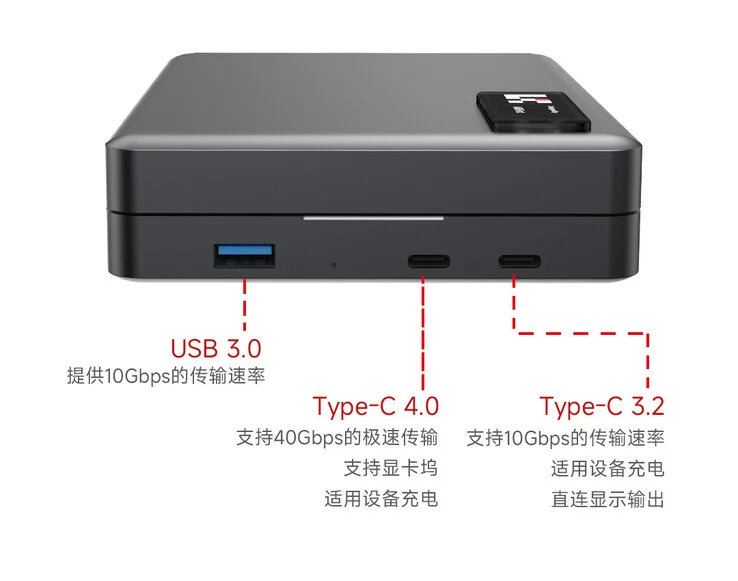
    For video output, the S7 offers both HDMI 2.0 and DisplayPort 1.4 options. Users can also connect an external display via the USB Type-C port located at the front. There are two USB 3.2 ports that provide 10 Gbps speeds, along with two slower USB 2.0 ports. Finally, the CWWK mini PC includes a 3.5mm headphone jack for audio needs.

    Source:
    Link


  • Honor MagicBook Pro 14: OLED Display & Core Ultra 200 Specs

    Honor MagicBook Pro 14: OLED Display & Core Ultra 200 Specs

    Key Takeaways

    1. The Honor MagicBook Pro 14 is currently available only in China, starting at around $800, with a special launch discount.
    2. It features either an Intel Core Ultra 5 225H or Intel Core Ultra 9 285H processor, with RAM options of 16, 24, or 32GB and a 1TB SSD.
    3. The laptop has a 14.6-inch OLED display with a resolution of 3,120 x 2,080 pixels, 700 nits brightness, and a refresh rate of 120Hz, with some models offering a touchscreen.
    4. Connectivity options include two USB 3.2 Type-C ports, two USB-A ports, HDMI 2.1, and a 3.5mm headphone jack, along with a Full-HD webcam and integrated fingerprint sensor.
    5. The 92Wh battery lasts about 12 hours for typical office tasks but lacks a number pad on the backlit keyboard.


    Honor has just released its new MagicBook Pro 14, which is currently available only in China. The price for this laptop varies based on the model, with costs starting around $800. There’s a special launch discount, but there are no details yet about when it might be available globally or what the prices would be outside China.

    Specifications and Performance

    The Honor MagicBook Pro 14 is powered by either an Intel Core Ultra 5 225H or an Intel Core Ultra 9 285H processor. Depending on the specific model, it offers RAM options of 16, 24, or 32GB, and all models come with a 1TB SSD that users can swap out later if needed.

    Display and Design Features

    The laptop features a 14.6-inch OLED screen with a resolution of 3,120 x 2,080 pixels, boasting a maximum brightness of 700 nits and a refresh rate of 120Hz. Some models even include a touchscreen. The OLED display covers the full DCI-P3 color spectrum and achieves color accuracy with a Delta E of less than 0.5. The touchscreen variant is slightly heavier at 3.06 pounds and has a thickness of 0.67 inches.

    Connectivity and Battery Life

    For connectivity, the MagicBook Pro 14 includes two USB 3.2 Type-C ports that allow for charging and data transfer at rates up to 10 Gbit/s. Additionally, it has two USB-A ports with a lower transfer speed of 5 Gbit/s. Other connection options consist of HDMI 2.1 and a 3.5mm headphone jack.

    The laptop is also equipped with a Full-HD webcam, dual speakers, and three microphones. There’s a fingerprint sensor integrated into the power button, although the backlit keyboard does not have a number pad. Finally, the 92Wh battery is designed to last about 12 hours during typical office tasks.

    Source:
    Link


  • Qualcomm Senior VP on Snapdragon X Series: Power vs. Battery Life

    Qualcomm Senior VP on Snapdragon X Series: Power vs. Battery Life

    Key Takeaways

    1. Snapdragon X Series Overview: The Snapdragon X series includes three variants—X Elite, X Plus, and X—designed to meet diverse user needs with a focus on AI integration and battery efficiency.

    2. Battery Life Importance: Snapdragon prioritizes battery life in its design philosophy, with products like the VivoBook S15 Co-pilot PC achieving 9 to 10 hours of usage, significantly outperforming traditional laptops.

    3. AI Integration and Efficiency: The inclusion of a Neural Processing Unit (NPU) across the Snapdragon lineup enhances performance and energy efficiency, allowing effective on-device AI processing without compromising battery life.

    4. Clear Product Tiers: Snapdragon offers a straightforward product structure with clear tiers—X Elite for top performance, X+ for balanced efficiency, and X as the entry-level option—ensuring consumer clarity.

    5. Future Expansion and Accessibility: Snapdragon is expanding its X Series with over 70 devices announced, making ARM-powered laptops more budget-friendly and positioning them as a viable alternative to traditional x86 models.


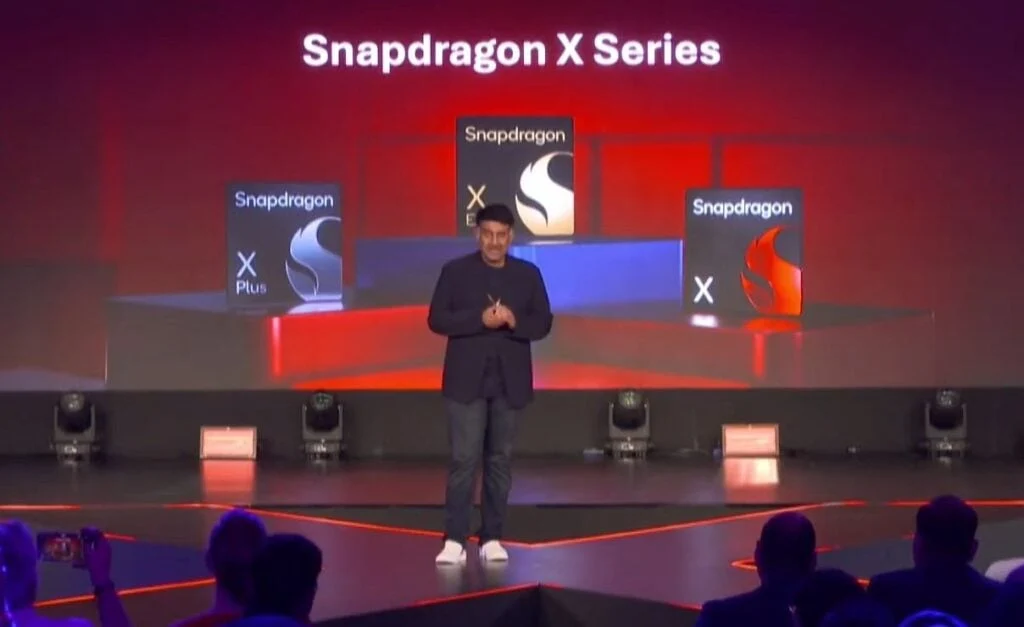
    I attended a recent event held at the Croma store in Juhu, Mumbai, where Kedar Kondap, Senior Vice President and General Manager of Compute and Gaming, unveiled Qualcomm’s inaugural Snapdragon Experience Zone in India. After this event, I was able to converse with him about the current Snapdragon X lineup, which consists of three variants: Snapdragon X, X Plus, and X Elite.

    Understanding the Snapdragon X Series

    Our discussion highlighted how the Snapdragon X series addresses various user demands, with AI integration through the NPU ensuring low battery usage even when using on-device LLMs. Kedar pointed out the importance of clear product names, India’s swift AI adoption, and future prospects, which include ARM-based desktops and more affordable Snapdragon-powered PCs as their popularity grows. We also talked about GPU performance, where Qualcomm is focusing on AI and battery longevity rather than just superior gaming graphics.

    Battery Life: A Crucial Factor

    Battery life is a critical element for modern professionals. Kedar mentioned that Snapdragon is aware of this requirement, stating “market research repeatedly shows that battery life is a key concern for PC consumers.” This insight has influenced the core design philosophy of their X Series processors.

    For instance, I observed the VivoBook S15 Co-pilot PC, running on Snapdragon X Elite, which delivers remarkable endurance, “achieving 9 to 10 hours of usage” during average workdays. This marks a substantial improvement over many traditional x86 laptops that necessitate more frequent charging during demanding tasks. Snapdragon ensures that even those who aren’t yet keen on on-device AI can enjoy enhanced power efficiency. Kedar remarked, “Even if people aren’t fully convinced about generative AI, they will still gain from the impressive battery performance.”

    AI Integration Without Compromising Battery

    A significant worry regarding on-device AI processing is its potential effect on power consumption. Snapdragon tackles this issue by incorporating an NPU (Neural Processing Unit) throughout its entire lineup. For those unfamiliar, the NPU is specifically designed to manage AI tasks effectively, alleviating the load on the CPU and GPU. This boosts both performance and energy efficiency, allowing for smoother AI-related activities.

    Kedar elaborated on how this design improves efficiency: “By utilizing our mobile background, we’ve managed to shift many tasks to the NPU, which indeed enhances efficiency and lessens the battery life impact when running on-device LLMs.”

    Clear Product Tiers in the Elite Series

    To provide clarity for consumers, the Snapdragon X series features a simple product structure:
    Snapdragon X Elite – The top performance tier
    Snapdragon X+ – Mid-tier, balancing power and efficiency
    Snapdragon X – The entry-level choice

    Kedar confirmed, “We want buyers to easily grasp the tiers. X Elite stands for the best performance, followed by X+ and then X.” Although it boasts high-end AI features, Snapdragon has also maintained price accessibility. Kedar mentioned, “With prices beginning at around $600 for the Snapdragon X, we ensure customers can access high-performance laptops with excellent battery life and AI capabilities throughout the entire range.”

    Everyday Performance of Snapdragon X Series GPUs

    While Snapdragon GPUs aren’t tailored for extreme gaming, they provide solid performance for daily applications, including casual gaming and AI tasks. Kedar stated, “Our GPUs excel for casual gaming, standard use, and even AI generation.” However, he acknowledged that Snapdragon isn’t focusing on professional gaming: “For serious gaming, a dedicated gaming GPU would be more appropriate.” This makes Snapdragon-powered PCs suitable for professionals, students, and everyday users who value battery life and AI features over high-end graphics performance.

    Future Expansion of the Snapdragon X Series

    Snapdragon is making notable progress in expanding its X Series range, with increasing adoption from various manufacturers. Kedar highlighted, “We’ve already announced over 70 or 80 devices, whether launched or in development, featuring Snapdragon processors.” As more manufacturers adopt Snapdragon X chips, prices are likely to become more competitive, positioning ARM-powered PCs as a common choice.

    Gradually, Snapdragon-powered laptops are becoming more budget-friendly, with models like the Acer Swift Go A14 and Asus VivoBook 16 priced at Rs 50,000 and Rs 65,900, respectively. Furthermore, Snapdragon is venturing beyond laptops, having already revealed mini desktops and small form factor devices at CES 2024, indicating a possible entry into the desktop market soon.

    Concluding Thoughts

    Snapdragon’s X series processors balance performance, battery longevity, and AI capabilities. By utilizing efficient NPUs and a clear product strategy, they serve a diverse audience. Kedar encapsulated this approach: “Our ongoing focus is on performance, battery life, and AI capabilities across the whole product range.” With ongoing price reductions and growing acceptance, Snapdragon-powered PCs are poised to become a genuine alternative to traditional x86 laptops.

    In related news, Snapdragon India held a special launch event on February 24 to introduce the Snapdragon X platform, showcasing AI innovations like regional LLMs and advanced on-device AI capabilities. At the event, Asus unveiled the Snapdragon X-powered Vivobook 16 and Zenbook A14. To ensure fast delivery, Flipkart confirmed that Snapdragon X laptops will be available through its Flipkart Minutes service, guaranteeing delivery within 10 minutes.

  • Linglong Host Foldable Keyboard PC Launches with 60Wh Battery and Ryzen 7

    Linglong Host Foldable Keyboard PC Launches with 60Wh Battery and Ryzen 7

    Key Takeaways

    1. Raspberry Pi launched the Pi 400 and Pi 500 as a ‘PC in a keyboard’ concept, priced at $159.99 on Amazon.
    2. ARFirst introduced the Linglong Host, a more powerful alternative with different design and features.
    3. The Linglong Host is powered by an AMD Ryzen 7 8840U APU and has a 59.2 Wh battery.
    4. It offers configurations with up to 2 TB of storage and 32 GB of RAM, along with USB Type-A and Type-C ports.
    5. Pricing for the Linglong Host starts at CNY 3,899 (about $537) for 16 GB RAM/512 GB storage, with a higher option at CNY 4,899 (around $675) for 32 GB RAM/1 TB storage.


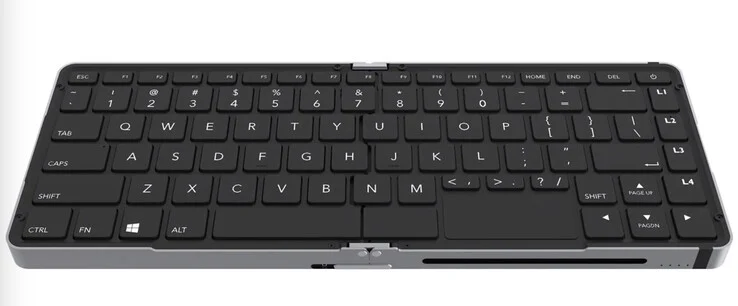
    Raspberry Pi has set the bar with its ‘PC in a keyboard’ idea, launching the Pi 400 and Pi 500, which are priced at $159.99 on Amazon. In contrast, the Chinese company ARFirst has come up with a different strategy by introducing the Linglong Host, which takes a more powerful route.

    Background on the Device

    Last summer, some early information about this device was shared while it was still known under the Linglong name. After that, the branding shifted to ARFirst, but the design and features of the device have stayed the same.

    Specs and Features

    The Linglong Host is powered by the AMD Ryzen 7 8840U APU and comes with a 59.2 Wh battery. It also offers up to 2 TB of storage and 32 GB of RAM, along with USB Type-A and USB Type-C ports for connectivity.

    Pricing and Availability

    Currently, you can get the Linglong Host starting at CNY 3,899 (about $537) for a version with 16 GB of RAM and 512 GB of storage from Xiaomi Youpin. If you want more power, there’s another option available for CNY 4,899 (around $675), which has 32 GB of RAM and 1 TB of storage. Sadly, there is no information yet about when it will be available outside of China.

    Source:
    Link



  • MSI Launches Norse-Inspired RTX 50 Series Laptops in India

    MSI Launches Norse-Inspired RTX 50 Series Laptops in India

    Key Takeaways

    1. Diverse Product Lines: MSI’s RTX 50 Series includes various models like the Titan 18 HX Dragon Edition, Raider Series, Stealth Line, and Vector Series, catering to gamers, professionals, and business users.

    2. Powerful Performance: The laptops feature advanced processors, such as NVIDIA GeForce RTX 50 graphics and Intel Core Ultra 200HX, ensuring high performance for demanding tasks and gaming.

    3. Innovative Cooling Systems: Many models incorporate advanced cooling technology, like vapor chamber cooling in the Titan and Cooler Boost 5 in the Stealth line, to prevent overheating during intense use.

    4. Business-Focused Features: The Venture and VenturePro laptops are designed for business users, equipped with OLED touchscreens, upgradeable memory and storage, and an AI Engine for efficient power management.

    5. Launch and Pricing: The MSI RTX 50 Series laptops will be available in India starting March 2025, with prices beginning at Rs. 2,99,990.


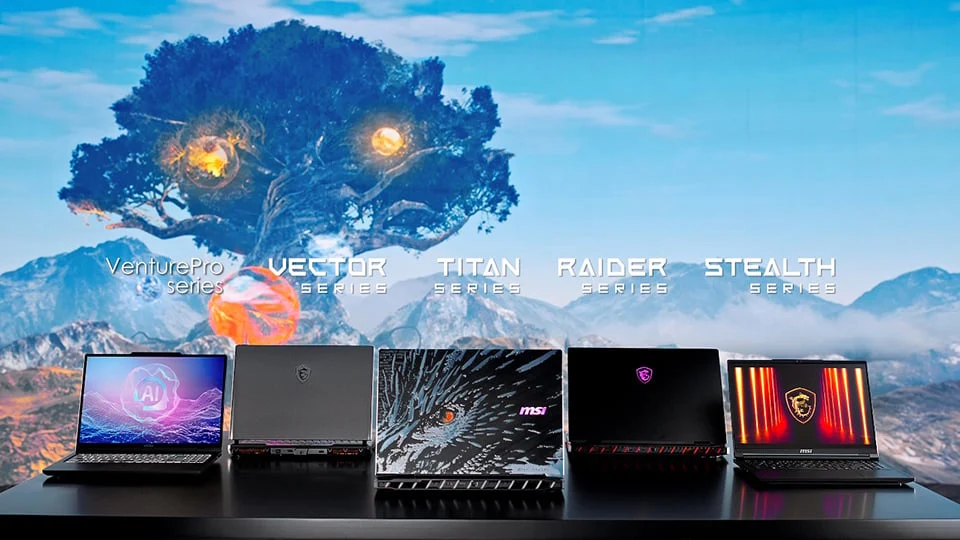
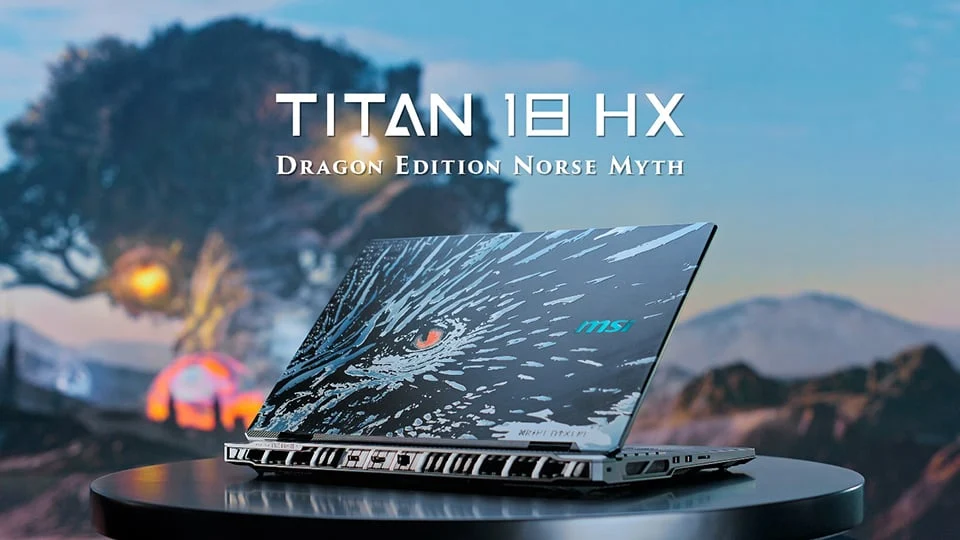
    MSI has launched its new RTX 50 Series laptops, drawing inspiration from Norse mythology, which was showcased at the “Dragonforged Dominance” event. Each of these models comes equipped with modern technology, stylish aesthetics, and strong performance features.

    Titan 18 HX Dragon Edition

    The Titan 18 HX Dragon Edition Norse Myth stands out with its unique hand-painted dragon art. It is powered by NVIDIA GeForce RTX 50 graphics and an Intel Core Ultra 200HX processor that has a built-in Neural Processing Unit. This model comes with a 400W power adapter and supports four SSD slots that utilize SuperRAID 5, boasting read speeds that can reach up to 18,000 MB/s. Its vapor chamber cooling system allows for a combined CPU and GPU output of up to 270W without the risk of overheating.

    Raider Series

    In the Raider series, customers can choose between AMD Ryzen 9000HX/9000HX3D or Intel Core Ultra 200HX processors, which are paired with RTX 50 graphics and DDR5 6400 CSODIMM memory. The design features a dual-fan system with seven heat pipes, ensuring stable performance, while the 4K/120Hz Mini LED display guarantees smooth and clear visuals.

    Stealth Line

    The Stealth line boasts a sleek magnesium-aluminum chassis, offering options for AMD Ryzen AI 300 or Intel Core Ultra 200H processors along with RTX 50 graphics. It includes MSI’s Cooler Boost 5 system, a full-size RGB keyboard, multiple ports, and high-quality speakers, making it ideal for gaming as well as professional use.

    Vector Series

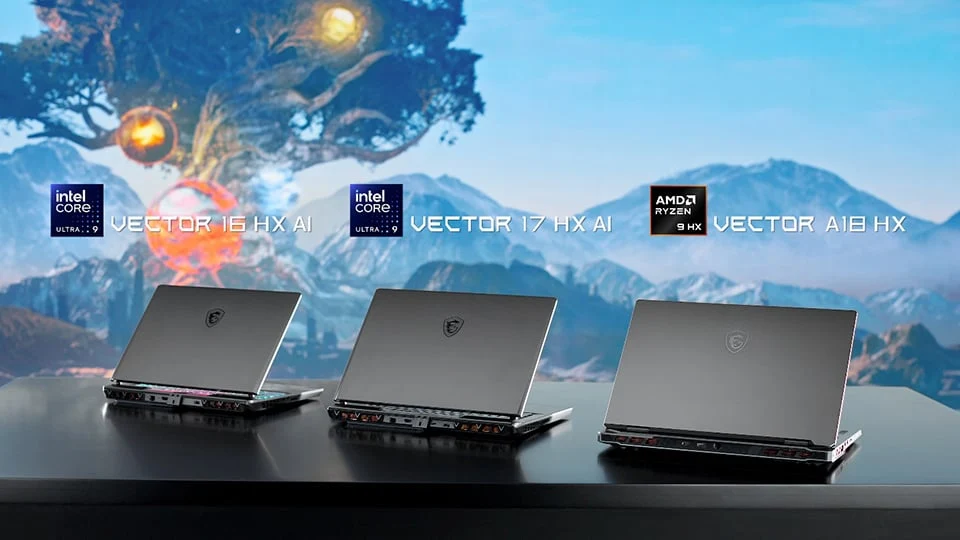
    Focusing on STEM and professional applications, the Vector series includes a dedicated SSD cooling module to maintain consistent speeds during demanding tasks. It operates with RTX 50 graphics and either Intel Core Ultra 200HX or AMD Ryzen 9000 processors, and it features Thunderbolt 5 for quicker data transfers. Even under significant loads, it remains silent and efficient.

    Business Solutions

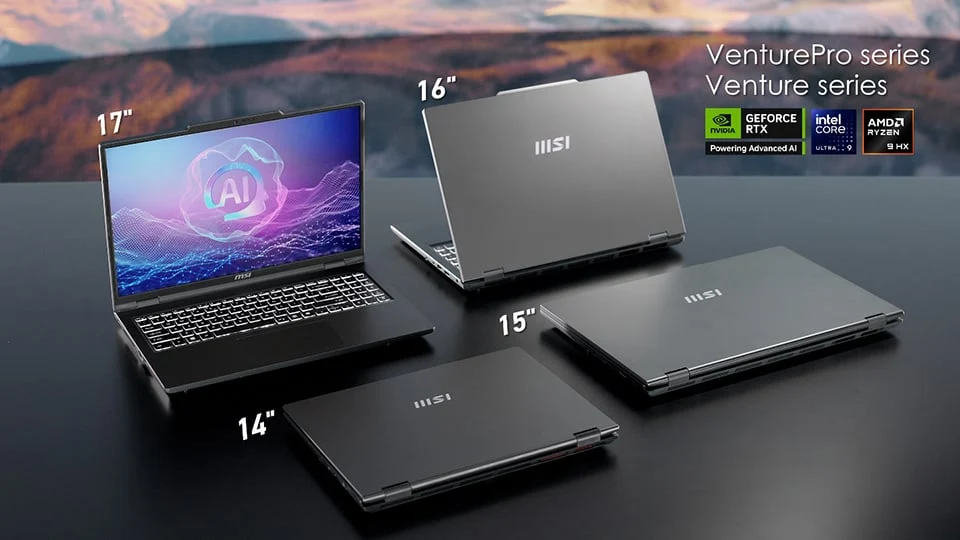
    Additionally, MSI is aiming at business professionals with its Venture and VenturePro laptops. These laptops come with either Intel Core Ultra 200H or AMD Ryzen AI 300 processors, NVIDIA GeForce RTX graphics, and an OLED touchscreen. Users can upgrade memory and storage, and the 90Wh battery with Battery Boost ensures longer usage time. An AI Engine automatically adjusts power, display, and sound settings, helping users save time.

    Pricing and Availability

    The MSI RTX 50 Series laptops are set to launch in India in March 2025, with starting prices at Rs. 2,99,990.

    Source:
    Link

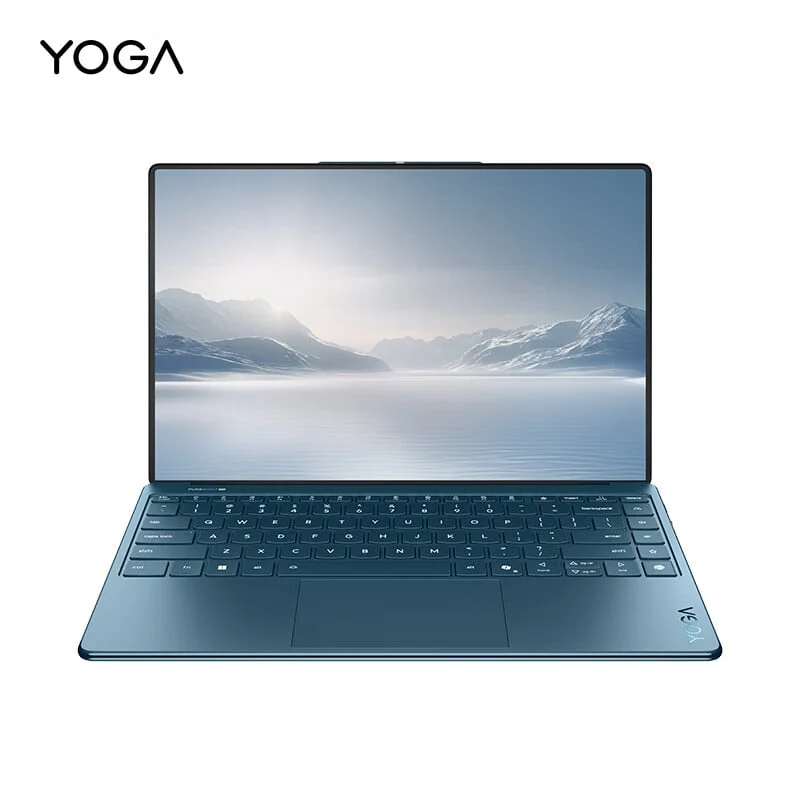
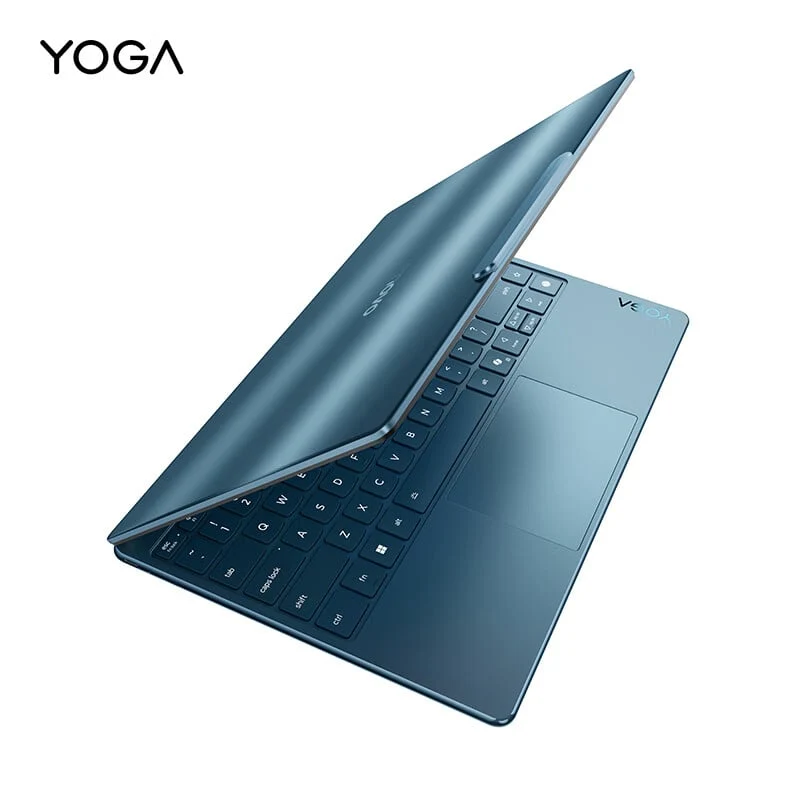
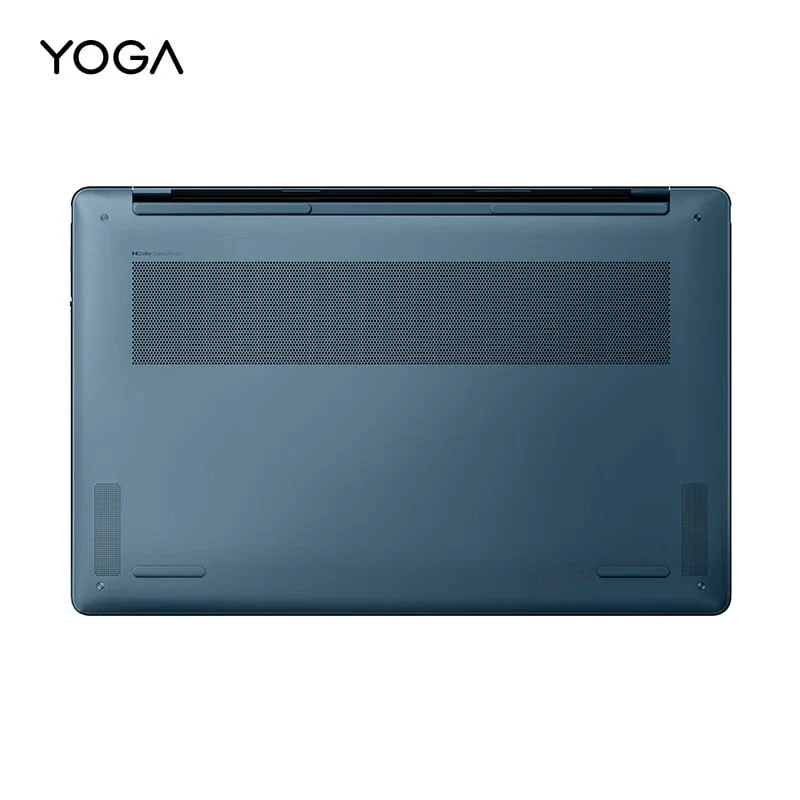
  • Lenovo Launches World’s First Under-Display Webcam Laptop in China

    Lenovo Launches World’s First Under-Display Webcam Laptop in China

    Key Takeaways

    1. First Under-Display Camera: The Lenovo Yoga Air X AI Yuanqi Edition features the world’s first under-display webcam, providing a full-screen experience for users.

    2. Impressive Display: It boasts a 14-inch 4K OLED touchscreen with a 120Hz refresh rate and a 98% screen-to-body ratio, achieving full color accuracy and eye-care certification.

    3. Powerful Performance: Powered by an Intel Core Ultra 7 processor, 32GB RAM, and a 1TB SSD, the laptop is designed for high-efficiency tasks and creative software.

    4. Advanced Features: The laptop includes AI-driven functionalities, a high-density battery with fast charging, and a premium audio setup with Dolby Atmos.

    5. Security and Connectivity: It offers robust security with a fingerprint unlock feature, multiple Thunderbolt 4 ports, and Wi-Fi 7 support for fast connectivity.


    Lenovo has made a significant announcement with the launch of the Yoga Air X AI Yuanqi Edition in China, marking it as the first laptop in the world to incorporate an under-display camera. This high-end ultrabook, which was first unveiled at CES as the Yoga Slim 9i, sets a new standard for bezel-less design, boasting an impressive 98% screen-to-body ratio.

    Specifications of the Yoga Air X AI Yuanqi Edition

    This laptop is equipped with a 14-inch 4K OLED touchscreen that offers a 120Hz refresh rate, ensuring extremely smooth visuals. It is certified with DisplayHDR True Black 600, supports Dolby Vision, and achieves full coverage of the sRGB, P3, and Adobe RGB color gamuts. Factory-calibrated for color accuracy with a Delta E<1, the display also features TÜV Rheinland-certified eye-care technology with low blue light at the hardware level.

    Key Features and Performance

    The Lenovo Yoga Air X runs on an Intel Core Ultra 7 258V processor, paired with 32GB of LPDDR5X RAM and a 1TB PCIe Gen 4 SSD. This processor enhances tasks driven by AI, boosts efficiency, and improves graphics performance, making it ideal for creative software like Adobe Premiere Pro and After Effects. The laptop’s design is both ultra-slim and lightweight, weighing only 1.23kg and measuring just 14.55mm in thickness. It includes a high-density battery, a mini motherboard, and a compact hinge to maximize space. The 75Wh battery allows for up to 17 hours of video playback and features 100W fast charging for quick recharges.

    Innovative Camera and Audio Experience

    The Yoga Air X features a 32MP under-display webcam, ensuring a seamless full-screen experience while providing high-quality video calls. It includes infrared functionality and 3D noise reduction to enhance clarity. Additionally, the laptop is equipped with a 10W quad-speaker system that includes Dolby Atmos, Smart AMP technology, and AI-driven noise reduction for an immersive audio experience.

    Connectivity and Smart Features

    In terms of connectivity, this laptop has two Thunderbolt 4 ports and supports Wi-Fi 7 for fast and stable internet connections. It comes with Lenovo’s Super Interconnect technology, allowing for high-speed file transfers of up to 50MB/s between devices. AI-driven features are also incorporated, such as Lenovo’s personal assistant Xiaotian, which offers real-time voice recognition, AI translation, and document summarization.

    Security and Keyboard Comfort

    For security, the Yoga Air X integrates an independent security chip for fingerprint unlocking and maintains solid wireless performance, ensuring a stable connection up to 500 meters away. The laptop also features a modern “Rhythmic Keyboard” with 1.5mm key travel, smile-shaped keycaps, and a dedicated function key area for a more comfortable typing experience.

    Pricing and Availability

    The Lenovo Yoga Air X AI Yuanqi Edition is available with 32GB of RAM and 1TB of storage, retailing for 14,999 yuan ($2,069).

    Lenovo has also launched the Legion Blade 9000K 2025 gaming PC, equipped with the Ultra 9 285K processor and RTX 5080 GPU, along with their first 240Hz OLED gaming monitor, specifically designed for high-performance gaming.