Category: Computers

  • MediaTek Kompanio Ultra 910: AI Processor for Chromebooks Launch

    MediaTek Kompanio Ultra 910: AI Processor for Chromebooks Launch

    Key Takeaways

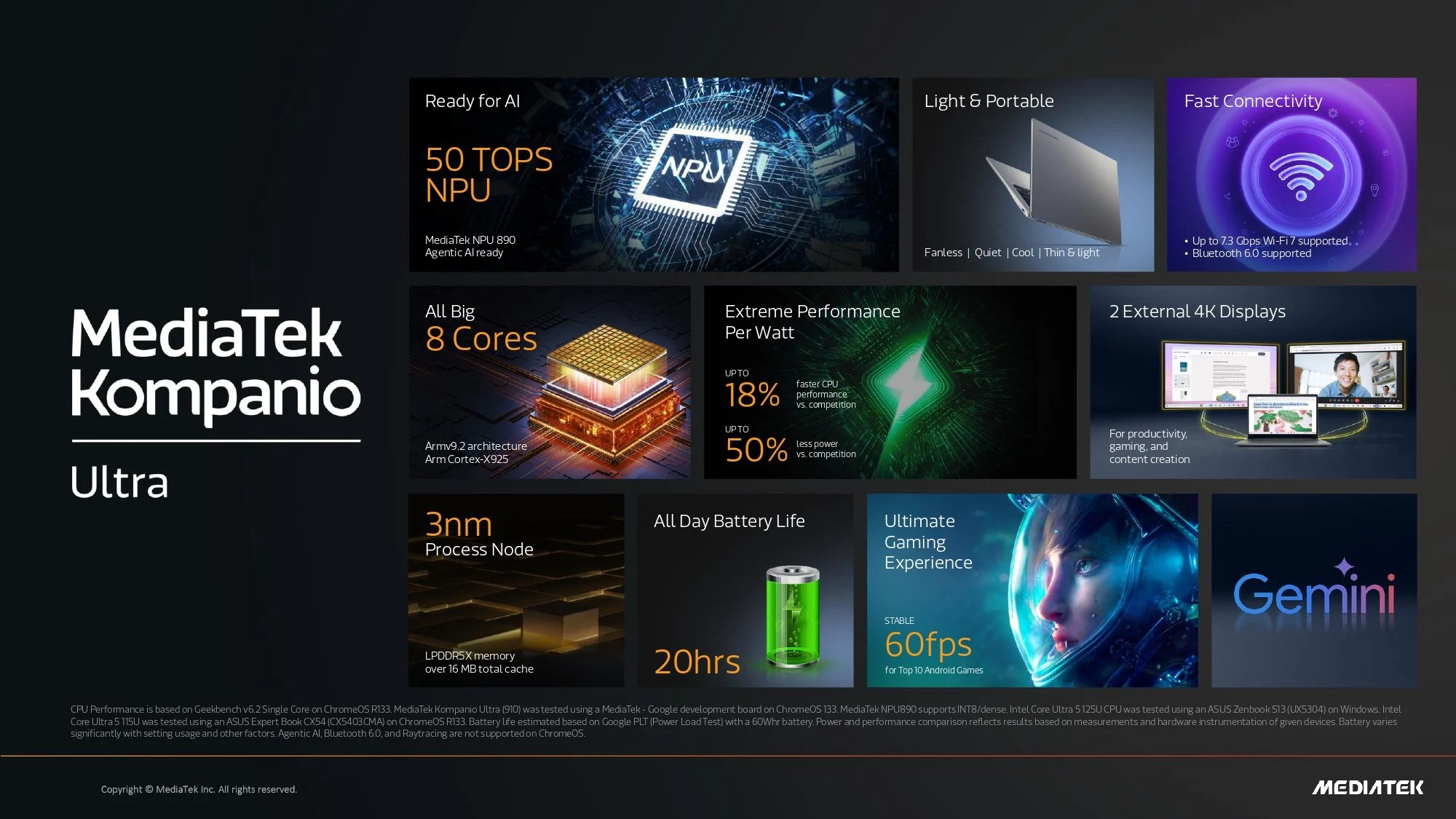
    1. The MediaTek Kompanio Ultra 910 features an 8-core CPU with high-speed capabilities and enhanced power efficiency, enabling all-day battery life for Chromebooks.

    2. It includes a powerful 11-core Immortalis-G925 MC11 GPU that supports ray tracing, improving graphics performance for gaming and multimedia applications.

    3. The processor is equipped with an 8th-generation NPU, providing strong on-device AI performance, capable of real-time image and video generation.

    4. Connectivity options include support for Wi-Fi 7 and Bluetooth 6.0, allowing for fast wireless connections and improved signal stability.

    5. The Kompanio Ultra 910 can handle multiple 4K displays and supports advanced video encoding/decoding, ensuring high-quality multimedia experiences.


    MediaTek has launched its new processor, the Kompanio Ultra 910, which aims to boost the performance of Chromebooks. This latest chipset emphasizes AI features, enhanced power efficiency, and fast connectivity. It introduces sophisticated computing capabilities meant for productivity, creativity, and rich multimedia experiences. Let’s dive into the details of what the Kompanio Ultra 910 brings to the table.

    Specifications and Features of MediaTek Kompanio Ultra 910

    The MediaTek Kompanio Ultra 910 is built using TSMC’s 2nd-gen 3nm technology, providing outstanding power efficiency that allows Chromebooks to achieve all-day battery life alongside noteworthy performance improvements. The core of the Kompanio Ultra 910 includes an 8-core CPU structure, featuring a robust Arm Cortex-X925 core that can reach speeds of up to 3.62GHz, along with three Cortex-X4 cores and four Cortex-A720 cores.

    This architecture, combined with 12MB of L3 cache and 10MB of system-level cache (SLC), guarantees smooth operation for both single-threaded and multi-threaded tasks. For graphics processing, this chip is equipped with an 11-core Immortalis-G925 MC11 GPU that supports ray tracing, which heightens the experience for gaming and graphics-heavy applications.

    Performance Metrics and AI Capabilities

    To match its processing strength, the Kompanio Ultra 910 is compatible with LPDDR5X memory (8533Mbps), ensuring that the CPU, GPU, and NPU can access data without interruptions. Performance tests show commendable results, with a Geekbench 6 single-core score of 2600 and a multi-core score of 8000.

    A standout feature of the Kompanio Ultra 910 is its 8th-generation NPU, which greatly enhances on-device AI performance, allowing real-time generation of images and videos. This NPU can achieve up to 50 TOPS in AI performance, earning top marks in ETHZ v6 AI benchmarks, especially in Generative AI tasks. The AI acceleration also contributes to better power efficiency by redistributing workloads from the CPU and GPU.

    Connectivity and Multimedia Support

    When it comes to connectivity, the Kompanio Ultra 910 is optimized for rapid wireless connections, offering support for Wi-Fi 7 with speeds reaching up to 7.3Gbps and Bluetooth 6.0 featuring a dual Bluetooth engine for superior signal range and stability.

    In terms of multimedia, the processor can manage up to three 4K displays at once—one on the device and two external. It supports 4K 10-bit video encoding and decoding in formats such as HEVC, AVC, VP9, and AV1, ensuring seamless video playback and streaming. Additionally, the dedicated Hi-Fi Audio DSPs improve sound quality and enable low-power keyword detection, making it perfect for applications that rely on voice assistance.
  • Aaeon UP 710S Edge Mini PC: Intel-Powered & Passively Cooled

    Aaeon UP 710S Edge Mini PC: Intel-Powered & Passively Cooled

    Key Takeaways

    1. Target Market: The Aaeon UP 710S Edge mini PC is designed for professional clients and specialized markets, not everyday users.

    2. Processor and Storage Options: It offers Intel processors (N200, N97, N100, N50), up to 8GB of LPDDR5 RAM, and 64GB of eMMC storage, with multiple operating system options.

    3. Compact Dimensions: The mini PC is small (3.6 x 3 x 1.5 inches) and lightweight (10.6 oz), allowing for easy mounting on DIN rails or VESA mounts.

    4. Silent Operation: It features a passive cooling design for silent operation, reducing dust buildup without an active fan.

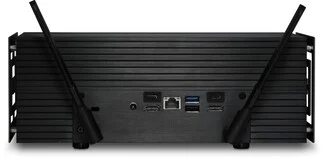
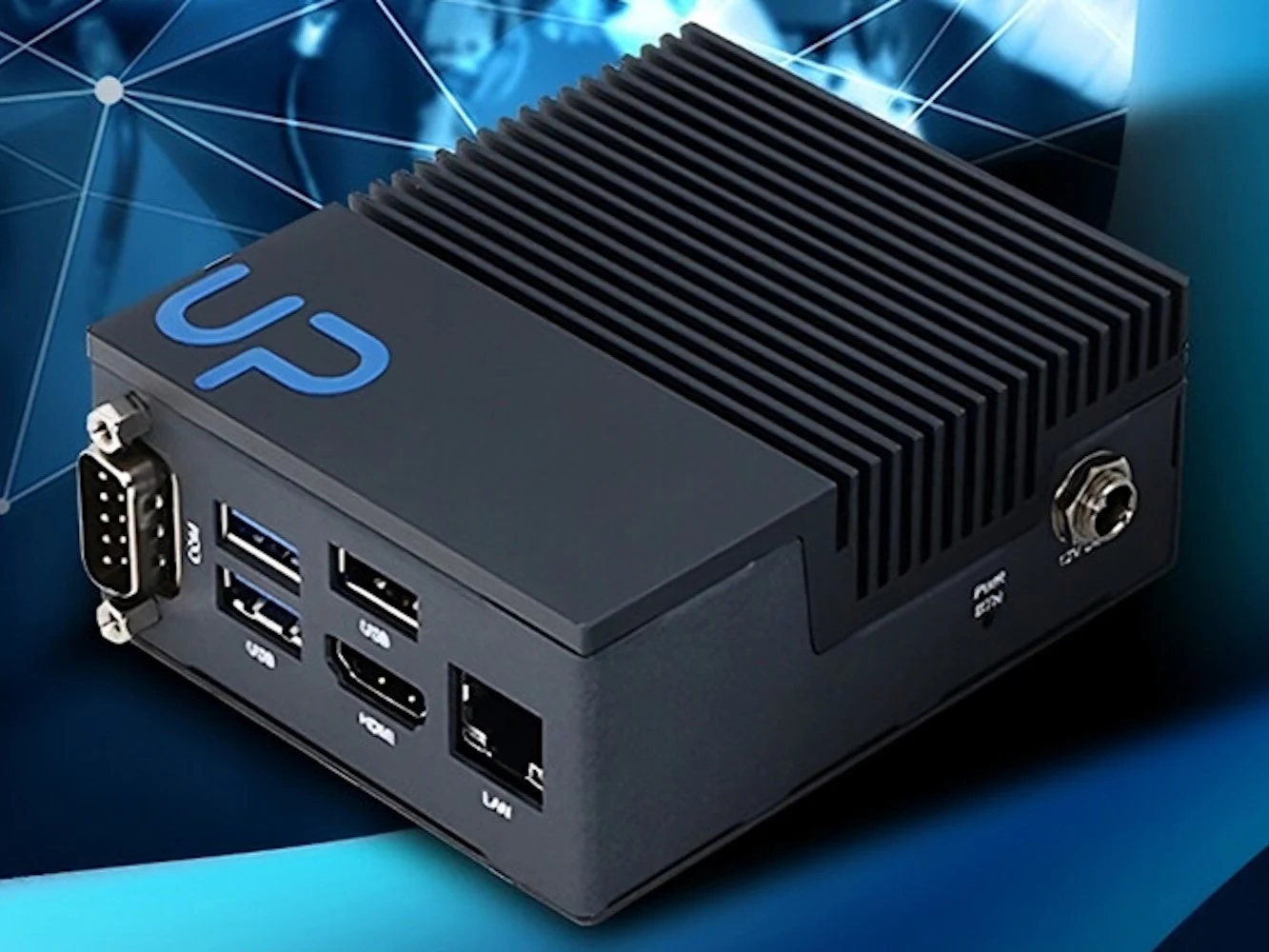
    5. Connectivity Features: The device includes HDMI 1.4b, USB-A 3.2 Gen 2 ports, RS-232/422/485 ports, and eight GPIO pins, with an option for WiFi via an M.2-2230 slot.


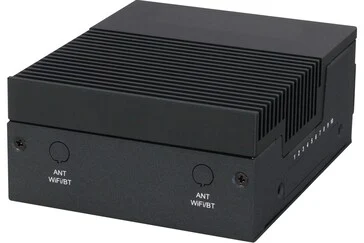
    Aaeon has recently introduced the UP 710S Edge, a new mini PC that is likely familiar in specialized markets. This system is not aimed at everyday users; instead, it caters to professional clients looking to incorporate devices into their networks. For example, it can act as an IoT gateway for specific machinery in a manufacturing environment.

    Processor Options and Storage

    The Aaeon mini PC comes with a selection of Intel processors, specifically the N200, N97, N100, and N50. It offers up to 8GB of LPDDR5 RAM and 64GB of eMMC storage. A range of operating systems can be used, such as Windows 11 IoT, Ubuntu 22.04.4, and Yocto 4.0. Initially, the device features only Gigabit Ethernet for network connections, but users can add a WiFi card via the M.2-2230 slot. However, it’s worth noting that there’s no option to add an extra SSD or hard drive to the UP 710S Edge.

    Dimensions and Power Specifications

    This mini PC is compact, measuring 3.6 x 3 x 1.5 inches and weighing about 10.6 oz. It operates using a 12-volt DC connector, with a typical power draw ranging from 30 to 36 watts. Users can easily mount the device on a DIN rail or a VESA mount, making it versatile for different setups.

    Silent Operation and Connectivity

    One of the standout features of the Aaeon UP 710S Edge is its passive cooling design, resulting in completely silent operation. Without an active fan, dust buildup is also minimized. In terms of connectivity, it includes HDMI 1.4b and USB-A 3.2 Gen 2 ports for accessory attachment. Additionally, it features RS-232/422/485 ports and eight GPIO pins. PWM or I2C can also be utilized if needed. As is typical for Aaeon, the official MSRP of this mini PC is not disclosed to the public.

    Source:
    Link


  • Framework Laptop 12 Pre-Orders Start April 9, Prices TBD

    Framework Laptop 12 Pre-Orders Start April 9, Prices TBD

    Key Takeaways

    1. Framework will start accepting preorders for the Laptop 12 on April 9, with a possible account requirement.
    2. A 10-minute hands-on video featuring CEO Nirav Patel showcases the Laptop 12’s features.
    3. The Laptop 12 features a 16:10 aspect ratio, 13th generation Intel Core CPUs, and vibrant chassis options.
    4. The device allows RAM expansion up to 48 GB, which is uncommon for 12-inch laptops.
    5. Pricing and shipping details will be revealed on the preorder date, impacting its competitiveness in the educational laptop market.


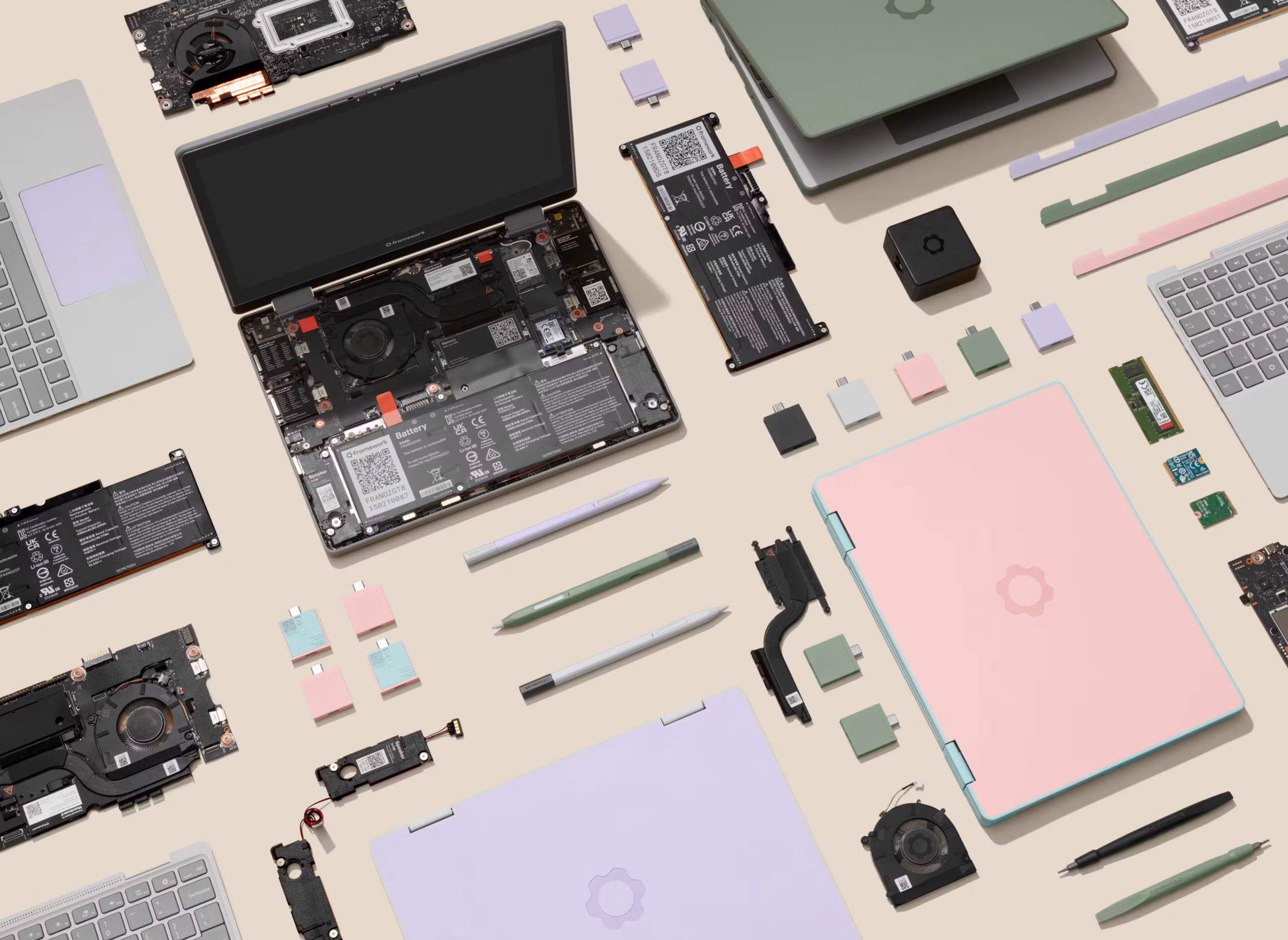
    After announcing the 12.2-inch Laptop 12 convertible and the AMD-powered Desktop last month, Framework is gearing up to start accepting preorders for the Laptop 12 early next week. The company has cautioned that you might need to create an account to place a preorder.

    Hands-On Video Release

    A 10-minute hands-on video on Youtube has been shared by the team, highlighting the features of the Laptop 12. While much of the information could be summed up in a simple specifications list, hearing the design details straight from CEO Nirav Patel adds a nice touch that helps to promote the product.

    Unique Features

    Framework is focusing on a 16:10 aspect ratio, 13th generation Intel Core CPUs, and vibrant chassis choices to set the Laptop 12 apart from numerous competing Chromebooks and other budget netbooks that often have lower specs. Also noteworthy is the RAM, which can be expanded up to 48 GB—something quite rare for 12-inch devices.

    Moreover, this model continues to support the same expansion cards that users are already familiar with from the Framework Laptop 13 series.

    Pricing and Availability

    Unfortunately, Framework will not disclose the price or shipping date until the preorder date on April 9. The pricing will ultimately determine how well the Laptop 12 competes in a market where educational laptops and Chromebooks are very popular.

    Source:
    Link

  • Chargeasap Flash Pro Ultra: 275W Multi-MacBook Power Bank Launch

    Chargeasap Flash Pro Ultra: 275W Multi-MacBook Power Bank Launch

    Key Takeaways

    1. Powerful Charging Capacity: The Flash Pro Ultra has a capacity of 25,000mAh and can output up to 275W, allowing it to charge multiple devices simultaneously.

    2. Multiple Fast Charging Ports: It features three USB-C ports with varying power outputs: 60W, 100W, and 140W, enhancing compatibility with a range of devices.

    3. Qi2 Wireless Charging: The power bank includes advanced Qi2 wireless charging technology and a retractable pad for better device support.

    4. Rapid Recharge Time: It can recharge from 0 to 100% in just 70 minutes using the 140W port with a compatible power brick.

    5. Successful Kickstarter Campaign: The Flash Pro Ultra raised over $350,000 on Kickstarter, reaching $100,000 within the first 3 hours and fully funding in just 6 minutes.


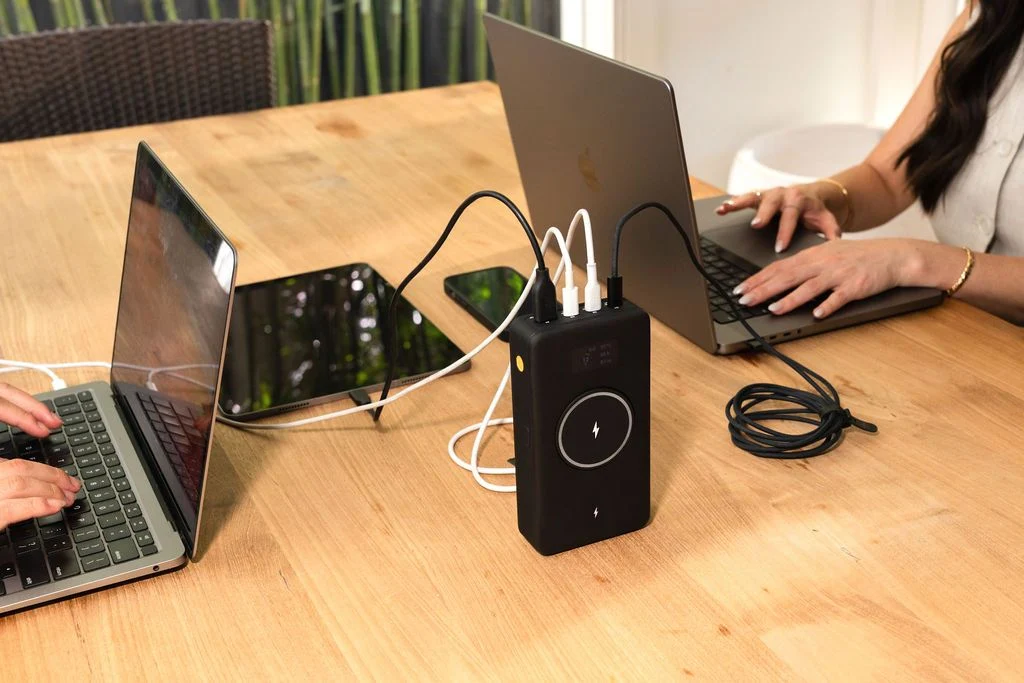
    Chargeasap has introduced its Flash Pro Ultra, which is promoted as the perfect power bank for ultrabooks, smartphones, and accessories—including the upcoming Nintendo Switch 2 in the future. Notably, even the USB-A port has been enhanced to support a remarkable 60 watts (W).

    Powerful Charging Options

    This new portable charger boasts an impressive capacity of 25,000mAh and is equipped with 3 USB-C ports. One port can charge devices at up to 60W, another supports devices up to 100W, and the third is capable of handling the cutting-edge 140W standard.

    As a result, this power bank can charge three of the latest MacBook Airs simultaneously, thanks to its “industry-leading” output of 275W. The Flash Pro Ultra also features the latest Qi2 wireless charging technology, including a new retractable pad for better compatibility.

    Versatile Device Support

    In addition to that, it has a second, smaller pad designed specifically for wearables like the Apple Watch, which means it can support up to 6 devices at once.

    It also impressively recharges from 0 to 100% in just 70 minutes when using its fastest 140W port with a compatible power brick, like the Ugreen Nexode 140W available on Amazon.

    Chargeasap has launched the Flash Pro Ultra on Kickstarter, quickly raising over $350,000 in funding. Remarkably, the first $100,000 was secured within just the first 3 hours of the campaign.

    Great Pricing for Early Backers

    Currently, the power bank is available starting at $179, which is 46% off its planned retail price as of now.

    Chargeasap’s Flash Pro Ultra is celebrated as the world’s first 275W power bank, breaking records by being fully funded in just 6 minutes after the Kickstarter campaign launched, and reaching $100K within a mere 3 hours. The campaign has now garnered pledges surpassing $350K, with 1,717 backers expressing trust that Chargeasap will fulfill its promises.

    Source:
    Link

  • Another Ryzen 9 9950X3D Failure on ASRock X870 Motherboard

    Another Ryzen 9 9950X3D Failure on ASRock X870 Motherboard

    Key Takeaways

    1. A Reddit user reported their AMD Ryzen 9 9950X3D CPU was damaged after a few weeks of use with an ASRock motherboard.
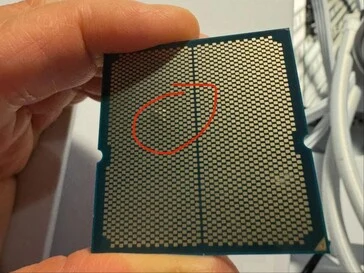
    2. The user observed abnormal signs of damage, including a bulge and discoloration on the CPU and motherboard, despite not overclocking or undervolting.
    3. ASRock has received multiple reports of CPU damage linked to their motherboards and is investigating the issues.
    4. The company released a BIOS update (version 3.20) aimed at resolving boot failure problems for Ryzen 9000 series CPUs.
    5. Despite ongoing concerns, some users have had success with MSI motherboards, though similar issues have been reported with them as well.


    The troubling trend of failed Ryzen 9000 series CPUs keeps on going as another Ryzen 9 9950X3D has met a unfortunate fate. A user from Reddit shared a detailed account on the platform, explaining how their recently bought CPU ended up dead. Once again, an ASRock motherboard was involved with the 9950X3D. This incident came just days after the company released an update concerning damaged CPUs and boot failure problems, as well as how they were handled and resolved.

    A Redditor’s Tale

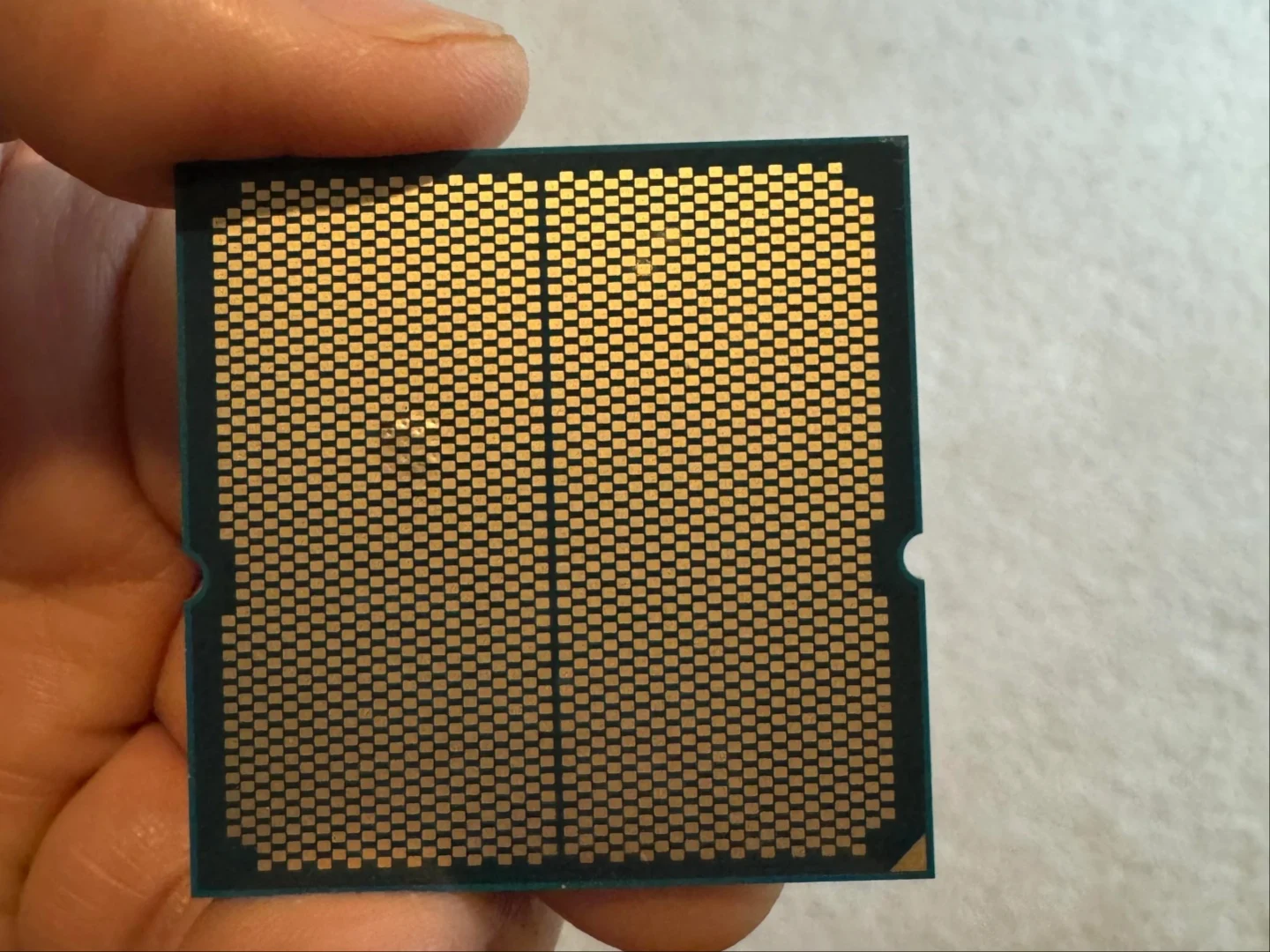
    On March 31, user ‘I_fliu’ posted on the pcmasterrace subreddit, mentioning that their AMD Ryzen 9 9950X3D CPU, which they bought around three weeks ago from Micro Center, was “fried.” They paired it with the ASRock X870 RS Pro Wifi motherboard. The BIOS had been updated to the latest version, and the CPU was cooled using an AIO. The user observed that the idle temperatures for the CPU hovered between 50 and 58 degrees Celsius, occasionally dipping to 45 degrees. At first, everything seemed fine during the initial boot and gaming, but after several hours of playing on a 4K OLED monitor, the user returned to find the system powered off, with only an M.2 light illuminated.

    Investigation Reveals Issues

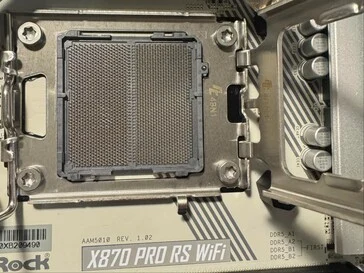
    Upon inspecting the CPU, the user noticed a small bulge in one of the contact points along with some discoloration in another area. The ASRock motherboard did not have any bent pins, but there was some discoloration present. They confirmed that the CPU was neither overclocked nor undervolted, and PMO was turned off.

    In response to this post, another user recounted a similar situation involving a Ryzen 7 9800X3D and an ASRock X870e RS Pro Wifi motherboard.

    Ongoing Concerns with ASRock

    There have been numerous reports of damaged CPUs associated with ASRock motherboards. The company has looked into some of these issues by acquiring several motherboards for detailed examination. They discovered that in instances where CPU damage was reported, everything was within specifications for the motherboard, and after cleaning some debris from the socket, the motherboard worked properly again. Regarding the no boot problems, ASRock indicated that the BIOS 3.20 update resolved these concerns for Ryzen 9000 series CPUs.

    This isn’t the first case of a damaged 9950X3D CPU linked to an ASRock motherboard, and owners of Ryzen 9000 series CPUs with certain ASRock motherboards are growing cautious about their setups. However, some users mentioned that their MSI Tomahawk motherboards have been functioning well with Ryzen 9000 series CPUs, although there have been similar problems reported with those as well.

    Source:
    Link


  • Ugreen Launches 10-Port Docking Station for Mac Mini with NVMe SSD

    Ugreen Launches 10-Port Docking Station for Mac Mini with NVMe SSD

    Key Takeaways

    1. Ugreen has launched a new dock for Mac mini desktops, priced at $549 on Amazon.
    2. The dock features an easily accessible M.2 2280 slot with 40 Gbps transfer speeds, outperforming competitors like Raycue.
    3. It includes five USB Type-A ports, three USB Type-C ports, and both SD and MicroSD card readers.
    4. The dock offers convenient access to the Mac mini’s power button and comes with a compatible Type-C cable.
    5. The dock is priced at €79.99 (around $87) in Europe, with potential availability in more markets soon.


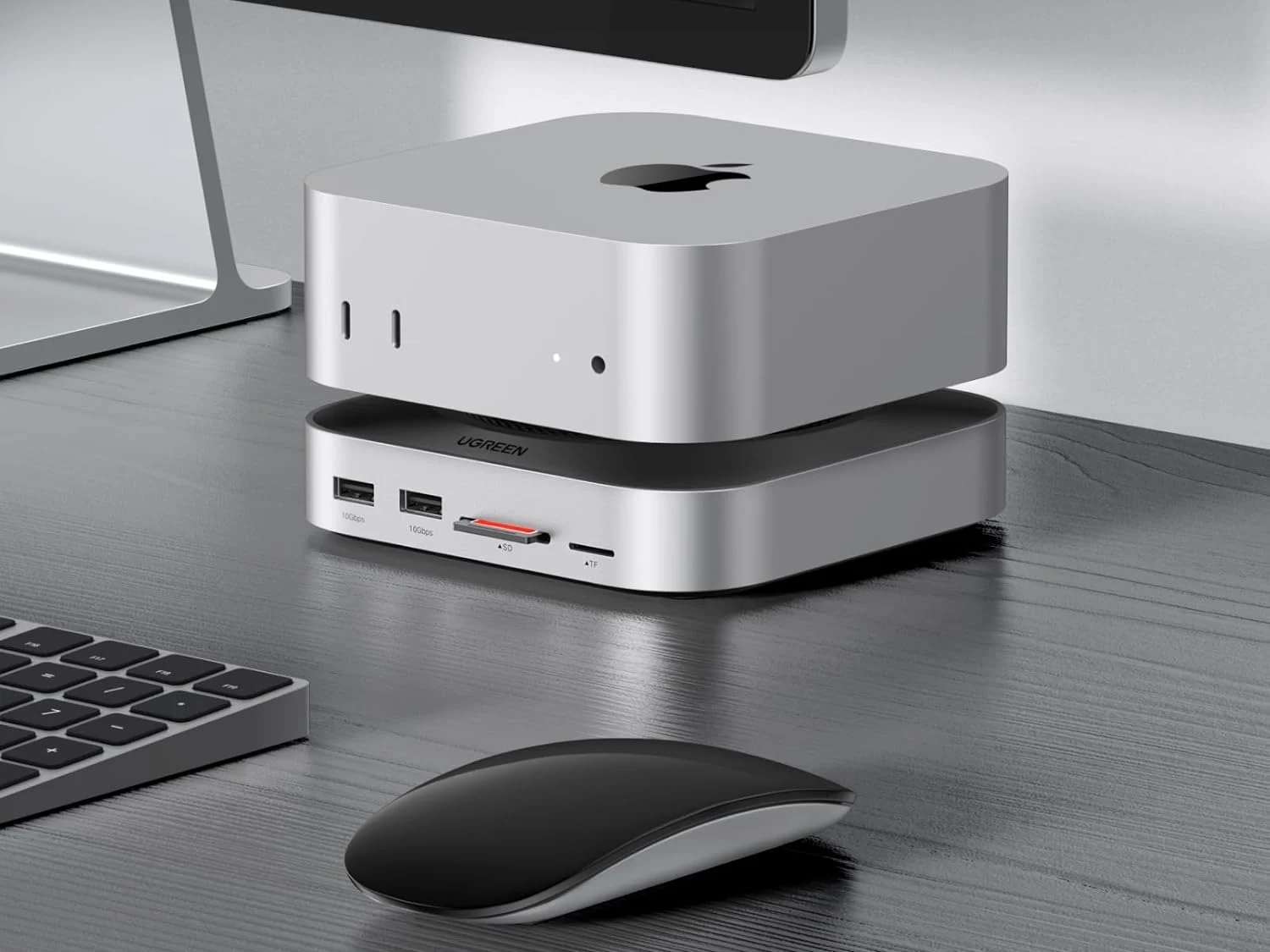
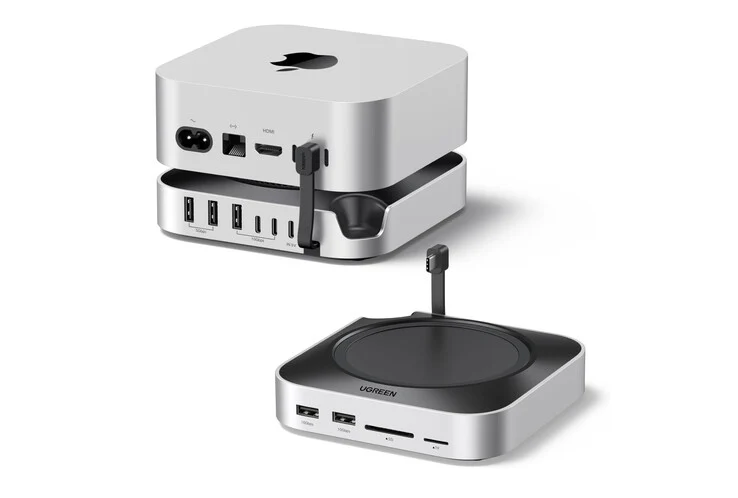
    Ugreen has enhanced its range of accessories with a fresh dock designed for the newest Mac mini desktops, which is currently available for $549 on Amazon. While Ugreen is primarily known for its charging gadgets, the new Mac mini dock competes directly with products from Raycue and Satechi.

    Easy Access to Storage

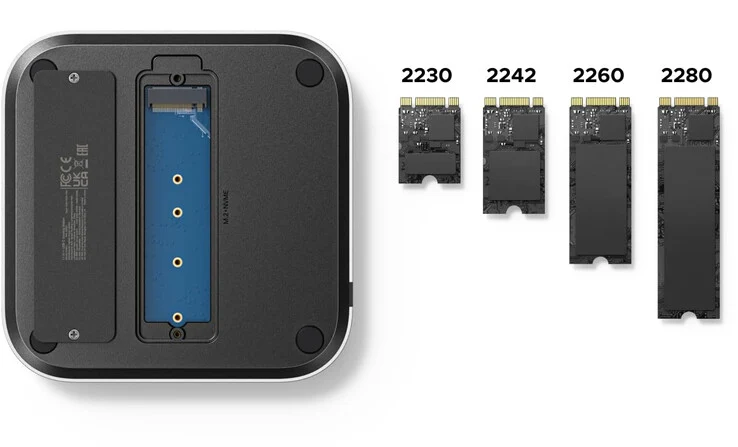
    One notable feature is the M.2 2280 slot located at the bottom of the dock. This design allows for easier access to the SSD slot compared to Raycue’s dock, which can be cumbersome to reach. However, it’s worth mentioning that Raycue’s M.2 slot only offers a maximum of 10 Gbps transfer speeds, while Ugreen’s dock boasts a faster 40 Gbps.

    A Variety of Ports

    In addition to the M.2 slot, Ugreen’s docking station is equipped with five USB Type-A ports with different specifications and three USB Type-C ports. Furthermore, it includes both SD and MicroSD card readers, setting it apart from many competitors. The dock also features convenient access to the Mac mini’s power button and comes with a cable specifically designed to fit the Type-C port on the Mac mini.

    Ugreen’s Mac mini dock is currently priced at €79.99 (around $87) in Europe. Although Ugreen hasn’t officially announced it, we believe that the new dock will be available in additional markets in the coming months.

    Source:
    Link


  • PocketCloud Launches Portable Modular Alternative to Personal NAS

    PocketCloud Launches Portable Modular Alternative to Personal NAS

    Key Takeaways

    1. Compact Design: The PocketCloud features a sleek aluminum alloy body measuring 6 x 3.6 x 1 inches, with USB type-C and type-A ports, and an SD card slot.

    2. Modular Setup: It includes a modular design that supports M.2 NVMe SSDs, with speeds up to 1,625 Mb/s and a maximum capacity of 8TB, along with an optional Magnetic Dock with a 2.5Gb Ethernet port.

    3. Battery and Display: The device lasts up to 6 hours on a single charge, has replaceable dual 3,200mAh batteries, and features a built-in 0.96-inch color LCD with a control knob for easy operation.

    4. Compatibility and Backup: Compatible with Windows, Mac, Android, and iOS, the PocketCloud supports backup to Dropbox, OneDrive, or Google Drive, and uses secure software for local access within a LAN.

    5. Kickstarter Availability: Currently on Kickstarter, the PocketCloud starts at $199, and the PocketCloud + Dock bundle is available for $289, with significant savings compared to the planned retail price.


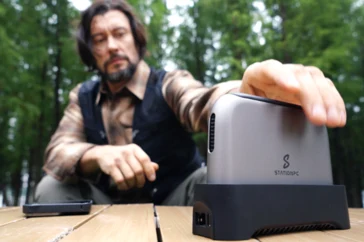
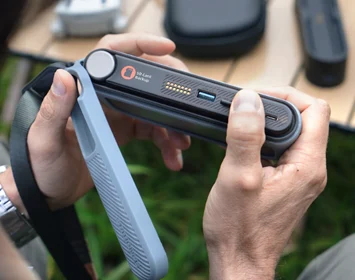
    StationPC has introduced the PocketCloud, a fresh option for those seeking a personal NAS or a compact PC. This device sports a sleek aluminum alloy body measuring 6 x 3.6 x 1 inches, featuring both USB type-C and type-A ports, along with a slot for SD cards.

    Modular Design and Connectivity

    These ports are conveniently placed next to the magnetic pins of the new drive, designed to align with the optional Magnetic Dock that also incorporates a 2.5Gb Ethernet port. Each component of this modular setup can accommodate M.2 NVMe SSDs with speeds of up to 1,625 megabits per second (Mb/s) and a maximum capacity of 8TB, supporting transfer rates of about ~1,000Mb/s when using USB-C.

    Battery Life and Display Features

    When not docked, the PocketCloud is capable of lasting up to 6 hours on a single charge, thanks to its dual 3,200mAh batteries, which can be replaced to possibly extend the device’s overall lifespan. It features a built-in 0.96-inch color LCD and a control knob, reducing the need for additional monitors or peripherals.

    StationPC claims this device is the perfect partner for backing up a smartphone, camera, or laptop in real-time and consistently.

    Compatibility and Backup Options

    The PocketCloud is compatible with a variety of systems, including Windows, Mac, Android, and iOS, and it can be configured to back up data to Dropbox, OneDrive, or Google Drive. It operates on its own “smooth” software that prioritizes privacy and security, offering local log-in options within a LAN. However, this setup sacrifices the flexibility and customization typically associated with a personal NAS.

    Currently, the PocketCloud can be found on Kickstarter, with prices starting at $199, which is $100 less than its initial retail price. The PocketCloud + Dock bundle is available for $289, saving $139. However, adding an 8TB WD Black SN850X would set you back an additional $549.99 on Amazon as of now.

    The campaign has raised over 581,000 Hong Kong dollars (HKD), or nearly $75,000, far surpassing its initial goal of 30,000 HKD (around $3,900) on Kickstarter.

    Source:
    Link


  • Aoostar WTR Max: New 11-Bay NAS with AMD Ryzen APU and OCuLink

    Aoostar WTR Max: New 11-Bay NAS with AMD Ryzen APU and OCuLink

    Key Takeaways

    1. Product Launch: Aoostar has revealed the WTR Max NAS, available for pre-order at $699, with shipping expected in May 2025.

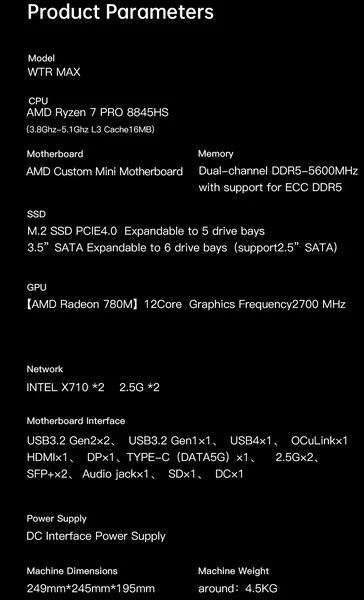
    2. Enhanced Performance: The WTR Max features a Ryzen 7 Pro 8845HS processor, offering improved performance over the WTR Pro’s Intel N150, and supports an 11-bay configuration.

    3. Storage Capacity: The NAS includes seven physical bays, with six for 3.5-inch SATA drives and one with four M.2 PCIe 4.0 slots, allowing for a total of 11 drives.

    4. Cooling System: The system is equipped with the Glacier Pro 1.0 cooling solution, featuring a VC heat spreader and dual cooling fans to manage the temperature of the APU and installed drives.

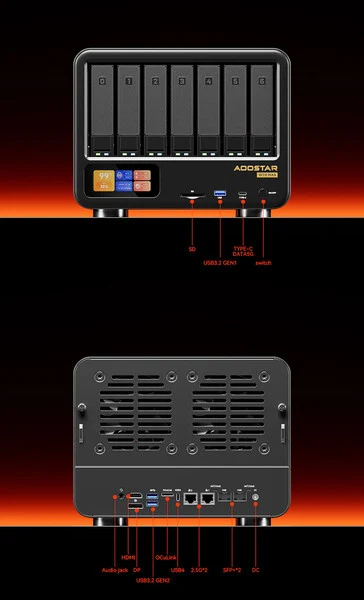
    5. User-Friendly Features: The WTR Max includes an integrated screen for real-time monitoring, a variety of connectivity ports including USB4, support for dual-channel RAM, and triple-display output.


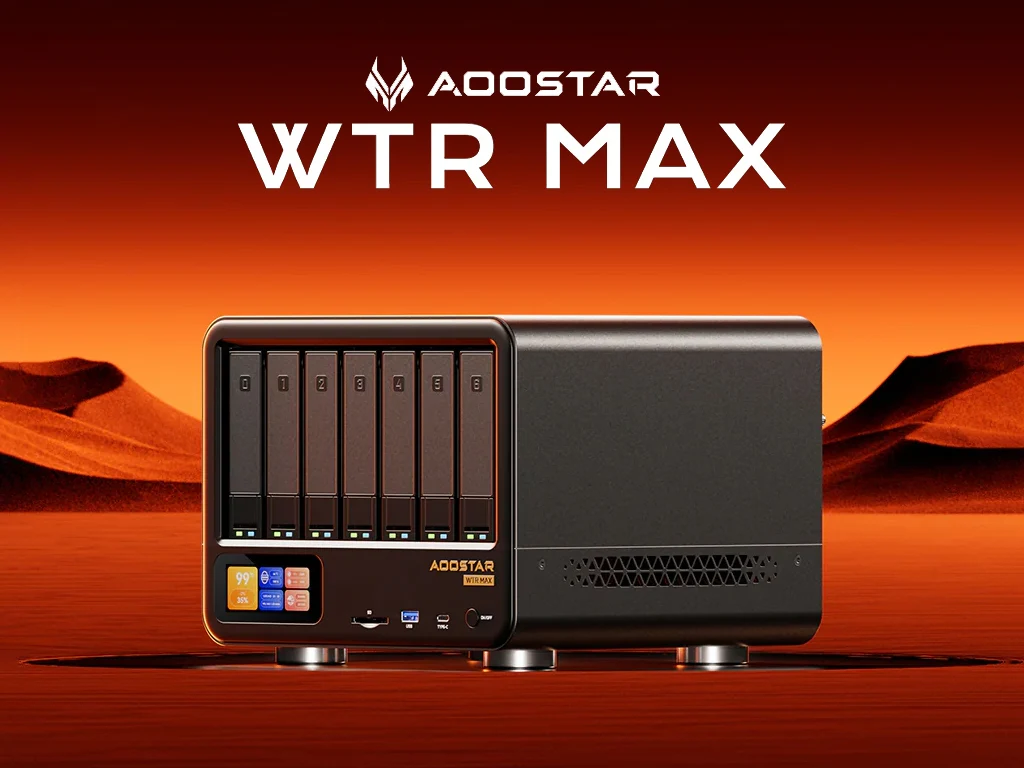
    Aoostar has completely revealed the WTR Max, which was initially presented in China during the 2025 AMD Greater China Channel Conference. Although the company shared limited information about the system at the event, it has now opened up pre-orders for the NAS. Shipping is anticipated to begin in May, with the barebone model priced at $699.

    Upgraded Performance

    The WTR Max is an enhanced version of the WTR Pro, known for being a 4-bay NAS that features an Intel N150 at its peak. In contrast, the WTR Max is equipped with the Ryzen 7 Pro 8845HS, a high-end option from the Hawk Point series. This newer system from Aoostar boasts an impressive 11-bay configuration.

    Storage Capacity

    Specifically, the WTR Max NAS includes seven physical bays, with six of them able to accommodate a 3.5-inch SATA drive each. The seventh bay is designed with four M.2 PCIe 4.0 slots (currently, a 4 TB Samsung 990 Pro is available for $279.99 on Amazon), and an internal PCIe 4.0 slot brings the total drive count to 11.

    The company emphasizes that the Ryzen APU is complemented by the Glacier Pro 1.0 cooling system. This cooling solution features a sizable VC heat spreader to maintain the APU’s temperature during demanding tasks, along with dual cooling fans positioned at the back to help cool the drives that are installed.

    User-Friendly Features

    Additionally, there’s an integrated screen that works alongside the company’s dedicated NAS control software, providing real-time data for monitoring the CPU, RAM, GPU, and other system components. The WTR Max from Aoostar also includes an OCuLink port, allowing users to expand storage via a hard drive enclosure or boost GPU performance with an eGPU.

    Other impressive features of the Aoostar WTR Max consist of a variety of connectivity ports, including a USB4 port, dual-channel RAM, an aluminum alloy chassis, and support for triple-display output. For further details about the system, you can check out the complete specification sheet linked below.

    Source:
    Link


  • Quiet PC Unveils UltraNUC Pro 14 Silent Mini PCs with Intel 7 155H

    Quiet PC Unveils UltraNUC Pro 14 Silent Mini PCs with Intel 7 155H

    Key Takeaways

    1. Quiet PC specializes in building silent and fanless PCs, expanding from desktops to mini PCs like Intel’s NUC.
    2. The Akasa Turing RC Pro case is used for stronger CPUs, providing a compact design without high-pitched fans.
    3. Customers can choose from various CPU options and have the ability to create gaming systems with integrated Intel Arc Alchemist GPUs.
    4. Memory options include 16, 32, or 64 GB DDR5 RAM, with storage options up to 16 TB using NVMe and SATA SSDs.
    5. Pricing for a well-equipped system is competitive, with a Core Ultra 7 155H system costing about 1263.42 EUR, including a 2-year warranty.


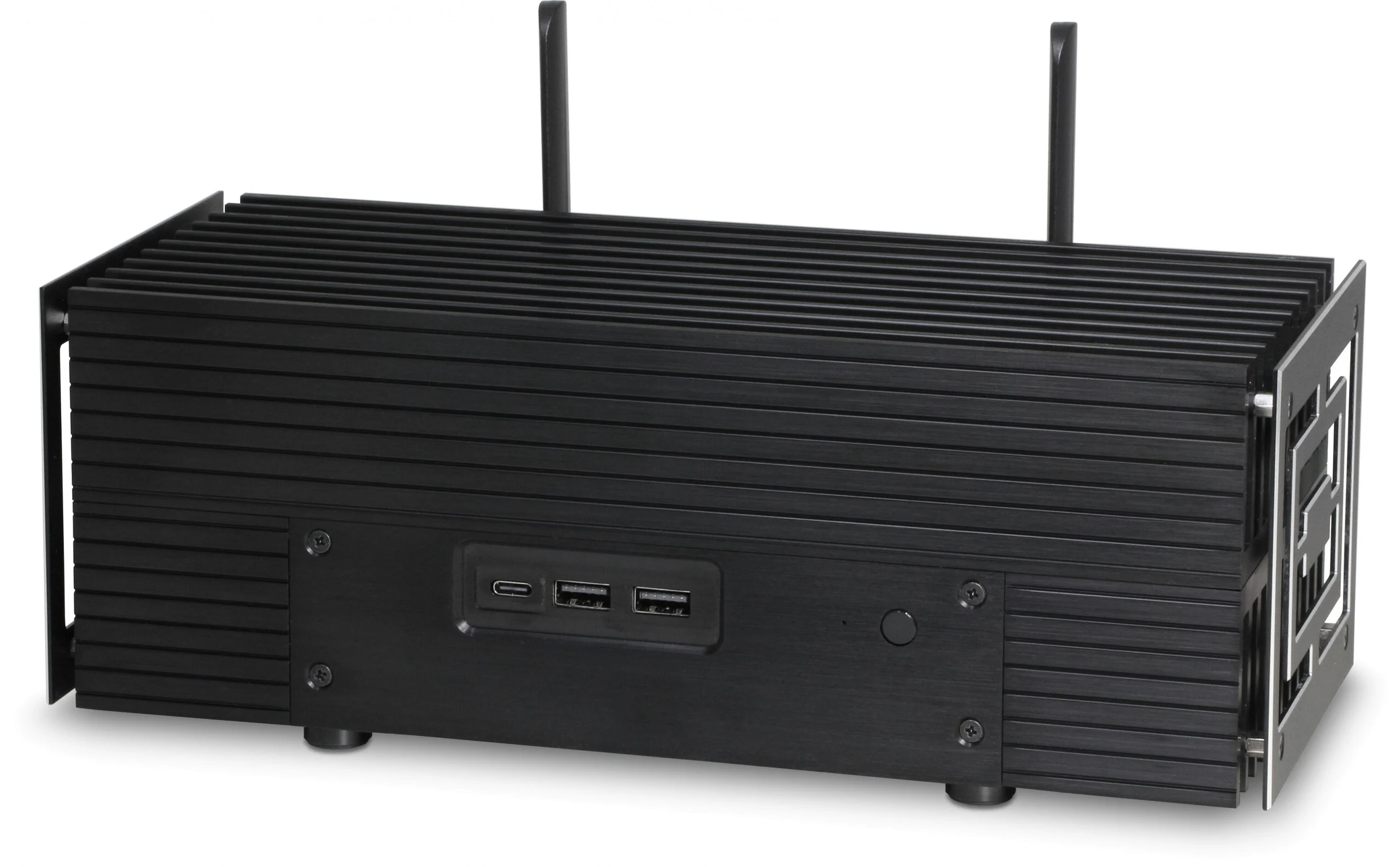
    Quiet PC is a business that focuses on building silent and fanless PCs. They use the latest technologies to reduce noise as much as they can. Lately, as small form factor (SFF) PCs have become more popular, the company has shifted its attention from just desktop models to also include quiet solutions for mini PCs, particularly those in Intel’s NUC shape. Some of these mini PCs are already silent right out of the box because they use ultra-low voltage (ULV) processors. However, for stronger CPUs like the Meteor Lake Ultra models, Quiet PC has introduced a setup using the well-known Akasa Turing RC Pro case, made specifically for the Asus NUC 14 chassis.

    Features of the Akasa Case

    The Akasa case is larger than the standard NUC chassis, but it remains compact when compared to mini ITX builds. It also removes the necessity for those annoying high-pitched fans that often can’t be adjusted. Quiet PC provides several CPU options, including the Core 3 100U, Core Ultra 5 125H, and Core Ultra 7 155H. With the Intel Arc Alchemist integrated GPUs in the Ultra CPUs, these quiet builds can also function as good gaming systems when needed.

    Memory and Storage Options

    For RAM, customers can choose from 16, 32, or 64 GB DDR5 selections from Corsair. The storage can go up to 8 TB with PCIe 4.0 NVMe M.2 drives, plus an additional 8 TB SATA SSD. Quiet PC also supplies external DVD Re-Writers and the necessary peripherals or monitors.

    Connectivity and Pricing

    The port options are standard for the NUC 14, which includes 1x USB-C 3.2 Gen2x2 (20Gbps) and 2x USB-A 3.2 Gen2 at the front. On the back, there are 2x Thunderbolt 4, 1x USB-A 3.2 Gen 2, 1x USB 2.0, 2x HDMI 2.1 (TMDS), and a 2.5 GbE port. For wireless, there’s a Wi-Fi 6E and Bluetooth 5.3 card available.

    Pricing is quite reasonable. A system with a Core Ultra 7 155H, 32 GB RAM, and a 1 TB SSD, includes a 2-year warranty and costs 1263.42 EUR. This is a good deal, especially since the Asus NUC 14 Pro+ mini PC itself is priced around 1000 EUR.

    Source:
    Link


  • HP Zbook Ultra 14 G1a: 128GB RAM, 4TB SSD, AMD Ryzen, $8K+

    HP Zbook Ultra 14 G1a: 128GB RAM, 4TB SSD, AMD Ryzen, $8K+

    Key Takeaways

    1. The HP Zbook Ultra 14 G1a features AMD Ryzen Strix Halo and was introduced at CES 2025, with pricing now available on HP’s website.
    2. The entry-level model starts at $4,296, while the high-end version costs $8,250, offering various configurations.
    3. The laptop has a 14-inch IPS screen with a resolution of 1920 x 1200 pixels, with only the premium model featuring a 120Hz OLED display at 2880 x 1800 pixels.
    4. The Zbook Ultra 14 is significantly more expensive than consumer laptops like the ROG Flow Z13 and Framework Desktop, which offer similar specs at lower prices.
    5. Unique features include two Thunderbolt 4 USB-C ports, an NFC chip, a three-year warranty, and a subscription to HP Wolf Pro Security.


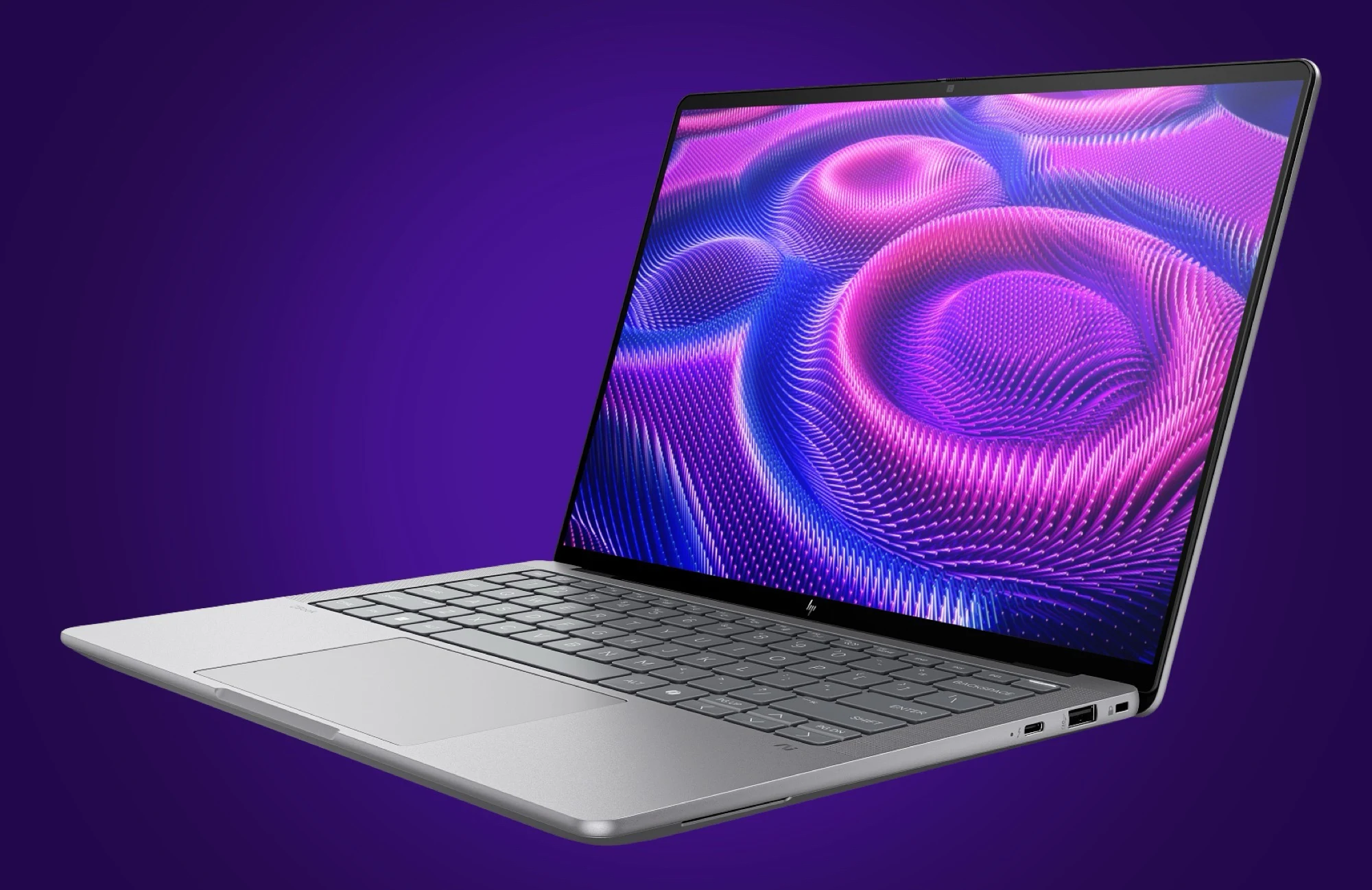
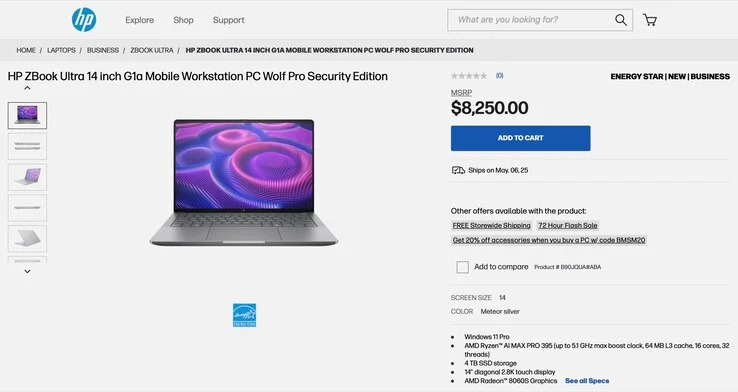
    The HP Zbook Ultra 14 G1a featuring the AMD Ryzen Strix Halo was first introduced during CES 2025 in January. At that time, there were no specifics regarding the pricing and release. Now, however, HP’s official website has disclosed the starting MSRPs.

    Pricing Overview

    To begin with, the entry-level model equipped with the AMD Ryzen AI Max Pro 385, 32GB of RAM, and a 512GB SSD is priced at a steep $4,296. For those looking for more power, the high-end version comes with a Ryzen AI Max Pro 395, 128GB of RAM, and a 4TB SSD, costing as much as $8,250. The more budget-friendly options have a 14-inch IPS screen with a resolution of 1920 x 1200 pixels, while only the premium model features a 120Hz OLED display at a resolution of 2880 x 1800 pixels.

    Comparisons with Consumer Laptops

    This positions the business-focused laptop at a much higher price point compared to consumer laptops using Strix Halo. For instance, the ROG Flow Z13, which includes the Ryzen AI Max+ 395, 32GB RAM, and a 1TB SSD, is available for $2,299 from Asus. Similarly, the Framework Desktop with the same processor and 128GB of RAM is priced at $1,999.

    Features and Warranty

    In exchange for the elevated cost, customers receive some unique features, including two USB-C ports that both support Thunderbolt 4, which is uncommon in laptops with AMD processors. Additionally, the Zbook Ultra 14 is equipped with an NFC chip, a three-year warranty, and a comprehensive set of security software, which includes a three-year subscription to HP Wolf Pro Security. For more information, you can visit the official product page.

    Source:
    Link