Category: Audio

  • Huawei FreeBuds 6 Launch: Dual Drivers & Lossless Audio for 999 Yuan

    Huawei FreeBuds 6 Launch: Dual Drivers & Lossless Audio for 999 Yuan

    Key Takeaways

    1. Lightweight Design: Each earbud weighs 4.9 grams, designed for comfort to fit various ear shapes.

    2. High-Quality Sound: Features an 11mm dynamic driver and micro-flat tweeter, producing frequencies from 14 Hz to 48 kHz with advanced audio technology.

    3. Advanced Features: Includes head-tracking spatial audio, noise reduction technology, and bone conduction microphones for clear calls.

    4. Impressive Battery Life: Offers 36 hours of use with the charging case, with a quick 5-minute charge providing 2.5 hours of listening time.

    5. Affordable Pricing: Priced at 999 yuan (around US$138), available for pre-sale on March 20, 2025, and full availability on March 28, 2025.


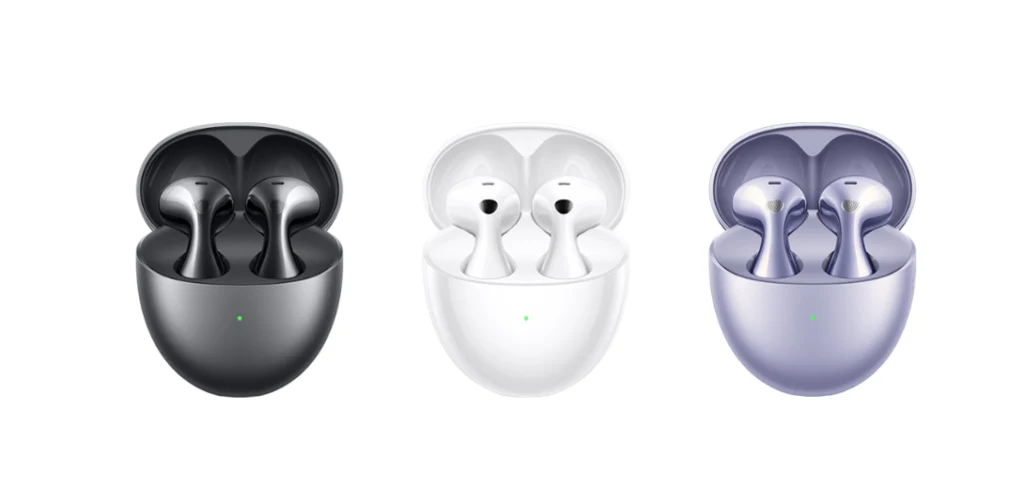
    HUAWEI has launched the FreeBuds 6 wireless earbuds in China, at the same time as its Pura X foldable smartphone. The FreeBuds 6 features a newly designed, lighter build, with each earbud weighing in at 4.9 grams and the charging case at 40.3 grams. These earbuds have been crafted for a comfortable fit, taking into account various ear shapes.

    Sound Quality and Design

    Equipped with an 11mm dynamic driver and a micro-flat tweeter, these earbuds deliver impressive sound quality. They can produce frequencies from 14 Hz to 48 kHz. According to HUAWEI, this is the first semi-open earbud design that incorporates two sound units, which allows for high-quality audio output at 48 kHz/24-bit. The earbuds also adapt the sound depending on how they fit within your ears.

    Features and Performance

    The FreeBuds 6, fine-tuned by the Central Conservatory of Music, provide both classical and balanced sound modes, in addition to head-tracking spatial audio. They are equipped with bone conduction microphones and noise reduction technology that can manage noise levels up to 95 dB and wind speeds of 8 m/s. Their semi-open noise reduction design effectively lessens background noise.

    The battery life of the FreeBuds 6 is an impressive 36 hours when used with the charging case. Just a 5-minute charge can give you 2.5 hours of listening time. Smart charging technology helps prolong battery life by 37%. Users can easily control playback, calls, and volume through touch controls. Additionally, the AI assistant Celia offers translation in 21 languages and real-time interpretation. Other features include long-distance tracking and precision finding up to 50 meters. With Bluetooth 5.2, users benefit from low-latency gaming and the ability to pair with multiple devices. The FreeBuds 6 also come with an IP54 water resistance rating.

    Pricing and Availability

    These earbuds are priced at 999 yuan (around US$138) and will be available for pre-sale on VMall.com starting from March 20, 2025, with full availability set for March 28, 2025.

    Source:
    Link



  • Samsung HW-Q930F Premium Soundbar: Redesigned Subwoofer & More

    Samsung HW-Q930F Premium Soundbar: Redesigned Subwoofer & More

    Key Takeaways

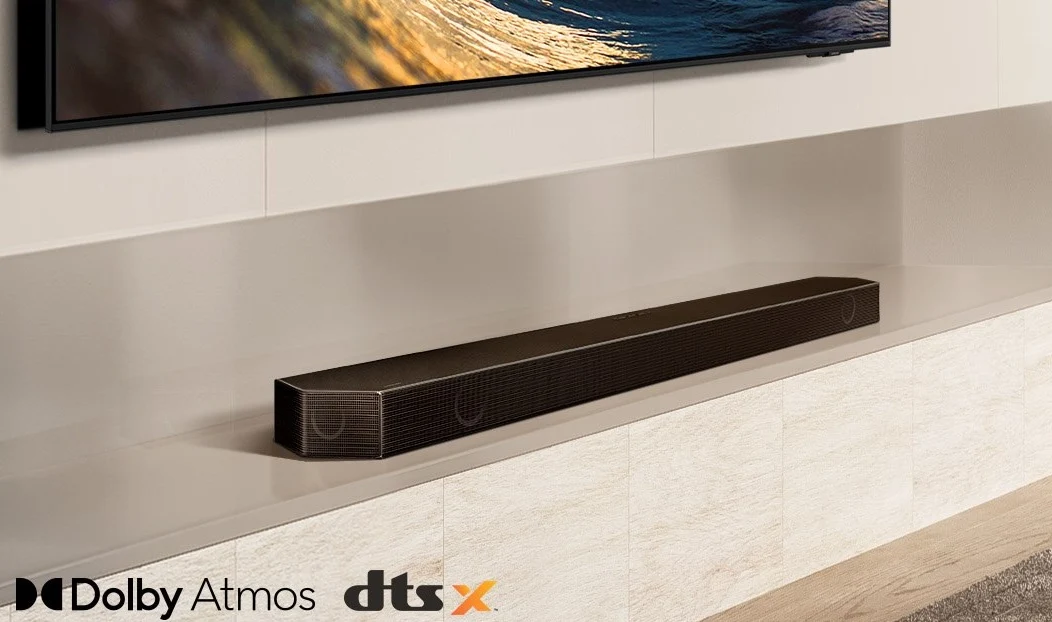
    1. New Subwoofer Design: The HW-Q930F features a smaller cube-shaped subwoofer that improves space fitting while maintaining strong performance.

    2. Audio Format Support: It supports major audio formats, including Dolby Atmos and DTS-X, along with Samsung’s SpaceFit Sound Pro for optimized sound.

    3. Active Voice Amplifier Pro: This feature enhances dialogue clarity by adjusting audio levels based on background noise.

    4. Limited Gaming Features: The soundbar includes only one HDMI 2.0 port and lacks specific enhancements for gamers compared to its predecessor.

    5. Pricing and Availability: The HW-Q930F is expected to be priced at $1,399 in the US, with its release anticipated soon but not yet officially confirmed by Samsung.


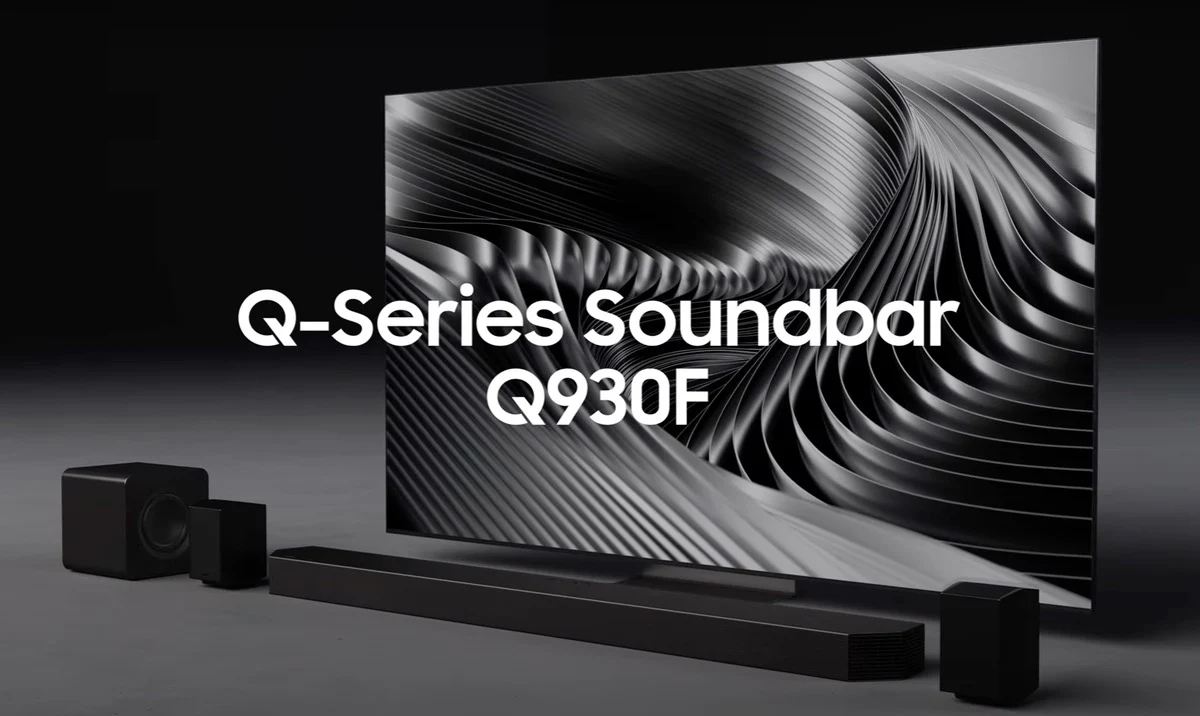
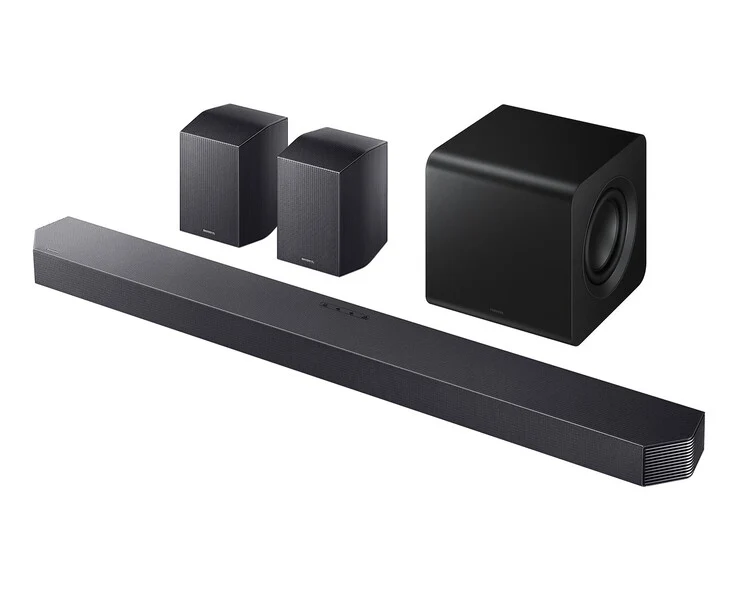
    Samsung has quietly introduced the HW-Q930F, a new mid-range soundbar that acts as the secondary option to their top-tier model, the HW-Q990F. This model replaces last year’s HW-Q930D. While it doesn’t completely change the game, there are some significant improvements, such as an updated subwoofer and fresh sound upgrades.

    Major Changes in Subwoofer Design

    The most important update is the new cube-shaped subwoofer. It measures 249.0 x 251.8 x 249.0 mm, making it much smaller than the previous Q930D subwoofer, which is taller and deeper at 208.28 x 401.32 x 401.32mm. Samsung claims that the new design helps the subwoofer fit better into living spaces, and even though it is smaller, it still maintains strong performance. Inside, it houses a 6.5-inch active driver paired with an 8-inch passive radiator. The main soundbar and the upward-firing speakers remain mostly unchanged, as does the 9.1.4 channel setup, which includes 9 main channels that fire forward and to the side, one dedicated subwoofer channel, and four height channels for an object-based spatial sound experience, boasting a total of 17 drivers in the system.

    Features and Audio Formats

    Most of the features have stayed the same compared to the former model. It supports all significant audio formats such as Dolby Atmos, Wireless Dolby Atmos, Dolby Digital Plus, Dolby 5.1-channel, Dolby True HD, and DTS-X. Samsung’s room calibration tool, SpaceFit Sound Pro, is included, which uses the microphones from both the soundbar and the subwoofer to analyze room echoes and optimize the sound for the best audio and bass experience. Additionally, the Active Voice Amplifier Pro (AVA Pro) boosts the clarity of dialogue by sensing background noise and adjusting the audio dynamically to prioritize voices, ensuring that you catch every word. There’s also a new feature named Moderate Bass, which allows you to watch movies at night without disturbing anyone by disabling the subwoofer and letting the soundbar handle the bass.

    Gaming Features and Pricing Information

    Gamers looking for enhancements may find this model lacking. Similar to the previous version, it includes only one HDMI 2.0 port, which supports up to 4K 60Hz. Other key features consist of Q-Symphony support, Bluetooth 5.3, Roon service compatibility, Spotify Connect, AirPlay, Chromecast, the Samsung SmartThings app, and an Optical audio port.

    Samsung’s latest premium soundbar, the HW-Q930F, is anticipated to be available in the US with a price of $1,399. Although Samsung’s official website has not yet listed it, the soundbar has appeared on Best Buy, indicating that its release is close. Samsung has not yet confirmed the exact pricing and availability for other regions.

    Source:
    Link


  • Realme Buds Air 7 Launched in India: 52dB ANC & LHDC 5.0 for Rs 3,299

    Realme Buds Air 7 Launched in India: 52dB ANC & LHDC 5.0 for Rs 3,299

    Key Takeaways

    1. Realme Buds Air 7 features 12.4mm Dynamic Bass drivers and supports Hi-Res audio with LHDC 5.0 sound transmission.
    2. Active Noise Cancellation (ANC) offers up to 52 decibels of noise reduction, supported by a 6-microphone system for clear calls.
    3. Bluetooth 5.4 connectivity allows Dual Device Connection 2.0 and low latency of 45ms, ideal for gaming.
    4. Battery life includes up to 7.5 hours with ANC on and 13 hours with ANC off, extending to 30 hours with the charging case.
    5. Priced at 3,299 INR (2,799 INR during launch discount), available in three colors starting March 24, 2025.


    Realme has just revealed its latest P3 Ultra smartphone in India. Along with this mid-range device, the company also introduced the new Realme Buds Air 7. These truly wireless earbuds come packed with top-notch specifications and features, all while being budget-friendly. Here’s everything you need to know.

    Specs and Features of Realme Buds Air 7

    The newest budget TWS from the Chinese company boasts impressive hardware, including 12.4mm Dynamic Bass drivers with a titanium-coated diaphragm. The SHTW copper wire coil promises strong bass and clear mids, making for an enjoyable listening experience. The Buds Air 7 supports Hi-Res audio and offers LHDC 5.0 sound transmission for top-quality sound. Additionally, the earbuds come with Dynamic Audio and a 360-degree Spatial Audio Effect, which can be customized using the Realme Link app.

    Additional Features

    One standout feature is the Active Noise Cancellation (ANC), which provides up to 52 decibels of noise reduction. This is made possible by a 6-microphone system, which also enhances call clarity through Environmental Noise Cancellation (ENC). The earbuds connect via Bluetooth 5.4 and support Dual Device Connection 2.0, Google Fast Pair, and a super low latency of 45ms, making them great for gaming. Realme claims that with ANC on, the Buds Air 7 can last up to 7.5 hours, and with the charging case, the total use can extend up to 30 hours.

    When ANC is turned off, users can expect up to 13 hours of audio playback, with an additional 52 hours when using the charging case. A quick 10-minute charge can provide up to 10 hours of playback time. Other features include smart touch controls and an IP55 rating for water and dust resistance.

    Pricing and Availability

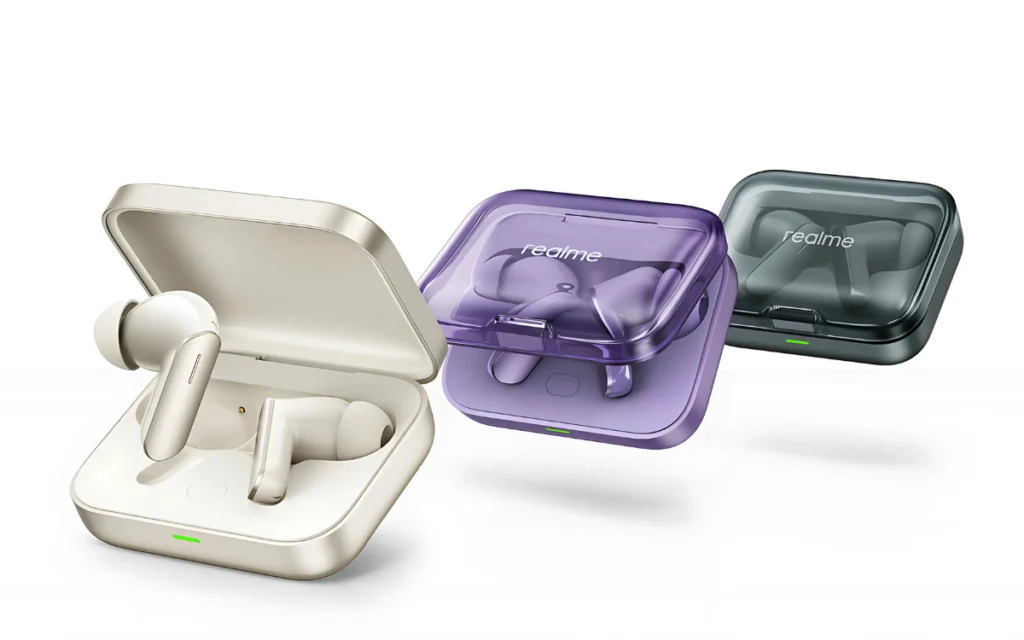
    The Realme Buds Air 7 is priced at 3,299 INR in India. However, during the introductory launch period, customers can benefit from a 500 INR discount, bringing the price down to just 2,799 INR. These earbuds are available in three color choices: Moss Green, Lavender Purple, and Ivory Gold. The first sales will begin on March 24, 2025, through the brand’s official website, Flipkart, and various retail stores.

  • Realme Buds T200 Lite: 12.4mm Bass, 48h Playback, IPX4 Rating

    Realme Buds T200 Lite: 12.4mm Bass, 48h Playback, IPX4 Rating

    Key Takeaways

    1. The Realme Buds T200 Lite feature a 12.4mm Dynamic Bass Driver for enhanced sound quality and powerful bass.
    2. They utilize Bluetooth 5.4 for reliable connectivity and support low-latency mode, ideal for gaming and streaming.
    3. Equipped with dual-mic AI deep call noise cancellation, these earbuds provide clearer calls in noisy environments.
    4. The Buds T200 Lite offer up to 48 hours of playback time with the charging case and have an IPX4 water resistance rating.
    5. Priced at Rs. 1,399, with a promotional offer of Rs. 1,199 until March 20, 2025, they are available on multiple online platforms and retail stores.


    Realme has launched the Buds T200 Lite in India, adding to its true wireless stereo (TWS) range along with the Buds Air 7. The T200 Lite model is aimed at consumers looking for robust sound, extended battery life, and up-to-date connectivity features, all at a budget-friendly price.

    Specs of Buds T200 Lite

    The Buds T200 Lite are fitted with a 12.4mm Dynamic Bass Driver, which is 24% bigger than that of the previous model. Realme promises enhanced bass, increased sound pressure, and a more vibrant listening experience overall. The larger driver is intended to produce powerful beats and clear vocals, making these earbuds ideal for music aficionados.

    Connectivity and Features

    These earbuds utilize Bluetooth 5.4 technology for quicker and more dependable connectivity. They are compatible with both SBC and AAC audio codecs, which improves sound quality on various devices. Realme also boasts about their ultra-low latency, making them perfect for gaming or streaming videos with little delay.

    The earbuds are equipped with dual-mic AI deep call noise cancellation along with DNN voice recognition, ensuring clearer calls even in noisy environments. They also include a low-latency mode for seamless audio during gaming and support for connecting two devices simultaneously for easy switching.

    Durability and Battery Life

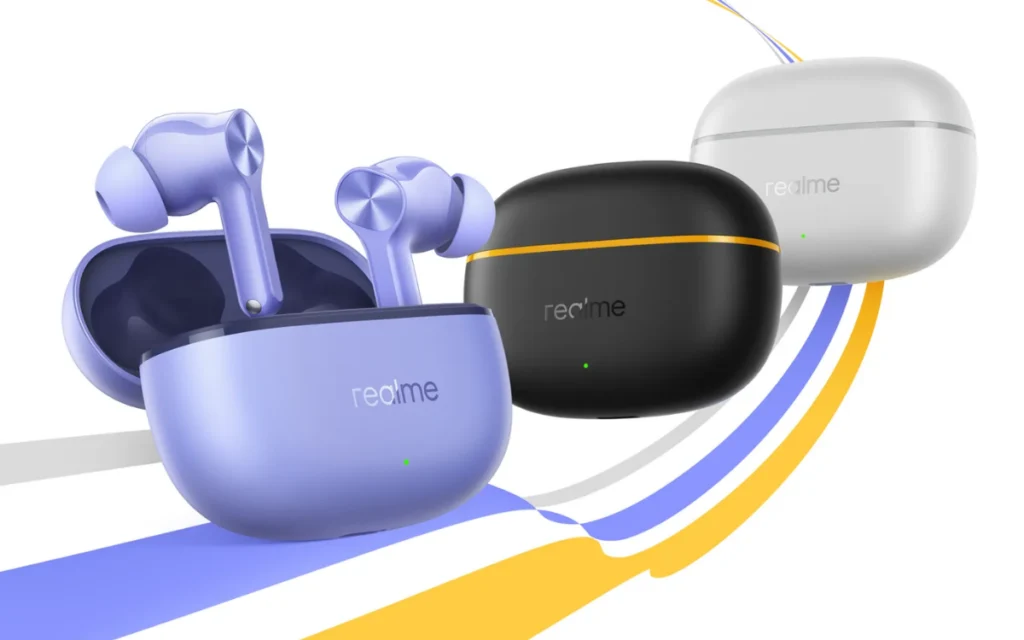
    The Realme Buds T200 Lite have an IPX4 water resistance rating, safeguarding them against sweat and light rain, making them suitable for workouts and outdoor activities. Realme stresses that the charging case can endure up to 500 charge cycles while preserving battery health for up to five years. These earbuds are available in three color variations: Aurora Purple, Volt Black, and Storm Grey.

    In terms of battery performance, the Realme Buds T200 Lite provides up to 48 hours of playback time with the charging case at 50% volume using AAC audio. Each earbud can offer up to 7 hours of playback under the same conditions. For those in a rush, a quick 10-minute charge will give about 5 hours of use. The USB Type-C charging case can fully charge the earbuds six times (taking 120 minutes for each full charge) from a single full charge, ensuring prolonged usage without frequent recharging.

    Pricing and Where to Buy

    The Realme Buds T200 Lite are priced at Rs. 1,399 (approximately $17), with a special introductory offer lowering the price to Rs. 1,199 (about $15). This promotional price is available until March 20, 2025. You can purchase the earbuds from realme.com, Flipkart, Amazon India, and various offline retail stores across the country.

    In addition to these earbuds, the company has also launched the P3 5G and P3 Ultra smartphones.

    Source:
    Link


  • Xgimi Play 6 Projectors Launching March 20 with 360° Gimbal

    Xgimi Play 6 Projectors Launching March 20 with 360° Gimbal

    Key Takeaways

    1. Xgimi’s new portable projector series, Play 6, launches on March 20 in China, emphasizing portability and creative features.
    2. The Play 6 features a sleeker design with a rounded profile, built-in battery, and a 360-degree gimbal for easy placement.
    3. It includes SGS-certified low blue light protection to reduce eye strain during long viewing sessions.
    4. The audio system is tuned by Harman Kardon, promising immersive sound in a compact device.
    5. Anticipation is high for improvements over the Play 5, which had 1080p resolution, 450 ISO lumens brightness, and smart color adjustments.


    Xgimi is set to launch its latest portable projector series, the Play 6, on March 20 in China. The Play 6 is being marketed as more than just a small projector; it combines portable projection, immersive sound, vibrant lighting, and creative possibilities.

    Sleeker Look and Intelligent Features

    In terms of design, the Play 6 closely resembles its earlier model, the Play 5, which is internationally recognized as the MoGo 3 Pro (you can read our detailed review). However, there are some refined touches. The new version has a more rounded profile, giving it a sleeker appearance that may be easier to carry. Xgimi’s promotion emphasizes its surprisingly compact size, similar to that of a milk tea cup, and it includes a built-in battery along with a 360-degree hidden gimbal for easy placement and adjustments.

    Enhanced Viewing Experience

    The projector will include SGS-certified low blue light protection, which could be beneficial for users worried about eye strain during extended viewing sessions. Another impressive feature is the audio system tuned by Harman Kardon, designed to produce immersive sound in a device that can fit in your hand. Like its predecessor, the Play 6 is anticipated to have smart color adjustments and ambient lighting that reacts to sound, enhancing movie nights or parties into more lively events.

    Although Xgimi hasn’t released the complete specification details yet, anticipation is high. The Play 5 (MoGo 3 Pro) boasted a 1080p resolution, 450 ISO lumens brightness, and 90% DCI-P3 color accuracy, along with a 130-degree adjustable stand and automatic image alignment with ISA 2.0. It also had dual 5W Harman Kardon speakers and a Type-C power input.

    If Xgimi is able to improve upon this foundation, the Play 6 might turn out to be one of the most adaptable and travel-friendly projectors available in 2024.


  • Google Launches Update to Fix 2nd Gen Chromecast Issues

    Google Launches Update to Fix 2nd Gen Chromecast Issues

    Key Takeaways

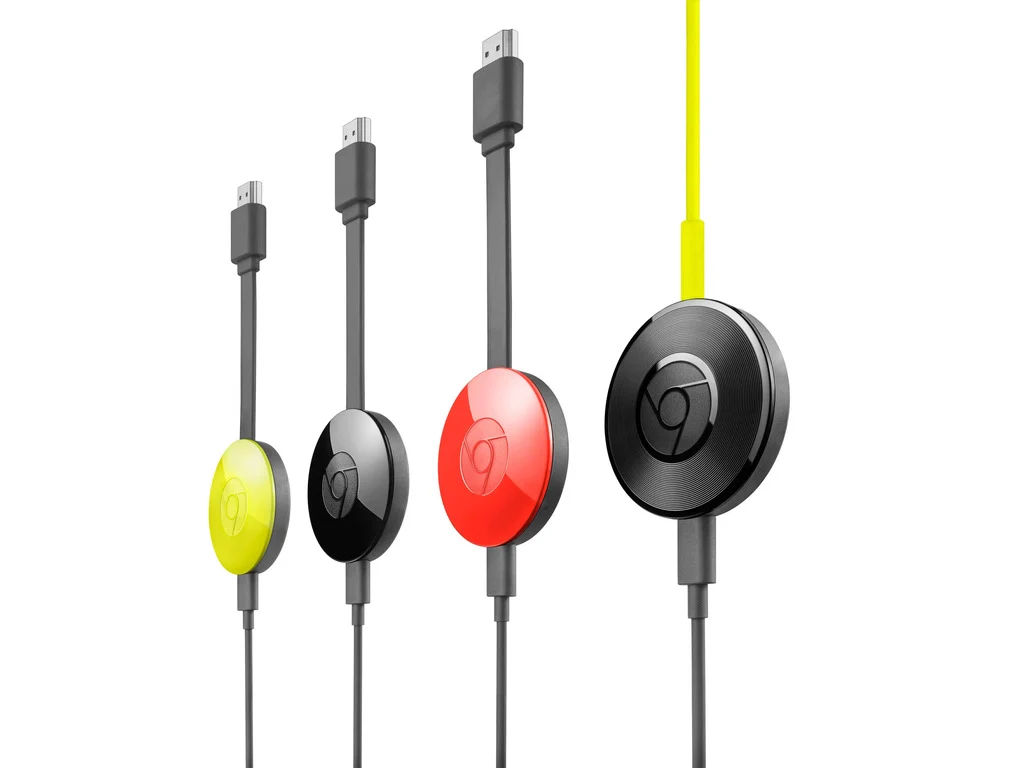
    1. Google is releasing a solution for issues faced by second-generation Chromecast users, including Chromecast Audio.
    2. Users received apologies from Google, and devices should now work properly with automatic firmware updates.
    3. A temporary fix involved resetting the device and changing the date to before March 9th, and updating the Google Home app.
    4. Users can check their firmware versions in the Google Home app, with new versions for Chromecast and Chromecast Audio specified.
    5. The global rollout of updates may take a few days, and the issue is believed to be linked to an expired certificate authority.


    Last week, a lot of users faced troubles while trying to cast content using their second-generation Chromecast devices, including Chromecast Audio. Google is now in the process of releasing a solution for this issue.

    Apologies from Google

    In a message sent to users who were affected, Google expressed their “sincere apologies” for the problems and assured that the devices “should now work properly.” If you haven’t done a reset on your device, it is expected to update automatically to the latest firmware and resume its normal function.

    Workaround Solutions

    One temporary fix that helped some users involved resetting the device and changing the date manually to a date before March 9th. If you opted for this reset method, Google suggests that you update your Google Home app to the most recent version, which is 3.30.1.6 for Android and 3.30.106 for iOS, and then set up your devices anew.

    To verify if your devices have the latest firmware, you can check the version numbers. For Chromecast, the new firmware version is 1.56.467165, while for Chromecast Audio, it should be 1.56.467166. You can find your device’s firmware version by opening your Google Home app, pressing and holding your device’s name, and selecting settings > device information. It should be located in “Technical Information.”

    Global Rollout of Updates

    Google has mentioned that the updates for the Home app and the new firmware are slowly being made available to users around the globe, though it might take a few days for it to show up for everyone. Although Google hasn’t officially acknowledged the issue, users on Reddit suggested it could be related to an “intermediate certificate authority that expired on March 9th, 2025.”

    This situation led to the devices failing authentication checks on Google’s servers and is believed to be “likely an unintentional mistake by Google where they overlooked the CA expiry.”

    Source:
    Link

  • Super Nintendo Speed Issues Rise as Console Ages for Speedrunners

    Super Nintendo Speed Issues Rise as Console Ages for Speedrunners

    Key Takeaways

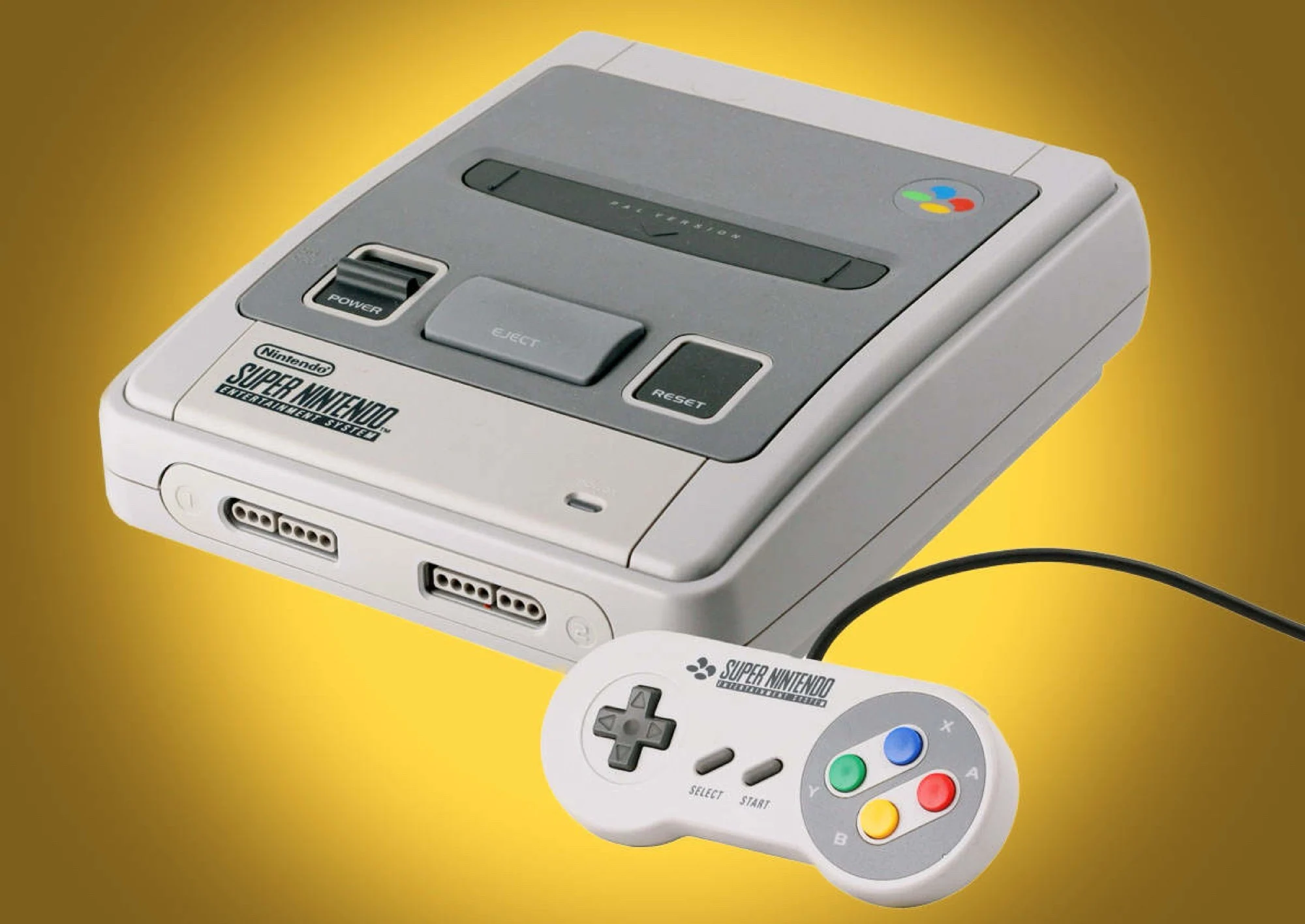
    1. The clock frequency of the Sony SPC700 audio chip in the Super Nintendo has gradually increased over time, now running at about 32,182Hz, which is 0.6% faster than originally designed.

    2. This change is likely due to the ceramic resonator’s gradual loss of accuracy over time, influenced by heat and other factors.

    3. The faster audio processor does not significantly affect game rendering speed or input processing, meaning regular players are unlikely to notice a difference.

    4. Increased speed of the audio processor could lead to shorter loading times in some games, affecting how quickly audio data loads.

    5. Tool-assisted speedruns may become inaccurate due to the increased clock speed, and this could eventually impact human speedrun records as well.


    A captivating article from 404 Media, which draws on information from TASBot creator Alan Cecil, shows that the Super Nintendo gradually gains speed each year. More specifically, the clock frequency of the Sony SPC700 audio chip ticks up a bit over time. This chip was originally designed to operate at a frequency of 32,000Hz, but emulators have been simulating this SNES chip at a clock speed of 32,040Hz, a figure established back in 2007.

    New Findings on Clock Frequency

    A fresh survey indicates that the audio processor is now running even quicker than before. One user noticed a clock frequency of 32,182Hz. This suggests that the Sony SPC700 is approximately 0.6 percent faster than it was initially intended. This change is likely due to the ceramic resonator that helps maintain the clock speed but tends to lose accuracy over time from heat and other influences. Since the SPC700’s main role is audio processing, it should not significantly impact the rendering speed of SNES games or how inputs are processed, meaning that regular players shouldn’t notice any difference.

    Implications for Speedruns

    Nevertheless, the increased speed of the audio processor could influence loading times. Certain loading screens might become shorter because audio data is loaded more quickly. Consequently, tool-assisted speedruns no longer function accurately, as this type of speedrun relies on software-driven inputs at very specific times. Even a loading screen that is a few frames shorter can lead to significant consequences. If the Sony SPC700 in the Super Nintendo continues to get faster over the coming decades, it may eventually impact human speedrun records too.

    Source:
    Link

  • Huawei Teases FreeBuds 6 Launch Before March 20 Pura Event

    Huawei Teases FreeBuds 6 Launch Before March 20 Pura Event

    Key Takeaways

    1. Huawei will unveil its new FreeBuds 6 on March 20, succeeding the FreeBuds 5 released in 2023.
    2. The FreeBuds 6 maintains the popular open-ear design and pebble-like charging case from the previous model.
    3. The new Huawei Sound branding suggests improvements in audio quality and an enhanced listening experience.
    4. Anticipated features include better active noise cancellation (ANC), improved battery life, and new AI-driven capabilities.
    5. The teaser has generated excitement among fans, who expect the FreeBuds 6 to build on the successful design and performance of the FreeBuds 5.


    Huawei has shared a teaser video for its new FreeBuds 6, the next version of its well-loved wireless earbuds. The FreeBuds 6 will be unveiled at the Pura event on March 20, succeeding the FreeBuds 5 (review) released in 2023. The video shows that it keeps the same open-ear style as the previous model, which has become a signature of the FreeBuds line.

    Design Features

    The charging case continues to have the same pebble-like shape that users are familiar with. A notable change is the new Huawei Sound branding, which is also featured in the teaser video. For those who don’t know, this branding signals the company’s own sound division that focuses on tuning audio specifically.

    Also, the presence of Huawei Sound branding suggests that we can expect better audio quality and an enhanced listening experience. While not all details have been revealed, improvements in active noise cancellation (ANC), battery life, and new AI-driven features are anticipated.

    User Expectations

    The teaser has generated excitement for fans of the FreeBuds 5, who appreciated its distinctive design and performance. The open-ear style provides a comfy fit and a more natural listening experience, which has been positively received. The continuation of this design in the FreeBuds 6 is sure to attract the attention of current users.

    Recapping the previous model, the FreeBuds 5 boasts an impressive battery life of 30 hours powered by 11mm drivers. The ANC feature utilizes three microphones in each earbud and supports the LDAC codec and Bluetooth 5.3 connectivity. It also includes a proximity pairing feature that works with recent Huawei phones, which will likely be included in the FreeBuds 6.

    Looking Ahead

    As we approach the launch date on March 20, we can expect more information about the features and specifications to be released. For now, the teaser hints at a superior listening experience combined with a distinctive design.

    Source:
    Link

  • Samsung Soundbars Bricked by Buggy Update—Users Need Repairs

    Samsung Soundbars Bricked by Buggy Update—Users Need Repairs

    Key Takeaways

    1. A faulty firmware update (v1020.7) is causing multiple Samsung soundbar models to become unusable, including the HW-Q990D and HW-Q930D.

    2. Users report that the update fails to install correctly, leading to disconnections of sub-woofers and rear speakers, and rendering the soundbar stuck on the TV eARC screen.

    3. Disabling automatic updates through the SmartThings app is recommended to prevent the faulty firmware from installing.

    4. Samsung has not issued an official statement but is responding to customers, offering repairs or technician visits for affected soundbars.

    5. Out-of-warranty users may face high repair costs, with reports of charges up to €300 for a PCB replacement.


    A faulty firmware update is making a lot of Samsung soundbars unusable. This problem seems to be common and impacts various models, including Samsung’s top soundbar, the HW-Q990D, as well as others like the HW-Q930D, Q800D, S801D, and Q700D.

    User Reports on Forums

    The Samsung Community forum and the /r/Soundbars subreddit are overwhelmed with complaints from users about their soundbars being bricked. The issue stems from the latest firmware update, v1020.7, released on March 10th. According to user feedback, the over-the-air (OTA) update doesn’t install correctly, often stopping halfway. This causes the sub-woofer and rear speakers to disconnect from the main soundbar. After the failed update, users can switch on the soundbar, but it remains stuck on the TV eARC screen, won’t make any sound, and can’t connect to Wi-Fi, rendering the system effectively useless. To add to the frustration, users report that they are unable to perform a factory reset, a common fix for software issues.

    Widespread Issues Across Models

    While the HW-Q990D and HW-Q930D are facing the most complaints, it’s clear that this isn’t just a one-off case. Owners of the Q910D, Q800D, S801D, and Q700D are also experiencing similar problems.

    If you have a Samsung soundbar, it’s best to disable automatic updates to stop the faulty firmware from installing in the first place. To do this, open the SmartThings app on your phone, tap the menu option at the bottom, then select the gear icon at the top, and switch off “Auto update devices and services.” Interestingly, some users have had luck manually flashing the update using a USB drive. However, this fix isn’t guaranteed, and turning off auto-updates is the safer option.

    Samsung’s Response

    As of now, Samsung hasn’t issued an official statement regarding the v1020.7 bug. However, they are reaching out to individual customers through their support channels. Some reports indicate that Samsung is advising users to send their soundbars in for repairs. Others have been more fortunate, with Samsung sending technicians to their homes for diagnosis. Unfortunately, the response is not uniform; some customers are being told to return their entire setup, including the soundbar, subwoofer, and rear speakers, to the manufacturer.

    There are indications that Samsung is aware of the situation and is taking steps to address it, at least in certain areas. One user from Thailand mentioned that after their Q990D soundbar was bricked by the update, Samsung technicians came with a replacement PCB (printed circuit board). They skipped the software troubleshooting and simply swapped the faulty board, restoring the soundbar in just 10 minutes. This user was also advised to disable automatic updates and wait at least a month before trying to update again.

    Repair Costs for Out-of-Warranty Units

    However, if your device is out of warranty, you could be facing repair costs. A Reddit user, /r/Skudnu, with an older Q90R model, reported getting a €300 bill for a PCB replacement. That’s quite expensive.

    The v1020.7 firmware update is evidently causing major issues for Samsung soundbar owners. Until Samsung provides a long-term solution or an official announcement, the best course of action is to turn off auto-updates and disconnect the device from Wi-Fi. If your soundbar has already been affected, reach out to Samsung support, but be ready for the possibility of repair charges, especially if your warranty has expired.

    Source:
    Link

  • Teac Launches TN-180BT Bluetooth Turntable for Vinyl Lovers

    Teac Launches TN-180BT Bluetooth Turntable for Vinyl Lovers

    Key Takeaways

    1. Teac’s TN-180BT Bluetooth record player is priced at 27,280 yen (about $180) and is available exclusively in Japan.
    2. The turntable features Bluetooth 5.2 for streaming music to wireless devices and has an automatic tonearm return.
    3. It plays records at 33-1/3, 45, and 78 RPM and includes a VM-type AT3600L cartridge with a conical diamond needle.
    4. The turntable’s design minimizes wow and flutter to below 0.25% and has a signal-to-noise ratio exceeding 64 dB.
    5. Global customers can consider the Audio-Technica AT-SB727 Sound Burger as an alternative Bluetooth turntable.


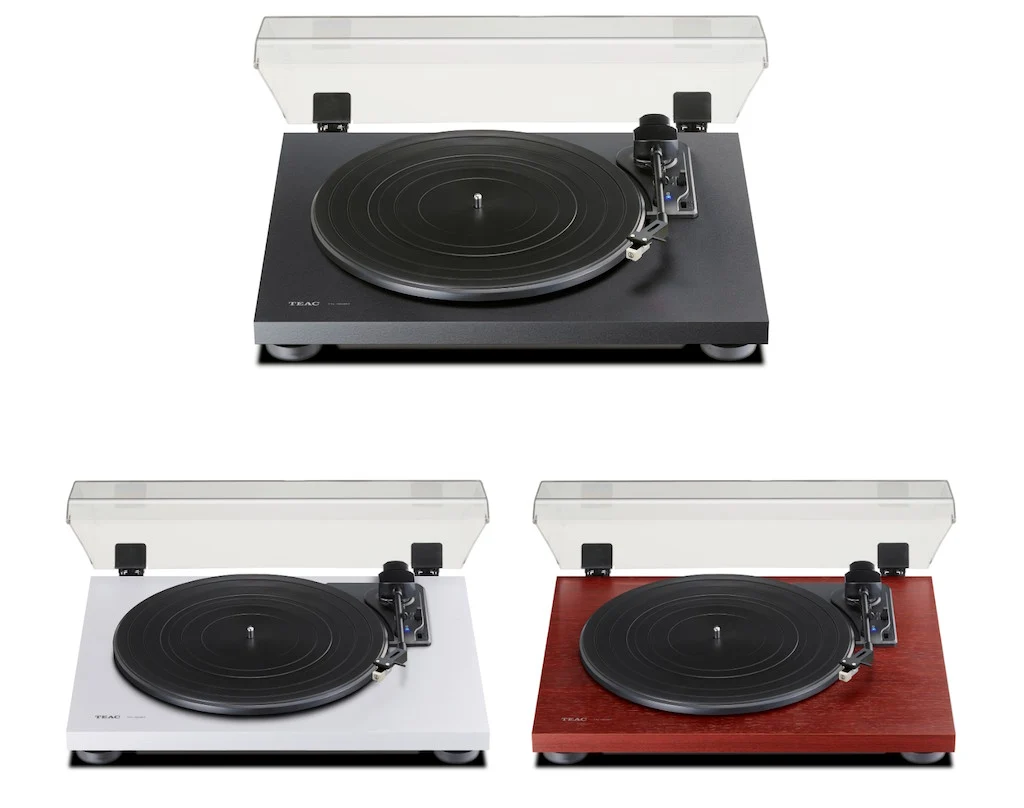
    Teac has introduced the TN-180BT Bluetooth record player, available exclusively on its online store in Japan. This turntable is offered in three colors: black, white, and cherry MDF, priced at 27,280 yen (approximately $180).

    Features of the Turntable

    The belt-driven turntable can play records at speeds of 33-1/3, 45, and 78 RPM, featuring an automatic tonearm return. It also has Bluetooth 5.2 capabilities, enabling music streaming to wireless headphones, speakers, and home audio systems using the SBC audio codec. Additionally, the internal amplifier allows for connection to wired audio devices through standard RCA cables.

    Technical Specifications

    Equipped with a VM-type AT3600L cartridge, the TN-180BT utilizes a 0.6 mil conical diamond needle and a 200 mm balanced straight tonearm. The turntable’s DC motor drive ensures that wow and flutter remain below 0.25%. Furthermore, the audio circuitry achieves a signal-to-noise ratio exceeding 64 dB (A-weighted, 20 kHz low-pass filter). The dimensions of the turntable are 420 x 105 x 356 mm (16.5 x 4.1 x 14.0 in.), and it weighs 4.9 kg (10.8 lbs.).

    Alternatives for Global Customers

    For those outside of Japan looking for a Bluetooth turntable, the classic Audio-Technica AT-SB727 Sound Burger is an option worth considering, and it is available on Amazon US.

    Source:
    Link