Category: Audio

  • Yamaha Extrack App: Practice Songs Like a Band Member Alone

    Yamaha Extrack App: Practice Songs Like a Band Member Alone

    Key Takeaways

    1. Yamaha Japan launched the Extrack app for musicians, available on iOS, with an Android version coming in April.
    2. The app analyzes song files, separating vocals and instruments into individual tracks for practice and performance.
    3. Extrack features automatic chord progressions, adjustable playback speed, and repeat sections for enhanced learning.
    4. Vocalists can use a key change option to match the track to their vocal range, with the ability to mute instruments for focus on lyrics.
    5. The app offers a free plan for five songs monthly and a paid plan for unlimited songs and additional tracks, with the paid plan currently free until August.


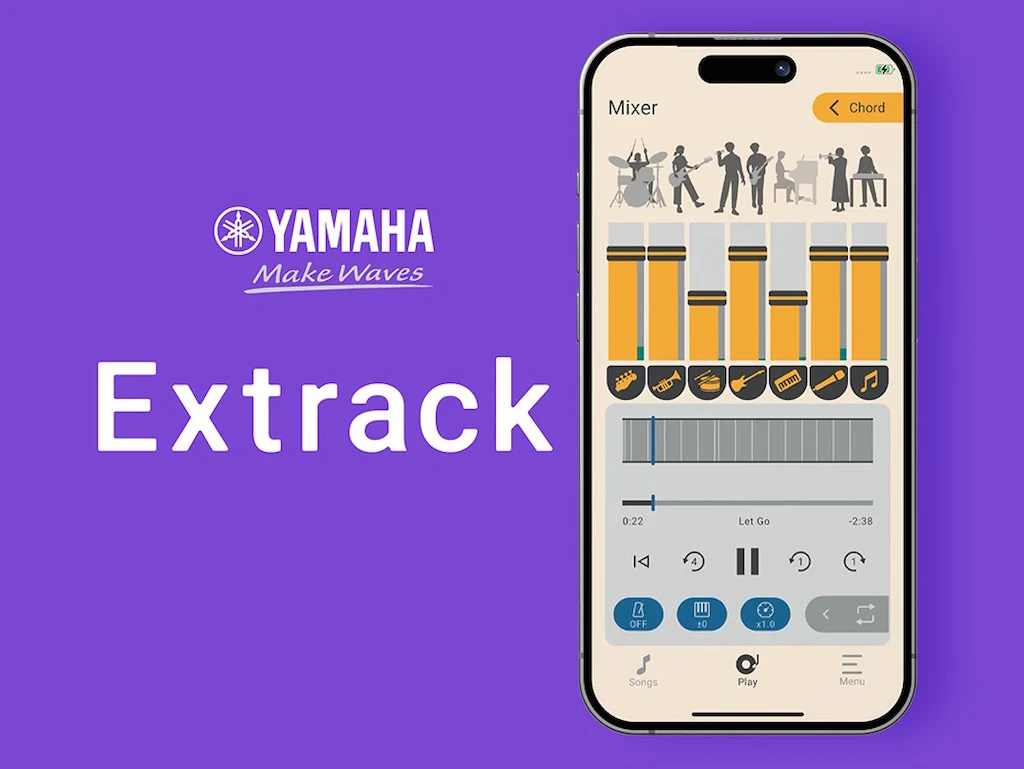
    Yamaha Japan has introduced an innovative app called Extrack, tailored for musicians who want to learn and perform songs as if they were jamming with a band. The app is currently available for download on Apple iOS, while Android users can expect it to launch in April.

    Features of Extrack

    Extrack starts by analyzing the song files that users download, identifying the various vocals and instruments within the track. It then separates these components into individual tracks. Musicians have the flexibility to adjust the volume of each track or even mute them completely, enabling them to practice alongside a particular instrument or concentrate on mastering one specific track.

    Learning Made Easy

    To enhance the learning experience, the app automatically shows chord progressions for piano and guitar tracks, making it easier for users to follow along. Moreover, the playback speed can be modified, and certain sections of a track can be set to repeat automatically until the user feels they have mastered that part.

    One standout feature for vocalists is the key change option, which modifies the track to fit the singer’s natural vocal range. During playback, all instrument tracks can be muted, allowing users to focus solely on learning the lyrics.

    Pricing Plans

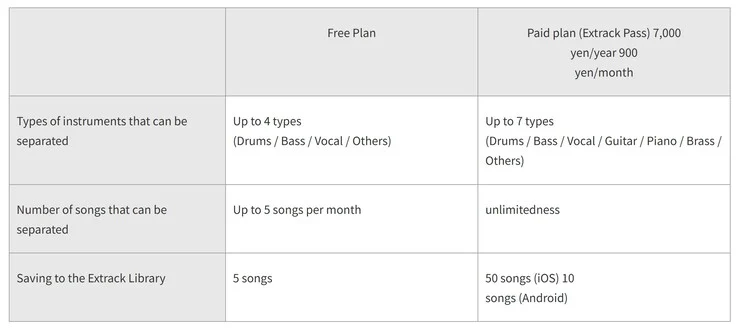
    The app offers a free plan that lets musicians split up to five songs each month into four tracks (bass, drums, vocals, and others). For those looking for more features, a paid plan is available, which allows for an unlimited number of songs and seven tracks (bass, brass, drums, guitar, piano, vocals, and others). Currently, the paid plan is being offered for free until August.

    Source:
    Link

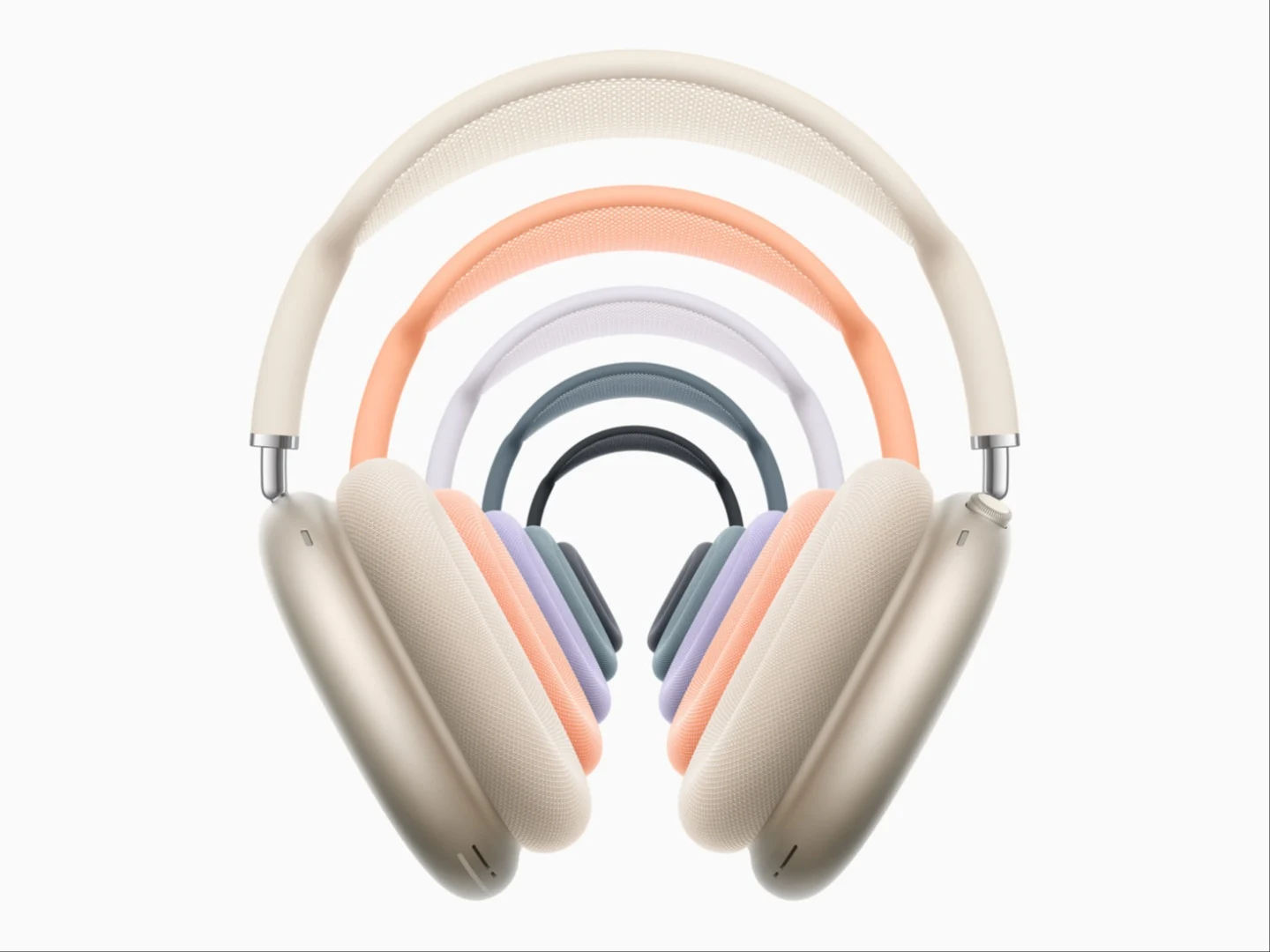
  • AirPods Max to Support Lossless Audio via USB-C Soon

    AirPods Max to Support Lossless Audio via USB-C Soon

    Key Takeaways

    1. Lossless Audio Coming Soon: AirPods Max users will soon enjoy lossless audio with the iOS 18.4 update, set to roll out next month.

    2. USB-C Requirement: The new audio features, including 24-bit, 48 kHz lossless audio, will only work with the USB-C version of AirPods Max when connected via USB-C cable.

    3. Exclusive to New Models: Only USB-C AirPods Max users will have access to the lossless audio features; older models will not be compatible.

    4. Enhanced Audio Experience: The update will improve audio quality for music, films, and games, benefiting both consumers and music producers.

    5. Benefits for Gamers and Streamers: The update will also provide ultra-low latency audio, enhancing the experience for gamers and streamers using wired connections.


    AirPods Max users are set to enjoy lossless and ultra-low latency audio very soon, as per an announcement from Apple. This feature will be included in the upcoming iOS 18.4 update, which is expected to roll out next month. With this update, users will be able to access 24-bit, 48 kHz lossless audio through Apple Music or other compatible streaming services, but this will only be possible when using a USB-C cable. It’s important to note that those who own the older AirPods Max models will not have access to this feature; it’s exclusive to the USB-C variant.

    Enhancements to Audio Experience

    In their official statement, Apple mentioned that USB-C AirPods Max will provide an opportunity for users to “experience the highest-quality audio across music, films, and games, while music producers can benefit from significant improvements in songwriting, beat making, production, and mixing.” Additionally, lossless audio will integrate with Personalized Spatial Audio, offering access to over 100 million tracks in the Apple Music catalog that support this feature.

    Features for Gamers and Streamers

    Moreover, alongside the iOS 18.4 update, the USB-C version of AirPods Max will also feature ultra-low latency audio that matches the quality of the built-in speakers on Mac, iPad, and iPhone. This upgrade will greatly benefit gamers and streamers, allowing them to use the headphones for a more engaging experience when connected in wired mode.

    As previously stated, these features will only function on AirPods Max when linked via the USB-C cable. Apple has also begun offering the USB-C to 3.5mm cable in its online store and through authorized resellers. The lossless and ultra-low latency audio features will be included in a firmware update for AirPods Max next month, although a specific date has yet to be provided.

    Source:
    Link

  • BYD and Distributor Launch EV Podcast in Australia to Clarify Facts

    BYD and Distributor Launch EV Podcast in Australia to Clarify Facts

    Key Takeaways

    1. BYD is launching a new podcast in Australia called Charge Up Australia to educate listeners about electric vehicles.
    2. The podcast will feature case studies, buying tips, and sales updates relevant to the Australian EV market.
    3. Notable guests include experts like Michelle Nazzarri, Tim Washington, Birdie Schmidt, and Sarah Aubrey.
    4. Host Jon Dee aims to clarify misconceptions about electric vehicles and encourage more adoption in Australia.
    5. Electric vehicle sales in Australia decreased by nearly 50% in February 2025, with BYD’s Sealion 7 and Atto 3 ranking in the top ten models.


    BYD is set to introduce a new podcast in Australia aiming to educate audiences about electric vehicles. This initiative comes in collaboration with its distributor in Australia, EVDirect. The podcast, titled Charge Up Australia, will be hosted by Jon Dee, an environmentalist and former NSW Australian of the Year.

    Insights and Information

    Charge Up Australia promises to deliver the most recent information on the e-mobility industry without favoring any particular brand. It will include case studies, along with tips for buying and owning electric vehicles, as well as sales updates that are pertinent to the Australian market.

    Featured Guests

    The podcast is expected to showcase experts from both local and international backgrounds. The lineup for the initial episodes features notable guests such as Michelle Nazzarri, the founder and CEO of FONZ electric motorbikes; Tim Washington, founder and CEO of JET Charging; Birdie Schmidt from the National Roads and Motorists’ Association; and Sarah Aubrey, known for her work with Electrify This.

    Dee expresses his enthusiasm about addressing misconceptions surrounding electric vehicles. “What we are aiming to do is to clarify what’s real and what’s not. Currently, there are 300,000 electric vehicles on Australian roads, but we want to see more people driving EVs. That’s why this partnership with EVDirect and BYD for the podcast is so exciting,” he stated.

    Sales Trends

    In February 2025, Australians purchased 5,684 fully electric vehicles, which is nearly a 50 percent decrease compared to the previous year. This decline is largely due to falling sales from Tesla, although the brand still led the sales rankings. BYD managed to have two models in the top ten: the Sealion 7 and the Atto 3.

    Source:
    Link

  • Xiaomi Mijia Smart Audio Glasses 2: Slimmer, Smarter, Stronger

    Xiaomi Mijia Smart Audio Glasses 2: Slimmer, Smarter, Stronger

    Key Takeaways

    1. Launch Date and Pricing: The MIJIA Smart Audio Glasses 2 will launch on March 26 at a special price of 999 Yuan (about $140) through a crowdfunding campaign on Xiaomi Youpin.
    2. Design Improvements: The new glasses are lighter (27.6g) with a slimmer frame and have a flexible hinge that can withstand 15,000 bends, offering better comfort and style.
    3. Enhanced Audio Features: Upgraded audio capabilities include a four-microphone setup for clearer calls, a privacy mode to minimize sound leakage, and one-touch recording functionality.
    4. Build Quality and Customization: Users can choose from five different frame styles, and the glasses feature a smaller quick-release mechanism for easy lens swapping.
    5. Long Battery Life: The glasses provide up to 12 hours of music playback, 9 hours of talk time, and can fully charge in one hour, with a quick 10-minute charge offering four hours of listening time.


    Xiaomi has made it official with the release of the MIJIA Smart Audio Glasses 2, announcing their launch via Xiaomi Youpin. The crowdfunding campaign is set to kick off on March 26 at 10 AM, with a special introductory price of 999 Yuan (about $140). This announcement comes after speculations regarding Xiaomi’s AI-driven smart glasses, which are aimed to rival the Ray-Ban partnership from Meta.

    Features of the Xiaomi Mijia Smart Audio Glasses 2

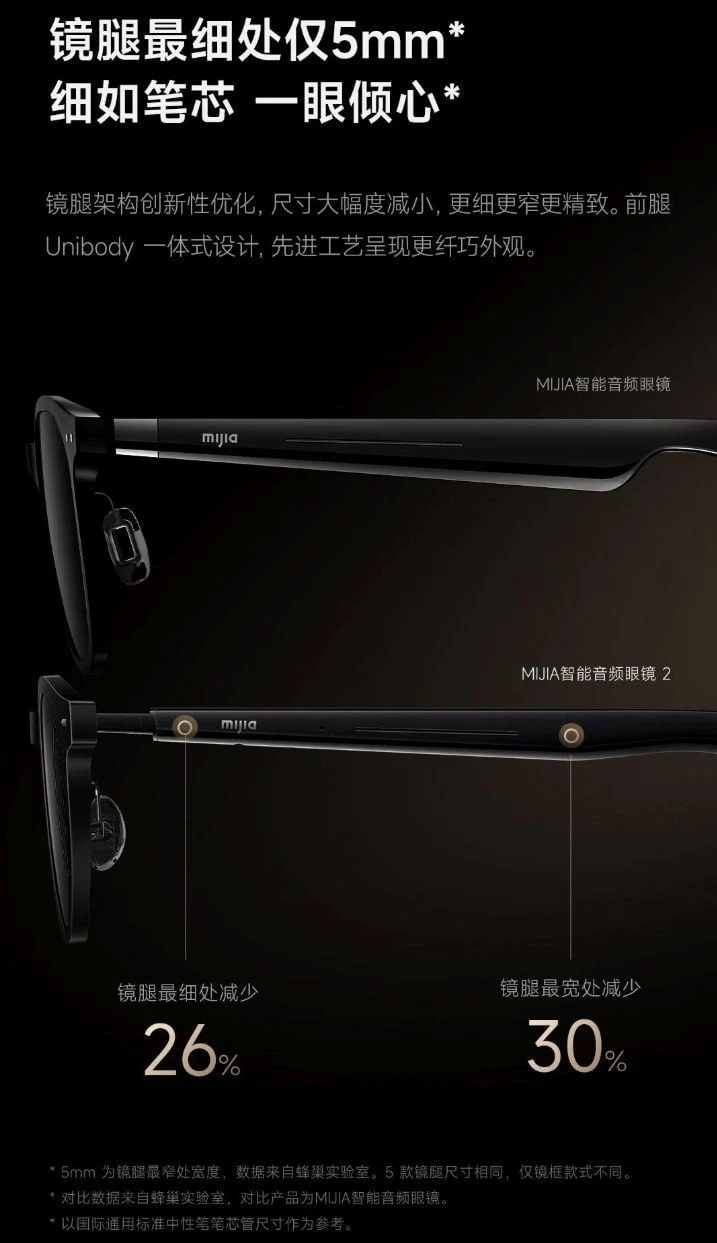
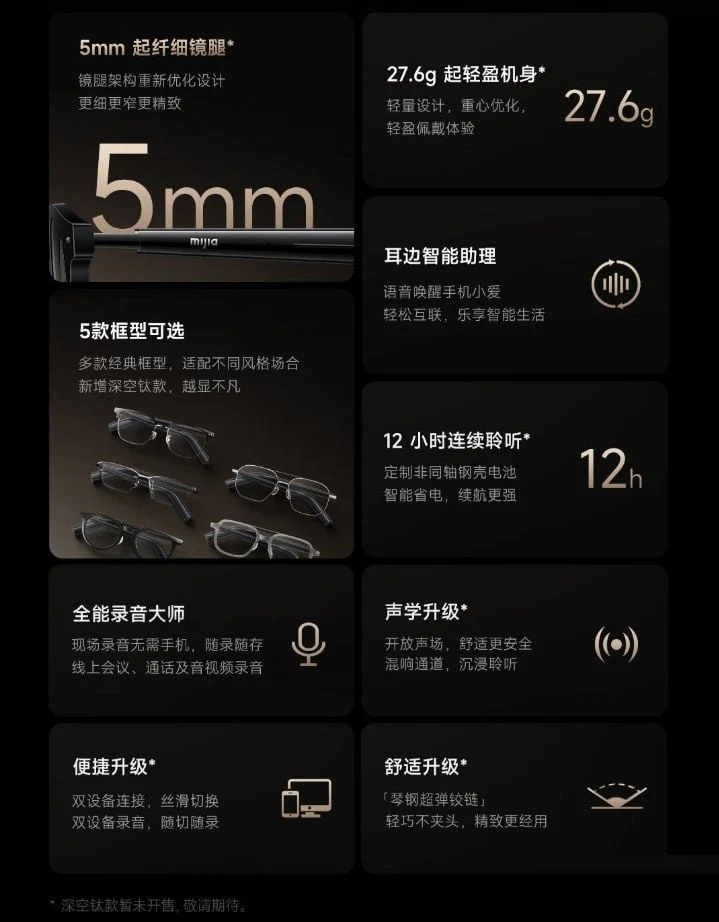
    The Mijia Smart Audio Glasses 2 are a successor to the previous year’s version, showcasing significant design improvements that enhance both style and comfort. The new frame is more slender, with temple arms that are a mere 5mm thick—26% slimmer at their narrowest and 30% thinner at the widest point. Weighing in at only 27.6g, the glasses are designed to distribute weight evenly, alleviating pressure on the nose for a more comfortable fit over extended wear.

    Design and Build Quality

    The frame incorporates an innovative “piano steel ultra-flexible hinge,” which has been developed over a year and can withstand 15,000 bends without a hitch. Moreover, the glasses feature a second-generation quick-release mechanism that is 70% smaller, making it easier to swap lenses with just one hand. Customers can choose from five different frame styles: metal aviator, hybrid browline, classic Boston, hybrid aviator, and deep-space titanium.

    Enhanced Audio Experience

    The audio capabilities have seen a significant upgrade, featuring an improved acoustic structure that enhances volume and reduces background noise. A four-microphone setup with smart algorithms ensures clearer calls, while a new privacy mode greatly minimizes sound leakage by using inverse sound waves along with anti-leakage membranes. Users can easily turn on this feature through the Mijia Glasses app.

    A long press on the temple allows for one-touch recording, making it easy to capture voice notes without reaching for a phone. To address privacy issues, a notification light illuminates whenever recording is in progress. The glasses are also equipped with IP54 dust and water resistance, voice assistant functionality, and real-time audio broadcasting.

    Impressive Battery Life

    The battery life is noteworthy as well, providing up to 12 hours of music playback, 9 hours of talk time, and 12 days of standby. The 2C magnetic charging technology allows for a full charge in just one hour, and a quick 10-minute charge can yield four hours of listening time.


  • Zoom H5studio Handy Recorder: 32-bit Float Audio for Creators

    Zoom H5studio Handy Recorder: 32-bit Float Audio for Creators

    Key Takeaways

    1. High-Quality Audio Capture: Features 19.4 mm microphones in a 90º XY stereo configuration, capturing sounds up to 140 dB without distortion.

    2. Flexible Recording Options: Records in 32-bit float files, allowing up to six tracks simultaneously and eliminating the need for post-processing adjustments.

    3. Versatile Connectivity: Acts as a USB-C audio interface for various devices and supports timecode synchronization for cameras.

    4. Adaptable Microphone Options: Users can swap built-in microphones for different types, including shotgun and wireless microphones.

    5. Battery Life and Portability: Operates on alkaline or rechargeable batteries, offering 6 to 21 hours of runtime and weighs 410 g (14.5 oz).


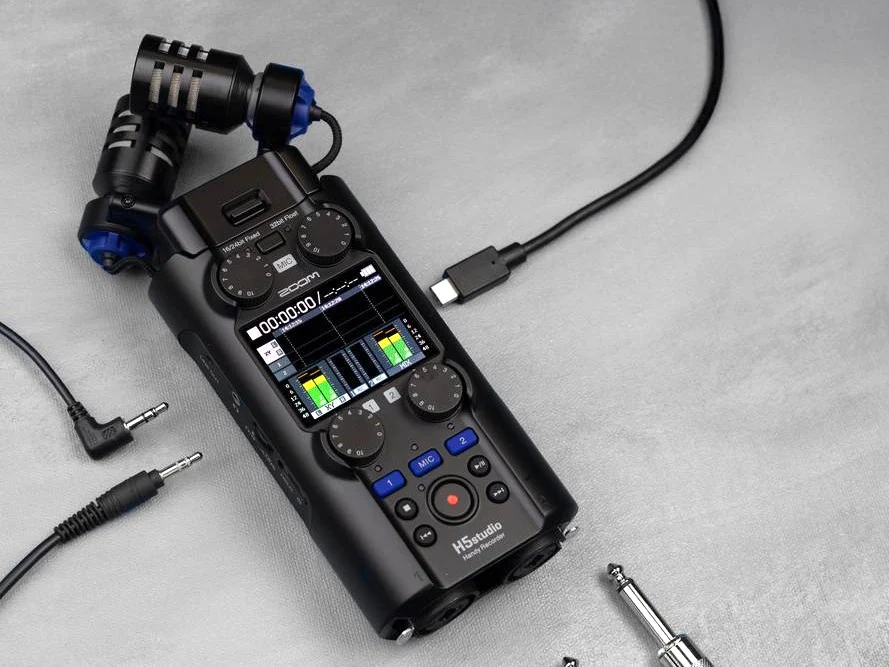
    Zoom has introduced the new portable H5studio Handy Recorder for video makers and content creators. This handy device features large 19.4 mm microphones and 32-bit float recording, enabling users to capture both very soft and extremely loud sounds in any setting without experiencing clipping or distortion. The H5studio Handy Recorder is priced at an MSRP of $349.99 (available for purchase on Amazon).

    High-Quality Audio Capture

    The H5studio is equipped with impressive 19.4 mm microphones set in a 90º XY stereo configuration that allows for audio capturing at levels up to 140 dB without any distortion. Users have the flexibility to swap out the built-in microphones for a short shotgun microphone, a wireless microphone system, or an XLR/mini jack adapter, making it very adaptable for different recording needs.

    Flexible Recording Options

    Audio recordings are saved as 32-bit float files, which helps to avoid clipping. The device can record up to six tracks simultaneously by utilizing its two XLR/TRS combo jacks and one stereo mini jack. Users can also adjust the gain in 32-bit float mode, removing the need for any post-processing adjustments.

    Versatile Connectivity and Power

    This recorder functions well as a premium USB-C audio interface for Android, Apple, and Windows devices, offering 4 inputs and 2 outputs in 32-bit float audio quality. Additionally, optional timecode adapters enable the H5studio to either receive or transmit timecode to keep cameras in sync. It has been engineered with RF shielding to minimize noise interference from nearby electronics like laptops and smartphones.

    The Zoom recorder is powered by either alkaline or rechargeable batteries, providing a runtime that ranges from 6 to 21 hours, depending on the usage of the XLR inputs. Weighing in at 410 g (14.5 oz.), it has dimensions of 86.0 x 206.0 x 54.6 mm (3.4 x 8.1 x 2.1 in.).

    Conclusion

    For those looking for high-quality recording solutions, the Zoom H5studio Handy Recorder promises flexibility and excellence in audio capture. Don’t forget to check out Zoom’s channel on YouTube for more information and insights!

    Source:
    Link

  • Affordable DIY Eavesdropping Device for Lightning-Fast Listening

    Affordable DIY Eavesdropping Device for Lightning-Fast Listening

    Key Takeaways

    1. Basic Components: A functioning laser microphone can be made using three main parts: a laser, a photodiode, and an amplifier circuit. An optional fourth component can enhance its capability.

    2. Working Principle: The laser microphone captures sound by directing a laser beam onto a glass surface. Vibrations from sounds modulate the laser reflection, which the photodiode detects and converts back into audio.

    3. Easy Sourcing: Photodiodes can be easily sourced from devices like televisions or smoke detectors, while the amplifier circuit can be modified from existing electronics.

    4. Setup and Configuration: Proper setup involves replacing a built-in mic with a photodiode, modifying a USB cable for power, and positioning the laser beam correctly to ensure effective audio capture.

    5. Performance Limitations: The system can be affected by environmental vibrations and obstacles. Improvements, such as using a 3D-printed case and adding a filter, can enhance performance.


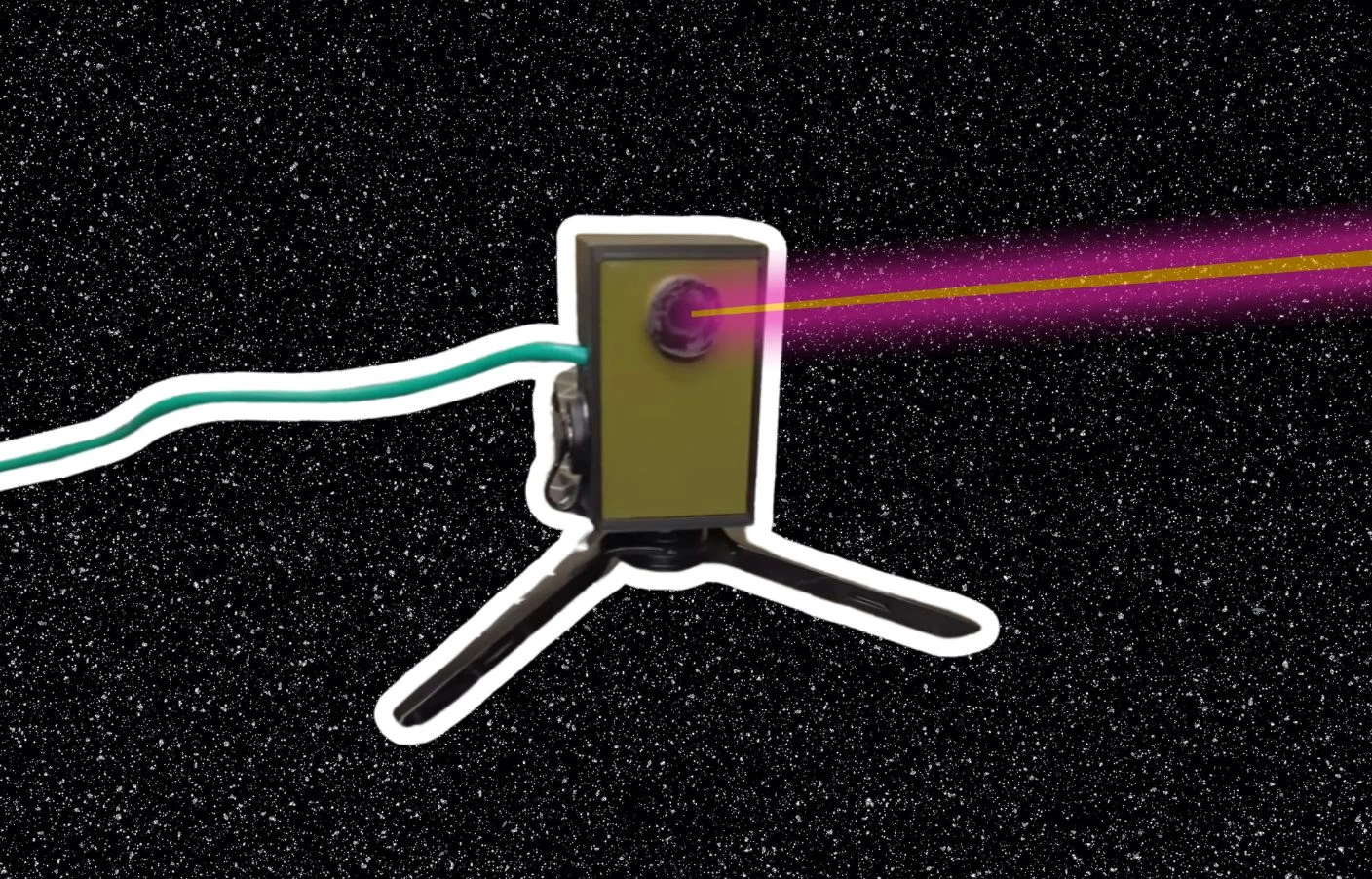
    With so many electrical parts available today, it’s no wonder that anyone can create a functioning laser microphone from common items. You can find the necessary components at online stores, or even scavenge from e-waste lying around your home. By using three main parts, and optionally a fourth, anyone can eavesdrop on sounds from afar with a homemade laser mic. The process is quite simple, provided the user has a device capable of recording mono audio.

    How Laser Microphones Work

    According to SomethingAboutScience, the way a laser microphone operates is by directing a laser beam onto a window or picture frame inside a room. The beam’s reflection is captured by a photodiode. Any sounds produced within the room create vibrations in the glass, which in turn modulates the laser reflection. The photodiode is then able to detect these changes and convert them back into audio. Interestingly, SomethingAboutScience mentions that you don’t necessarily need a red laser; an infrared laser can be a stealthy alternative.

    Sourcing Components

    Finding a photodiode is quite easy since it’s commonly found as an infrared receiver in televisions and certain smoke detectors. However, the diode cannot work by itself because the signal from the laser is too weak. This is where an amplifier circuit becomes useful; it amplifies the signal, provides necessary power, and transmits mono sound. In this instance, a modified amplifier circuit similar to the MAX9814 was utilized. To create the laser microphone, the built-in mic is taken out and swapped for the photodiode. A USB cable is then modified and soldered to the circuit board for power, and a mono audio wire with a jack is attached for audio output. Once everything is set up, it’s just a matter of positioning the laser so the beam strikes the photodiode at a perfect angle to capture the sound modulations effectively.

    Limitations of the Setup

    Though this assembly is straightforward, it comes with some drawbacks in terms of performance. For one, both the laser and the photodiode can be affected by vibrations in the environment, and any objects between them can interrupt the audio transmission. To help improve this somewhat, SomethingAboutScience created a 3D-printed case and added a filter to the receiver, leading to slightly better results. In summary, this project is open to further improvements and highlights how a bit of DIY creativity can yield great results. Those curious can explore more about the construction and outcomes via the links provided below.

  • Sennheiser HD 550: Open-Back Headphones for Audiophiles & Gamers

    Sennheiser HD 550: Open-Back Headphones for Audiophiles & Gamers

    Key Takeaways

    1. Custom Sound Quality: The HD 550 headphones feature a custom-designed 38mm transducer, offering a frequency range from 6 Hz to 39.5 kHz and low total harmonic distortion.

    2. Comfortable Design: Weighing 237 grams, these headphones have breathable metal mesh earcups and a gentle clamp force, making them suitable for long listening sessions.

    3. Modular Features: The modular design allows for easy replacement of cables and earpads, enhancing user convenience and customization.

    4. Target Audience: The HD 550 is designed for both audiophiles and gamers, providing clear spatial audio, rich bass, and balanced sound.

    5. Pricing and Availability: The headphones are available for pre-order at $299.95 USD, with shipping starting in the first week of April.


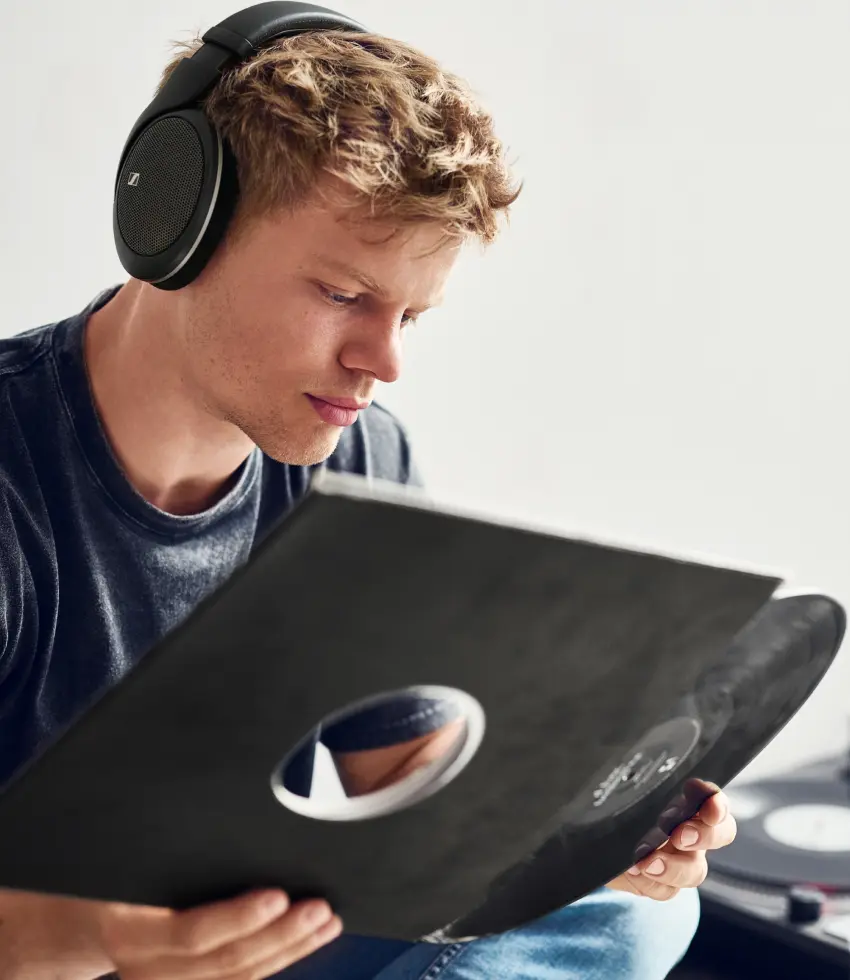
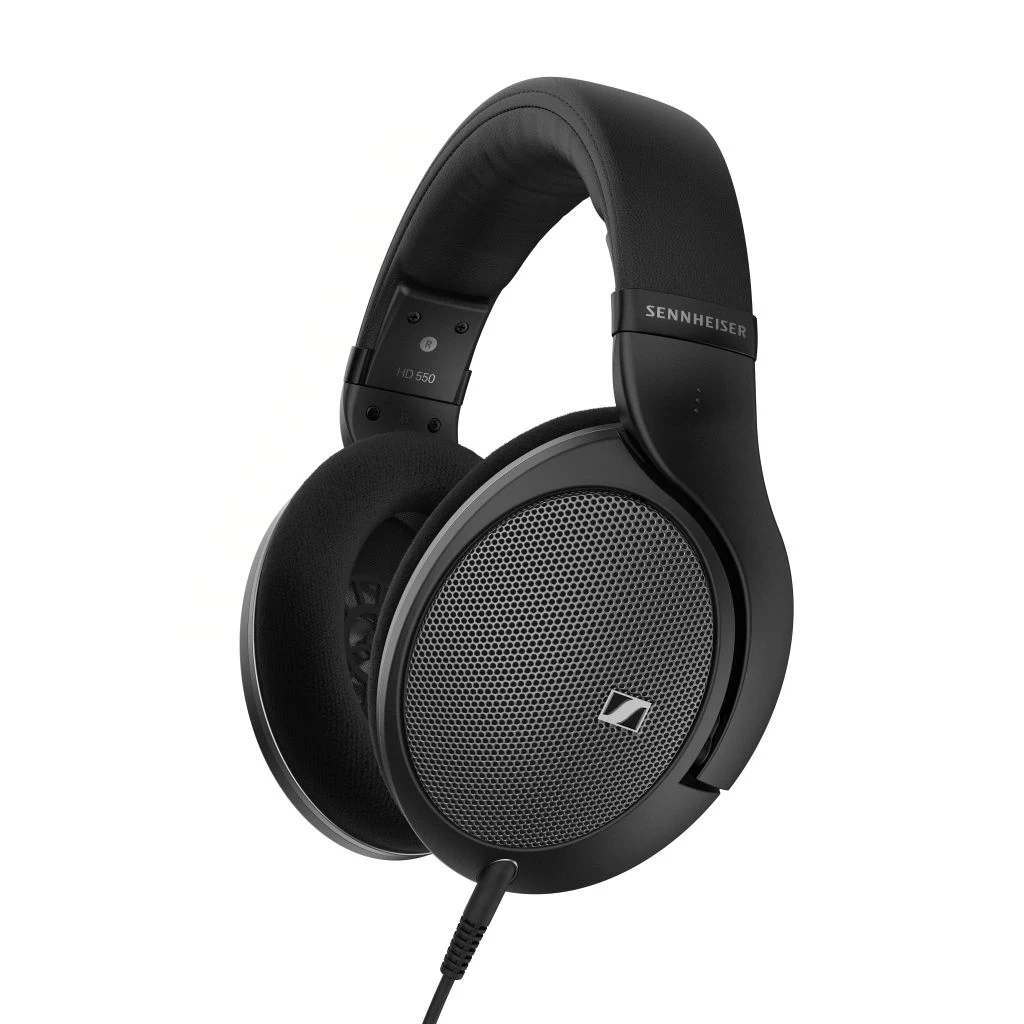
    Sennheiser has launched the HD 550, a pair of open-back headphones that cater to audiophiles and gamers who value clear sound, comfort, and a deeply engaging listening experience.

    Specifications and Features

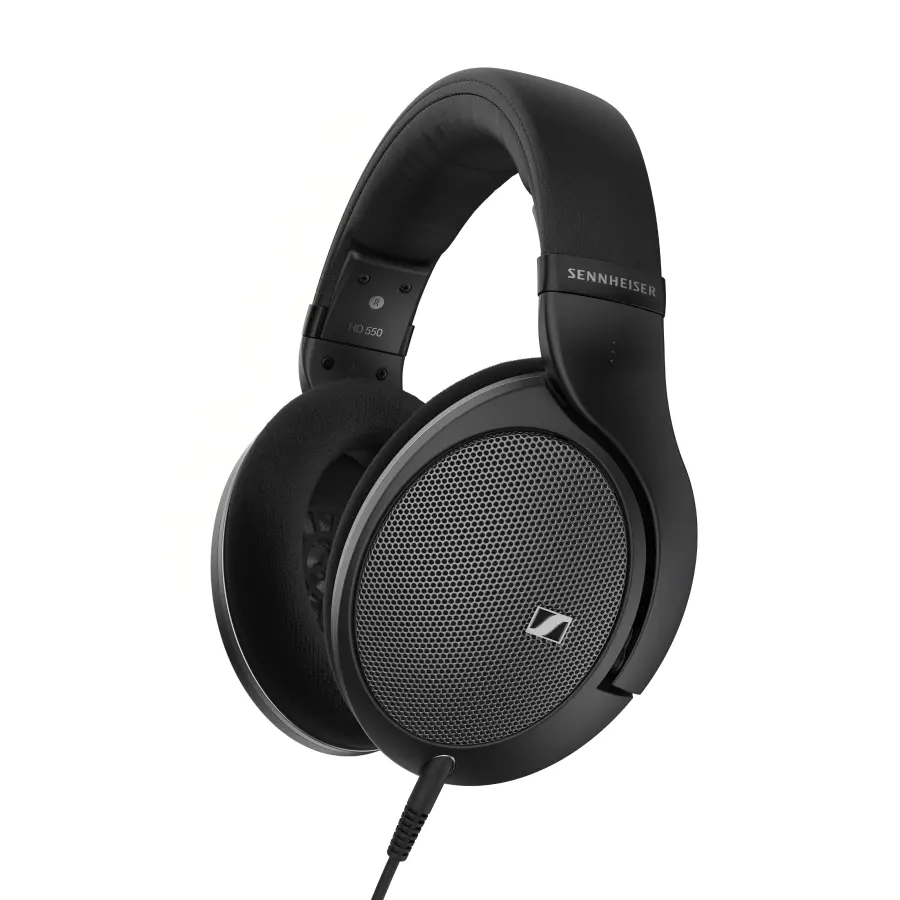
    The HD 550 features a custom-designed 38mm transducer made at Sennheiser’s facility in Ireland, providing a frequency range from 6 Hz to 39.5 kHz with a total harmonic distortion of less than 0.2%. With an impedance of 150 ohms, these headphones work well with various audio devices, including Sennheiser’s HDV 820 amplifier. The open-back style, paired with an acoustic mesh, enhances airflow and enriches the soundstage, while the angled drivers create a more natural listening experience.

    Design and Comfort

    Klaus Hanselmann, who is the Audiophile Product Manager at Sennheiser, describes this model as a mix of detail and comfort: “The HD 550 offers precise sound, rich bass, and a lightweight design—ideal for extended listening periods.” Weighing in at 237 grams (8.4 oz), the headphones have a gentle clamp force, breathable metal mesh earcups, and a robust headband that ensures longevity. Gamers will appreciate the clear spatial audio, and music lovers can look forward to balanced mids and accurate transients.

    Modularity and Accessories

    The modular design means users can easily change cables and earpads. The package comes with a 1.8-meter cable featuring both 3.5mm and 6.35mm adapters, and there are additional balanced or microphone-compatible cables available for purchase separately.

    Pricing and Release Date

    The HD 550 is currently available for pre-order, with shipping set to begin in the first week of April. The starting price is $299.95 USD ($399.95 CAD). Last month, Sennheiser also released the HD 505 open-back headphones. These headphones come equipped with a 120-ohm transducer, a frequency range of 12–38,500 Hz, and provide a wide soundstage. Their price is EUR 279.90 / USD 249.95, and they can be purchased through Amazon and Sennheiser’s official website.

    Source:
    Link


  • boAt Nirvana Crystl Earbuds Launch in India for Rs 2,499

    boAt Nirvana Crystl Earbuds Launch in India for Rs 2,499

    Key Takeaways

    1. The boAt Nirvana Crystl features a unique transparent charging case known as Clear Case Tech.
    2. It offers high-end audio capabilities, including Spatial Audio, 10mm drivers, and 32dB Active Noise Cancellation.
    3. The earbuds provide up to 100 hours of playback on a single charge and have a quick 10-minute charge option for 220 minutes of audio.
    4. Key features include multipoint connectivity, gaming mode with 60ms latency, Google Fast Pair support, and IPX4 water resistance.
    5. Priced at 2,499 INR, the Nirvana Crystl is available in three colors and includes a 1-year warranty.


    boAt has introduced a new addition to its Nirvana lineup with the launch of the Nirvana Crystl, which was first revealed earlier this month. These wireless earbuds boast an attractive design along with high-end features. Let’s delve into the pricing, specifications, and more.

    What Sets the Nirvana Crystl Apart?

    The Nirvana Crystl comes with a distinctive transparent charging case, known by the company as Clear Case Tech. It promises an immersive listening experience with Spatial Audio and 10mm drivers. Additionally, it offers 32dB Active Noise Cancellation (ANC) and ENx technology, enhancing call clarity through its four-microphone system. The Nirvana Crystl also supports multipoint connectivity, enabling users to switch effortlessly between devices.

    Features and Performance

    With a single full charge, these new TWS earbuds can provide up to 100 hours of playback. Just 10 minutes of charging gives you 220 minutes of audio. There is even a gaming mode that reduces latency to just 60ms. Other significant features include Google Fast Pair support, IPX4 water resistance, in-ear detection, Spatial Sound, and compatibility with the boAt Hearables app.

    Pricing and Where to Buy

    The boAt Nirvana Crystl has been launched at a price of 2,499 INR. It is available in three color choices: Yellow Pop, Quantum Black, and Blazing Red. You can purchase these earbuds through the brand’s official website, Blinkit, Flipkart, and Amazon India starting today. Additionally, buyers will receive a 1-year warranty with their purchase.

  • Cherry XTRFY H3 Wireless Gaming Headset with 100-Hour Playtime

    Cherry XTRFY H3 Wireless Gaming Headset with 100-Hour Playtime

    Key Takeaways

    1. Wireless Connectivity: The H3 Wireless features both USB dongle and Bluetooth 5.1 connectivity for multiple gaming platforms.

    2. Enhanced Audio Performance: It uses 53mm dynamic drivers with a frequency response of 20Hz to 20,000Hz and offers customized EQ modes for various audio experiences.

    3. Comfortable Design: The headset has an aluminum frame and memory foam earcups wrapped in protein leather and mesh cloth, designed for prolonged use.

    4. Long Battery Life: It can last up to 100 hours at 50% volume, powered by a 2000mAh battery, and includes a USB-C charging cable.

    5. Affordable Pricing: The H3 Wireless is priced at $99 and is available on the official website and select retailers, though not on major platforms like Amazon or Best Buy.


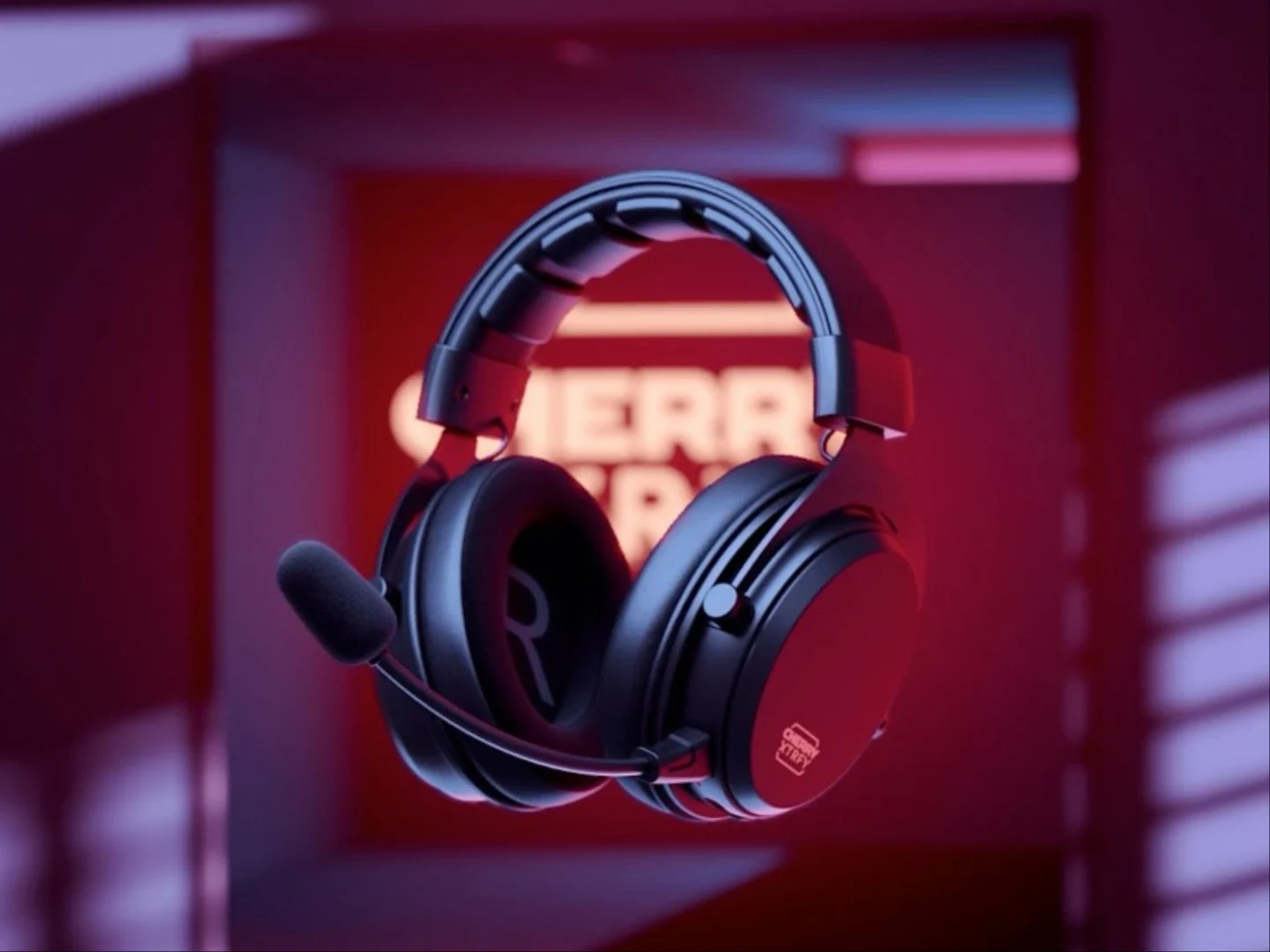
    Cherry XTRFY has introduced a new gaming headset called the H3 Wireless, which offers various enhancements compared to the previous H2 model. Keeping with its design style, the H3 Wireless, as the name implies, features wireless connectivity for multiple gaming platforms. This headset is a closed-back, over-ear model that includes an aluminum frame and memory foam earcups.

    Features and Performance

    The H3 Wireless is equipped with 53mm dynamic drivers, just like its predecessor, the H2. It provides a frequency response range of 20Hz to 20,000Hz and has an impedance of 16 Ohm. This model supports wireless multi-platform connectivity using a USB dongle and Bluetooth 5.1. The USB dongle ensures low latency gaming on devices such as PC, Mac, PS4, PS5, and Nintendo Switch, while the Bluetooth connection allows it to pair with mobile devices. Additionally, there are customized EQ modes available for an enhanced experience when gaming, streaming, or enjoying music.

    Design and Comfort

    The headset features an aluminum frame, and the memory foam earcups are wrapped in protein leather and mesh cloth for added comfort during long gaming sessions. However, the earcups do not rotate flat against the shoulders when not in use. Weighing 325 grams, this weight does not include the detachable omnidirectional microphone. The headset also includes several accessible controls, such as an On/off button, a switch for dongle/Bluetooth, volume control, mic mute, and EQ mode.

    Battery Life and Pricing

    Thanks to its 2000mAh battery, the Cherry XTRFY H3 Wireless can operate for up to 100 hours at 50% volume. A 2m USB-C to USB-A cable is provided for charging when the battery gets low.

    The H3 Wireless is priced at $99 and can be found on the official website and select retailers. Currently, it does not appear to be available on Amazon, Newegg, or Best Buy. The headset is offered only in a single black color option.

    Source:
    Link

  • Sennheiser Launches Affordable HD 550 Open-Back Headphones

    Sennheiser Launches Affordable HD 550 Open-Back Headphones

    Key Takeaways

    1. Open-Back Design: The HD 550 headphones feature an acoustic mesh for an expansive soundstage, enhancing audio experiences for gamers and music lovers.

    2. High-Quality Audio Specs: Equipped with 38 mm drivers, these headphones deliver a frequency range of 6 Hz to 39.5 kHz with less than 0.2% total harmonic distortion.

    3. Comfortable for Long Use: Designed with a cushioned headband and soft earpads, the lightweight HD 550 ensures comfort during extended listening sessions.

    4. Gamer-Friendly Connectivity: The 1.8 m cable supports 3.5 mm and 6.35 mm plugs, eliminating Bluetooth delays and battery life concerns for gamers.

    5. Affordable Price Point: Set to retail for $299.95 upon launch in April, the HD 550 offers high performance for both audiophiles and gamers.


    Sennheiser recently introduced their HD 550 open-back headphones, which cater to both gamers and fans of contemporary music. The headphones feature an acoustic mesh over each ear cup, allowing sound to flow freely and providing a vast soundstage, something that closed-back headphones can’t replicate.

    Impressive Audio Specs

    The HD 550 is equipped with 38 mm drivers that deliver a broad frequency range from 6 Hz to 39.5 kHz, boasting less than 0.2% total harmonic distortion (THD) at 150 ohms. This extended frequency range ensures that high-resolution audio files from streaming services like Qobuz are reproduced with remarkable detail.

    Comfortable Design for Extended Use

    The headphones come with a cushioned, synthetic leather headband and a low-clamping force design, along with soft earpads, which make them comfy for long listening sessions. Weighing only 237 grams (8.4 oz.), the HD 550 is easy to wear for hours on end.

    Gamer-Friendly Features

    For gamers, the long 1.8 m (5.9 ft.) cable can easily connect to 3.5 mm plugs or, using the provided adapter, to 6.35 mm plugs. This feature helps avoid the frustrating delays often associated with Bluetooth headphones, as well as worries about battery life.

    The Sennheiser HD 550 is set to retail for $299.95 when it launches in April, and it will also be available for purchase on Amazon via the Sennheiser store.

    The new HD 550 offers an appealing option for audiophiles and gamers looking for superior performance that exceeds its price point.

    Source:
    Link