Category: Artificial intelligence

  • Reliance and Nvidia Join Forces for AI Infrastructure in India

    Reliance and Nvidia Join Forces for AI Infrastructure in India

    First revealed in September 2023, Nvidia has reaffirmed its dedication to establishing a foundation for AI infrastructure in India. They have teamed up with Reliance Industries, a major conglomerate based in Mumbai.

    A Great Moment for India

    During Nvidia’s AI Summit in Mumbai, Mukesh Ambani, the Chairman of Reliance, stated, “This presents a fantastic chance for India” to leverage its “large pool of computer engineers.” Together, the two firms will work towards creating a scalable power infrastructure, which will have a capacity of 1 gigawatt and utilize green energy sources.

    Building AI Infrastructure

    “To lead in artificial intelligence, it’s crucial to have AI tech that India possesses, data, and finally, an AI infrastructure,” Huang noted, as reported by Mint. He announced the partnership between Reliance and Nvidia to construct this AI infrastructure in India.

    Previous Collaborations

    In the previous year, the two companies had pledged to develop AI supercomputers in India, aiming to create extensive LLMs that are trained in local languages. Nvidia will supply the necessary technology while Reliance will oversee the infrastructure’s maintenance. In addition to Reliance, Nvidia has also disclosed collaborations with several Indian IT companies, such as Tata Consultancy Services (TCS), Tech Mahindra, Infosys, and Wipro.

    Nvidia, Mint
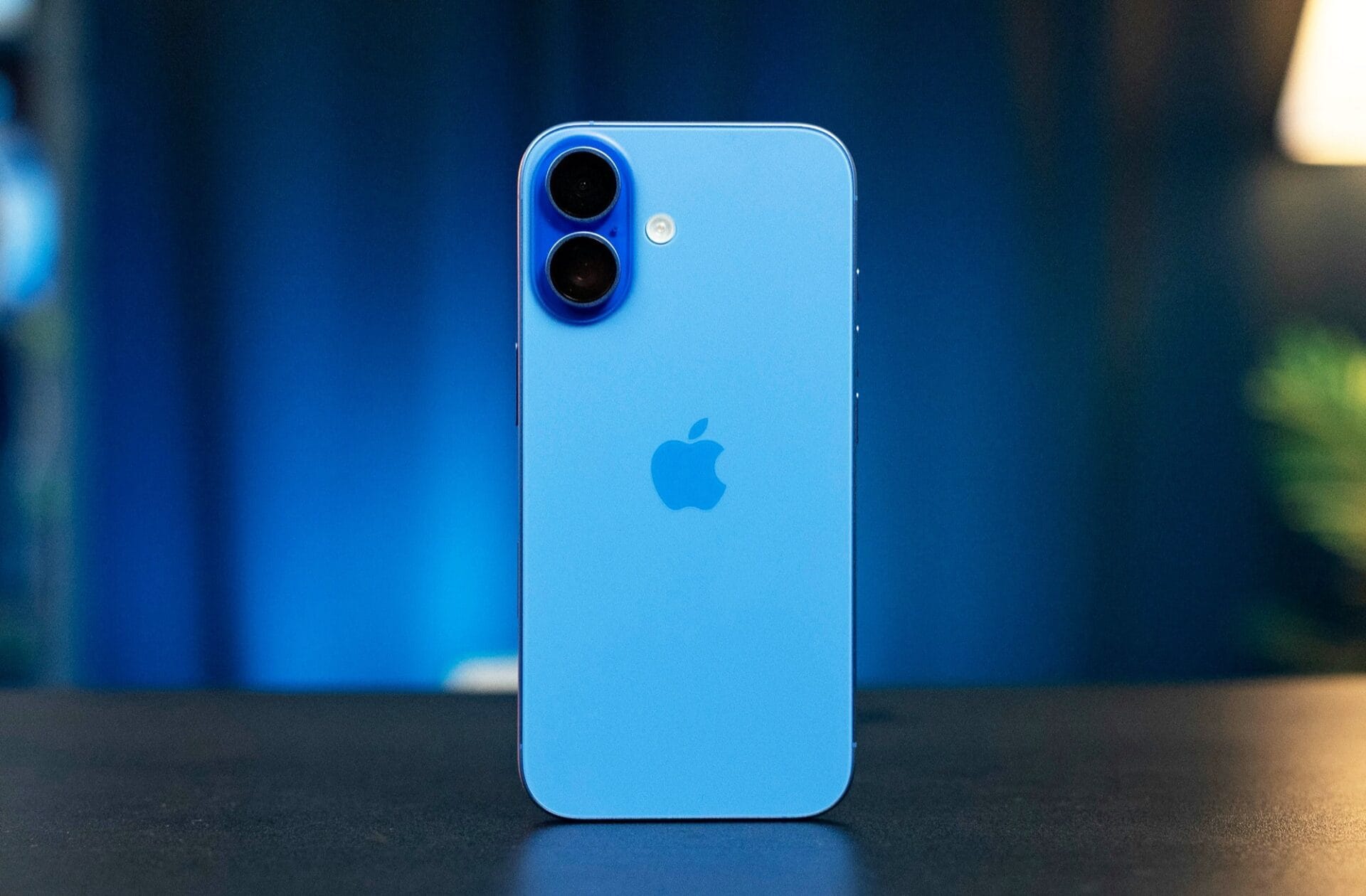
  • Apple Critiques AI Photos: iPhone Should Capture Reality, Not Fantasy

    Apple Critiques AI Photos: iPhone Should Capture Reality, Not Fantasy

    Apple’s software chief, Craig Federighi, recently shared insights with the Wall Street Journal about Apple Intelligence and the upcoming AI features that will be launched next week for users in the US with the release of iOS 18.1. European users can expect to see these features at a later time. Initially, Apple Intelligence will provide just a handful of features, utilizing the GPT-4o AI model, the same one that powers ChatGPT, for some functionalities.

    Limited Features in iOS 18.1

    This cautious approach towards AI, particularly in image processing, appears to be a deliberate choice. In the iOS 18.1 update, Apple introduces just one AI capability in the Photos app called "Clean Up." As demonstrated in the video below, this feature lets users easily erase unwanted items from their photos with a simple tap, much like Google’s Magic Eraser has offered for some time. Federighi mentioned that there were extensive internal debates at Apple about whether the "Clean Up" feature might go too far, as removing objects could mean that a photo no longer accurately represents reality.

    Comparison with Competitors

    In contrast, Google and Samsung are pushing the boundaries of AI in image editing much more aggressively. Google’s Magic Editor not only has the ability to eliminate objects but can also insert new elements, zoom in on subjects, rearrange them, or even replace the sky to alter the image’s atmosphere. Federighi voiced his worries that such capabilities may lead people to see pictures less as truthful representations and more as imaginative creations. As a result, differentiating between authentic photography and AI-generated images could become increasingly challenging in the future.

    Addressing Authenticity in Photography

    Adobe has proposed a potential answer with its Content Credentials, a system designed to confirm the authenticity of photos and track their editing history. However, the limitation is that only images taken with cameras compatible with this platform are eligible for verification, including models like the Leica M11-P, Sony A1, A7S III, and A9, as well as the Nikon Z6 III. Some of these camera models will receive support only after a future firmware upgrade.

  • Nvidia Collaborates with Indian IT Firms for AI Development Boost

    Nvidia Collaborates with Indian IT Firms for AI Development Boost

    Nvidia is teaming up with Indian IT companies like Infosys, TCS, Tech Mahindra, and Wipro to boost AI development in India. The firm believes this "great upskill" initiative will pave the way for "a new wave of opportunity."

    New Job Creation and Training

    The goal is to generate fresh job opportunities while preparing the next generation of AI developers. Tech Mahindra has set up a Center of Excellence (CoE) that will leverage Nvidia’s AI enterprise solutions to embed generative AI into business applications. They are working on Project Indus 2.0, which is a specialized AI model aimed at understanding Hindi and its various dialects. This model utilizes Nvidia’s Nemotron-4-Mini-Hindi-4B, a four-billion-parameter linguistic small-language model, trained with "real-world Hindi data, synthetic Hindi data and an equal amount of English data."

    Expanding AI Solutions

    In addition to Tech Mahindra’s efforts, Tata Consultancy Services (TCS) has rolled out enterprise solutions targeting the automotive, manufacturing, telecommunications, financial, and retail sectors. They have successfully trained "50,000+ AI associates" to assist clients in enhancing their skills and executing AI strategies.

    Wipro has developed a generative AI studio that employs Nvidia AI enterprise solutions to speed up applications in supply chains, user agents, retail, and beyond. Meanwhile, Infosys Topaz is designed to aid companies in weaving generative AI into their daily operations. Companies like Reliance and Ola Electric have also shared their plans to utilize Nvidia’s Omniverse simulation technology for testing factory layouts prior to their implementation.

    A Promising Future for AI in India

    According to a report by Reuters, during his speech at the Nvidia AI Summit currently happening in Mumbai, CEO Jensen Huang mentioned that by the end of this year, India is expected to possess "20 times more compute power than just a little over a year ago."

    Nvidia, Tech Mahindra, Project Indus, Tata Consultancy Services, Wipro, Reuters, Image Source

  • New MvACon AI Enhances Self-Driving Car Perception Accuracy

    New MvACon AI Enhances Self-Driving Car Perception Accuracy

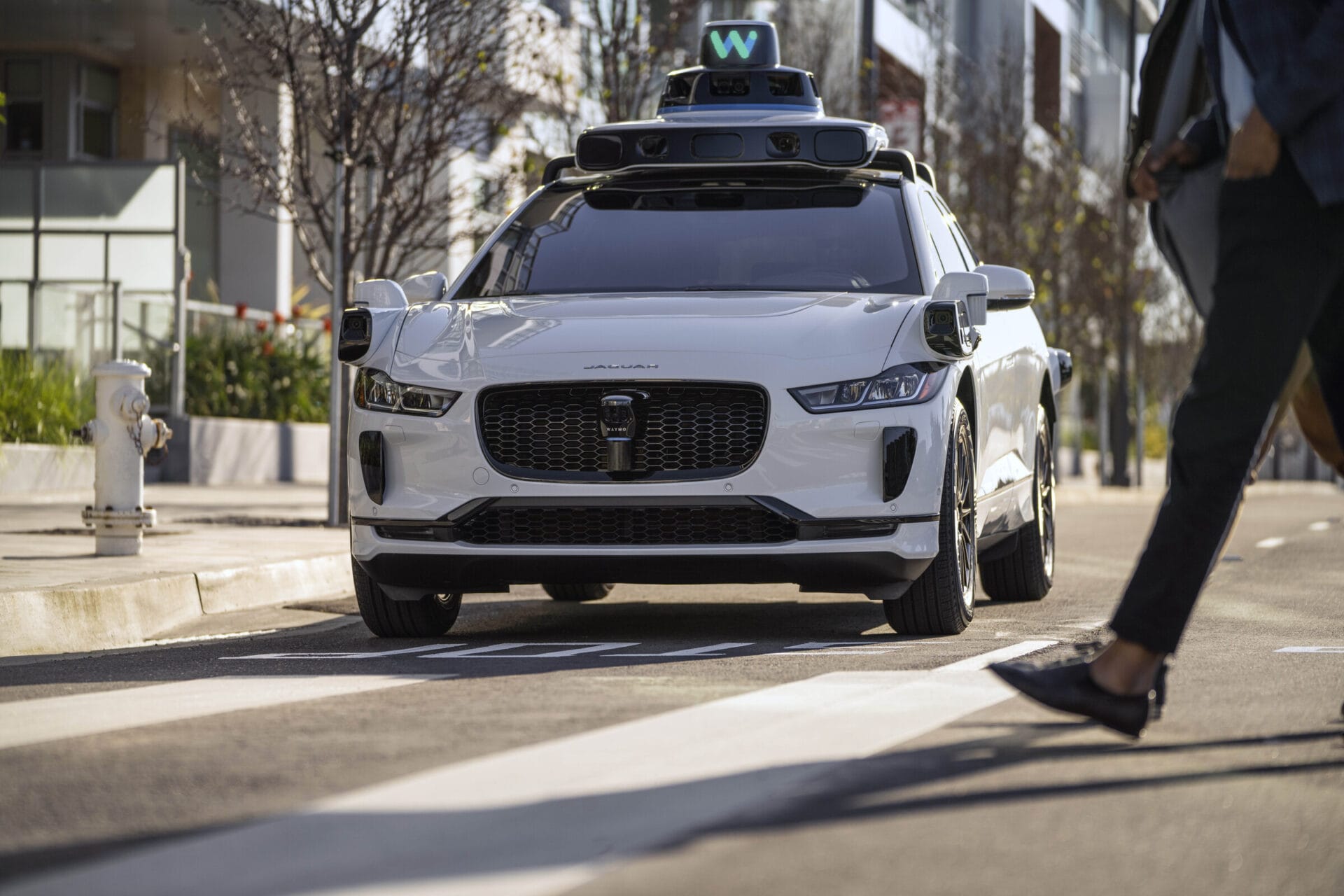
    Researchers at North Carolina State University have come up with a fresh method to assist self-driving cars in understanding their surroundings more effectively. This innovative system, called Multi-View Attentive Contextualization (MvACon), tackles some of the usual problems seen in existing vision transformer AI models that are designed to detect objects in 3D from various perspectives.

    Enhanced Detection Performance

    To evaluate its effectiveness, the team conducted multiple experiments using the nuScenes dataset, which is well-known in the realm of autonomous driving. MvACon significantly improved detection accuracy across different leading vision systems. When integrated with the BEVFormer system, it demonstrated noticeable advancements in identifying object locations, predicting their orientations, and estimating their speeds.

    Local Object-Context Awareness

    The researchers discovered that the attention mechanism of MvACon, which concentrates on clusters, keeps the detection precise for both vehicles and surrounding structures. They refer to this as a "local object-context aware coordinate system," suggesting that the system gains an enhanced understanding of spatial relationships, which is crucial for effectively tracking movement and orientation.

    Compatibility and Versatility

    A standout feature of this technology is its ease of integration into existing autonomous vehicle vision systems without requiring additional hardware. Regardless of the configuration, it consistently enhances performance, making it a versatile tool for various implementations.

    Testing results indicate that the system operates well even in complex situations with numerous overlapping objects.

  • AI Analyzes Stool to Assess Digestive Health and Gut Intelligence

    AI Analyzes Stool to Assess Digestive Health and Gut Intelligence

    Throne is a fresh company with a small team of five people. Founded in 2023, the start-up, run by managing directors Scott Hickle and Tim Blumberg, has successfully secured $1.2 million in funding. They are now taking pre-orders for their toilet camera priced at $299, but this offer is limited to the United States. The initial shipment of these devices is expected in the spring of 2025. After the pre-order stage, the health gadget will be available for approximately $500.

    Product Features

    The camera is designed to be mounted on the toilet rim, capturing images of stool and urine. An AI, developed with the help of doctors, evaluates these images to provide insights about intestinal health and hydration levels. This "toilet camera" aims to identify food intolerances, evaluate the effectiveness of probiotics, and keep track of hydration. The technology is known as "artificial gut intelligence." Users can analyze the collected data through a dedicated app.

    Privacy Concerns

    If the toilet camera proves effective, it may play a significant role in detecting bowel diseases at an early stage. However, it does raise concerns regarding user privacy. The Throne team recognizes that being monitored in the bathroom is uncomfortable for many people.

    The company assures users that their data will be anonymized and transmitted securely, employing TLS 1.2 encryption. Unnecessary recordings will be deleted automatically, and users can access their data or request its complete removal. Ultimately, it is up to each person to determine if the benefits of monitoring bowel health outweigh the discomfort of being surveilled in such a personal space as the bathroom.


    Image 1
  • Baidu CEO: 99% of AI Companies Likely to Fail Despite Boom

    Baidu CEO: 99% of AI Companies Likely to Fail Despite Boom

    Baidu’s CEO, Robin Li, believes that the AI sector is on the verge of a significant market correction, similar to the dot-com bubble of the late 1990s. Speaking at the Future of Business conference hosted by Harvard Business Review, he expressed his opinion that maybe only one percent of the current AI firms will endure and provide genuine value to society.

    The Rapid Rise of AI

    Recently, the AI industry has been experiencing explosive growth. Nvidia’s market capitalization soared from $300 billion to an astonishing $3.4 trillion within a mere two years. Major players like Google, Microsoft, and Apple are heavily investing in AI initiatives, pouring vast sums into these projects. Chip manufacturers such as AMD and Intel have also revamped their server-grade products to cater to the demands of AI computing.

    AI’s Journey Towards Accuracy

    Li highlighted the remarkable progress AI has made, particularly in addressing its previous inaccuracies. "I think over the past 18 months, that problem has pretty much been solved—meaning when you talk to a frontier model-based chatbot, you can basically trust the answer," Li remarked during the conference.

    A Cautious Outlook on the Future

    Despite the current excitement surrounding AI, Li cautioned that this trend is likely to lead to a bubble. He believes the industry must streamline itself, cutting out products that fail to meet customer needs. However, he is not overly concerned about AI significantly displacing jobs in the near future. Li estimates that it could take anywhere from 10 to 30 years before we see substantial changes in the workplace due to AI advancements.

    TomsHardware (in English) via Baidu (in English)

  • Nvidia and India Discuss AI Chip Development Collaboration

    Nvidia and India Discuss AI Chip Development Collaboration

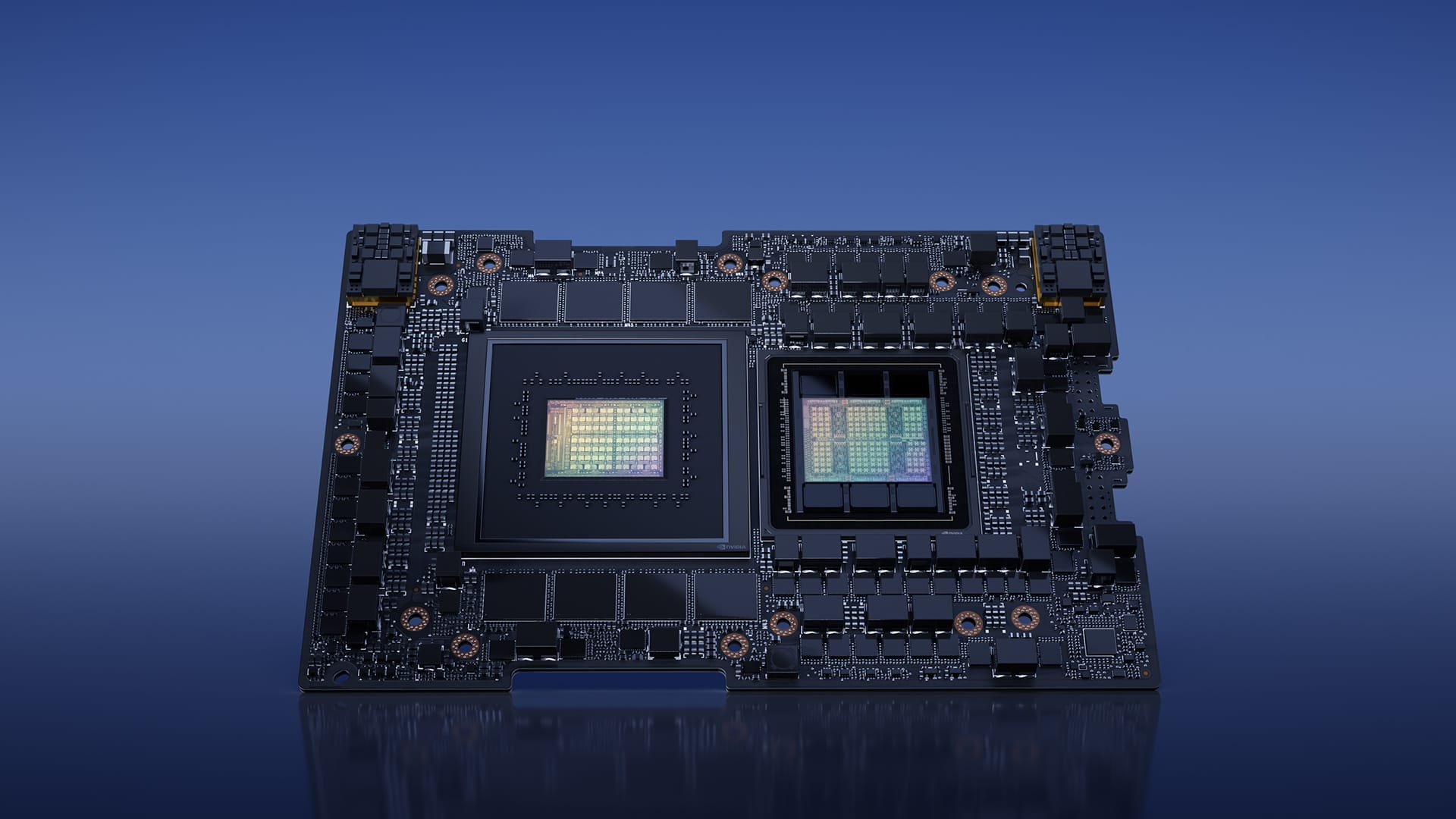
    Nvidia has put forward a plan to work with India on an AI chip production project, as mentioned by The Economic Times.

    Preliminary Discussions

    Aswini Vaishnaw, India’s Electronics and IT Minister, shared with The Economic Times that discussions are "at a preliminary stage" regarding "the development of an AI chip."

    Custom Solutions for India

    Nvidia aims to tap into India’s talent for chip design to create a specialized AI chip tailored for various applications in the country. This includes potential uses in security systems and could also support Indian startups in developing their own applications.

    Earlier in March, The Register highlighted that the Indian government approved a significant fund of ₹10,300 Crore ($1.24 billion) to enhance the country’s AI infrastructure.

    New Educational Initiatives

    The initiative will also establish a new academic center named "IndiaAI Innovation Centre," which will focus on the development, training, and deployment of foundational AI models.

    If everything proceeds smoothly, Nvidia could oversee the main design of the chip, while India’s Centre for Development of Advanced Computing (C-DAC) would adapt and tailor it to meet local requirements. Alternatively, customization might be taken care of by private companies.

    A government official mentioned to The Economic Times, “India is the top choice due to the sheer size of the talent available in chip design, which no other country has.”

    The source further explained, "The government is currently thrashing out the details such as costing, benefits, and use cases of such a co-developed chip."

    @narendramodi on X, The Economic Times, The Register

  • Apple Study Shows AI Language Models Can Drop Accuracy 65%

    Apple Study Shows AI Language Models Can Drop Accuracy 65%

    A new research conducted by a group of experts at Apple is changing our perspective on the intelligence behind large language models (LLMs) such as ChatGPT. The investigation, headed by Iman Mirzadeh, introduced a fresh assessment known as GSM-Symbolic to evaluate the performance of these AI frameworks in math and logical reasoning tasks.

    Findings Reveal Limitations

    The results weren’t impressive for the AI systems. When researchers included random additional information in the questions, the accuracy of the models plummeted significantly—sometimes by as much as 65 percent—even though the main question remained untouched. This indicates that these AI entities do not truly comprehend the tasks they’re assigned.

    Understanding vs. Appearing Intelligent

    The research highlights a crucial distinction between seeming intelligent and truly understanding concepts. Many responses generated by AI might appear correct at first glance, but upon closer inspection, they often unravel. This underscores the fact that speaking like a human does not equate to thinking like one.

    Rethinking Our Trust

    Due to these findings, the study encourages us to reconsider the level of trust and reliance we place on these AI systems. While they are capable of performing remarkable feats, they also exhibit considerable weaknesses, particularly with complex or challenging problems. Acknowledging these shortcomings is vital for the responsible use of AI technologies.

    In conclusion, this research serves as a reminder that, even though AI can provide assistance, we must remain vigilant about its capabilities and limitations. As these technologies increasingly integrate into our daily routines, understanding their boundaries will be essential for using them wisely and ethically.

  • Google Partners with Kairos Power for Nuclear-Powered Data Centers

    Google Partners with Kairos Power for Nuclear-Powered Data Centers

    Google is launching an ambitious initiative to employ small nuclear reactors to supply energy for its AI data centers. They have partnered with Kairos Power to realize this vision, aiming to have the first reactor operational by the decade’s end and to introduce additional reactors by 2035.

    Innovative Cooling Methods

    Unlike traditional reactors that use water, these new systems will utilize molten salt for cooling, enhancing efficiency and being more environmentally friendly. The technology from Kairos Power emphasizes smaller, adaptable reactors, which outperform the conventional large nuclear facilities that most people are familiar with.

    Meeting Energy Demands

    As the need for AI technology soars, finding a clean, steady, and dependable energy source has become critically important. Nuclear energy, being carbon-free and capable of delivering continuous power, aligns perfectly with the tech sector’s objective to lower its carbon emissions.

    Michael Terrell, who is Google’s Senior Director for Energy, emphasized that this innovative energy strategy will enhance AI capabilities while remaining environmentally responsible.

    Regulatory Hurdles Ahead

    However, the project faces some challenges. It must navigate rigorous regulatory frameworks. The arrangement requires clearance from the US Nuclear Regulatory Commission as well as local authorities in the regions where the reactors will be built. These approvals can take a long time and are accompanied by strict safety and environmental guidelines.

    Google isn’t the sole company exploring nuclear energy. Other major corporations, such as Amazon and Microsoft, are also considering it. Amazon intends to acquire a nuclear-powered data center in Pennsylvania, while Microsoft is working on reviving the old Three Mile Island nuclear facility.

    Future of Data Center Energy

    Nuclear energy presents a robust solution, especially since energy consumption in data centers is projected to double by 2030. It provides clean, uninterrupted power, which is a major advantage for tech firms looking to innovate while minimizing their carbon footprint.

    Nonetheless, nuclear energy continues to provoke discussion due to its waste production and safety concerns. Yet, its near-zero carbon emissions position it as a strong competitor in the industry’s efforts to reduce pollution.

    Google’s collaboration with Kairos Power is indicative of a larger movement, as technology giants pivot towards alternative energy solutions to satisfy the growing needs of AI and digital infrastructure while being mindful of sustainability.

  • Terms Update Allows X to Sell User Data to Third Parties

    Terms Update Allows X to Sell User Data to Third Parties

    The social media site X, which used to be called Twitter, has updated its general terms and conditions (T&Cs). Now, these terms permit the sharing of customer data with third parties. This allows X to sell user data to various companies, which can then utilize it for their own needs, like training their artificial intelligence systems.

    Changes Coming Soon

    These alterations to the T&Cs will take effect on November 15, 2024, and will automatically apply to all users. The new privacy policy mentions:

    “If you do not opt out, recipients of the information may in some cases use it for their own independent purposes, including, for example, to train their artificial intelligence models, in addition to the purposes specified in X’s Privacy Policy.”

    Criticism and Concerns

    X has faced backlash for its management of user data for a while now. In 2023, the firm, owned by Elon Musk of Tesla and SpaceX fame, was criticized by the EU Commission for breaching the General Data Protection Regulation (GDPR) and the Digital Services Act (DSA). This incident involved unlawful micro-targeting in political ads. The recent modifications to the terms and conditions are expected to intensify discussions about user data protection.

    Users can choose to object to their data being shared. However, this requires them to take action, which means they must be aware that their data is being shared in the first place. Even though there are still a few days until October 15, X has yet to disclose where users can find the opt-out option.

    New Measures Against Data Collectors

    Alongside the updates to the data protection policy, X is also putting stricter rules in place against external data harvesters. The new T&Cs will impose hefty fines for those using automated tools to gather large amounts of data from the platform. If an account is found to be viewing 1 million posts in a 24-hour period, it will incur a fine of $15,000, with the same penalty applying for each additional million posts viewed.