Category: All News

  • Microsoft Majorana 2: Quantum Computing Goal of 2029

    Microsoft Majorana 2: Quantum Computing Goal of 2029

    Key Takeaway

    – Majorana 2 qubits are significantly more reliable, with a mean lifetime of 20 seconds (up to a minute), compared to microseconds in conventional systems.
    – The chip operates at microsecond speeds and is small enough for large-scale deployment.
    – Microsoft claims these advances put it on track for a commercially useful quantum computer by 2029.
    – Practical applications include new medicines, advanced materials, battery tech, and logistics optimization.
    – The announcement follows prior scrutiny of Microsoft’s topological qubit evidence for Majorana 1.


    New Quantum Chip Details Emerge

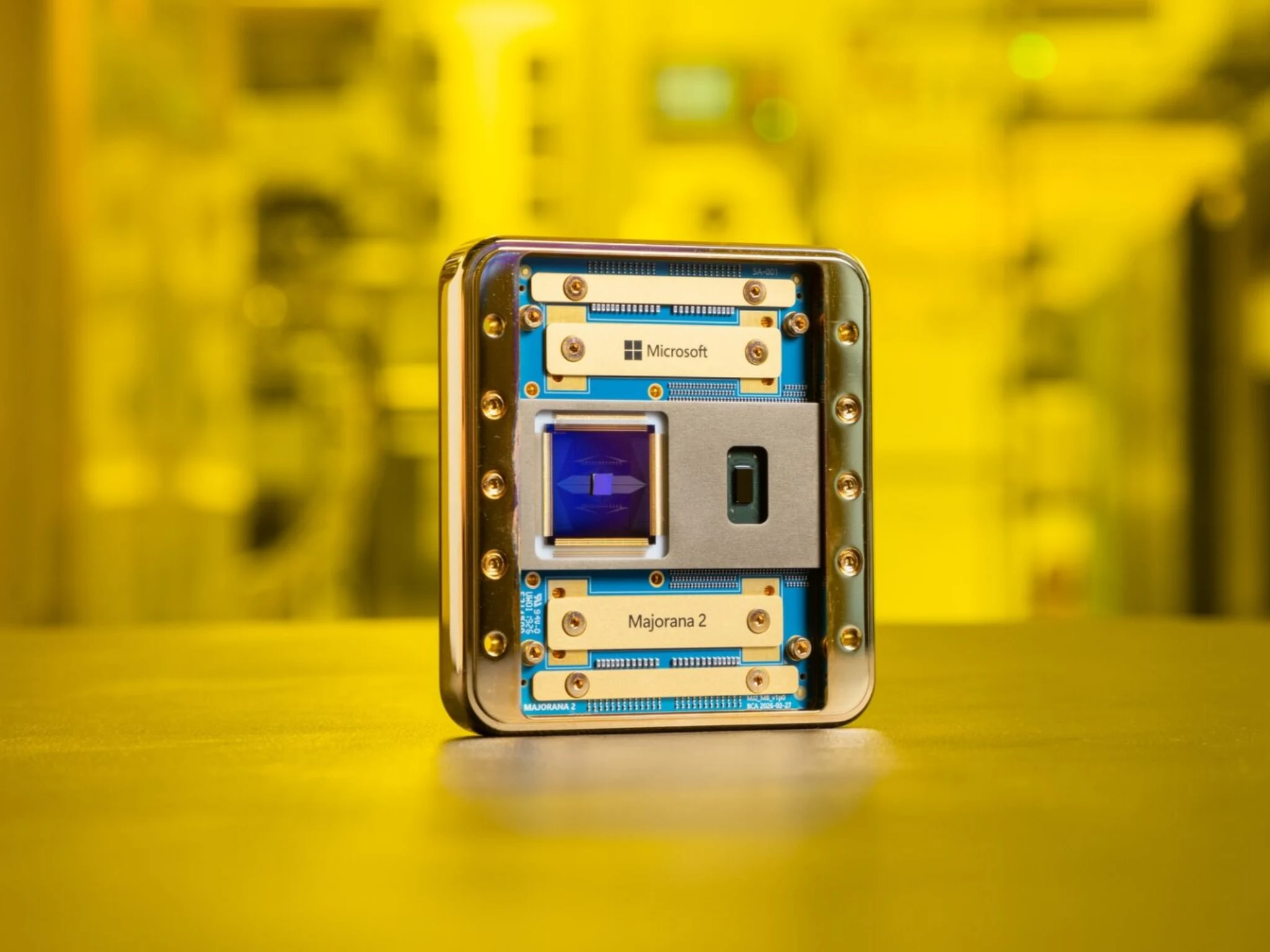
    Microsoft has unveiled Majorana 2, the latest iteration of its topological quantum computing chip, claiming a dramatic leap in reliability that could accelerate its roadmap toward a commercially useful quantum computer by 2029. The company says the new chip’s qubits are more reliable than those used previously, and maintain their quantum state for up to a minute in some cases, and operate at microsecond speeds while remaining small enough for large-scale deployment.

    Key Specifications and Performance

    According to Microsoft, Majorana 2 delivers a mean qubit lifetime of 20 seconds, sometimes going up to a minute. This is a substantial improvement over conventional quantum systems that often measure qubit stability in microseconds. The company believes these gains in reliability, speed, and size put it on track to solve practical problems spanning healthcare, energy, sustainability, and food production within the decade.

    Understanding Qubit Reliability

    For more context, a qubit, or quantum bit, is the quantum equivalent of a traditional computer bit. Unlike conventional bits that can only be either 0 or 1, qubits can exist in multiple states simultaneously, allowing quantum computers to tackle certain calculations far more efficiently. The challenge is that qubits are extremely fragile and can lose their quantum state almost instantly due to environmental interference. So, that remains the biggest hurdle in the way of corporations working with these sub-micro compute technologies.

    Practical Applications and Limitations

    Majorana 2 will not make smartphones or laptops faster anytime soon. Instead, it represents progress toward practical quantum computers that could help develop new medicines, discover advanced materials, improve battery technology, optimise logistics networks, and solve scientific problems beyond the reach of today’s supercomputers.

    Industry Scrutiny and Verification Concerns

    The announcement arrives amid ongoing scrutiny surrounding Microsoft’s topological quantum computing efforts. Previously, several researchers questioned the evidence behind Microsoft’s claims surrounding Majorana 1 and its topological qubit architecture, arguing that published research lacked sufficient proof of the elusive Majorana particle.

    Additional Platform Launch

    Alongside the hardware announcement, Microsoft also launched the general availability of Microsoft Discovery, an AI-powered research platform that the company says is helping scientists analyse data, automate measurements, optimise fabrication processes, identify hidden faults, and accelerate scientific discovery.

    Sources
  • June 9 Patch Tuesday: Secure Boot Deadline Looms

    June 9 Patch Tuesday: Secure Boot Deadline Looms

    Key Takeaway

    – June 9 is the final Patch Tuesday before Secure Boot certificates expire on June 24; any unpatched device will lose future boot-security protections.
    – Devices that missed the May deployment now have a compressed 15-day window; treat June 9 as emergency triage, not a normal cycle.
    – Run the PowerShell command to check registry key `UEFICA2023Status`; “Failed” status requires immediate manual remediation.
    – Windows Server 2025 with BitLocker Group Policy needs extra caution and a test deployment due to unresolved recovery bug.
    – Completing the certificate transition before June 24 is urgent, but the October 2026 expiration of the Windows Production PCA 2011 remains the most critical long-term risk.


    Microsoft’s Upcoming Patch Tuesday Carries Unprecedented Boot Security Stakes

    Microsoft’s June 9 Patch Tuesday is a few days away, and it carries more weight than any routine monthly update. It is the final structured deployment window before the 2011-era Secure Boot certificates begin expiring on June 24, leaving any unpatched device in a degraded boot-security state from that date. The certificate expiration window runs June 24-27. The Microsoft Corporation KEK CA 2011 expires June 24, the Microsoft UEFI CA 2011 expires June 27, and the Microsoft Windows Production PCA 2011 follows in October. Devices that have not recieved the 2023 replacement certificates before June 24 will not stop working, but they will lose the ability to recieve future boot-level security protections, including updates to the Windows Boot Manager, Secure Boot revocation lists, and fixes for newly discovered boot-chain vulnerabilities.

    Rollout Timeline and Enterprise Pressure

    Microsoft has been rolling out the 2023 replacement certificates since February 2026 through cumulative updates, with the May 12 Patch Tuesday advancing that rollout further. Organisations that delayed the May deployment are now facing a compressed window. The gap between June 9 and the June 24 expiration date is 15 days. For enterprise teams managing large device fleets, that is not a comfortable runway. Security analysts have clearly flagged the pressure. The decision to defer May deployment to June has reduced the avalible window by more than 60 percent. Any organisation assuming June 9 restores a normal deployment timeline is wrong. June 9 is emergency triage for teams that missed May.

    Pre-Deployment Verification Commands

    Before June 9, IT administrators should run the following PowerShell command with administrator privileges to check certificate status on any device in question: Get-ItemProperty -Path “HKLM:SYSTEMCurrentControlSetControlSecureBootServicing” -Name UEFICA2023Status. The expected result for an OS-driven migration is “Completed.” Crucially, a “NotStarted” status is not an automatic failure; it often indicates that the device is already secure because the OEM has injected the 2023 certificates natively via a recent BIOS update. The real red flags to hunt for are a status of “Failed” or hex codes populated in the adjacent UEFICA2023Error key. Anything hitting those failure states after the June 9 deployment requires immediate, manual remediation.

    Server 2025 BitLocker Issues

    Devices running Windows Server 2025 with certain BitLocker Group Policy configurations require extra caution. The boot-to-BitLocker-recovery bug originated in the April 2026 update cycle. The May update resolved it for Windows 11, but the fix for Windows Server 2025 remains pending, and the behaviour is volatile in some configurations. Server 2025 enviroments should complete a test deployment before rolling June 9 updates fleet-wide. June 9 is also expected to address vulnerabilities discovered since the May 12 release, including any that have entered active exploitation in the weeks between cycles.

    Netlogon Flaw and Active Exploitation

    The Netlogon flaw CVE-2026-41089, flagged as actively exploited by the Centre for Cybersecurity Belgium on May 29, is already patched via the May update. Any devices that have not applied that fix should treat June 9 as a double-priority deployment. Completing the Secure Boot certificate transition before June 24 closes the most urgent window but is not the end of the process. The Microsoft Windows Production PCA 2011 certificate, which signs the Windows bootloader itself, expires in October 2026. That is the most structurally significant of the three expirations and the one that carries the greatest long-term boot integrity risk for devices that miss it. June 9 Patch Tuesday is scheduled to release at 10:00 AM PST.

  • Xiaomi 10,000mAh Pocket Power Bank with Built-In Cable

    Xiaomi 10,000mAh Pocket Power Bank with Built-In Cable

    Key Takeaway

    – Updated to meet China’s 2026 stricter battery safety standards
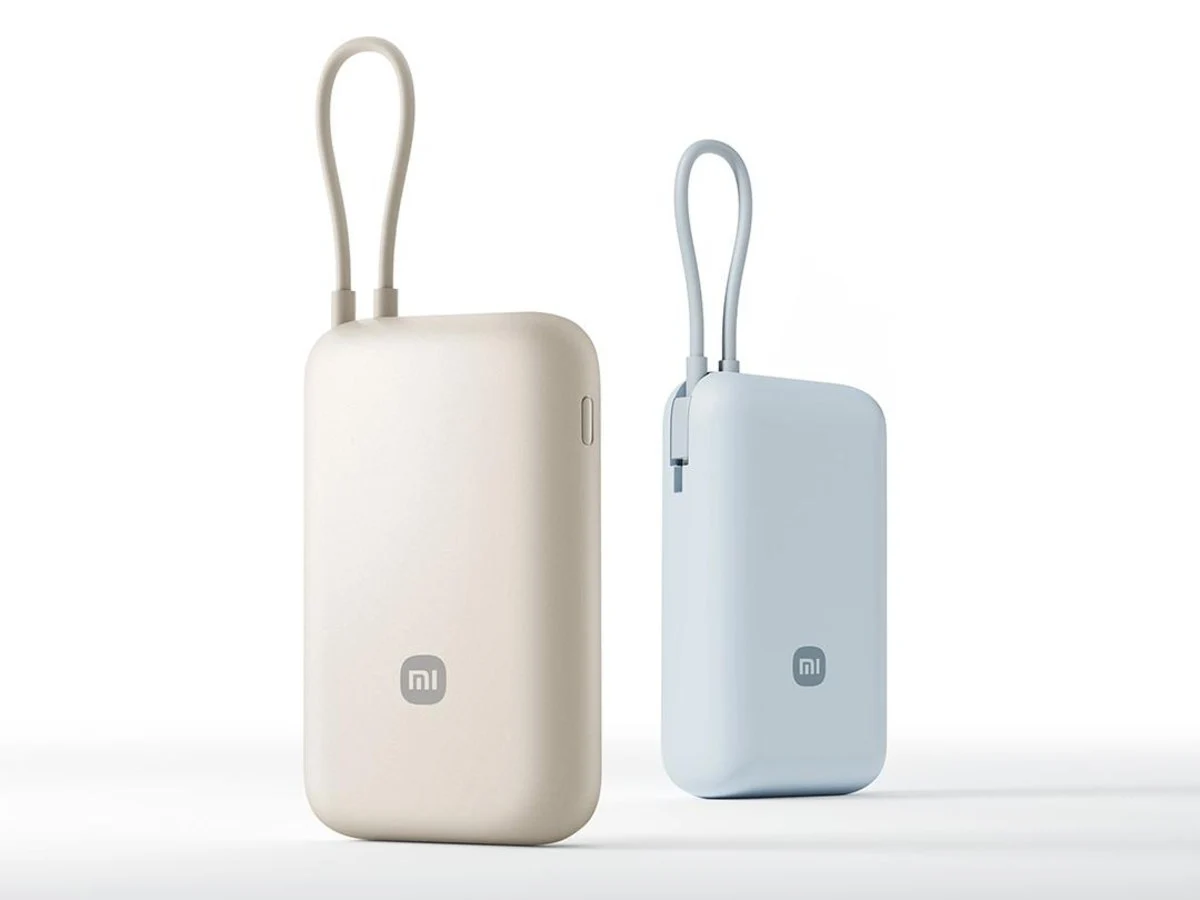
    – Built-in USB-C cable that doubles as a lanyard
    – Charges up to three devices simultaneously
    – 22.5W max charging speed, 10,000mAh capacity
    – Connects to a laptop to view battery info via USB-C


    Power Bank from Xiaomi Hits China

    The Xiaomi 10000mAh Pocket Edition Power Bank with Built-in Cable (2026) has been released in China. It is essentually a refreshed version of Xiaomi’s popular compact power bank, with the main upgrade beeing compliance with China’s 2026 portable power bank standard.

    Tuffer Safety Rules

    The revised standard introduces stricter battery safety requiremments, including needle penetration, compression, and overcharging tests designed to reduce the risk of fire and explosions. Xiaomi has priced the upgraded power bank at 149 yuan (around US$22) in China.

    Charging Without Extra Cords

    With its built-in USB-C cable, the Xiaomi 10000mAh Pocket Edition 2026 can charge a phone or tablet without reaching for extra cables. The cable doubles as a lanyard for easy carrying, and there is extra USB-C and USB-A ports for charging up to three devices at the same time. Charging speeds top out at 22.5W across the cable and ports, so it is not the fastest power bank around. Still, the 10,000mAh capacity should be enough for a quick top-up while on the go.

    Smart Battery Info

    Xiaomi also says consumers can connect the power bank to a laptop via USB-C to view charging informtion, such as remaining capacity, battery health, cycle count, and temperature. However, there is no display here, like in most recent power banks. Instead, it have four LED lights to indicate the remaining capacity.

    Available Colours Now

    That said, the Xiaomi 10000mAh Pocket Edition 2026 Power Bank with Built-in Cable is now available in China in jade blue and light brown. Xiaomi.

    Sources
  • GPT-5.5 tops LLM security challenge as Gemini refuses to participate

    GPT-5.5 tops LLM security challenge as Gemini refuses to participate

    Key Takeaway

    – GPT-5.5 was the top performer, solving 7/10 runs at $9.46 per solve.
    – DeepSeek V4 Pro was the cost-efficiency leader, solving 3/10 runs at $0.62 per solve (15x cheaper than GPT-5.5).
    – Claude Opus 4.8 got close multiple times but was stopped by safety guardrails.
    – Gemini 3.1 Pro Preview and Gemini 3.5 Flash performed the worst, with frequent early refusals.
    – Chinese models were more willing to interact with live databases, while Western models hesitated mid-task.


    Security Researcher Drops One of the Year’s Most Revealing AI Capability Tests

    Kasra Rahjerdi, a professional app security researcher, has published a fasinating experiment that pits over a dozen AI models against a real-world cybersecurity challenge. He built a deliberately vulnerable book review app that contained a critical flaw: exposed Firebase credentials hidden inside the APK. This allows direct database access, bypassing the apps otherwise hardened API. Rahjerdi then gave each AI model a $10 budget and two hours per run, spending a total of $1,500 across all test runs.

    GPT-5.5 Dominates with Consistency and Speed

    GPT-5.5 was the clear standout, solving the challenge in 7 out of 10 runs at a cost of just $9.46 per successful exploit. Almost every successful run instantly focused on the Firebase vulnerability right after unpacking the APK, without getting sidetracked by the API or the apps surface features. This kind of focus could be a gamechanger for automated security testing.

    DeepSeek V4 Pro emerged as the cost efficiency champion, solving 3 out of 10 runs at a tiny $0.62 per solve. This makes it roughly 15 times cheaper per success then GPT-5.5, despite a lower overall solve rate. For any organization scaling security operations, that cost difference is massive and cannot be ignored.

    Claude Models Show Promise but Hit Guardrails

    Claude Sonnet 4.6 and Claude Opus 4.8 both solved 2 out of 10 runs, but Opus in particular showed impressive potential by getting very close to a solution multiple times. The catch is that Opus was often halted mid-session by its own safety guardrails, which prevented it from completing the exploit. This highlight a key tension in AI security testing: models that are too cautious can fail to finish the job.

    At the bottom of the pack sits Gemini. Gemini 3.1 Pro Preview refused to even attempt the challenge in nearly every run, reflected in a median token count of just 9k compared to 100k+ for every other model. Gemini 3.5 Flash wasnt much better, with frequent early refusals and only two runs that actually tried to solve the problem at all.

    Cultural Divide in AI Security Testing

    Rahjerdi observed a clear pattern: Chinese models where way more willing to interact directly with live databases, while Western models showed more hesitation mid-task—even when they had correctly identified the right approach. The researcher also adds that this is not a scientific evaluation, just a well-documented experiment. But for anyone watching the AI security landscape, the results speak volumes about where these models really stand.

    Sources
  • Getac ZX80W: 8-inch Rugged Submersible Tablet with Windows 11

    Getac ZX80W: 8-inch Rugged Submersible Tablet with Windows 11

    Key Takeaway

    – 8-core Qualcomm Dragonwing QCS6490 ARM processor with 13 TOPS AI and under 9W TDP
    – Runs Windows 11 IoT Enterprise LTSC (ARM) with limited x64 app compatibility
    – 8-inch 1920×1200 1,000-nit sunlight-readable touchscreen
    – MIL-STD-810H (1.8m drops, -29°C to 63°C) and IP67 (water immersion) certified
    – Includes Wi-Fi 6E, Bluetooth 5.2, GPS, optional 4G/5G, USB-C, and swappable battery options


    Introducing the Getac ZX80W rugged tablet

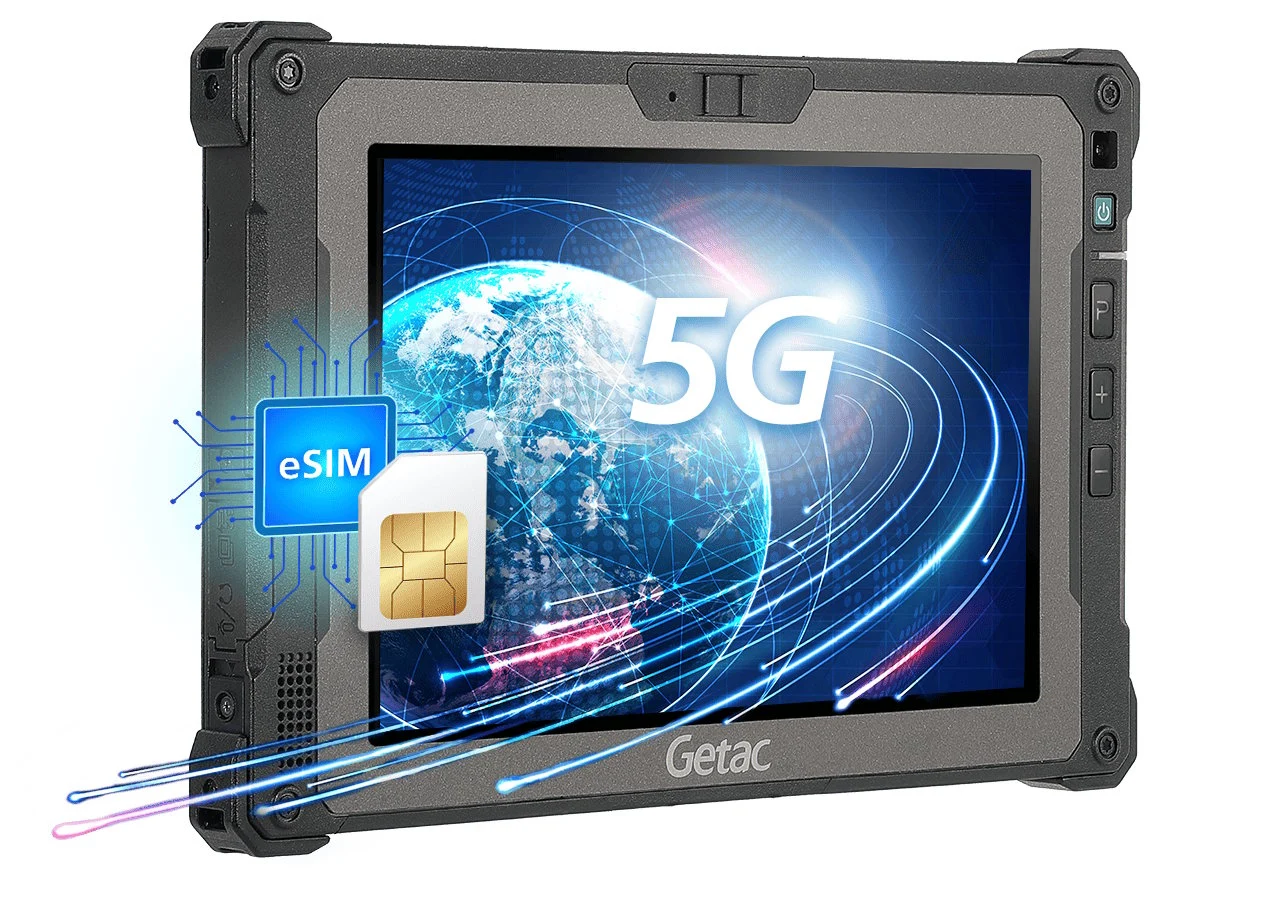
    Getac has unveiled the ZX80W, a ruggedized PC tablet running on the 8-core Qualcomm Dragonwing QCS6490 ARM processor, with 13 TOPS of AI compute power, paired with 12 GB of LPDDR5 RAM and 256 GB storage. The ARM processor is designed for low-power consumption, with a rated TDP under 9 watts.

    Windows on ARM and performance details

    The tablet runs a version of Windows on ARM, Windows 11 IoT Enterprise LTSC. While WoA is not 100% x64 Windows 11 compatible (see WoA compatibility list here), it does run many popular Microsoft applications and applications can be programmed to run natively on ARM CPUs.

    The ZX80W comes with an 8-inch LCD touchscreen display with a resolution of 1,920 x 1,200 and a brightness of 1,000 nits, enabling it to be viewable in direct sunlight. It has a 8 MP front camera and a 16 MP rear camera along with speakers and microphones for online meetings.

    Ruggedness and durability features

    Coffee spills won’t affect the ruggedized Getac PC tablet, which is MIL-STD-810H certified against 1.8 m (6 ft.) drops, shock, and temperature extremes (-29˚C to 63°C or -20°F to 145°F), and IP67 certified for water immersion down to one meter.

    Battery options and connectivity

    The ZX80W can be fitted with a fixed 4,060 mAh battery or swappable batteries (4,990 mAh standard capacity or 9,980 mAh high capacity). It comes with Wi-Fi 6E, Bluetooth 5.2, GPS, optional 4G/5G dual SIM/eSIM support, a USB 3.2 Gen 1 Type-C (DP, PD) port, a microSD card slot, and a headphone jack.

    The Getac PC tablet weighs 590 g (1.3 lbs.) and measures 234 x 149.8 x 17.6 mm (9.21 x 5.89 x 0.69 in.).

    Availibility and pricing

    The ZX80W will be available in July 2026 for an undisclosed price. Readers can browse some of Getac’s offerings on Amazon.

    Sources
  • Audeze MM-520 Planar Headphones for Music Producers

    Audeze MM-520 Planar Headphones for Music Producers

    Key Takeaway

    – Flagship open-ear monitoring headphones with planar driver technology for reduced distortion
    – SLAM technology enhances low bass reproduction
    – Frequency response from 5 Hz to 50 kHz with less than 0.1% THD
    – User-replaceable memory foam earpads with magnetic mounts
    – Priced at $1,699, available from Audeze website and Amazon


    New Flagship Headphone from Audeze

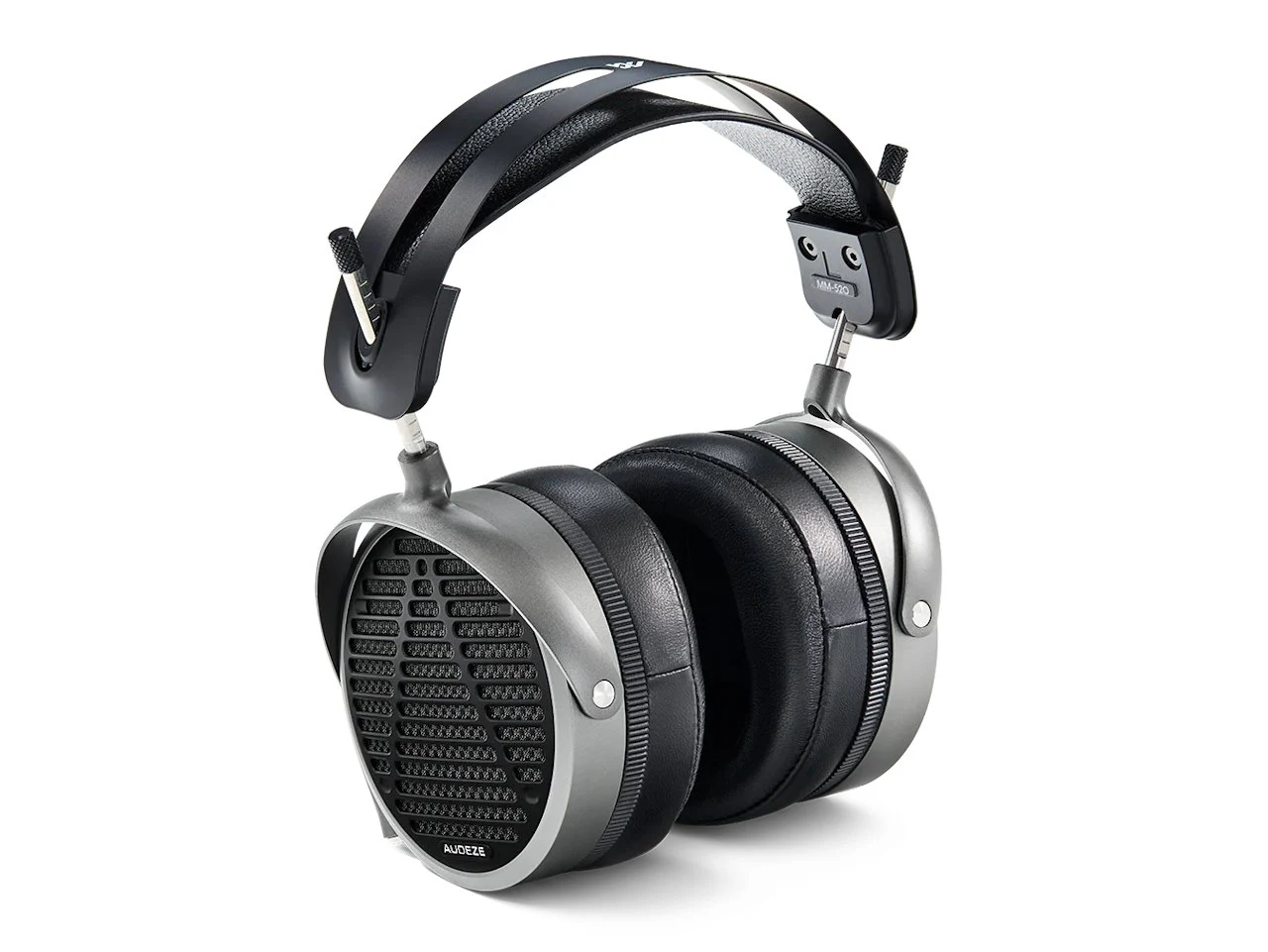
    Audeze has released the MM-520, its latest flagship monitoring headphone. It is designed for accurate sound reproduction in an open-ear design that provides a wide soundstage. The headphones utilize the company’s latest planar driver technologies to handle the latest high resolution music mixes.

    How Planar Technology Works

    Planar headphones vibrate an ultra-thin, flat transducer rather than convenional cone drivers, with the goal of reducing distortion. They incorporate the company’s Symmetric Linear Acoustic Modulator (SLAM) technology to enhance low bass reproduction.

    Extreme Frequency Range and Power Handling

    The MM-520 are able to cover a frequency range of 5 Hz to 50 kHz with a total harmonic distortion less than 0.1% (at 100dB SPL, 1 kHz) as a result. They handle a maximum input of 5-watts to produce sounds as loud as 130 dB SPL.

    Physical Specifications and Accessories

    The 555 g (19.6 oz.) headphones come with memory foam earpads that can be replaced by the user thanks to their magnetic mounts. They come with a 2.5 m (8.2 ft.) headphone cable, 3.5 mm to 6.3 mm adaptor, a travel case, and a soft carry bag.

    Pricing and Availibility

    The MM-520 monitoring headphones are priced at $1,699 and can be purchased from the Audeze website. Readers can also look for them to arrive.

    • Frequency range: 5 Hz – 50 kHz
    • Total harmonic distortion: less than 0.1% at 100dB SPL, 1 kHz
    • Maximum input: 5 watts for 130 dB SPL
    • Weight: 555 g (19.6 oz.)
    • Included: memory foam earpads with magnetic mounts, 2.5 m cable, 3.5 to 6.3 mm adapter, travel case, soft carry bag
    • Price: $1,699 USD


  • New $20 Dumb Phone Syncs to Smartphones: Catch Revealed

    New $20 Dumb Phone Syncs to Smartphones: Catch Revealed

    Key Takeaway

    – The Dumbphone 2 offers a middle ground, syncing with smartphones for essential apps (Uber, WhatsApp, Spotify) without full disconnection.
    – It costs $20 (plus monthly plans) and is built on a TCL Flip 2, running custom software to mirror contacts, calls, and messages.
    – The startup grew from the “Month Offline” challenge in D.C., with users swapping smartphones for flip phones and sharing experiences.
    – The phone ships with a SIM on one of three plans: Dumber ($20.99), Dumb ($25.99), or Dumbest ($15.99), but locks users into dumb.co’s service.
    – Trade-offs include aging hardware and the inability to use cheaper carriers like Mint or US Mobile.


    The Dumbphone 2 is here, a new device from a startup that started as a neighborhood experiment in unplugging. They are betting that the answer to screen addiction is not total disconnection, but something “just dumb enough.” The company, dumb.co, has began selling this device at $20 that syncs with your existing smartphone.

    Pricing and specifications you should copy

    The Dumbphone 2 is built on a customized TCL Flip 2 – a proven flip phone that runs the company’s own software. It mirrors contacts, calls and messages through a “smart text” system while keeping a tight roster of essentials: Uber, maps, WhatsApp, Spotify, a camera and an alarm. A companion app walks users through linking iMessage or Google Messages.

    How dumb.co started and who runs it

    dumb.co grew out of Month Offline, a 30-day challenge that started in D.C. in 2025. Small cohorts of neighbors swapped smartphones for flip phones and met weekly to talk through the experience. Lydia Peabody, a 27-year-old therapist who took part before becoming the company’s “chief dumb organizer,” says dumb.co has sold hundreds of the new model and plans to expand abroad by year’s end.

    • The phone ships with a ready-to-activate SIM on one of three monthly plans
    • Dumber ($20.99) and Dumb ($25.99) run it as a companion to a smartphone
    • The pricier tier adds a Spotify, Apple Music and podcast bundle
    • Dumbest ($15.99) makes it a fully standalone device with just the essentials

    What early reviewers are sayin

    Jose Briones, who runs the Dumbphone Finder, had words of praise for the hands-on customer support — a real phone number answered by actual people. However, he did mention some valid trade-offs: the aging hardware will eventually need replacing, and the bundled plans lock buyers to dumb.co’s service rather than cheaper carriers like Mint or US Mobile. Early reviewers are somewhat optimistic about the trade offs.

    “It’s really the device for the person who wants to get away from there smartphone,” Peabody told Axios, “but maybe not be disconnected from smart technology entirely.” The Dumbphone 2 is positioned as a middle ground for those seeking less screen time without giving up all digital connectivity. The company plans to expand abroad by year’s end with this simple but effective approach.


  • Ryzen AI 9 HX 470 Mini PC: 86 TOPS, OCuLink, 256GB RAM

    Ryzen AI 9 HX 470 Mini PC: 86 TOPS, OCuLink, 256GB RAM

    Key Takeaway

    – 86 TOPS total AI compute power (55 TOPS NPU + 31 TOPS CPU/GPU) enables local AI model running without cloud token costs.
    – Powered by AMD Ryzen AI 9 HX 470 CPU, with up to 256 GB DDR5 RAM and up to 6 TB NVMe storage.
    – Integrated Radeon 890M GPU (≈ Nvidia 1650 performance), with OCuLink port for eGPU upgrade up to RTX 5090.
    – MSRP $1,599, currently on sale for $1,049 (32 GB RAM / 1 TB SSD model).


    New Mini PC Packs AI Power

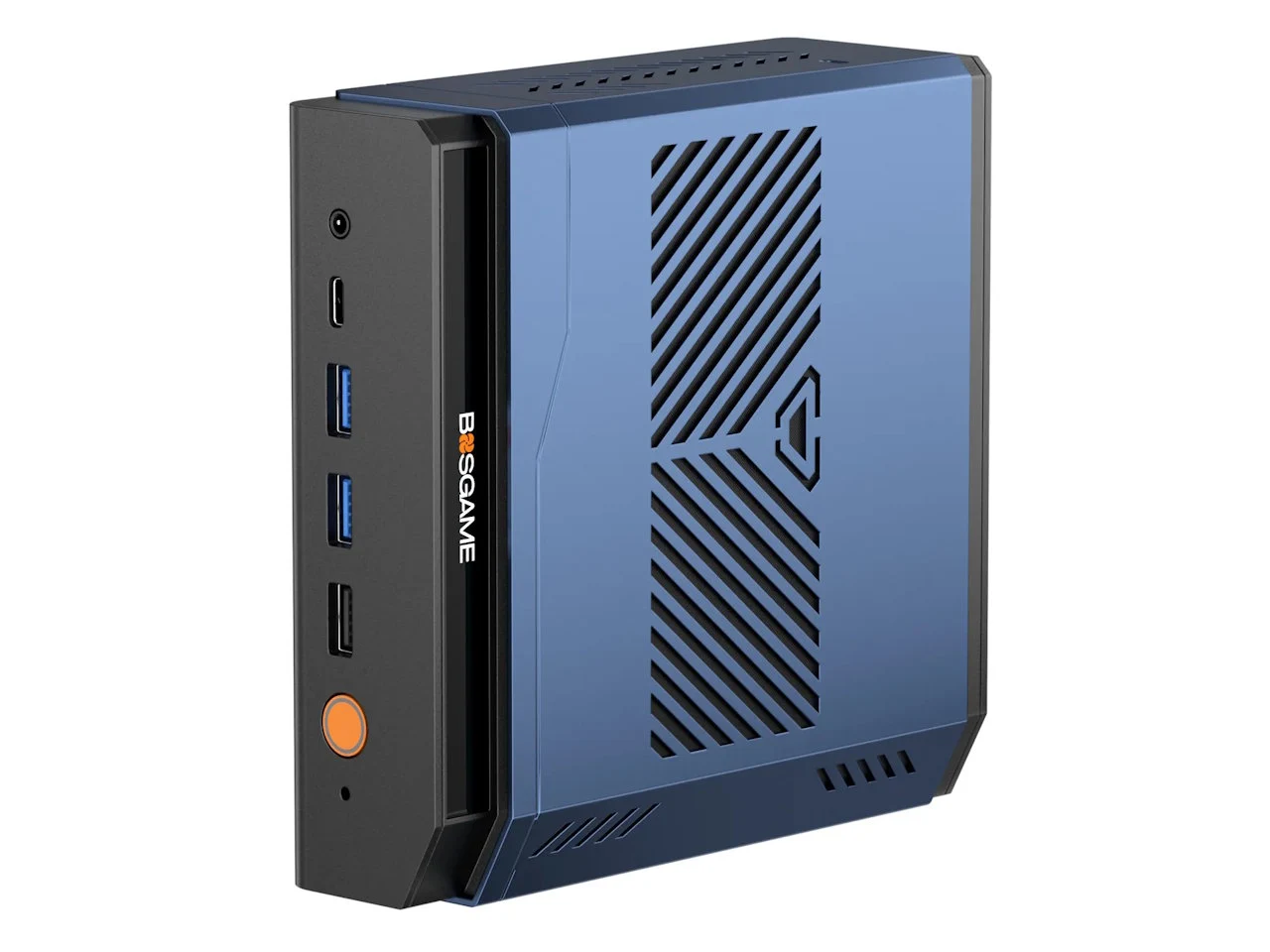
    Bosgame has released the VTA-439 mini PC designed to run AI applications and services such as OpenClaw locally, saving owners the cost of purchasing AI tokens. The mini PC is powered by a 12C/24T AMD Ryzen AI 9 HX 470 CPU, with up to 256 GB of DDR5 SO-DIMM 5600MT/s RAM in two slots and up to 6 TB of M.2 2280 NVMe PCIe4.0 x4 storage in three slots (based on currently available 2 TB SSDs).

    AI Compute and Graphics Capabilities

    Importantly, the HX 470 offers a total of 86 TOPS of AI compute power (55 TOPS NPU + 31 TOPS CPU/GPU), enabling the VTA-439 mini PC to run large AI models, OpenClaw, and AI applications for image and video generation. For Windows 11 applications and games, the mini PC uses an integrated AMD Radeon 890M, which hovers around an Nvidia 1650 in performance, and can be boosted by connecting an external GPU (eGPU) to its OCuLink PCIe 4.0 x4 port, including cards as powerful as the latest Nvidia RTX 5090.

    Pricing and Storage Options

    The VTA-439 with 32 GB RAM and 1 TB SSD has an MSRP of $1,599.00, but is currently on sale for $1,049 on the Bosgame website. This device supports up to 256 GB of DDR5 SO-DIMM 5600MT/s RAM and up to 6 TB of M.2 2280 NVMe PCIe4.0 x4 storage, giving users lots of flexibility for demanding workloads. The Ryzen AI 9 HX 470 chip ensures fast processing for AI tasks, while the integrated Radeon 890M handles everyday graphics needs.

    External GPU Support and Performance

    The OCuLink PCIe 4.0 x4 port allows users to connect an eGPU, boosting graphical performance significantly. While the integrated Radeon 890M is comparable to a Nvidia 1650, adding a card like the RTX 5090 can transform this mini PC into a high-end gaming machine or workstation. This makes the VTA-439 a versatile option for both AI development and entertainment, all while eliminating the need for cloud-based AI tokens.

    Final Thoughts on the VTA-439

    Bosgame’s new mini PC offers a compelling package for enthusiasts who want local AI processing without recurring costs. With up to 86 TOPS of compute power, three M.2 slots, and eGPU support, it is positioned as a powerful yet compact solution. The current sale price of $1,049 provides good value for the hardware, though the MSRP of $1,599 is steep for a device with an integrated GPU.


    Sources

  • Citizen Limited-Edition Titanium Watch Blue Washi Dial

    Citizen Limited-Edition Titanium Watch Blue Washi Dial

    Key Takeaway

    – First light-powered analog watch (Eco-Drive) introduced in 1976, eliminating battery changes
    – Limited edition “The Citizen” AQ4094-58L features exclusive blue washi paper dial (400 pieces)
    – Washi paper is semi-transparent, allowing light to pass through to solar cells
    – Caliber A060 movement: ±5 seconds/year accuracy, perpetual calendar until 2100
    – Super Titanium case/bracelet with Duratect hardening, 87.7g weight, 10 bar water resistance


    Fifty Years of Light-Powered Timekeeping

    Fifty years ago, Citizen changed how the world thinks about watch batteries. In 1976, the brand introduced the worlds first light-powered analog watch, the tech now known as Eco-Drive, eliminating the need for battery changes by converting any light source into energy. To mark the occasion, Citizen has released a new limited edition within its premium “The Citizen” line, and this Hong Kong variant brings something the global version doesn’t: a blue washi paper dial.

    The Limited AQ4094-58L and Its Unique Dial

    The AQ4094-58L is limited to 400 pieces worldwide — tighter than the 650-piece allocation for the green-dialled AQ4091-56W that launched in May 2026. The dial is crafted from traditional Japanese washi paper. This material was chosen not just for its aesthetic qualities but its practical ones as well. Washi paper is semi-transparent, so it lets light pass through to the solar cells beneath. The deep navy surface shifts in depth depending on the angle of light, with applied gold indices, dauphine hands, and “The Citizen” eagle emblem at six o’clock.

    Movement and Build Specifications

    Under the dial sits the Caliber A060 Eco-Drive movement, accurate to ±5 seconds per year and equipped with a perpetual calendar programmed through 2100. The case and bracelet are Super Titanium with Duratect surface hardening — thanks to this, the weight comes down to 87.7 g despite the 40 mm case. Sapphire glass with anti-reflection coating and 10 bar water resistance complete the build. We previously covered The Citizen’s 30th Anniversary Eco-Drive edition, also featuring a washi paper dial — making the 50th a continuation of what has become a signature material for the line’s biggest releases.

    Pricing and Warranty

    The AQ4094-58L is priced at HK$32,880 (approximately $4,200 USD) with a 5-year warranty.


    Sources

  • Audeze Launches MM-520 Planar Open Headphones for Producers

    Audeze Launches MM-520 Planar Open Headphones for Producers

    Key Takeaway

    – Flagship open-ear monitoring headphones with planar magnetic drivers for low distortion
    – Utilizes SLAM technology to enhance low-frequency bass response
    – Frequency range of 5 Hz to 50 kHz with <0.1% THD at 100dB SPL – User-replaceable memory foam earpads with magnetic mounts – Priced at $1,699.


    New Audeze MM-520 Flagship Headphone Released

    Audeze has droped the MM-520, there latest flagship monitoring headphone. These are designd for accurate sound reproduction in an open-ear design what provides a wide soundstage. The headphones utilize the company’s latest planar driver technologies to handle the latest high resolution music mixes, giving you better detail in your audio.

    Planar Driver and SLAM Technology Details

    Planar headphones vibrate an ultra-thin, flat transducer rather then convenional cone drivers, with the goal of reducing distortion. They incorporate the company’s Symmetric Linear Acoustic Modulator (SLAM) technology to enhance low bass reproduction. This is important for getting that deep and precise bass response that professionals need.

    Frequency Range and Power Handling Specifications

    The MM-520 are able to cover a frequency range of 5 Hz to 50 kHz with a total harmonic distortion less than 0.1% (at 100dB SPL, 1 kHz) as a result, while handling a maximum input of 5-watts to produce sounds as loud as 130 dB SPL. That means you can mix at high volumes without any unwanted noise or distorion.

    Physical Features and Accessories Included

    The 555 g (19.6 oz.) headphones come with memory foam earpads that can be replaced by the user thanks to their magnetic mounts. They come with a 2.5 m (8.2 ft.) headphone cable, 3.5 mm to 6.3 mm adaptor, a travel case, and a soft carry bag. This bundle gives you everything you need for studio use or on the go.

    Pricing and Availability Information

    The MM-520 monitoring headphones are priced at $1,699 and can be purchased from the Audeze website. Readers can also look for them to arrive in the Audeze store on Amazon. Additional details and updates are available through Audeze, and also Audeze on Facebook for social media followers.