Category: All News

  • Xiaomi’s New Affordable Smartphone with 6.9-Inch Screen Launches

    Xiaomi’s New Affordable Smartphone with 6.9-Inch Screen Launches

    Key Takeaway

    1. Redmi A7 Pro features a 6.9-inch HD+ display with a 120 Hz refresh rate and a 6,300 mAh battery supporting 15 W wired and 7.5 W reverse charging.
    2. It is powered by a Unisoc T8300 processor, 4 GB RAM, and up to 128 GB internal storage, with microSD expansion support.
    3. The device runs Android 16-based HyperOS 3 with promises of four years of major OS updates and six years of security patches.
    4. Camera setup includes a 32 MP main sensor and an 8 MP front camera; additional features include IP52 water resistance, side-mounted fingerprint sensor, headphone jack, USB-C, WiFi, and Bluetooth 5.4.
    5. Priced starting at INR 11,499 (~$125), the Redmi A7 Pro will be available from April 15 on Xiaomi India’s official channels.

    Introduction of the Redmi A7 Pro in India

    Xiaomi has recently launched the Redmi A7 Pro in India, marking its debut into the Pro-series within the A lineup. This phone is known for its enormouse display size and powerful battery, making it stand out among budget smartphones. The device sports a 6.9-inch HD+ screen boasting a crispy 120 Hz refresh rate and an impressive peak brightness of 800 nits, perfect for bright outdoor viewing and smooth scrolling.

    Specifications and Hardware Details

    The design choices for this phone are quite interesting with Xiaomi opting for a Unisoc processor. The Redmi A7 Pro runs on a Unisoc T8300 chipset combined with 4 GB of LPDDR4X RAM and up to 128 GB UFS 2.2 storage, with support for expansion through a microSD card slot. Powering the phone, there’s a huge 6,300 mAh battery that supports 15 W wired charging, which is further complemented by 7.5 W reverse wired charging capability. This massive battery ensures prolonged usage even during heavy tasks or long trips.

    Software and Update Policy

    The smartphone comes with Android 16-based HyperOS 3 right out of the box. Xiaomi has clearly shown commitment by promising four years of major OS updates, going up to Android 20, along with six years of security patches until 2032. While this is very commendable, it’s worth noting that this update schedule still falls short in comparison to Samsung’s Galaxy M36 5G, which offers six years of updates and security patches. The software experience provides reliability despite being an entry-level device, highlighting Xiaomi’s dedication to longevity.

    Photography & Additional Features

    • Primary Camera: 32 MP sensor
    • Front Camera: 8 MP for selfies
    • Other features include side-mounted fingerprint sensor, 3.5 mm headphone port, USB-C connector, and IP52 water resistance rating.
    • Connectivity: WiFi and Bluetooth 5.4

    Design, Colors, and Pricing

    The Redmi A7 Pro offers three attractive color options: mist blue, sunset orange, and classic black. Pricing starts at INR 11,499 (~$125) for the base configuration with 4 GB RAM and 64 GB storage. The 4 GB + 128 GB model costs INR 12,499 (~$135). Customers can expect the device to be available starting April 15, through Xiaomi India’s website and authorized retailers, making it accessible to a wide array of users seeking affordability with decent specifications.


    Sources

  • Razer Hammerhead V3 HyperSpeed vs V3 X HyperSpeed Earbuds Comparison

    Razer Hammerhead V3 HyperSpeed vs V3 X HyperSpeed Earbuds Comparison

    Key Takeaway

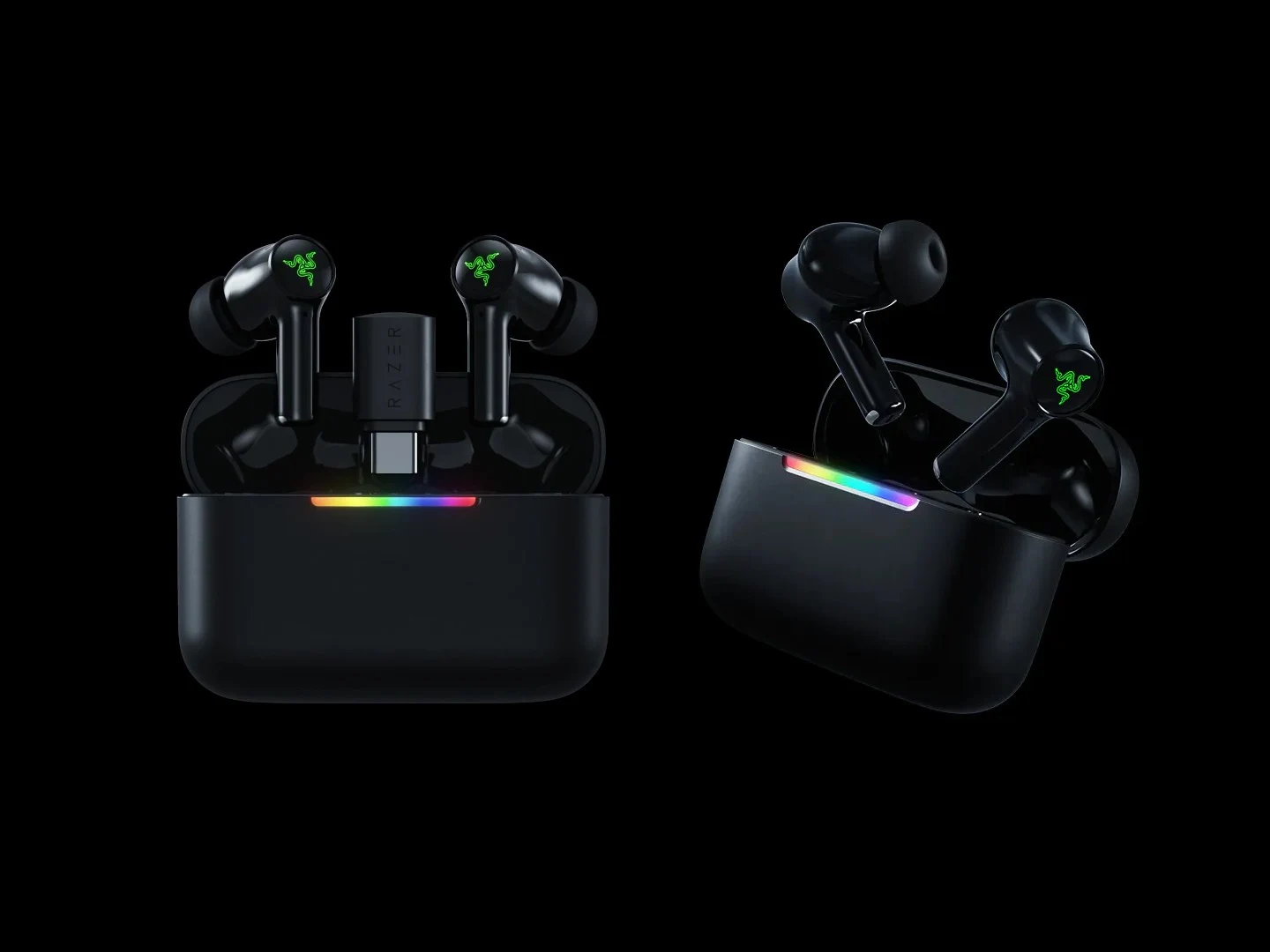
    1. The Razer Hammerhead V3 HyperSpeed supports a removable 2.4GHz USB-C dongle, while the V3 X HyperSpeed has a built-in receiver in its case.
    2. Both earbuds support 2.4GHz low-latency wireless connectivity, but the V3’s dongle offers more flexibility.
    3. The V3 HyperSpeed is priced higher at $129.99 compared to the V3 X HyperSpeed at $99.99.

    Introduction to Razer’s Latest Gaming Earbuds

    Razer had recently come out with 2 pretty much similar looking gaming earbuds, but they are actually very different from each other. The Razer Hammerhead V3 HyperSpeed and the Hammerhead V3 X HyperSpeed are not only different in price but also in some key features that matter for gamers. Knowing what makes each one unique can really help you make a good decision on which to buy.

    Major Specification Differences

    Looking at the comparison table, you’ll notice some important differences like the Bluetooth version, noise cancelling tech, presence of a dongle, and battery life. One thing that catches the eye is the 2.4GHz low-latency wireless connection, which is really important for gaming. Both buds support it, but how they implement it differs quite a bit.

    Connectivity and Power Features

    The V3 HyperSpeed has a removable USB-C dongle for the 2.4GHz connection, which is pretty handy. The more affordable V3 X HyperSpeed, on the other hand, has the receiver built into its case. That case makes it easier to connect, but with the dongle, you can connect directly to devices without the case—making the HyperSpeed version versatile. Just to clarify, both earbuds include LED indicators, touch controls you can customize, and a feature for switching audio sources seamlessly through Razer SmartSwitch.

    Pricing and Where to Buy

    If you’re interested, the Hammerhead V3 costs around $129.99, whereas the V3 X HyperSpeed is a bit cheaper, at around $99.99. You could find these earbuds available for purchase on various platforms, including Razer’s official website. Both options are great, depending on whether you prioritize the dongle feature or a lower price.

    Sources
  • Sony May Punish Them: Ex-Xbox Exec on Japan’s PS2-era Gaming Industry

    Sony May Punish Them: Ex-Xbox Exec on Japan’s PS2-era Gaming Industry

    Key Takeaway

    1. Microsoft faced significant challenges in breaking into the Japanese market due to Sony’s dominance and the fear of repercussions from Japanese publishers.
    2. Japanese studios were hesitant to fully support Xbox, fearing Sony’s retaliation through strategic business actions.
    3. Some Japanese publishers, like Tecmo, took risks by creating exclusive titles for Xbox to challenge Sony’s monopoly and promote competition.

    Xbox’s Difficult Path into the Japanese Market

    During a special event dedicated to celebrating 25 years of Xbox, Ed Fries, who formerly was a top executive at Microsoft, reminisced about his attempts in the early 2000s to penetrate Japan’s video game scene. Fries talked about his ambition to attract Japanese developers to the Xbox platform, aiming for blockbuster titles like Final Fantasy. Despite his efforts, the dominant presence of Sony in Japan was a significant barrier. Fries shared that he even discussed deals with Square Enix, but Sony’s stronghold on the market made these negotiations challenging.

    Negotiations and Challenges with Japanese Studios

    • While some Japanese companies showed interest in developing for Xbox, much of the ongoing talk stayed casual and non-committal.
    • The Japanese game industry was cautious, hesitant to openly support Xbox for fear of damaging their relationships with Sony.
    • Talking to Japanese publishers about cross-platform deals was complicated; they wanted to keep their options open while not alienating Sony.

    The Power of PlayStation and Industry Dynamics

    Back then, Sony’s PlayStation 2 was a massive hit, with over 160 million units sold worldwide, establishing it as the market leader. The dominance of the PlayStation brand gave Sony considerable influence over Japanese developers, who worried about potential repercussions from their ties to Sony. These fears made them hesitant to openly support Xbox, as Sony could wield its influence in various ways—such as withholding development kits or slowing promotional support for games not aligned with them.

    Japanese Developers Taking Risks

    • Despite the fears, some developers decided to risk the wrath of Sony, like Tecmo, which made Dead or Alive 3 and Dead or Alive 4 exclusive to Xbox.
    • Such actions were partly aimed at weakening Sony’s monopoly and promoting healthy competition in the gaming industry.
    • For them, challenging monopolistic practices was essential to prevent a single company from having unchecked control over the market.
    Sources
  • Microsoft raises prices on all Surface notebooks unexpectedly

    Microsoft raises prices on all Surface notebooks unexpectedly

    Key Takeaway

    1. Microsoft has increased prices on its entry-level Surface laptops due to rising component and memory costs.
    2. The price hike affects models with 16 GB RAM and 512 GB storage, powered by Snapdragon X Plus/Elite SoCs.
    3. The original SoCs in these laptops were already less powerful, making the price increase less justifiable compared to competitors like Apple.
    4. The rise may be influenced by plans to set pricing expectations for upcoming Snapdragon X2 Plus-powered Surface models.

    Rising Costs Impact Microsoft Laptops

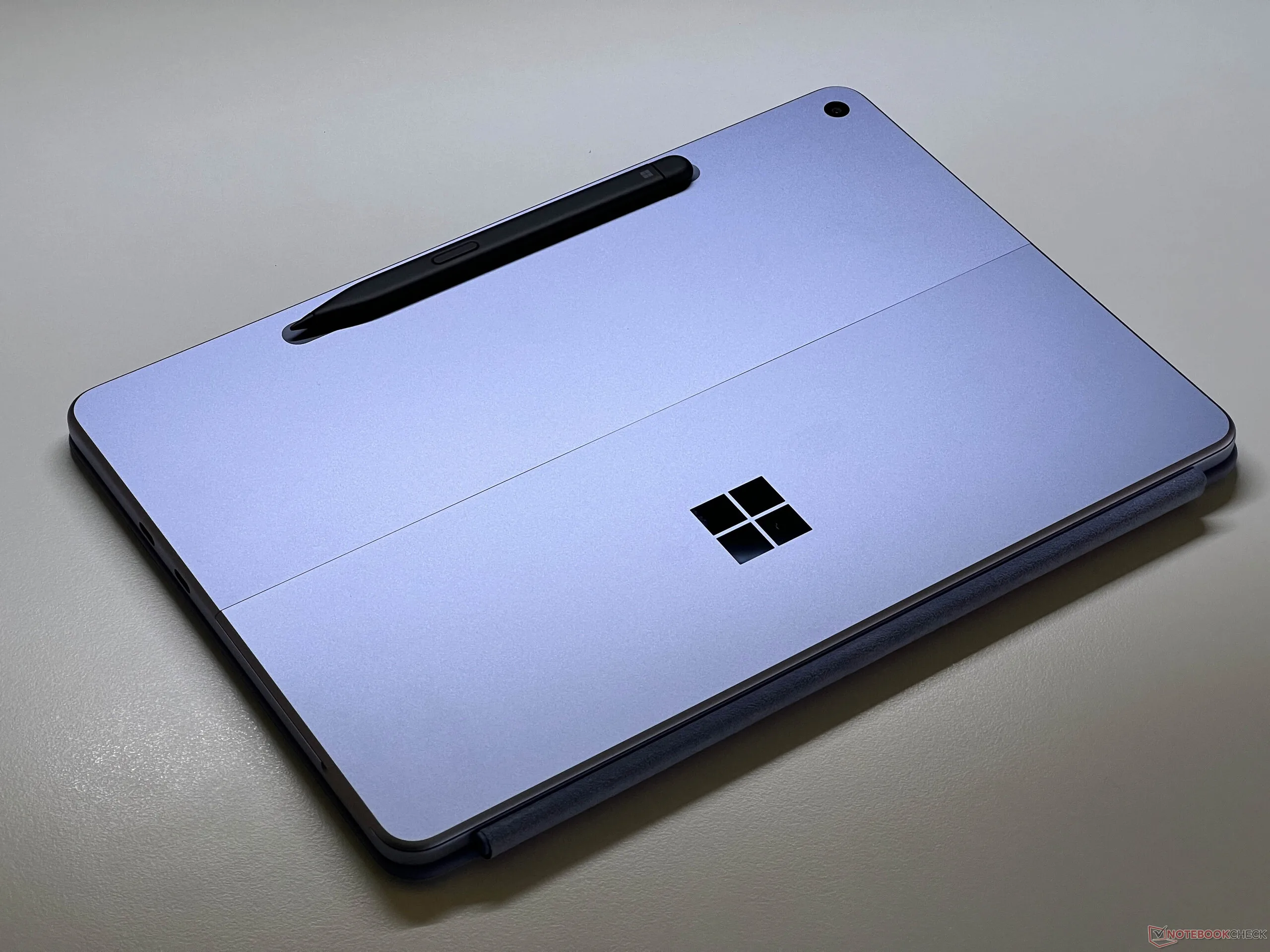
    Recently, prices of many gadgets and devices have been on the increase. Things like game consoles, including the PlayStation 5 Pro, Ayaneo Pocket Air Mini, and Pocket Vert, are now costing more than before. Even streaming services like YouTube Premium are not immune to this trend. The latest reports reveal that Microsoft Laptops are also experiencing price hikes, as told by Windows Central. Below, you’ll find a list of the affected SKUs along with their updated prices.

    Details on the Current Price Changes

    These price hikes mainly affect the basic models, which come with 16 GB of RAM, 512 GB storage, and a Snapdragon X Plus processor (or Snapdragon X Elite for the Surface Laptop 15). These models are targeted at budget-conscious buyers. The processors in these laptops are not high-end, and now paying up to $300 more seems even less justifiable, especially considering Apple’s options that are equally affordable. A Microsoft representative said, “Because of recent increases in costs for memory and components, Surface is adjusting its prices on Microsoft.com for its current hardware lineup.”

    Why Are Prices Actually Going Up?

    Though their reasoning sounds reasonable, the increase in RAM prices has mostly stopped and is expected to decrease in the upcoming months. This indicates that the rise may not just be about memory costs. More likely, it’s about setting benchmark prices for upcoming Snapdragon X2 Plus models, which could arrive soon now that some Snapdragon X2 Elite laptops are already available. So, in the end, it looks like those hikes are more about preparing for future releases than just current component costs.

    Sources
  • NZXT Flex Settlement: $3.45M in RICO Fraud Case

    NZXT Flex Settlement: $3.45M in RICO Fraud Case

    Key Takeaway

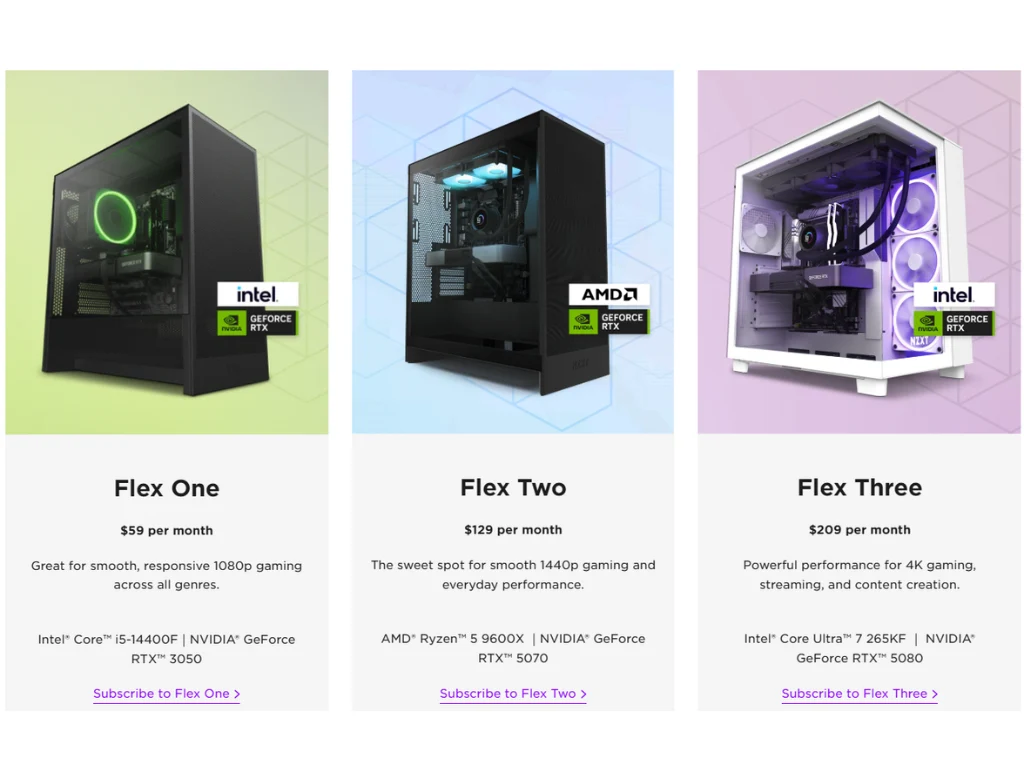
    1. NZXT settled a major class-action lawsuit for $3.45 million due to allegations of deceptive practices and fraud in their Flex PC rental program.
    2. The company misled customers by promising rent-to-own high-end PCs, which were actually open-ended leases with lower-spec components, leaving many trapped and in debt.
    3. The settlement includes debt forgiveness, the option for full ownership for qualifying customers, and cash payouts for some former subscribers.

    NZXT’s Troubling Past in PC Hardware Market

    NZXT known for their eye-catching PC cases and cooling systems, have lately been surrounded by controversy involving their latest business endeavors, especially with a risky rental scheme. The company’s move into a subscription-based service called NZXT Flex has caused a lot of problems for many customers, and they now face legal consequences. People who trusted the firm found themselves in situations they didn’t expect, often feeling deceived and frustrated because of the way the program was run.

    Details of the Legal Settlement

    The legal case against NZXT, along with their billing partner, Fragile Inc., resulted in a hefty settlement of $3.45 million. Court records reveal that nearly 20,000 users, including minors, were affected by what is alleged to be deceptive and unethical business practices. These included overcharging for powerful components and misleading advertisements about how rent-to-own options worked. When the lawsuit went to court, it became clear that many customers were left feeling betrayed and burdened with unmanageable debt.

    Problems Uncovered By Investigations

    In late 2024, a detailed probe by Gamers Nexus shed light on the darker side of NZXT’s rental service. Critics called it a “predatory, evil scam,” accusing the company of misleading tactics designed to trap gamers into long-term debts. The advertisements claimed that subscribers could win tournaments or complete payments to become rightful owners, but reality was far different. Instead, many users discovered they were locked into non-ending leases, with confusing contracts making it almost impossible to get out.

    Deceipt and Aggressive Collections

    • Substituted high-end hardware with lower quality parts without customer consent.
    • Harassed customers who wanted to cancel or fell behind on payments with aggressive debt collection tactics.
    • Engaged in practices that the law considers racketeering, including wire fraud and mail fraud.

    This aggressive approach prompted the case to be classified under the federal RICO Act, which typically targets organized racketeering activities. Such serious charges demonstrate how widespread and damaging the allegations are against NZXT and its partners.

    What the Settlement Means for Customers

    As part of the settlement, from October 19, 2023, to March 30, 2026, affected users could potentially be released from their debts when the court approves the agreement. This approval, expected in September 2026, could see a total of $923,117.92 forgiven, especially for those who owed more than $5,000 and were more than 90 days behind on payments. Those who paid $2,000 or more over at least two years might also get full ownership of their PC after filing a simple claim, with about $1.21 million allocated for this purpose. If users returned their systems and owed nothing, they might receive a cash settlement of roughly $450 to $500, depending on eligibility and claims made.

    Future Implications and Customer Recompense

    This case serves as a warning about potential risks related to similar subscription-based schemes. Many hurt by the practices will finally see some relief, although the overall damage to NZXT’s reputation is significant. The lawsuit highlights the importance of scrutinizing such programs before committing to them, especially when they promise quick ways to upgrade hardware or attain ownership of expensive gaming setups.

    Sources
  • France switches to Linux for government computers, ditching Windows

    France switches to Linux for government computers, ditching Windows

    Key Takeaway

    1. France’s government is transitioning from Windows to Linux to reduce reliance on non-EU technology and enhance digital sovereignty.
    2. The initiative aims to eliminate “extra-European digital dependencies,” with a focus on using Eurozone-developed software.
    3. The move underscores France’s intent to control its data, infrastructure, and strategic digital decisions, especially concerning American technology tools.

    France’s Bold Move to Linux and Away from US Tech Giants

    France has taken a giant leap towards digital independence by announcing its plan to convert all government computers from Windows to Linux across the entire country. This initiative is a direct response to the desire for less reliance on non-European technology solutions, aiming to boost the digital sovereignty of France. The intermediary digital department (DINUM) clearly stated that their goal is to replace Windows with Linux-based workstations, which marks a significant shift in their tech policy.

    Government Focus on European Software

    With a firm goal to cut dependence on extra-European digital solutions, France is working hard to ensure its public sector uses only Eurozone-developed software. Their plan is to eliminate foreign digital dependencies by this coming fall. The government emphasizes the importance of sovereignty over their digital infrastructure and data, pushing for a complete transition that reduces reliance on American companies and their proprietary software.

    Remarks from French Officials and Their Digital Sovereignty Goals

    Minister of Action and Public Accounts, David Amiel, expressed strongly that France cannot afford to be dependent anymore. He stated that France must “desensitize” itself from American tools and start controlling its digital landscape better. The urgency in his voice indicates that safeguarding data, infrastructure, and strategic choices from foreign influence is a top priority for France now. This move is part of a broader effort to map dependencies and take command of their own technological future.

    Joining the EU’s Open-Source Movement

    This transition aligns France with other European countries like Denmark and parts of Germany, who are also embracing free and open-source software (FOSS). While moving desktops to Linux is straightforward, the long-term consequences are wider—particularly in crucial technology sectors such as mobile communications, where proprietary tech still dominates. Whether France will also choose open-source alternatives for mobile or other proprietary platforms remains to be seen, but their push towards open-source is clear and resolute.

    Sources
  • Will City Masterplan Match Cities: Skylines as a Next-Gen City Builder?

    Will City Masterplan Match Cities: Skylines as a Next-Gen City Builder?

    Key Takeaway

    1. City Masterplan aims to compete directly with Cities: Skylines by offering a highly realistic city-building experience with advanced procedural generation and detailed architectural options.
    2. The game features a large map (24 x 24 km), freeform roads, true-to-scale skyscrapers, and dynamic weather and lighting, showcased through Unreal Engine 5 graphics.
    3. While early footage looks promising, the game’s success depends on its gameplay depth and timely release, currently estimated for 2027, and whether it can surpass the long-standing dominance of Cities: Skylines.

    City Masterplan: The New Challenger in City-Building Simulation

    In the world of city-building simulation games, theres always a crowded field of titles, from very realistic to more playful, indie options. But among all, Cities: Skylines and its sequel are still regarded as some of the best, with detailed traffic systems, skyscrappers, and management layers. Still, that could soon change as City Masterplan makes a bold claim to take the throne. Announced recently by a indie studio called 1:1 Studio, this game is positioning itself as a serious competitor for the reigning champions of the genre.

    Game Features and Promises

    What makes City Masterplan stand out is its promise of a “highly realistic” city-building experience that balances both depth and control. Players will have the freedom to design vast cities on a 24 km by 24 km map, capable of hosting everything from traditional American cities to sprawling Chinese-style urban landscapes. The game wants to give this with an emphasis on scale and detail, promising both freedom in road layouts and scale-accurate skyscrapers sourced from an extensive library of architectural designs.

    Visuals and Technical Aspects

    When it comes to visuals, the trailer showcases photorealistic environments developed in Unreal Engine 5, with dynamic lighting, terrain shaping, and weather effects that smoothly transition. It looks strong enough to rival Cities: Skylines II visually, indicating a focus on immersive and stunning landscapes. Procedural generation tech will further help to build cities that grow and evolve in a natural way, aiming for a more organic urban development experience.

    Market Competition and Expectations

    Despite its promising features, much remains to be seen about how the gameplay will perform and feel. Games like Cities: Skylines first launched back in 2015, and still remains popular with its extensive modding community and updates. Cities: Skylines II experienced some rough performance at launch, but recent updates have improved its stability and added popular features, making it more appealing. The upcoming City Masterplan faces the challenge of matching or surpassing these established titles, while released estimates suggest it might hit the shelves sometime in 2027.

    Sources
  • Oppo Pad 5 Pro: New Flagship Tablet Officially Launched

    Oppo Pad 5 Pro: New Flagship Tablet Officially Launched

    Key Takeaway

    1. Oppo is launching the Pad 5 Pro and Pad Mini on April 21 in China, with the Pad 5 Pro as the flagship successor to the Pad 4 Pro.
    2. The Pad 5 Pro features a large 13.2-inch LCD display, multiple memory options, and a design similar to the previous model.
    3. It is powered by the Snapdragon 8 Elite Gen 5 chipset, has a sizable 13,380mAh battery with 67W fast charging, and offers an eight-speaker setup.

    Upcoming Oppo Tablets to Launch in China

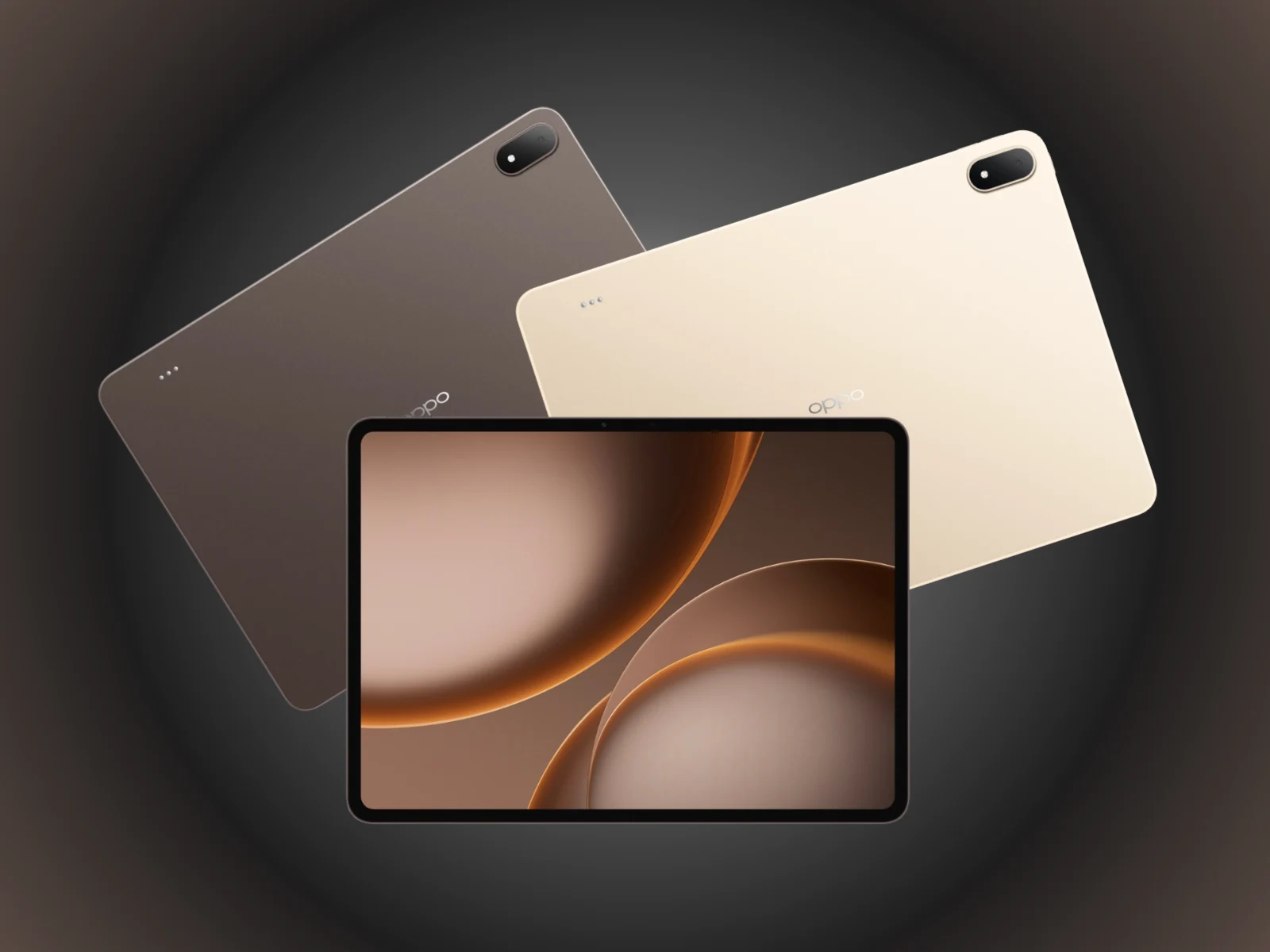
    Two new tablets from Oppo are set to be released soon, with thePad 5 Pro and the Pad Mini scheduled for April 21. These devices aim to cater both for high-end users and compact tablet lovers. The Oppo Pad Mini will be a smaller, premium model, whereas the Pad 5 Pro will replace last year’s Pad 4 Pro as the top flagship for the brand. Oppo has now provided details on the Pad 5 Pro’s appearance and options, including color choices and memory setups.

    Design and Color Options

    Looking at the design, the Oppo Pad 5 Pro seems pretty similar to the previous Pad 4 Pro. It keeps the same distinctive pill-shaped camera bump on the back. For colors, users will get three options: “Mocha Brown”, “Dawn Gold”, and “Monet Purple.” The device will be available in different memory configurations, which include 8GB/256GB, 12GB/256GB, 12GB/512GB, and a high-end 16GB/512GB.

    Features and Specifications

    rumors from Weibo suggest this new tablet might sports a large 13.2-inch LCD screen, perfect for media consumption and multitasking. Powering it will be the Snapdragon 8 Elite Gen 5, a top-tier processor for flagship models. The device is said to house a substantial 13,380mAh battery, offering fast charging at 67W. For context, the previous Pad 4 Pro had a Snapdragon 8 Elite chipset and a smaller 12,140mAh battery.

    Physical Attributes and Cameras

    The Oppo Pad 5 Pro is expected to be quite slim, measuring only 5.94mm thick, and it should weigh about 672 grams, making it relatively lightweight for its size. Additionally, it could feature an impressive eight-speaker setup for an immersive sound experience. Based on leaks, the rear might carry a 13MP camera, while the front could have an 8MP camera for selfies and video calls.


    Sources

  • Citizen Super Titanium Chronographs with Sapphire Glass in 4 Colors

    Citizen Super Titanium Chronographs with Sapphire Glass in 4 Colors

    Key Takeaway

    1. The Citizen CA4750 series features Super Titanium for enhanced scratch resistance and durability, with a water resistance of 100 meters.
    2. It introduces a textured, rugged dial with anti-reflective sapphire glass, offering a more robust and clear display compared to traditional models.
    3. Equipped with the B620 Eco-Drive movement, it provides a 270-day power reserve and precise chronograph functionality with 1/5-second increments.

    Introduction of the Citizen CA4750 Series in Europe

    The Citizen CA4750 series has recently been launched across Europe with an approximate price tag of €399. This model is part of Citizen’s early 2023 lineup, confirming the brand’s commitment to bringing well-specced watches at an affordable price point. Joining other recent models like the AT2590 and AW1900 series, this new addition distinguishes itself with enhanced durability thanks to the use of Super Titanium, which is known for being more scratch resistant compared to normal stainless steel. Many might overlook entry-level titanium, considering it “cheap”, but Citizen’s Super Titanium counters that notion entirely.

    Design and Material Highlights

    Are you tired of watches with just plain mineral glass? Well, this model offers a refreshing alternative with a vertical textured dial that adds depth and character. This change from simple finishes makes the watch appear more rugged and sporty, rather than just a dress watch. Its field-ready look is more than just aesthetic; it’s built to withstand daily abuse and rougher conditions. The unique dial texture ultimately makes this watch stand out from more conventional chronographs.

    Features and Specifications

    The CA4750 comes equipped with anti-reflective sapphire glass, which provides excellent clarity and resists scratches well. It offers water resistance up to 10 bar (100 meters), a notable upgrade from the 4 AT2590 models. The case measures 40 mm in diameter and is 11.63 mm thick, housing Citizen’s B620 Eco-Drive movement. This movement is prized for its 270-day power reserve and is capable of measuring time with 1/5-second accuracy on the stopwatch. The dial is available in four colors: champagne, blue, green, and black, each featuring a bottom-screwed case back. Despite its more robust construction, the watch remains lightweight, tipping the scales at just 91 grams on the integrated bracelet, thanks to the use of Super Titanium.


  • Citizen Introduces 4 New Super Titanium Watches Featuring the “Panda” Chronograph

    Citizen Introduces 4 New Super Titanium Watches Featuring the “Panda” Chronograph

    Key Takeaway

    1. The Citizen AT2590 series features a lightweight Super Titanium case, making it more comfortable compared to traditional steel chronographs.
    2. It utilizes a classic tri-compax layout with a moonphase, calendar, and chronograph functions, enhanced by high legibility black sub-dials that also serve as solar cell windows.
    3. Powered by the Eco-Drive H504 caliber, it offers a 180-day power reserve and maintains good accuracy (+/- 15 seconds per month).
    4. The watch has a durable Super Titanium construction with a screw-down case back but limited water resistance (5 bar), suitable mainly for surface-level activities.
    5. The design includes stylish “panda” and contemporary variants, with a 40 mm case size and a thickness of 10.29 mm, catering to various wrist sizes.

    Lightweight and Stylish Design

    When talking about chronographs, most folks think they gotta be big and chunky, but titanium makes they look lighter then they actually is. Citizen just come out with they latest AT2590 series in Europe, featuring a classic tri-compax setup—meaning it got a calendar, a chronograph, and moonphase complication. This combo give you a practical sports watch that won’t feel like a bowling ball on your wrist. The watch comes with a 40 mm Super Titanium case that is just 10.29 mm thick, so it fit comfortably on different wrist sizes.

    Eye-Catching Dial Options

    The standout look here is the “panda” style on the white dial model — real eye-catching. But if you like somethin more modern, the blue and green dial options give a fresh vibe. All models feature black sub-dials that do double duty: they make it easy to read the stopwatch and 24-hour info, and also act as the solar cell windows. Powered by the H504 Eco-Drive movement, the watch has a 180-day power reserve and keeps time within +/- 15 seconds a month.

    Build Quality and Practical Limits

    In terms of durability, this AT2590 series get Super Titanium build with a screw-down case back, but water resistance only up to 5 bar, so it’s more suited to everyday wear then actual swimming or diving. The crystal glass protects the dial, which is decorated with stroke indices and a date window at 4 o’clock. Light weight is one of the best features—at just 84 g, it’s a lot more comfy than those heavy steel chronos from brands like Seiko and others you might see around.