
Tag: PC hardware

  • Capcom Limits Pragmata Performance Reviews Due to GPU VRAM Concerns

    Capcom Limits Pragmata Performance Reviews Due to GPU VRAM Concerns

    Key Takeaway

    1. The final version of Pragmata may be more demanding on PCs, with notable VRAM limitations affecting performance.
    2. GPU with 8GB VRAM, such as the RTX 4060, can experience significant frame rate drops, especially after certain in-game progress points.
    3. Disabling settings like shadow cache can improve performance, highlighting VRAM as a key bottleneck rather than processing power.
    4. Capcom restricts sharing multi-GPU test results, possibly to manage perceptions of performance across different hardware configurations.
    5. Future GPU upgrades with higher VRAM capacities could mitigate these performance issues on memory-constrained systems.

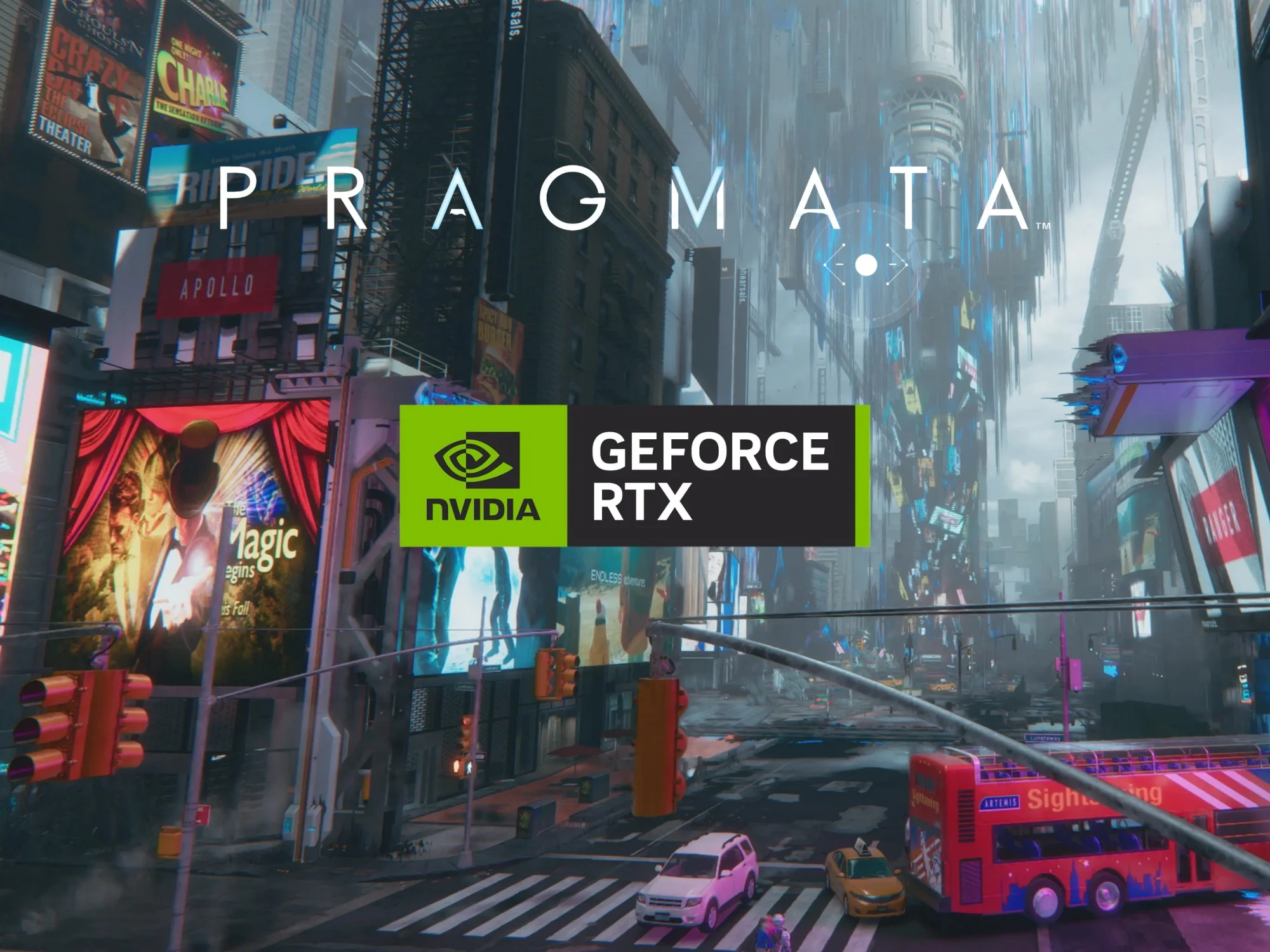
    Capcom’s new game, Pragmata, got some decent review scores, but the performance on PCs might not be as smooth as people hope. The detailed review from Digital Foundry indicates that some PCs with certain GPUs could experience drop in frame rate that is noticeably annoying. Interestingly, the testing was limited to just one graphics card, which is kinda odd in the PC gaming memory.

    High-end vs. mid-range performance

    When testing with a top-tier GPU like the RTX 5090, especially at 4K resolution, the game runs smoothly, with high fps even at maximum settings. But on a more typical setup, like using an RTX 4060 at 1440p, things start fine but then dips occur as the game gets more intense. The performance dips below 50 fps sometimes and gets worse after passing the demo section, making the experience less than ideal.

    Effects of tweaking settings

    By adjusting some visual options and turning off the shadow cache, the performance improved quite a lot. The frame rate stayed closer to 60 fps, which is quite good. The reviewer learned that freeing up memory on the RTX 4060 helped big time, showing that games like Pragmata rely heavily on VRAM, especially features like ray tracing and strand-based hair effects, which are quite demanding.

    Memory limitations and review restrictions

    Many gamers might notice that the options menu does not always illustrate how much memory is being used, leading to confusion. The review showed that at 1440p, with DLSS in Balanced mode, the game should run pretty smoothly on an RTX 4060. It seems the main issue is VRAM capacity, not processing power or Nvidia’s features support, according to Digital Foundry’s insights.

    Limitations imposed by tech sites

    Interestingly, while many reviews involve multiple GPUs, some sources like TechPowerUp are only allowed to publish performance results from a single graphics card. They found that restriction strange and had to make edits afterward, which makes things complicated for fair comparisons. It’s speculated that Capcom might request this to hide performance issues on lower-end hardware.

    Future expectations and hardware rumors

    After the official release date, more comprehensive performance comparisons should become available. Some gamers worry that these bottlenecks may reveal itself more widely in future titles. There are rumors suggesting Nvidia might upgrade the RTX 5060 and 5060 Ti with higher-capacity GDDR7 RAM to handle such demanding games better.

    Additional impressions and coverage

    In addition to written reviews, Notebookcheck posted their first impressions of Pragmata on their YouTube channel, giving more insights into how the game plays on different hardware setups. All in all, it seems that while the game looks promising, its PC performance depends greatly on VRAM and system optimization.

  • NZXT Flex Settlement: $3.45M in RICO Fraud Case

    NZXT Flex Settlement: $3.45M in RICO Fraud Case

    Key Takeaway

    1. NZXT settled a major class-action lawsuit for $3.45 million due to allegations of deceptive practices and fraud in their Flex PC rental program.
    2. The company misled customers by promising rent-to-own high-end PCs, which were actually open-ended leases with lower-spec components, leaving many trapped and in debt.
    3. The settlement includes debt forgiveness, the option for full ownership for qualifying customers, and cash payouts for some former subscribers.

    NZXT’s Troubling Past in PC Hardware Market

    NZXT known for their eye-catching PC cases and cooling systems, have lately been surrounded by controversy involving their latest business endeavors, especially with a risky rental scheme. The company’s move into a subscription-based service called NZXT Flex has caused a lot of problems for many customers, and they now face legal consequences. People who trusted the firm found themselves in situations they didn’t expect, often feeling deceived and frustrated because of the way the program was run.

    Details of the Legal Settlement

    The legal case against NZXT, along with their billing partner, Fragile Inc., resulted in a hefty settlement of $3.45 million. Court records reveal that nearly 20,000 users, including minors, were affected by what is alleged to be deceptive and unethical business practices. These included overcharging for powerful components and misleading advertisements about how rent-to-own options worked. When the lawsuit went to court, it became clear that many customers were left feeling betrayed and burdened with unmanageable debt.

    Problems Uncovered By Investigations

    In late 2024, a detailed probe by Gamers Nexus shed light on the darker side of NZXT’s rental service. Critics called it a “predatory, evil scam,” accusing the company of misleading tactics designed to trap gamers into long-term debts. The advertisements claimed that subscribers could win tournaments or complete payments to become rightful owners, but reality was far different. Instead, many users discovered they were locked into non-ending leases, with confusing contracts making it almost impossible to get out.

    Deceipt and Aggressive Collections

    • Substituted high-end hardware with lower quality parts without customer consent.
    • Harassed customers who wanted to cancel or fell behind on payments with aggressive debt collection tactics.
    • Engaged in practices that the law considers racketeering, including wire fraud and mail fraud.

    This aggressive approach prompted the case to be classified under the federal RICO Act, which typically targets organized racketeering activities. Such serious charges demonstrate how widespread and damaging the allegations are against NZXT and its partners.

    What the Settlement Means for Customers

    As part of the settlement, from October 19, 2023, to March 30, 2026, affected users could potentially be released from their debts when the court approves the agreement. This approval, expected in September 2026, could see a total of $923,117.92 forgiven, especially for those who owed more than $5,000 and were more than 90 days behind on payments. Those who paid $2,000 or more over at least two years might also get full ownership of their PC after filing a simple claim, with about $1.21 million allocated for this purpose. If users returned their systems and owed nothing, they might receive a cash settlement of roughly $450 to $500, depending on eligibility and claims made.

    Future Implications and Customer Recompense

    This case serves as a warning about potential risks related to similar subscription-based schemes. Many hurt by the practices will finally see some relief, although the overall damage to NZXT’s reputation is significant. The lawsuit highlights the importance of scrutinizing such programs before committing to them, especially when they promise quick ways to upgrade hardware or attain ownership of expensive gaming setups.

    Sources