Category: All News

  • My Hero Ultra Impact Shutdown Imminent: Gem Expiration Alert

    My Hero Ultra Impact Shutdown Imminent: Gem Expiration Alert

    Key Takeaway

    1. My Hero Ultra Impact will shut down on May 17, 2026, with no offline version planned, and remaining in-game currency must be used before then.
    2. The game launched in Japan in May 2021 and globally in February 2022, featuring 3v3 battles with characters from the anime.
    3. Community reactions have been mixed, with some players advocating for an offline archive mode, which Bandai Namco has not committed to.
    4. This is the second mobile My Hero Academia game to close within a year; the franchise’s mobile presence is now limited.
    5. The broader IP, including new console releases and live events, continues to be active despite the mobile game closures.

    Bandai Namco Entertainment is giving fans only a limited time to enjoy My Hero Ultra Impact before it officially shuts down. The servers will go offline on May 17, 2026 at 10:59 PM ET / 7:59 PM PT, which is May 18 at 11:59 PM JST. Players must use their Hero Gems and any other items from their accounts before the deadline because they cannot be transferred or used offline. Sadly, there is no plan for an offline version of the game in the future.

    Game Launch and Closure Timeline

    This popular mobile game debuted in Japan back in May 2021, shortly after the manga’s ending, mainly to capitalize on the hype. Globally, it arrived in February 2022, bringing a fun 3v3 battle system that focused on character quirks, special moves called Plus Ultra, and a gacha system for heroes and villains from the anime. The announcement for its shutdown came near the fifth anniversary of the Japanese release, but Bandai Namco didn’t provide specific reasons behind this decision. The shutdown policy includes disabling all in-app purchases from March 17, yet existing Hero Gems can still be used until the servers close.

    Community Reactions and Player Impact

    Since the shutdown was announced, reactions from players have been quite varied. Some players thinks the game was still doing good and were upset about the closure, while others pointed at falling revenue as a clear sign that this was inevitable. Many in the community calls for an offline archive mode so they can keep their progress, but Bandai Namco has yet to confirm if they will do this. As part of the farewell, every player gets a free 10x recruit pull each day until the game ends, and older story chapters are being made available for fans to revisit the story one last time.

    Related Titles and Franchise Future

    This marks the second My Hero Academia mobile game to shut down in a little over a year, after My Hero Academia: The Strongest Hero ended its run on March 31, 2025. With both mobile titles gone, the franchise’s presence on mobile is now more limited, focusing on smaller regional games. However, the franchise’s overall momentum continues strongly. The console game My Hero Academia: All’s Justice released in early 2026, covering the manga’s finale, and upcoming live events like a European concert tour are scheduled for September 2026. Meanwhile, the manga ended in late 2024 but can still be read through VIZ Media, and the anime remains accessible on Crunchyroll.

    Final Remarks and Extra Content

    My Hero Ultra Impact will remain free on iOS and Android devices until its shutdown date to give players a chance to spend their last moments with the game. For those interested in game music, there’s news from a recent interview with Hitoshi Sakimoto, composer of Final Fantasy Tactics, who shared insights about his iconic soundtrack rooted in rock music and discussed an upcoming concert dedicated to his work, Colors of Harmony.
  • Honkai Star Rail 4.2 Phase 2 Update Now Live

    Honkai Star Rail 4.2 Phase 2 Update Now Live

    Key Takeaway

    1. Honkai: Star Rail Version 4.2 Phase 2 introduces a new 5-star character, Evanescia, and several rerun banners, with features running until June 1, 2026.
    2. Evanescia’s unique kit utilizes a dual-resource system, enabling sustained physical damage output as a primary DPS in Elation-focused teams.
    3. The phase features reruns of popular characters, with guaranteed 5-star pulls carried over from Phase 1 if missed, and a standard pity system with a 90-pull cap.

    Honkai: Star Rail Version 4.2 Phase 2 Starts Now

    It has finally kicked off, and all servers now running the latest update. The second part of the anniversary celebrates with fresh content, like a new 5-star character, three rerun banners, and a full lineup of Light Cones. This update will last until June 1, 2026, giving players plenty of time to catch up and grab new items. The Silver Wolf LV.999 banner that was dominant during Phase 1 has officially closed, and now everyone must focus on the brand new phase’s options with their Stellar Jades.

    Launch and Content Overview

    Version 4.2 started on April 21, marking the third anniversary of the game. While Phase 1 was a 3-week event featuring Silver Wolf LV 999, it also included reruns of other popular characters like Dahlia, Castorice, and Firefly. The current Phase 2 runs until June 1st, leading into version 4.3, where a fresh character named Mortenax’s Blade will be introduced. Fans eagerly waiting for new content are now focused on this latest phase.

    Introducing Evanescia: The New 5-Star Character

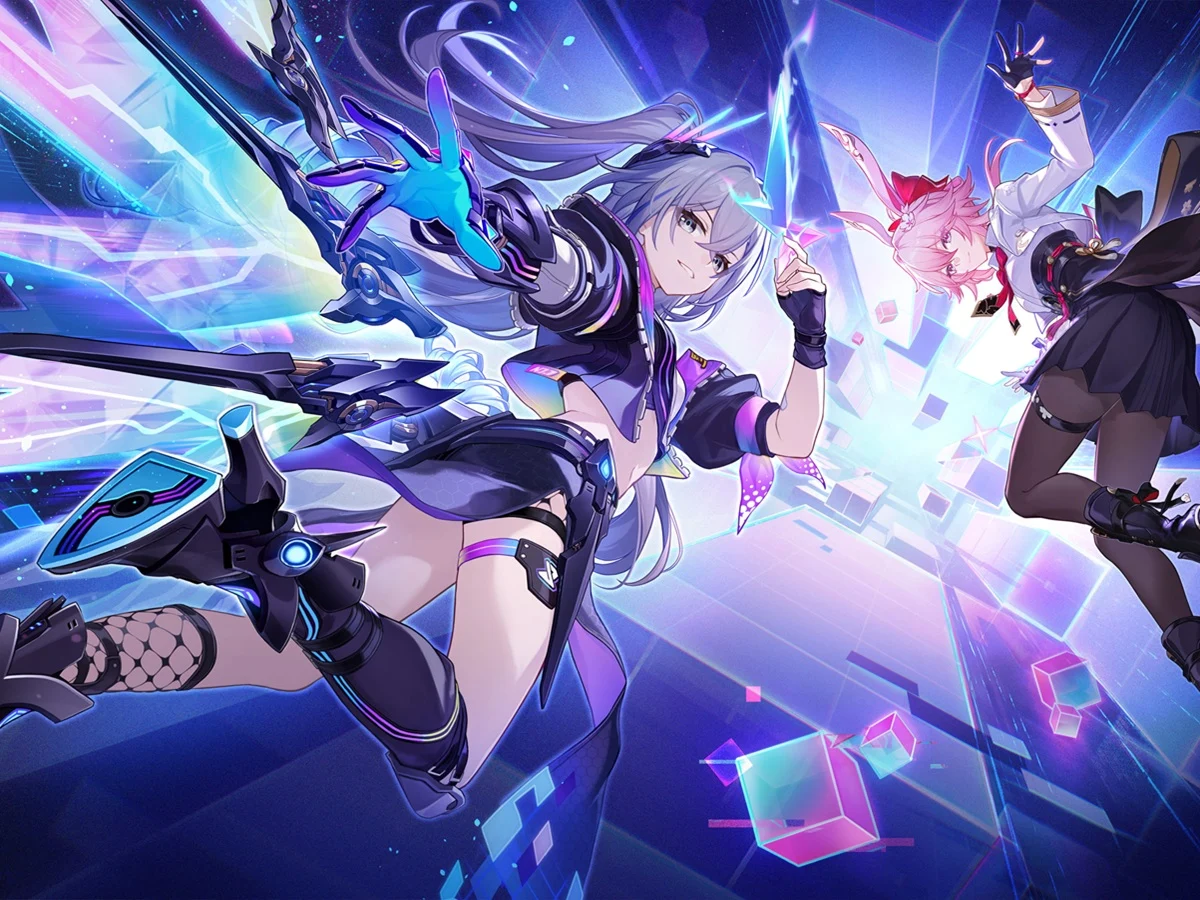
    Meet Evanescia, the dazzling new 5-star Physical hero on the Path of Elation. Her banner, titled The Demoiselle in Charge, is live now, featuring her along with four-star characters Guinaifen, Lynx, and Sushang. Her signature Light Cone called Until the Flowers Bloom Again can be obtained during the Brilliant Fixation banner, enhancing her powers further. Known for her unique dual-resource setup, Evanescia’s kit involves energy and a secondary resource called ‘Certified Banger,’ which keeps her in relentless action.

    Gameplay Mechanics and Team Synergies

    Her skills are built around a clever loop: energy increases generate Certified Banger, which in turn produce more energy, forming a continuous cycle. When Evanescia hits 240 energy, she activates Master Fox, a follow-up attack that inflicts physical elation damage on all enemies and recovers 10 energy per proc. Her main attack targets the primary foe and nearby enemies, while stacking 10 Punchline buffs, which boost her damage based on her elation stats. She works best as a main damage dealer in teams centered on Elation, especially paired with the free Elation Trailblazer added at the start of this version.

    Banner Reruns and Player Incentives

    The rerun banner for Phase 2, called Indelible Coterie, features familiar faces: Tribbie, Sunday, and Feixiao. As with previous banners, their signature Light Cones are available through the Coalesced Truths banner, alongside boosted rates for 4-star Light Cones like Swordplay, Memories of the Past, and Shared Feeling. For players who lost their 50/50 chance during Phase 1, the guaranteed 5-star character is carried over into Phase 2, and any pity points accumulated also transfer, increasing chances to get Evanescia before the end of her banner on June 1.

    Gacha System and Rerun Details

    All banners for Phase 2 follow the standard 50/50 system, with a cap of 90 pulls before guaranteed 5-star chances. The base rate for pulling a 5-star character is set at 0.6 percent. As of now, there hasn’t been any confirmation on a rerun date for Evanescia if players miss her initial appearance. So, players should act fast if they want to add her to their collections before the banner closes in early June.

    Additional Notes and Media

    Honkai: Star Rail is available for free across mobile platforms, PC, and the PlayStation 5. Besides game updates, interesting interviews have been published lately, like with Final Fantasy Tactics composer Hitoshi Sakimoto, who shared insights into the rock-inspired soundtrack and his views on the upcoming Colors of Harmony concert. Meanwhile, fans continue to enjoy a variety of gaming experiences and look forward to new content updates.

    Sources
  • Swatch x Audemars Piguet Royal Pop Pocket Watch Launches with 8 Unique Shades

    Swatch x Audemars Piguet Royal Pop Pocket Watch Launches with 8 Unique Shades

    Key Takeaway

    1. The Swatch x Audemars Piguet Royal Pop is a collection of eight unique pocket watches, functioning as both traditional watches and desk clocks.
    2. The collection includes two main variants: Lepine-style with six designs and Savonnette-style with two designs.
    3. Powered by the Sistem51 movement, these watches offer approximately 90 hours of power reserve and feature high-precision, antimagnetic components.
    4. Prices range from $400 to $420, with availability from Swatch boutiques starting May 16th.

    Launch Details and Type of Collection

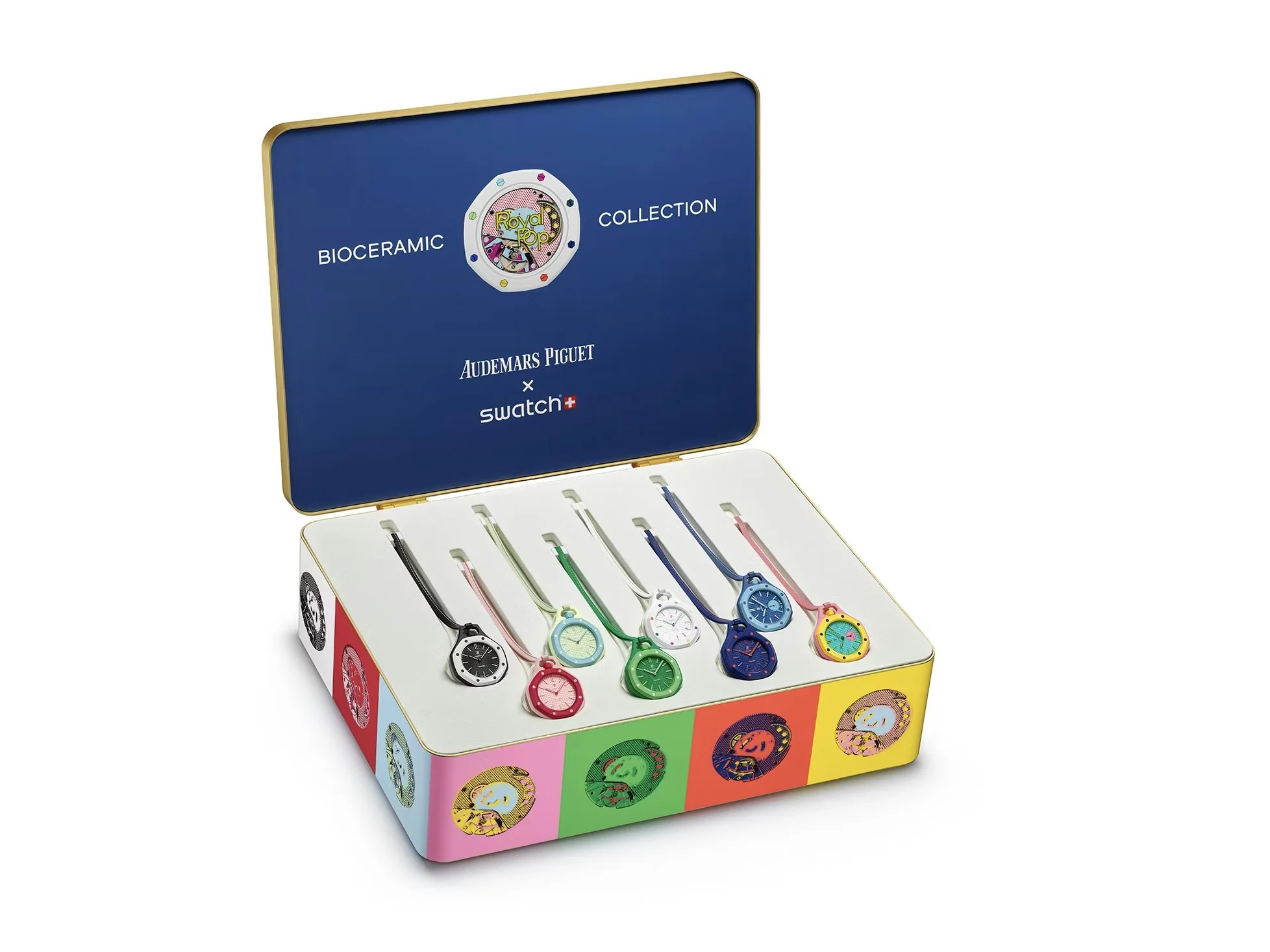
    The much-anticipated Swatch x Audemars Piguet Royal Pop has now officially hit the global market, so people are excited about it. In case you think it’s just another wristwatch, you mistaken! These are actually eight special pocket watches designed for various uses like slipping into your pocket, clipping onto a bag, or standing on a desk with a removable stand.

    Variants and Designs

    Lepine-style and Savonnette-style Pocket Watches

    The collection comes in two main styles: the Lepine-style with a crown positioned at 12 o’clock, showing just the hour and minute, and the Savonnette-style featuring a crown at 3 o’clock with a small second hand at 6 o’clock. The Lepine style has six diverse models, each with its own striking color schemes—such as Orenji Hachi with its navy case and red/orange screws, and Huit Blanc which sports a pristine white finish with rainbow indices. Meanwhile, the Savonnette collection only includes two options, namely Lan Ba in shades of blue and Otg Roz in lively pink, yellow, and teal colors.

    Movement and Price Points

    Power and Precision

    These pocket watches are powered by the Sistem51 movement, promising an impressive power reserve of about 90 hours. They include an antimagnetic Nivachron hairspring and feature precision adjustments done with laser-based technology straight from the factory, ensuring high accuracy and reliability.

    Cost and Availability

    Pricing-wise, the Lepine style version of the Royal Pop is priced at $400, while its Savonnette counterpart is a little more expensive at $420. They are scheduled to be available from selected Swatch boutiques starting from the 16th of May. More detailed information can be found on Swatch’s official website, where enthusiasts can learn everything about these innovative pocket watches.


    Sources

  • RG Modular Handheld Concept Designed by an Anbernic Fan

    RG Modular Handheld Concept Designed by an Anbernic Fan

    Key Takeaway

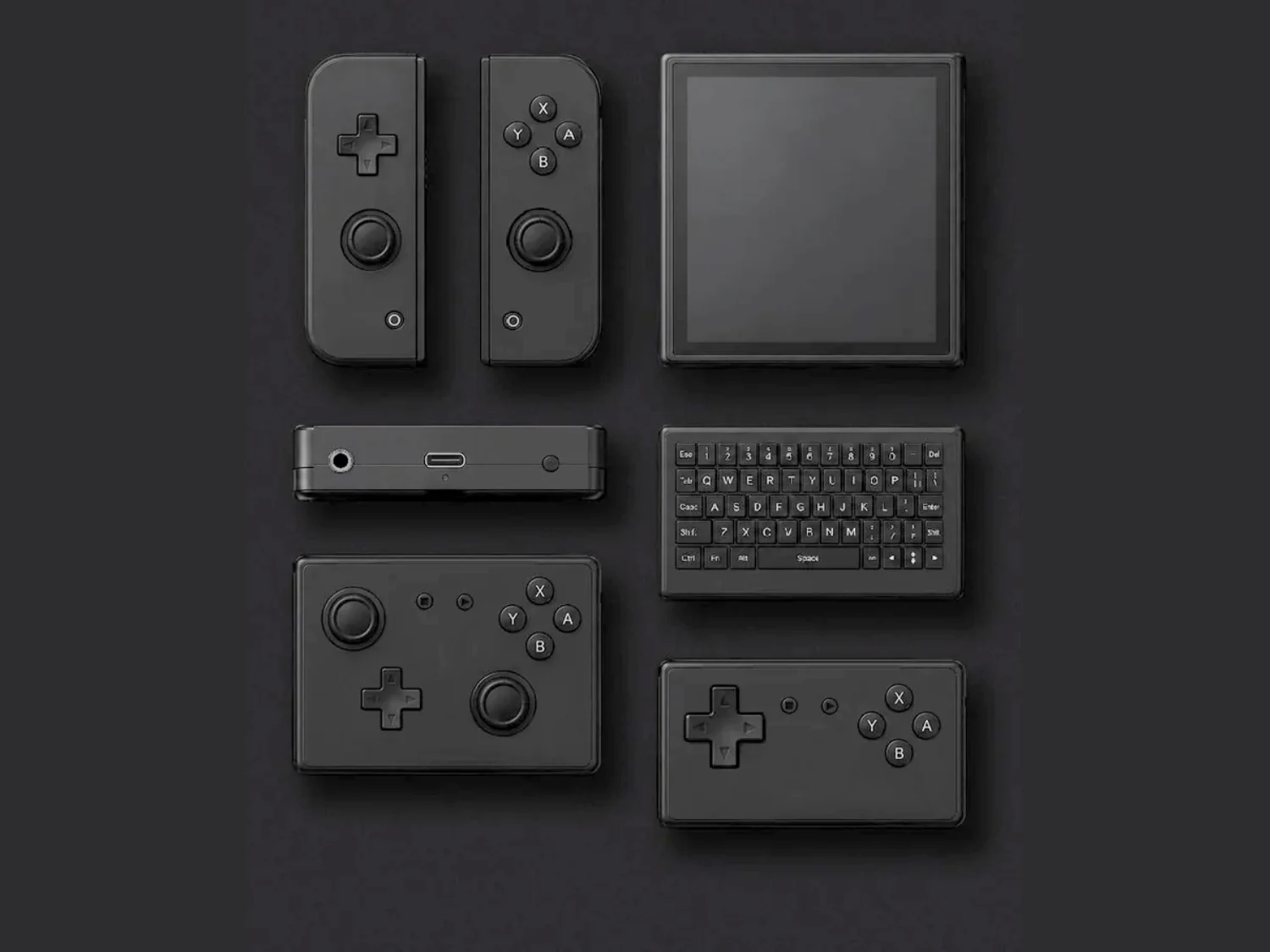
    1. The “RG Modular” concept proposes a customizable handheld gaming device with interchangeable control modules to suit different game types.
    2. Practical challenges include potential top-heaviness with certain modules and debates over connection standards, favoring magnets or Pogo pins to reduce wear.
    3. Screen ratio considerations highlight the importance of maintaining portability and compatibility with retro games, with some advocating for a 4:3 aspect ratio.
    4. This concept is a fan project, not an official product, aiming to meet enthusiast desires for adaptable gaming hardware rather than a one-size-fits-all solution.

    Recent Release and Community Creativity

    Recently, Anbernic gives another shot at portable gaming with their new RG Rotate, but what really catches peoples eye is the fan-driven ideas that sprout around it. A Reddit user called Snoo_6285 shown a concept that is really interesting. They suggest a handheld gadget that you can change around, for different game styles, not just sticking to one size or layout. This kind of modular concept really shakes up the usual way we think about game consoles, bluring the lines between fixed design and user customization.

    Design and Potential Features

    The gadget’s core is like a core screen, where you can attach modules using magnetic or rail systems. The basic model might come with a simple D-pad, perfect for old-school arcade games. But, there will be options for more complex modules like one with dual analog sticks or even a keyboard, which users could add or remove based on their needs. Some folks even thought the modules could double as external batteries, making it more versatile for long gaming sessions. It’s a pretty flexible idea, especially for those looking to fine-tune their handheld to their preferred gaming style.

    Practical Challenges and Considerations

    However, lots of comments pointed out some problems with this setup. While the look is nice and tidy, a module with just a D-pad could make the device top-heavy, making it less comfy to hold. Then there’s the matter of connecting the modules. Many prefer Pogo pin connectors or magnets instead of traditional rails because they tend to wear out less over time. This has sparked debate among the community about what type of connection will be best for durability and ease of use.

    Screen Ratios and Nostalgic Compatibility

    Another topic was about the screen’s shape and size. The sleek look is cool, but some warn that a wider screen might make it harder to run old games that need a 4:3 ratio. They said sticking to a classic 4:3 screen would keep the device small and portable while still respecting retro gaming’s roots. People also joked about collecting every possible module, comparing it to the “Sega Tower of Power,” hinting that some might go wild collecting all different configurations just for fun.

    Fan Projects vs Official Releases

    In the end, this is just a hobby project, not an official product from Anbernic. Although similar mods like the OneX Sugar and GameMT E5 ModX are out there, they tend to cost a lot and attract collectors more then gamers. The idea behind the RG Modular isn’t just about hardware, it reflects what many fans really want: a handheld that adapts to whatever software they desire, instead of being stuck with a generic design that limits gameplay options. It’s a pretty exciting concept for the future of portable gaming, if only just a fan’s dream for now.


    Sources

  • Casio G-Shock MRG-BF1000EB-1A Titanium with Sapphire Bezel $7,700

    Casio G-Shock MRG-BF1000EB-1A Titanium with Sapphire Bezel $7,700

    Key Takeaway

    1. The MRG-BF1000EB-1A features a faceted sapphire bezel inspired by brinicles, enhancing its aquatic and premium design aesthetic.
    2. It utilizes a titanium case with DLC coating and a sapphire caseback, combining durability, scratch resistance, and water resistance certified for professional diving.
    3. The watch includes advanced features such as Bluetooth, solar charging, tide indicator, dive log, and a unique mechanical hand merger for underwater readability.

    The upcoming Casio MRG-BF1000EB-1A appears to be a very unique and highly intriguing diver watch. Casio’s gearing up to celebrate the 30th anniversary of the MRG line, and early revealing renders, as spotted by Casioblog, hint at a stunning model that could become a collector’s favorite this year. The design lovers are especially excited about this one.

    What makes this watch stand out?

    The standout feature here is the faceted sapphire bezel, inspired by a very rare natural phenomenon – brinicles. These icy structures look like multi-faceted ice columns, formed because supercooled salty water interacts with sea ice in Antarctica. Casio took this concept and translated it into the bezel’s geometric sapphire design, matching the high-quality aesthetic expected from the MRG-Frogman series. It’s a strange but beautiful homage to underwater nature’s artistry.

    Construction details and materials used

    This watch is built with sturdy titanium, coated in a sleek dark grey DLC finish, and hardened for extra durability, with measures to withstand professional diving pressures. Its case measures 56 mm by 49.7 mm width, with a thickness of 18.6 mm, making it robust yet wearable. Interestingly, the case back features sapphire glass with intricate Frogman frog engravings, which gives it a special touch. The watch comprises over 70 different parts, all precisely assembled to meet ISO 200 standards, ensuring it’s suitable for serious underwater adventures.

    Design and strap options

    Now, for the straps, Casio has provided a white fluorocarbon rubber band, which excels in resisting water and chemicals while feeling soft on the skin. It also seems like it comes with a metal bracelet made of titanium, plus a handy quick-change tool and a dedicated storage case. This combination ensures versatility and protection for the high-value timepiece.

    Features and technology packed inside

    This Frogman is loaded with features going beyond typical watches, like Bluetooth connectivity, solar power, multi-band radio sync, and a dual time display. It even offers tide information, a 30-dive log, stopwatch, timer, and a perpetual calendar. A truly clever detail is during diving, where the hour and minute hands mechanically merge into a single pointer for better underwater visibility, a feature that smartly caters to divers’ needs.

    Pricing and availability info

    The rumored price for this model is around $7,700, making it one of the most expensive Casio watches in the MRG series. Only about 800 units are expected worldwide, which could make this a highly sought-after collector’s item. Casio’s official announcement is anticipated soon, revealing more specifics, along with additional images of this spectacular dive watch.

    Additional notes

    While waiting for the official release, enthusiasts might want to explore models like the Casio GW-M5610U-1, widely appreciated for its affordability and robust features, available on various retail sites where digital watch fans often hunt for new releases.


    Sources

  • Thunderobot Unveils Steam Machine-Style AMD Mini PC with 96GB VRAM Support

    Thunderobot Unveils Steam Machine-Style AMD Mini PC with 96GB VRAM Support

    Key Takeaway

    1. The Thunderobot AI Mini Workstation is now available for purchase in China, priced at approximately $3,975, featuring high-end specifications including 128GB LPDDR5X RAM and 2TB PCIe 4.0 storage.
    2. Powered by an AMD Ryzen AI Max+ 395 APU with Radeon 8060S iGPU, benchmarked performance approaches that of an Nvidia RTX 4070 Laptop GPU, suitable for heavy AI workloads.
    3. The system incorporates a custom liquid cooling setup with a full-coverage cold plate, supporting up to 176W of power to maintain optimal thermal performance in a compact cubic form factor.

    Unveiling the Thunderobot AI Mini Workstation

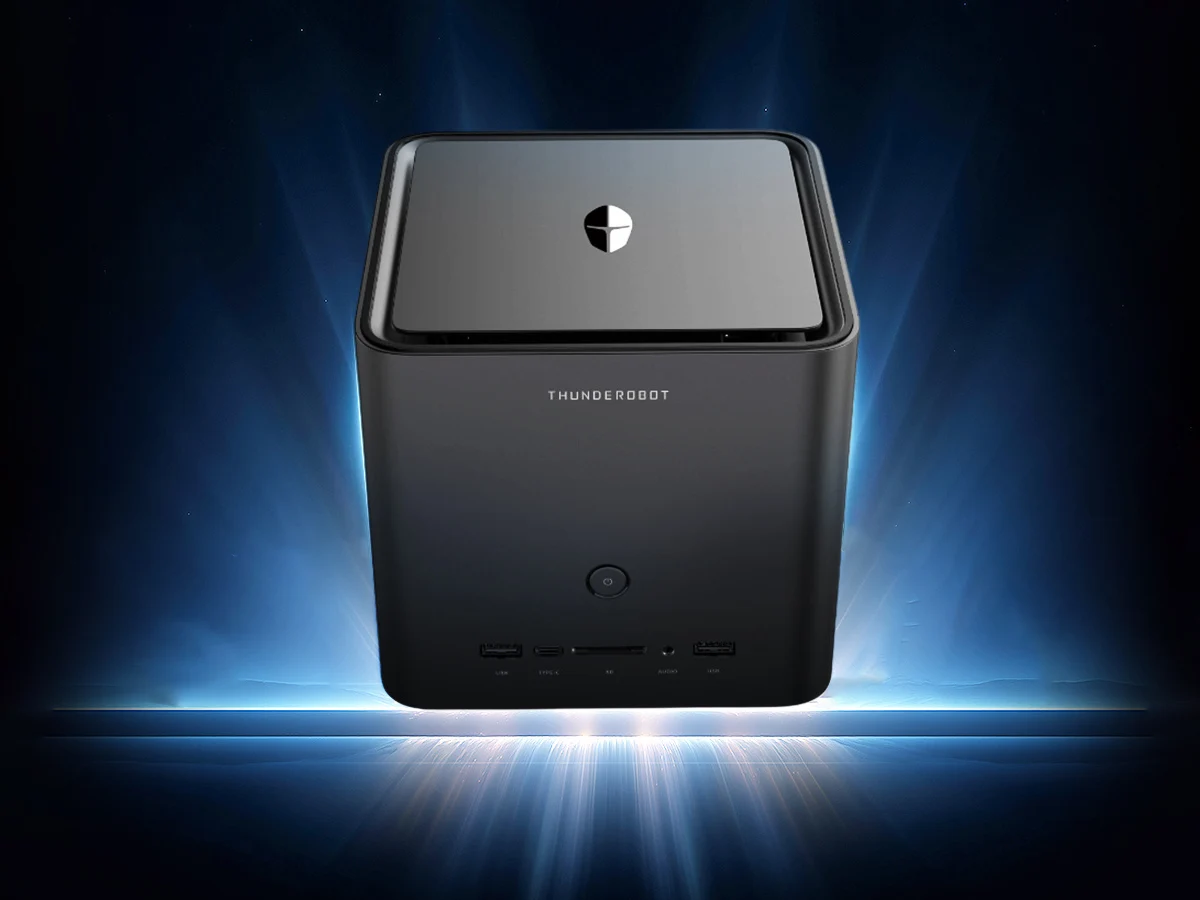
    Back at CES 2026, Thunderobot revealed their new AI Mini Workstation, a compact machine that resembles a Steam console. In that early reveal, they didn’t say when it would be on sale, but now, it is available for purchase in China. Even with a launch discount, its price is notably high, which might be a concern for budget minded buyers.

    Pricing and Specs in Details

    The AI Mini Workstation sports impressive hardware, with 128GB of LPDDR5X RAM and a large 2TB PCIe 4.0 SSD. The initial cost stands at CNY 26,999 in China, roughly equal to $3,975 USD. Under the hood, it runs on the AMD Ryzen AI Max+ 395, the most powerful chip in the Strix Halo series, coupled with Radeon 8060S integrated graphics. This iGPU, based on RDNA 3.5, performed very well in recent tests, coming close to the Nvidia RTX 4070 Laptop GPU. Users can allocate as much as 96GB of VRAM from the total RAM to support AI workloads, making this device especially suitable for intensive tasks.

    Cooling System and Design

    The mini PC’s cooling setup is notable, featuring a custom liquid cooler with a “full-coverage cold plate,” designed to manage heat during demanding use. The liquid cooling system, combined with a 14-phase power supply, provides up to 176W of power output to keep the system running smoothly. Its shape is cubic, measuring 199x199x199mm, making it a compact yet powerful desktop option. The device offers an array of connectivity options, including a variety of ports, and supports WiFi 7 along with Bluetooth 5.4 for wireless connections.

    Market Availability and Alternatives

    Though this high-performance, Steam Machine-style mini PC is currently limited to China, chances of it being available globally seem slim, due to Thunderobot’s limited international reach. For those who are interested in similar configurations, the GMKtec EVO-X2 is a viable alternative, and can typically be found on online retail platforms. As it stands, the Thunderobot AI Mini Workstation is a potent but pricey option, especially suited for demanding AI and gaming tasks within a compact form factor.


    Sources

  • Intel Partners with Qualcomm and MediaTek for Googlebook Laptop Power

    Intel Partners with Qualcomm and MediaTek for Googlebook Laptop Power

    Key Takeaway

    1. Google is launching the Googlebook line, a potential direct competitor to the MacBook Neo, with a variety of hardware options from OEM partners like HP, Dell, Acer, Asus, and Lenovo.
    2. The new laptops are expected to run on Aluminum OS (ALOS), anticipated to launch in Fall 2026, and may be based on ARM architecture, possibly utilizing Intel processors designed for ARM.
    3. Google is collaborating with Qualcomm, MediaTek, and Intel on this project, with Intel possibly bringing ARM-based processors to the lineup, marking one of the first commercial deployments of Intel’s ARM-compatible SoC.

    Google’s New Portable Laptops: The Googlebook Lineup

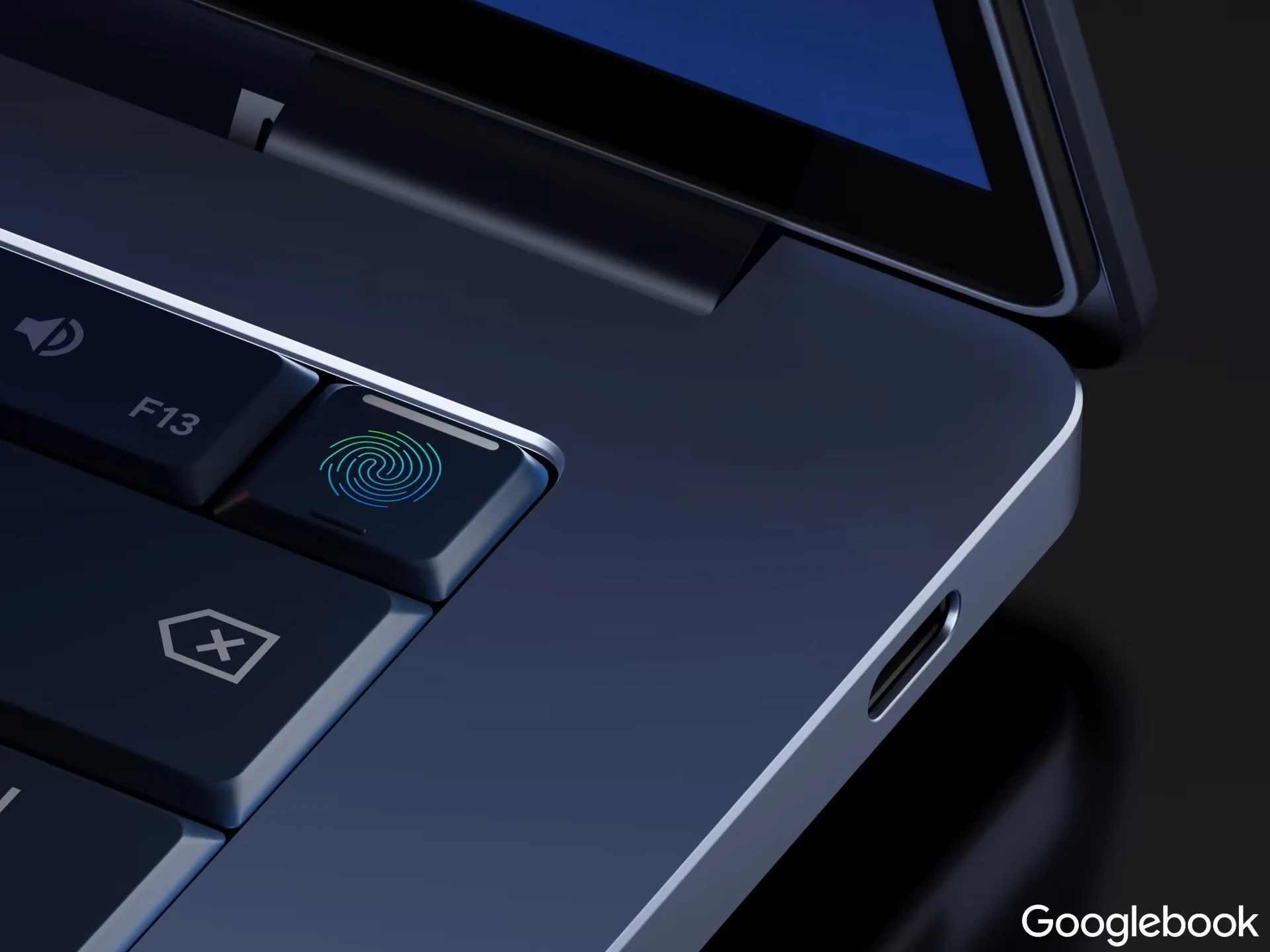
    Recently, Google has announced its plan to possibly launching a new series of laptops called the Googlebook line, which is seen as a competitor to the MacBook Neo. The company has shared at an event that they are collaborating with several OEM partners—like HP, Dell, Acer, Asus, and Lenovo—which gives us insight on the variety of designs and hardware options that might come out.

    Limited Hardware Details But Potential Collaborations

    When it comes to the internal components, Google didn’t reveal much about the processors. But in a chat with Chrome Unboxed, John Maletis, Google’s VP, confirmed that they are working with Qualcomm, MediaTek, and Intel. This diverse collaboration indicates a potential for a range of hardware configurations.

    Partnerships and Operating System Hints

    Intel even went ahead to make a formal post on X, stating that they work together with Google specifically on the Googlebook project. The exact operating system isn’t officially confirmed yet, but most expectation is that it will be Aluminum OS (ALOS), planned for launch around Fall 2026, aligning with the expected release of the laptops.

    Leak Insights and ARM Compatibility

    Some leaks by Mystic Leaks suggest that the OS is designed for ARM-based devices, which clarifies Qualcomm and MediaTek’s roles. However, Intel’s involvement in this project suggests the possibility of Intel ARM processors, perhaps the upcoming reference SoC codenamed Deer Creek Falls, based on the 18A node process. This would mark an interesting step as it’s possibly one of the first commercial uses of this new ARM technology.

    Future Expectations and Market Competition

    This move by Google could greatly influence the competition with Apple’s M-series MacBooks, especially if they bring affordable or versatile options. The expected launch around Fall 2026 makes it an exciting upcoming rival to the likes of the 13-inch M5 MacBook Air, currently priced at around $999. So, keep an eye on how Google’s new line could reshape the portable laptop market.

    Sources
  • GameStop CEO Ryan Cohen Continues Push After eBay Rejects $56B Bid

    GameStop CEO Ryan Cohen Continues Push After eBay Rejects $56B Bid

    Key Takeaway

    1. eBay has rejected GameStop CEO Ryan Cohen’s $56 billion acquisition proposal, citing concerns over deal credibility, financial stability, and increased risk.
    2. eBay’s board affirms confidence in the company’s current strategic focus, growth, and management, stating they have no plans to sell.
    3. Ryan Cohen remains determined to acquire eBay, publicly asserting his persistence despite the rejection and lack of initial funding.

    eBay Strongly Declines the Offer

    eBay said that they simply wasn’t interested in selling, calling GameStop’s offer “neither credible” nor attractive. The company’s decision came after their board and advisors spent days reviewing the proposal, and they concluded that the deal was not worth considering. They stated that eBay’s marketplace is doing quite well without any outside help and that combining with GameStop could lead to too much debt and increased financial risks.

    Official Statement from eBay

    In an official letter, eBay explained that their platform is thriving on its own, emphasizing its strong performance and strategic focus. They highlighted improvements in their seller and buyer experience, and reiterated their commitment to growing the business. The letter read, “eBay is a strong, resilient business that has delivered meaningful results over the past several years. We have sharpened our strategic focus, strengthened execution, enhanced our marketplace and seller experience, and consistently returned capital to shareholders.”

    Ryan Cohen’s Persistent Campaign

    Despite eBay’s rejection, Ryan Cohen remains determined to acquire the company. He publicly stated, “The more eBay fights me, the more I’m not going to take no for an answer. I’m not going away. I’m a pain in the ass.” His persistence shows he is still interested, even though he currently lacks the necessary funds. He explained to the Financial Times that he plans to keep pushing forward regardless of the rejection.

    Details of the Proposed Deal

    • Offer Price: $125 per share, which was about a 20% premium.
    • Payment Split: 50% cash and 50% in new GameStop stock.
    • Ownership: eBay shareholders would get roughly 70% stake in the merged entity, with Cohen as the CEO.
    • Funding: To finance the $28 billion cash part, GameStop intended to use $9 billion of its own cash and take on $20 billion in debt from TD Securities.

    Final Thoughts

    At the end, eBay is clearly not interested in selling, and their statement shows contentment with their current trajectory. Cohen’s adamant stance indicates he’s not giving up just yet, despite the hurdles. The situation remains tense as both sides hold firm to their positions, promising a potentially long battle over the future of these major tech and retail firms.

    Sources
    • Lossless Scaling Guide for Better Modding Results

      Lossless Scaling Guide for Better Modding Results

      Key Takeaway

      1. Lossless Scaling’s Frame Generation (FG) enhances framerates on various hardware platforms, especially useful for achieving smooth gameplay in demanding titles.
      2. It can offload frame generation to a secondary GPU, preserving performance and reducing latency, but may not work well with weaker integrated GPUs.
      3. Its primary practical use lies in improving motion clarity and visual sharpness, particularly for pixel art and older animations, rather than traditional game scaling.
      4. While helpful for non-competitive gaming, using FG in online multiplayer may impact fairness if it causes gameplay frame rate inconsistencies.

      Introduction to Lossless Scaling

      Lossless Scaling is an innovative tool that work very well in enhancing game visuals and performance, particularly on modern displays. It does this mainly by sharpening the image through integer and XBR scaling techniques, which makes pixel art games look crisper and more detailed on newer screens. Anime4K is also supported, helping clean up old cartoons effectively. However, it is important to note that while LS1, FSR, and NIS are options available for modern games, most players prefer utilizing built-in solutions like DLSS, FSR, or XeSS, since those are optimized for specific titles instead of relying solely on Lossless Scaling’s scaling methods.

      Using Frame Generation for Better Performance

      One of the coolest features of Lossless Scaling is its ability to offload Frame Generation to a second GPU. This is a brilliant way to get smoother gameplay at high frame rates without sacrificing base performance or increasing latency. The concept involves rerouting video through a secondary GPU, which can be especially useful for systems where the main GPU is already pushed to its limits. But, be aware that older or weaker integrated GPUs might not support this feature very well, which can limit its effectiveness. For more detailed explanation, a popular tech review has covered this in-depth, outlining the benefits and constraints of this approach.

      Considerations and Ethical Use

      Admittedly, Lossless Scaling Frame Generation isn’t a magic bullet for competitive gaming, and some might even consider it borderline as a form of cheating in serious tournaments. Still, it’s no different from features like G-Sync Pulsar or CRT monitors, which enhance motion clarity but aren’t necessarily used in official competitions. If you’re looking to improve motion smoothness for casual gaming, especially on a high-refresh rate display, FS1 can be a real godsend. However, you should ensure your system can reliably run the game at a steady 60 FPS with spare GPU capacity before enabling Frame Generation, or you risk disrupting the online experience with laggy or inconsistent performance, especially if you play online with rollback netcode. Remember, maintaining fair play is also your responsibility, so use these enhancements wisely.

      Sources
    • Sony Xperia 1 VIII: Improved Cameras and Long Battery Life

      Sony Xperia 1 VIII: Improved Cameras and Long Battery Life

      Key Takeaway

      1. The Xperia 1 VIII features substantial camera upgrades, including larger sensors and RAW multi-frame processing for improved low-light performance.
      2. It introduces Xperia Intelligence, an AI camera assistant that offers scene-based suggestions and settings.
      3. The phone’s design is inspired by raw gemstones, featuring a new textured “ORE” pattern.
      4. Hardware includes the Snapdragon 8 Elite Gen 5, up to 1TB storage, and a 6.5-inch OLED display with 120Hz refresh rate.
      5. The device retains a 3.5mm audio jack, offers a “2-day” battery estimate, and comes with a pre-order bonus of Sony WH-1000XM6 headphones.

      Introducing Sony’s Latest Flagship Smartphone

      Sonys new flagship, the Xperia 1 VIII,’s has been finally announced, bringing many hardware upgrades over the last model. Among these upgrades, the camera system has gotten significant attention, with three new sensors at the back, including a 16mm, 24mm, and 70mm lenses. Though the specific details about these sensors haven’t been fully detailed publically, Sony mentions that the telephoto sensor of 1/1.56 inches is four times larger than the previous Xperia 1 VII, which performed well in our reviews. All three camera sensors uses RAW multi-frame processing, promising to enhance dynamic ranges and reduce noise especially in low-light environments.

      Smart AI Features and Design Innovations

      The Xperia moves forward with an AI camera assistant named Xperia Intelligence, which helps users by suggesting adjustments like bokeh effects, lens choices, or scene-specific enhancements. This feature makes photography more approachable for everyone. The phone also maintains a dedicated shutter button, just like before, but now it’s integrated into a fresh, “ORE” design inspired by rough gemstones, giving it a unique raw appearance. Sony claims this design has a sandstone-like texture, possibly echoing the aesthetic of some of the highest-end devices from different brands. It’s a look that likely adds a natural touch to the phone’s overall appearence.

      Hardware Specs and Expected Features

      The Xperia 1 VIII is powered by the Snapdragon 8 Elite Gen 5 chip, ensuring robust performance, paired with up to 1TB of storage capacity. The device is presumed to feature a 6.5-inch OLED display with a 120Hz refresh rate, providing smooth visual experiences and vibrant colors. However, Sony hasn’t disclosed the battery capacity or specific details on battery life, only mentioning that the device can last up to two days on a single charge under typical use. The inclusion of a 3.5mm audio jack, along with sound tuning reminiscent of Sony’s Walkman line, underlines the company’s focus on audio quality for the user.

      Pricing and Pre-Order Bonuses

      • 256GB model costs €1,499
      • 1TB model goes for €1,999

      As a special pre-order bonus, Sony offers a free pair of WH-1000XM6 headphones, valued at $458, adding extra value for early customers. The Xperia 1 VIII promises to be a high-end device that combines advanced camera technology with a sleek design and powerful hardware, aimed at users who demand the best from a smartphone.


      Sources