Category: All News

  • Xiaomi Unveils Global Wearable with 2000-Nit AMOLED, 21-Day Battery

    Xiaomi Unveils Global Wearable with 2000-Nit AMOLED, 21-Day Battery

    Key Takeaway

    – Xiaomi 17T and 17T Pro launch event slated for May 28 in Vienna; teasers ongoing.
    – Smart Band 10 Pro released outside China (Japan) in multiple finishes with higher prices than Smart Band 9 Pro.
    – Shared hardware across versions: 350 mAh battery (up to 21 days), 1.74-inch AMOLED, 480×336, 60 Hz, 2,000 nits brightness; over 200 watch faces and 150 sports modes.


    Xiaomi Launch and Smart Band 10 Pro Release

    Xiaomi will be hosting a new global launch event on May 28 in Vienna

    the announcement says the event will unveil new devices, and the company has been teasing both the Xiaomi 17T and 17T Pro for weeks now. in the meantime, there is a quieter note: Xiaomi has quietly started selling the Smart Band 10 Pro outside China, expanding its reach beyond its home market. this paragraph keeps a conversational tone and shares the essential timing, while also hinting at the broader product lineup to be shown at the event.

    Smart Band 10 Pro reaches Japan with multiple finishes

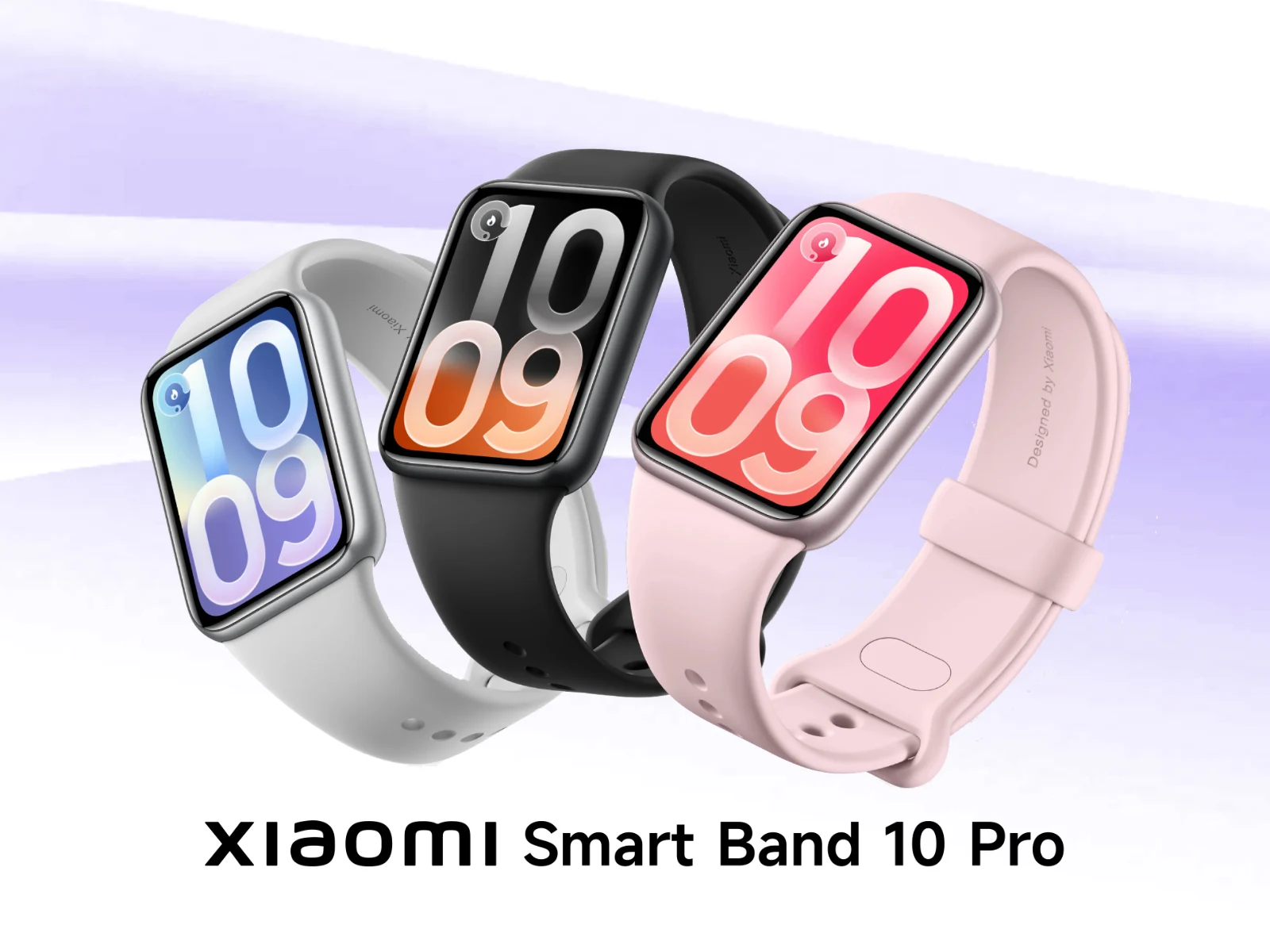
    specifically, the Smart Band 10 Pro is available in Japan with choices between Black, Ceramic Edition, Pink, and Silver finishes. at the time of writing, Xiaomi charges at least 12% more for the Smart Band 10 Pro than the older Smart Band 9 Pro, with current pricing around $89 on major retailers. the Ceramic Edition price increases from JPY 10,800 (~$68) to JPY 13,800 (~$87). this paragraph describes pricing and variants in a direct, factual style while noting regional variation.

    All versions share the same core hardware

    however, all versions feature the same underlying hardware. as in China, the Smart Band 10 Pro contains a 350 mAh battery rated for up to 21 days of battery life. also, Xiaomi includes a 1.74-inch AMOLED display that combines 2,000 nits peak brightness with a 480 x 336-pixel resolution and a 60 Hz refresh rate. this paragraph emphasizes hardware parity across markets, using a different voice with emphasis on specs.

    Software features and market status

    moreover, Xiaomi pre-installs over 200 watch faces and 150 sports modes. pricing remains unknown for other markets, though. for context, the fitness tracker debuted less than a week in Xiaomi’s home market. please see our launch article for more details. this sentence notes software as well as the limited information about other regions, maintaining a slightly informal tone and a sense of ongoing coverage.

    Xiaomi


    Sources

  • Xiaomi Luxury Smartwatch Aims 21-Day Battery, 2500-Nit AMOLED Display

    Xiaomi Luxury Smartwatch Aims 21-Day Battery, 2500-Nit AMOLED Display

    Key Takeaway

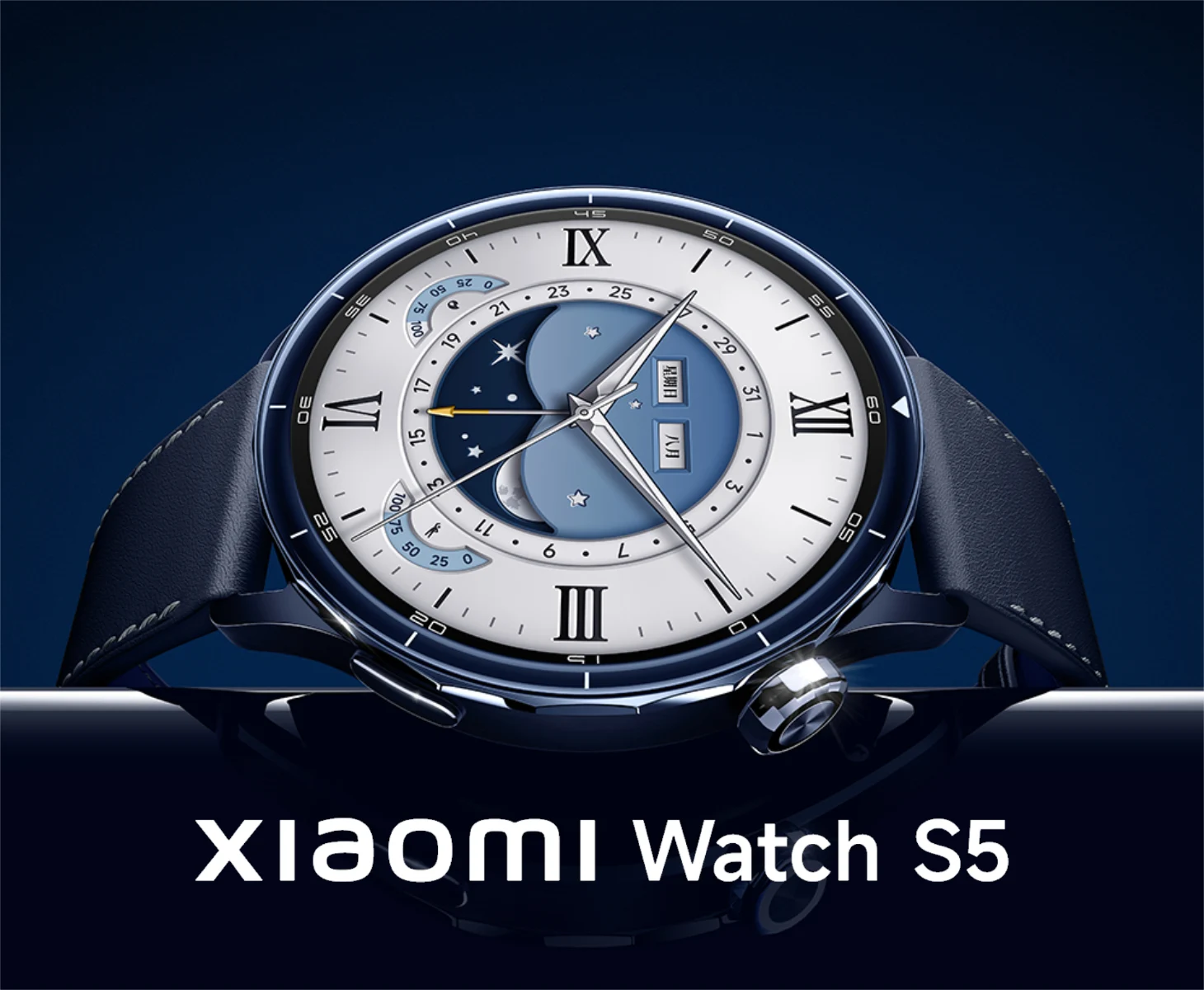
    – Global listing confirms international specs and color options: Black, Ceramic Blue, Jungle Green, and Silver for the Watch S5.
    – Premium build with 1.48″ AMOLED display (46 mm case, 480×480, ~323 PPI) and high brightness (up to 2,500 nits peak).
    – Long battery life: 815 mAh battery, up to 9 days with always-on display, up to 21 days in power-saving mode.
    – Built-in GPS with 150+ pre-installed sports modes; positioned as a premium alternative to Xiaomi’s Smart Band line.
    – Global launch pending with an event in Vienna on May 28, potential tie-in with Xiaomi 17T/17T Pro lineup.


    Xiaomi quietly lists Watch S5 outside China with global specs

    the first paragraph is written in a casual tone, yet it lays out the core news: Xiaomi has quietly listed the Watch S5 outside China, signaling a global release. this mention, along with the confirmation of hardware specs for the international version on the global website, sets the stage for a broader availability. the piece notes color options such as Black, Ceramic Blue, Jungle Green, and Silver, hinting at a diverse finish lineup for the global market.

    Global colors and battery life teased

    in this paragraph the style shifts to a more descriptive approach, pointing out that the Watch S5 is positioned as a premium option compared to the Smart Band lineup, with a price context like curr. $89 on amazon serving as a referenced benchmark. the device keeps the same 815 mAh battery from the Chinese release and allegedly promises up to 9 days with always-on display enabled, while power saving mode could extend to about 21 days, though these numbers are often subject to real-world usage.

    Display, specs, and features outlined

    switching to a technical cadence, the article specifies a 1.48-inch AMOLED panel housed in a 46 mm case, delivering 323 PPI from a 480 x 480 resolution. it is noted that brightness peaks at 2,500 nits in certain conditions, with 1,500 nits for the full panel. the watch is also described as having built-in GPS and more than 150 pre-installed sports modes, highlighting its feature-rich design that aims to appeal to fitness enthusiasts and everyday users alike.

    Launch timing and events suggested

    in another shift toward timeline and event context, the piece states that Xiaomi has not yet disclosed a precise international launch date outside China. however, a global launch event is scheduled in Vienna on May 28, with the Xiaomi 17T and 17T Pro as focal points, while other devices are anticipated to be announced in attendance. this framing signals the broader strategy around simultaneous or staggered reveals for multiple products.

    Potential positioning within Xiaomi’s lineup

    the concluding paragraph threads the notion that the Watch S5 might join the Xiaomi 17T series in the market, suggesting a cross-product emphasis during the event. readers are directed to a prior launch article for more context about Xiaomi’s latest luxury smartwatch, keeping the narrative anchored in the broader ecosystem while avoiding newer details beyond what was included in the original briefing.


    Sources

  • Xiaomi Poco Tablet Launches Worldwide with HyperOS 3

    Xiaomi Poco Tablet Launches Worldwide with HyperOS 3

    Key Takeaway

    – Poco Pad C1 is a new 9.7-inch Poco-branded tablet with Snapdragon 6s Gen 2, 4G, and a 7,600 mAh battery.
    – It offers 120 Hz IPS display at 2048 x 1280, 500 nits typical brightness (600 nits outdoors), plus LPDDR4X RAM and UFS 2.2 storage.
    – Availability is limited so far to Malaysia, Singapore, and Thailand, with broader launch expected after Xiaomi’s May 28 event; pricing starts at MYR 549 / SGD 179 / THB 4,899.


    Overview

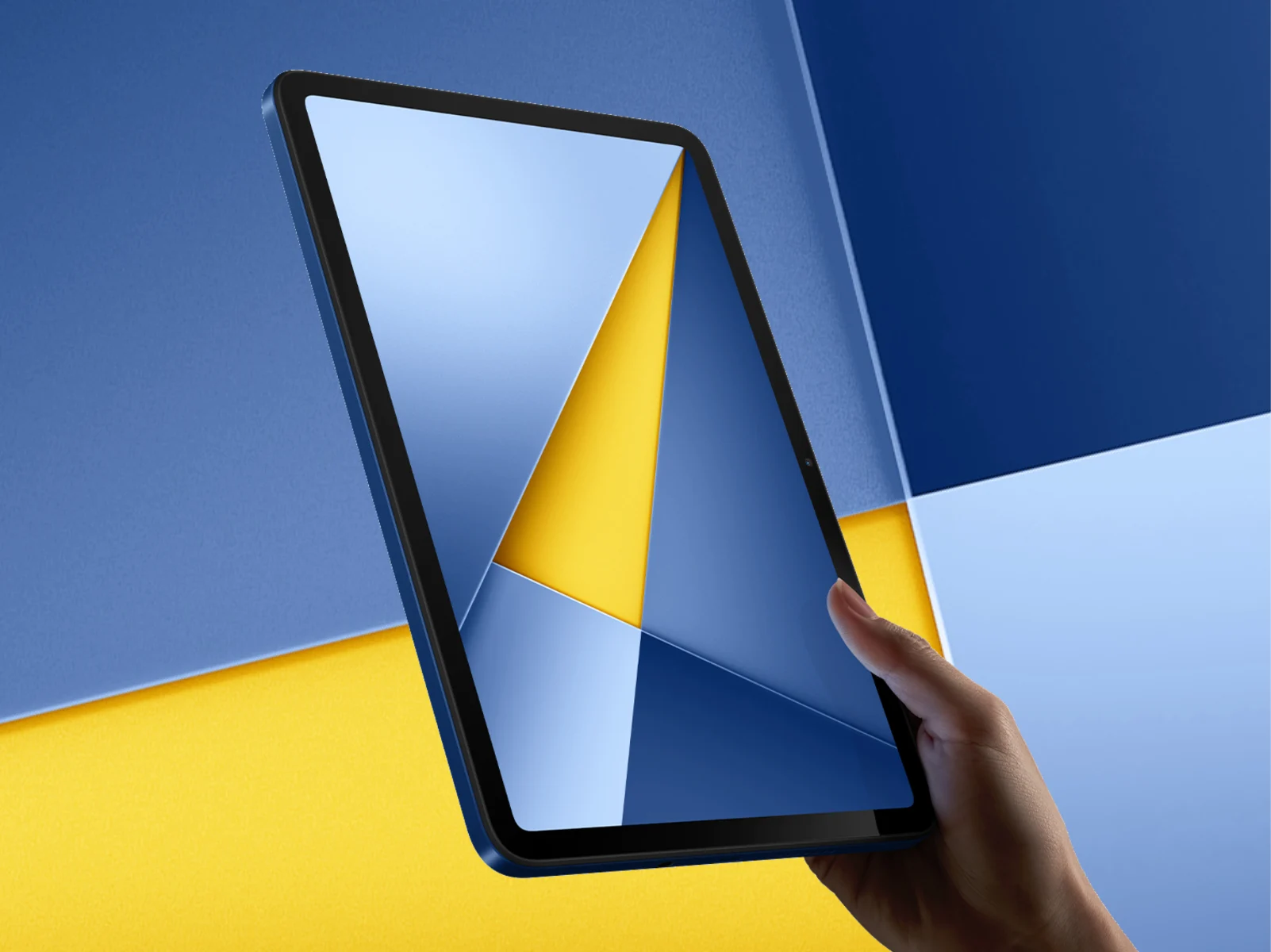
    Xiaomi has now started selling its latest Poco-branded tablet internationally. Listed earlier this month on the company’s global website, the Poco Pad C1 is a smaller alternative to the Poco Pad M1 (curr. $299 on Amazon). Please see our Poco Pad M1 review for more details about Xiaomi’s latest 12.1-inch Poco-branded tablet. To recap, the Poco Pad C1 combines Qualcomm’s Snapdragon 6s 4G Gen 2 chipset with a 7,600 mAh battery and a 120 Hz IPS battery. For reference, the latter outputs at 2,048 x 1,280 pixels with 500 nits typical brightness and 600 nits brightness when using the tablet outdoors. Also, the tablet features LPDDR4X RAM, UFS 2.2 flash storage and a 3.5 mm headphone jack.

    Availability

    Currently, the Poco Pad C1 is available in Malaysia, Singapore and Thailand. By contrast, the tablet is not listed on Xiaomi’s other websites yet. However, we would expect the Poco Pad C1 to go on sale elsewhere after Xiaomi’s May 28 global launch event. The new 9.7-inch tablet starts at MYR 549, SGD 179 and THB 4,899 (~$150) with 4 GB of RAM and 64 GB of storage. Alternatively, Poco Pad C1 can be configured with 6 GB of RAM and 128 GB of storage for MYR 629, SGD 199 and THB 5,899 (~$180). Both memory configurations can be purchased in Blue or Grey finishes, too. Please see Xiaomi’s website for more details.

    Specs Snapshot

    The Poco Pad C1 packs a 9.7-inch display, Snapdragon 6s 4G Gen 2, 7,600 mAh battery, and 120 Hz refresh rate, alongside LPDDR4X RAM, UFS 2.2 storage, and a standard 3.5 mm jack. The 2,048 x 1,280 resolution delivers a crisp picture, with brightness up to 600 nits outdoors. This paragraph keeps the details the same as the original, but with a slight rewording to vary the style.


    Sources

  • Samsung Galaxy A27 Specs, Colors, Renders Leak Ahead of Launch

    Samsung Galaxy A27 Specs, Colors, Renders Leak Ahead of Launch

    Key Takeaway

    – Design shifts to a punch-hole selfie camera and a modern look, with color options in Light Pink, Blue, and Black.
    – Switch from Exynos to a 4nm Snapdragon 6 Gen 3 chipset, signaling a key platform transition for the A-series.
    – Notable downgrades: ultra-wide camera drops from 8MP to 5MP and the microSD card slot is removed.


    Big leak hints Galaxy A27 release and specs

    There’s a big leak that’s been circulating, and it sheds light on the upcoming Galaxy A27, which we reported on back in April. Marketing materials and press renders, shared by a trusted leakster, indicate that Samsung’s new affordable phone is gearing up for a release in the second half of 2026, bringing some changes to the company’s budget lineup. The details point to a shift in design and components, aiming to refresh Samsung’s mid-range family.

    Design shifts and color options

    The renders seem to reveal that Samsung is moving toward a modern design with a punch-hole selfie camera instead of the old notch in the Galaxy A26. The Galaxy A27 is expected to come in Light Pink, Blue, and Black. These colors give the phone a youthful vibe, while the punch-hole setup aligns with contemporary trends seen in many rivals and Samsung’s own lineup.

    Internal changes signal a platform shift

    The most significant internal change is the departure from Samsung’s in-house Exynos chip. The Galaxy A27 is expected to feature the 4nm Snapdragon 6 Gen 3, which scores about 10% higher than the 5nm Exynos 1380 in the Galaxy A26. This transition marks a meaningful platform shift for the mid-range A-series, which has largely relied on Exynos chipsets across Europe and Asia for several generations.

    Expected specs and key downgrades

    While the A27 retains some core elements like the 50MP main camera, a 5,000 mAh battery and 25W charging, there are several changes. All in all, if the leaked info pans out, there are a few big downgrades compared to the Galaxy A26, which include the ultra-wide-angle camera going from an 8MP to 5MP sensor. At the same time, Samsung seems to be removing the microSD card slot from the A27, which is a major selling point of the A26.

    OnLeaks via Mymobiles.com


    Sources

  • Xiaomi Unveils Wireless Over-Ear Headphones with 72-Hour Battery Life

    Xiaomi Unveils Wireless Over-Ear Headphones with 72-Hour Battery Life

    Key Takeaway

    – Xiaomi released the Redmi Headphones Neo in Japan with 40 mm drivers, 42 dB Adaptive ANC, up to 72-hour battery, and a wired high‑res mode.
    – Bluetooth 5.4 with 20 Hz–20 kHz (Bluetooth mode); wired mode supports 20 Hz–40 kHz.
    – 263 g weight, triple microphone setup for improved call quality; price in Japan around ¥7,980 ($50).


    Overview of the Xiaomi Launch News

    Xiaomi is expected to unleash seveal devices globally on May 28 during its Vienna-based launch event. In the meantime, the company has already released a new pair of over-ear headphones. For the time being, Xiaomi is only offering the Redmi Headphones Neo in Japan.

    Product Details and Rumors

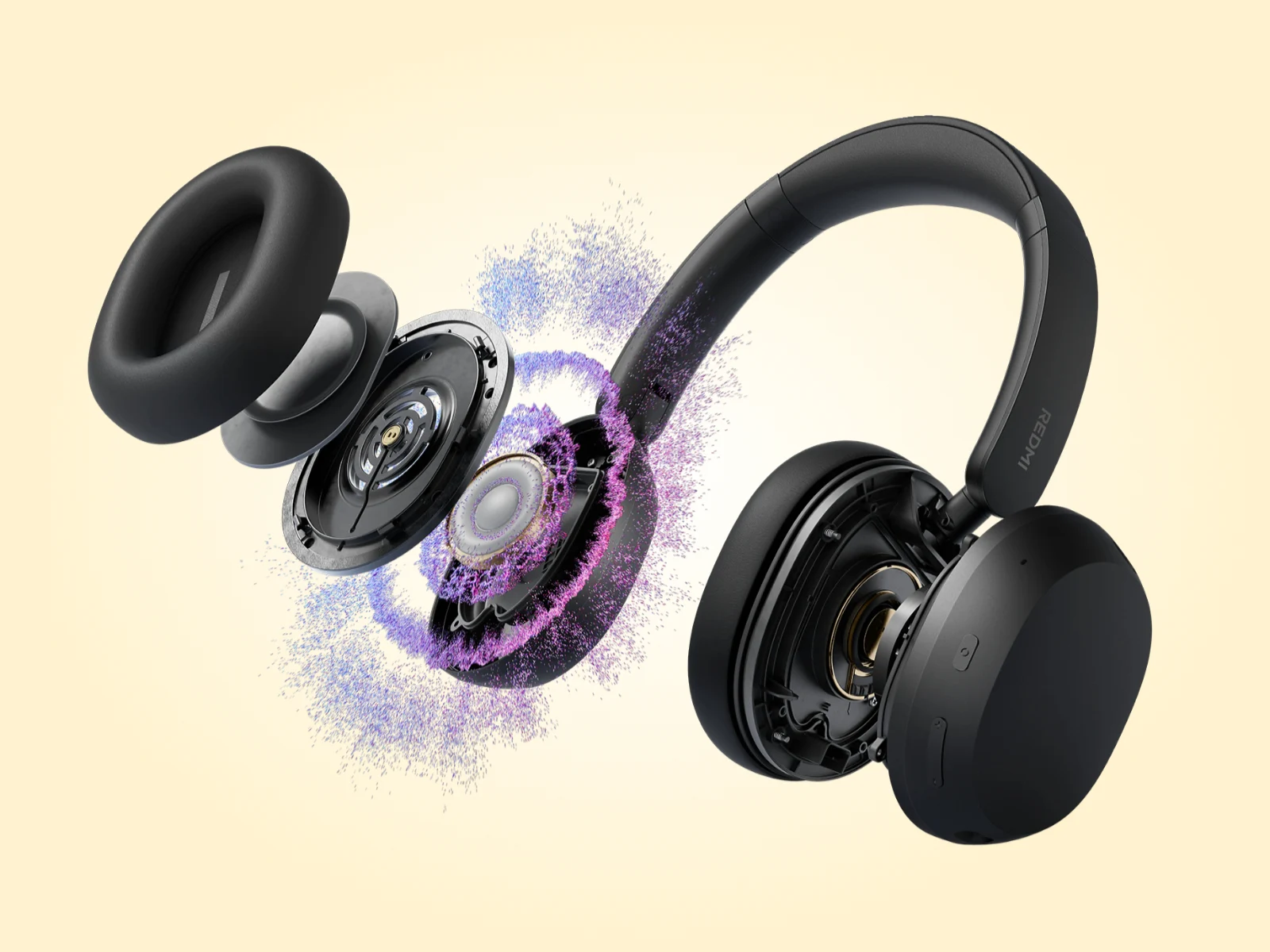
    However, we suspect that will change within the new days or so. Incidentally, the Redmi Headphones Neo were briefly available unofficially almost a month ago. As the image below shows, the headphones boast 40 mm dynamic drivers, up to 42 dB of Adaptive ANC and an optional high-resolution wired mode. Moreover, the headphones are said to last up to 72 hours between charges thanks to their 600 mAh battery.

    Technical Spec Highlights

    On top of that, the Redmi Headphones Neo supports Bluetooth 5.4 connectivity with 20 Hz-20 KHz frequency response delivered in Bluetooth mode. By contrast, the 263 g headphones provide a 20 Hz-40 kHz frequency response in wired mode. Also, Xiaomi has included a triple microphone setup to maximise audio quality during calls, too.

    Pricing and Availability

    For reference, Redmi Headphones Neo retail for JPY 7,980 (~$50), which makes them a fair bit cheaper than the Redmi Buds 8 Pro for which Xiaomi charges JPY 9,980 in Japan (~$62) (curr. $85 on Amazon). The over-ear headphones are already being sold for JPY 6,980 (~$44), though.


    Sources

  • Asus launches new desktop worldwide as Apple iMac rival

    Asus launches new desktop worldwide as Apple iMac rival

    Key Takeaway

    – Asus has released a Snapdragon X-powered all-in-one desktop, the VM441, positioned as an iMac-like alternative with a 23.8″ 1080p display and 60 Hz refresh rate.
    – It uses an older Snapdragon X1-26-100 chipset, includes 16–32 GB RAM (16 GB currently available), built-in speakers, mic array, 5 MP Windows Hello webcam, Bluetooth 5.3, and Wi‑Fi 6E.
    – Availability and pricing: marketed in the US and India (sold via Best Buy and other channels), with confirmation of 16 GB variants currently in stock.


    Asus launches Snapdragon X powered AiO desktop

    Asus has rolled out a new all-in-one computer this year, stepping into the Snapdragom X arena with a model that mirrors the Apple iMac in concept if not in price. The VM441 (V400 AiO VM441QA) is billed as Asus’ response to sleek, compact desktops, and it arrives with the older Snapdragon X X1-26-100 chip that previously powered the Zenbook A14. The device comes with a 23.8-inch 1080p panel that maxes out at 300 nits, and it covers 100% of the sRGB color gamut while delivering a 60 Hz refresh rate.

    • Display: 23.8-inch 1080p, 300 nits peak, 100% sRGB, 60 Hz
    • Processor: Snapdragon X X1-26-100
    • Ports: Various I/O options included

    Built‑in features and connectivity

    The VM441 isn’t just about a single screen and silicon; it also packs a built-in speaker system, a microphone array, and a 5 MP webcam that supports Windows Hello for easier sign‑ins. In addition, Asus adds wireless features like Bluetooth 5.3 and Wi‑Fi 6E, making it reasonably current for contemporary home or small office setups. The device is marketed with 32 GB RAM on the official page, but at present only 16 GB configurations are available to buy. The company is offering the VM441 in select markets such as the US and India, with pricing currently listed at various retailers.

    Pricing, RAM, and availability

    In terms of price, Asus positions the VM441 similarly to premium all‑in‑ones, though exact street pricing can fluctuate by region and retailer. The RAM story is a bit tangled, as Asus touts 32 GB on its site, yet stock ships as 16 GB by default, leaving buyers to weigh whether an upgrade is necessary or if the existing memory suffices for their workloads or casual use. Availability is being scoped to markets like the United States and India for now, with future expansions possible depending on demand and supply chains.

    Sources
  • Xiaomi Washer-Dryer with Electrolysis Cuts Detergent Use

    Xiaomi Washer-Dryer with Electrolysis Cuts Detergent Use

    Key Takeaway

    – Electrolysis-based cleaning: uses water and electrical energy to generate active oxygen, boosting cleaning while not fully replacing detergents.
    – Washer-dryer combo with 13 kg wash / 9 kg dry capacity and 31 programs, including a 36-minute quick wash.
    – Smart home integration: controllable via smartphone app with voice command support; targeted for China market at about $515/€443.


    Introduction

    The Xiaomi Mijia Washing Machine Pro Supreme Edition brings electrolysis technology into a household washer-dryer combo, a feature that promises to break down water into its chemical parts and boost cleaning with active oxygen. This concept isn’t brand new, yet it adds a twist by using electricity and existing cycle water to aid the wash, though it won’t replace detergent entirely in most cases for all fabrics and soils.

    Product overview

    The machine is a combined washer and dryer, so you don’t need to move laundry between appliances, which could save space and time in small homes. Xiaomi lists a washing capacity of 13 kg and a drying capacity of 9 kg, which is notably substantial for this category. Users get a broad set of options with 31 washing programs designed to cover a variety of fabrics and soil levels.

    Performance and features

    Among the highlights is a quick-wash program that aims to finish within 36 minutes, offering a balance between speed and cleanliness. Drying relies on a heat pump system, which tends to be gentler on energy consumption, though it may take longer to reach full dryness compared to traditional tumble drying methods. The device is smart-home compatible, enabling control through a mobile app and even voice command support for hands-free operation.

    Pricing and availability

    In its current listing for the Chinese market, the Mijia Washing Machine Pro Supreme Edition is priced around $515 / €443 after currency conversion, reflecting a mid-range positioning for a washer-dryer with electrolysis features and a sizeable capacity. No specific launch dates for other regions were provided in the initial release, leaving global availability to be confirmed later by Xiaomi and retailers.

    Sources
  • MX Linux 25.2 Release: Fixes and Package Updates

    MX Linux 25.2 Release: Fixes and Package Updates

    Key Takeaway

    – MX Linux 25.2 updates include Debian 13.5 “Trixie” plus MX repo patches, with Mesa 26.0.1 for Xfce and KDE AHS; Fluxbox flavor available as well.
    – Xfce-AHS version uses a low-latency Liquorix 7.0.9 kernel; other versions share Mesa 26.0.1 but not the kernel tweak.
    – No reinstallation required for existing users; updates arrive via the standard channel and new uc-tool-mx in the live-kernel-updater workflow.


    Overview

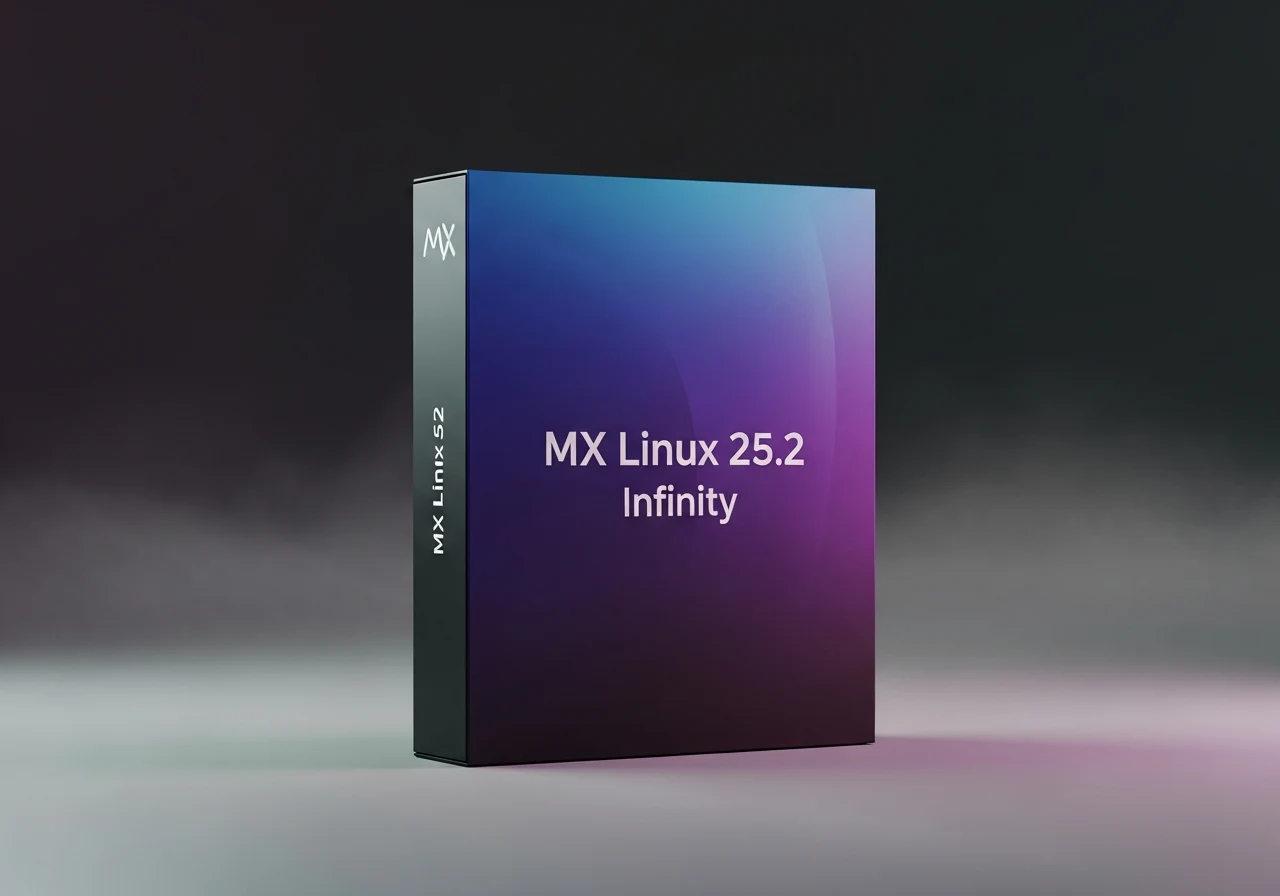
    Available since March 2012, MX Linux is one of the many Debian-based distros currently active. It focuses on desktop users and uses core antiX components alongside additional software from the MX community, such as the roughly 40 user-oriented pieces of code known as MX Tools. The latest update is labeled 25.2 and comes with Mesa 26.0.1 for the Xfce and KDE Advanced Hardware Support (AHS) versions. A Fluxbox flavor is also available.

    Release Notes

    According to the official release notes, the Xfce-AHS version is the only one that received the low-latency Liquorix 7.0.9 kernel, even though both AHS versions mentioned above include Mesa 26.0.1. What unites all versions is the inclusion of Debian 13.5 “Trixie” updates alongside the latest MX repository refresh, which includes patches for all the recent “meme bugs” found in the kernel. However, some components received special attention this time:

    Upgrade Path

    As usual, existing users don’t need to reinstall the system unless they really want to do that for some reason. The updates come through the regular update channel, and the new options uc-tool-mx package utilized by live-kernel-updater can be found in the standard repository.

    Flavors and Downloads

    The Xfce version comes in a regular and an AHS version, and the Fluxbox and KDE/Plasma versions only get one ISO each. Raspberry Pi users can grab the ZIP containing the image file, the signature, and the checksum files from the same page (see the Source link below the video).

    Cost and Availability

    Obviously, those who don’t own a Raspberry Pi yet and would like to enter this world on a rather low budget can grab the CanaKit Raspberry Pi 4 Starter Kit with 2/32 GB on Amazon for $134.99.

    Sources
  • Amazfit Joins Strava Strength Training Ecosystem with Free Features

    Amazfit Joins Strava Strength Training Ecosystem with Free Features

    Key Takeaway

    – Strava now automatically imports Amazfit strength workouts with detailed data (exercises, sets, reps, weight) and visual muscle maps.
    – A new dedicated workout log and five strength-specific shareables enhance tracking and social sharing for gym sessions.
    – This integration positions Strava’s Strength overhaul as a broader push to expand its market ahead of a potential IPO.


    Amazfit users can now push full strength workout data from the Zepp App directly into Strava, following the fitness platform’s major strength training overhaul announced on May 21, 2026.

    Introduction and Partnership Overview

    Amazfit is one of 14 launch partners in the update, alongside Garmin, Whoop, Coros, Fitbod, Hevy, and others. The integration means gym sessions tracked on Amazfit devices no longer arrive on Strava as a featureless block — they now carry exercise detail that feeds into Strava’s new strength-specific tools.

    Every synced strength workout now auto-generates a visual muscle map, showing the muscle groups trained based on the exercises performed. A new dedicated workout log also lets athletes record sets, reps, and weight over time, which should make it easy to review and repeat sessions. Five new strength-specific shareables round out the update. Gym workouts get the same social visibility that runs and rides have always had on the platform.

    Feature Details and User Experience

    Strength was one of Strava’s fastest-growing activity types in 2025, with over 500 million uploads across the platform. Strava also filed confidentially for a US IPO in February 2026. The company was reportedly working with Goldman Sachs at a $2.2 billion valuation — making this foray into strength training as much about expanding its addressable market ahead of a listing as it is about product completeness.

    Sources