
Key Takeaways
1. The RP2350 is an upgraded version of the RP2040 but is slower than modern AMD or Intel processors and not designed for desktop use or gaming.
2. The RP2350 has overclocking capabilities, with an official clock speed of 150MHz that can exceed 500MHz without extra cooling.
3. With additional cooling and increased voltage, the RP2350 can reach speeds beyond 600MHz.
4. Extreme overclocking to over 800MHz is possible with a voltage of 3.05 V, achieving more than 5 times the base speed.
5. Operating the RP2350 at high speeds for long periods may lead to increased wear and a shorter lifespan if proper cooling is not maintained.
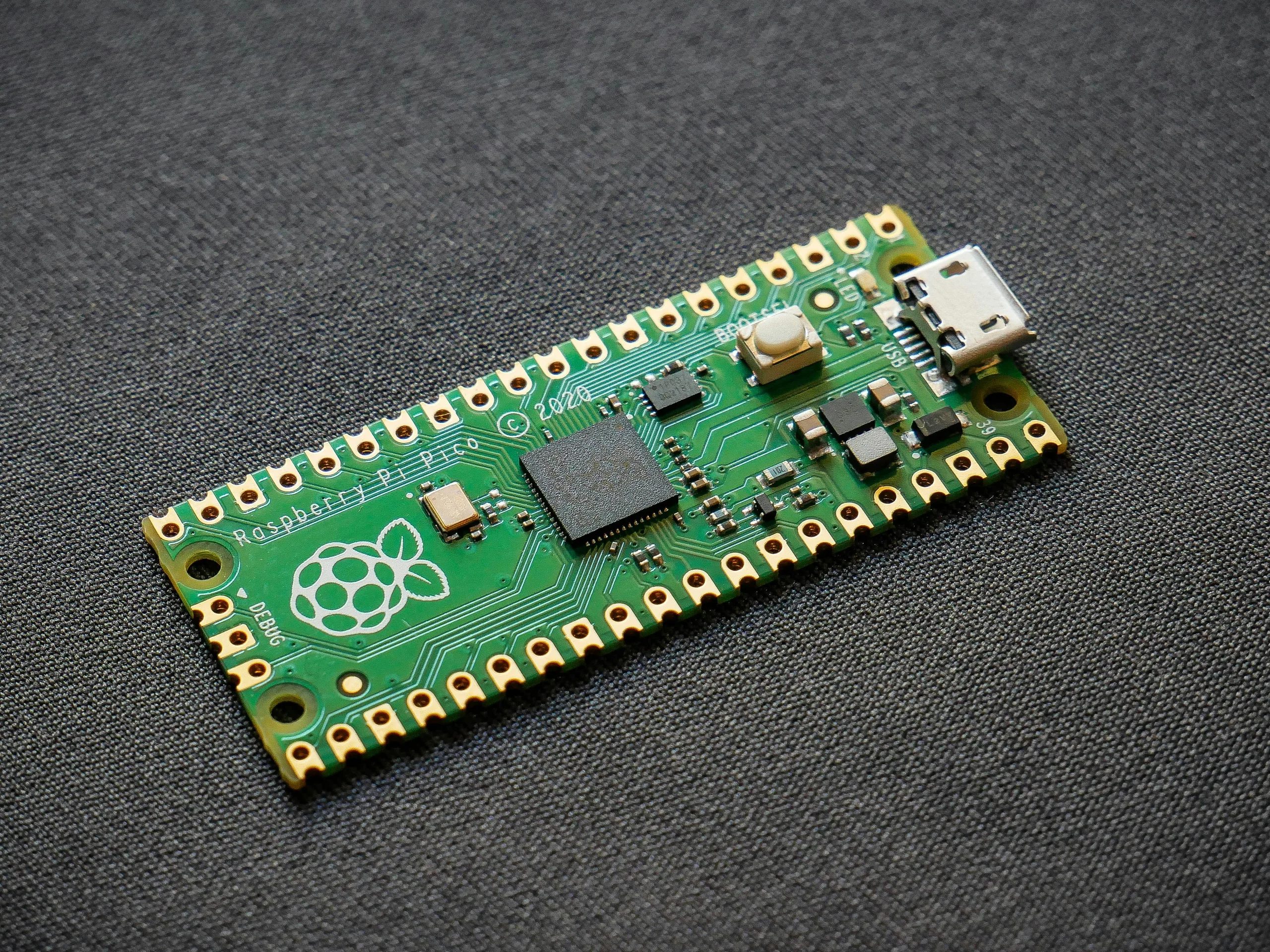
The Raspberry Pi Foundation has a range of single-board computers and microcontrollers. The RP2350 is an upgraded version of the RP2040, but its computing power should be viewed in perspective. When compared to modern processors from AMD or Intel, this chipset is quite slow. It’s not built to handle full desktop operating systems, gaming, or even provide video output in most instances. Its primary purpose is to manage external sensors and actuators.
Overclocking Capabilities
Interestingly, Liliputing has reported that the RP2350 can be overclocked significantly, something that seems almost unthinkable for desktop CPUs. The official clock speed sits at 150MHz, but it seems to be capable of exceeding 500MHz without needing any extra cooling. If additional cooling is applied and the voltage is raised to 1.9 V, the Raspberry Pi chip can even reach speeds beyond 600MHz.
Extreme Overclocking Potential
Raising the voltage of the RP2350 that powers the Raspberry Pi Pico 2 to 3.05 V can allow clock speeds to go past 800MHz, achieving an overclock of over 5 times. However, it’s debatable whether running the processor at such high speeds for long periods is wise. Increased wear and a shorter lifespan would be expected, especially at higher temperatures, if the cooling system isn’t improved.
Source:
Link
Leave a Reply