
Key Takeaways
1. BlitzWolf’s BW-AG1 smart glasses do not have a built-in display and are not technically AR glasses.
2. The glasses feature a microphone and speakers for voice assistant use without a smartphone, similar to headphones.
3. The BW-AG1 is priced at approximately $40 and offers various lens options, including clear, tinted, red, and photochromic lenses.
4. The photochromic lenses automatically adjust tint in sunlight, eliminating the need for an extra pair of sunglasses.
5. The glasses include a UV sensor to monitor sun exposure and can measure heart rate and oxygen saturation, with data displayed in a linked smartphone app.
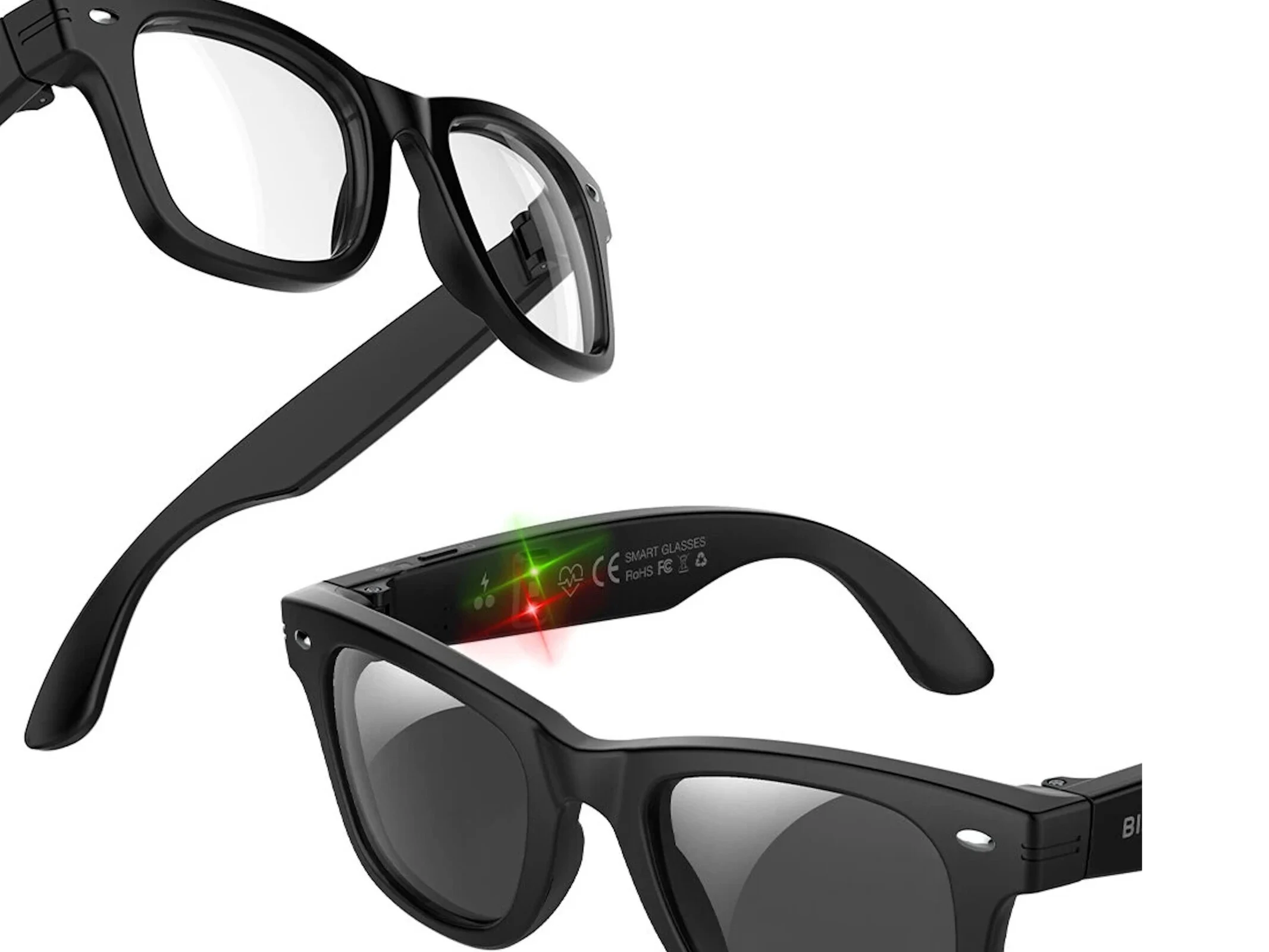
BlitzWolf has introduced a new pair of smart glasses named the BW-AG1. These glasses do not include a built-in display, which means they aren’t technically AR glasses. However, they come equipped with a microphone and speakers, allowing users to utilize voice assistants without needing to connect to a smartphone. This capability is similar to what many headphones offer. The BW-AG1 is priced at around $40.
Different Variants Available
There are several models of the BW-AG1, each featuring various lens options. Depending on the specific version, the lenses can be either clear or tinted. In addition to the standard sunglasses, there are models available with red lenses and another with photochromic lenses. To explain, the photochromic lenses adjust their tint automatically in sunlight, which means users do not have to bring an extra pair of sunglasses with them.
Sun Exposure Features
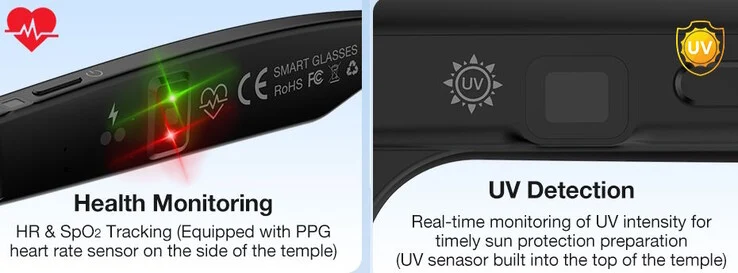
Moreover, the BW-AG1 includes a UV sensor designed to monitor sun exposure. While we can’t confirm how accurate these measurements are, UV sensors themselves are usually not very complicated. The data regarding sun exposure is displayed in the linked smartphone app, helping users recognize high levels of UV radiation and take the necessary precautions. Furthermore, these smart glasses are also capable of measuring heart rate and oxygen saturation optically.
Source:
Link
Leave a Reply