
Key Takeaways
1. AYN Technologies is shifting towards third-generation Odin handhelds, following previous Odin2 releases.
2. AYN is introducing a new product line called ‘Thor’, which is distinct from its x86 roots.
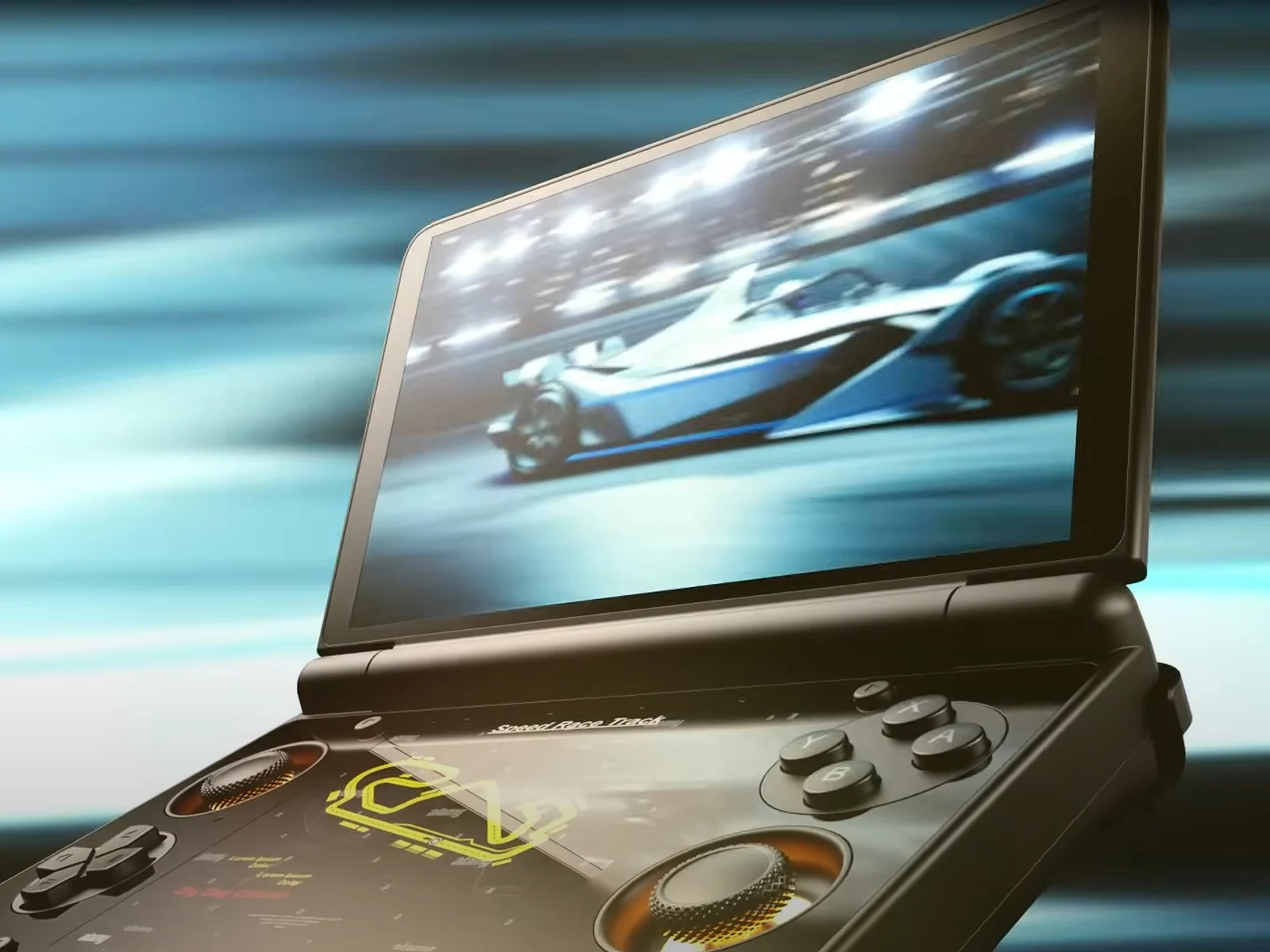
3. The AYN Thor is a clamshell Android gaming handheld, featuring a dual display design.
4. The device is powered by a Qualcomm Snapdragon chipset and includes an active cooling system.
5. Additional features of the AYN Thor include upward-firing speakers, RGB backlit joysticks, and multiple USB Type-C ports.
Earlier today, we shared that AYN Technologies has begun to hint at two new gaming handheld devices. The first piece of information from the company confirmed its shift toward third-generation Odin handhelds, following the release of the Odin2, Odin2 Portal, and the Odin2 Mini (currently priced at $349 on Amazon). As many know, AYN also offers Pro and Max versions of these Odin2 models, which have the same core hardware but come with larger memory options.
New Product Segment
On the flip side, the company hinted at a completely fresh product line named ‘Thor’. While AYN clarified that Thor does not signify a return to its x86 roots, they did not elaborate any further. Usually, AYN takes a few days before disclosing more information about a new gaming handheld that hasn’t been released yet.
AYN’s Quick Reveal
However, this time, it appears AYN is taking a different approach. Unexpectedly, the company has uploaded a brief video showcasing the AYN Thor on its YouTube channel. As seen in the video above, it confirms that the AYN Thor is a clamshell Android gaming handheld, reminiscent of the Ayaneo Pocket DS instead of the Retroid Pocket Flip 2.
The AYN Thor features a dual display design, with controls surrounding a smaller secondary screen. Additionally, it’s clear that AYN’s first clamshell gaming handheld is powered by a Qualcomm Snapdragon chipset, includes an active cooling system, and comes with upward-firing speakers. Furthermore, AYN has added RGB backlit joysticks, a bottom-oriented 3.5 mm audio jack, and USB Type-C ports located between a couple of lanyard holes and hardware buttons. Check out the video above for more information.
Source:
Link
Leave a Reply