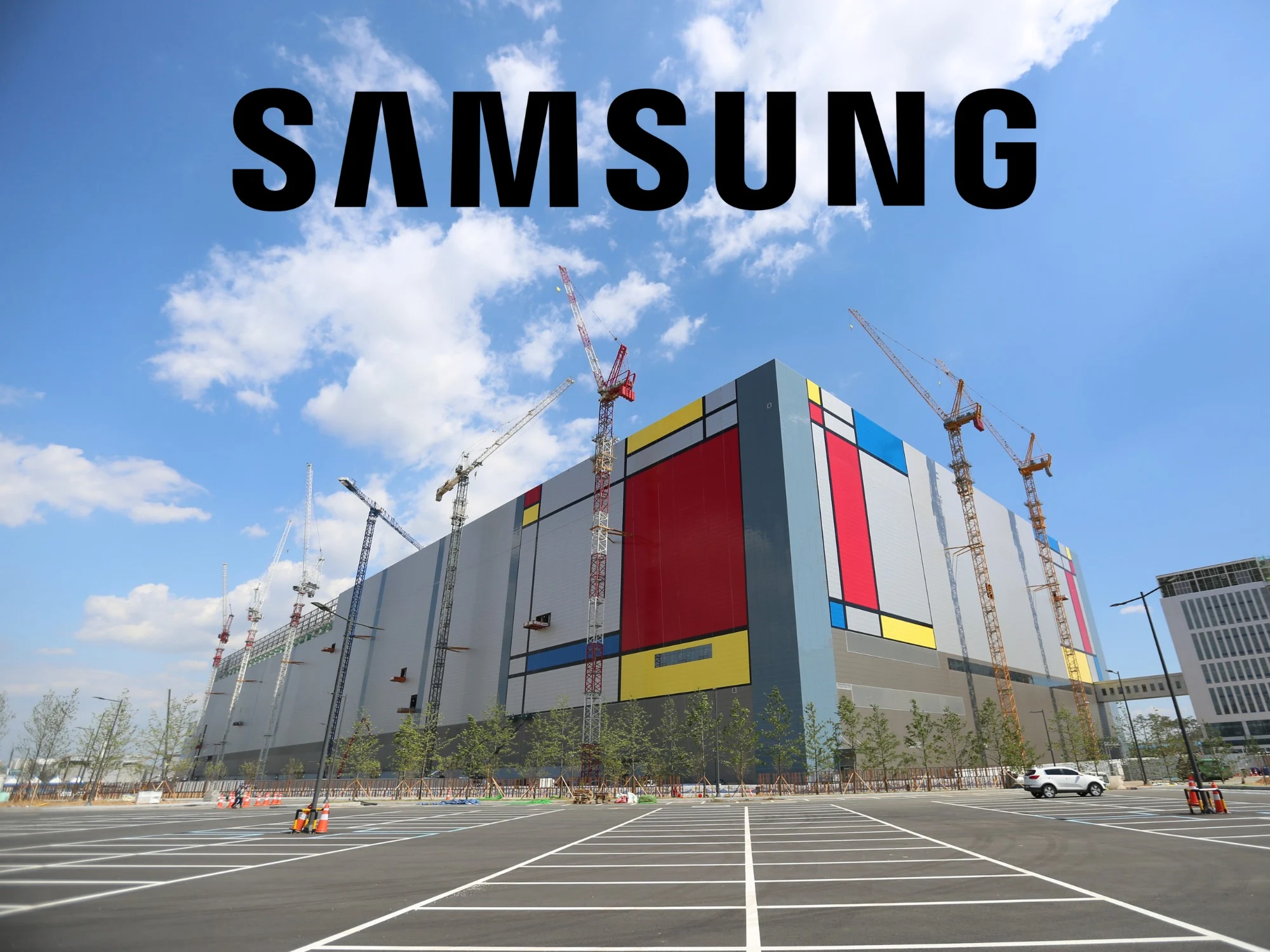
1. Workers in Samsung’s chip production are demanding higher wages and bonuses, citing more aggressive incentives from competitors like SK Hynix.
2. The potential for a prolonged strike could significantly reduce memory output, intensifying shortages and driving up prices across the industry.
3. Financial ramifications include possible losses of up to $11.7 billion for Samsung if an extensive shutdown occurs, benefitting rivals.
Demand for AI Chips Elevates Samsung’s Revenue
AI data center demand has been driving up revenue for companies like Samsung, making the production of critical components so lucrative that workers are now seeking a bigger cut. The ongoing talks about wages and bonuses hit a bump, as production halts could lead to an increase in memory prices, affecting the whole industry.
Workers Eye Big Bonuses and Wage Hikes
The story, which was covered by a news source behind a paywall, reveals that Samsung workers are reportedly ready to accept a bonus of around $340,000 per employee. Still, the company’s hesitant attitude towards promising the same yearly perks adds tension. Both sides appear to disagree about how long the AI boom will last, influencing their negotiations.
Comparison with Competitors and Industry Tensions
- Employees claim SK Hynix offers its staff more generous incentives, with bonuses possibly reaching an extra $900,000 by next year.
- The union also demands a 7% wage increase and removal of a 50% cap on bonuses.
Recent Industrial Actions and Market Risks
On April 23rd, a strike involving about 40,000 union members disrupted a factory in Pyeongtaek. It caused a sharp decrease in output—estimated at 58%—highlighting how sensitive the supply chain is for memory chips. Prolonged stoppages could worsen memory shortages and push prices even higher.
Potential Strike and Financial Implications
If workers’ demands are not meet, an 18-day strike planned from late May to early June could happen. Experts warn that such a strike might make Samsung lose up to $11.7 billion, giving its competitors a big advantage during the disruption.
Broader Impact on Memory and Tech Markets
The focus on high-bandwidth memory (HBM) used in AI applications could ripple into other types of DRAM, affecting PC and gamer markets. With only a few manufacturers like SK Hynix and Micron capable of supplying modules, a Samsung strike could lead to shortages, making DDR5 memory even harder for consumers and builders to find.