
Key Takeaways
1. Yellowstone National Park is not only known for its beautiful scenery but also for its frequent earthquakes and risks associated with the Yellowstone Caldera.
2. Recent AI advancements have revealed over 86,000 earthquakes in Yellowstone, significantly more than previously estimated.
3. The earthquakes are classified as seismic swarms, which are minor earthquakes occurring in a short time within a small area, linked to ancient faults.
4. AI technology is being utilized to monitor seismic activity and assess risks in regions like Yellowstone.
5. The Yellowstone supervolcano erupts approximately every 600,000 years, with the last major eruption over 620,000 years ago, highlighting the importance of ongoing research and safety measures.
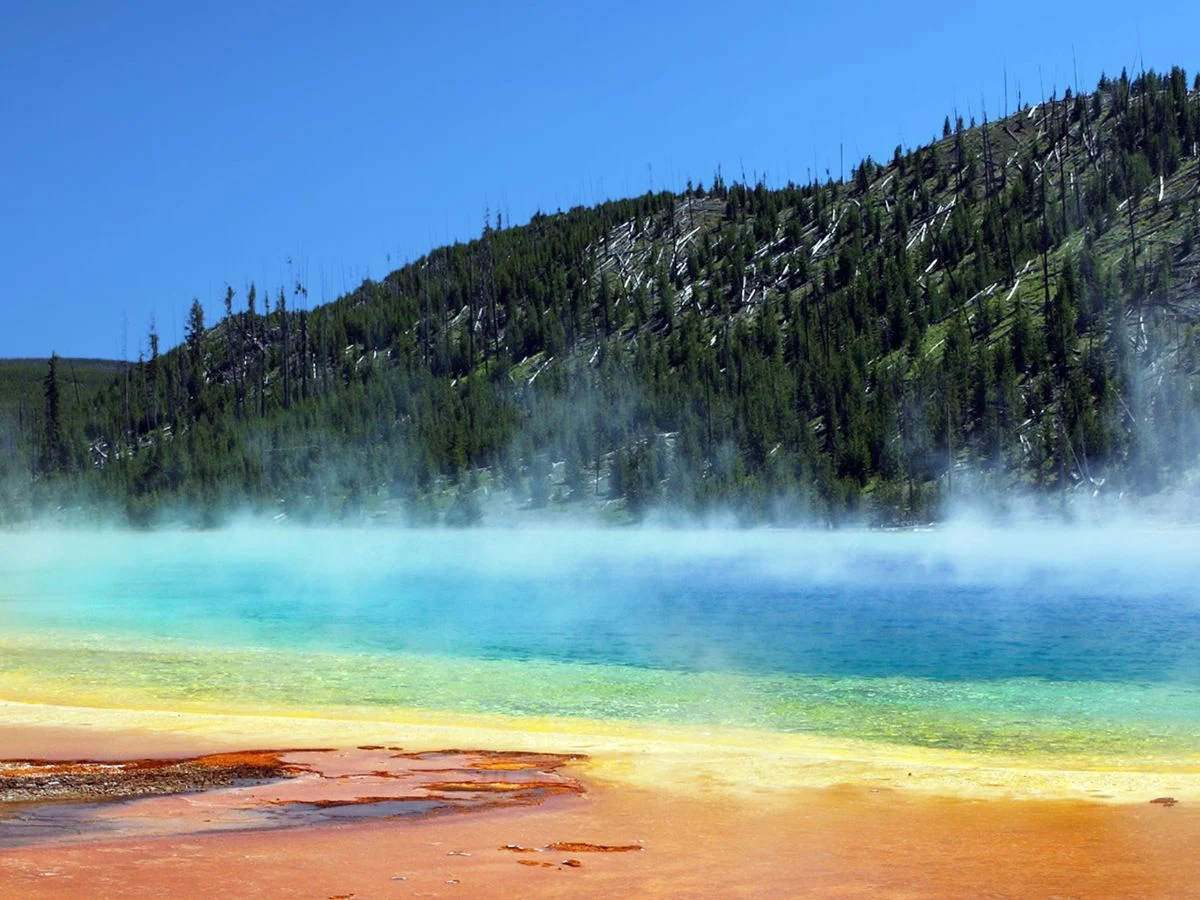
Yellowstone National Park captures the attention of countless visitors globally with its stunning scenery. Nevertheless, hidden beneath this beautiful environment is a significant threat. Recently, advancements in artificial intelligence have uncovered strange activities occurring deep within the Earth.
Earthquakes and Caldera Concerns
Yellowstone is famous not only for its incredible views but also for the frequent earthquakes and the risks associated with the Yellowstone Caldera.
To address this constant hazard, researchers have started utilizing AI to analyze seismic data collected over the past fifteen years. The findings are indeed concerning, revealing more than 86,000 earthquakes. This number is much higher than what was previously estimated.
Understanding Seismic Swarms
Specifically, these earthquakes are classified as seismic swarms. This term refers to a series of minor earthquakes that happen in a short time frame within a small geographic region. It’s crucial to distinguish them from regular earthquakes occurring worldwide, like the recent one in Russia. The latter often signify specific geological activities, especially in volcanic regions where magma interacts with water and rocks.
The seismic swarms detected beneath Yellowstone are linked to ancient faults that are millions of years old. However, employing AI in this research area offers numerous advantages, especially in monitoring regions at risk and those that may face threats in the future.
Eruption Frequencies and Safety Measures
It’s important to highlight that the Yellowstone supervolcano typically erupts approximately every 600,000 years. The last significant eruption was over 620,000 years ago. This average eruption cycle is a key reason why extensive research is ongoing, and proactive measures could be necessary to safeguard millions of lives in case of a deteriorating situation.
Source:
Link
Leave a Reply