
Key Takeaways
1. The TESS satellite aids in discovering new exoplanets, like the rocky super-Earth.
2. L 98-59 d, a unique exoplanet, is located 35 light-years from Earth and is 1.6 times the radius of Earth.
3. Researchers used the James Webb Space Telescope to study L 98-59 d’s density and atmosphere.
4. L 98-59 d has a dense atmosphere and a vast ocean of magma beneath it.
5. The upcoming PLATO space telescope aims to find more rocky exoplanets and enhance our understanding of them.
Observing the cosmos in search of new planets enables astronomers to make numerous findings. A recent example is the TESS satellite, which played a role in discovering a rocky super-Earth in a different star system.
A Unique Exoplanet
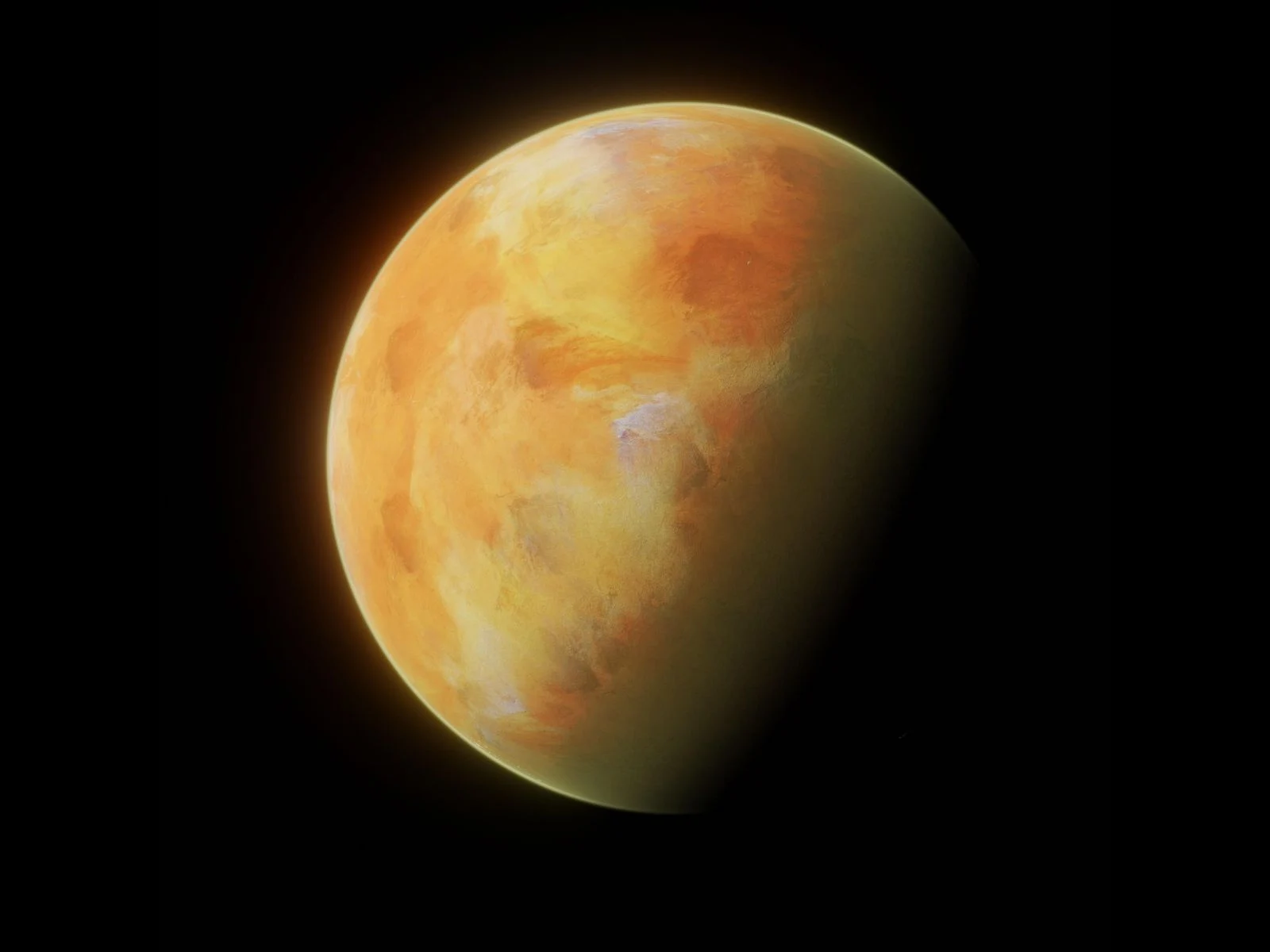
Recently, scientists shared a paper in Nature Astronomy that features a remarkable exoplanet. Named L 98-59 d, this planet is part of a system that includes four other exoplanets and is situated around 35 light-years from Earth. Its radius is approximately 1.6 times that of our planet, yet its density is lower. Astronomers initially thought that this exoplanet possessed a very thick atmosphere along with a small rocky core.
Unveiling the Mystery
To explore the secrets of its density, researchers employed the James Webb Space Telescope, revealing that this planet is truly one of a kind. L 98-59 d is cloaked in a dense atmosphere that envelops a vast ocean of magma beneath. Remarkably, studies indicate that this atmosphere plays a crucial role in the creation of this molten ocean.
Even though many enigmas about L 98-59 d are still waiting to be solved, scientists are optimistic that there are several similar planets scattered throughout different galaxies. With the help of various tools, astronomers can locate these worlds. The upcoming PLATO space telescope is expected to launch soon, and it may uncover new rocky exoplanets across the universe, allowing scientists to gain more insight into them.
Source:
Link
Leave a Reply