
Key Takeaways
1. UK MPs are addressing gamer frustration over losing access to purchased video games, particularly those relying on live services.
2. The e-petition 702074 calls for changes in consumer laws to prevent game publishers from making sold games unplayable.
3. The gaming industry significantly contributes £7.6 billion to the UK economy and supports over 75,000 jobs.
4. A 2023 study found that 87% of games released before 2010 are “critically endangered” and not commercially available.
5. MPs emphasize the need for transparency from publishers regarding the lifespan of games at the point of sale.
UK MPs have recently focused on the anger of gamers who are losing access to video games they once bought. A passionate debate took place in Westminster Hall on November 3 regarding e-petition 702074, which is called “Prohibit publishers irrevocably disabling video games they have already sold.” This petition is calling for changes in consumer laws to stop video game publishers from making sold games unplayable, particularly those that rely on live services.
Opening Remarks
Ben Goldsborough, the MP for South Norfolk, began the discussion by saying, “I come to the debate not only as a member of Parliament, but also as a lifelong gamer.” He has played games like Cities: Skylines, Victoria II, and the Oddworld series with much enthusiasm. He highlighted how crucial the gaming industry is, noting that it “contributes £7.6 billion to the UK economy and supports more than 75,000 jobs,” and it acts as a “cultural powerhouse shaping stories, art, music, and technology.”
Concerns About Game Ownership
Goldsborough elaborated on how live service games, which depend on servers, have changed the way consumers think about game ownership. He remarked, “When a game shuts down without clear notice, the investment is lost. The shared world disappears.” The discussion swiftly shifted to worries about preserving games, with Goldsborough pointing out that a 2023 study by the Video Game History Foundation discovered that 87% of games released before 2010 are considered “critically endangered” because they are not available commercially in either digital or physical formats.
Warinder Juss, the MP for Dudley North, joined the conversation and made a comparison, saying, “We do not accept our mobile phones being switched off whenever a company produces a new model and wants us to buy the new model. So why should we allow thousands of pounds worth of games to be made unplayable just because new games have been introduced?”
Example of Concord
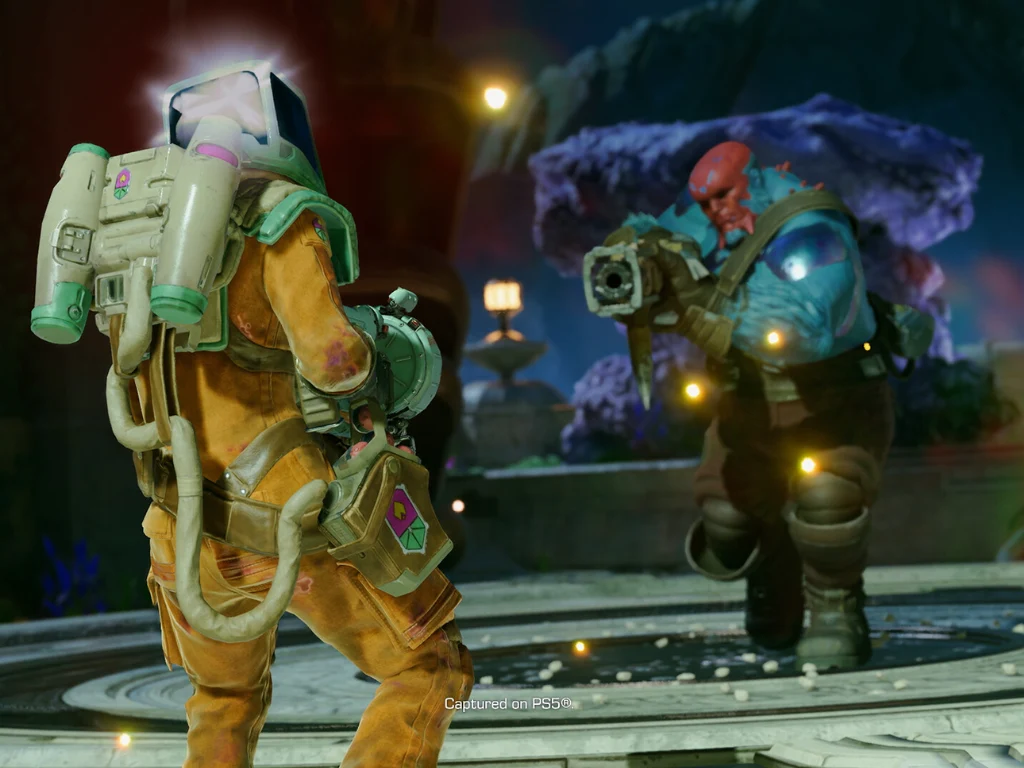
To the shock of many gamers, Sony’s game Concord became a key example in the discussion, highlighting the issue of video game shutdowns. The servers for this live-service shooter went offline just two weeks after its launch. Henry Tufnell, the MP for Mid and South Pembrokeshire, brought up Concord in the debate, commenting, “A recent example is Concord, a game released for PlayStation 5 and Windows in August 2024. After a disappointing launch, Sony Interactive Entertainment decided to shut it down.”
He acknowledged that Sony did refund all purchases, which is commendable, but pointed out that this is not always the case with certain titles being removed with little notice. Tufnell stated, “Members will agree that if publishers fail to make the lifespan of a game clear at the point of sale, they must be held accountable.”
Conclusion
Goldsborough concluded his points by opposing strict regulations on the industry, saying they “stifle innovation,” and emphasized that “gamers deserve clarity. If a game is likely to go offline, they should be told.” UK Parliament.
Source:
Link
Leave a Reply