

Tag: XRing O2

  • Xiaomi 17S Series Set for 2026 Release: What to Expect

    Xiaomi 17S Series Set for 2026 Release: What to Expect

    Key Takeaways

    1. Xiaomi launched the 15S Pro earlier this year with the XRing O1 chip, marking a mid-cycle upgrade.
    2. A new generation S-series, likely named Xiaomi 17S, is in development as the direct successor to the 15S Pro.
    3. The Xiaomi 17S series is expected to feature the second-generation XRing O2 processor, which is still in development.
    4. The Xiaomi 17S series may not be available outside of China, similar to the 15S Pro.
    5. The Xiaomi 17 Ultra is anticipated to be the main flagship model for the global market.


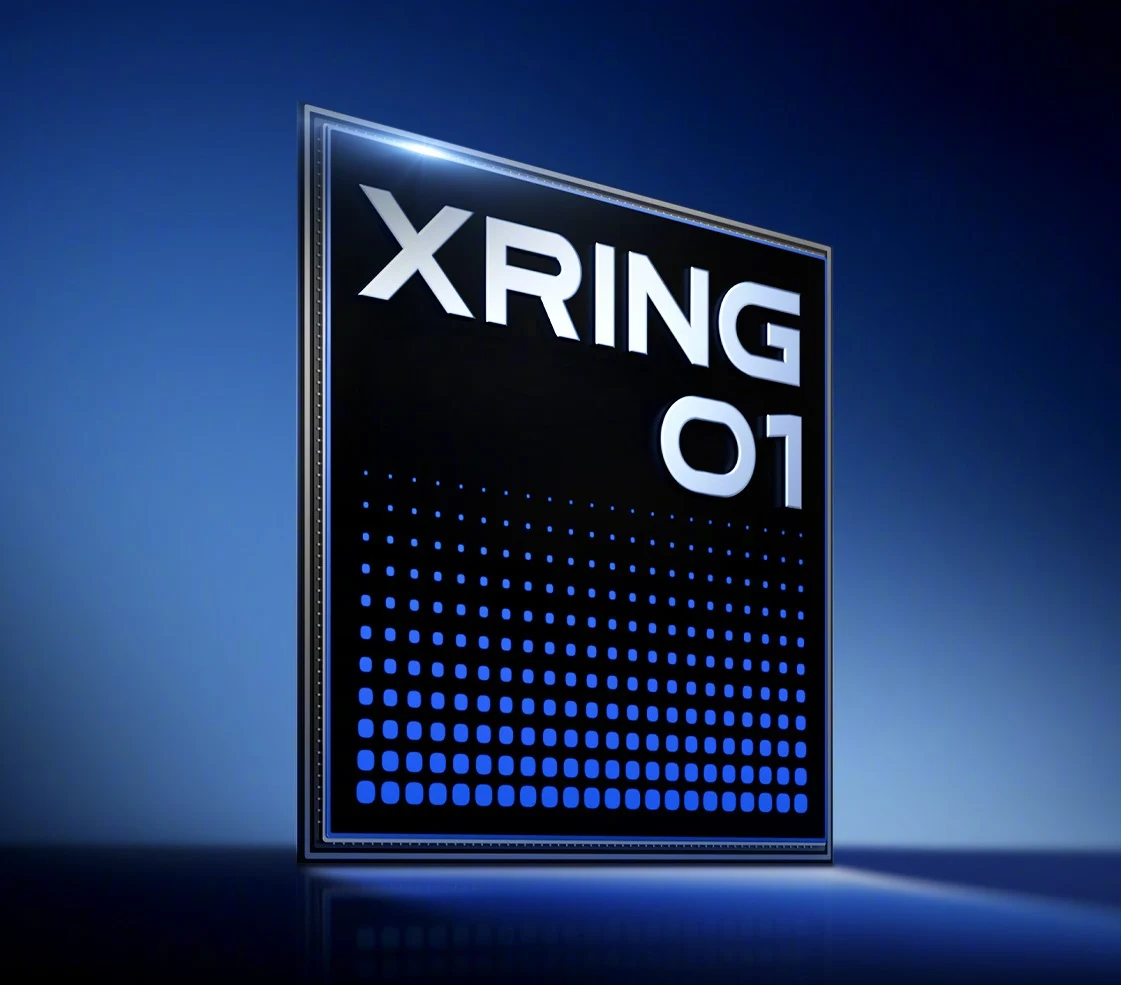
    Xiaomi launched the Xiaomi 15S Pro earlier this year as a mid-cycle upgrade to the Xiaomi 15 Pro, featuring its own XRing O1 chip instead of the usual Qualcomm processors. Recently, a leak indicates that the company is already working on a direct successor.

    New Developments in the S-Series

    According to the leaker known as Smart Pikachu, Xiaomi is developing a new generation S-series to follow the Xiaomi 15S Pro. This upcoming series will likely be named the Xiaomi 17S, aligning with the Xiaomi 17 series.

    The Xiaomi 15S Pro wasn’t particularly remarkable aside from its XRing O1 chipset. It’s still uncertain if its successor will be released in 2026 with the new XRing O2 chip. The source mentions that the baseband for the XRing O2 is still being developed, suggesting that the future Xiaomi 17S series will indeed feature a second-generation XRing processor.

    Market Availability Concerns

    Similar to the Xiaomi 15S Pro, it’s probably unlikely that the Xiaomi 17S series will be available outside of China, as Xiaomi appears to prefer keeping its proprietary chipsets within the Chinese market. Therefore, the upcoming Xiaomi 17 Ultra is anticipated to be the company’s main flagship model for the global market.

    Source:
    Link


  • XRing O2 Launch Expected Alongside Dimensity 9600, Snapdragon 8 Elite 3

    XRing O2 Launch Expected Alongside Dimensity 9600, Snapdragon 8 Elite 3

    Key Takeaways

    1. Xiaomi launched its first in-house chipset, the XRing O1, receiving positive feedback.
    2. The XRing O1 is featured in three devices: Xiaomi Pad 7s Pro, Pad 7 Ultra, and 15S Pro.
    3. The XRing O2 is expected to be unveiled in September next year.
    4. The XRing O2 may be manufactured using a 3 nm process, while competitors are moving to a 2 nm process.
    5. Fans hope the XRing O2 will be more widely adopted than the XRing O1.


    Xiaomi has made waves with the launch of its first in-house chipset, the XRing O1, receiving a lot of positive feedback. So far, this chipset has been featured in just three devices: the Xiaomi Pad 7s Pro, the Pad 7 Ultra, and the 15S Pro. However, Xiaomi is already working on its next version.

    XRing O2 Release Plans

    According to leaker Fixed Focus Digital, the XRing O2 is set to be unveiled next year, specifically in September. Given the historical release patterns of flagship chipsets from competitors like Apple, MediaTek, and Qualcomm, it’s quite possible that the XRing O2 will launch shortly after the A20, Dimensity 9600, and Snapdragon 8 Elite 3.

    Specifications and Competition

    Details on the XRing O2 are still scarce. It is anticipated that the chipset will be manufactured using a 3 nm process. However, this could pose some challenges since Apple, MediaTek, and Qualcomm are expected to transition to a 2 nm process next year. Nevertheless, it’s likely that the XRing O2 will be as competitive as the XRing O1, and many fans are hoping for it to be adopted more widely than its predecessor.

    Source:
    Link


  • Xiaomi Developing New XRing O2 Processor for Future Devices

    Xiaomi Developing New XRing O2 Processor for Future Devices

    Key Takeaways

    1. Xiaomi is developing the XRing O2 chip, which may support a wide range of devices, including smartphones, tablets, smartwatches, and possibly cars.
    2. The XRing O2 has been spotted in a trademark list, indicating that its development is underway despite no official announcement from Xiaomi.
    3. The chip design aims to be versatile, allowing for seamless integration of services across different device types.
    4. The XRing O2 is expected to be manufactured using TSMC’s advanced 3-nanometer process, an upgrade from the previous generation chip.
    5. Access to advanced manufacturing techniques may be challenged by export restrictions, potentially impacting Xiaomi’s long-term competitiveness in the chip market.


    Xiaomi seems to be making another big move towards creating a complete hardware ecosystem. After successfully developing its own XRing O1 chip, there are signs that the next version, the XRing O2, is already in progress. This new chip could become crucial to Xiaomi’s strategy, as it may be used not just in phones, tablets, and smartwatches, but also possibly in future cars and other product lines.

    Leaked Information

    The details come from a leak shared by the reliable source, Digital Chat Station. While Xiaomi hasn’t officially announced the XRing O2 yet, the SoC has shown up on a trademark list in China. This adds weight to the speculation and indicates that development is already moving ahead.

    Versatile Chip Design

    What stands out is the plan for a single chip design that can be adaptable for many devices. If this becomes a reality, we could see the XRing O2 being used in a smartphone, a smartwatch, and even in cars like the Xiaomi SU7 and YU7, each tailored to specific needs. This could greatly simplify the way Xiaomi connects different types of devices on the software front and allows for seamless integration of services and applications across platforms.

    Technical Specifications

    On the technical side, the XRing O2 is reportedly built using TSMC’s 3-nanometer N3E process. This method is an upgrade from what was used in the XRing O1 found in the Xiaomi 15S Pro and the Pad 7 Ultra. Other leading companies like Qualcomm, MediaTek, and Apple are also moving towards using advanced N3P nodes in their next flagship chips. Following this trend, the industry is expected to gradually shift to even smaller processes, such as the 2-nanometer.

    Yet, gaining access to these advanced manufacturing techniques might be tricky for Xiaomi. This is likely due to possible export restrictions that could hinder access to key software tools (EDA tools) needed for developing high-tech chips. While this might not directly affect the performance of the XRing O2, it could have implications for the platform’s long-term competitiveness and viability.

    Source:
    Link