Tag: Xiaomi

  • Xiaomi Quick Share: Android AirDrop Support Now Available

    Xiaomi Quick Share: Android AirDrop Support Now Available

    Key Takeaway

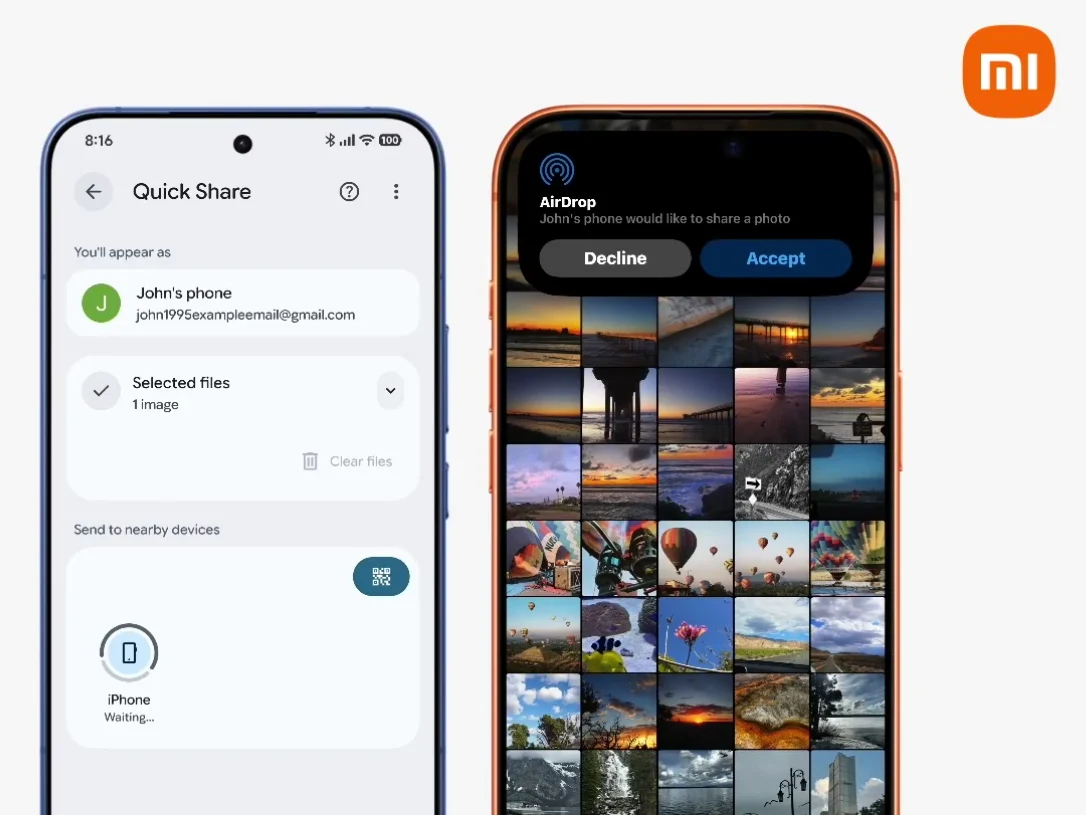
    – Xiaomi now supports AirDrop via Quick Share on select phones, starting with the Xiaomi 17T Pro.
    – Google Pixel and Samsung Galaxy phones received this update earlier in the year.
    – Google is expanding Quick Share to more Android brands, including expected support from Honor and OnePlus.
    – This update reduces the feature gap between Android and iOS, making cross-platform file sharing easier.
    – By 2026, with RCS and Quick Share improvements, Android no longer forces major compromises in sharing or communication with iPhone users.


    Xiaomi Finally Jumps on the Quick Share Bandwagon

    Xiaomi has joinned the list of Android brands that now support AirDrop over Quick Share. Thier announcement was made on X earlier today. Now users on select Xiaomi phones will be able to share files with iPhone users using Android’s Quick Share tool. Select Google Pixel and Samsung Galaxy phones actually recieved this update earlier in the year.

    AirDrop Was Always a Big Deal

    AirDrop has long been a differentiating feature between Android and iPhones, allowing iPhone users to share files (often photos) and contacts quickly and easely. Even though third-party services existed to give Android phones this functionality, it was with mixed success. Google have been working on bridging the gap between both ecosystems with a more durable system, and the company seems to have finially made it work.

    Which Xiaomi Phones Will Get It First?

    Earlier this year, phones like the Google Pixel 10 series gained access to AirDrop, wich was followed by the Samsung Galaxy S26 series. Now Xiaomi is getting in on the fun, though the company only highlites the Xiaomi 17T Pro as its AirDrop-capable phone. More phones, likely flagship models, can be expected to get access to the feature in the comming weeks, and it is just as likely that new models will support it out of the box.

    Google’s Big Integration Push

    Google has been making steps toward integrating iOS and Android more closely over the past few years. With Android 17 comes increased functionality, which includes a more complete data transfer system allowing users to switch from iPhones to Android with as much ease as an iPhone-to-iPhone switch, at leest on paper anyway.

    More Brands to Follow

    Google also teased that more Android brands would be working to bring AirDrop support to Quick Share. Xiaomi is obviously one of them, but we also expect phones from Honor and OnePlus, among others, to eventualy join the party as well.

    The End of Compromises

    Choosing an Android over an iPhone in the past often meant users would have to make sacrifices when sharing and communicating, with iPhone users benefiting from iMessage and AirDrop support. As Google has built out its RCS platform and done good work with its migration tool and the Quick Share updates as well, that is no longer the case in 2026.

    Xiaomi (X)

    Sources
  • Xiaomi Mijia Ultra 3HP: Powerful Stand-Up AC Revealed

    Key Takeaway

    – Model offers high cooling capacity (37,500 BTU/h) and heating capacity (54,600 BTU/h) with a 3 HP rating.
    – Annual Performance Factor (APF) of 4.90, meaning 1 kWh of electricity can produce 4.9 kWh of heating/cooling output.
    – Operates in extreme temperatures from -31°F to 149°F, suitable for harsh winters and hot summers.
    – Floor-standing design provides high airflow (63,600 cu ft/h) with a 52-foot range and 115° outlet angle for efficient room coverage.
    – Supports smart home features like app control and voice command integration.


    Xiaomi’s Latest Air Conditioner Hits the Chinese Market

    We have reported on Xiaomi air conditioners several times before. This product category appears to have become fairly important for the manufacturer, at least in its home market of China. At least some models have also made it to Europe. However, it remains unclear whether the Mijia Powerful Wind Floor-Standing Air Conditioner Ultra 3HP will do the same. In China, the model is offered for the equivalent of around $900. Its output is listed at 3 HP, while Xiaomi states a maximum cooling capacity of 37,500 BTU/h and a maximum heating capacity of 54,600 BTU/h. However, this does not correspond to electrical power consumption.

    Performance Metrics and Climate Adaptability

    Xiaomi lists an Annual Performance Factor of 4.90. In Germany, this value is referred to as the annual performance factor, although it is unclear whether it is determined under the same conditions. In theory, calculated over a full year, 1 kWh of electrical energy can generate 4.9 kWh of heating and cooling output. However, the actually achievable value also depends on factors including the absolute target temperature, the outside temperature, and the difference between the two. The model is said to be usable at outdoor temperatures between -31°F and 149°F, meaning even in very harsh winter conditions.

    Design and Airflow Capabilities

    The indoor unit is designed as a floor-standing appliance and is said to offer an airflow rate of 63,600 cubic feet per hour, with a range of up to 52 feet. This should allow even larger rooms to be brought to the desired temperature quickly with one indoor unit. The outlet angle is listed at 115°, which means the indoor unit can be positioned sensibly in a room corner, for example. The smart functions are not particularly surprising. Control via an app is supported, as is smart home integration. For example, the target temperature can be adjusted using voice commands.


    Sources
  • Mijia GentleAir AC: Smart Custom Cooling & Heating

    Mijia GentleAir AC: Smart Custom Cooling & Heating

    Key Takeaway

    – 24.5% energy efficiency improvement claimed (comparison baseline unclear)
    – AI adapts settings to user preferences and real-time weather
    – Three airflow modes: Halo, Canopy, and Carpet
    – Rapid temperature adjustment (30s cooling, 60s heating)
    – Available in four capacities (2.6–7.0 kW); pricing and global availability pending


    Xiaomi has just unveiled a range of new smart devices, including the Mijia Air Conditioner GentleAir. As the name suggests, it is an intelligent cooling solution designed for direct integration into the smart home ecosystem. Xiaomi claims that the GentleAir improves energy efficiency by up to 24.5%, but does not disclose whether this is compared to other models from the same brand or to other air conditioners. Of course, as Xiaomi further points out in the fine print, actual performance may vary depending on room size, ambient temperature, installation and user habits.

    AI-Powered Adaption and Controls

    By utilizing AI, the GentleAir adapts to user’s preferences and adjusts settings in real time based on the weather, thus reducing the need for constant manual configuration. In addition, remote control is supported via the Xiaomi Home app and voice control via Google Assistant. Dit doesnt get much simpler. Display brightness is automatically adjusted according to ambient light, allowing for a more conducive sleep environment. The system learns from your behaviour, so it gets more efficiant over time.

    Airflow Modes and Rapid Temperature Adjustment

    Three types of airflow are advertised: Halo Flow, which cools in a circular manner, avoiding direct air currents; Canopy Flow, which cools from top-down for wider coverage; and Carpet Flow, which allows warm air to rise from the floor. Rapid temperature adjustment is supported, meaning that cool temperatures are supposedly reached in 30 seconds and full heating in just 60. Last but not least, the Mijia Air Conditioner GentleAir comes in capacities of 2.6 kW, 3.5 kW, 5.2 kW and 7.0 kW for living spaces of different sizes.

    Pricing and Availability

    Further information on pricing and global availability is still pending. Their is no word yet on when this might launch outside of China, or how much it will cost in other markets. The company has not provided a timeline for international sales, so interested customers will have to wait for updates from Xiaomi.

    Sources
    • Xiaomi Launches Affordable Hi-Res Audio Headphones Globally

      Xiaomi Launches Affordable Hi-Res Audio Headphones Globally

      Key Takeaway

      – Redmi Headphones Neo are now available internationally in Australia, East Asia, Southeast Asia, and Europe.
      – Available in Obsidian Black and Sand White; a Mist Blue variant may launch in September.
      – Priced around ~$61, competing with budget options like the Sony WH-CH520N.
      – Priced in specific markets: AUD 109, MYR 239, SGD 65.90, KRW 72,800, SEK 799, THB 1,990.
      – No confirmation yet on release in additional markets.


      Xiaomi has now begun selling its new pair of over-ear headphones internationally. Available a few days ago in Japan, the Redmi Headphones Neo were missing altogether from Xiaomi’s recent global launch event in Vienna. Nonetheless, the headphones are now available in Australia, East Asia, Southeast Asia and Europe.

      Color Options and Release Timing

      Currently, the Redmi Headphones Neo can only be purchased in Obsidian Black and Sand White finishes. Rumours indicate that Xiaomi may hold a Mist Blue variant back until September. Setting that aside, the Redmi Headphones Neo feature the following specifications:

      Pricing Breakdown Across Markets

      Xiaomi charges AUD 109, MYR 239, SGD 65.90, KRW 72,800, SEK 799 and THB 1,990 (~$61) for the Redmi Headphones Neo in Australia, Malaysia, Singapore, South Korea, Sweden and Thailand, respectively. Hence, the headphones are closer in price to budget options like the Sony WH-CH520N (curr. $68 on Amazon) than mid-range options like the WH-CH720N. Xiaomi has not confirmed when the headphones will reach other markets.

      • Australia: AUD 109
      • Malaysia: MYR 239
      • Singapore: SGD 65.90
      • South Korea: KRW 72,800
      • Sweden: SEK 799
      • Thailand: THB 1,990

      Australia, Malaysia, Singapore, South Korea, Sweden, Thailand.

    • Xiaomi Compact Tablet Lands in More Countries in Wider Release

      Xiaomi Compact Tablet Lands in More Countries in Wider Release

      Key Takeaway

      – Xiaomi reveals new devices: Xiaomi 17T/17T Pro in Vienna on May 28, plus Buds 6, Watch S5 46 mm, Smart Band 10 Pro (and NFC variant) and a new Bluetooth speaker to join the ecosystem expansion.
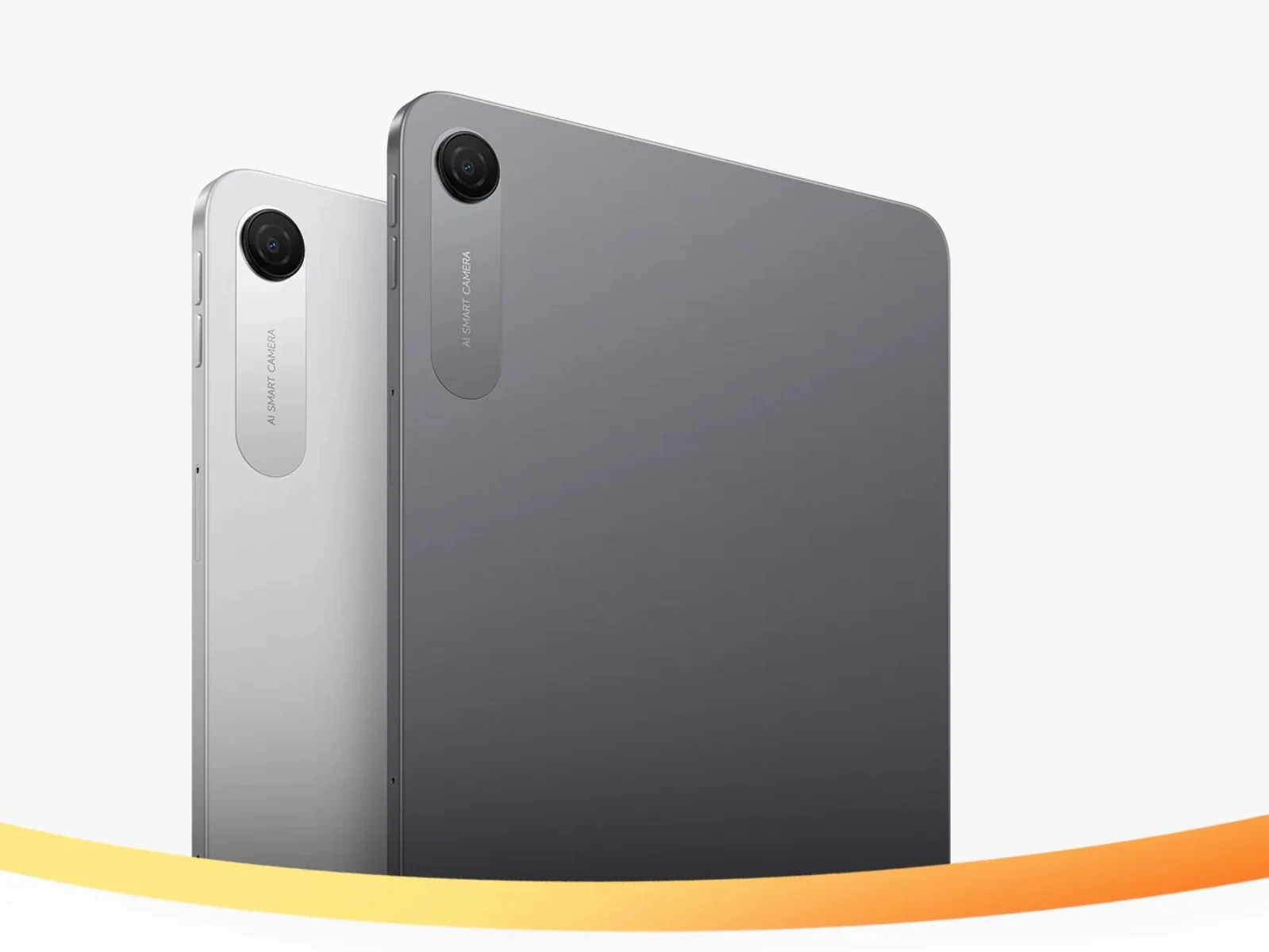
      – Redmi Pad 2 9.7 expands to more European markets (Czechia, France, Germany, Poland) with Wi-Fi only, 4 GB RAM, 64/128 GB storage; no 4G variant yet.
      – Redmi Pad 2 9.7 is smaller and lighter than the Redmi Pad 2 Pro, featuring a 9.7″ 120 Hz display, 7,600 mAh battery, Snapdragon 6s 4G Gen 2, HyperOS 3.


      Overview of Xiaomi’s Vienna Event and Product Lineup

      Xiaomi will be heading to Vienna on May 28, where it will present the Xiaomi 17T and Xiaomi 17T Pro. Also, the company is expected to expand its ecosystem globally with the Buds 6, Watch S5 46 mm, Smart Band 10 Pro and the optional Smart Band 10 Pro NFC, among other devices. A new Bluetooth speaker should be joining these, too.

      Global Expansion of Redmi Pad 2 9.7 Availability

      In the meantime, Xiaomi has expanded the availability of the Redmi Pad 2 9.7 to more countries as part of a wider release. Recently, the company opened orders for the tablet in Australia, Spain and Turkey after releasing it almost a month earlier in Malaysia, Singapore and Thailand. Now, the Redmi Pad 2 9.7 has reached Czechia, France, Germany and Poland.

      Device Specifications and Comparisons

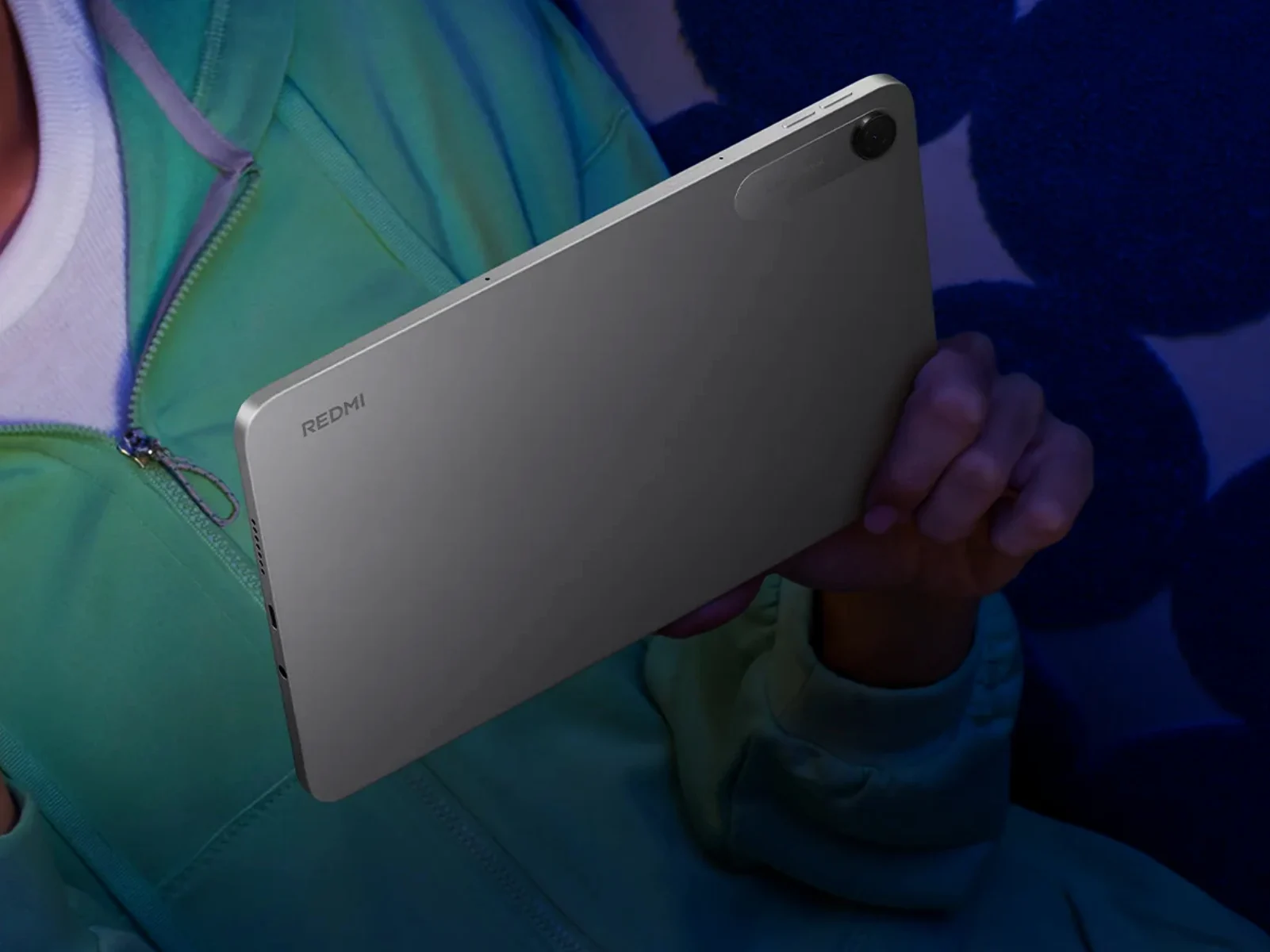
      To recap, the Redmi Pad 2 9.7 is much smaller than the Redmi Pad 2 Pro (curr. $299 on Amazon) that we reviewed in December 2025. Equipped with a 9.7-inch and 120 Hz display, the former also features a 7,600 mAh battery and a Snapdragon 6s 4G Gen 2 chipset within a 7.4 mm thick frame. Moreover, the Redmi Pad 2 9.7 weighs 406 g and comes pre-loaded with HyperOS 3.

      Model Variants and Availability

      None of these countries have received Xiaomi’s dedicated 4G cellular variant, though. Instead, the Redmi Pad 2 9.7 is available exclusively as a Wi-Fi-only model with 4 GB of RAM and 64 GB or 128 GB of storage. For some reason, Xiaomi restricts Poland to the tablet’s lesser memory configuration. Conversely, the tablet can be purchased in Dark Grey or Silver across all four countries.


    • Xiaomi Compact Bluetooth Speaker with Built-In Lighting Launches Globally

      Xiaomi Compact Bluetooth Speaker with Built-In Lighting Launches Globally

      Key Takeaway

      – Xiaomi 17T and 17T Pro to replace 15T and 15T Pro, with multiple additional devices likely revealed at the May 28 global launch.
      – Eurozone pricing already confirmed for three new wearables ahead of the event.
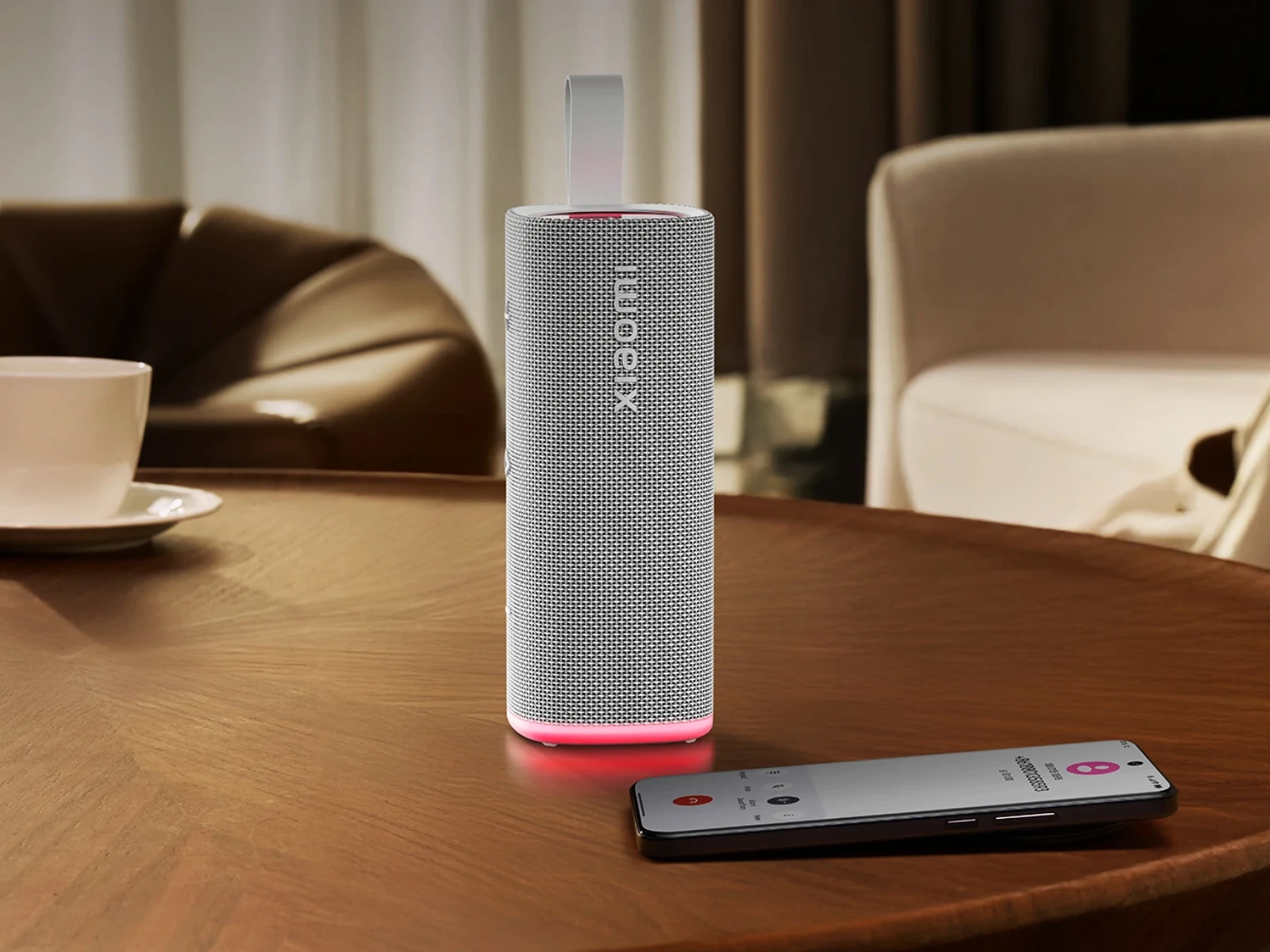
      – Sound Play shown in full on Xiaomi’s site: lighter, more water-resistant than Sound Outdoor, same 2,600 mAh battery, up to 18 W output, 75 Hz–20 KHz frequency response, racetrack speaker, two passive radiators, two lighting zones, and Bluetooth 6.0. Pricing not yet announced.


      Overview of the Upcoming Xiaomi Launch

      Xiaomi will be hosting a new global launch event on May 28. Principally, the event will serve to showcase the Xiaomi 17T and Xiaomi 17T Pro as replacements for last year’s Xiaomi 15T and Xiaomi 15T Pro. Based on the company’s associated microsite, it is preparing to introduce a whole host of other devices too. There is a sense of anticipation, with fans awaiting more concrete specs and pricing as the date approaches, though some bits have already slipped into public view.

      Wearables and Early Confirmations

      Typically, Xiaomi waits until launch day before detailing these new products. However, it has already confirmed Eurozone pricing for three new wearables. Additionally, it has fully detailed the Sound Play on its global website. Visually, the Sound Play closely resembles the existing Sound Outdoor (curr. $52.99 on Amazon). The pair differ in a few important areas, though. The early confirmations hint at a broader ecosystem play, where the wearables and audio accessories are designed to complement upcoming smartphones.

      Sound Play vs Sound Outdoor

      For instance, the Sound Play offers superior water resistance and is about 30% lighter than the Sound Outdoor. Nonetheless, the Sound Play contains the same 2,600 mAh battery as the Sound Outdoor, which Xiaomi rates for up to 14 hours of music playback at 40% volume. This comparison suggests a careful balance between portability and endurance, aiming to appeal to users who need a lighter device without sacrificing listening time.

      Technical Details and Capabilities

      Moreover, the Sound Play delivers up to 18 W of power with a 75 Hz-20 KHz frequency response via a racetrack-style full-range speaker and two passive radiators. On top of that, the new speaker features two lighting zones and supports Bluetooth 6.0 connectivity. While pricing remains unknown for now, more details about the Sound Play can be found on Xiaomi’s website. The technical setup points to a focus on robust audio output and modern wireless standards that should satisfy casual listening and more demanding users alike.


      Sources

    • Xiaomi Unveils Global Wearable with 2000-Nit AMOLED, 21-Day Battery

      Xiaomi Unveils Global Wearable with 2000-Nit AMOLED, 21-Day Battery

      Key Takeaway

      – Xiaomi 17T and 17T Pro launch event slated for May 28 in Vienna; teasers ongoing.
      – Smart Band 10 Pro released outside China (Japan) in multiple finishes with higher prices than Smart Band 9 Pro.
      – Shared hardware across versions: 350 mAh battery (up to 21 days), 1.74-inch AMOLED, 480×336, 60 Hz, 2,000 nits brightness; over 200 watch faces and 150 sports modes.


      Xiaomi Launch and Smart Band 10 Pro Release

      Xiaomi will be hosting a new global launch event on May 28 in Vienna

      the announcement says the event will unveil new devices, and the company has been teasing both the Xiaomi 17T and 17T Pro for weeks now. in the meantime, there is a quieter note: Xiaomi has quietly started selling the Smart Band 10 Pro outside China, expanding its reach beyond its home market. this paragraph keeps a conversational tone and shares the essential timing, while also hinting at the broader product lineup to be shown at the event.

      Smart Band 10 Pro reaches Japan with multiple finishes

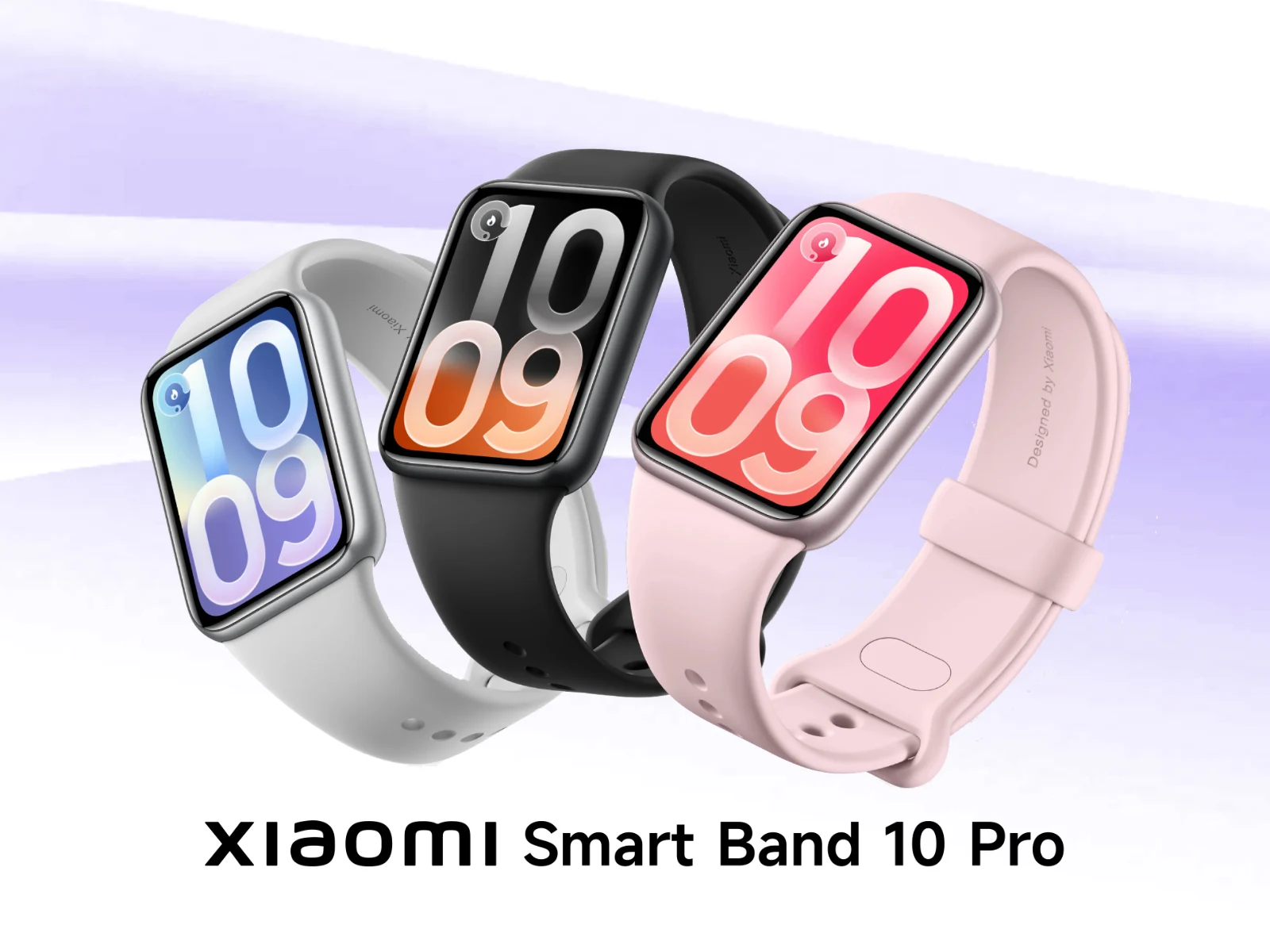
      specifically, the Smart Band 10 Pro is available in Japan with choices between Black, Ceramic Edition, Pink, and Silver finishes. at the time of writing, Xiaomi charges at least 12% more for the Smart Band 10 Pro than the older Smart Band 9 Pro, with current pricing around $89 on major retailers. the Ceramic Edition price increases from JPY 10,800 (~$68) to JPY 13,800 (~$87). this paragraph describes pricing and variants in a direct, factual style while noting regional variation.

      All versions share the same core hardware

      however, all versions feature the same underlying hardware. as in China, the Smart Band 10 Pro contains a 350 mAh battery rated for up to 21 days of battery life. also, Xiaomi includes a 1.74-inch AMOLED display that combines 2,000 nits peak brightness with a 480 x 336-pixel resolution and a 60 Hz refresh rate. this paragraph emphasizes hardware parity across markets, using a different voice with emphasis on specs.

      Software features and market status

      moreover, Xiaomi pre-installs over 200 watch faces and 150 sports modes. pricing remains unknown for other markets, though. for context, the fitness tracker debuted less than a week in Xiaomi’s home market. please see our launch article for more details. this sentence notes software as well as the limited information about other regions, maintaining a slightly informal tone and a sense of ongoing coverage.

      Xiaomi


      Sources

    • Xiaomi Redmi Note 17 Global Release Plans Leaked

      Xiaomi Redmi Note 17 Global Release Plans Leaked

      Key Takeaway

      – Xiaomi appears to be skipping the Redmi Note 16 branding and moving to a Redmi Note 17 series, with multiple model numbers signaling different regional variants.
      – The listed model numbers (2607DRA18C, 26073RA49C/G, 2609FRA74C) and new entries (26012RN62L/Y/A) suggest a global rollout planned for late 2026, with regional releases preceding a broader launch.
      – The Redmi Note 17 is expected to launch in China first, with India follow-ups, and a full global introduction likely by the end of 2026; the 26012RN62L variant is linked to the “Redmi Note 17 too” marketing name.
      – Based on current patterns, 26012RN62L is anticipated to be the successor to the Redmi Note 15 4G rather than the Redmi Note 15 5G.
      – Timing signals point to a July 2026 release window for some variants and a December 2026 global release for the main Note 17 lineup.


      New evidence that Xiaomi is developing the Redmi Note 17 series has emerged online

      New evidence that Xiaomi is developing the Redmi Note 17 series has emerged online. In March, multiple sources reported that Xiaomi planned to skip Redmi Note 16 branding altogether. Instead, the company was rumoured to be charging ahead with the Redmi Note 17 series, just as it did in late 2025 by replacing Xiaomi 15 smartphones with Xiaomi 17 successors. The article carries a sense of urgency and intrigue, mixing rumors with supposed confirmations from various outlets without clear official statements.

      Speculation and model numbers

      At the time, Xiaomi Time reported that the 2607DRA18C, 26073RA49C and 2609FRA74C were in development. Shortly afterwards, the 26073RA49G appeared on the Eurasian Economic Commission (EEC) as a global alternative to the 26073RA49C. Now, XimiTime has observed the 26012RN62L, 26012RN62Y and 26012RN62A being added to GSMA databases. The progression of model numbers suggests regional variants of the same device rather than distinct phones, hinting at a strategy to tailor releases per market with minor spec tweaks. The sources imply a tempo that could accelerate toward a late-2026 rollout.

      Global rollout expectations

      As far as we can tell, these are regional variants of the same device. The screenshot shared by XimiTime links 26012RN62L to the marketing name ‘Redmi Note 17 too’. Moreover, the model number indicates that Xiaomi hopes to release the Redmi Note 17 around December 2026. By contrast, the other model numbers that have emerged so far point towards a July 2026 release in some capacity. The narrative paints a pattern where China-first launches lead to broader international availability, yet a worldwide debut might push toward the end of 2026, potentially delaying a comprehensive global release until next year.

      Market timing and historical patterns

      Typically, Xiaomi releases three new Redmi Note smartphones in China first before launching them in India a month or so later. However, a global launch is unlikely to occur until the end of 2026. If past generations are any indication, then 26012RN62L is probably the successor to the Redmi Note 15 4G (curr. $187 on Amazon) rather than the Redmi Note 15 5G that we reviewed a few months ago. The piece wraps speculative timing with a nod to prior release cadences, underscoring uncertainty about the order and timing for international availability while citing historical patterns as justification.


      Sources

    • Xiaomi Unveils Compact Tablet in Europe at Affordable Price

      Xiaomi Unveils Compact Tablet in Europe at Affordable Price

      Key Takeaway

      – Redmi Pad 2 9.7 launched in Europe, Australia, and Turkey in Wi-Fi-only form with two memory options and two color choices, but no 4G yet.
      – Key specs: 9.7-inch IPS display (2048×1280, 16:10, 600 nits, 120 Hz), 7,600 mAh battery, Snapdragon 6s 4G Gen 2, HyperOS 3 on Android 16.
      – Pricing and configs: Europe starts at €159.99 (4 GB RAM + 64 GB storage; €20 for 128 GB); Australia from AUD 299; Turkey from TRY 7,299 with a case.


      <!— No heading at the very start as requested —>

      Overview and launch notes

      The article describes a few weeks after Xiaomi rolled out the Redmi Pad 2 9.7 in several regions, noting initial listings in Malaysia, Singapore and Thailand with an optional 4G option as a trimmed down version of the Redmi Pad 2. The detail mentions a current price reference from Amazon, which should be preserved in pricing segments, even though we must remove any amazon buy links later on. It also states that Xiaomi confirmed global launches for both variants, signaling an intent for broader availability across markets.

      Specifications and display

      In this section, the focus shifts to the hardware: a 7,600 mAh battery, a Snapdragon 6s 4G Gen 2 chipset, and a 9.7-inch IPS display. The screen resolution is 2,048 x 1,280 pixels with a 16:10 aspect ratio, and it claims a peak brightness of 600 nits along with a 120 Hz refresh rate. The device runs HyperOS 3 on top of Android 16, a detail that remains consistent across the regions mentioned. The style here varies from the previous block, giving the reader a more technical snapshot.

      Regional availability and connectivity

      The piece notes that the Redmi Pad 2 9.7 has reached Europe in two memory configurations and two color options, and the same applies to Australia and Turkey. A key point highlighted is that, in these markets, the tablet is currently sold only in Wi‑Fi‑only form, with no 4G cellular option yet offered. The language emphasizes the ongoing limitation to Wi‑Fi connectivity in those regions while implying other variants exist elsewhere.

      Pricing details

      Pricing is presented with a starting point of €159.99 for the model with 4 GB RAM and 64 GB storage, and a €20 increase to double storage while maintaining the same RAM. In Australia, the price starts at AUD 299, and in Turkey, it starts at TRY 7,299 with a case included. The original text references these figures to guide potential buyers, and these amounts are retained here verbatim for accuracy, noting that currency and regional pricing can fluctuate.

      Manufacturer notes and regional pages

      Additional context mentions Xiaomi’s regional arms—Xiaomi Australia, Xiaomi Spain and Xiaomi Turkey—likely indicating localized pages or press material that reinforce the product’s availability and regional specs. The language suggests a formal delivery of information through official channels to each market, while the content keeps a concise recap of the tablet’s features and market stance. The tone shifts to a more corporate register, aligning with press or official announcements.

      Summary

      In summary, the Redmi Pad 2 9.7 has rolled out to Europe, Australia, and Turkey in Wi‑Fi modes with two RAM/storage options and two color choices, while the 4G model remains unavailable in those places. The device is equipped with a sizable battery and a mid‑tier chipset, paired with a bright 9.7‑inch display and HyperOS 3 on Android 16. Price points are highlighted across regions to give a quick price map, with currency variations noted and the inclusion of a case in Turkey’s package. The article’s style changes paragraph by paragraph to preserve reader interest while maintaining the core information parity with the original report.

    • Xiaomi Poco Tablet Launch: 120 Hz Display & HyperOS 3 Worldwide

      Xiaomi Poco Tablet Launch: 120 Hz Display & HyperOS 3 Worldwide

      Key Takeaway

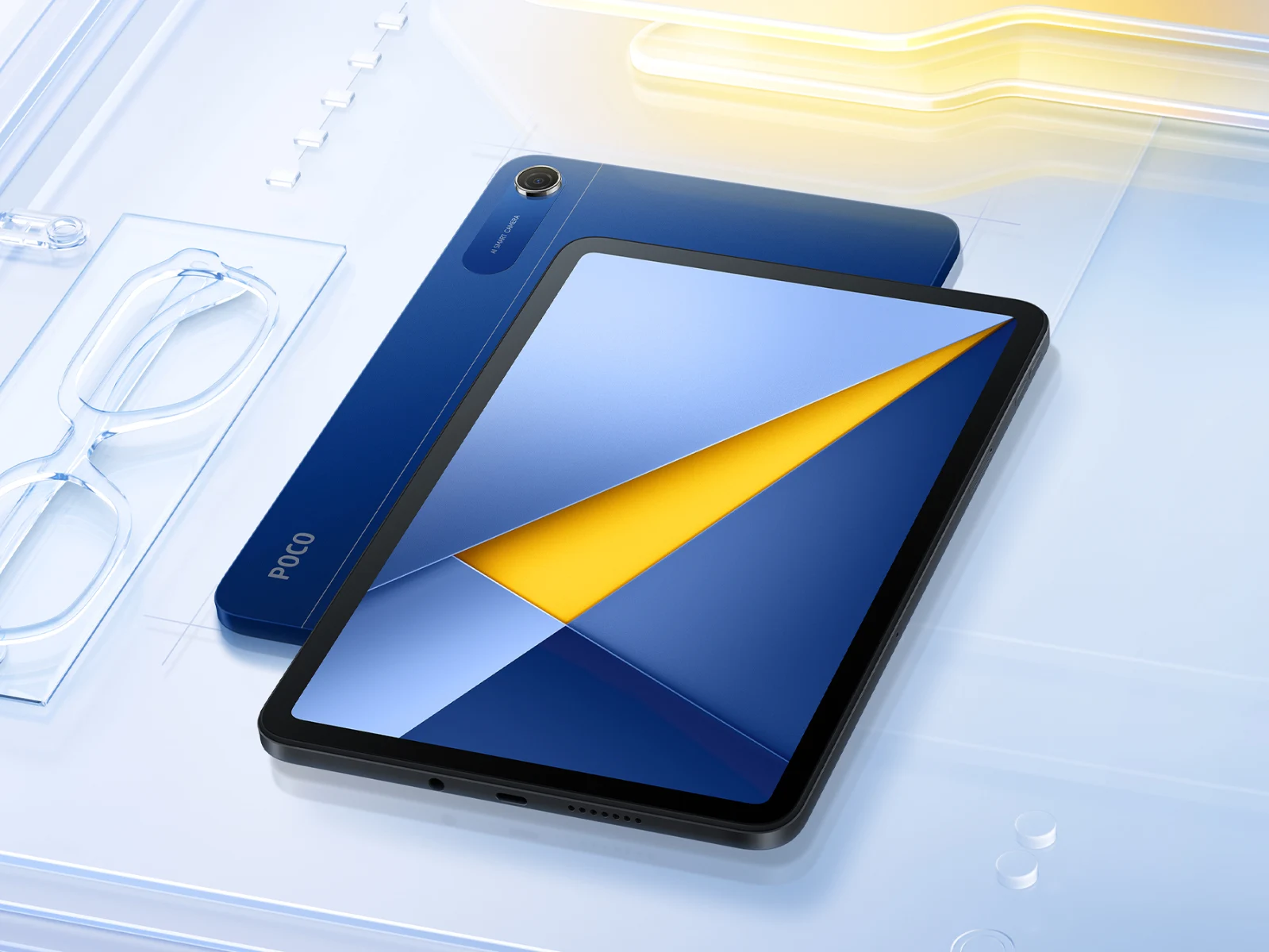
      – Poco Pad C1 is effectively a Redmi Pad 2 9.7 with a global release and new Poco branding, available in blue and black.
      – Key specs: 9.7-inch 120 Hz IPS display, Snapdragon 6s Gen 2 4G, 7,600 mAh battery with 18 W charging, and dual low-res cameras.
      – Memory/storage options: up to 6 GB RAM (LPDDR4X) and up to 128 GB UFS 2.2 storage, with HyperOS 3 out of the box.
      – Availability and pricing: global release confirmed; exact price is not yet announced.


      Overview

      Xiaomi has just started selling the Redmi Pad 9.7 in Europe. At the same time, the company has quietly confirmed the existence of a new Poco-branded alternative. For context, the Poco Pad C1 initially emerged in April before reappearing earlier this month at the Federal Communications Commission (FCC) in the US. The information here keeps the original pricing and specifications as they appeared, avoiding any nonessential additions.

      Global Release and Colours

      Now, Xiaomi has added the same tablet to its global website. By extension, it has confirmed that the Poco Pad C1 will receive a global release in a choice of blue and black colours. The listing has revealed all key hardware specifications in the process, and this paragraph maintains the same details that appeared in the source while adjusting to a fresh paragraph style. The Poco Pad C1 is essentially a Redmi Pad 2 9.7 in all but name, mirroring how the Poco Pad M1 was to the Redmi Pad 2 Pro (curr. $299 on Amazon).

      Specifications

      As such, the Poco Pad C1 features a 9.7-inch and 120 Hz IPS display within a 226.51 x 147.97 x 7.4 mm housing that weighs 406 g. Also, Xiaomi includes a Snapdragon 6s 4G Gen 2 chipset, a 7,600 mAh battery that supports 18 W wired charging and a pair of relatively low-resolution cameras. The Poco Pad C1 will run HyperOS 3 out of the box with up to 6 GB of LPDDR4X RAM and 128 GB of UFS 2.2 flash storage at its disposal. Pricing remains unknown for now. Please see Xiaomi’s website for more details, with the original emphasis retained where numbers and names appear.

      Availability

      The article notes that Xiaomi has made the Poco Pad C1 available on its global site and hints at a forthcoming international rollout. The language mirrors the source’s structure, and the pricing is described as currently unknown, preserving the factual state as reported. For readers, the key takeaways are the 9.7-inch display, the 120 Hz refresh rate, 406 g weight, and the 7,600 mAh battery paired with 18 W charging, along with the HyperOS 3 software base and storage/RAM options.


      Sources