Tag: Xiaomi

  • New Xiaomi Mijia Lightweight Vacuum Cleaner Now Available

    New Xiaomi Mijia Lightweight Vacuum Cleaner Now Available

    Key Takeaways

    1. Lightweight Design: The Xiaomi Mijia Lightweight Vacuum Cleaner is designed to be agile and easy to lift, making it suitable for cleaning hard-to-reach areas.

    2. Strong Suction Power: It offers a powerful suction capability of up to 22,000 Pa (50AW) with a motor that spins at 110,000 rpm, and includes two brush heads for versatile cleaning.

    3. Advanced Filtration: The vacuum features a five-stage filtration system that captures 99.9% of dust, including particles as small as 0.3 µm, along with a washable dustbin.

    4. Battery Life: It operates on four 2,000 mAh lithium-ion batteries, providing approximately 40 minutes of run time in eco mode and 10 minutes at maximum power.

    5. Pricing and Availability: The vacuum is priced at CNY 359 (around $51) in China, with no current plans for global release, while Xiaomi has launched other models in select European markets.


    Xiaomi has launched the Mijia Lightweight Vacuum Cleaner in China. The company calls this model “agile,” as its lightweight design makes it easier to lift for cleaning areas like blinds or corners of rooms.

    Powerful Suction Capabilities

    The Mijia Lightweight Vacuum Cleaner delivers an impressive suction power of up to 22,000 Pa (50AW) thanks to its motor that spins at 110,000 rpm. It includes two brush heads: one is a longer stick with a brush width of 250 mm (approximately 9.8 inches), while the other is a smaller crevice brush. When using the smaller brush, the vacuum weighs a mere 860 g (about 30.3 oz), and it weighs 1.42 kg (around 50.1 oz) with the larger attachment.

    Advanced Filtration System

    Xiaomi’s Mijia Lightweight Vacuum Cleaner is equipped with a five-stage filtration system claimed to capture 99.9% of dust, including tiny particles as small as 0.3 µm. It features a dustbin that holds 200 ml, and some filter parts can be washed. Additionally, the vacuum operates on four 2,000 mAh lithium-ion batteries, allowing it to run for roughly 40 minutes in eco mode or 10 minutes at maximum power. It’s important to note that this model lacks a docking station and simply recharges through a USB-C cable.

    Market Availability and Pricing

    In China, the price of the Xiaomi Mijia Lightweight Vacuum Cleaner is CNY 359 (around $51). The company has not yet shared any intentions to introduce this product to other global markets. However, Xiaomi has recently launched the Truclean W30 Pro Wet Dry Vacuum in select European nations, including Germany, where it is currently priced at €349.99 at the Mi Store.

    Source:
    Link



  • Xiaomi Redmi Note 15 Launching Soon: 4G and 5G Smartphones

    Xiaomi Redmi Note 15 Launching Soon: 4G and 5G Smartphones

    Key Takeaways

    1. Xiaomi plans to globally release the Redmi Note 15 series, following its initial launch in China.
    2. The Redmi Note 15 5G is expected to be introduced first in India, similar to the previous series.
    3. The series includes the Redmi Note 15, Redmi Note 15 Pro, and Redmi Note 15 Pro Plus.
    4. There will likely be 4G versions of the Redmi Note 15 as successors to the Redmi Note 14 4G models.
    5. The launch date for the Redmi Note 15 series in India is set for January 6.


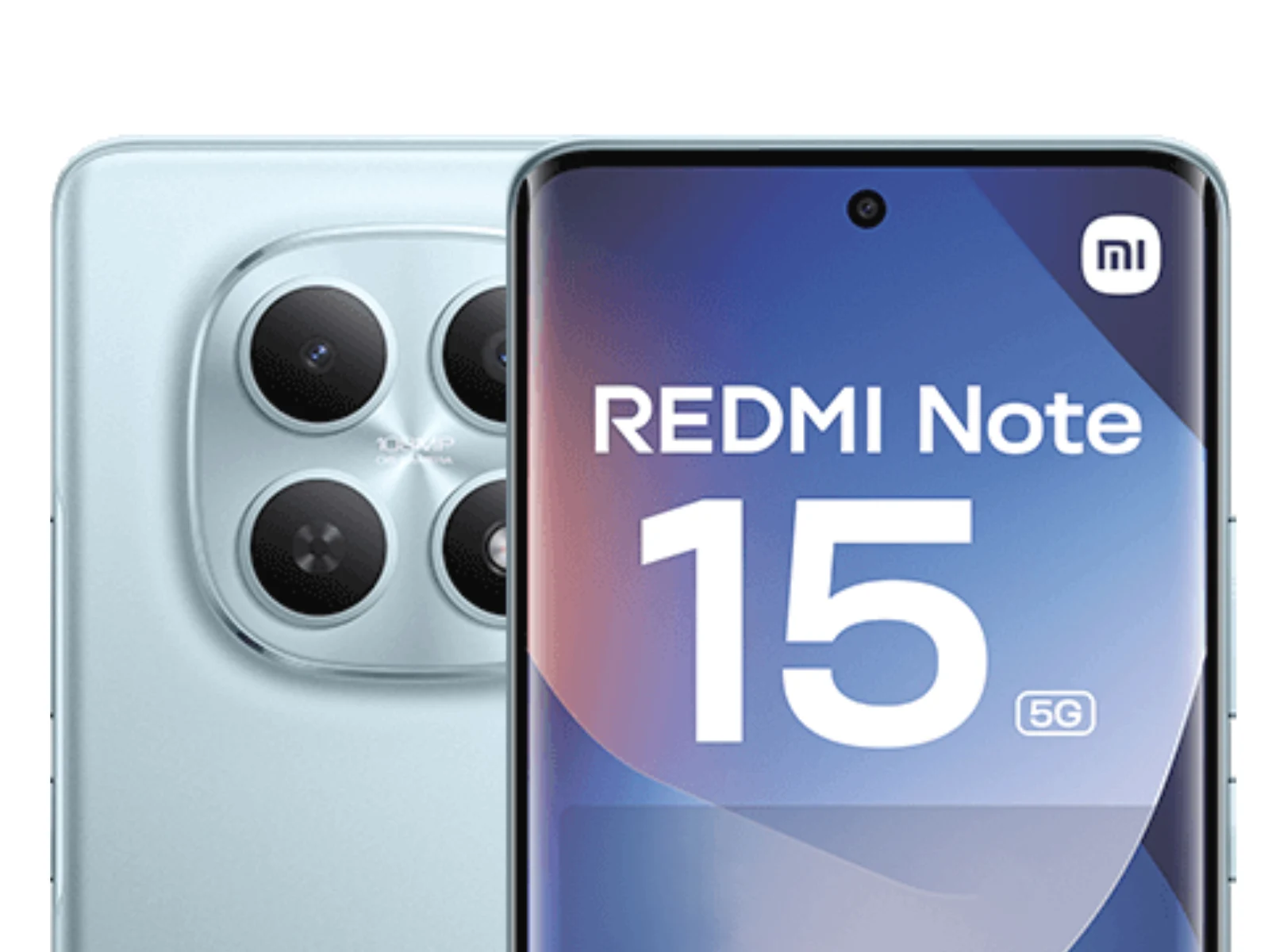
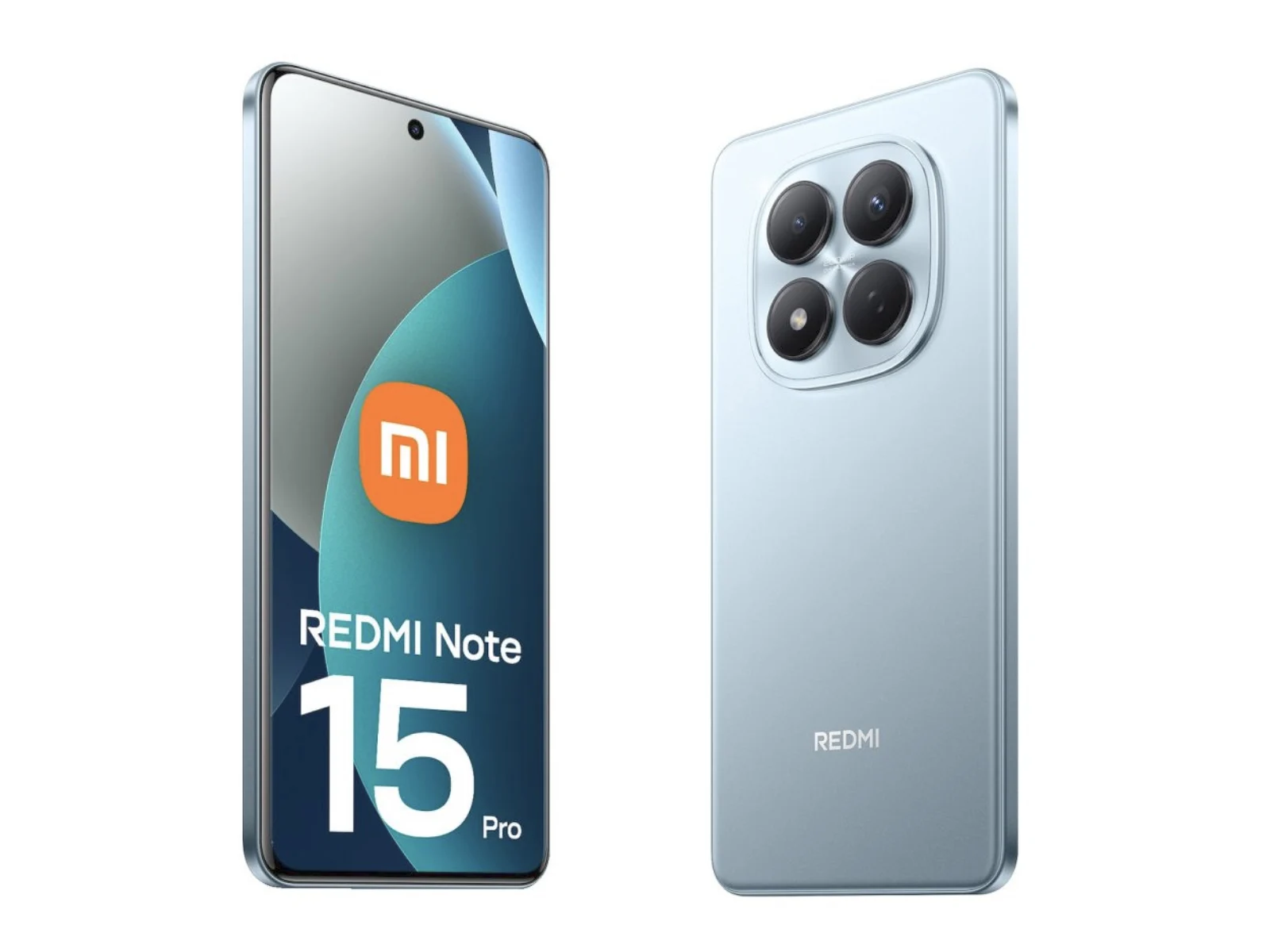
    Xiaomi has officially announced its plans for the global release of the Redmi Note 15 series. To summarize, the company launched the Redmi Note 15, Redmi Note 15 Pro, and Redmi Note 15 Pro Plus nearly four months ago, but this was only in China.

    Teasing the Launch

    Now, Xiaomi is starting to hint at the arrival of the Redmi Note 15 5G in markets outside of China. So far, the device has only been mentioned on their social media in India. This suggests that India will be the first to get the Redmi Note 15 series, similar to how the Redmi Note 14 series was rolled out.

    Upcoming Models

    Additionally, the ‘5G’ label attached to the Redmi Note 15 suggests that Xiaomi plans to introduce specific 4G versions as successors to the Redmi Note 14 4G and Redmi Note 14 Pro 4G (current price is $245 on Amazon). Recent leaks indicate that the Redmi Note 15 Pro 5G and Redmi Note 15 Pro Plus 5G are set to be launched in India on January 6, alongside the standard Redmi Note 15 5G. For further information, you can visit Xiaomi’s dedicated microsite to sign up.

    Source:
    Link


  • New Leak Confirms Global Launch of Five Redmi Note 15 Phones

    New Leak Confirms Global Launch of Five Redmi Note 15 Phones

    Key Takeaways

    1. The Redmi Note 15 5G will replace the Redmi Note 14 5G, which is currently priced at $299.
    2. The Redmi Note 15 series will include a total of five smartphones for global launch.
    3. It is powered by a Qualcomm Snapdragon 6 Gen 3 chipset and features a 6.77-inch AMOLED screen with 1080p resolution and 120 Hz refresh rate.
    4. The device includes a 5,520 mAh battery and IP65 water resistance certification.
    5. The Redmi Note 15 5G is available for pre-order with 6 GB RAM and 128 GB storage at a suggested price of €299 (~$350).


    Earlier today, we shared some news about the Redmi Note 15 Pro 5G appearing on a German retailer’s site before its official release. Now, it’s the Redmi Note 15 5G’s turn to make an appearance, which is intended to directly replace the Redmi Note 14 5G that Xiaomi launched earlier this year worldwide (currently priced at $299 on Amazon).

    New Additions to the Redmi Note 15 Series

    With this latest information, the total number of Redmi Note 15 series smartphones expected for global launch has reached five. In particular, several devices have been spotted on different European retail sites over the past few weeks.

    Specifications and Features

    The Redmi Note 15 5G is built with the same technical specifications as the Redmi Note 15 that has been available in China since late August. For example, this model is powered by a Qualcomm Snapdragon 6 Gen 3 chipset and features a 6.77-inch AMOLED screen with a resolution of 1080p and a refresh rate of 120 Hz.

    Furthermore, Xiaomi has chosen to use HyperOS 2 for this device, even though HyperOS 3 is now out. On the other hand, the device weighs 178 g and comes with a 5,520 mAh battery globally, along with IP65 certification for water resistance instead of the higher IP68 rating. The camera setup is similar to the Redmi Note 14 5G, including a 108 MP primary sensor with a size of 1/1.67 inches. Reportedly, the Redmi Note 15 5G is already available for pre-order with 6 GB RAM and 128 GB storage at a suggested retail price of €299 (~$350); however, whether Sim.de will dispatch units before the official launch is still uncertain.

    Sim.de via GSMArena

    Source:
    Link


  • Xiaomi Redmi Note 15 Pro 4G Launch Date Expected Soon

    Xiaomi Redmi Note 15 Pro 4G Launch Date Expected Soon

    Key Takeaways

    1. Xiaomi is preparing for a global launch of the Redmi Note 15 series after its introduction in China three months ago.
    2. The Redmi Note 15 Pro 4G features a MediaTek Helio G200 Ultra chipset and a 6,500 mAh battery with 45 W charging.
    3. The device has a slightly larger display of 6.77 inches with a 1080p resolution and a 120 Hz refresh rate.
    4. Camera specifications include a 32 MP front camera, a 200 MP primary camera, an 8 MP ultra-wide camera, and a 2 MP auxiliary rear camera.
    5. The Redmi Note 15 Pro 4G is expected to be priced around €295 (approximately $345) for the 8 GB RAM and 256 GB storage model, with more affordable versions likely available.


    Earlier this week, a German retailer showcased both the Redmi Note 15 Pro Plus and the Redmi Note 15 4G. In addition, the Redmi Note 15 Pro 4G has appeared in a different listing, which we’ve included evidence of below.

    Global Release on the Horizon

    This listing indicates that Xiaomi’s upcoming mid-range series is getting ready for a worldwide launch, following its introduction in China three months ago. Furthermore, the listing reveals how Xiaomi plans to set its new products apart from the current Redmi Note 14 Pro 4G, priced at $248 on Amazon.

    Impressive Specifications

    The Redmi Note 15 Pro 4G is equipped with MediaTek’s Helio G200 Ultra chipset and features a robust 6,500 mAh battery supporting 45 W charging. The dimensions have changed from 162.22 x 74.9 x 8.2 mm and 180 g to 163.22 x 76.29 x 7.96 mm and 195 g, making space for a slightly larger display of 0.1 inches. Epto reports that this new display measures 6.77 inches diagonally while keeping a 1080p resolution and a smooth 120 Hz refresh rate.

    Camera and Pricing Details

    In addition, Xiaomi enhances this OLED display with an impressive 32 MP front camera, along with a 200 MP primary camera, an 8 MP ultra-wide-angle camera, and a 2 MP auxiliary rear camera. It is said that the Redmi Note 15 Pro 4G will land in the Eurozone at approximately €295 for the model featuring 8 GB of RAM and 256 GB of storage. While this translates to roughly $345 at the current exchange rate, we anticipate that more affordable versions will also be available, starting with 128 GB of storage.

    Source:
    Link


  • Redmi 15C 5G Launches in India with Dimensity 6300 & 6000mAh Battery

    Redmi 15C 5G Launches in India with Dimensity 6300 & 6000mAh Battery

    Key Takeaways

    1. Processor and RAM: The Redmi 15C features a MediaTek Dimensity 6300 processor, with options for up to 8 GB of RAM and 128 GB of expandable storage (up to 1 TB via microSD).

    2. Display and Camera: It has a 6.9-inch LCD display with a 720p resolution and a 120 Hz refresh rate. The camera setup includes a 50 MP dual rear camera and an 8 MP front camera.

    3. Operating System and Updates: The smartphone runs on Android 15-based HyperOS 2 and will receive two major OS updates (Android 16 and 17) along with four years of security updates.

    4. Battery and Charging: The device is equipped with a 6,000 mAh battery that supports 33 W wired charging and 10 W reverse charging.

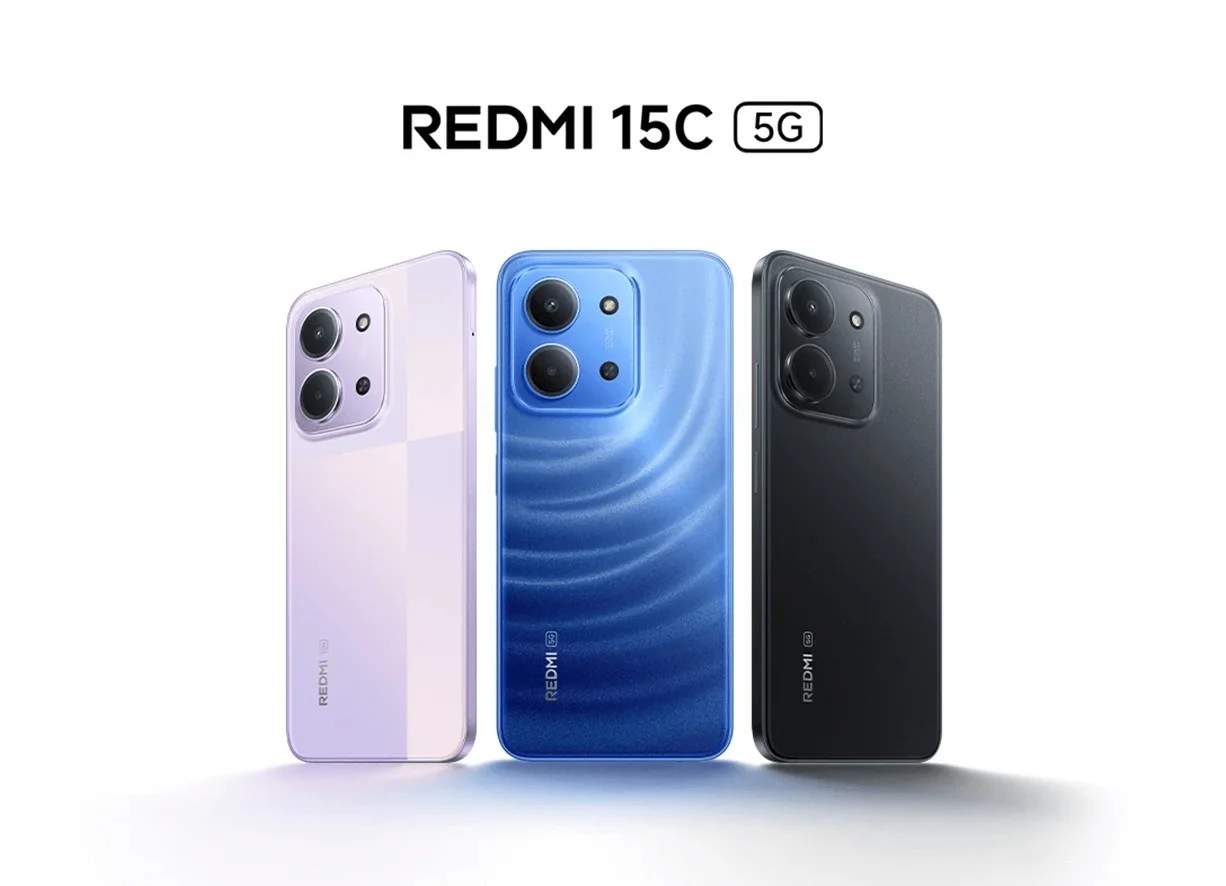
    5. Pricing and Availability: The Redmi 15C starts at INR 12,499 for the 4 GB + 128 GB variant, with sales beginning on December 11, and is available in three colors: midnight blue, dusk purple, and midnight black.


    Xiaomi has officially introduced the Redmi 15C smartphone in India, following its debut in Europe back in September 2025. The specifications of this device are identical to those of its European counterpart. It runs on a MediaTek Dimensity 6300 processor, comes with a maximum of 8 GB of RAM, and offers up to 128 GB of internal storage. Additionally, there is an option to expand the storage capacity to 1 TB using a microSD card.

    Dimensions and Display Features

    In terms of size, the Redmi 15C measures 171.5 x 79.4 x 7.9 mm (6.75 x 3.12 x 0.31 inches) and weighs approximately 211 grams (0.46 lbs). The smartphone is equipped with a 6.9-inch LCD display boasting a resolution of 720p, a refresh rate of 120 Hz, and a peak brightness of 810 nits. It has a dual rear camera system that includes a 50 MP primary camera along with a depth sensor. For those who enjoy selfies or video calls, there’s an 8 MP front camera with an f/2 aperture.

    Operating System and Battery Life

    This 5G smartphone operates on Android 15-based HyperOS 2 right out of the box. Xiaomi assures users that they will receive two major OS updates (Android 16 and 17) along with four years of security updates until 2030. The device houses a massive 6,000 mAh battery that supports 33 W wired charging and 10 W reverse charging. Other noteworthy features include a side-mounted fingerprint sensor, an IP64 rating for water resistance, a 3.5 mm headphone jack, and connectivity options for Wi-Fi 2.4/5 GHz.

    Pricing and Availability

    Regarding pricing, the Xiaomi Redmi 15C 5G starts at INR 12,499 for the entry-level 4 GB + 128 GB variant. The 6 GB + 128 GB and 8 GB + 128 GB versions are priced at INR 13,999 and INR 15,499, respectively. Customers will be able to buy the smartphone from Xiaomi’s official website, Amazon, and other authorized sellers starting December 11. There are three color choices available: midnight blue, dusk purple, and midnight black.

    Source:
    Link


  • Xiaomi Poco C85 5G: 50MP Camera, Fast Charging, Large Battery

    Xiaomi Poco C85 5G: 50MP Camera, Fast Charging, Large Battery

    Key Takeaways

    1. The Poco C85 5G is set to launch on December 9, 2025, as a budget-friendly smartphone.
    2. It features a 6,000 mAh battery with 33 W fast charging and 10 W reverse wired charging.
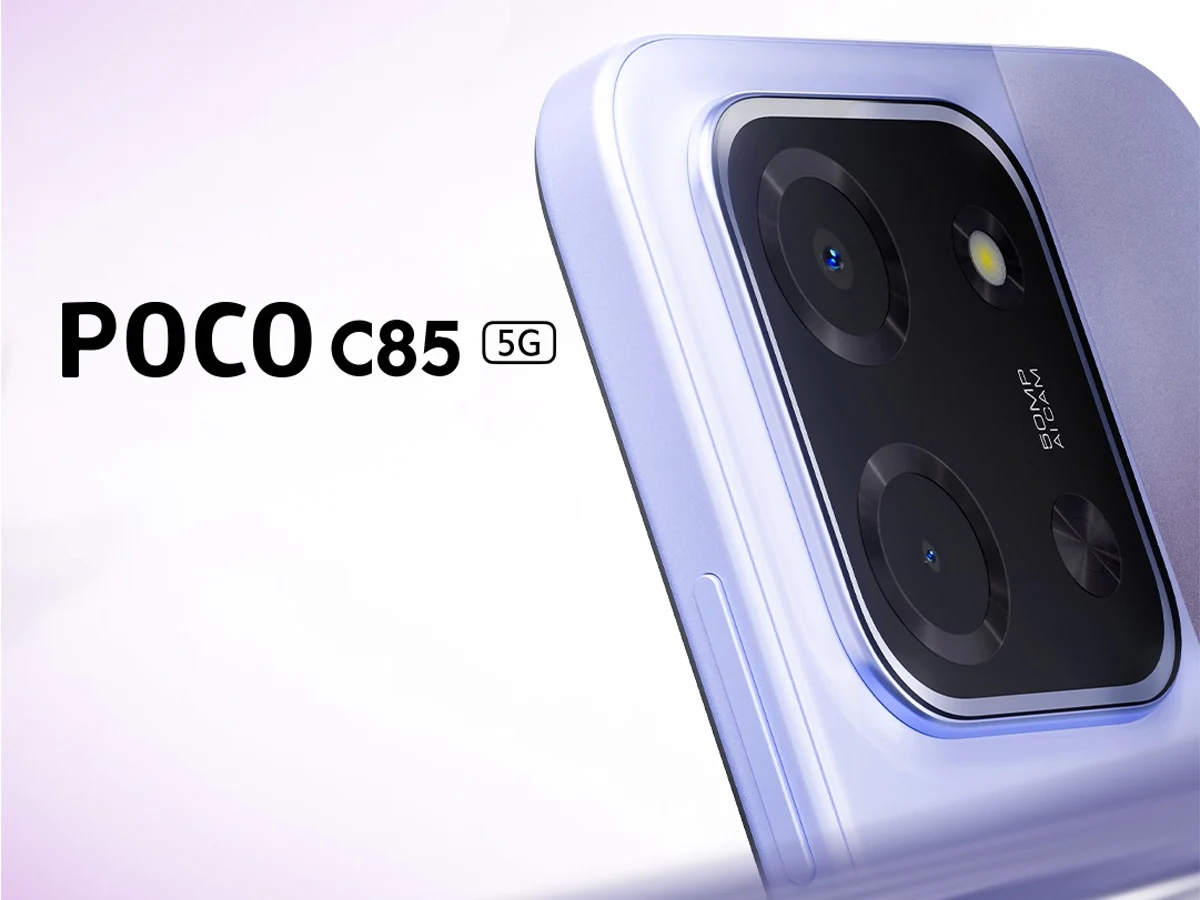
    3. The design resembles the Redmi 15C 5G, with a dual-camera setup including a 50 MP main camera.
    4. The Poco C85 5G may be a rebranded version of the Redmi 15C 5G, aimed for a broader global market.
    5. The device is expected to have a 6.9-inch IPS display with a 120 Hz refresh rate and include a microSD card slot for expandable storage.


    Xiaomi is preparing to unveil a new budget-friendly smartphone under the Poco label, known as the C85 5G. The launch is scheduled for December 9, 2025, which is just around the corner. Before this upcoming event, the company has disclosed some key specifications of the device.

    Impressive Battery Life

    One of the highlighted features is the 6,000 mAh battery, which is said to provide the “best battery experience” in its pricing category. This relatively substantial battery supports 33 W fast charging and 10 W reverse wired charging, which is similar to what the Redmi 15C 5G offers.

    Similar Design Features

    In terms of design, it closely resembles the Redmi 15C 5G, and according to the official images, the Poco C85 5G will come with a dual-camera configuration on the rear. Xiaomi has confirmed that the back includes a 50 MP main camera, identical to the primary sensor found on the Redmi model.

    Rebranding Insights

    All these indicators imply that the Poco C85 5G may be essentially a rebranded Redmi 15C 5G. However, the Poco variant is expected to be more widely accessible since Poco-branded devices are tailored for greater global reach.

    Regardless, if it is indeed a rebranded version of the Redmi 15C 5G, the Poco C85 5G will utilize the Dimensity 6300, a mid-range chip from 2024. The display will feature a 6.9-inch IPS panel with a refresh rate of 120 Hz and a peak brightness of 810 nits.

    Storage and Pricing Information

    The Poco C85 5G is anticipated to keep the microSD card slot for users to increase storage (128 GB Samsung EVO Select curr. $15 on Amazon). While there is no official pricing yet, the Redmi 15C 5G launched at a starting price of INR 12,499 in India, approximately $138, and around €140 in the European market, which is about $163.

    Source:
    Link


  • Redmi Note 16 Pro Plus Leak: 200 MP Primary Camera Expected

    Redmi Note 16 Pro Plus Leak: 200 MP Primary Camera Expected

    Key Takeaways

    1. Xiaomi is planning to launch the Redmi Note 16 series in China, likely in early 2026.
    2. The Redmi Note 16 Pro Plus may feature a significant camera upgrade with a 200 MP main camera.
    3. The previous Redmi Note 15 Pro+ had a 50 MP camera, highlighting the substantial leap in camera technology.
    4. The Redmi Note 16 series is expected to include flat OLED displays and large batteries over 7,000 mAh.
    5. The Realme 16 series is rumored to compete with the Redmi Note 16 series, potentially featuring a similar 200 MP camera.


    Xiaomi is believed to be developing the Redmi Note 16 series, which might debut in China at the start of 2026. Although the company hasn’t officially revealed the lineup yet, a recent leak suggests that the Pro Plus model will feature a significant upgrade in its camera system.

    Camera Upgrades

    Previously, the Redmi Note 15 Pro+ showcased a 50 MP primary camera, using the Light Hunter 800 sensor. The newest reports from Smart Pikachu indicate that the upcoming Note 16 Pro Plus could be equipped with a 200 MP main camera on its back.

    This wouldn’t be the first time a Redmi Note series phone has sported a 200 MP camera. To provide context, the global variant of the Note 14 Pro+ also had a 200 MP rear camera, which utilized the Samsung Isocell HP3 sensor. As for the forthcoming series, it remains uncertain which 200 MP sensor Xiaomi will implement, but it’s probably not the Sony LYT-901.

    Sensor Details

    For those who didn’t catch our latest updates, the Sony LYT-901 is a new 200 MP sensor that’s tailored for high-end smartphones. In contrast, the Redmi Note 16 series is aimed at the mid-range market.

    In terms of other specifications, earlier reports indicated that the Redmi Note 16 Pro models would feature flat OLED displays and substantial batteries, likely surpassing the 7,000 mAh threshold (45 W compact Iniu 10K power bank currently priced at $17.75 on Amazon). The Realme 16 series is anticipated to directly compete in this space, with rumors suggesting that Realme may also release a phone from this series that boasts a 200 MP primary camera on the back.

    Source:
    Link


  • China Warns: Robot Bubble May Burst Soon

    China Warns: Robot Bubble May Burst Soon

    Key Takeaways

    1. China is focusing on “embodied intelligence” and providing strong support for the robotics industry by 2030.
    2. Over 150 companies, including major names like BYD and Xiaomi, are developing humanoid robots, but many are still in early testing stages.
    3. There is a significant gap between investment in robotics and actual market demand, with robots primarily seen at exhibitions rather than in real-world use.
    4. The industry risks facing a “robot bubble,” similar to the bike-sharing issue in China, if innovative and market-ready products are not developed soon.
    5. A potential collapse in the robotics market could benefit US companies like Tesla and Figure AI, enhancing their global market position.


    China has pointed out “embodied intelligence” as a major industry to focus on by 2030. To take the lead in this growing field, the government is providing strong support to companies in robotics. Currently, over 150 businesses are working on humanoid robots, ranging from small startups to well-known companies like BYD and Xiaomi, which have recently joined the industry. Nevertheless, this surge in robotics also comes with significant challenges.

    Investment vs. Demand

    As reported by Reuters, there’s a clear gap in China between the amount of investment and the actual demand for robots. Robots are often displayed at exhibitions, but they hardly make an appearance in factories or homes. Many of these robots are still in the early stages of development and are only suitable for testing purposes. Another issue is the similarity among many humanoid robots; they tend to look and operate almost the same. Li Chao, a spokesperson for the NDRC, cautions that an influx of “highly similar products” could flood the market and lead to an investment bubble.

    Market Risks and Comparisons

    This scenario reminds us of the bike-sharing issue in China that started around 2017. Back then, countless rental bikes were produced for companies like Ofo, which ended up unused and stacked in junkyards. The robotics industry might face a similar fate if it cannot create truly innovative and market-ready products in a timely manner. If the “robot bubble” were to burst, it could wipe out billions in investments overnight, causing many businesses to fail. Conversely, companies in the US, such as Tesla and Figure AI, could gain from this situation, possibly strengthening their dominance in the global market.

    Source:
    Link


  • Xiaomi Updates HyperOS 3 Global Rollout for Poco Devices

    Xiaomi Updates HyperOS 3 Global Rollout for Poco Devices

    Key Takeaways

    1. Xiaomi launched four new Poco devices, including smartphones and tablets, but details on the software for the Pad M1 and Pad X1 were unclear.
    2. The Poco F8 Pro and Poco F8 Ultra will come with HyperOS 3, which contradicts an earlier global rollout schedule.
    3. A new Poco-specific rollout schedule prioritizes the Poco F8 Pro and Poco F8 Ultra over previously launched models.
    4. There is a possibility of a day-one update for HyperOS 3 for the Poco F8 Pro and Poco F8 Ultra.
    5. The Pad M1 and Pad X1 will remain on HyperOS 2 until at least March 2026, with no changes to other Poco devices’ upgrade timelines.


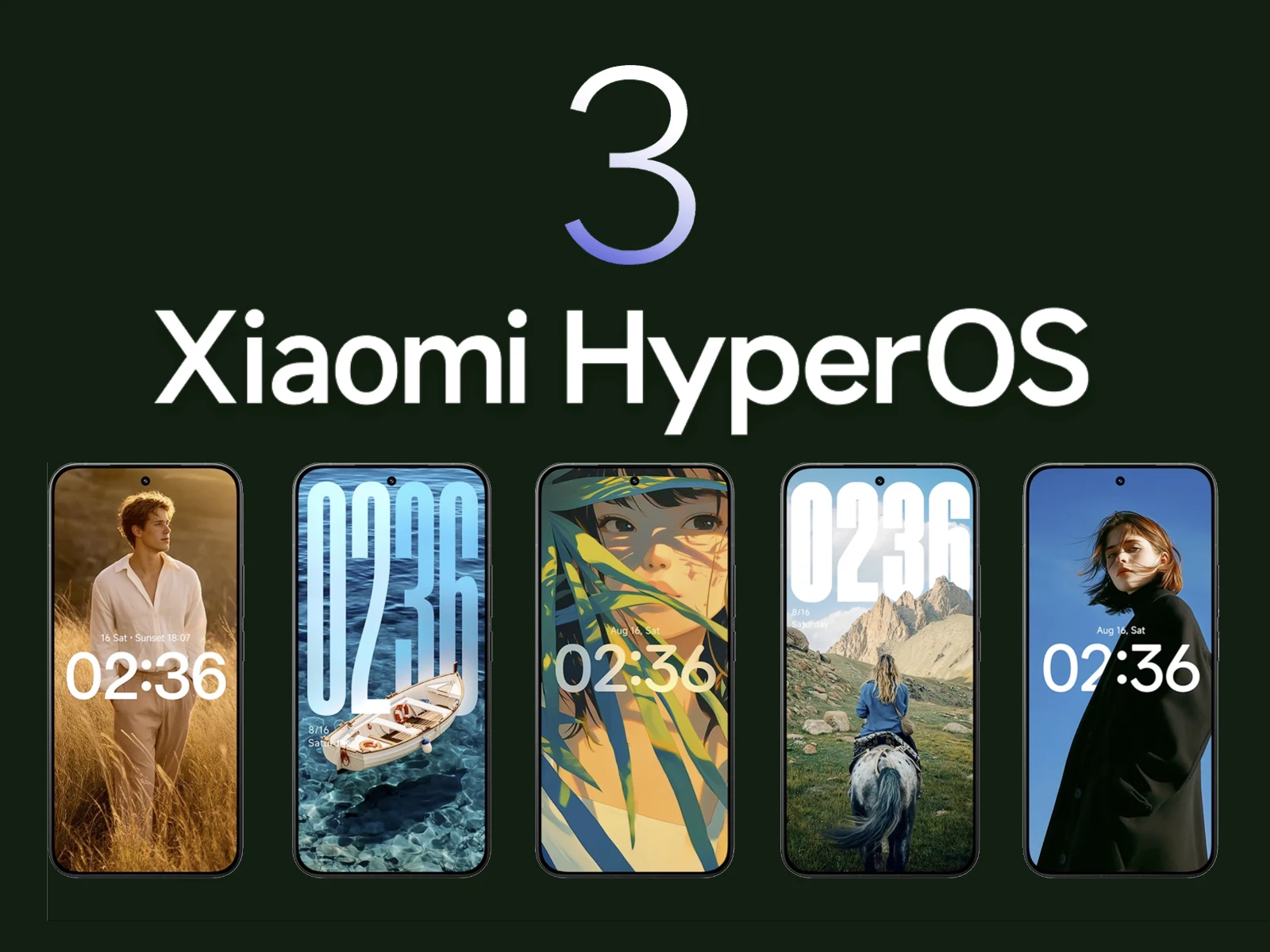
    Earlier this week, Xiaomi introduced four new devices under the Poco brand, including smartphones and tablets. During the launch, the company didn’t provide clear information about the software running on the Pad M1 or Pad X1. However, it did mention that the Poco F8 Pro and Poco F8 Ultra would come with HyperOS 3, which seems to contradict a new official rollout schedule.

    Background on HyperOS 3 Rollout

    To give some background, Xiaomi released a global HyperOS 3 rollout schedule at the end of September during the launch event for the Xiaomi 15T and Xiaomi 15T Pro (curr. $882 on Amazon). This rollout plan is now outdated, as GSMArena has found evidence of a Poco-specific schedule that Xiaomi shared when it unveiled its new Poco devices. According to this new schedule, the Poco F8 Pro and Poco F8 Ultra have been prioritized over other models, even though the Poco F7 and Poco F7 Pro had already started receiving HyperOS 3 in the past week.

    Potential for Day-One Patch

    Because of this, it’s possible that Xiaomi could provide HyperOS 3 as a day-one update for the Poco F8 Pro and Poco F8 Ultra. On the other hand, the Pad M1 and Pad X1 are expected to continue using HyperOS 2 until at least March 2026. As far as we can see, Xiaomi hasn’t altered the rollout timelines for the other nineteen Poco devices that were previously confirmed to get HyperOS 3 upgrades. For more information, please refer to the image below.

    GSMArena

    Source:
    Link


  • Xiaomi Poco Pad X1 Launches: 144Hz Display, Snapdragon for Under $350

    Xiaomi Poco Pad X1 Launches: 144Hz Display, Snapdragon for Under $350

    Key Takeaways

    1. Display Upgrade: The Poco Pad X1 features an 11.2-inch display with a resolution of 2,136 x 3,200 pixels and a pixel density of 345 PPI, supporting a 144 Hz refresh rate.

    2. Improved Brightness: The tablet has a peak brightness of 800 nits, which is a 33% increase compared to older Xiaomi tablets.

    3. Enhanced Performance: Powered by the Snapdragon 7 Plus Gen 3 chipset, the Poco Pad X1 offers a 60% performance increase over the Snapdragon 7s Gen 2 used in previous models.

    4. Battery and Connectivity: It is equipped with an 8,850 mAh battery and supports Bluetooth 5.4, Wi-Fi 6E, and NFC, but lacks cellular connectivity options.

    5. Pricing and Accessories: The Poco Pad X1 is priced at $399, currently available for $349, with various accessories like the Floating Keyboard ($199) and Xiaomi Focus Pen ($99).


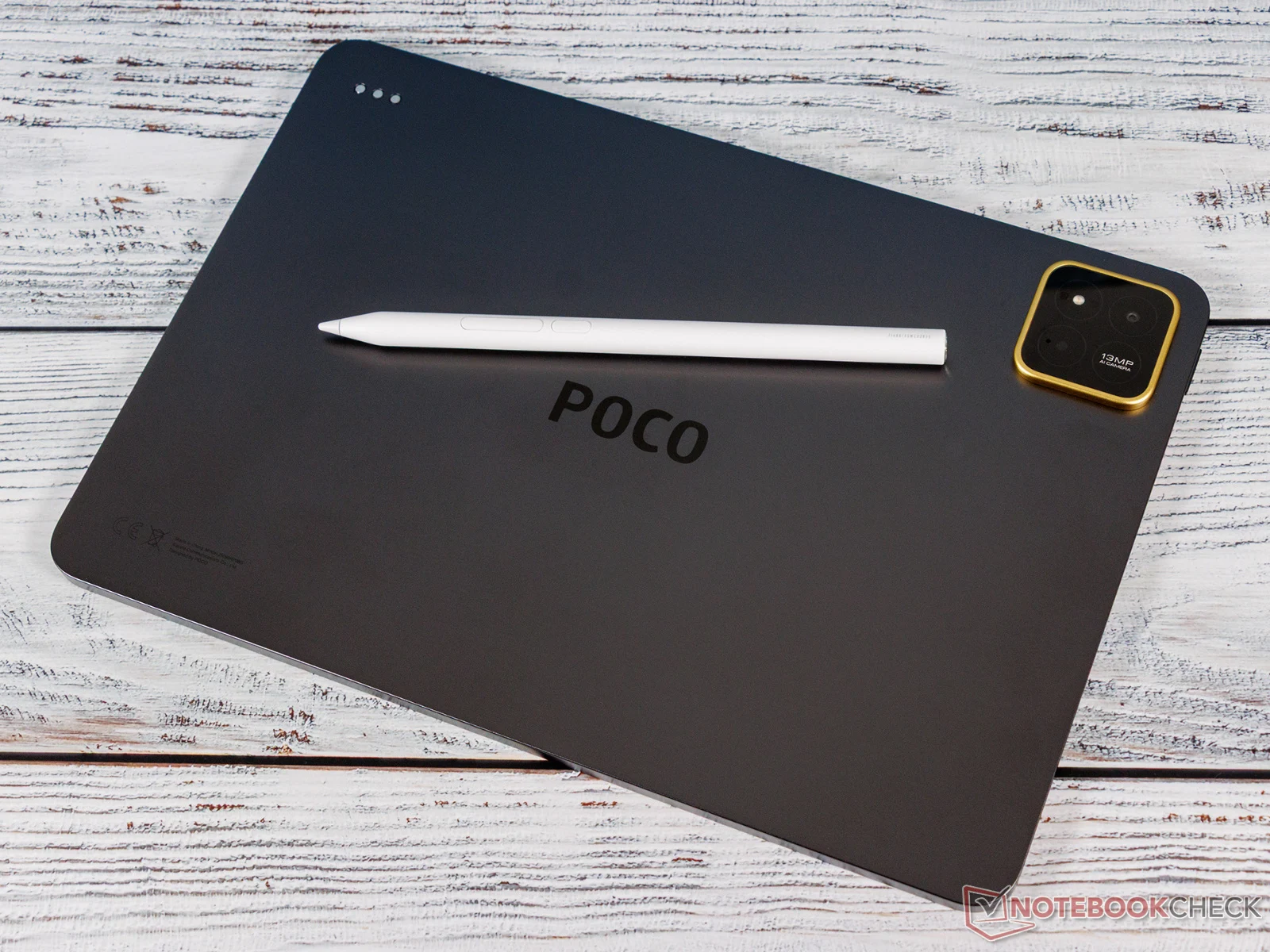
    Xiaomi has launched the new Poco Pad X1, expanding its Poco tablet lineup. This tablet joins the Poco Pad M1, Poco F8 Pro, and Poco F8 Ultra in a global event. The Poco Pad X1 features an 11.2-inch display, which is slightly smaller than last year’s models, but it offers a higher resolution of 2,136 x 3,200 pixels, resulting in a pixel density of 345 PPI.

    Enhanced Display Features

    The Pad X1 not only has a better resolution than previous models, but it also supports a 144 Hz refresh rate for compatible applications, an upgrade from the 120 Hz found in the Poco Pad and its 5G version. Additionally, the tablet has a peak brightness of 800 nits, which is a 33% increase compared to Xiaomi’s older tablets. It is powered by a Snapdragon 7 Plus Gen 3 chipset, which is also used in the Xiaomi Pad 7 (currently priced at $380 on Amazon).

    Performance and Battery Life

    Benchmarks indicate that the Snapdragon 7 Plus Gen 3 should deliver about a 60% performance increase compared to the Snapdragon 7s Gen 2 used in the Poco Pad and Poco Pad 5G. The Poco Pad X1 comes equipped with an 8,850 mAh battery, housed in a slim frame measuring 251 x 173 x 6.18 mm and weighing 500 g. However, it does not include any cellular connectivity options. Instead, users can connect via Bluetooth 5.4 and Wi-Fi 6E, plus there’s NFC for easy sharing.

    Pricing and Accessories

    The Poco Pad X1 is available at a price of $399 but is currently offered at a reduced price of $349 as part of Xiaomi’s Early Bird promotion. In addition, the Floating Keyboard accessory is available for $199 and can be used with the Xiaomi Focus Pen, which costs $99. On the other hand, the Pad X1 Cover and Pad X1 Keyboard are priced at $49 and $129 respectively. For more information, visit Xiaomi’s website.

    Source:
    Link