Tag: wireless charging

  • New Xiaomi Magnetic Power Bank with Built-in Cable Launch

    New Xiaomi Magnetic Power Bank with Built-in Cable Launch

    Key Takeaways

    1. Charging Capabilities: Supports charging of three devices simultaneously, with a 15W wireless charging pad and USB-C ports offering up to 33W output and 30W input.

    2. Battery and Design: Features a 10,000 mAh battery, a display for battery level, pass-through charging, and an adjustable stand for comfortable viewing angles.

    3. Dimensions and Weight: Measures 108.8 x 68.9 x 20.3 mm and weighs 229 g, making it portable and easy to handle.

    4. Availability and Pricing: Priced at €35.90 in Italy and €39.99 in Germany, with expected availability in the UK and other European countries soon.

    5. Color Options: Available in four colors: Beige, Blue, Black, and Purple.


    Xiaomi has introduced the Magnetic Power Bank 10000 with Built-in Stand in Europe. This product initially debuted in China in August 2025 and was expected to become available more broadly as indicated by a listing on the company’s global website.

    Charging Capabilities

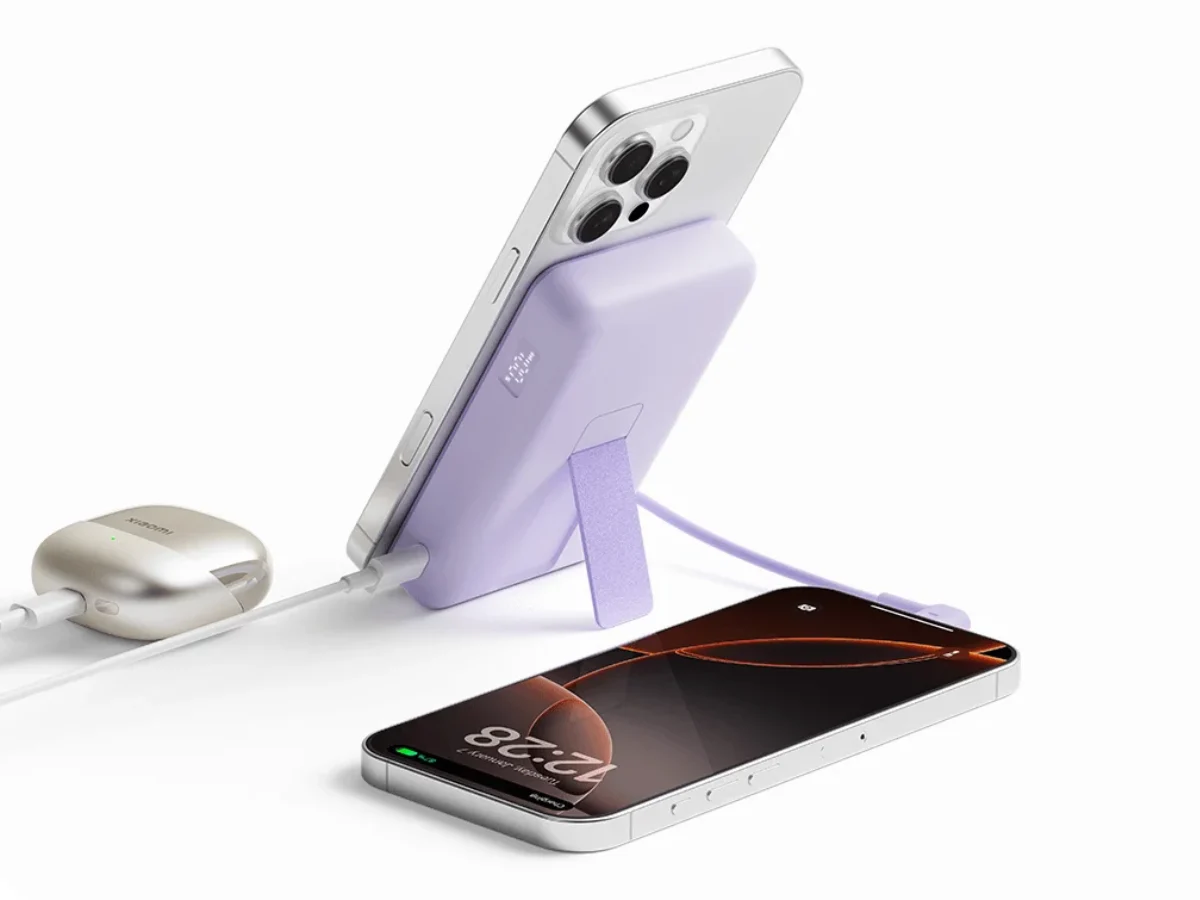
    The new Xiaomi Magnetic Power Bank 10000 allows you to charge three devices at once. It features a wireless charging pad on the front that provides up to 15W of power, securely holding a compatible phone using a magnetic force of 13N. Additionally, there is an integrated USB-C cable and another USB-C port, both of which can support up to 33W output and 30W input.

    Battery and Design

    As the name indicates, this power bank comes with a 10,000 mAh battery, and it has a small display to show the remaining battery level. This capacity lets you charge a Xiaomi 15 about 1.3 times or an iPhone 16 Pro two times. The device supports pass-through charging along with various fast charging protocols. Moreover, the adjustable stand makes it easy for users to find a comfortable viewing angle while their device is charging. Its dimensions are 108.8 x 68.9 x 20.3 mm (approximately 4.3 x 2.7 x 0.8 inches) and it weighs 229 g (around 8.1 oz).

    Availability and Pricing

    You can purchase the Xiaomi Magnetic Power Bank 10000 with Built-in Stand from the brand’s online store in Italy for €35.90, and in Germany for €39.99. Customers have the option to choose from four colors: Beige, Blue, Black, and Purple. Furthermore, a support page on the Xiaomi UK website indicates that this product will likely be available in the UK and possibly other European nations soon.

    Source:
    Link



  • Wireless Truck Charging at 65 MPH Tested on Interstate Concrete

    Wireless Truck Charging at 65 MPH Tested on Interstate Concrete

    Key Takeaways

    1. Successful wireless charging trial at highway speeds using an electric Cummins truck.
    2. Innovative inductive charging system designed to work with concrete pavement for heavy loads.
    3. Charging while in motion can reduce the size and cost of electric truck battery packs.
    4. Continuous charging can alleviate range anxiety for electric truck operators.
    5. Practical use of Tesla Semis shows potential for efficient daily operations with less frequent charging.


    An electric Cummins truck, which has induction features, has successfully completed a wireless charging trial at highway speeds on concrete.

    Innovative Design

    This kind of pavement supports the heaviest loads in the U.S., so researchers at Purdue University designed the transmitter coils to function while being surrounded by concrete. The Cummins semi traveled along a modified highway area in West Lafayette at a speed of 65 miles per hour, which is a common cruising speed for heavy-duty trucks on interstates. The team from Purdue’s Elmore Family School of Electrical and Computer Engineering has created a groundbreaking inductive charging system that can deliver 190 kilowatts of power to the truck’s coils while it is driving on the highway.

    Feasible Solution

    The successful test demonstrated that charging electric trucks, such as the Tesla Semi, while they are in motion is a viable option. This advancement could help automakers decrease the size of the battery pack, which is the priciest component of an electric vehicle. Presently, heavy-duty electric trucks like the Tesla Semi need to be fitted with massive 900 kWh battery packs to achieve a 500-mile range between charges at large 1.2 MW V4 Superchargers. For example, DHL recently received its Tesla Semi test vehicles and lauded their ability to carry a full load over the claimed range, even on difficult terrains.

    Practical Benefits

    While the Tesla Semi demonstrated an impressive efficiency of 1.72 kWh per mile during practical use tests, continuous charging while driving could alleviate range anxiety and also lower manufacturing expenses. DHL mentioned that it charges the Tesla Semi only once a week since the vehicle only needs to cover a 100-mile route each day.

    Source:
    Link


  • Silicon Power 10,000mAh Magnetic Power Bank Charges 4 Devices

    Silicon Power 10,000mAh Magnetic Power Bank Charges 4 Devices

    Key Takeaways

    1. The Silicon Power MP10 power bank supports MagSafe and provides quick wireless charging up to 15W for compatible devices.
    2. It can charge up to four devices simultaneously with two built-in USB-C cables and an additional USB-C port.
    3. The power bank has a capacity of 10,000 mAh, allowing for reliable charging and features a small LED display for battery life and charging status.
    4. The MP10 includes built-in safeguards against over-voltage, over-current, and overheating.
    5. Available in four colors (Forest Green, Sand Beige, Stone Gray, and Pure White) and has compact dimensions (78.5 x 74.5 x 31 mm) weighing 212 g.


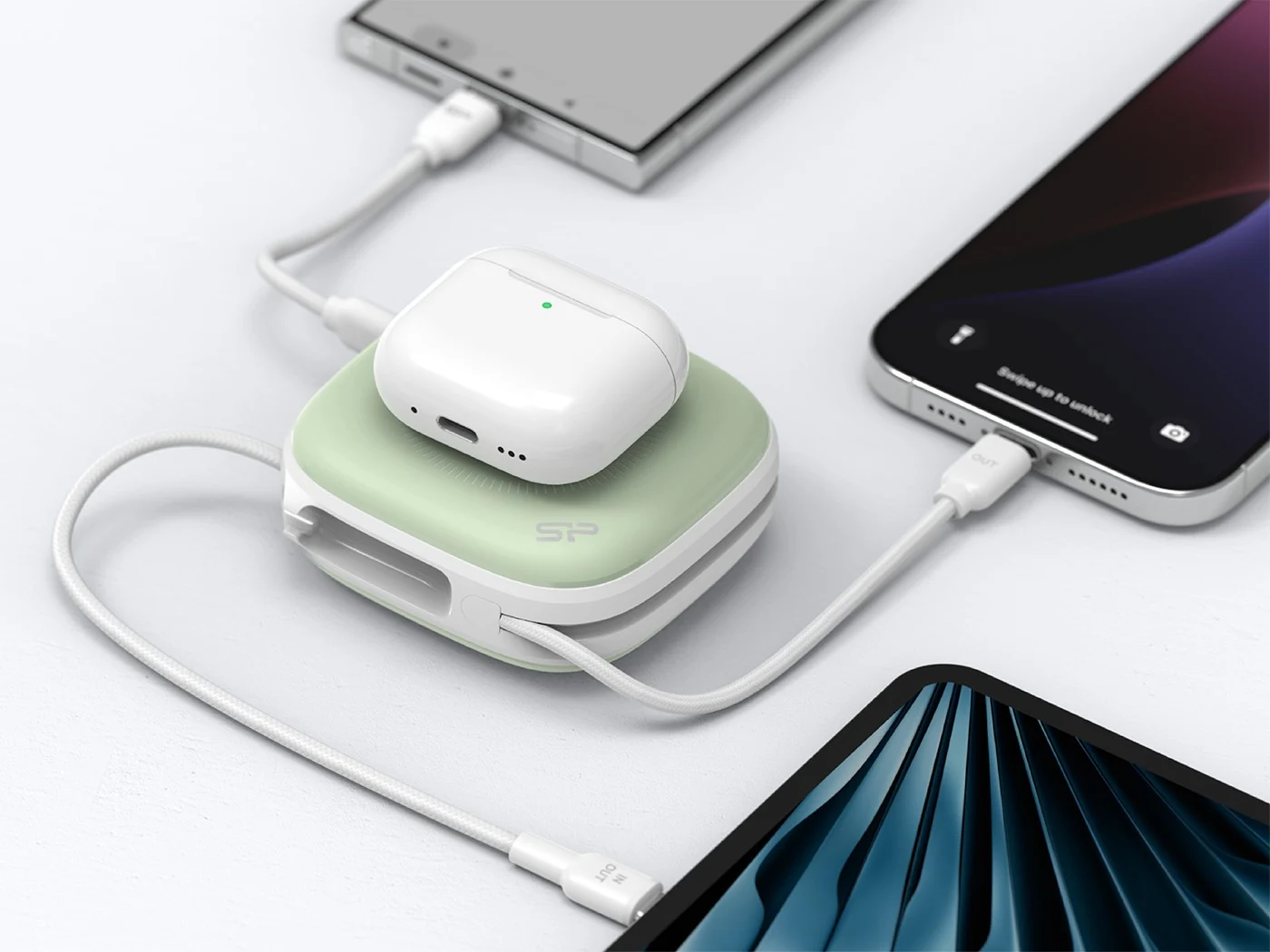
    The Silicon Power MP10 is a power bank that works with MagSafe, perfect for individuals who enjoy charging several devices while they are out. Like the new EcoFlow Rapid Mag power bank (currently priced at $69.99 on Amazon Prime), it can magnetically connect to the back of recent iPhones or Qi2 compatible phones such as the Google Pixel 10 series, providing quick wireless charging up to 15W. While it may be slightly slower than Qi2.2 models that can hit 25W, you can increase the speed to 20W using its built-in cables, allowing an iPhone 16 Pro to reach 50% charge in approximately 30 minutes.

    Multi-Device Charging

    In terms of ports, the MP10 is equipped with two built-in USB-C cables and an additional USB-C port. This setup lets users charge four devices at once without having to search for extra cords. One of the cables even serves as a lanyard, making it easier to carry around. With a capacity of 10,000 mAh, it’s designed to provide a reliable charge to multiple devices simultaneously. Silicon Power has also included a small LED display that indicates remaining battery life and charging status, along with built-in safeguards against over-voltage, over-current, and overheating.

    Color Options and Size

    The MP10 is available in four different colors: Forest Green, Sand Beige, Stone Gray, and Pure White. Its dimensions are 78.5 x 74.5 x 31 mm, and it weighs in at 212 g, making it small enough to fit into a bag or pocket easily. Although the power bank is already listed on the Silicon Power website, specific details about pricing and availability have not yet been released.

    Source:
    Link


  • Most Powerful Porsche Ever Features Wireless Charging Like Tesla

    Most Powerful Porsche Ever Features Wireless Charging Like Tesla

    Key Takeaways

    1. The 2026 Porsche Cayenne features an innovative wireless charging system, allowing it to charge at home without plugging in, simply by driving over a charging pad.

    2. Porsche is the first manufacturer to offer one-box wireless charging for electric vehicles, enabling easy installation of the charging pad without a wall box.

    3. The electric Cayenne is the most powerful Porsche yet, with the Turbo trim delivering up to 1,139 HP and a range of 315 miles from its 113 kWh battery.

    4. The SUV can accelerate from 0 to 60 mph in just 2.4 seconds, supports a maximum charging rate of 400 kW, and features advanced driving technologies like air suspension and rear-wheel steering.

    5. The luxurious interior includes heated components, a panoramic glass roof, multiple OLED displays, and will be available in the US starting at $111,000, with the Turbo trim priced around $165,000.


    Porsche has revealed its inaugural electric Cayenne SUV, confirming that it will indeed boast a unique EV feature: wireless charging.

    Innovative Charging Feature

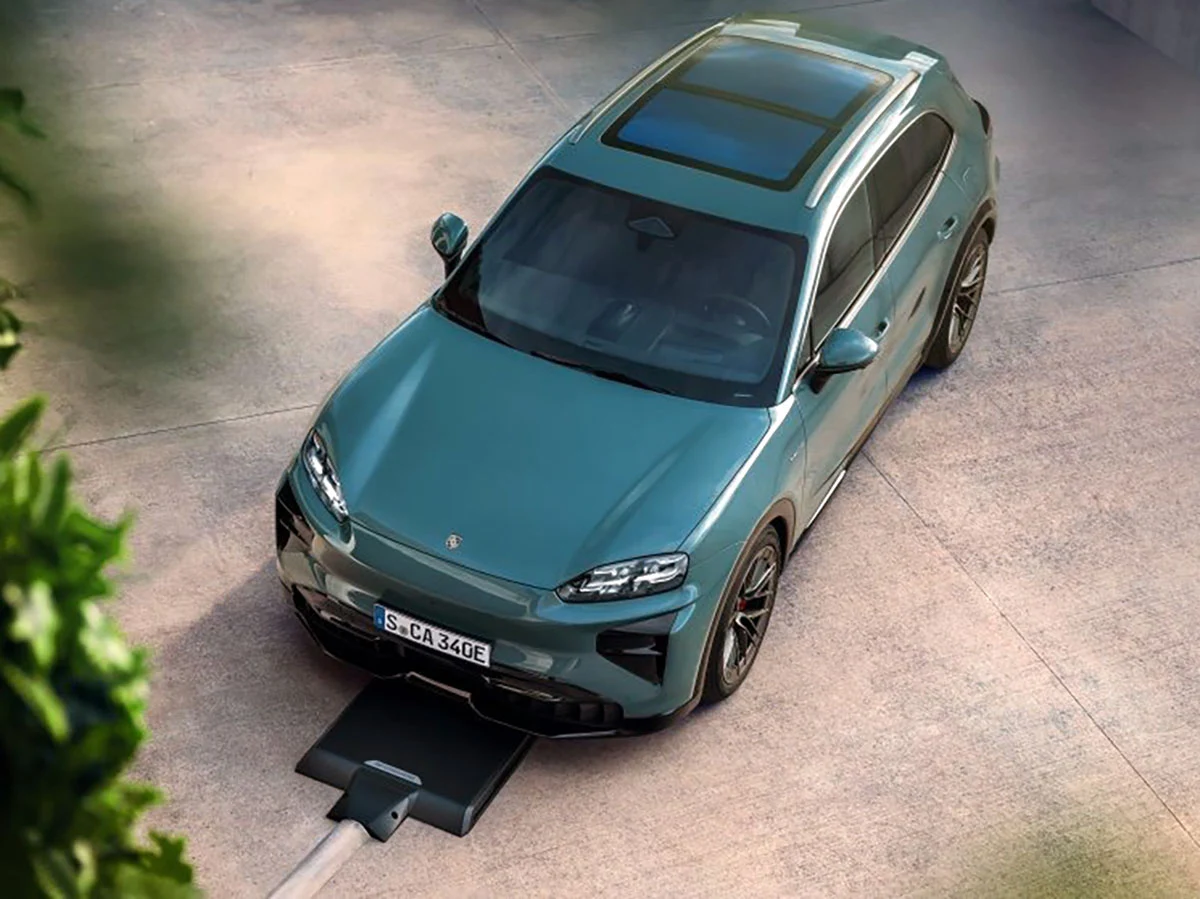
    The 2026 Porsche Cayenne allows charging at home without plugging it in. Instead, it can simply drive over a charging pad, lower itself down automatically, and start replenishing its battery. The Porsche Wireless Charging system is an optional add-on priced at $6,000, featuring a secure inductive plate placed between the front wheels.

    First of Its Kind

    Porsche stands as the first car manufacturer to provide one-box wireless charging for its electric vehicles. This means that homeowners can install the pad in an open garage or parking space without needing to mount a wall box or controller; they just need to connect it to the main power supply.

    The wireless charging for the Porsche Cayenne operates at a speed of 11 kWh with a 90% transfer efficiency. Additionally, both the pad and plate come equipped with various safety features that can halt charging if any small animal or metallic object is detected on the pad.

    Performance and Specifications

    The 2026 electric Cayenne is the most powerful Porsche to date, with the Turbo trim offering up to 1,139 HP. It comes with a 113 kWh battery that provides a range of 315 miles and can recharge from 10% to 80% in just 16 minutes when using a Tesla V4 Supercharger, supporting a maximum charging rate of 400 kW.

    Accelerating from 0 to 60 mph takes merely 2.4 seconds, while the top speed is capped at 162 mph. True to Porsche’s reputation, the new SUV includes numerous comfort and driving features, like air suspension that automatically lowers the vehicle over the wireless pad for charging, as well as 5° rear-wheel steering and the Porsche Active Ride sports system, which is making its debut on a Cayenne.

    Luxurious Interior

    On the inside, the electric SUV is equipped with heated components all around, including the seats and door panels. The panoramic glass roof comes with adjustable transparency. The center console features a curved OLED panel, while the instrument cluster is a 14-inch OLED display, complemented by a 15-inch passenger screen and an augmented reality unit that can present a virtual 87-inch display up to 30 feet ahead of the vehicle.

    Porsche plans to launch its first electric Cayenne, featuring optional wireless charging, in the US next summer, with prices starting at $111,000. The Turbo trim with 1,139 HP will cost around $165,000. The wireless charging system will also be available at that time. By then, Tesla is expected to have introduced its Cybercab as part of its Robotaxi platform, providing its own version of wireless charging for comparison.

    Source:
    Link


  • Power a City with Qi Charging Losses: An Energy Insight

    Power a City with Qi Charging Losses: An Energy Insight

    Key Takeaways

    1. Wireless charging is less efficient than wired charging, wasting around 35% more energy.
    2. Wired charging efficiency is about 90-95%, while wireless charging ranges from 60-80% efficiency.
    3. A smartphone charged wirelessly consumes approximately 1.7 kWh more annually than one charged with a wired connection.
    4. Globally, the additional energy demand from wireless charging could reach about 1.7 TWh per year, enough to power around 680,000 homes.
    5. The energy wasted from wireless charging could potentially power a city like Leipzig or charge approximately 773,000 electric cars annually.


    Every so often, I consider getting a wireless charging pad for my phone. I know I’m a bit behind the times, but there’s one question that keeps stopping me (plus, a bit of laziness to actually look into it): how much energy does wireless charging really waste?

    Digging into the Numbers

    So, I finally took the plunge and did some quick calculations. I began by checking the efficiency of both wired and wireless charging. The information comes from a report by the International Energy Agency called “Energy Use for Wireless Charghing.”

    As per this report, charging a battery wirelessly consumes around 35 percent more energy. Other sources, like hichaintech.com, indicate that wired charging loses about 5–10 percent of energy as heat, resulting in an efficiency of around 90–95 percent. With systems like Qi and MagSafe, there are also coil losses that depend on distance, alignment, and power level, leading to overall efficiencies ranging from 60 to 80 percent, or a loss of 20–40 percent.

    A Look at a Typical Smartphone

    Let’s break this down using a single smartphone for context. Assuming a 15 Wh battery (approximately 4,000 mAh) that gets fully charged once daily, the numbers present as follows:

    Wired charging (90% efficiency)
    – 15 Wh / 0.9 = 16.7 Wh
    – Annual consumption: 16.7 Wh × 365 = 6,095 Wh = 6.1 kWh
    – Annual cost: 6.1 kWh × €0.30 = €1.83

    Wireless charging (≈70% efficiency)
    – 15 Wh / 0.7 = 21.4 Wh
    – Annual consumption: 21.4 Wh × 365 = 7,811 Wh = 7.8 kWh
    – Annual cost: 7.8 kWh × €0.30 = €2.34

    For an individual, the cost difference is minimal. However, from an ecological standpoint, things start to get intriguing — there are billions of smartphones in use all around the world.

    The Bigger Picture

    As of recent estimates, there are about 7.3 to 7.4 billion smartphones in use globally. Back in 2021, around 1 billion of these (approximately 13.5%) supported wireless charging, according to Strategy Analytics. Today, that percentage is likely higher — perhaps between 15 to 25 percent. Not every one of those phones is charged wirelessly, but let’s assume 1 billion devices are, each using 1.7 kWh more each year (as calculated earlier).

    1 billion devices × 1.7 kWh = 1.7 TWh per year (1 TWh = 1 billion kWh = 1,000,000,000 kWh)

    This means the additional energy demand globally due to wireless phone charging could amount to around 1.7 TWh every year. With an average household consuming roughly 2,500 kWh annually, that’s sufficient to power about 680,000 homes for a year.

    Alternatively, the energy wasted through Qi and similar wireless charging could power an entire German city like Leipzig or Hannover for a year — or charge around 773,000 electric cars (assuming each one uses 2,200 kWh per year). Generating this amount of energy would need over 200 wind turbines (each rated at 3 MW with an average utilization of 30%).


  • New Sharge IceMag 3 Compact Power Bank Launching Soon

    New Sharge IceMag 3 Compact Power Bank Launching Soon

    Key Takeaways

    1. The Sharge IceMag 3 power bank will be released in the next few weeks, improving upon the IceMag 2 from late 2024.
    2. The design is inspired by the Sony Cyber-shot camera and will support wireless charging up to 25W with Qi2 certification.
    3. Users can charge additional devices via a built-in USB-C cable and USB-C port, each providing up to 35W output, with Active Cooling 3.0 technology to prevent overheating.
    4. An early bird discount of 15% is available, but no sign-up link is currently provided, and the retail price has not been announced.
    5. The launch date for the IceMag 3 is confirmed for November 13th.


    Sharge has hinted at the arrival of the IceMag 3 power bank. Set to be released in the next few weeks, this latest version improves upon the IceMag 2, which came out in late 2024.

    Design Inspiration

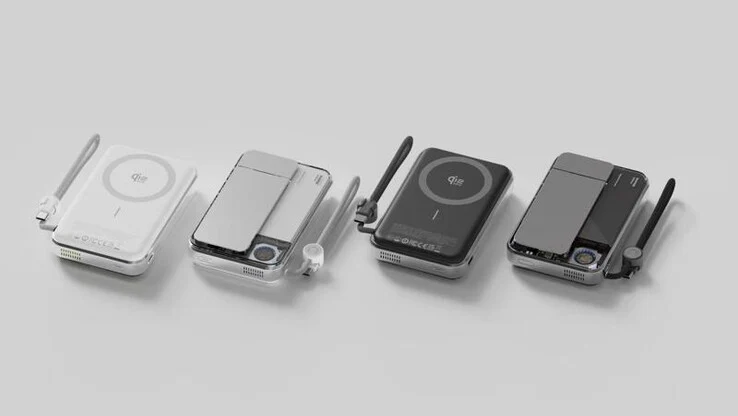
    The design of the Sharge IceMag 3 is reportedly influenced by the Sony Cyber-shot camera. An image of this accessory, which comes in two color options (shown below), was discovered in the Wireless Power Consortium’s database. The power bank is expected to support wireless charging up to 25W using a Qi2-certified pad. This means you could potentially charge an iPhone 17 to 50% in just 30 minutes.

    Charging Options

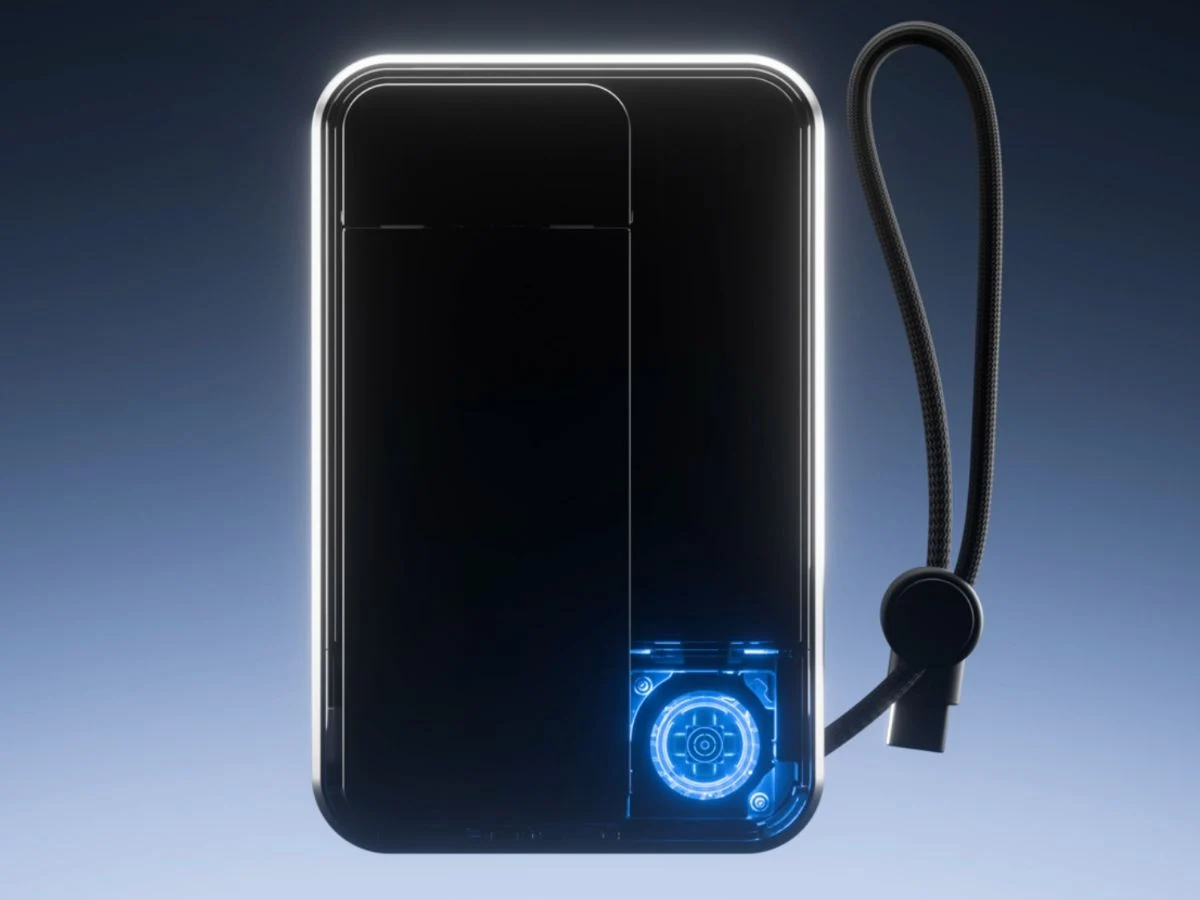
    In addition, users can charge two more devices through a built-in USB-C cable and a USB-C port, each capable of delivering up to 35W output. Moreover, the product page mentions that the IceMag 3 will incorporate Sharge’s Active Cooling 3.0 technology, featuring a fan that runs at 10,000 rpm to keep the power bank cool. However, specifics such as the total power output, battery size, and dimensions of the device have not yet been disclosed.

    Early Bird Discount

    The landing page for the Sharge IceMag 3 power bank indicates that users can subscribe to get a 15% early bird discount. Nevertheless, there doesn’t seem to be any link to a sign-up form on the current page. Furthermore, Sharge has not announced the retail price for this accessory; as a reference, the previous model, the Sharge IceMag 2, is priced at $69.90 (currently $52.14 on Amazon). The company has confirmed that the launch date for the new product is set for November 13th.


  • Ugreen MagFlow: 25W Qi2.2 Power Bank with AirPods Charger

    Ugreen MagFlow: 25W Qi2.2 Power Bank with AirPods Charger

    Key Takeaways

    1. Ugreen has launched multiple 25W Qi2.2 chargers since the standard was announced, including a 10,000 mAh power bank and a 2-in-1 charger for iPhones and AirPods.

    2. The upcoming power bank will feature a foldable Qi2 pad for propping up phones and a hidden charging pad for AirPods, along with a built-in USB-C cable and a display for real-time output power.

    3. The new power bank is expected to have a capacity of 20,000 mAh and will support wired charging up to 100W via the integrated USB-C cable.

    4. Pricing for the new power bank is listed at €134.90 (around $157), and it is designed for users who carry multiple devices, potentially making it more appealing to power users.

    5. The release date for the U.S. market is still uncertain, but the new model is anticipated to be available soon, given its design similarities to other recent Ugreen products.


    Ugreen has been quite active in launching its new 25W Qi2.2 chargers since the wireless charging standard was made official in July. Just to summarize, the company introduced a 10,000 mAh Qi2.2-certified power bank back in August. This was followed by a 2-in-1 charger designed for iPhones and AirPods, priced at $49.99 for Amazon Prime members. Recently, they also released a 3-in-1 folding charging station. Now it seems that Ugreen is set to unveil another 25W wireless power bank.

    New Features of the Upcoming Power Bank

    A recent listing found on the Wireless Power Consortium hints that the upcoming power bank will allow wireless charging at a maximum of 25W. However, this new model differs from the previous 10,000 mAh version in that its main Qi2 pad can fold to prop a phone upright, revealing a hidden charging pad for AirPods, much like the 2-in-1 charger. Additionally, it will come equipped with a built-in USB-C cable and a small display that seems to indicate real-time output power.

    Pricing and Specifications

    Although Ugreen hasn’t officially revealed details about the new power bank, it has surfaced on MaxGaming with a price of €134.90 (around $157). The retailer’s listing verifies a capacity of 20,000 mAh and supports wired charging up to 100W via the integrated USB-C cable. This means users could charge a MacBook, an iPhone, and AirPods at the same time without needing a wall outlet or extra cables.

    Potential Market Impact

    It’s likely that this new model will weigh more than the 10,000 mAh variant, but it should be more attractive to power users who carry multiple devices. The pricing and release information for the U.S. market is still not definite, but given that it shares the same look as Ugreen’s other recent 25W Qi2.2 chargers, it’s reasonable to expect it will be available soon.

    Source:
    Link


  • Affordable Cuktech 15 Super Charging Station with 140W Fast Charge

    Affordable Cuktech 15 Super Charging Station with 140W Fast Charge

    Key Takeaways

    1. The Cuktech 15 Super Charging Station features dual wireless charging docks for accessories and smartphones.
    2. It includes a built-in retractable cable and a digital display showing charging information and power output.
    3. The charger has a maximum total power output of 140 W, with multiple USB ports available for charging.
    4. It can charge a MacBook Pro from 0% to 58% in 30 minutes and supports fast charging for various devices, including Xiaomi smartphones at 120 W.
    5. The charger is priced at CNY 449 (approximately $63) and may become available globally after its launch in China.


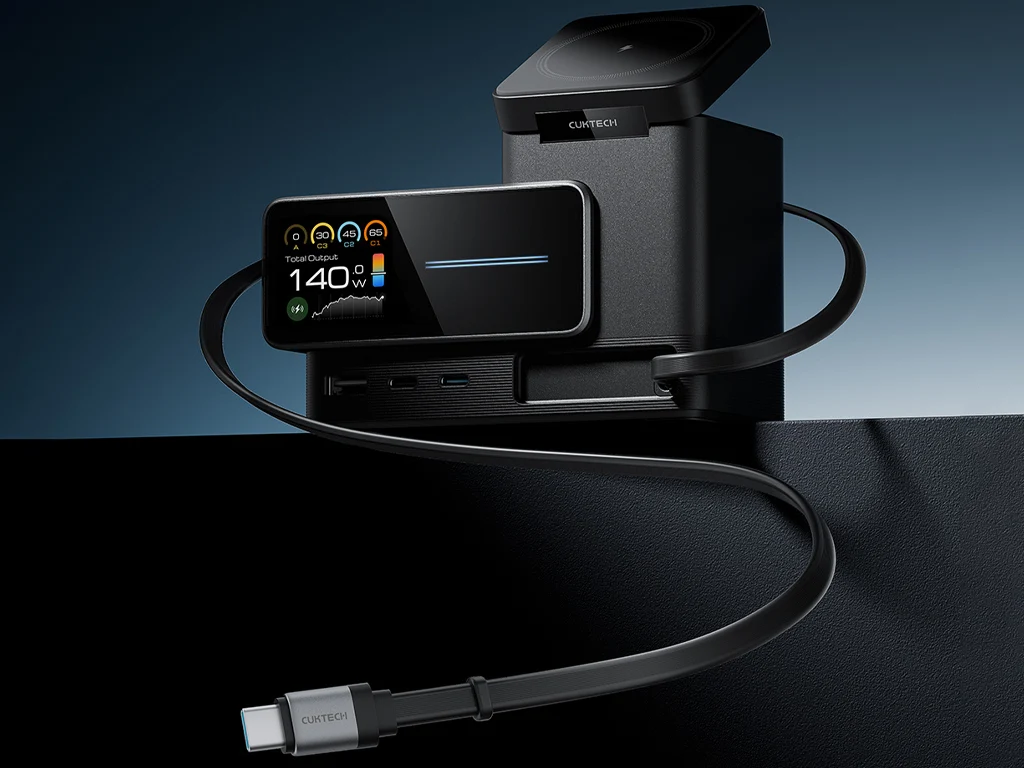
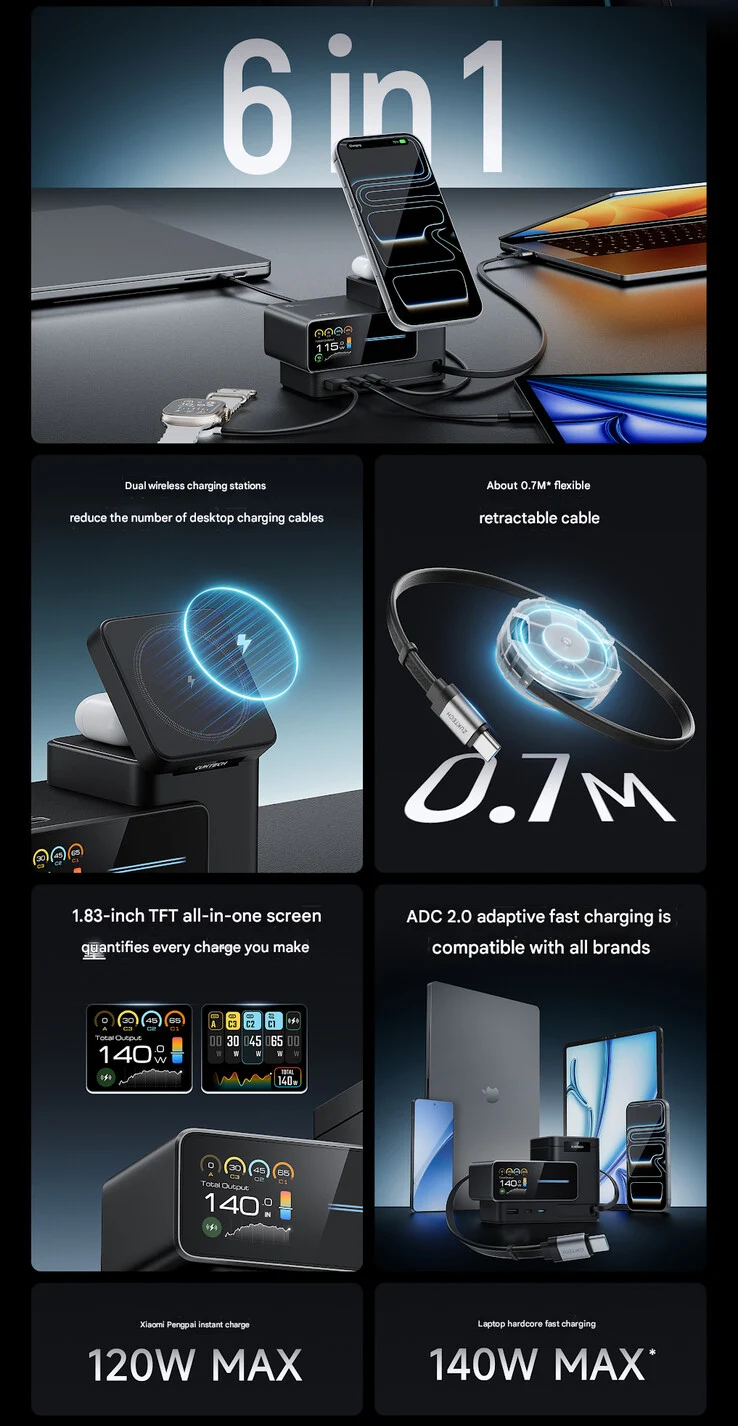
    The Cuktech 15 Super Charging Station has been introduced in China as a budget-friendly desktop charger. One of its key features is the dual wireless charging docks, which include one for accessories and another specifically for smartphones. Along with these wireless charging options, it also comes equipped with a 0.7-meter built-in retractable cable and a digital display.

    Display and Ports

    From the promotional images, it appears that the built-in display provides important charging information, such as total output and the power output for each charger. The front of the Super Charging Station features two USB-C ports and one USB-A port. While Cuktech hasn’t disclosed the maximum power output for each port, the total combined power reaches a maximum of 140 W (3.3-feet Baseus USB4 cable currently priced at $14.99 on Amazon).

    Fast Charging Capability

    As claimed by the company, this peak performance allows the Cuktech 15 Super Charging Station to charge the M3 Max MacBook Pro from 0% to 58% in just 30 minutes. It supports numerous fast charging protocols, which means that it can efficiently charge most devices in a short time.

    Additionally, this desktop charger is compatible with Xiaomi’s fast charging protocol, enabling Xiaomi smartphones to charge at speeds of up to 120 W. For other devices, Cuktech mentions that the charger can deliver up to 100 W of power. Other notable features include a 9-layer safety protocol and an elegant design.

    Pricing and Availability

    The Cuktech 15 Super Charging Station debuted in China with a price of CNY 449, which is approximately $63. There has been no announcement regarding when this desktop charger will be accessible in other countries, but Cuktech typically launches most of its products globally shortly after they first appear in China.

    Source:
    Link


  • Smartphone Grip with Tripod Thread and 9300mAh Battery for All

    Smartphone Grip with Tripod Thread and 9300mAh Battery for All

    Key Takeaways

    1. Modern smartphones can replace traditional cameras for casual users due to their compact size and touchscreen operation.
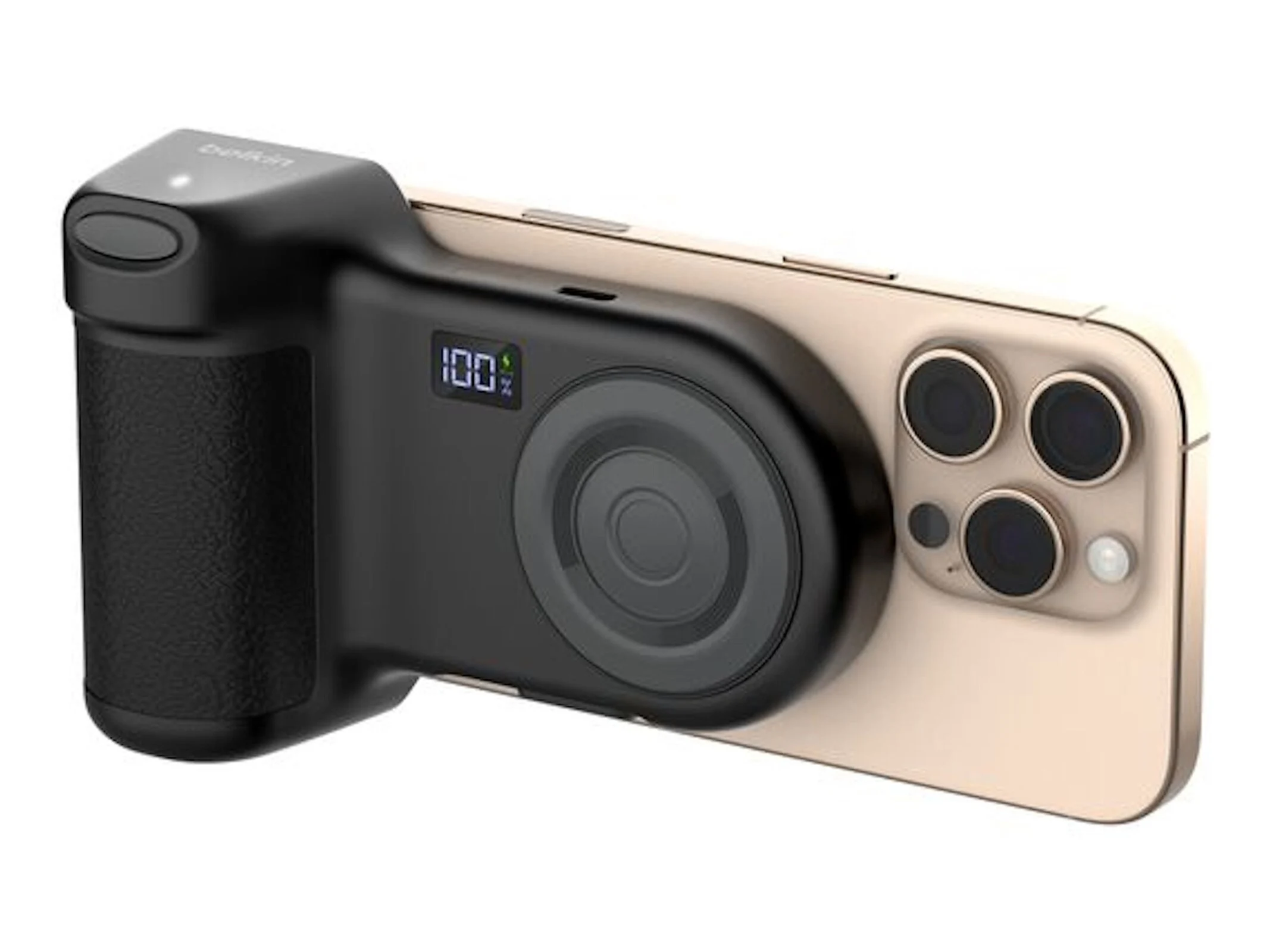
    2. Belkin has introduced the Stage PowerGrip, a grip-enhancing accessory for smartphones priced at $80.
    3. The Stage PowerGrip features a 9,300mAh built-in battery, capable of recharging phones up to 1.6 times, ideal for long video recordings.
    4. The accessory can function as a stand and includes a 1/4-inch tripod thread for easy attachment to tripods or selfie sticks.
    5. The Stage PowerGrip supports both wired and wireless charging, compatible with various smartphones that have magnetic attachment and wireless charging capabilities.


    Modern smartphones can serve as substitutes for traditional cameras, especially for casual users who aren’t professional photographers, as shown by our recent evaluations and comparisons of smartphone cameras. These devices are mainly operated through a touchscreen and are quite compact, making them great for on-the-go use, but they might not feel as comfortable to hold as full-sized cameras.

    New Accessory from Belkin

    To address this concern, the US company Belkin has launched the Stage PowerGrip, a new accessory designed to enhance the grip on smartphones. This product is now available for $80 on Amazon, with plans to expand into other regions soon after.

    Features of the Stage PowerGrip

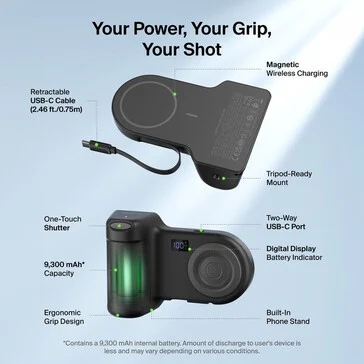
    The Belkin Stage PowerGrip offers more than just a better hold; it also functions as a power bank. It includes a built-in battery boasting a capacity of 9,300mAh, which can fully recharge compatible smartphones up to 1.6 times. This feature is especially important for users looking to capture longer video recordings. The device even has a small screen that provides the current battery level as an exact figure.

    Moreover, while the accessory claims to be ergonomic, users don’t actually have to hold the phone, as the PowerGrip can also act as a stand. The addition of a 1/4-inch tripod thread means smartphones can be attached to either a tripod or a selfie stick, making it handy for taking selfies or participating in video calls.

    Connectivity and Compatibility

    A 29.5-inch retractable USB cable is included, along with a USB-C port. However, users don’t always need to connect via cable, since the Belkin Stage PowerGrip can also charge phones wirelessly at up to 15 watts. There is also a single button available to control the phone’s camera.

    Most importantly, this device is designed to be compatible with a variety of smartphones, although they need to support both magnetic attachment and wireless charging to access all functions of this accessory. This extensive compatibility list includes the Google Pixel 10 series and many iPhones, even older ones like the MagSafe-compatible iPhone 12 and iPhone 13.

    Source:
    Link


  • Humanoid Robot Launches with Wireless Charging and Tactile Palms

    Humanoid Robot Launches with Wireless Charging and Tactile Palms

    Key Takeaways

    1. Versatile Design: The Figure 03 is a redesigned humanoid robot aimed for both home and commercial tasks, powered by advanced AI called Helix.

    2. Wireless Inductive Charging: The robot features a wireless charging system that allows it to charge by simply stepping onto a mat, with a 2 kW charging rate and a 2.3 kWh battery for up to 5 hours of operation.

    3. Enhanced Dexterity: Equipped with advanced hands featuring cameras and sensitive tactile sensors, the Figure 03 can detect very light pressures, offering precision handling of delicate items.

    4. Safety Features: The robot has a lighter frame and soft coverings, along with battery safety certifications, ensuring its suitability for home environments.

    5. High-Volume Production: Figure’s new facility, BotQ, is designed for efficient production, capable of making up to 12,000 robots annually, supporting scalability for various applications.


    The robotics company Figure has introduced its latest humanoid robot, the Figure 03. This new model represents a complete redesign that aims to create a versatile robot capable of performing tasks similar to humans, suitable for both home and commercial use. The robot operates using Helix, the firm’s advanced vision-language-action AI.

    Innovative Charging Technology

    A standout feature of the Figure 03 is its wireless inductive charging system. The robot has charging coils built right into its feet, enabling it to charge simply by stepping onto a charging mat. It charges at a rate of 2 kW and is equipped with a 2.3 kWh battery, allowing it to work for up to 5 hours continuously.

    Enhanced Dexterity and Precision

    The Figure 03 comes with newly designed hands that feature cameras and highly sensitive tactile sensors. According to the company, these sensors can detect pressures as light as 3 grams, which is sensitive enough to feel the weight of a paperclip. This level of accuracy, along with the integrated palm cameras, gives the robot exceptional control over delicate or oddly shaped items.

    Safety and Production Improvements

    In addition to these features, Figure 03 is designed with safety in mind for home environments. It has a lighter frame, soft textile coverings, and a battery that has received safety certifications from UN38.3 and UL2271. The robot has been created specifically for high-volume production at Figure’s new facility, BotQ, which is capable of producing up to 12,000 robots annually. Figure believes that these improvements create a strong basis for a scalable robot that can serve multiple purposes.

    Source:
    Link