
Key Takeaways
1. Successful wireless charging trial at highway speeds using an electric Cummins truck.
2. Innovative inductive charging system designed to work with concrete pavement for heavy loads.
3. Charging while in motion can reduce the size and cost of electric truck battery packs.
4. Continuous charging can alleviate range anxiety for electric truck operators.
5. Practical use of Tesla Semis shows potential for efficient daily operations with less frequent charging.
An electric Cummins truck, which has induction features, has successfully completed a wireless charging trial at highway speeds on concrete.
Innovative Design
This kind of pavement supports the heaviest loads in the U.S., so researchers at Purdue University designed the transmitter coils to function while being surrounded by concrete. The Cummins semi traveled along a modified highway area in West Lafayette at a speed of 65 miles per hour, which is a common cruising speed for heavy-duty trucks on interstates. The team from Purdue’s Elmore Family School of Electrical and Computer Engineering has created a groundbreaking inductive charging system that can deliver 190 kilowatts of power to the truck’s coils while it is driving on the highway.
Feasible Solution
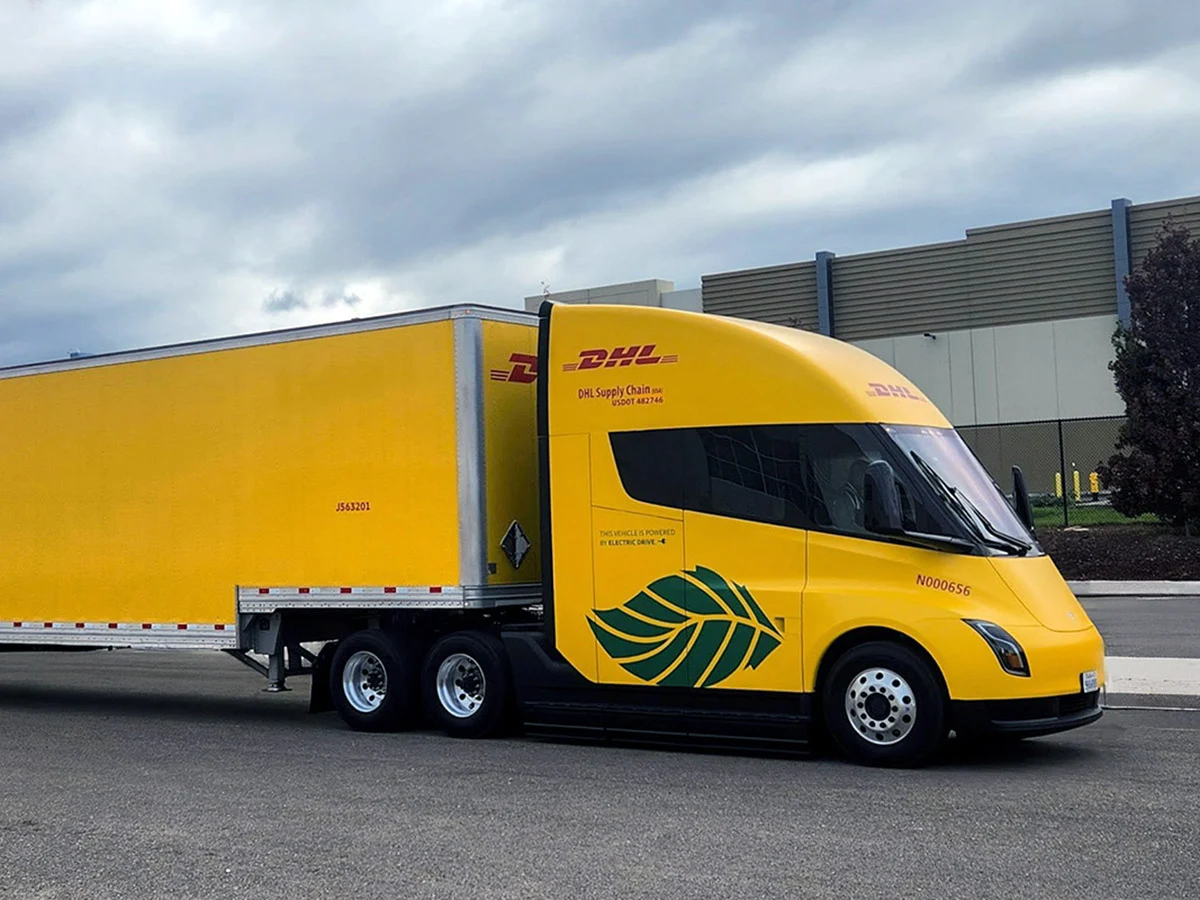
The successful test demonstrated that charging electric trucks, such as the Tesla Semi, while they are in motion is a viable option. This advancement could help automakers decrease the size of the battery pack, which is the priciest component of an electric vehicle. Presently, heavy-duty electric trucks like the Tesla Semi need to be fitted with massive 900 kWh battery packs to achieve a 500-mile range between charges at large 1.2 MW V4 Superchargers. For example, DHL recently received its Tesla Semi test vehicles and lauded their ability to carry a full load over the claimed range, even on difficult terrains.
Practical Benefits
While the Tesla Semi demonstrated an impressive efficiency of 1.72 kWh per mile during practical use tests, continuous charging while driving could alleviate range anxiety and also lower manufacturing expenses. DHL mentioned that it charges the Tesla Semi only once a week since the vehicle only needs to cover a 100-mile route each day.
Source:
Link