Tag: visionOS

  • Apple to Unveil visionOS Redesign for iOS and macOS at WWDC 2025

    Apple to Unveil visionOS Redesign for iOS and macOS at WWDC 2025

    Key Takeaways

    1. Apple is redesigning its software ecosystem, including iOS 19, iPadOS 19, macOS 16, watchOS 12, and tvOS 18, under the codename “Solarium” for a unified look.
    2. The new design is inspired by visionOS, featuring semi-transparent elements, cleaner fonts, updated icons, and subtle animations.
    3. The update will not significantly change the core app layouts or functions, keeping familiar user experiences while modernizing the interface.
    4. AI-driven features, branded as “Apple Intelligence,” will be introduced, enhancing Siri and improving writing support and search capabilities.
    5. Public beta is expected by July 2025, with a global rollout anticipated in September or October 2025, compatible with devices from previous OS versions, but some older models may not be supported.


    Apple is working on a major redesign of its software ecosystem, which includes iOS 19, iPadOS 19, macOS 16, watchOS 12, and tvOS 18. Mark Gurman from Bloomberg reports that this project, codenamed “Solarium,” aims to create a unified, modern look across all key Apple platforms.

    Inspired by visionOS

    This redesign draws heavily from visionOS, the system used in Apple’s Vision Pro headset. The new look features semi-transparent user interface elements, cleaner fonts, updated icons, and subtle animations that react as you use your device. These updates reflect the design elements seen in the Vision Pro, extending that aesthetic to iPhones, iPads, and Macs.

    No Major Changes to Functionality

    Crucially, this update is not likely to greatly alter the basic layouts or functions of core apps, ensuring that long-time users find it familiar while also modernizing the interface. This overhaul shows Apple’s intention to integrate visionOS design traits across its platforms and might set the stage for better harmony between future software and hardware releases.

    Apple is planning to reveal these updates at its annual Worldwide Developers Conference (WWDC), which will take place from June 10 to 14, 2025. Alongside the visual changes, Apple is also set to introduce a range of AI-driven features branded under “Apple Intelligence.” These new features could include a more intuitive Siri, better writing support, summarization tools, and improved Spotlight search capabilities, among others.

    Release Timeline and Device Compatibility

    Although Apple hasn’t confirmed specific release dates, the new operating systems are anticipated to go into public beta by July, with a global rollout expected in September or October 2025. Devices running iOS 18, macOS 15, watchOS 10, and tvOS 17 are likely to receive these updates; however, some older models may not be compatible due to hardware limitations.

    Apple has revamped its platforms in the past, but this time it seems different. Meanwhile, Google is also working on a refresh of Android with version 16, which will implement its new Material 3 Expressive design system. This update focuses on fluid visuals, enhanced personalization options, and deeper integrations with its Gemini AI. Together with Apple’s initiatives, it’s evident that both companies are advancing toward more adaptive and intelligent operating systems.

    Source:
    Link
  • Speculation Suggests iOS 18 Design Changes Influenced by visionOS

    Speculation Suggests iOS 18 Design Changes Influenced by visionOS

    Apple typically favors gradual design evolutions for iOS, the operating system behind iPhones. The most recent major overhaul occurred with iOS 16’s customizable Lock Screen.

    Rumors of a Visual Refresh for iOS 18

    However, an unconfirmed rumor suggests that iOS 18 might introduce a more substantial visual refresh, taking cues from visionOS, the operating system powering Apple’s Vision Pro headset.

    According to a report from The Verifier, visual elements from visionOS might be incorporated into iOS 18. visionOS, while sharing similarities with iOS, features a distinct aesthetic with rounder shapes, shadows, and a sense of depth achieved through floating, overlapping windows.

    Early Evidence of the Transition

    The report points to the updated Apple TV app in tvOS 17.2 as early evidence of this transition, referencing its new floating sidebar design as similar to visionOS app layouts.

    It’s crucial to remember that The Verifier has a mixed history with the accuracy of its predictions, making this rumor particularly speculative.

    Moreover, Bloomberg’s Mark Gurman previously reported that iOS 18 will feature “ambitious changes,” although whether these pertain to interface updates or new AI-powered functionality remains unclear.

    Distinct Design Languages for Each Operating System

    Historically, Apple maintains distinct design languages for each of its operating systems. For instance, iOS has never fully adopted rounded icons or deep shadows simply because those elements exist within watchOS or macOS.

    While these rumors could hold some truth, a design shift inspired by visionOS might be more likely to manifest within tvOS. The larger screen format of the Apple TV lends itself well to visual layouts with greater depth and layering, elements more characteristic of visionOS.

    Speculations about AI Features

    In addition to the talk about design changes, there are speculations that Apple iOS 18 will bring AI features to iPhones. Samsung and Google are already leading in this area, with other Android brands gradually following suit. Apple surely wouldn’t want to fall behind in this race. We’ll make sure to keep you informed about any new developments in iOS 18.

  • Unity Pro, Enterprise, and Industry subscribers will receive official support for visionOS from Unity

    Unity Pro, Enterprise, and Industry subscribers will receive official support for visionOS from Unity

    Unity Announces Support for Apple’s visionOS Platform

    Unity, a leading game development platform, has officially announced its support for Apple’s visionOS platform. This move comes after months of collaboration with developers, and it signifies a significant step toward expanding Unity’s capabilities to enhance spatial experiences on Apple Vision Pro. The support is now available to all Unity Pro, Enterprise, and Industry subscribers, empowering developers to leverage Unity’s familiar authoring workflows, XR tools, and cross-platform compatibility for creating immersive spatial applications.

    Unity’s Support for visionOS

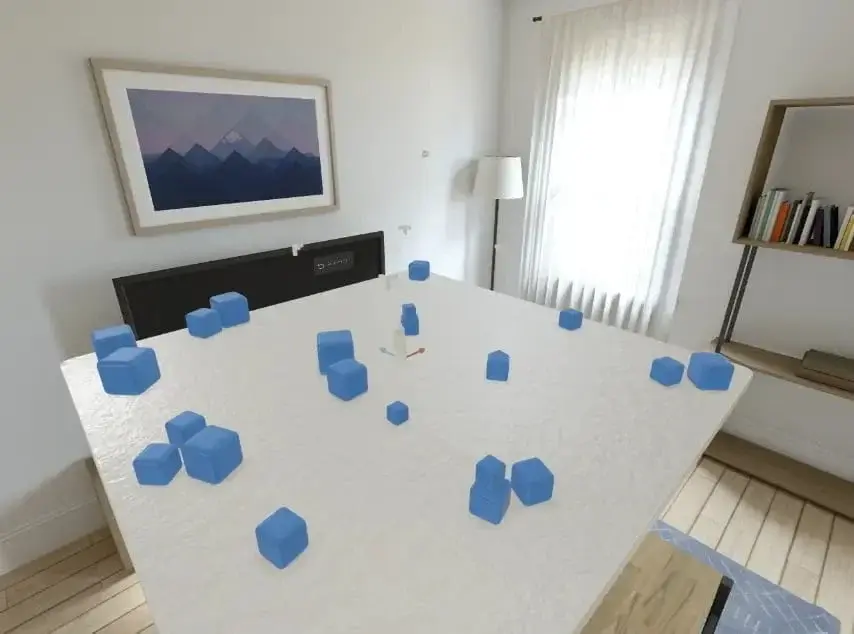
    Unity’s support for visionOS opens up a world of possibilities for developers. By utilizing Unity for Apple Vision Pro, developers can craft diverse spatial experiences using the platform’s versatile features. There are three main types of spatial experiences that can be created with Unity’s support for visionOS.

    Immersive Mixed Reality (MR) Experiences

    Developers can design immersive mixed reality (MR) experiences that seamlessly merge digital content with the real world. These experiences can run alongside other applications in a shared space, providing users with a truly immersive and interactive experience.

    Virtual Reality (VR) Experiences

    Unity’s support for visionOS also allows for the porting of existing virtual reality (VR) games or the creation of entirely new, fully immersive experiences. These experiences replace the user’s environment with customized content, transporting them to virtual worlds and providing a truly immersive VR experience.

    2D Windowed Applications

    Unity enables the deployment of content in user space as a 2D window that offers flexibility in resizing and repositioning. This allows for the creation of applications that can be easily adjusted and customized by the user, enhancing accessibility and usability.

    Getting Started with Vision Pro Development

    To initiate spatial application development for Vision Pro using Unity, developers need to download the latest version of Unity 2022 LTS from the Unity Hub and ensure the installation of the visionOS Build Support module. It is important to note that the ongoing development of visionOS is currently exclusive to Mac computers equipped with Apple’s proprietary chips.

    Unity aims to facilitate the learning curve for developers by introducing training courses for Vision Pro space application development in China. These courses will provide developers with the necessary skills and knowledge to create compelling spatial experiences using Unity and visionOS.

    Streamlining the Creation Process

    Unity is also providing developers with template scenes and examples through visionOS resource packs, streamlining the creation process. These resources will help developers get started quickly and efficiently, saving time and effort in the development process.

    For developers seeking to migrate iOS (or iOS-compatible) applications to visionOS, Unity has introduced a convenient one-click solution. This solution aids developers in seamlessly adjusting existing content to transform it into a 2D windowed application within a shared space. This not only simplifies the migration process but also enhances the accessibility and usability of the applications.

    Unity’s support for Apple’s visionOS platform opens up new possibilities for developers looking to create immersive and interactive spatial experiences. With Unity’s familiar authoring workflows, XR tools, and cross-platform compatibility, developers can now leverage their existing skills and tools to create compelling applications for Apple Vision Pro.