Tag: Steam Deck OLED

  • Nvidia Upgrades GeForce Now with RTX 5080 for Steam Deck & Legion Go

    Nvidia Upgrades GeForce Now with RTX 5080 for Steam Deck & Legion Go

    Key Takeaways

    1. Nvidia is upgrading the GeForce Now Ultimate tier from RTX 4080 to RTX 5080 GPUs, enhancing the gaming experience.
    2. The game library will double to over 4,500 titles with the new Install-to-Play feature.
    3. Streaming on devices like the Steam Deck OLED and Lenovo Legion Go S will offer higher frame rates, up to 90 FPS and 120 FPS respectively.
    4. New features include NVIDIA DLSS 4 Multi-Frame Generation and streaming up to 5K at 120 FPS, along with Cinematic-Quality Streaming for better visuals.
    5. The pricing for the Ultimate tier remains $20 per month or $100 for six months.


    Nvidia’s GeForce Now is a cloud gaming platform that gives players the chance to play over 2,000 games wherever they are. There are several membership options available, but the Ultimate tier is the one that offers the best experience, with longer gaming times and quicker queue waits. Up until now, this tier has used RTX 4080 GPUs, but Nvidia is set to upgrade to RTX 5080 GPUs. This change not only greatly increases the number of games available but also enhances the gaming experience on handheld devices like the Steam Deck OLED and Lenovo Legion Go S.

    Exciting Upgrades Ahead

    According to a recent press release from Nvidia’s newsroom, the company is enhancing its GeForce Now platform with next-gen hardware. The RTX 4080 servers will be replaced with RTX 5080 GPUs, which will provide numerous advantages for GeForce Now Ultimate subscribers. With this launch of the Install-to-Play feature, the game library will double, allowing access to over 4,500 titles.

    Enhanced Gaming Experiences

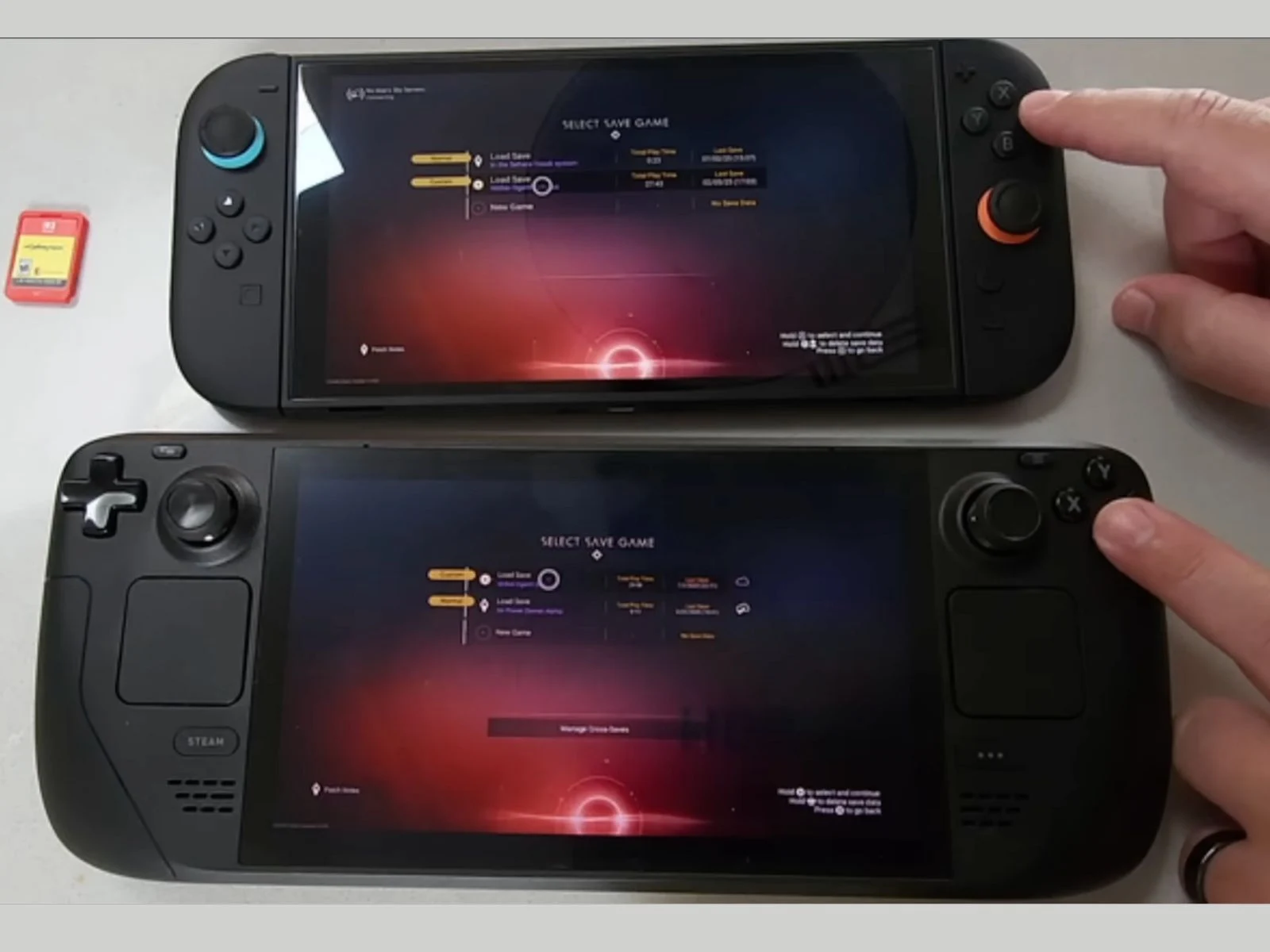
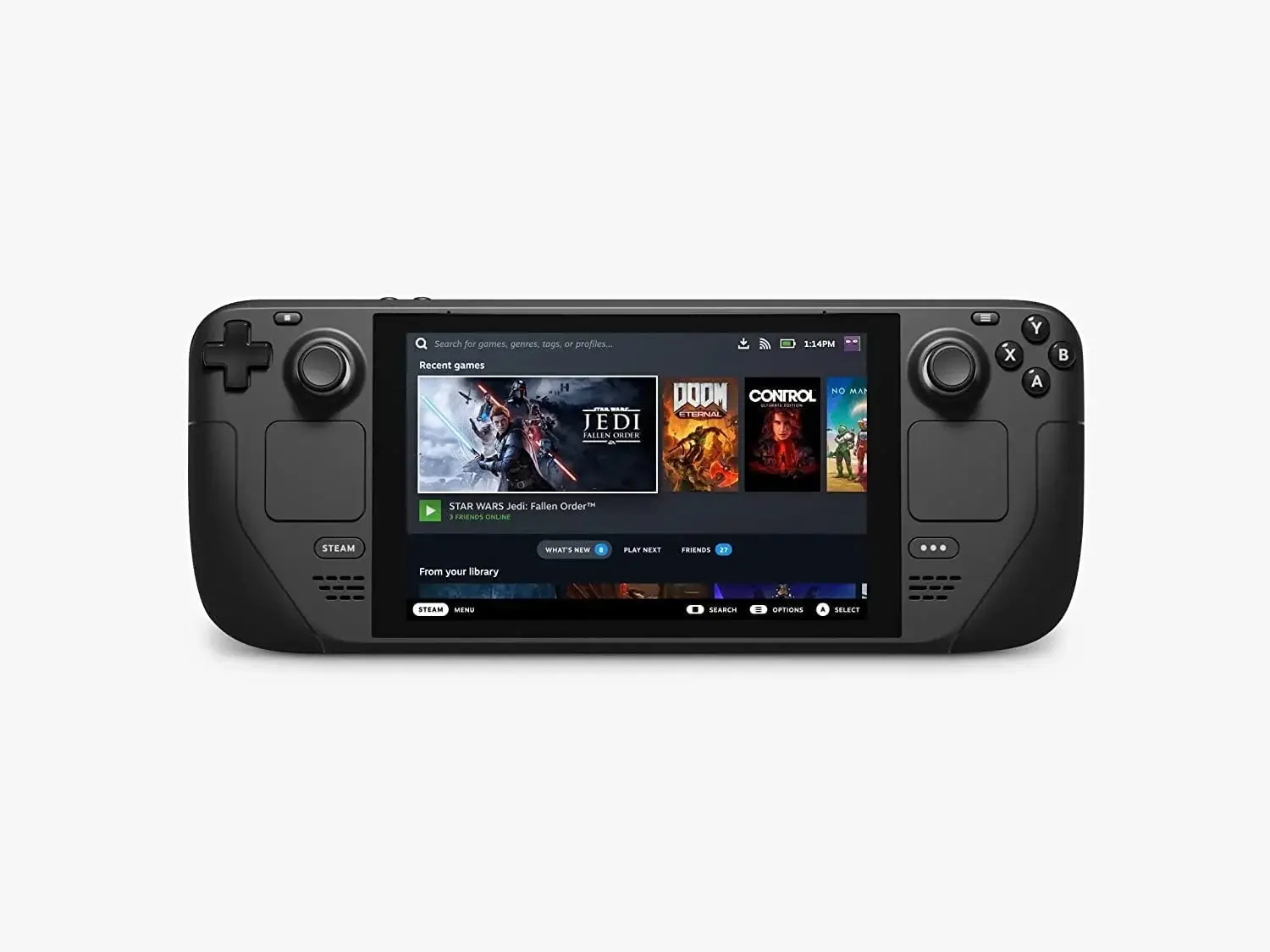
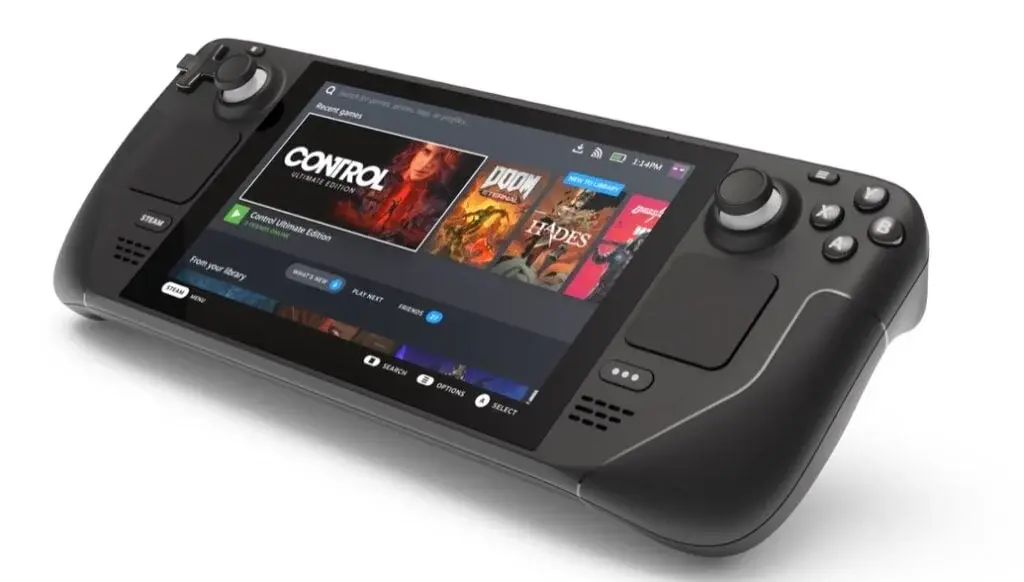
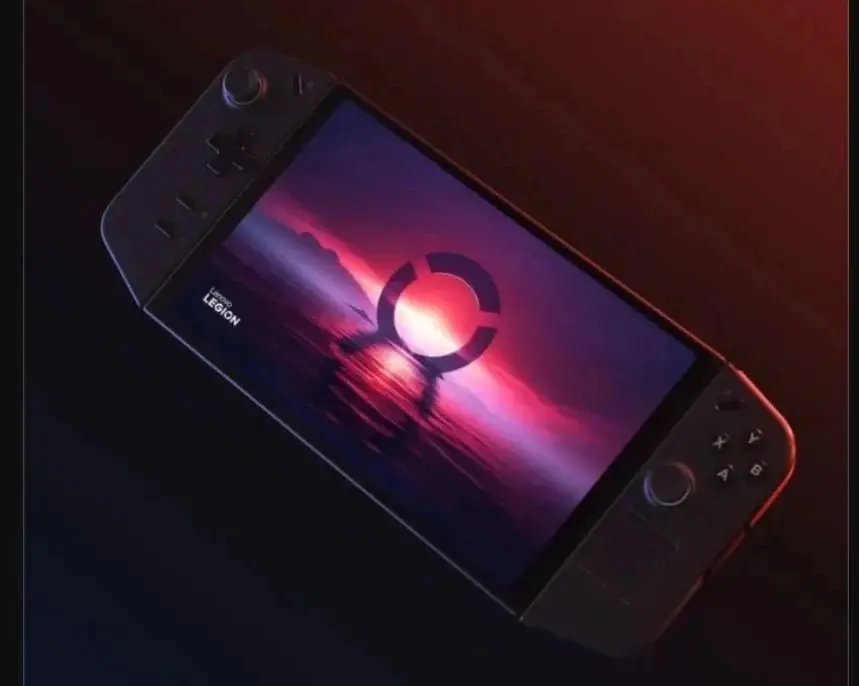
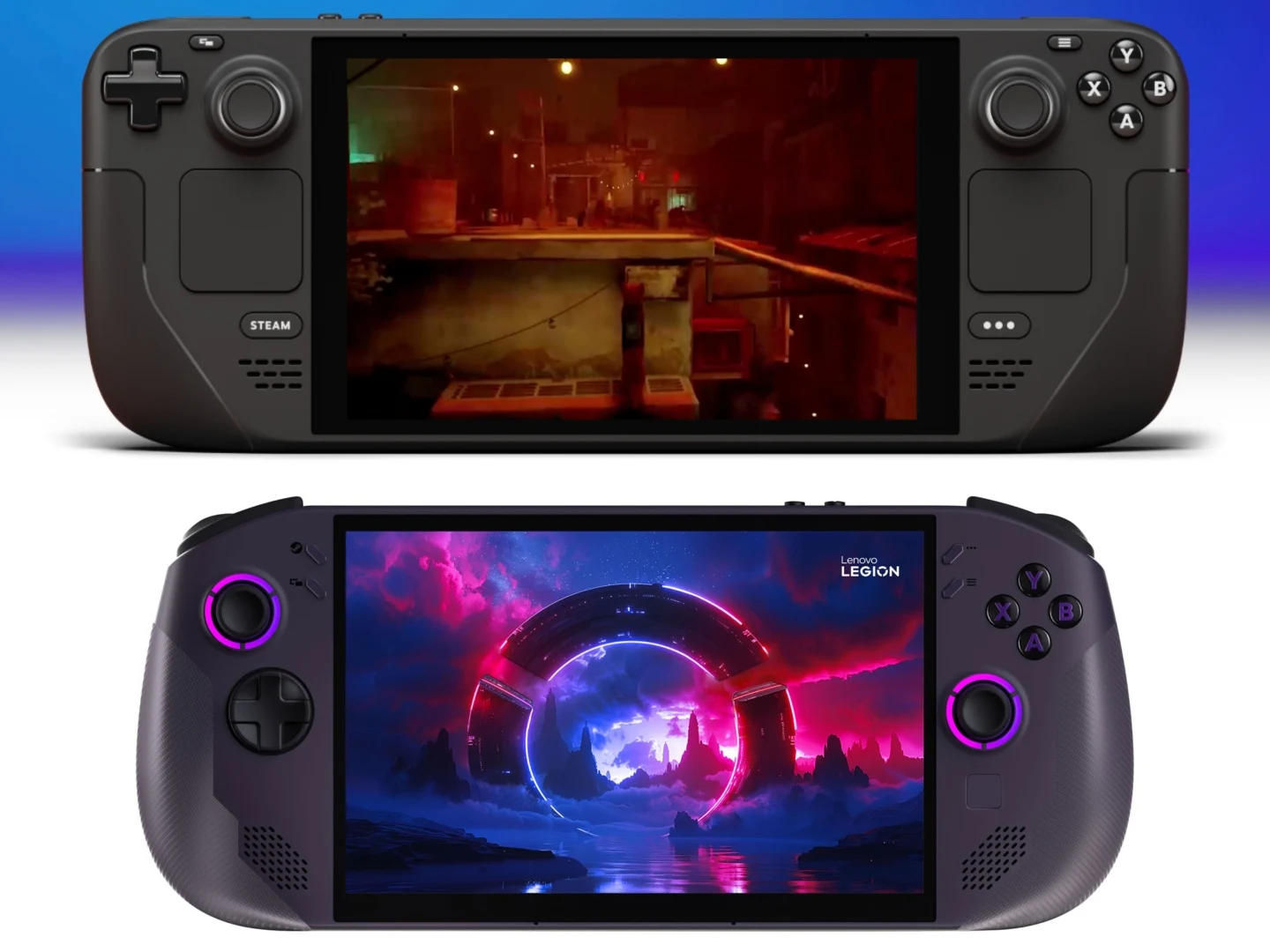
    Owners of the Steam Deck OLED (available on Amazon) and Lenovo Legion Go S will be able to experience increased frame rates in their favorite games when streaming with GeForce Now. Valve has upgraded the Steam Deck to an OLED version that comes with a 90 Hz display. Since the GeForce Now app is compatible with SteamOS, Steam Deck OLED users will be able to stream games at up to 90 FPS. Meanwhile, the Legion Go S, which also operates on SteamOS, will allow game streaming at its top refresh rate of 120 Hz.

    New Features and Pricing

    With the addition of the RTX 5080, features like NVIDIA DLSS 4 Multi-Frame Generation and streaming up to 5K at 120 FPS will become available. LG TVs that support the GeForce Now app will be able to stream games at a stunning 4K 120 Hz. Additionally, a new mode called Cinematic-Quality Streaming (CQS) is being introduced, which will greatly enhance visual quality and image detail.

    The pricing for the GeForce Now Ultimate tier stays the same at $20 per month or $100 for six months.

    Source:
    Link


  • Steam Deck OLED Upgrade: 32 GB RAM Mod for Better Performance

    Steam Deck OLED Upgrade: 32 GB RAM Mod for Better Performance

    Key Takeaways

    1. 16 GB of RAM may not be sufficient for gaming on handheld devices like the Steam Deck OLED due to shared resources between CPU and graphics.
    2. A modder successfully upgraded the Steam Deck OLED to 32 GB of RAM, which could improve performance in demanding games.
    3. The upgrade process involves complex steps, including device disassembly and BIOS adjustments.
    4. The cost for the RAM upgrade is around $110, but overall service pricing is still to be determined.
    5. Interested users can contact SlickBuys Mods and Repairs for quotes and to arrange the upgrade service.


    While 16 GB of RAM is enough for gaming in a desktop computer, using the same amount in a handheld device like the Steam Deck OLED (available on Amazon) might not be ideal. In handhelds, the RAM is shared between the CPU and integrated graphics, which can result in performance issues in more resource-heavy games. A modder has seemingly tackled this problem by upgrading the Steam Deck OLED to 32 GB of RAM, but there’s a downside.

    Upgrade Process

    In November 2023, SlickBuys Mods and Repairs shared a video on YouTube detailing how they enhanced the Asus ROG Ally with 32 GB of 7,500 MHz memory. Recently, the same channel has showcased the upgrade of the Steam Deck OLED. Their new video (linked below) highlights the complex upgrade procedure, which includes disassembling the device, desoldering the current RAM chips, and altering the BIOS to fit the new RAM. The channel also suggests preventing the BIOS from updating to keep the settings intact after a firmware update.

    Cost Considerations

    Though SlickBuys Mods and Repairs makes the process seem easy, they did reveal that the 32 GB memory chips alone set them back $110. At this moment, the overall cost for the complete upgrade service is still unknown, and the channel is seeking opinions on what a fair price should be. This upgrade could potentially alleviate some of the performance issues in high-demand games, but it comes with certain drawbacks, mainly the cost and the possibility of missing future updates.

    Contacting for Upgrades

    If you want to modify your Steam Deck OLED, you can contact SlickBuys Mods and Repairs, and they will take care of the upgrade after discussing the price. Those interested will need to request a quote and talk about payment methods before sending the handheld in or dropping it off.

    Source:
    Link


  • Steam Deck OLED vs Switch 2: Power and Performance Comparison

    Steam Deck OLED vs Switch 2: Power and Performance Comparison

    Key Takeaways

    1. Performance Comparison: The Steam Deck OLED outperforms the Switch 2 in full power mode, achieving higher frame rates and faster load times in games like Cyberpunk 2077.

    2. Limited Power Performance: Under a restricted power budget of 8.6 W, the Switch 2 significantly surpasses the Steam Deck, showing 2.5 times higher average FPS and better performance in demanding games.

    3. Standby Power Efficiency: The Switch 2 demonstrates superior standby power efficiency, consuming only 1.18 W compared to the Steam Deck’s 4 W during idle tests.

    4. Game Performance: The Switch 2 effectively uses DLSS for better frame rates in games, while the Steam Deck faced issues with native 1080p performance in certain titles.

    5. User Concerns: While some users appreciate the Switch 2’s features, there are concerns about Nintendo’s control over the platform and potential issues like devices getting bricked or overheating.


    Ever since the introduction of Switch 2, Nintendo and its new handheld gaming console have been the topic of much chatter. There have been reports of Switch 2 devices getting bricked, overheating in certain situations, and comparisons between the Switch 2 and the Xbox Series console regarding performance. While some users commend its features, others express concerns about Nintendo’s alleged strict control over the platform and ownership of devices.

    Performance Comparison

    Recently, the YouTube channel The Phawx pitted the Steam Deck OLED against the Nintendo Switch 2, revealing some unexpected findings. The YouTuber put both devices through their paces in handheld mode, concentrating on games like Cyberpunk 2077 and No Man’s Sky. The aim was to assess both raw performance and energy efficiency. Frame rates were meticulously counted using high-frame-rate video capture to ensure precision, while power usage was tracked based on battery drain under controlled settings.

    Results Under Full Power

    When operating at full capacity, the Steam Deck OLED comes out on top. According to The Phawx, playing Cyberpunk 2077 at a total system power of 24 W yielded an average frame rate of 41.6 FPS, in contrast to the Switch 2’s 33.5 FPS, giving the Steam Deck a lead of around 24%. Load times also favored the Steam Deck due to its superior CPU speeds, with Cyberpunk loading nearly 78% quicker.

    Performance at Limited Power

    However, the tables turn when both devices are restricted to an 8.6 W power budget, which is the average system power draw of the Switch 2 under load, as noted by The Phawx. In this situation, the Switch 2 provides 2.5 times higher average FPS, 226% better 1% lows, and can deliver up to three times the performance in games like Cyberpunk 2077 and No Man’s Sky, thereby outperforming the Steam Deck OLED within the same thermal and power limits.

    In No Man’s Sky, the Steam Deck OLED faced challenges at native 1080p with FXAA, since Intel’s XeSS upscaling was inoperative, as explained by The Phawx in their video. On the other hand, the Switch 2 utilized DLSS to upscale from a lower internal resolution, resulting in smoother frame rates while maintaining the same power constraints.

    Standby Power Efficiency

    Standby power consumption revealed a similar trend. In a 12-hour idle test, the Switch 2 drew just 1.18 W compared to the Steam Deck’s 4 W, achieving three times better standby efficiency. Although the ARM-based Switch 2 still doesn’t quite match high-end mobile chips like the Snapdragon X Elite, it still surpasses x86-based handhelds, per The Phawx’s analysis.

    These findings indicate that while the Steam Deck OLED excels in performance with no power limits, Nintendo’s Switch 2 currently excels in providing playable performance within tight thermal and power restrictions. For a more detailed technical analysis, you should definitely check out the full video by The Phawx linked below; they do a fantastic job explaining each test and their methods.

    Source:
    Link

  • Microsoft Tests Steam Integration in Its Store, Leak Suggests

    Microsoft Tests Steam Integration in Its Store, Leak Suggests

    Key Takeaways

    1. Microsoft is testing the integration of Steam into the Microsoft Store, aiming to bridge the gap between Xbox and Steam.
    2. This integration may allow for syncing libraries, shared achievements, and improved cross-platform multiplayer, but does not mean a full Steam client on Xbox.
    3. Concerns arise that this could deter third-party developers from using the Xbox Store.
    4. The move may reflect Microsoft’s strategy for a more open gaming ecosystem, possibly linked to a new Xbox handheld device.
    5. If successful, this integration could challenge Sony and Nintendo’s exclusivity, leading to potential demands for access to games across platforms.


    The long-standing divide between Microsoft’s Xbox ecosystem and Valve’s Steam store may be on the verge of disappearing. A recent leak from gaming insider @eXtas1stv suggests that internal trials are currently taking place to integrate Steam into the Microsoft Store. Reactions have varied from confusion to a cautious sense of hope, alongside some wild theories about what this could mean for the future of platform exclusivity.

    Clarifying the Situation

    To clear things up, this doesn’t imply that you will simply start your Xbox and access the Steam client directly. Most analyses indicate that Steam games might be offered in the Microsoft Store through backend connections, not by fully integrating the client. This could lead to numerous opportunities, like syncing libraries, shared achievements, and potentially more seamless cross-platform multiplayer. However, it also brings up several concerns.

    Potential Impacts on Developers

    Some users on Reddit have noted that this might push third-party developers away from the Xbox Store entirely. Others speculate that this could be part of a bigger strategy: Microsoft’s aim for a more open and platform-independent future, especially with the buzz around a possible upcoming Xbox handheld device.

    The Bigger Picture

    But let’s not forget about the big question: if Xbox embraces Steam, how can Sony or Nintendo prevent access to games purchased on their systems? Just as Nvidia had to comply when Sony requested them to block GeForce Now for PlayStation titles, Valve might face similar demands. Should this leak prove accurate, we can expect official confirmation in the near future.

    Source:
    Link

  • Valve Steam Deck Likely Excludes BOE Partnership, Offering Samsung OLED Screens

    Valve Steam Deck Likely Excludes BOE Partnership, Offering Samsung OLED Screens

    Valve introduced the original Steam Deck a year ago, featuring a 7-inch LCD screen supplied by BOE. However, they recently unveiled the Steam Deck OLED, an updated version of their portable gaming device. The major improvement in this new model is the inclusion of an OLED display, which enhances the gaming experience.

    Initially, there were speculations that Valve would continue to work with BOE for the OLED panels of the Steam Deck OLED. BOE, known for its aggressive pricing strategy to compete with Samsung Display, seemed like a strong contender. However, Samsung's legal action against BOE is likely to hinder BOE's ability to fulfill orders for Steam Deck OLED panels.

    Samsung filed a case against BOE with the US International Trade Commission, accusing BOE of infringing on Samsung's patents for OLED display modules and components, as well as engaging in unfair competition practices. This legal battle could potentially disrupt the supply agreement between BOE and Valve for the Steam Deck OLED displays.

    In terms of specifications, the latest Steam Deck OLED boasts a resolution of 1280 x 800, an upgrade from its predecessor. The refresh rate has also been improved from 60Hz to 90Hz, resulting in smoother gameplay. Additionally, the device features AMD's 6nm accelerated processing unit, weighs 30 grams less than the previous model, and supports the latest Wi-Fi version.

    With the exclusive supply agreement with Samsung, Valve is expected to benefit from a reliable source of OLED panels for the Steam Deck OLED. This partnership ensures that no other competitors will be able to secure a share of the anticipated sales of the new Steam Deck systems this year.

    Overall, the introduction of the Steam Deck OLED with its OLED display marks a significant upgrade for Valve's portable gaming device. While the legal dispute between Samsung and BOE may impact the supply of OLED panels, Valve has secured an exclusive agreement with Samsung, ensuring a steady supply for their highly anticipated gaming gadget.

  • Enhanced Cooling and Performance Unveiled in Steam Deck OLED Teardown

    Enhanced Cooling and Performance Unveiled in Steam Deck OLED Teardown

    Valve has surprised the gaming and tech community with the global release of the Steam Deck OLED. The standout feature of this new version is the slightly larger 90Hz OLED screen, which is an upgrade from the previous 7" LCD display. With a peak brightness of 1,000 nits, gamers can expect a more vibrant gaming experience.

    YouTuber Dave2D wasted no time in getting his hands on the Steam Deck OLED and providing a comprehensive rundown of its improvements over the older model.

    Improved Performance and Cooling

    Taking a closer look at the details, the Steam Deck OLED boasts a new 6nm processor, an enhanced battery, and an improved cooling system, all of which contribute to noticeable improvements in performance. During testing, it was found that the Steam Deck OLED runs about 2 decibels quieter and 5 degrees cooler under load compared to its predecessor.

    Valve has opted to stick with a single copper heatpipe for the chip's 15-watt maximum TDP (thermal design power). In addition, there is a slightly larger and quieter fan to improve air circulation. While the 6nm "Sephiroth" SoC (system-on-a-chip) has a new name, it shows minimal differences from the older 7nm version.

    Extended Battery Life

    The larger battery in the Steam Deck OLED has more than just aesthetic value. It significantly extends the battery life across all tested games, particularly in demanding titles. For example, in games like Cyberpunk 2077 or Control, the OLED model lasts over 20 minutes longer under load, requiring a recharge after just over two hours. On the other hand, less demanding titles like Dead Cells see a runtime boost to eight hours, which is an hour and a half more than the previous model.

    Overall, the Steam Deck OLED offers an impressive upgrade with its larger OLED screen, improved performance, and extended battery life. Gamers can expect a more immersive experience with vibrant visuals, quieter operation, and longer gaming sessions. With Valve's continued commitment to refining their handheld gaming device, the Steam Deck OLED is undoubtedly a top contender for portable gaming enthusiasts.

  • Lenovo Legion Go Console Now Available in EU at €799

    Lenovo Legion Go Console Now Available in EU at €799

    Lenovo Legion Go Handheld Console Now Available in the EU

    Lenovo has officially released its highly anticipated handheld console, the Legion Go, in the European Union. The console, which was launched as a direct competitor to the Steam Deck and Asus ROG Ally consoles, offers several unique features that set it apart from the competition.

    Superior Controller Design

    One of the standout features of the Lenovo Legion Go is its advanced controller design. The console features hall effect sticks, which effectively eliminate the notorious joystick drift issue and minimize dead zones. This ensures a more precise and responsive gaming experience for users.

    Where to Buy

    The Lenovo Legion Go console is now available for purchase through the company's official website as well as on Amazon. However, availability may vary depending on your region. The console is priced at €799, making it a premium gaming device.

    Impressive Specifications

    The Lenovo Legion Go boasts impressive specifications that cater to the needs of avid gamers. The console features an 8.8-inch PureSight display with a resolution of 2560 x 1600. It offers a 16:10 aspect ratio and a 144Hz variable refresh rate, ensuring smooth and immersive visuals. The display also has a brightness of 500 nits and covers 97% of the DCI-P3 color gamut.

    Under the hood, the Lenovo Legion Go is powered by an AMD Ryzen Extreme processor, ensuring fast and efficient performance. It comes with 16GB LPDDR5X RAM operating at 7500MHz, providing ample memory for multitasking and smooth gameplay. The console runs on the latest Windows 11 operating system.

    Innovative Controller Features

    The Lenovo Legion Go comes with a detachable TrueStrike controller that offers a range of innovative features. The controller includes hall-effect joysticks, which eliminate drift and provide precise control. It also features a touchpad, large directional keys, and a tilt mouse wheel, allowing for versatile and intuitive gameplay.

    The TrueStrike controller also offers 10 mappable buttons, including shoulder buttons, triggers, and grip buttons. This allows users to customize their gaming experience according to their preferences. Additionally, the console offers up to 1TB PCIe Gen4 SSD for storage, with an additional micro-SD slot supporting up to 2TB of additional storage.

    Enhanced Gaming Experience

    The Lenovo Legion Go aims to enhance the gaming experience with its range of features. The console includes RGB lighting, allowing users to personalize their device and create an immersive gaming setup. It also comes with the Legion Space software, which offers customization options for a truly personalized gaming experience.

    The Lenovo Legion Go offers a range of connectivity options, including two USB-Type C ports and a 3.5mm headphone jack. This allows users to connect their favorite gaming accessories and enjoy high-quality audio.

    Long Battery Life

    To ensure uninterrupted gaming sessions, the Lenovo Legion Go is equipped with a 49.2Wh battery. This provides ample power to enjoy extended gameplay without the need for frequent recharging.

    In conclusion, the Lenovo Legion Go handheld console brings a range of impressive features and specifications to the table. With its advanced controller design, powerful hardware, and customizable options, it aims to provide gamers with an exceptional gaming experience. If you're in the EU and looking for a premium handheld console, the Lenovo Legion Go is definitely worth considering.

  • Steam Deck 2 Expected to Release in 2-3 Years, Hints Valve

    Steam Deck 2 Expected to Release in 2-3 Years, Hints Valve

    Valve has recently launched an updated version of the Steam Deck, called the Steam Deck OLED. This new model boasts an OLED display and improved battery life. However, it's important to note that the Steam Deck OLED is not a true successor to the original Steam Deck but rather a mediocre upgrade.

    The eagerly awaited true successor to the original Steam Deck will not be available for at least two to three years, according to Valve. Lawrence Yang, Valve's UX designer, revealed in an interview with Gizmodo that the company is indeed working on a proper successor to the Steam Deck. However, it is not yet ready to be referred to as the Steam Deck 2.

    Yang explained that for the next iteration to earn the "2" designation, it must offer a significant increase in performance compared to its predecessor. Valve is currently waiting for advancements in chip technology before moving forward with the development of the Steam Deck 2. Yang anticipates that within the next two to three years, a suitable chip will be available for the next-generation handheld gaming device.

    This means that gamers will have to wait a couple more years before they can get their hands on a true Steam Deck 2. However, Yang assures that Valve is committed to supporting the current Steam Deck models, including both the OLED and LCD variants. The company plans to release regular updates to enhance the user experience and address any lingering issues.

    Yang also addressed the criticisms surrounding the original Steam Deck, acknowledging that many of them aligned with the company's own internal list of improvements. He explained that the design of the Deck had to make certain compromises due to time constraints, cost considerations, and the challenges faced in the supply chain during late 2021.

    Overall, while the Steam Deck OLED offers an upgraded display and improved battery life, it is not a true successor to the original Steam Deck. Gamers will have to wait a few more years for the release of the Steam Deck 2, which will feature a significant performance boost. In the meantime, Valve remains dedicated to supporting the current Steam Deck models and will continue to release updates to enhance the user experience.