Tag: Snapdragon 8 Elite Gen 5

  • Xiaomi 17: Compact Flagship with Snapdragon 8 Elite, 50MP Quad Cam

    Xiaomi 17: Compact Flagship with Snapdragon 8 Elite, 50MP Quad Cam

    Key Takeaways

    1. The Xiaomi 17 features the Qualcomm Snapdragon 8 Elite Gen 5 chipset, outperforming its predecessor.
    2. The phone has a compact design, measuring 151.1 x 71.8 x 8.06 mm and weighing around 191 g.
    3. It includes a 6.3-inch LTPO AMOLED display with a resolution of 2,656 x 1,220 pixels and a 120 Hz refresh rate.
    4. The battery capacity has increased to 7,000 mAh with 100 W wired and 50 W wireless fast charging support.
    5. The device runs on HyperOS 3 and offers pre-order prices starting at CNY 4,499 (~$632) in China, with various RAM and storage options.


    Xiaomi has officially unveiled the Xiaomi 17 in China, taking the place of the Xiaomi 15 (currently priced at $890 on Amazon). As anticipated, the Xiaomi 17 outperforms its earlier model in nearly every aspect, not just thanks to Qualcomm’s latest Snapdragon 8 Elite Gen 5 chipset. Notably, the Xiaomi 17 is even more compact than last year’s version, measuring at 151.1 x 71.8 x 8.06 mm.

    Compact Yet Powerful Design

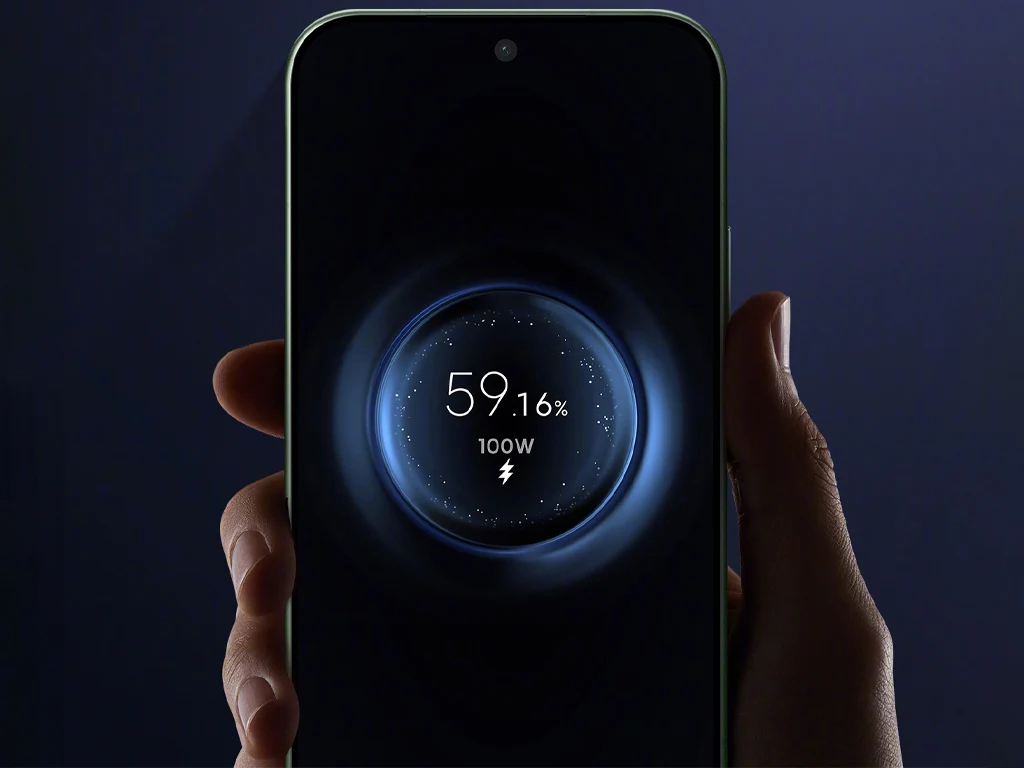
    The weight of this year’s smallest flagship remains around 191 g. However, the compact flagship now features a 6.3-inch display, boasting a resolution of 2,656 x 1,220 pixels, a 120 Hz refresh rate, and an impressive 3,500-nit LTPO AMOLED panel. Furthermore, the battery capacity has seen a significant increase, moving from 5,400 mAh to 7,000 mAh, and it supports fast charging with 100 W wired and 50 W wireless capabilities.

    Enhanced Software and Camera Features

    Additionally, the Xiaomi 17 will come with HyperOS 3 pre-installed. Interestingly, the Xiaomi 15T and Xiaomi 15T Pro were the pioneers in running this newest mobile operating system. Moreover, Xiaomi has equipped the phone with an array of advanced cameras.

    The Xiaomi 17 is ready for pre-order starting today in China, with prices beginning at CNY 4,499 (~$632) for the variant featuring 12 GB of RAM and 256 GB of storage. Alternatively, customers can choose a version with 512 GB of storage and either 12 GB or 16 GB of RAM, priced at CNY 4,799 (~$674) and CNY 4,999 (~$702) respectively, available in a selection of four colors. However, Xiaomi has not yet confirmed when it will launch this new compact flagship in international markets.

    Source:
    Link
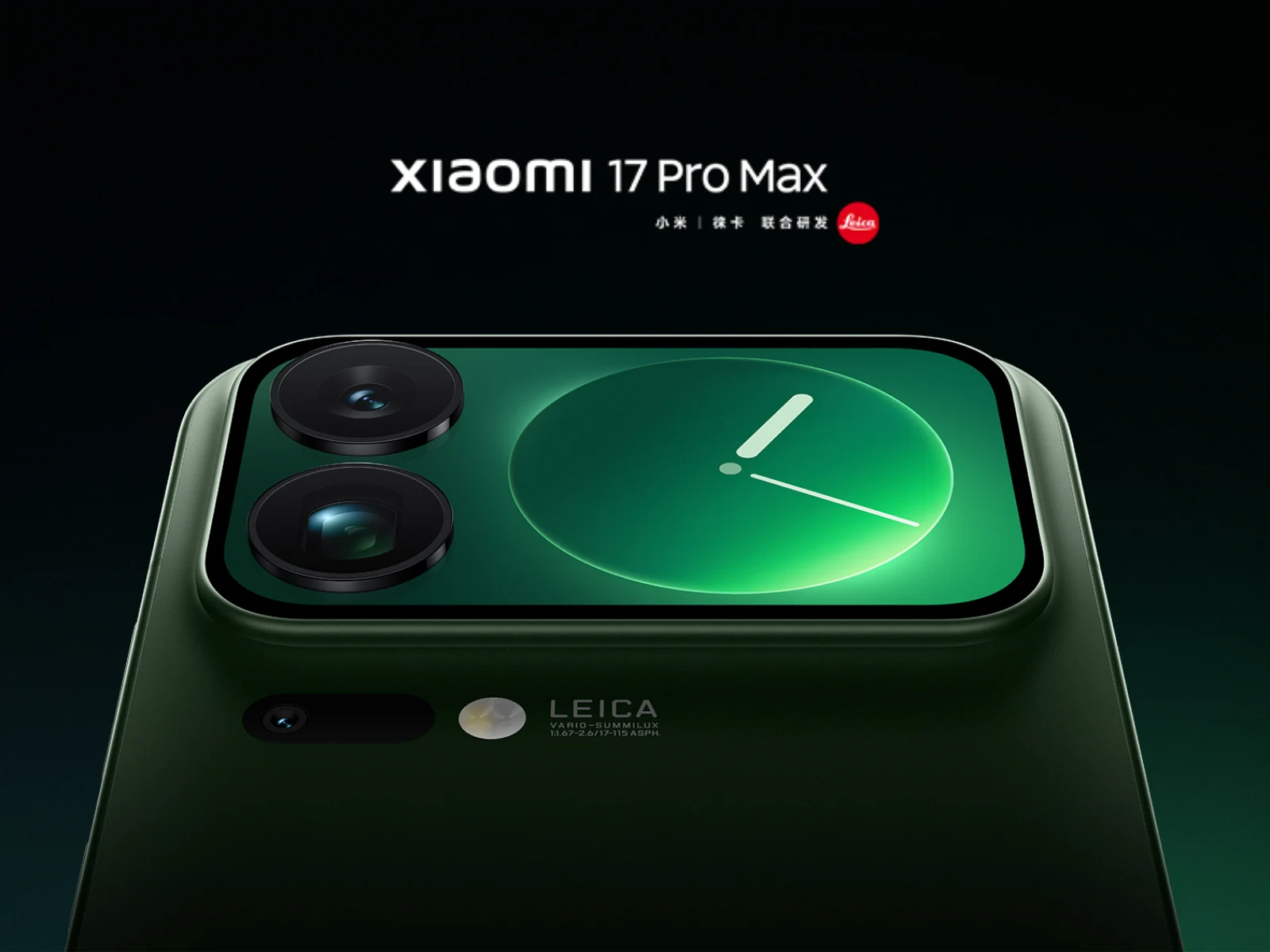


  • Xiaomi 17 Pro Max Launches with 7500mAh Battery to Compete with S25 Ultra and iPhone 17 Pro Max

    Xiaomi 17 Pro Max Launches with 7500mAh Battery to Compete with S25 Ultra and iPhone 17 Pro Max

    Key Takeaways

    1. New Flagship Lineup: Xiaomi launched the Xiaomi 17 and Xiaomi 17 Pro, replacing the previous Xiaomi 15 models.

    2. Competitive Positioning: The Xiaomi 17 Pro Max competes with the Galaxy S25 Ultra and iPhone 17 Pro Max, featuring a 6.9-inch LTPO AMOLED display with a resolution of 2,608 x 1,200 pixels.

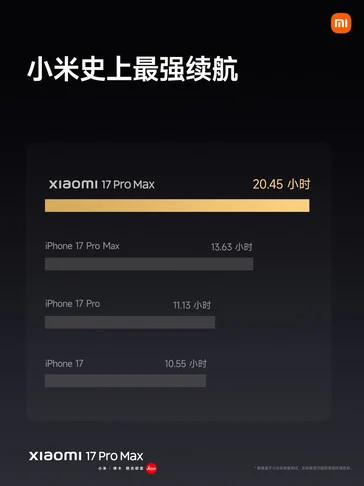
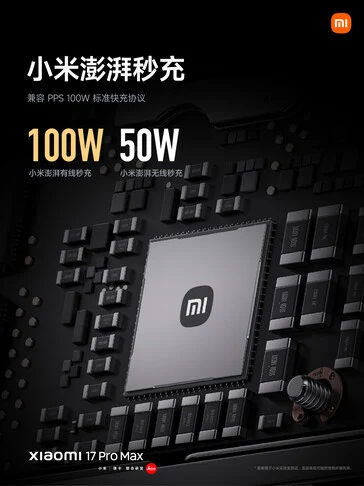
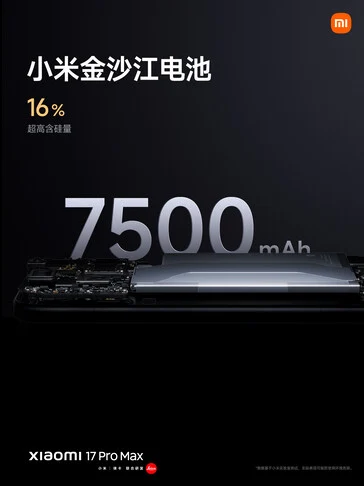
    3. Advanced Battery and Charging: The Xiaomi 17 Pro Max boasts a 7,500 mAh battery with 100 W wired and 50 W wireless charging capabilities.

    4. Camera System: It includes four 50 MP cameras, with a superior telephoto lens capable of 5x zoom, and the same ultra-wide and front-facing cameras as the Xiaomi 17 Pro.

    5. Performance and Pricing: Powered by the Snapdragon 8 Elite Gen 5 chipset, the Xiaomi 17 Pro Max starts at CNY 5,999 (~$842) and offers up to 16 GB RAM and 1 TB storage options.


    Xiaomi has revealed its latest flagship smartphone lineup today, unveiling the Xiaomi 17 and Xiaomi 17 Pro. Essentially, these models take the place of last year’s Xiaomi 15 Pro and the smaller Xiaomi 15 (curr. $890 on Amazon). However, the Xiaomi 17 Pro Max is actually the true successor to the Xiaomi 15 Pro, while the Xiaomi 17 Pro is designed to compete with the iPhone 17 Pro.

    Competing Models

    In the competitive landscape, the Xiaomi 17 Pro Max stands against the Galaxy S25 Ultra and the iPhone 17 Pro Max. The dimensions of the Xiaomi 17 Pro Max are 162.9 x 77.6 x 8 mm, and it weighs in at 219 g. It is a tad taller and wider than the Xiaomi 15 Pro, yet it is slightly slimmer and maintains the same 6.9-inch display size as the iPhone 17 Pro Max. According to Xiaomi, this new LTPO AMOLED display produces a resolution of 2,608 x 1,200 pixels, just like the other models in the Xiaomi 17 series, featuring a 120 Hz refresh rate and an impressive peak brightness of 3,500 nits.

    Advanced Features

    Additionally, the Xiaomi 17 Pro Max includes a secondary display measuring 2.9 inches diagonally, boasting a resolution of 976 x 596 pixels, a 120 Hz refresh rate, and 3,500 nits peak brightness. On the battery front, the Xiaomi 17 Pro Max excels beyond its counterparts, featuring a robust 7,500 mAh capacity, with 100 W wired charging and 50 W wireless charging support.

    Another noteworthy aspect is its camera system, which includes four 50 MP cameras, featuring the same Hunter 950L primary sensor found in the Xiaomi 17 Pro. The Pro Max model also has a 50 MP telephoto lens with 5x zoom similar to the Pro version. However, its 1/2-inch sensor is superior to the one in the Pro, offering an f/2.6 aperture and a macro focus mode at 30 cm. The ultra-wide-angle and front-facing cameras maintain the same specifications as those in the Xiaomi 17 Pro, offering 102° and 90° fields of view, respectively.

    Performance and Pricing

    Unsurprisingly, Xiaomi backs this impressive hardware with Qualcomm’s cutting-edge Snapdragon 8 Elite Gen 5 chipset and provides options for up to 16 GB of RAM. The starting price for the Xiaomi 17 Pro Max is CNY 5,999 (~$842) for the model with 12 GB of RAM and 512 GB of storage. Alternatively, customers can choose configurations with 16 GB of RAM and either 512 GB or 1 TB of storage, priced at CNY 6,299 (~$884) and CNY 6,999 (~$982) respectively. Xiaomi has yet to confirm whether the Xiaomi 17 Pro Max will be available outside of China.

    Source:
    Link


  • Snapdragon 8 Elite Gen 5 vs Apple A19 Pro: Benchmark Comparison

    Snapdragon 8 Elite Gen 5 vs Apple A19 Pro: Benchmark Comparison

    Key Takeaways

    1. The Snapdragon 8 Elite Gen 5 shows significant performance improvements, narrowing the gap with Apple’s A19 Pro in single-core performance and outperforming it in multi-core benchmarks.
    2. It is 18% faster in single-core and 19% faster in multi-core performance compared to the Snapdragon 8 Elite, despite the core count remaining unchanged.
    3. The chip is built on TSMC’s N3P node, with potential for exceeding the 4,000 single-core score in Geekbench 6.4 with future devices.
    4. The Adreno 840 GPU exhibits notable gains, with performance increases of 16% to 39% across various benchmarks, although not as strong in 3DMark.
    5. The competition from Dimensity 9500’s Mali G1-Ultra and potential new GPU from Exynos 2600 indicates that Snapdragon 8 Elite Gen 5 may face challenges in the market.


    Prior Geekbench listings have given us a glimpse into how the Qualcomm Snapdragon 8 Elite Gen 5 compares to its previous versions. The improvement in performance is significant, as Qualcomm has finally narrowed the gap with Apple’s silicon. Recently, the company has shared some first-party benchmarks that provide a clearer picture of the chip’s performance capabilities.

    Performance Comparison

    In Geekbench, the Snapdragon 8 Elite Gen 5 competes closely with Apple’s A19 Pro in single-core performance, a situation that hasn’t been seen in several generations. In multi-core benchmarks, it even outperforms Apple silicon, which is expected due to its higher core count. Still, Qualcomm does better than its Android rivals, like the Dimensity 9500 (3,394/9,974) and Exynos 2600 (3,309/11,256), in single-core tests. It’s worth noting that these results came from pre-launch devices, so it’s wise to hold off on final judgments until more information is available.

    Impressive Improvements

    On the whole, the Snapdragon 8 Elite Gen 5 is 18% quicker than the Snapdragon 8 Elite in single-core performance and 19% faster in multi-core performance. These are remarkable stats, especially since the core count hasn’t changed between generations. Furthermore, the SoC is built on TSMC’s N3P node, which doesn’t offer a substantial increase in transistor density compared to N3E (the node used for the Snapdragon 8 Elite). There’s a strong possibility that the Snapdragon 8 Elite Gen 5 could surpass the 4,000 single-core mark in Geekbench 6.4 once additional devices are released.

    GPU Performance Gains

    The Adreno 840 GPU in the Snapdragon 8 Elite Gen 5 shows notable improvements compared to its predecessors, boasting a 16% gain in GFXBench 3.1 Manhattan ES Offscreen, 34% in Aztec Ruins Normal Tier Offscreen, and 39% in Aztec Ruins High Tier Offscreen. However, its performance in 3DMark is not as striking.

    That being said, the Dimensity 9500’s Mali G1-Ultra might pose a significant challenge this time around, as shown by an earlier benchmark leak. It’s still too soon to predict how the Exynos 2600 will perform, as it may introduce Samsung’s proprietary GPU rather than one based on AMD’s RDNA 3 architecture.


  • Qualcomm Unveils Snapdragon X2 Elite Laptop Chips Series

    Qualcomm Unveils Snapdragon X2 Elite Laptop Chips Series

    Key Takeaways

    1. Qualcomm launched new Snapdragon chips for Windows laptops, including the Snapdragon 8 Elite Gen 5 for smartphones, featuring third-generation Nuvia CPU cores and enhanced AI performance.
    2. The flagship Snapdragon X2 Elite Extreme has an 18-core CPU, boosts up to 5.0 GHz, and supports 192-bit LPDDR5X RAM with 228 GB/s memory bandwidth.
    3. The Snapdragon X2 Elite X2E-88-100 has similar cores as the Extreme variant but lower clock speeds, with a maximum support of 128 GB of RAM and 152 GB/s bandwidth.
    4. The Snapdragon X2 Elite X2E-80-100 features a 12-core CPU, lower cache, and supports 128 GB of RAM, with an Adreno X2-85 GPU.
    5. Devices with these chips are expected to be available in early 2026, likely from major brands like Lenovo, Dell, and HP.


    Qualcomm has announced its latest series of Snapdragon chips designed for Windows laptops, along with the Snapdragon 8 Elite Gen 5 for smartphones. The newly introduced Snapdragon X2 Elite is complemented by a higher performance variant called the Snapdragon X2 Elite Extreme. All three models utilize Qualcomm’s third-generation Nuvia CPU cores and feature an enhanced dual-Hexagon NPU that delivers 80 TOPS in AI performance. These chips are manufactured using TSMC’s 3 nm N3P process, which is also the same technology used by Apple for its M4 chip lineup.

    The Flagship Snapdragon X2 Elite Extreme

    Leading the pack, the Snapdragon X2 Elite Extreme X2E-96-100 is the flagship offering of this generation. It boasts an 18-core CPU configuration with 12 performance cores and 6 efficiency cores, achieving a single-core boost of up to 5.0 GHz and a multi-core boost clock reaching 4.4 GHz. The chip has a total cache of 53 MB (specifics on L1/L2/L3 distribution are not provided). On the graphics side, it features a next-gen Adreno X2-90 GPU with a maximum boost clock of 1.85 GHz. Devices equipped with the Snapdragon X2 Elite Extreme will include 192-bit LPDDR5X-9523 RAM, providing a memory bandwidth of 228 GB/s. While Qualcomm mentions support for “128+” GB of RAM, they have not disclosed the maximum supported amount. Additionally, this SoC includes 12 PCIe Gen 5 lanes and four PCIe Gen 4 lanes.

    The Snapdragon X2 Elite X2E-88-100

    Next, we have the Snapdragon X2 Elite X2E-88-100, which shares the same core configuration as the Extreme variant but operates at a slightly lower clock rate, with a 4.7 GHz single and dual-core boost and a 4.0 GHz multi-core boost clock. It also features the same 53 MB cache and reuses the Adreno X2-90 GPU, albeit with a lower boost clock of 1.7 GHz. This model has other minor reductions, such as a maximum of 128 GB of RAM on a 128-bit memory bus, maintaining the same LPDDR5X specifications for a bandwidth of 152 GB/s.

    The Snapdragon X2 Elite X2E-80-100

    Lastly, we have the Snapdragon X2 Elite X2E-80-100, which is equipped with a 12-core CPU (6P + 6E) and offers a 4.7/4.4 GHz single/dual-core boost clock, along with a total cache of 34 MB. This model supports eight PCIe Gen 5 lanes and four PCIe Gen 4 lanes, with memory support up to 128 GB using the same specifications as the X2 Elite X2E-88-100. Changes also include the Adreno X2-85 GPU with a peak boost clock of 1.7 GHz. Unfortunately, Qualcomm has not clarified how the X2-85 differs from the X2-90 in terms of compute unit count and other specifications.

    The Snapdragon X2 Elite Extreme X2E-96-100, Snapdragon X2 Elite X2E-88-100, and Snapdragon X2 Elite X2E-80-100 all incorporate Qualcomm’s Spectra ISP, which supports camera sensors up to 36 MP and 4K video capture at 30 FPS. OEMs have the option to integrate a Snapdragon X85 5G modem for enhanced cellular connectivity, along with support for Wi-Fi 7 and Bluetooth 5.4. The chipsets can accommodate up to three USB 4.0 ports, and video output capabilities peak at 3X 4K 144 Hz or 1X 5K 60 Hz through the eDP 1.4 interface.

    Devices such as laptops and mini-PCs powered by the Snapdragon X2 Elite Extreme and Snapdragon X2 Elite are expected to be available in the first half of 2026, meaning it may be some time before consumers can purchase them. While Qualcomm hasn’t specified which OEMs will be involved, it’s likely that well-known brands like Lenovo, Dell, and HP will be among the partners.


  • Qualcomm Snapdragon 8 Elite Gen 5 Launches with Flagship Phones

    Qualcomm Snapdragon 8 Elite Gen 5 Launches with Flagship Phones

    Key Takeaways

    1. Qualcomm has launched the Snapdragon 8 Elite Gen 5, replacing the previous Snapdragon 8 Elite.
    2. The new CPU cores provide a 20% performance boost, with a GPU that is 23% more efficient.
    3. The Hexagon NPU in the Snapdragon 8 Elite Gen 5 is 37% faster than its predecessor.
    4. It features Qualcomm’s X85 5G modem and supports the Advanced Professional Video (APV) codec for improved video recording.
    5. Devices from various brands, including Xiaomi, will start launching with the Snapdragon 8 Elite Gen 5 in the coming days.


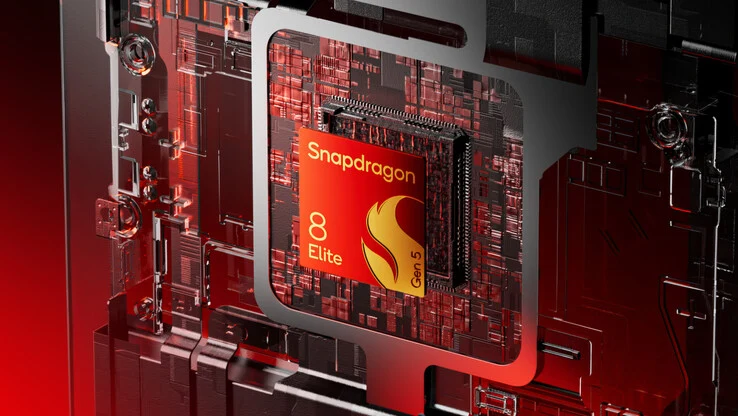
    Qualcomm has introduced the Snapdragon 8 Elite Gen 5, which replaces the Snapdragon 8 Elite that powers devices like the Galaxy S25 Ultra and OnePlus 13 (currently priced at $929 on Amazon) along with other leading smartphones. While the recently launched MediaTek Dimensity 9500 uses ARM’s Lumex platform, Qualcomm’s Snapdragon 8 Elite Gen 5 is built on its 3rd Gen Oryon CPU cores.

    Performance Improvements

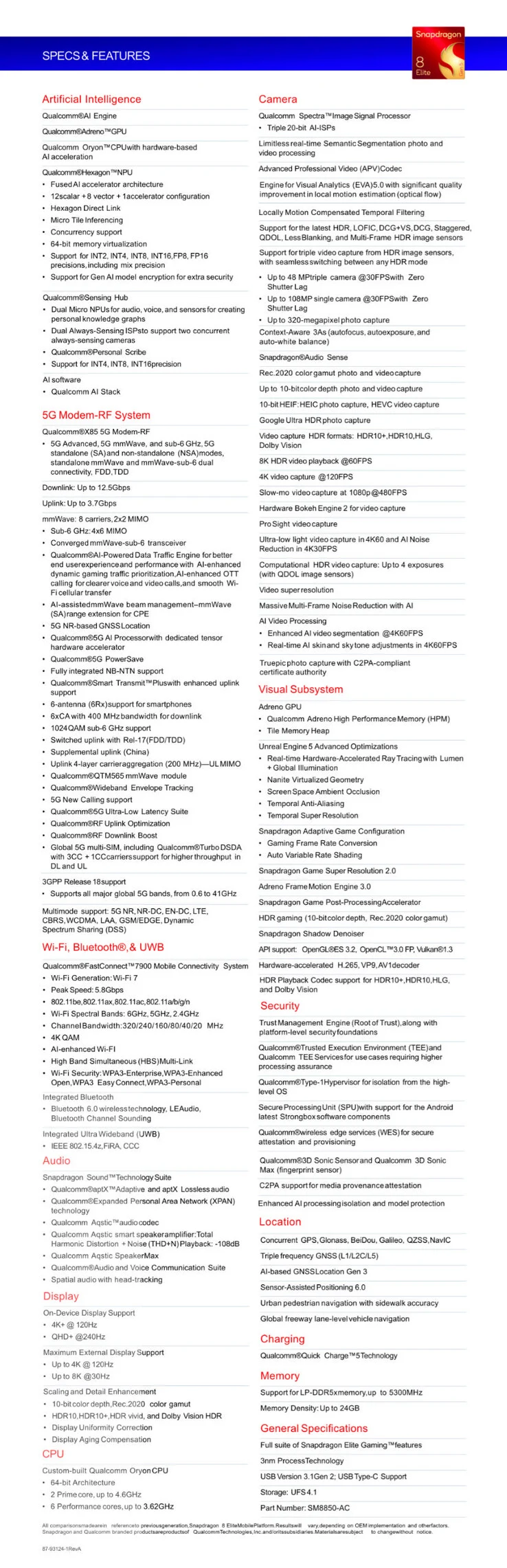
    Qualcomm claims that these new CPU cores provide a 20% boost in performance compared to the ones in the Snapdragon 8 Elite. Furthermore, the integrated GPU in the Snapdragon 8 Elite Gen 5 is reported to be up to 23% more efficient than the Adreno 830 found in the Snapdragon 8 Elite. Additionally, the Hexagon NPU in the new chipset is said to be 37% quicker than its earlier version.

    New Features

    The Snapdragon 8 Elite Gen 5 also comes with Qualcomm’s X85 5G modem, which was previously highlighted during MWC 2025. Qualcomm proudly states that this chipset is the “world’s first mobile platform” to include support for the Advanced Professional Video (APV) codec, promising enhanced video recording features for upcoming Android flagship devices.

    Device Availability

    In terms of availability, Qualcomm has confirmed that the Snapdragon 8 Elite Gen 5 will be featured in products from brands such as Asus ROG, Honor, iQOO, Nubia, OnePlus, Oppo, Poco, Realme, Redmi, RedMagic, Samsung, Sony, Vivo, Xiaomi, and ZTE. The company mentions that smartphones using the Snapdragon 8 Elite Gen 5 will begin launching “in the coming days.” Currently, only the Xiaomi 17, Xiaomi 17 Pro, and Xiaomi 17 Pro Max have been officially announced to debut this month with Qualcomm’s latest mobile technology.

    Source:
    Link


  • Xiaomi 17 Flagship Phones: Major Display and Charging Upgrades

    Xiaomi 17 Flagship Phones: Major Display and Charging Upgrades

    Key Takeaways

    1. Xiaomi will launch the Snapdragon 8 Elite Gen 5 flagship phones on September 25, 2025.
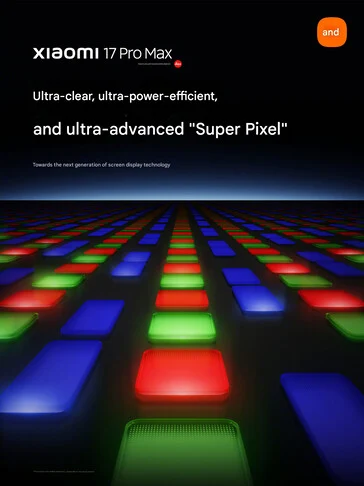
    2. The Xiaomi 17 series features “Super Pixel” technology for improved screen clarity and 26% better power efficiency.
    3. The new “M10 screen luminescence technology” promises world-leading luminous efficiency across the Xiaomi 17 range.
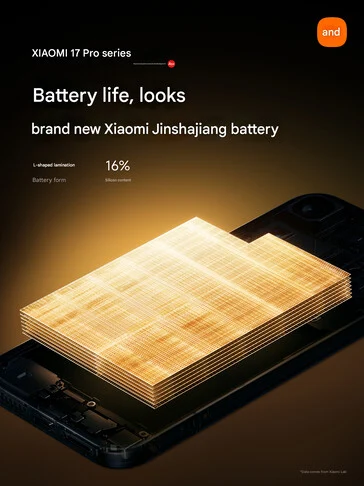
    4. Pro models will include L-shaped Si/C batteries with ultra-high energy density and support 100 W fast charging.
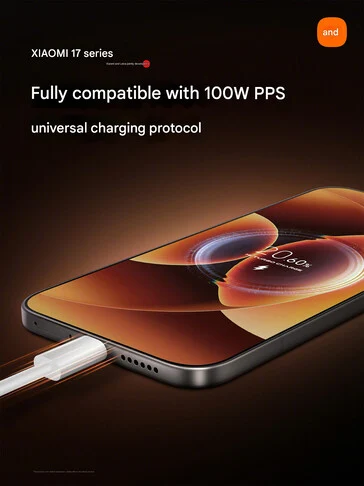
    5. The PPS charging protocol allows for fast charging with third-party chargers.


    Xiaomi has recently announced that the launch of its new Snapdragon 8 Elite Gen 5 flagship phones will happen sooner than expected. The full reveal of the Xiaomi 17 series will take place during the Chinese launch event on September 25, 2025, which is quickly approaching.

    Key Features Unveiled

    Ahead of the launch, Xiaomi has disclosed several important features related to its flagship devices. One of the highlights is the display technology used in the Xiaomi 17 series, particularly emphasized for the Pro Max model. According to Lei Jun, the CEO, this high-end phone incorporates “Super Pixel” technology.

    This innovation is designed to enhance screen clarity, and Lei Jun mentions it will also improve power efficiency, boasting a 26% decrease in power usage compared to standard 2K displays. Additionally, he points out that the OLED panel will bring a significant boost in display quality, as it contains three RGB sub-pixels in each pixel.

    New Screen Luminescence Technology

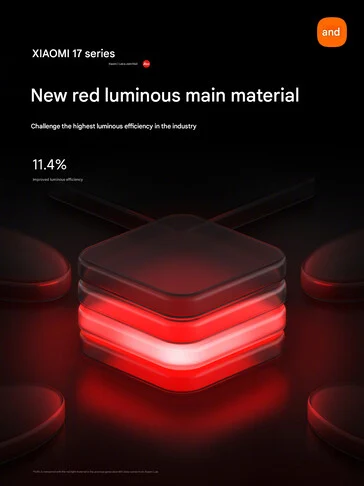
    In another teaser, Xiaomi has announced that the entire Xiaomi 17 range will utilize the new “M10 screen luminescence technology,” which promises to offer “world-leading luminous efficiency” for the flagship phones.

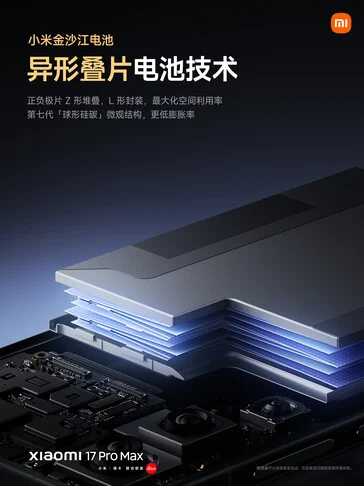
    Xiaomi has also confirmed that the Pro models are set to include L-shaped Si/C batteries, which have an “ultra-high” energy density. Furthermore, it has been stated that the upcoming Snapdragon 8 Elite Gen 5 flagship phones will support 100 W fast charging along with the PPS charging protocol.

    Fast Charging Capabilities

    The inclusion of the PPS universal charging protocol allows the flagship phones to be charged quickly even with third-party charging bricks. While the specific battery capacities for the Xiaomi 17 series remain unknown, the exciting news is that the launch is just around the corner.

    Source:
    Link


  • iQOO 15 Launches Color-Changing Edition with Snapdragon 8 Gen 5

    iQOO 15 Launches Color-Changing Edition with Snapdragon 8 Gen 5

    Key Takeaways

    1. iQOO is set to launch the iQOO 15 smartphone featuring the Snapdragon 8 Elite Gen 5 processor, with no specific release date announced yet.
    2. The iQOO 15 will have a unique color-changing version called the “Lingyun” edition, which shows a two-tone design depending on the viewing angle.
    3. The color-changing feature is more dynamic than similar models, like the Realme 14 Pro Plus, and includes RGB lighting on the camera area.
    4. Expected specifications include a battery exceeding 7,000 mAh, support for 100W fast charging, a 50 MP main camera, a 50 MP telephoto periscope, and an ultrawide sensor.
    5. The launch event for the iQOO 15 is anticipated around the end of October 2025, following Vivo’s X300 series release.


    iQOO is preparing to introduce one of the first smartphones equipped with the Snapdragon 8 Elite Gen 5, named the iQOO 15. Although the company has not disclosed the specific launch date for this flagship device, a recent teaser has highlighted the color-changing version of the smartphone.

    Color-Changing Edition

    This unique color-changing model was recently showcased in a leaked hands-on video. According to iQOO, it will be known as the “Lingyun” edition in China. If this variant makes its way outside of China, it will probably be marketed under a different name.

    As shown by iQOO, the “Lingyun” edition will generally appear grayish from standard viewing angles. However, when viewed from certain perspectives, the back exhibits a two-tone design with pinkish-red accents throughout.

    Unique Design Features

    While the iQOO 15 “Lingyun” edition’s color-shifting feature will make it visually distinctive, this idea is not entirely novel. For instance, Realme previously released the Realme 14 Pro Plus, which features a color-changing back that responds to the surrounding temperature.

    In contrast, iQOO’s version offers a more dynamic experience. Combined with the RGB lighting on the camera area, this color-changing model is expected to be more eye-catching than other upcoming flagship devices.

    Additional Specifications

    Besides showcasing the color-changing model, iQOO has not disclosed any further details in the teaser. However, based on earlier leaks, this Snapdragon 8 Elite Gen 5 flagship is expected to come with a substantial battery exceeding 7,000 mAh and support for 100W fast charging (140W Anker 737 power bank currently priced at $87.99 on Amazon).

    Rumors also suggest that the iQOO 15 will include a 50 MP main camera along with a 50 MP telephoto periscope on the rear, and there should be an ultrawide sensor available too. As for the launch event, it is anticipated to occur around the end of October 2025, following Vivo’s release of the X300 series.

    Source:
    Link


  • TSMC Raises N3P Node Prices by Up to 24% for Qualcomm, MediaTek

    TSMC Raises N3P Node Prices by Up to 24% for Qualcomm, MediaTek

    Key Takeaways

    1. Apple’s A19 and A19 Pro SoCs show significant performance improvements, especially in GPU capabilities, compared to previous generations.
    2. Qualcomm and MediaTek are set to release their high-end SoCs, Snapdragon 8 Elite Gen 5 and Dimensity 9500, which may challenge Apple’s A19 Pro.
    3. TSMC’s new N3P process has increased prices by 20%, impacting costs for MediaTek and Qualcomm, while Apple may benefit from better pricing due to its status as TSMC’s largest client.
    4. A projected 50% price hike for TSMC’s 2 nm process could lead to higher costs for flagship smartphone SoCs, affecting future device pricing.
    5. Upcoming flagship devices, including those from Vivo, Xiaomi, Oppo, and the Galaxy S26 series, may be priced higher due to increased manufacturing costs.


    With the unveiling of the A19 and A19 Pro SoCs, Apple has demonstrated a remarkable improvement in performance compared to previous generations, particularly in the GPU sector. Not wanting to fall behind, Android chip makers Qualcomm and MediaTek are preparing to launch their top-tier SoCs, the Snapdragon 8 Elite Gen 5 and the Dimensity 9500.

    Performance Comparison

    If the leaks regarding performance are accurate, the Apple A19 Pro may face stiff competition as both the Dimensity 9500 and Snapdragon 8 Elite Gen 5 seem to be exceptionally powerful. Nonetheless, Apple might have a significant edge in one key area: pricing.

    Cost Increases

    A recent report from China Times indicates that TSMC’s new N3P “3 nm” process node has seen a 20% price hike compared to the previous generation. Because of this increase, TSMC is reportedly charging MediaTek 24% more for the N3P than the last-gen, and Qualcomm is facing a 16% increase as well.

    The report doesn’t mention Apple, which leads us to think that either TSMC is not overcharging Apple or that Cupertino has negotiated a discount on the price hike and is paying significantly less than MediaTek and Qualcomm. Allegedly, Apple is TSMC’s largest client and, according to Taiwanese sources, is expected to account for 22-25% of TSMC’s total revenue by 2026. Thus, it seems reasonable that TSMC would offer Apple a more favorable deal than other chip manufacturers.

    Future Impacts

    In addition, TSMC is reportedly increasing the price of the 2 nm process node by “at least” 50% due to high research and development costs and yield issues. This will impact flagship smartphone SoCs next year, with unit costs potentially reaching up to $280. TSMC is also said to be offering no discounts or bargaining options.

    Smartphone manufacturers like Vivo, Xiaomi, and Oppo are gearing up to launch their latest flagship devices. These upcoming models, powered by the Qualcomm Snapdragon 8 Elite Gen 5 and MediaTek Dimensity 9500, might be priced higher than their predecessors.

    Outlook for Upcoming Flagships

    A similar trend could be expected for the Galaxy S26 series, which is anticipated to utilize both the Exynos 2600 and Snapdragon 8 Elite Gen 5 in the upcoming year.

    Lastly, if TSMC’s rumored 50% price increase for the 2 nm process node is accurate, then flagship devices launched in the latter half of 2026, like the Apple iPhone 18, are likely to carry a significant price premium over their last-gen versions. Therefore, if you’re considering an upgrade, now could be an excellent time, as many Android flagships are currently available at substantial discounts.

    Source:
    Link



  • Xiaomi 17 Series: New Official Photos Before Launch

    Xiaomi 17 Series: New Official Photos Before Launch

    Key Takeaways

    1. Xiaomi is launching Snapdragon 8 Elite Gen 5 flagship smartphones in China, including standard and Pro models.
    2. The non-Pro Xiaomi 17 features a new camera island design and is available in white and sky blue, lacking a secondary display.
    3. The phone has a 6.3-inch flat screen, 1.18 mm bezels, and weighs 191 grams, with “ultra-elliptical R-angle corners” for a smoother feel.
    4. The Xiaomi 17 Pro comes in “Cold Smoke Purple,” while the Pro Max is available in “Forest Green,” both maintaining similar display features.
    5. Future teasers are expected to reveal display sizes for the Pro models, with the Pro likely at 6.3 inches and Pro Max possibly at 6.73 inches.


    Xiaomi is about to launch its Snapdragon 8 Elite Gen 5 flagship smartphones in China. The company has shared the designs for both the standard and Pro models, and they have now revealed the Xiaomi 17 series phones in various colors.

    Design Highlights

    Among the three models, the non-Pro Xiaomi 17 is available in white and sky blue. It’s the only flagship model that lacks a secondary display on the rear. On the back, as mentioned in our previous updates, the standard phone displays some design changes.

    When compared to its predecessor, the Xiaomi 15, the new non-Pro Snapdragon 8 Elite Gen 5 flagship features a newly designed camera island. This time, it has a rounder square shape, differing from the relatively square look of the earlier model. This redesign allows the camera island to blend seamlessly with the phone’s body, contrasting with the dual-tone design of the previous non-Pro flagship.

    Specifications and Features

    With this announcement, Xiaomi has confirmed the phone will come with a 6.3-inch flat screen with 1.18 mm bezels. The display has a 19.6:9 aspect ratio, and the device is said to weigh just 191 grams, about 0.42 lbs. Xiaomi also highlights the “ultra-elliptical R-angle corners,” giving the smartphone a rounder feel compared to its predecessor.

    As for the other two models, the Xiaomi 17 Pro appears in a “Cold Smoke Purple” color, while the “Forest Green” variant of the Pro Max is featured in the new images. The company mentions that the Pro models also include flat screens, 1.18 mm bezels, and a “super-elliptical R corner design.”

    Future Teasers

    While Xiaomi has not disclosed the display sizes for the higher-end models, it’s anticipated that the Xiaomi 17 Pro will have a 6.3-inch screen, and the Pro Max might include a larger 6.73-inch display. More details about the Snapdragon 8 Elite Gen 5 phones are likely to be unveiled in upcoming official teasers.

    Source:
    Link



  • OnePlus 15 Leaked Images Ahead of Official Release

    OnePlus 15 Leaked Images Ahead of Official Release

    Key Takeaways

    1. The OnePlus 15 is expected to feature a Snapdragon 8 Elite Gen 5 chip for high performance.
    2. A leaked photo suggests the phone will have a square camera setup with a triple camera arrangement on the back.
    3. The device will not include Hasselblad branding and will introduce OnePlus’s own DetailMax Engine.
    4. The OnePlus 15 may have a 165Hz refresh rate display and a larger battery with faster charging capabilities.
    5. The smartphone is set to launch in China first before expanding to global markets.


    Many new smartphones from China are set to be unveiled in October. Among them is the OnePlus 15, which has previously appeared on Geekbench with a Snapdragon 8 Elite Gen 5 chip. Recently, a new photo has been shared on Weibo, a social media platform in China, showing what is thought to be the OnePlus 15.

    Leaks and Features

    A professional esports league named PEL posted a picture on Weibo of a new OnePlus device. According to Digital Chat Station, a well-known leaker, this device is likely the OnePlus 15. This aligns with earlier leaks, which indicated that the phone will come with a square camera setup. It also bears some resemblance to the OnePlus 13s, which was released earlier this year as a compact flagship device. The rumored OnePlus 15 appears to have a triple camera arrangement on the back, in contrast to the dual camera arrangement of the 13s. Furthermore, it’s important to mention that there’s no Hasselblad branding on this model, as the collaboration has concluded, and OnePlus will introduce its own DetailMax Engine.

    Design and Specifications

    The rumored device seems to sport a white color. A prior leak has suggested that the phone will also be available in a new color inspired by earthy shades. There were earlier rumors indicating that the OnePlus 15 would be geared towards performance, which is now more apparent since it has been highlighted by an esports league. Speculation points to a potential BOE X3 oriental display with a 165Hz refresh rate. Additionally, it might come with a larger battery that supports faster charging compared to the OnePlus 13. It is anticipated that the smartphone will first launch in China before making its way to global markets.

    Source:
    Link