Tag: PS6 handheld

  • Sony May Reintroduce PlayStation TV, Leak Suggests

    Sony May Reintroduce PlayStation TV, Leak Suggests

    Key Takeaways

    1. Sony introduced the PlayStation TV in 2013, allowing users to play certain PSP and PS Vita games on a TV.
    2. Recent speculation suggests Sony may revive the PlayStation TV alongside a new handheld device.
    3. The new PlayStation TV could share specs with the upcoming PS6 handheld, but details are not confirmed.
    4. Sony might only be reviving the PlayStation TV name without releasing new hardware, possibly linking it to a dock for the PS6.
    5. Current information is based on unverified sources and should be viewed with caution until more evidence is available.


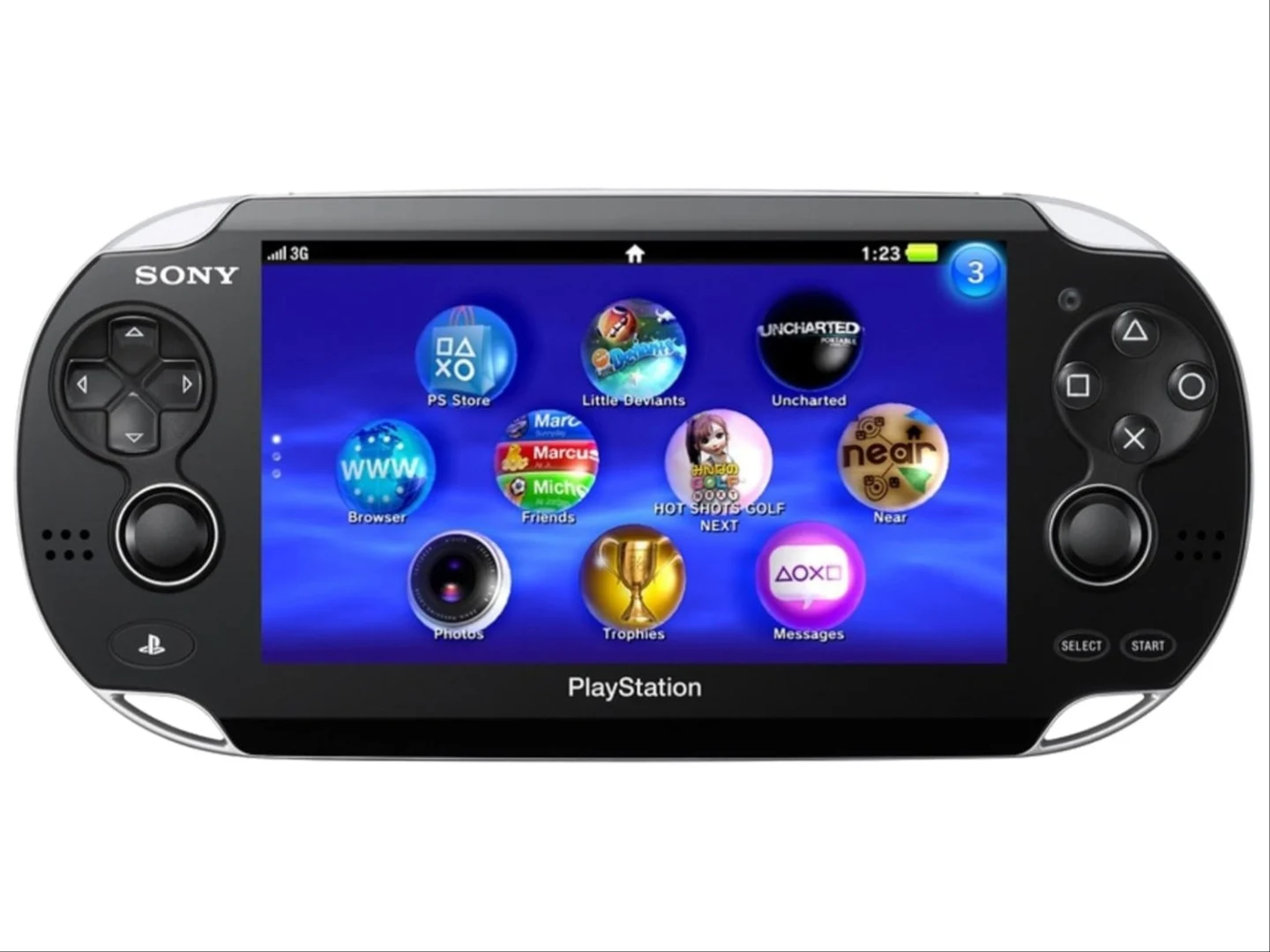
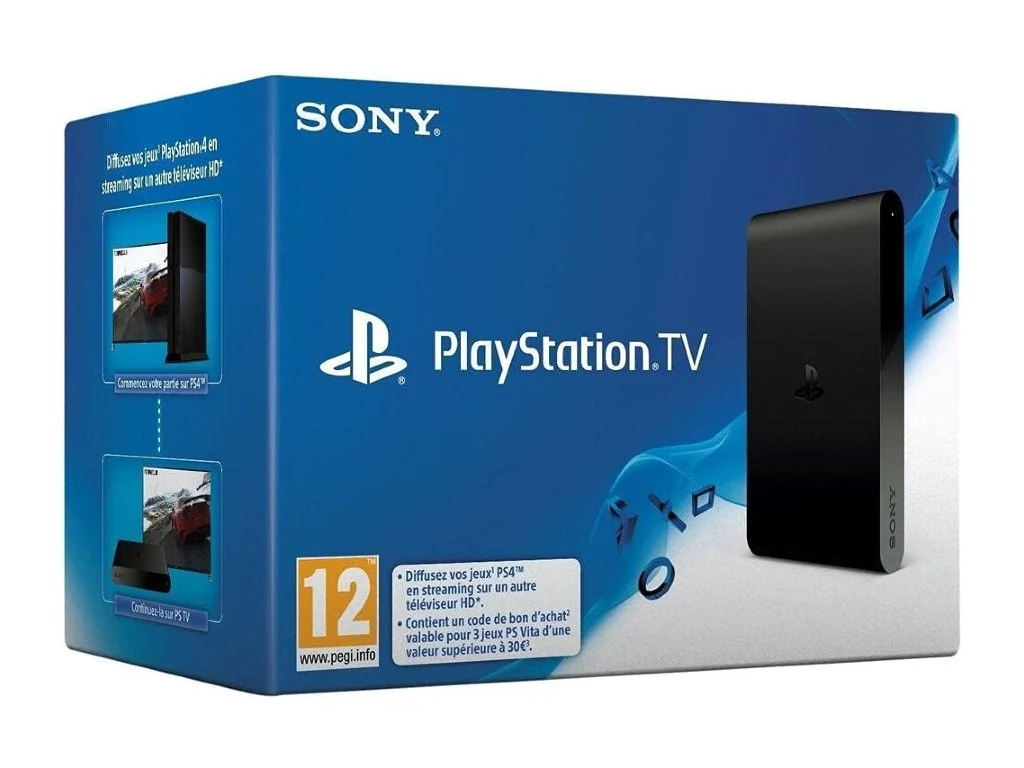
    In 2013, Sony introduced the PlayStation TV, also known as PlayStation Vita TV, in Asia. This compact console, which is now discontinued, connected to a TV or monitor, enabling users to play certain PSP and PS Vita games. Additionally, it offered the ability to stream games from the now-defunct PS Now service and included PS4 Remote Play features.

    Speculations About a Comeback

    Recently, an unofficial source suggests that Sony might revive the PlayStation TV alongside a new handheld device they are reportedly working on. The information comes from an X user named Zuby_Tech, but it lacks specifics about the device, prompting various theories, some of which are highlighted below.

    Possible Specs and Features

    The original PlayStation TV was based on the PS Vita’s architecture, so if Sony is indeed planning a comeback, one might expect the new version to share specs with the PS6 handheld. However, there has not been any information regarding the development of any other device alongside the PS6 and this new handheld.

    Branding vs. New Hardware

    It’s also possible that Sony is only reviving the PlayStation TV name without releasing new hardware. Reports indicate that the PS6 handheld may come with a (TV) dock similar to that of Nintendo’s Switch and Switch 2, which is currently priced at $499 on Amazon. Therefore, it wouldn’t be surprising if Sony decided to incorporate the PlayStation TV branding in relation to the dock functionality or a similar feature.

    In any case, these remain mere speculations, and like the unverified report about the PlayStation TV’s return, they should be viewed cautiously until solid proof emerges.

    Zuby_Tech recently shared these insights on X.

    Source:
    Link


  • PS6 Handheld CPU May Feature 4 Cores for 8-Thread Gaming

    PS6 Handheld CPU May Feature 4 Cores for 8-Thread Gaming

    Key Takeaways

    1. Sony is reportedly developing two versions of the next-gen PlayStation 6: a standard home console and a handheld device, each with different performance specs.
    2. The introduction of Low Power and Power Saver modes for PS5 games aims to ensure compatibility on the less powerful PS6 handheld.
    3. Sony is prioritizing Power Saver Mode support for developers over updates for the PS5 Pro, encouraging optimized game performance on limited CPU threads.
    4. Future games may need to operate on varying CPU configurations, reflecting the different designs of the PS6 home console and handheld.
    5. The release of the PS6 consoles is still a long way off, and Sony is unlikely to confirm the existence of the handheld version soon.


    For a while now, there has been chatter about Sony working on several next-gen PlayStation 6 consoles. Reports indicate that we could see a standard PS6 home console alongside a PS6 handheld. Naturally, these two gaming systems will differ significantly in performance due to their varying CPU, GPU, and memory setups. If there truly are two PS6 consoles with distinct specifications, Sony will need to make sure that game developers consider these differences.

    Power Modes and Compatibility

    Some analysts, such as Moore’s Law Is Dead, believe that Sony is introducing Low Power and Power Saver modes for PS5 games. This move seems to be a strategy to ensure that PS5 games run smoothly on the less powerful PS6 handheld when it is released. Recently, Moore’s Law Is Dead reported that Sony has updated all PS5 Software Development Kits (SDKs) to version 1.0 to include support for Power Saver Mode. This means that the latest SDK now has Power Saver Mode enabled by default.

    Developer Guidance

    According to the source behind this leak, Sony is prioritizing Power Saver Mode support over game updates for the PS5 Pro (which can be found on amazon.com). The source also mentioned that there are “new Low Power modes coming soon” and that Sony is encouraging developers to make sure their games can function on just eight CPU threads. The PS6 handheld console is said to have 4x Zen 6c cores alongside 2x Low Power (LP) cores. The four Zen 6c cores, equipped with eight threads in total, are mainly intended for gaming purposes. Thus, Sony’s insistence on developers optimizing their games for 8x threads hints at the imminent release of the PS6 portable.

    Future CPU Configurations

    Adding more weight to the claims about the PS6 handheld, the document cited by MLID’s source reportedly states that “games may operate in settings with various CPU configurations.” This implies that Sony is indeed informing developers that their games might need to function on consoles with differing CPUs in the future, which is directly linked to the PS6 home console and the PS6 handheld having completely different CPU designs.

    In conclusion, it’s becoming more and more evident that Sony is in the process of creating multiple next-gen PS6 consoles, including a portable version. Unfortunately, the release of the PS6 consoles is still quite a ways off. Therefore, it’s improbable that Sony will acknowledge the existence of a portable gaming device in the near future.

    Source:
    Link


  • PS6 Handheld Specs Leak: Release Date & Xbox Ally Performance

    PS6 Handheld Specs Leak: Release Date & Xbox Ally Performance

    Key Takeaways

    1. The upcoming PS6 handheld aims to address the shortcomings of the PS Vita, which struggled in the market.
    2. It will feature the “Canis” AMD APU with advanced specs, including four Zen 6c CPU cores and an RDNA 5 integrated GPU.
    3. Performance expectations indicate it may have half the rasterization power of the PS5 but improved ray tracing capabilities and full backwards compatibility with PS4 and PS5 games.
    4. The handheld will support video output via a Type-C port, allowing it to be used with TVs or monitors.
    5. The PS6 portable is expected to launch in Fall 2027 or early 2028, with mass production starting mid-2027.


    For over ten years, it appeared that Sony had abandoned the idea of portable PlayStation consoles after the PS Vita did not perform well in the market. On a technical level, the PS Vita was a great upgrade from the PSP. Sadly, it was costly to purchase and play games on, and Sony didn’t launch many major titles for it. The upcoming PS6 handheld seems poised to correct many of the PS Vita’s issues.

    New Specs Unveiled

    Moore’s Law Is Dead has shared a wealth of information about the PS6 handheld, including the specifications and capabilities of the “Canis” AMD APU that is expected to drive the portable console.

    As per MLID, the PS6 handheld will utilize the “Canis” APU, which boasts four Zen 6c CPU cores, an RDNA 5 integrated GPU with 12-20 RDNA 5 Compute Units, and boost clocks ranging from 1.6 to 2 GHz. It will also feature a 128-bit memory bus. The internal memory is rumored to be of the LPDDRX-7500+ variety.

    Performance Expectations

    Built on a 3 nm process, similar to the PS6 console’s “Orion” and the next-gen Xbox’s “Magnus” APU, the Canis APU inside the PS6 handheld is said to achieve about half the rasterization performance of the standard PlayStation 5 (Available on Amazon). However, the ray tracing capabilities of the PS6 portable are expected to be significantly superior to those of the PS5.

    Essentially, MLID indicates that the PS6 handheld should surpass the performance of the ROG Xbox Ally X. This is exciting news if it turns out to be true, especially since the PS6 portable is rumored to offer full backwards compatibility with both PS5 and PS4 games. Therefore, it should be capable of running all PS4 titles at 60 FPS without any hitches.

    Connectivity and Release Date

    Moreover, MLID confirms that the PS6 portable console will have the capability to output video via its Type-C port. This means you can potentially use the console as your primary gaming device by hooking it up to a TV or monitor along with a controller.

    MLID predicts that the PS6 portable will likely release in Fall 2027 or in early 2028, with mass production expected to commence in mid-2027. This timeline aligns with the information MLID provided regarding the standard PS6 console.

    As with MLID’s previous leak about the PS6 console, the details shared here are reportedly sourced from an AMD presentation to Sony that took place in 2023. Therefore, it’s possible that some of this information might already be outdated.

    Source:
    Link


  • PlayStation 6 Handheld Leaks Show Faster Specs Than Xbox Series S

    PlayStation 6 Handheld Leaks Show Faster Specs Than Xbox Series S

    Key Takeaways

    1. Sony is rumored to be developing a standard PlayStation 6 and a handheld model.
    2. The PlayStation 6 handheld is expected to use a 15W System on a Chip (SoC) with a 3nm architecture and fewer than 40 Compute Units (CUs).
    3. Performance of the PS6 handheld is anticipated to be between the PlayStation 5 and Xbox Series S.
    4. The handheld may run PS5 games natively but at reduced resolution and visual quality due to its specifications.
    5. There is currently no confirmed release date for the PS6 or its handheld version, with production phases for the SoC still ongoing.


    The upcoming PlayStation consoles are rumored to include a standard PlayStation 6 along with a handheld model. Although Sony hasn’t released any official details, there have been various leaks and rumors providing insight into the handheld version. Recent reports indicate that the PlayStation 6 handheld will utilize a 15W System on a Chip (SoC) built on a 3nm architecture. New leaks from the same source suggest that the number of Compute Units (CUs) will be significantly lower than the PlayStation 5, yet it is expected to outperform the Xbox Series S.

    Insights from NeoGAF

    Discussions on the NeoGAF forums, particularly in the thread titled “Do you agree with Chatgpt that PS6 portable can match the power of PS5 in all parameters by 2028?”, feature a well-known AMD leaker known as Kepler L2. Last month, this leaker disclosed that the PS6 handheld will be powered by a 15W 3nm SoC. Now, they have provided additional information, claiming that the console will have fewer than 40 CUs.

    Performance Expectations

    While the exact number of CUs remains unclear, it is suggested to be lower than the PlayStation 5’s 36 CUs. The leaker mentions that the performance of the PS6 handheld may fall between that of the Xbox Series S and the PS5. The Xbox Series S has 20 CUs, so it’s likely that the PS6 handheld will have more than that, at least 20.

    The SoC in the purported PS6 handheld is also reported to operate at very low voltages. Since no details have been provided about the GPU, it’s challenging to predict performance accurately. Previous leaks have suggested that the handheld could run PS5 games natively; however, considering its supposed specifications, it would likely do so at a reduced resolution and visual quality.

    Release Date Uncertainty

    Currently, there is no set release date for either the PS6 or the speculated PS6 handheld. The leaker has indicated that the SoC for the PS6 handheld will “tapeout,” which is the final design phase for integrated circuits just before production, a few months after the SoC for the standard PS6.

    Source:
    Link

  • PlayStation 6 Portable to Feature 15W 3nm SoC

    PlayStation 6 Portable to Feature 15W 3nm SoC

    Key Takeaways

    1. A new handheld PlayStation device is expected to launch alongside the PlayStation 6, though details remain unclear.
    2. The current PlayStation handheld option, the PlayStation Portal, cannot run games natively, making the PS Vita the last true handheld console from Sony.
    3. The rumored PS6 handheld may feature a 3nm-based 15W SoC from AMD, which raises concerns about its power to run PS5 games natively.
    4. The SoC design is reportedly complete and moving into the pre-silicon validation phase, with an expected A0 tapeout by late 2025.
    5. A potential launch for the PS6 and its handheld could occur around 2027, based on recent leaks and reports.


    A handheld PlayStation device has been talked about for some time now. It’s expected to launch together with the PlayStation 6, which remains quite unclear at this point. Nevertheless, a leak from last month that didn’t get much attention suggests the system-on-chip (SoC) that is purportedly going to power the rumored PS6 handheld, and it doesn’t look overly powerful, even with assertions that it could run PS5 games natively.

    Current PlayStation Handheld Options

    Sony does have a handheld in the PlayStation Portal, but this gadget can’t run games natively, which means a genuine gaming handheld under the PlayStation name still remains the PS Vita from over ten years ago. Since late last year, rumors have circulated about a new PlayStation portable that would be a next-gen console designed to play PS5 games natively.

    SoC Details and Concerns

    That assertion, however, feels like a bit of a stretch given that the handheld is rumored to be equipped with a 3nm-based 15W SoC from AMD, which might not have the required power for the task. This information comes from the known AMD leaker, Kepler L2, who shared insights on the NeoGAF forums last month. In the leaker’s post, they commented in a thread discussing whether the PS6 portable could match the PS5’s power by 2028.

    As of now, there’s no word on when the PS6 handheld or the PS6 itself might be released. However, the same leaker previously indicated that the SoC design is complete and has progressed into the pre-silicon validation phase, with an A0 tapeout expected by late 2025. A report from Wccftech suggests this could hint at a 2027 launch for the PS6 consoles.

    Source:
    Link