Key Takeaways
1. Microsoft initially planned to create its own dedicated Xbox handheld but abandoned the project due to high demands from AMD.
2. AMD required Microsoft to commit to producing at least 10 million units for a custom system-on-chip (SoC), which Microsoft deemed too risky.
3. Industry reactions include skepticism, with some experts rejecting the claims about the scrapped handheld project.
4. Microsoft is now focusing on a collaboration with Asus for the ROG Xbox Ally, launching on October 16, 2025.
5. The upcoming ROG Xbox Ally and Ally X will feature advanced specifications, raising questions about Microsoft’s long-term strategy in the handheld gaming market.
Microsoft’s entry into the handheld gaming market might have looked quite different based on some recent rumors. Instead of the upcoming ROG Xbox Ally and Ally X, insider KeplerL2 has disclosed that Microsoft originally aimed to create its own dedicated Xbox handheld.
The Scrapped Handheld
Sadly, this unannounced Xbox handheld was supposedly abandoned during its planning stage because of strict demands from AMD. KeplerL2, known for a strong history in hardware manufacturing discussions, mentioned that Microsoft was in negotiations with AMD to create a custom system-on-chip (SoC) for this device.
A Risky Commitment
However, the collaboration fell apart when AMD required Microsoft to commit to producing at least 10 million units to cover the expenses of research and development. This request was deemed too risky by Microsoft, especially considering the moderate sales figures of portable consoles like the Steam Deck and Nintendo Switch.
KeplerL2 shared in a comprehensive post on NeoGAF:
> “From what I understand, the handheld was called off because AMD wanted a promise of 10M+ units to make a dedicated SoC, and seeing how Steam Deck managed to sell 5 million units while ASUS ROG/Lenovo Legion only moved 1–2 million, Microsoft didn’t want to take that chance.”
Industry Reactions
This insider information has stirred up some discussion among industry experts, particularly Jez Corden, an editor at Windows Central and Xbox reporter, who rejected this assertion on X in response to KeplerL2’s leak, saying, “this isn’t even slightly true, btw.”
Nonetheless, this denial seems to match with Microsoft’s recent statement about investing in next-gen hardware, including working with AMD on future consoles. Microsoft has openly reiterated its commitment to first-party Xbox hardware, backed by comments from both President Sarah Bond and AMD CEO Lisa Su.
Future Collaborations
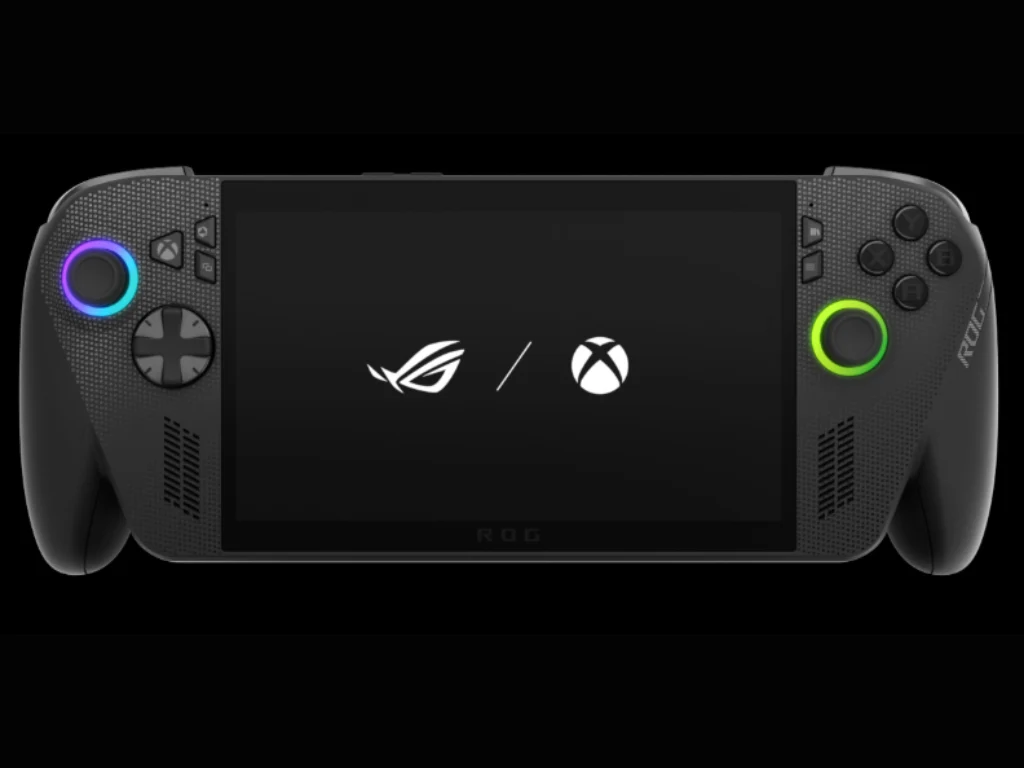
As we know, Microsoft has shifted its focus to a collaboration with Asus, leading to the upcoming ROG Xbox Ally, a rebranded version of the ROG Ally X tailored for Xbox Game Pass and Windows gaming. The ROG Xbox Ally and Ally X are set to launch on October 16, 2025, and they will boast an enhanced AMD Ryzen Z1 Extreme processor, 24GB of LPDDR5X RAM, a 7-inch 120Hz 1080p display, and 1TB of SSD storage.
With the launch of the ROG Xbox Ally and Ally X on the horizon, and some fortunate users already receiving their pre-orders, experts in the industry are left wondering if this partnership represents a long-term strategy for Microsoft in the handheld gaming space or just a temporary measure in light of changing focuses.
Source:
Link