Tag: Project Helix

  • Xbox Mode Now Live on Windows 11 for Better Gaming Performance

    Xbox Mode Now Live on Windows 11 for Better Gaming Performance

    Key Takeaway

    1. Xbox mode provides a full-screen, controller-driven gaming interface on Windows devices, blurring the line between Windows PC and Xbox console.
    2. It can be activated via a keyboard shortcut or through settings, replacing the desktop with a focused gaming dashboard.
    3. The mode suppresses background processes and notifications to enhance gaming performance, resembling a console experience.
    4. Xbox mode is part of Microsoft’s Project Helix, unifying the Xbox and Windows ecosystems, and is now available to stable Windows 11 users.
    5. Limited multi-monitor support and occasional sleep/resume issues are noted, with Microsoft recommending hibernation during use.

    Microsoft’s Latest Gaming Interface

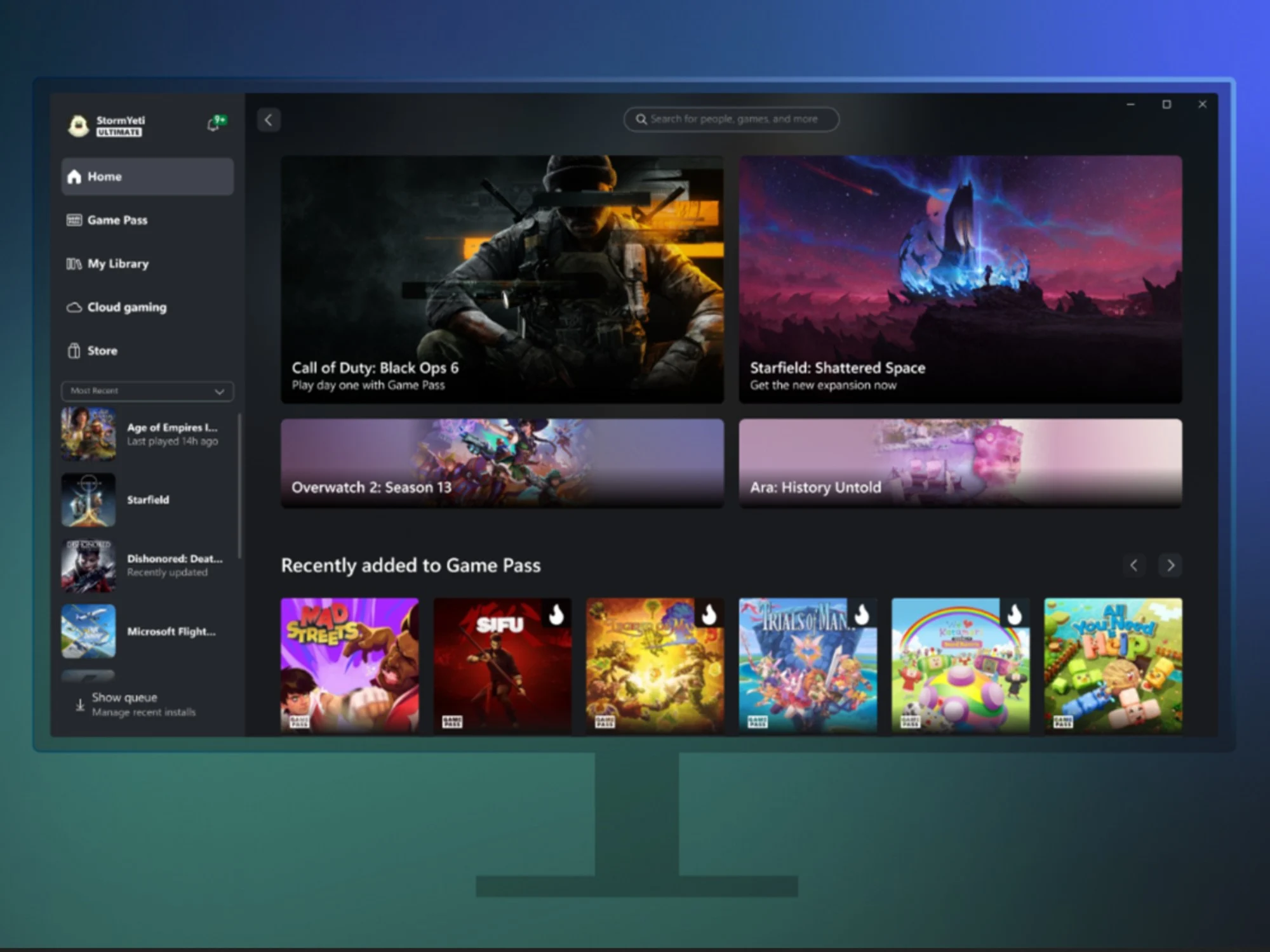
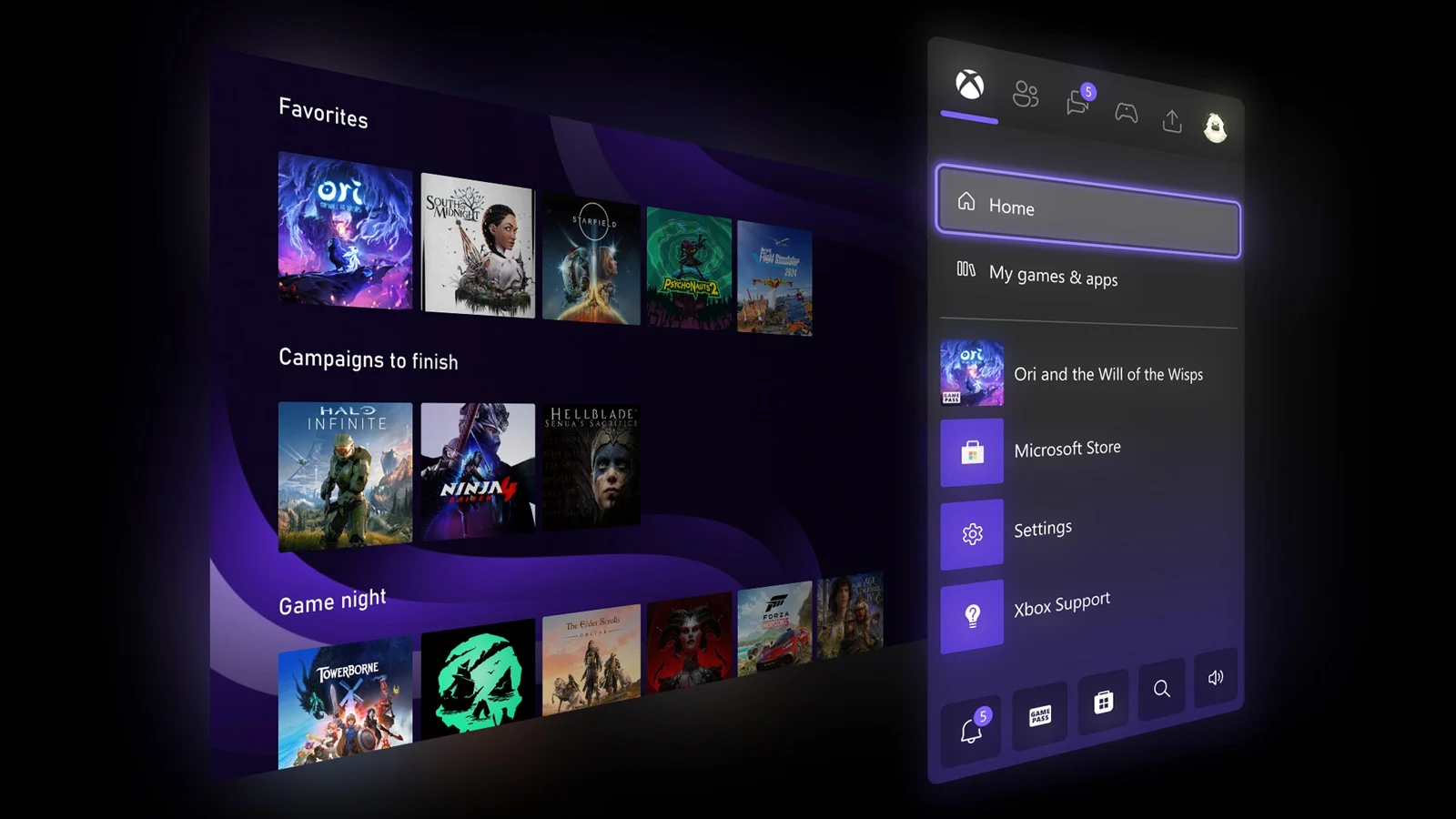
    Microsoft has recently introduced a new feature which transforms the way gamers interact with their PCs, specifically designed to mimic the Xbox experience. This new feature was rolled out on April 30, through an optional update known as KB5083631. Once activated, gamers can quickly switch into a dedicated gaming mode that immerses them into a full-screen, controller-driven interface. All it takes is opening the Xbox app and pressing Windows + F11, and the desktop promptly hides itself. What appears next is a sleek, console-like interface that centers around your game library, Game Pass, and cloud gaming options. This new interface makes your Windows device feel more like an Xbox than ever before, offering a seamless gaming experience.

    Compatibility and Activation

    This new Xbox mode can be used on a variety of devices including laptops, desktops, tablets, and handheld PCs. The activation process is straightforward by going into the Settings menu, then selecting Gaming > Xbox mode, and toggling it on. The mode can be triggered anytime by pressing Windows + F11 or simply accessed through the Xbox app or Game Bar settings. While active, it reduces background activities and keeps notifications out of sight, providing a cleaner gaming environment. Microsoft claims it resembles sitting in front of an Xbox console more closely than traditional Windows interfaces, aiming to bridge the gap between PC and console gaming. Once active, users will experience a more focused gaming session free from desktop distractions.

    Technical Details and Limitations

    This feature suppresses background processes and notifications, akin to the existing Game Mode, but with a more comprehensive, console-style dashboard layered over the desktop interface. Microsoft sees it as a step towards unifying the Windows and Xbox ecosystems. The mode has been tested through Insider programs since late 2025, and the recent rollout marks its official release to regular users on Windows 11 24H2 and 25H2 updates. However, users should be aware of some limitations. Multi-monitor support isn’t perfect, with some secondary screens occasionally going blank when Xbox mode is active. Additionally, some configurations may experience issues with sleep and resume functions. Microsoft recommends using hibernation instead of sleep during this phase of deployment to avoid these problems. Despite these issues, the new feature signifies a major shift towards integrated gaming on Windows devices.
    Sources
  • Microsoft Gaming Rebrands as Xbox Before Project Helix Console Launch

    Microsoft Gaming Rebrands as Xbox Before Project Helix Console Launch

    Key Takeaway

    1. Microsoft Gaming has been rebranded solely as Xbox, signaling a return to emphasizing the Xbox identity.
    2. The company is making internal changes, including new branding and slogans, to align with this shift.
    3. The focus appears to be on revitalizing the Xbox brand and possibly modifying its market and exclusivity strategies.

    Microsoft’s Focus Shift to Xbox Branding

    Microsoft’s CEO Asha Sharma has been making some big moves lately, in a kinda surprising turn, she no longer see the company as Microsoft Gaming, but just Xbox. Her aim is clearly to get back to a core identity that fans and employees alike can rally around. The change, while it might not have caused alot of buzz initially, signals a future where Xbox sits firmly at the center of Microsoft’s gaming universe.

    Internal Changes and Company Culture

    Recently, there was a company town hall meeting where Sharma told staff that the gaming division should just be called Xbox, removing the ambiguous identity of Microsoft Gaming. The offices have also tada! shifted their branding, with slogans like “return to Xbox” and “great games” on the walls, making it pretty clear that the focus is on the Xbox universe. Rumors say that even the new logo spotted at headquarters looks more polished and fresh compared to before, hinting at a new visual direction.

    Strategic Direction for Console and Game Development

    Also interesting is what this means for upcoming hardware. Microsoft apparently is leaning toward marketing a new Xbox console with a more streamlined logo, possibly signaling a new generation. While gaming has a rich history dating back to the 1980s, this focus on Xbox now, especially after Phil Spencer’s emphasis on cloud gaming and multi-platform approaches, suggests a change in how Microsoft wants to position its hardware and software in the future.

    Brand Campaigns and Fan Engagement

    Sharma’s decision to dismantle the “This is an Xbox” campaign shows a move to clarify the brand’s message to fans, particularly those still nostalgic about the original Xbox days. But her emphasis on Project Helix, which combines PC and console elements, might not sit well with loyalists who expect exclusives and traditional hardware support. When she said “Hear you”, she kind of left the door open for possible tweaks in their multi-platform strategy, which keeps gamers on their toes.

  • Head of Next-Gen Xbox Ends Rumors About First-Party Helix Console

    Head of Next-Gen Xbox Ends Rumors About First-Party Helix Console

    Key Takeaway

    1. The AMD Magnus APU powering Project Helix is not exclusive to the next-gen Xbox, leading to speculation about third-party and OEM-based consoles.
    2. Microsoft confirms there will be a 1st-party next-gen Xbox Project Helix console.
    3. There is potential for multiple Project Helix consoles, including home and handheld devices, possibly launching alongside or after the 1st-party console.

    Leaked info sparks endless discussions

    Recently, some news from KeplerL2 has been circulating about the AMD Magnus APU used in the upcoming Project Helix. The leak suggests that this powerful chip is not just limited to the next-gen Xbox, which makes alot of folks wonder about what other devices might get powered by it. These revelations got many people talking about the possibility of other manufacturers creating their own consoles based on the same hardware, possibly leading to more variety in the market.

    Microsoft’s official stance on the next-gen Xbox

    Jason Ronald, the guy responsible for developing the new Xbox, spoke out to clear this confusion. On X (the social media platform), he confirmed that Microsoft indeed plans to launch a genuine first-party next-gen Xbox console under the Project Helix name. His statement puts the rumors to rest about there being no official Microsoft console for this generation. Nonetheless, he didn’t rule out the other, third-party gaming systems based on the same AMD chip tech, which could arrive soon after the official first-party release. There might even be a whole bunch of different Project Helix consoles coming into the scene in no time.

    Potential lineup of Project Helix consoles

    There’s talk that Microsoft might unveil a variety of these new consoles all at once, highlighting their new Project Helix technology. We could see a collection that includes both home consoles and portable handheld devices, all at different price points tailored for various gamer segments. This would be an ace move to compete directly with Sony’s upcoming PlayStation 6 and its portable variant, the PlayStation 6 Portable. Moreover, such an initiative might also give rise to affordable Steam Machine rivals that could attract PC gamers looking for an easy plug-and-play experience.

    What we can really expect

    But it’s important to keep in mind that none of this is set in stone. Most of what we come across are just leaks, speculations, or wishful thinking. The only confirmed thing is that Microsoft is working on a next-generation Xbox powered by AMD’s APU technology. Everything else remains uncertain, so it’s best to approach these rumors with a good amount of skepticism. Until official announcements are made, take all these stories with a giant spoonful of salt.

    Sources
  • Xbox Creator Criticizes Project Helix, Praises Steam and Nintendo Consoles

    Xbox Creator Criticizes Project Helix, Praises Steam and Nintendo Consoles

    Key Takeaway

    1. Seamus Blackley favors Steam and Nintendo over Project Helix, citing their focus on innovative games and community-driven content.
    2. He questions the appeal of Project Helix’s PC game compatibility, viewing it as a “hobbyist pitch” unlikely to attract gamers without a strong exclusive library.
    3. Blackley believes hardware innovation is crucial for standing out, emphasizing the need for exclusive features and titles rather than relying on cross-platform software support.

    Original Xbox Innovator’s Viewpoint on Project Helix

    A mastermind behind the creation of the original Xbox, Seamus Blackley, expressively criticized Microsoft’s Project Helix on an Expansion Pass podcast. His viewpoints reveal a stark contrast to the excitement surrounding other gaming platforms. Blackley steering away from the new Xbox, shared that he is more captivated by what Steam and Nintendo bring to the table, citing Steam’s dedication to engaging game content and Nintendo’s inventive hardware designs.

    Comparing Platforms with a Focus on Content and Innovation

    Blackley highlighted his opinions on various gaming communities, hinting at the differences in their driving forces. His admiration for Valve stems from their willingness to take risk and foster a vibrant gaming network, though he admits those risks don’t always succeed—like the Steam Machine. He remains supportive of Steam’s core mission: support small studios and grow their audience with diverse gaming options. Meanwhile, he disparages Project Helix, considering it a “hobbyist pitch” and questioning its appeal, especially without an extensive game library, despite the fact it promises compatibility with PC games.

    Thoughts on Hardware and Industry Trends

    Further, Blackley talks about Nintendo, praising their ability to craft innovative first-party titles and hardware. He mentions even less successful systems like Wii U as examples of interesting and cool designs, implying there’s value in trying new ideas. As for the hardware, he stresses the importance of distinctive features that can make the console special. He believes such qualities, along with exclusive games leveraging those features, are vital for standing out. Contrarily, he criticizes Microsoft’s current strategy, which seems to prioritize supporting software available on other platforms, potentially missing the chance to differentiate with unique hardware experiences.

    Perspectives on Microsoft’s Console Development

    While some critics question the appeal of Project Helix, there are differing opinions. Ed Fries, another key figure in Microsoft’s gaming history, offered more optimistic outlooks, noting that a Windows-running console was part of Microsoft’s long-term vision dating back to the late 1990s. This suggests some industry insiders see value in Microsoft’s efforts to integrate PC-like versatility into their gaming systems, even if critics remain skeptical.

    Sources
  • Xbox 360 Games Now on xCloud as Microsoft Teases Backward Compatibility

    Xbox 360 Games Now on xCloud as Microsoft Teases Backward Compatibility

    Key Takeaway

    1. Microsoft is committed to improving backward compatibility for Xbox 360 and older titles across future hardware and cloud gaming platforms.
    2. Recent code discoveries hint at upcoming support for classic games like Aegis Wing, Mars: War Logs, and Prince of Persia, sparking fan anticipation.
    3. The upcoming Project Helix, arriving as early as 2027, may feature enhanced compatibility, potentially combining Windows and console gaming with emulator support.
    4. There are rumors of a new, affordable Game Pass tier (“Triton”) offering access to a library of aging first-party Xbox titles.

    Microsoft’s Backward Compatibility Strategy

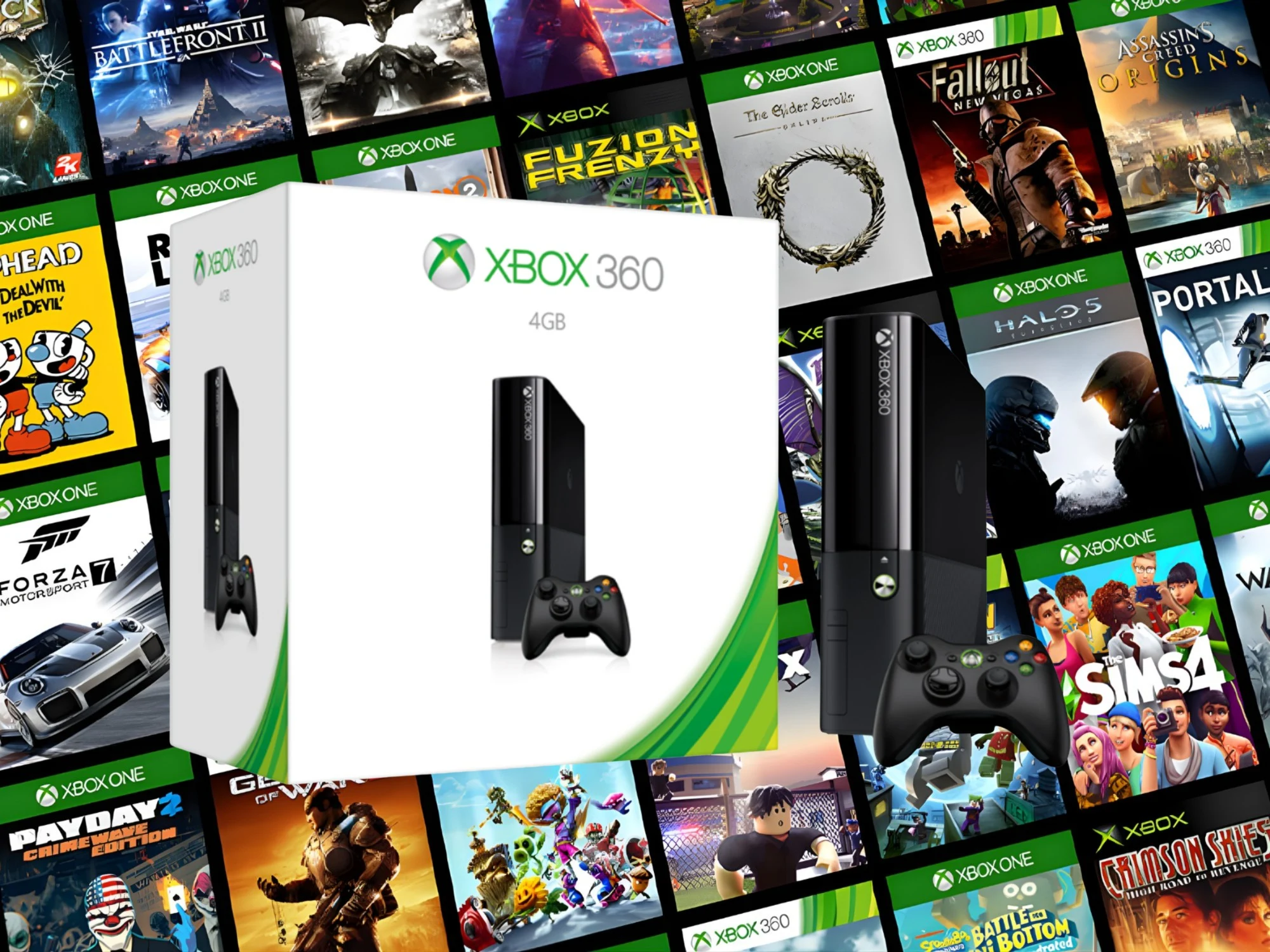
    Microsoft continues to maintain that they will find a way to allow older games including Xbox 360 titles to be playable on modern gaming systems despite uncertainties surrounding the exact methods. They seem committed to making this happen either through updates for Windows devices or via their upcoming Project Helix console. Observers think an official announcement could be soon, especially given recent signals from Xbox Cloud Gaming.

    Recent Discoveries Hinting at the Future

    Monitoring the streaming service’s backend, Better xCloud recently discovered evidence of Xbox 360 game titles like Aegis Wing and Mars: War Logs. These games briefly appeared in the system with their original branding, and interestingly, Prince of Persia: Sands of Time showed up with its launch date and a dubious $100 price tag. Sometimes, these surprises turn out to be nothing, but they also fuel speculation that something bigger is on the horizon.

    Hints from Industry Leaders

    The dataminer’s recent findings followed comments at GDC 2026 from Xbox Vice President of Gaming Jason Ronald. He emphasized that the company is working hard on backward compatibility, promising new ways to enjoy the classic titles from Xbox’s past. His comments, though vague, allude to major developments possibly coming during the 25th anniversary celebrations, leaving gamers eager for more.

    Possible Methods To Bring Back Classics

    Fans are buzzing about potential solutions such as relisting the old games on the Microsoft Store so they can be played on the new Series X|S consoles. The tricky part is how to enable compatibility with Project Helix, which might emulate older hardware. There’s also talk of a Windows PC and handheld-friendly back catalog.

    The Future of Project Helix and Emulators

    Project Helix, expected around 2027, will likely operate on Windows, possibly with a compatibility layer that allows older games, restricted to previous consoles, to run smoothly. Alternatively, some developers might turn to emulators, but these can sometimes add latency and delay input during gameplay. Streaming via Xbox Cloud Gaming can also suffer from lag, which is a concern for players seeking a seamless experience.

    Gaming Subscription and New Tiers

    Furthermore, recent leaks hint at a new tier within Game Pass, dubbed “Triton,” offering access to old first-party Xbox titles like Halo 5 and Fallout 4 at a more affordable price. This could be an effort to cater to nostalgic gamers wanting budget-friendly access to classic games through better xCloud services.

    Sources
  • Project Helix Not Final Xbox Console; Handheld Expected Soon

    Project Helix Not Final Xbox Console; Handheld Expected Soon

    Key Takeaways

    1. Some analysts believe Project Helix might be Microsoft’s last first-party gaming console, but others remain optimistic about future Xbox consoles.
    2. Insider Jez Corden asserts that Microsoft will continue to produce Xbox consoles despite skepticism surrounding Project Helix.
    3. There are indications that Microsoft is developing a mobile gaming solution, potentially a handheld device, to support its Play Anywhere initiative.
    4. Mixed opinions exist regarding Microsoft’s hardware future, with some experts predicting that Project Helix’s success is crucial for the company’s continued console production.
    5. Microsoft Gaming CEO Asha Sharma emphasizes the importance of consoles to the brand, but profitability concerns may influence future hardware decisions.


    Some analysts are of the opinion that Project Helix might just be the final first-party gaming console that Microsoft puts out. Yet, even with skepticism surrounding its potential success, one insider believes more Xbox consoles are on the horizon. This perspective is in line with the new commitment to hardware from Microsoft Gaming CEO Asha Sharma.

    On a recent episode of the Xbox Two podcast, Jez Corden from Windows Central made a confident remark. He stated, “I know it’s not the last console. I don’t think it’s going to be an issue. Like, they’re going to keep making them.”

    Potential Mobile Solutions

    There’s a possibility that a mobile solution is already in the works. Although Corden didn’t mention it during the podcast, he has previously indicated that an Xbox handheld is being developed. Unlike the ROG Xbox Ally, Microsoft is likely to create a distinct device without the involvement of Asus. Still, similar to Project Helix, it might operate on a variant of Windows.

    Earlier speculations hinted at a handheld device being released around the same time as Project Helix. It would support Microsoft’s Play Anywhere initiative, acting as its mobile version. However, there’s been even less information leaked about this portable device compared to the new Xbox console that’s being developed alongside AMD. In early February, AMD’s CEO, Lisa Su, hinted at a 2027 release for this hybrid device.

    Mixed Opinions on Microsoft’s Hardware Future

    Not everyone shares a bright outlook on Microsoft’s hardware future. Following Sharma’s appointment, Japanese gaming consultant Dr. Serkan Toto expressed a concerning prediction. Regarding Helix, Toto remarked, “This might be Microsoft’s last attempt to make their hardware business work.” He also pointed out, “There is nobody in this industry who believes there will be another Xbox if this next machine fails.”

    Toto believes that the Valve Steam Machine could be a more significant threat than the PS6. Both will depend largely on PC games, but this demographic hasn’t always favored gaming in the living room. The shortage of memory presents a challenge for both systems, with former Microsoft executive Sarah Bond previously describing its rival as a premium choice.

    Reaffirming Console Commitment

    Sharma continues to assert that consoles are an essential part of her brand’s focus. However, after the difficulties faced by the Series X|S models, ultimately, profits may play a decisive role in determining if more releases will come after the Helix.

    Source:
    Link


  • Xbox App to Launch All Games, Boosting Project Helix Console

    Xbox App to Launch All Games, Boosting Project Helix Console

    Key Takeaways

    1. Enhanced Game Access: The latest Xbox app update allows users to launch games and applications from various platforms, improving accessibility for gamers.

    2. User-Friendly Process: Testers report that adding games is simple, involving a “+” symbol in “My Library” and requiring the target file to be an .exe type.

    3. Positive Reception for Handhelds: Owners of Windows gaming handhelds have responded positively to the Xbox Mode, which provides a console-like experience on PCs and mobile devices.

    4. Future of Project Helix: Project Helix is expected to launch by 2027, with potential UI changes that may take inspiration from Xbox Series X|S or the Windows app.

    5. Uncertain Steam Shortcut Support: Current support for Steam shortcuts in the Xbox app may change with Project Helix, and there are hints of a curated Helix store featuring selected partners.


    Microsoft is always searching for ways to improve gaming across different devices. The newest update for the Xbox app allows users to launch any game or application from the same platform. As reported by Pure Xbox, insiders are currently testing this new feature on PCs and handheld devices. With Project Helix expected to operate on Windows, the user interface modifications may enhance navigation on the upcoming Xbox console.

    More Access for Gamers

    Previously, gamers could use Steam and other third-party stores within the Xbox app. Now, they will have the ability to open additional games or even productivity applications without hassle.

    Simple Steps for Users

    Testers have noted that the process is quite straightforward. In the “My Library” section, users will see a “+” symbol appear. The only restriction seems to be that the target file must be an .exe type. Users can assign a unique name for the shortcut, alter its icon, and even set launch parameters.

    Positive Feedback from Handheld Owners

    The changes have been positively received by owners of Windows gaming handhelds like the ROG Xbox Ally. The Xbox Mode, which was previously called the Full Screen Experience, offers a console-like browsing experience on PCs and mobile devices. Sadly, some games or applications may still require users to switch to desktop mode, making the experience less smooth.

    With the Project Helix release expected as soon as 2027, there are still unanswered questions about its user interface. It might take cues from the Xbox Series X|S or could be a version of the Windows app. If it leans towards the latter, some gamers might anticipate controls that are comfortable for couch use on the new Xbox console.

    Uncertain Future for Steam Shortcuts

    Despite Microsoft currently supporting Steam shortcuts in the Xbox app, this may change with Helix. An insider from Moore’s Law Is Dead mentioned that developers at GDC 2026 provided some hints. One interesting detail is that its Game Development Kit (GDK) will allow for Xbox-exclusive titles. Additionally, even with the speculation, there are no indications that Microsoft will combine all PC storefronts.

    Gamers might see a specially curated Helix store that will feature only selected partners. A representative from Epic Games Store has previously suggested their involvement. Nevertheless, even without Valve, Microsoft must ensure that the improvements made with Xbox Mode carry over to future gaming platforms.

    Source:
    Link


  • Xbox 25th Anniversary: Retro Games Return in 2026 with New Features

    Xbox 25th Anniversary: Retro Games Return in 2026 with New Features

    Key Takeaways

    1. Xbox is celebrating its 25th anniversary with plans to revive classic games in 2026, led by a dedicated team of developers focused on retro gaming.
    2. The game-preservation team aims to modernize older titles while keeping their original essence, enhancing them with features like backward compatibility, Auto HDR, and FPS Boost.
    3. Specific details about which classic games will be re-released or how they will be transformed remain undisclosed.
    4. Xbox emphasizes the importance of preserving games for new generations, allowing younger players to experience timeless classics in fresh ways.
    5. The announcement aligns with Xbox’s next-generation ambitions, highlighted by their Project Helix initiative.


    Xbox is marking its 25th anniversary with exciting hints that some classic and beloved games from its past will be returning in 2026. This revival is credited to a small yet passionate group of developers who are dedicated to keeping retro gaming alive. This announcement comes at a time when Xbox is also unveiling its next-generation ambitions with Project Helix.

    Behind the Scenes Efforts

    In a recent interview at the Game Developers Conference, Jason Ronald, Xbox’s vice president of next-gen initiatives, shared insights into their game-preservation efforts. He mentioned, “The game-preservation team has been working very hard in the background for a number of years. As part of our 25th anniversary later this year, they will release some iconic games from the past that will now be playable in entirely new ways. This shows our commitment to game preservation and to enabling these games to be played by the next generation of players in ways that are very familiar to them.”

    Lack of Specifics

    Sadly, Ronald didn’t provide details about which retro Xbox games would be getting re-releases or what those “entirely new ways” would entail. However, he did elaborate on how Xbox plans to modernize older titles while keeping their original essence intact. As seen with the backward compatibility features on the Xbox Series S|X, many games have benefitted from automatic HDR and improved frame rates. It’s anticipated that Xbox will maintain this trend with the forthcoming retro game releases as well.

    Innovative Features

    Ronald added, “Not only do we want to preserve those games, but we also want to take advantage of the latest technology to enable them to be played in entirely new ways. I think about features like Auto HDR as an example—being able to put HDR on top of a game that was created before HDR even existed. It feels entirely new. It feels very fresh.” He also mentioned FPS Boost, which enhances games that were designed for lower frame rates to run at much higher rates, creating a remaster-like experience for players.

    In closing, Ronald shared his personal connection to these games: “I have so many personal stories of games that maybe my son has played, and it’s like the game came out before he was ever born. Yes, it might be an old game for me. It’s a brand-new game for him. I fundamentally believe that great games are timeless.”

    Source:
    Link


  • Insider Reveals Project Helix Console May Block Steam, Support Xbox Exclusives

    Insider Reveals Project Helix Console May Block Steam, Support Xbox Exclusives

    Key Takeaways

    1. Project Helix is debated as either a Windows PC-like device or a traditional console, with developers leaning towards it being a console after GDC 2026.

    2. Microsoft’s Game Development Kit (GDK) will likely prioritize compatibility with Project Helix over Windows, allowing for potential Xbox exclusive titles.

    3. Developers are more optimistic about Project Helix following recent discussions, with expectations for a familiar user interface similar to the Series X|S.

    4. There’s uncertainty regarding third-party marketplace support, as Microsoft has not confirmed the involvement of Steam or other platforms for Project Helix.

    5. Microsoft may create a unique storefront for Project Helix to attract competitors, potentially offering better revenue splits than Steam to reduce its visibility.


    Gamers are still having arguments about how to classify Project Helix. Some experts think it will be like a Windows PC. However, after GDC 2026, the leaker known as Moore’s Law Is Dead talked to developers who see it more as a regular console. There is a chance for Xbox exclusive titles, and Microsoft might exclude platforms such as Steam.

    GDK and Compatibility

    As Microsoft’s Game Development Kit (GDK) continues to grow, insiders believe it will focus on the new Xbox console. Developers would first make sure their games work with the AMD Magnus-powered Helix before they consider compatibility with Windows. Most games would probably support both formats after some extra work. With further effort, they could optimize for handheld devices and cloud streaming services.

    The GDK may allow Xbox exclusive games to be restricted to this new hardware. In his recent video, Moore’s Law Is Dead also mentioned how developers were once nervous about this strategy. However, following GDC, they seemed “more excited today than they did a week ago.”

    The Nature of Project Helix

    From these talks, the YouTuber concluded that Project Helix is “still going to kind of be a console.” Some gamers thought that like the ROG Xbox Ally, players would have the option to boot into Windows and access a full-screen Xbox app. In reality, the new Xbox console might feature a user interface that feels more familiar to those who own Series X|S.

    Moore’s Law Is Dead also provided information regarding third-party marketplace support. It has been expected that there will be a version of Windows, along with Steam and the Epic Games Store. However, he notes that Microsoft hasn’t confirmed whether Valve will play a part in Helix.

    Potential Storefront Competition

    One option could be that a special storefront for Project Helix would selectively bring in competitors. Since Valve usually takes a 30% share of revenue, a better profit split might attract other companies. Even if Steam is available in a Windows PC setup, Microsoft could try to lessen its visibility.

    As other analysts have suggested, the Steam Machine might be the biggest competitor for the upcoming Xbox console. Aware of this, Microsoft is championing a GDK that enables games to reach a wider audience than Valve.

    Moore’s Law Is Dead YouTube

    Source:
    Link


  • Project Helix Games: Xbox Indie Director Highlights Steam Advantage

    Project Helix Games: Xbox Indie Director Highlights Steam Advantage

    Key Takeaways

    1. Microsoft is launching Project Helix dev kits in 2027 to attract more indie game creators.
    2. Steam remains the primary platform for indie visibility, but Microsoft aims to increase sales through Helix support.
    3. Compatibility with Steam and other platforms is uncertain, potentially limiting Xbox storefront access for some games.
    4. Microsoft suggests a “build once and ship everywhere” strategy to enhance game distribution across multiple devices.
    5. Indie developers could benefit from launching on various platforms, with many Xbox partners already achieving significant sales.


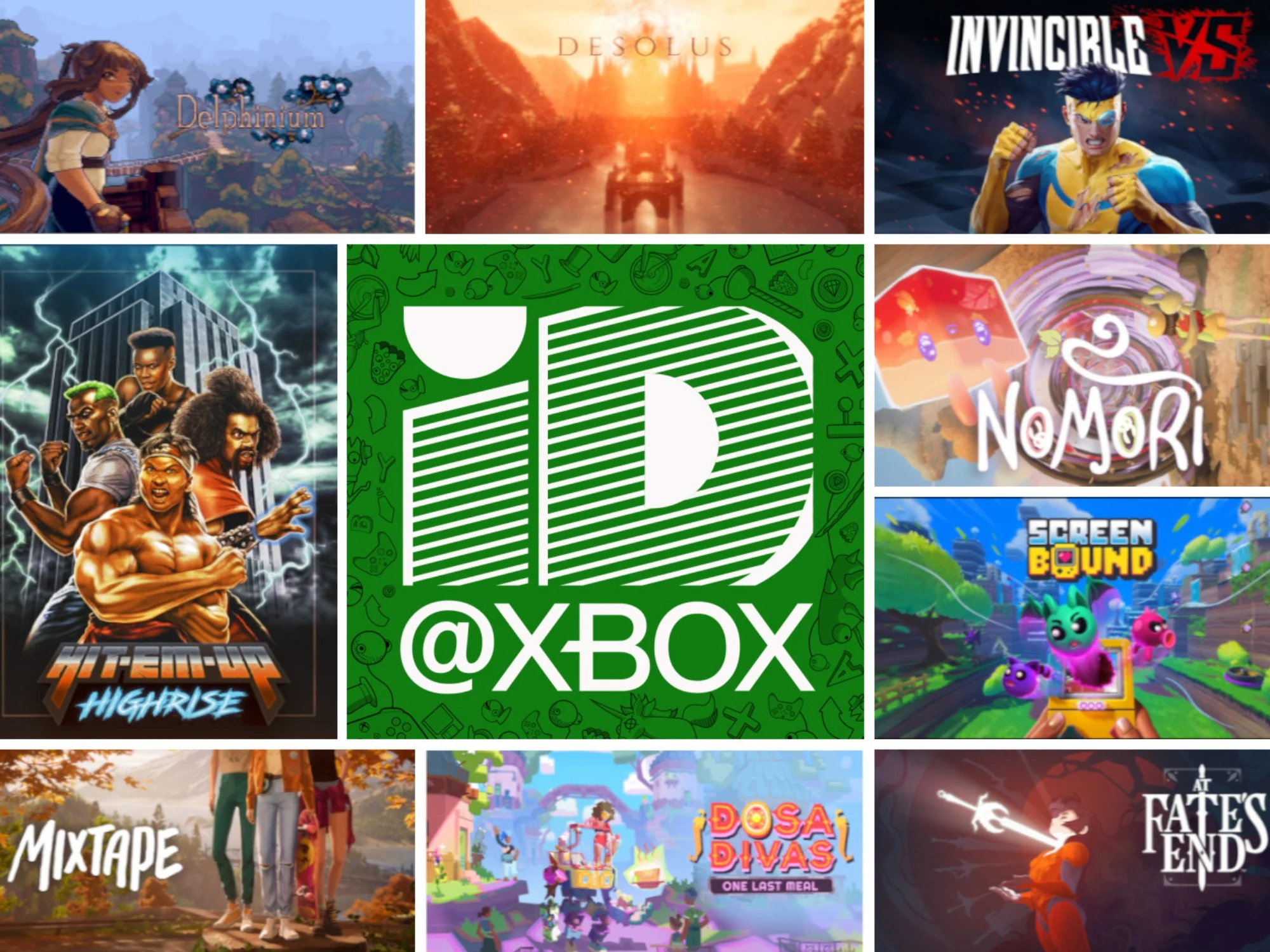
    With the release of Project Helix dev kits expected in 2027, Microsoft is looking to pull in more indie game creators. Steam is seen as the go-to platform for smaller projects to gain quick visibility. Nevertheless, Guy Richards, Director of ID(Independent Developers)@Xbox, believes that backing the new console could lead to increased sales.

    Discussion at GDC 2026

    During the GDC 2026 event, Richards spoke with The Game Business about indie developers’ involvement in Project Helix. There are still many questions surrounding the system, which the executive failed to clarify. It remains uncertain if Xbox exclusives will be a factor or if all games will be compatible with Windows. However, creating games for PCs will guarantee that they work with the hardware.

    Compatibility and Market Options

    If Helix indeed supports Steam and other platforms as rumored, studios might keep collaborating directly with Valve. Games that are not fully integrated into Microsoft’s ecosystem would not be available on the Xbox storefront or app. Additionally, they wouldn’t provide cross-platform features like Play Anywhere.

    Richards presents a solution to compete with Steam by suggesting a “build once and ship everywhere” strategy. At GDC, Microsoft highlighted its Game Development Kit (GDK), which broadens the distribution of published games. Titles would be accessible not just on PCs and the upcoming Xbox console, but also on handheld devices and smart TVs.

    Sales Opportunities for Indie Developers

    The director emphasizes that “launching your game on many different platforms and stores boosts your chances for sales.” Even prior to the Helix’s launch, he points out that a record number of Xbox partners are making at least $100,000 per project. While this amount might be trivial for larger studios, only a small portion of indie games on Steam achieve such success.

    Microsoft faces a challenging road ahead in taking on Valve’s stronghold on PCs. The Steam Machine is a competitor, aiming for the same audience that the new Xbox console is targeting. Some critics argue that Play Anywhere may actually hinder repeat purchases across different devices. Furthermore, certain projects might align better with Steam’s traditional pricing strategy compared to a Game Pass subscription.

    The Game Business, Christopher Dring X account.

    Source:
    Link