Tag: overheating issues

  • OnePlus 15 Overheating Problems: Company Keeps It Under Wraps

    OnePlus 15 Overheating Problems: Company Keeps It Under Wraps

    Key Takeaways

    1. The OnePlus 15 struggles to keep the Snapdragon 8 Elite Gen 5 SoC cool, particularly during high-quality video recording, reaching temperatures of 50 degrees Celsius.
    2. A leaker, Debayan Roy, faced issues with the camera, leading to a five-minute disablement after overheating during testing.
    3. OnePlus requested Roy to delete the post about the overheating camera issue, indicating a possible attempt to control negative publicity.
    4. The OnePlus 15 has a history of overheating problems, unable to complete benchmarks due to excessive heat.
    5. Despite strong battery life and fast charging, the device’s cooling system is inadequate for handling intensive tasks.


    Looks like the OnePlus 15 has some trouble keeping the powerful Snapdragon 8 Elite Gen 5 SoC cool, especially when making high-quality videos. Even worse, it appears that the company may not want this information to get out. This impression comes from an update provided by a tipster who has been hands-on with the OnePlus 15.

    Insights from a Leaker

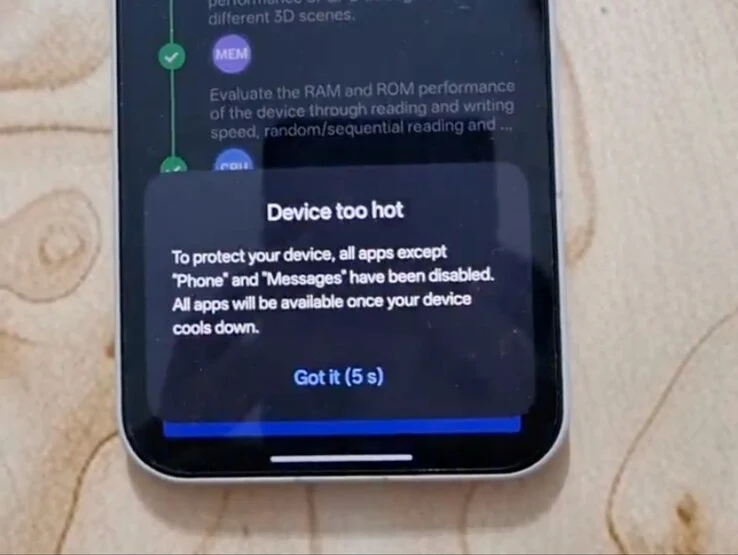
    Debayan Roy has been providing updates about the OnePlus 15 on X while testing the flagship device. They have covered various aspects like build quality, speakers, haptics, and overall performance. However, when Roy turned their attention to the cameras, they discovered that the phone reached a temperature of 50 degrees Celsius and stopped the recording. After this, the camera was disabled for five minutes. This issue arose after successfully testing the cameras indoors and having a four-to-five-hour gap before moving outside.

    Company Response

    Shortly after this revelation, OnePlus reportedly requested Roy to remove the post. The leaker disclosed on X that OnePlus made them delete the camera-related update. They also noted that since this was a review unit, they won’t be able to share the full review as they had originally intended. So far, OnePlus has not responded, and the leaker hasn’t shared the specifics of their communication with the company.

    Ongoing Overheating Issues

    This isn’t the first time the OnePlus 15 has faced overheating problems. Last week, Roy mentioned that while running benchmarks in 3D Mark Wild Life and AnTuTu, the phone could not finish either test due to overheating. YouTuber Max Tech also reported overheating during the 3D Mark Wild Life Extreme Stress Test, but that came after completing a few other benchmarks without issues.

    The OnePlus 15 was launched in China last month and went global on November 13, but it didn’t launch in the US market. While its impressive battery life and rapid charging capabilities outperform the iPhone 17 Pro Max and other flagship phones, the cooling system appears to be having difficulty managing the SoC during intensive tasks.


    Source:
    Link


  • Liquid Metal in PS5 Pro May Increase Defects

    Liquid Metal in PS5 Pro May Increase Defects

    Key Takeaways

    1. Initial complaints about faulty PlayStation 5 consoles are linked to liquid metal thermal paste issues.
    2. The vertical positioning of the console can compromise the seal, causing liquid metal to leak onto the motherboard.
    3. Overheating and potential short circuits result from liquid metal flow, affecting console performance.
    4. The issue is mainly reported in the launch model but also affects PS5 Slim and PS5 Pro versions.
    5. A recent survey shows an increase in overheating complaints among players, with 3% currently affected.


    A few years back, initial users started to voice their frustrations regarding faulty PlayStation 5 consoles, which were linked to issues with the liquid metal thermal paste used in the processor. iFixit’s teardown reveals that Sony employs liquid metal for better heat transfer from the APU to the heatsink. This thermal paste is secured by a unique type of seal.

    Issues with Vertical Positioning

    Nonetheless, when the console is set up vertically, this seal might not be secure enough, potentially allowing the liquid metal to flow from the processor onto the motherboard. This results in two main issues. Firstly, the APU cannot effectively dissipate heat due to the diminished thermal conductor, which can lead to overheating of the chipset and cause the console to crash. Secondly, the liquid metal, which conducts electricity, can cause short circuits on the motherboard.

    Increasing Complaints

    In a recent video by Moore’s Law is Dead, the founder of Alderon Games discusses how more gamers have been reporting this issue over time. This problem mainly impacts the launch model but has also been seen in the PS5 Slim and PlayStation 5 Pro (starting at $699 on Amazon). While Sony has made improvements in these newer versions, the risk remains since liquid metal is still used in all these consoles.

    User Experience

    For many users, the issue appears as the console crashing during extended gaming sessions, leading to overheating. The more resource-intensive the game is, the quicker the chipset overheats and shuts down due to the faulty cooling system. A survey conducted by the developer indicates that this problem currently affects around 3% of Path of Titans players, an increase from 2% just a few months ago. It is currently not feasible to predict how many consoles might experience this defect in the future.

    Source:
    Link


  • Igor’s Lab Discovers Hotspot Issues in All RTX 50 Graphics Cards

    Igor’s Lab Discovers Hotspot Issues in All RTX 50 Graphics Cards

    Key Takeaways

    1. Significant overheating problems exist in all partner RTX 50 series GPUs, including the RTX 5080, RTX 5070 (Ti), and RTX 5060 Ti.
    2. Flawed power delivery design leads to high temperatures, with some areas reaching up to 107.3°C.
    3. The compact design sacrifices thermal efficiency, causing high thermal density, particularly around voltage converters.
    4. High temperatures were recorded during testing, with the PNY RTX 5070 hitting 107.3°C and the Palit RTX 5080 reaching 80.5°C.
    5. Inadequate cooling solutions contribute to elevated temperatures, potentially shortening the lifespan of these graphics cards to just a few years.


    Tech news and review site Igor’s Lab has released a new report that reveals significant overheating problems with all partner RTX 50 series GPUs, such as the RTX 5080, RTX 5070 (Ti), and RTX 5060 Ti.

    Power Delivery Issues

    The report, referenced by Tom’s Hardware, indicates that the design of the power delivery systems is flawed, with components too tightly packed together. This results in high-temperature zones in the power delivery area, with some temperatures reaching as much as 107.3°C.

    Thermal Anomalies in the RTX 5060 Ti

    Specifically, the 5060 Ti exhibited a lot of thermal irregularities in its power delivery region. The report warns that such elevated temperatures could damage the graphics cards after several years of continuous operation.

    Compact Design Problems

    The issues stem from the compact nature of the component arrangement, which sacrifices thermal efficiency. The report highlights that thin copper layers in the PCB, linked with power lanes, create high thermal density on the board. This is especially apparent around the voltage converters that supply power to the GPU.

    The report also points out that Nvidia’s thermal design guidelines for the RTX 40 series cards focus on optimal conditions instead of worst-case scenarios.

    High Temperature Measurements

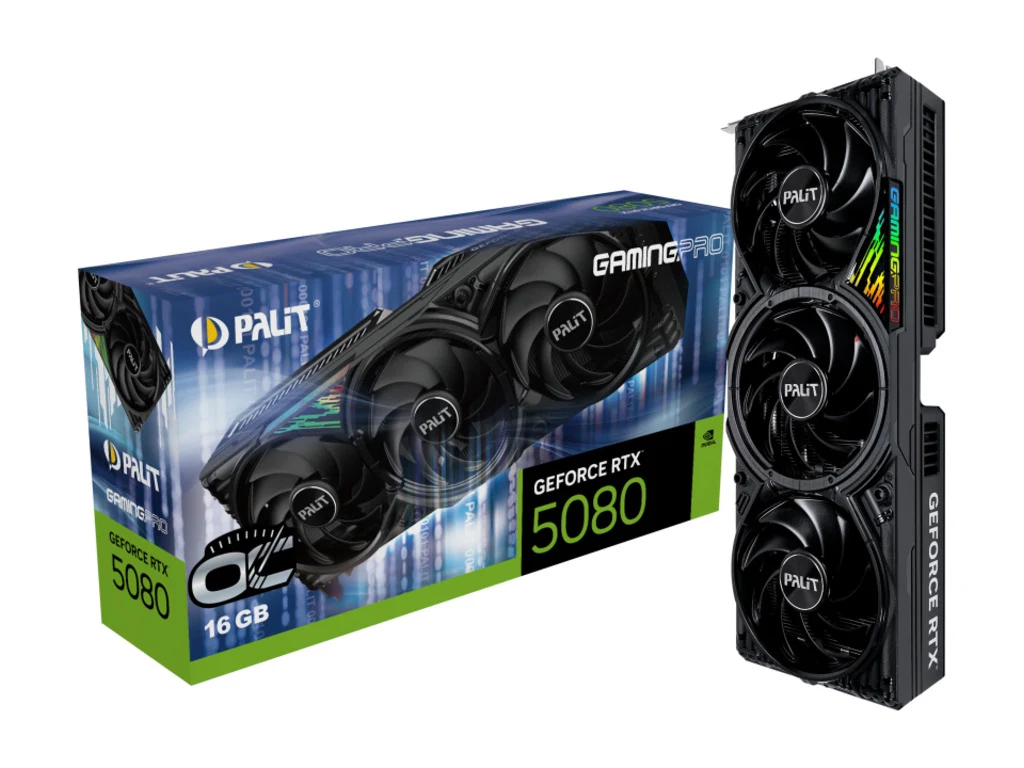
    Among the GPUs tested by Igor’s Lab, the Palit RTX 5080 Gaming Pro OC recorded high temperatures between the rear display outputs and the GPU die, reaching up to 80.5°C. Meanwhile, the PNY RTX 5070 hit a staggering 107.3°C in the same region.

    Inefficient Cooling Solutions

    The primary problem identified is the inadequate cooling for the components. Igor’s Lab performed retests on the two graphics cards after implementing a thermal modification. The Palit 5080 showed a temperature of 70.3°C post-modification, while the PNY 5070 decreased to 95°C. It’s important to note that temperatures above 80°C can lead to “ageing effects.” These elevated temperatures will likely shorten the lifespan of these graphics cards to just a few years of use.

    Source:
    Link

  • Realme GT 7 Pro Heating Issue: Snapdragon 8 Elite Explained

    Realme GT 7 Pro Heating Issue: Snapdragon 8 Elite Explained

    Several top-tier smartphones featuring the newly powerful Snapdragon 8 Elite are set to debut in China, including the Realme GT 7 Pro on November 4. Realme has already provided some units to select reviewers, and while the Snapdragon 8 Elite claims to offer significant performance improvements, early feedback from Android Authority and Digital Trends points to possible problems.

    Performance Aims

    The GT 7 Pro, equipped with Qualcomm’s cutting-edge chipset, strives to dominate the market with its robust custom Oryon CPU cores (two prime cores running at 4.32GHz and six performance cores at 3.53GHz). Qualcomm asserts that the Snapdragon 8 Elite presents a 45% increase in performance and a 40% enhancement in graphics. However, preliminary assessments show a variety of outcomes.

    Benchmarking Issues

    In spite of the chip’s remarkable specifications, initial benchmarks reveal troubling overheating problems. Both Android Authority and Digital Trends noted that the Realme GT 7 Pro had difficulty completing early GPU stress evaluations. During tests like 3DMark’s Wild Life and Solar Bay, the device triggered alerts for elevated temperatures, ultimately shutting down or limiting its capabilities to prevent harm. Reported temperatures soared to 46°C during these evaluations, far exceeding the safe operating limits for most smartphones.

    Hidden Performance Modes

    Curiously, when the benchmarking application was camouflaged to bypass Realme’s potential performance tweaks, the device managed to pass the tests without issue. This suggests that the GT 7 Pro may have certain “benchmark-boosting” configurations that enhance performance but compromise heat management. Realme has acknowledged this practice as “targeted optimizations.” The company explains that these configurations prioritize performance when benchmarks are detected, possibly shedding light on the extreme heat levels and resulting shutdowns.