Tag: MediaTek Dimensity 9500

  • Vivo X300 vs X300 Pro: Specs Comparison of Display, Performance, Cameras, Battery

    Vivo X300 vs X300 Pro: Specs Comparison of Display, Performance, Cameras, Battery

    Key Takeaways

    1. Design and Size: The Vivo X300 is smaller and lighter (150.57 × 71.92 × 7.95 mm, 190 g) compared to the larger and heavier X300 Pro (161.98 × 75.48 × 7.99 mm, 226 g).

    2. Display Differences: The X300 features a 6.31-inch AMOLED display with a resolution of 2640 × 1216, while the X300 Pro has a larger 6.78-inch display with a resolution of 2800 × 1260 and a slightly better screen-to-body ratio.

    3. Camera Specifications: The X300 has a 200 MP primary camera, while the X300 Pro offers a 50 MP gimbal-stabilized main camera and a 200 MP Zeiss telephoto lens, supporting 8K video versus the X300’s 4K.

    4. Battery Capacity: The X300 Pro has a larger 6,510 mAh battery, offering longer standby (20.9 days) and talk times (28.1 hours) compared to the X300’s 6,040 mAh battery (19 days standby, 23.4 hours talk).

    5. Unique Features: The X300 Pro Photographer Edition supports Beidou satellite messaging for communication, which is not available on the X300, and includes a multi-spectral sensor for enhanced color and ambient light data collection.


    The Vivo X300 series showcases the brand’s newest flagship offering, combining Zeiss lenses, cutting-edge AI processing, and the MediaTek 3 nm Dimensity 9500 chip. Although both devices share the same foundational hardware, the X300 and X300 Pro vary in their camera features, build, and several important aspects. Let’s take a deeper dive into their standout specifications and distinctions.

    Size and Design Differences

    The Vivo X300 is designed to be smaller and lighter, whereas the X300 Pro is bigger and more robust. The dimensions for the X300 are 150.57 × 71.92 × 7.95 mm with a weight of 190 g, in contrast to the X300 Pro’s 161.98 × 75.48 × 7.99 mm and a heftier weight of 226 g.

    Display Features

    In terms of screens, the X300 has a 6.31-inch AMOLED display boasting a resolution of 2640 × 1216 and a 19.54:9 aspect ratio. The X300 Pro, on the other hand, upgrades to a 6.78-inch display with a resolution of 2800 × 1260 and a 20:9 aspect ratio. The Pro also achieves a slightly enhanced screen-to-body ratio of 94.85%, compared to 94.66% for the standard model.

    Both devices utilize the same MediaTek Dimensity 9500 processor, which is built on a 3 nm architecture, featuring an 8-core setup (1×4.21 GHz, 3×3.5 GHz, and 4×2.7 GHz), along with a Mali-G1 Ultra GPU.

    Memory and Connectivity

    The only slight difference in specifications is seen outside the CPU and GPU — the Vivo X300 Pro 1TB Photographer Edition comes with LPDDR5X Ultra Pro four-channel RAM and includes satellite communication support, offering marginally improved memory bandwidth and extra connectivity options. That said, the core performance remains identical across both devices.

    The X300 has a 200 MP primary camera with typical OIS, while the X300 Pro features a 50 MP gimbal-stabilized main camera aimed at enhanced motion and low-light capture. The telephoto lens varies as well — the X300 includes a 50 MP sensor with 3× optical zoom, while the X300 Pro upgrades to a 200 MP Zeiss APO lens with 3.5× optical zoom. The Pro model also supports 8K video recording, unlike the X300 which has a 4K restriction.

    Battery Life Comparison

    When it comes to battery life, the difference between the two models is in capacity and longevity. The Vivo X300 Pro is equipped with a larger 6,510 mAh battery compared to the X300’s 6,040 mAh, leading to longer standby times (20.9 days against 19 days) and talk times (28.1 hours vs. 23.4 hours).

    Both smartphones run on OriginOS 6, which is based on Android 16, and they support dual 5G connectivity over major global bands. Furthermore, they come with Wi-Fi 7 (2.4 GHz, 5.1 GHz, and 5.8 GHz) featuring 2×2 MIMO and MU-MIMO, Bluetooth 5.4 supporting various codecs such as SBC, AAC, aptX, aptX HD, LDAC, and LHDC 5.0, NFC, and a USB 3.2 Gen1 Type-C interface that allows for DP projection and OTG reverse charging.

    Unique Features of the Pro Model

    A key distinction is that the Vivo X300 Pro Photographer Edition provides support for Beidou satellite messaging, enabling short-message communication through satellite networks, which isn’t available on the standard X300.

    Both models, the Vivo X300 and X300 Pro, are equipped with an extensive array of sensors, including an accelerometer, ambient light sensor, proximity sensor, gyroscope, and electronic compass. They also feature front and rear color temperature sensors, a 3D ultrasonic single-point fingerprint sensor, a laser focus sensor, infrared remote control, a Flicker sensor, and an X-axis linear motor.

    The only significant difference is that the X300 Pro is fitted with a multi-spectral sensor, which Vivo claims is utilized for gathering color and ambient light data. In contrast, the X300 has a Hall sensor for detecting magnetic accessories.

    If you’re interested in the variants and pricing options for the Vivo X300 series, you can check them out here — one for the X300 Pro and another for the X300.

    Source:
    Link


  • Vivo X300 Launches in China: 200 MP Camera, Dimensity 9500, $605

    Vivo X300 Launches in China: 200 MP Camera, Dimensity 9500, $605

    Key Takeaways

    1. Camera Enhancements: The Vivo X300 features a 200 MP main camera and a 50 MP ultra-wide lens, while the X300 Pro includes improved night-mode and larger glass components.

    2. Video Capabilities: Both models have a 50 MP front camera with 4K video recording at 60 FPS, motion-tracking autofocus, and quick video burst options.

    3. Performance Specifications: The series runs on MediaTek’s Dimensity 9500 chipset with LPDDR5X RAM and up to 1 TB UFS 4.0 storage, featuring a 6,040 mAh battery and advanced thermal management.

    4. Cross-Device Ecosystem: The X300 series supports seamless interaction with Apple devices, including features like iCloud access and cross-device mirroring, limited to users with a Chinese Apple ID.

    5. Availability and Colors: The Vivo X300 will be available in four colors in China, with a global launch expected in November 2025.


    Vivo has launched the X300 series in China, showcasing significant camera enhancements and unmatched compatibility across platforms. Both the X300 and X300 Pro are equipped with MediaTek’s Dimensity 9500 SoC, which is constructed using a 4 nm process. They also come with the proprietary Blueprint V3+ imaging chip and operate on OriginOS 6, which is based on Android 15.

    Impressive Camera Features

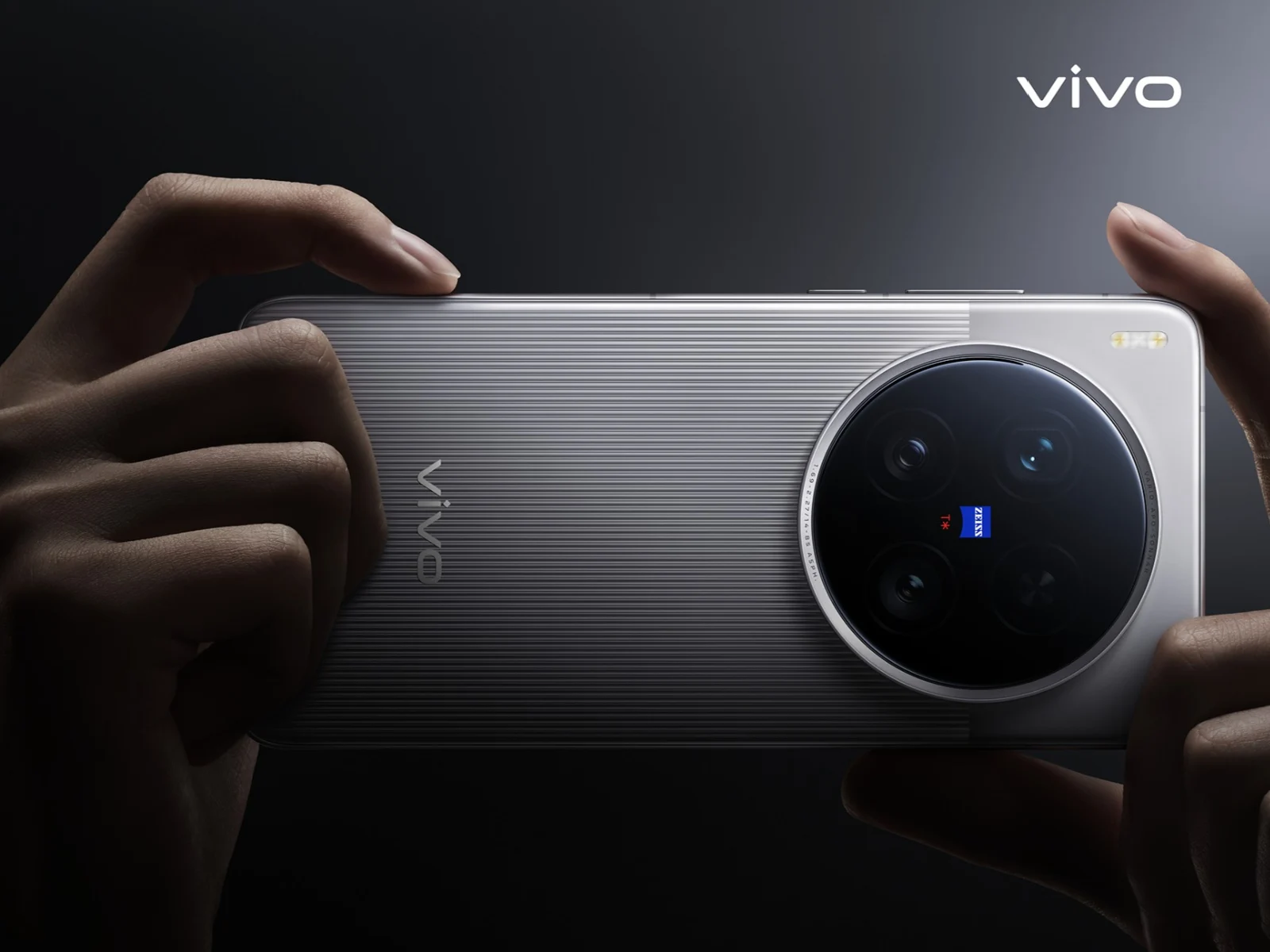
    The Vivo X300 boasts a 200 MP Zeiss Super Main Camera protected by Zeiss T* glass. This is complemented by a 50 MP ultra-wide lens and a Zeiss APO telephoto lens that provides optical zoom capabilities. The X300 Pro takes things a step further with larger glass components and enhanced night-mode functionality.

    Front Camera and Video Capabilities

    For selfies, both devices feature a 50 MP autofocus camera specifically calibrated for Zeiss Natural Color imaging. The Blueprint V3+ NPU allows for 4K 60 FPS portrait video recording and motion-tracking autofocus, along with Vivo’s “Zero-Additive” Natural Portrait Mode. Users can also take quick 4K video bursts that can be transformed into still sequences via Live Photo.

    Display and Performance

    The X300 series showcases a 6.78-inch BOE Q10 Plus LTPO AMOLED display that offers adaptive refresh rates and TÜV-certified eye protection. The thickness of the device measures 7.95 mm, while it weighs in at 190 g.

    It runs on the MediaTek Dimensity 9500 chipset, combined with LPDDR5X RAM and UFS 4.0 storage that goes up to 1 TB. Vivo has also integrated an upgraded thermal management system aimed at sustaining performance during extended AI or gaming tasks. The phone is powered by a 6,040 mAh Blue Ocean battery and includes USB 3.2 connectivity.

    Cross-Device Ecosystem

    A standout feature is Vivo’s “Cross-Device Ecosystem” (破壁生态), which facilitates smooth interaction between the X300 series and Apple devices.

    The X300 series enhances Vivo’s commitment to cross-platform functionality, building upon the Vivo X Fold 5. This model is said to support Apple Watch features, iCloud access, and cross-device mirroring; however, these features currently only operate with an Apple ID registered in China. Similarly, Huawei has provided limited cross-compatibility through its HarmonyOS ecosystem, enabling basic connections between wearables and simple file sharing.

    Availability and Color Options

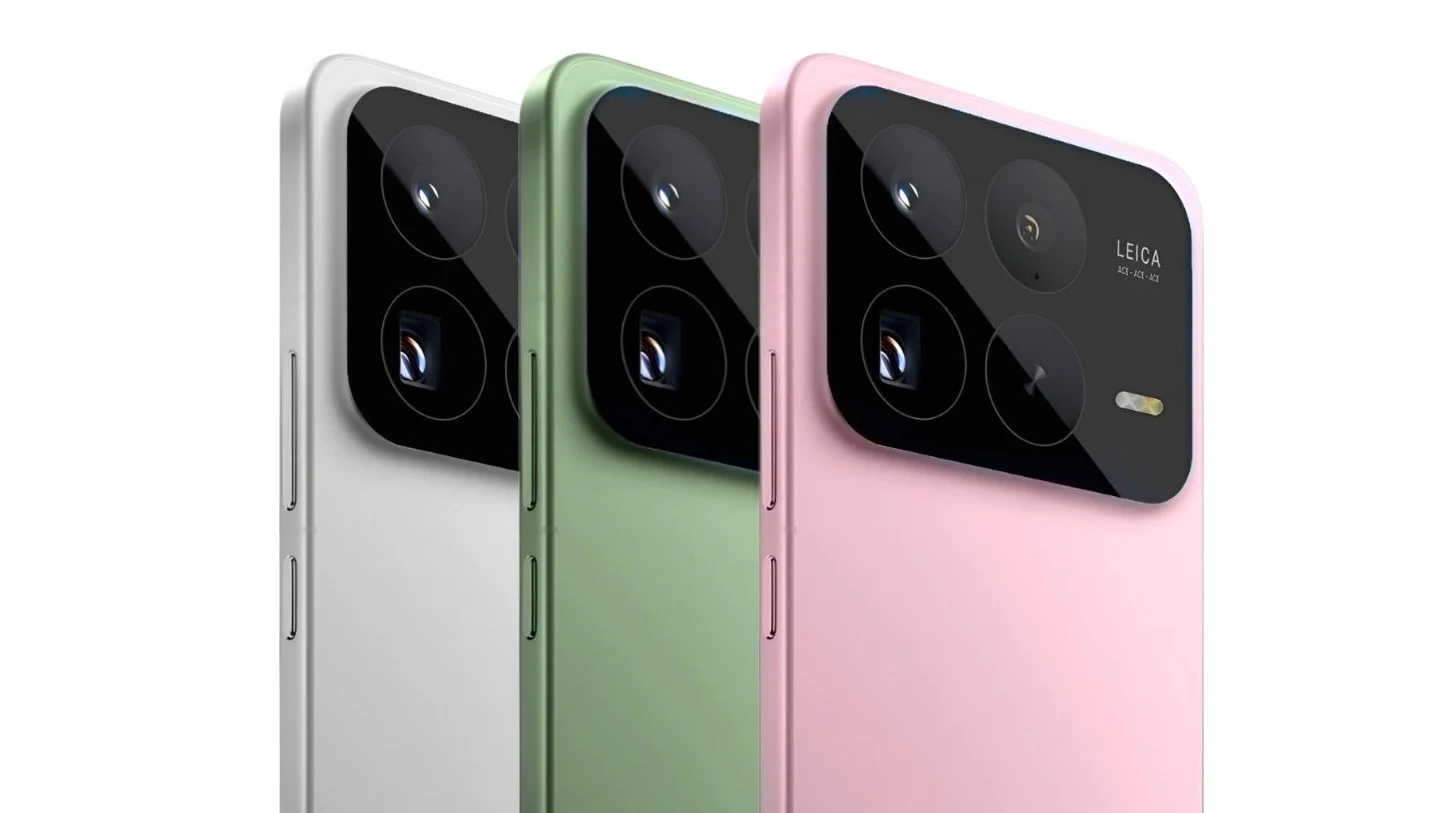
    The Vivo X300 will be offered in four configurations in China: Fortune Pink, White Blue, Sea Blue, and Graphite Black. Global launch is anticipated to take place in November 2025.

    Source:
    Link


  • Qualcomm Snapdragon 8 Elite Gen 5 vs Dimensity 9500 vs Apple A19 Pro Efficiency Comparison

    Qualcomm Snapdragon 8 Elite Gen 5 vs Dimensity 9500 vs Apple A19 Pro Efficiency Comparison

    Key Takeaways

    1. Power Consumption: The Snapdragon 8 Gen 5 Elite uses 19 watts under full CPU load, compared to 12 watts for the Apple A19 Pro and 17 watts for the previous Snapdragon 8 Elite.

    2. Efficiency Comparison: The Snapdragon 8 Gen 5 Elite is more efficient than its predecessor and the MediaTek Dimensity 9500, which has 17% lower multi-core performance.

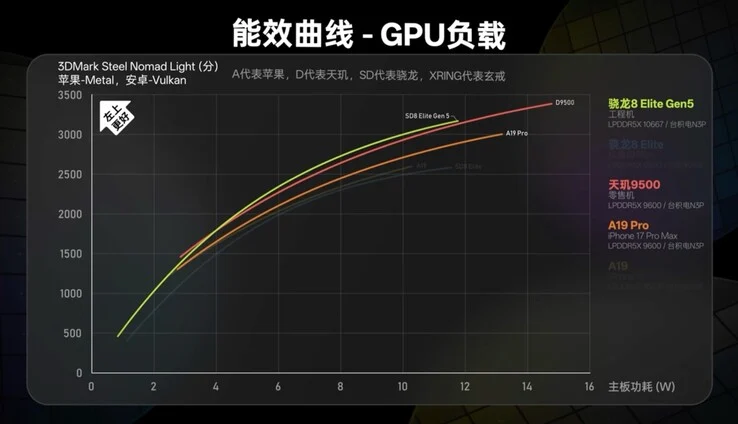
    3. GPU Performance: The Snapdragon 8 Gen 5 Elite requires around 12 watts for GPU tasks, consuming 1 to 3 watts less than the Apple A19 Pro and MediaTek Dimensity 9500 in the 3DMark Steel Nomad Light benchmark.

    4. Gaming Suitability: MediaTek’s top chip may be better suited for gaming, but initial tests show Qualcomm’s Snapdragon 8 Gen 5 Elite achieves slightly higher frame rates with similar power consumption.

    5. Core Count Advantage: The Snapdragon 8 Gen 5 Elite has eight cores, allowing it to perform better than the Apple A19 Pro, which has six cores, despite the latter’s efficiency.


    The Qualcomm Snapdragon 8 Elite Gen 5 was officially launched on Wednesday, and shortly after, we shared the first benchmark results. The YouTube channel Geekerwan has now provided more data on power usage, comparing performance and efficiency against the previous model, the Apple A19 Pro in the iPhone 17 Pro, and the new MediaTek Dimensity 9500.

    Power Consumption Insights

    The findings indicate that the Snapdragon 8 Gen 5 Elite uses about 19 watts when the CPU is fully loaded, while the Apple A19 Pro requires just 12 watts, and the Snapdragon 8 Elite consumes 17 watts. This shows that the new model is much more efficient compared to both its predecessor and the MediaTek Dimensity 9500, which lags behind in multi-core performance by 17%. The Apple A19 Pro is also efficient, but its lower clock speeds and six cores limit its performance compared to the eight cores of the Snapdragon 8 Gen 5 Elite, especially when more power can be used.

    GPU Performance Comparison

    In terms of GPU benchmarks, the situation shifts. The Snapdragon 8 Gen 5 Elite requires around 12 watts, which is 1 to 3 watts less than its rivals from Apple and MediaTek when tested in 3DMark Steel Nomad Light. In this benchmark, the performance of the Apple A19 Pro is still outperformed, while the MediaTek Dimensity 9500 shows better GPU performance than the Snapdragon 8 Gen 5 Elite.

    Gaming Suitability

    This could mean that MediaTek’s top chip is more appropriate for gaming smartphones. However, it’s uncertain if this holds true in real-world usage, as Geekerwan’s testing indicated that Qualcomm’s flagship chip achieved a slightly higher frame rate with nearly the same power consumption during an initial gaming test.

    Source:
    Link


  • Oppo Find X9 Series Specs Leak Reveals Exciting New Feature

    Oppo Find X9 Series Specs Leak Reveals Exciting New Feature

    Key Takeaways

    1. The Oppo Find X9 series will feature the advanced MediaTek Dimensity 9500 SoC, competing with Snapdragon 8 Gen 5 Elite and Apple A19 Pro, launching on October 16.
    2. Both models will have flat displays (6.59 inches for Find X9 and 6.78 inches for Find X9 Pro) and a 200 MP periscope camera, with the camera potentially exclusive to the Pro version.
    3. The devices are expected to have a battery exceeding 7,000 mAh, an ultrasonic fingerprint sensor, and IP68/IP69 ratings for dust and water resistance.
    4. The Find X9 series may introduce dual physical AI buttons, adding AI-enhanced functionalities, although details remain uncertain.
    5. Teaser images suggest standard models retain familiar buttons, with the potential for extra buttons in the Pro version, pending further leaks and confirmations.


    Oppo’s upcoming Find X9 series has been officially announced to feature the advanced MediaTek Dimensity 9500 SoC, which competes with both the Snapdragon 8 Gen 5 Elite and the Apple A19 Pro. The models, Find X9 and Find X9 Pro, are set to be launched on October 16. If the latest leaks are to be believed, these phones might include an innovative feature that would be the first of its kind globally, although its practicality remains uncertain.

    Design and Display Details

    According to well-known leaker Digital Chat Station on Weibo, the Find X9 series will boast flat displays measuring 6.59 inches for the standard version and 6.78 inches for the Pro variant. Both models will feature a 200 MP periscope camera, although this may only be available on the Pro version. Additionally, the devices are expected to have a substantial battery exceeding 7,000 mAh (which Oppo has confirmed), an ultrasonic fingerprint sensor, and will meet IP68/IP69 ratings for dust and water resistance.

    Exciting New Features

    The 200 MP periscope camera is a significant enhancement, but the real surprise comes with the proposed addition of two AI buttons. The leaker states that the Find X9 series will introduce the “dual physical AI button,” according to a machine translation from Chinese. This indicates that there will be two physical buttons located on the phones, both of which will offer AI-enhanced functionalities. However, it’s important to note that this translation might not be entirely accurate.

    The Oppo Find X8 Pro previously featured a Quick Button, similar to Apple’s Camera Control, positioned on the right side of the device for easy use during landscape photography and videography. The Find X8 Pro also includes an alert slider on the left and the volume, power, and Quick Button on the right.

    Teaser Images and Speculations

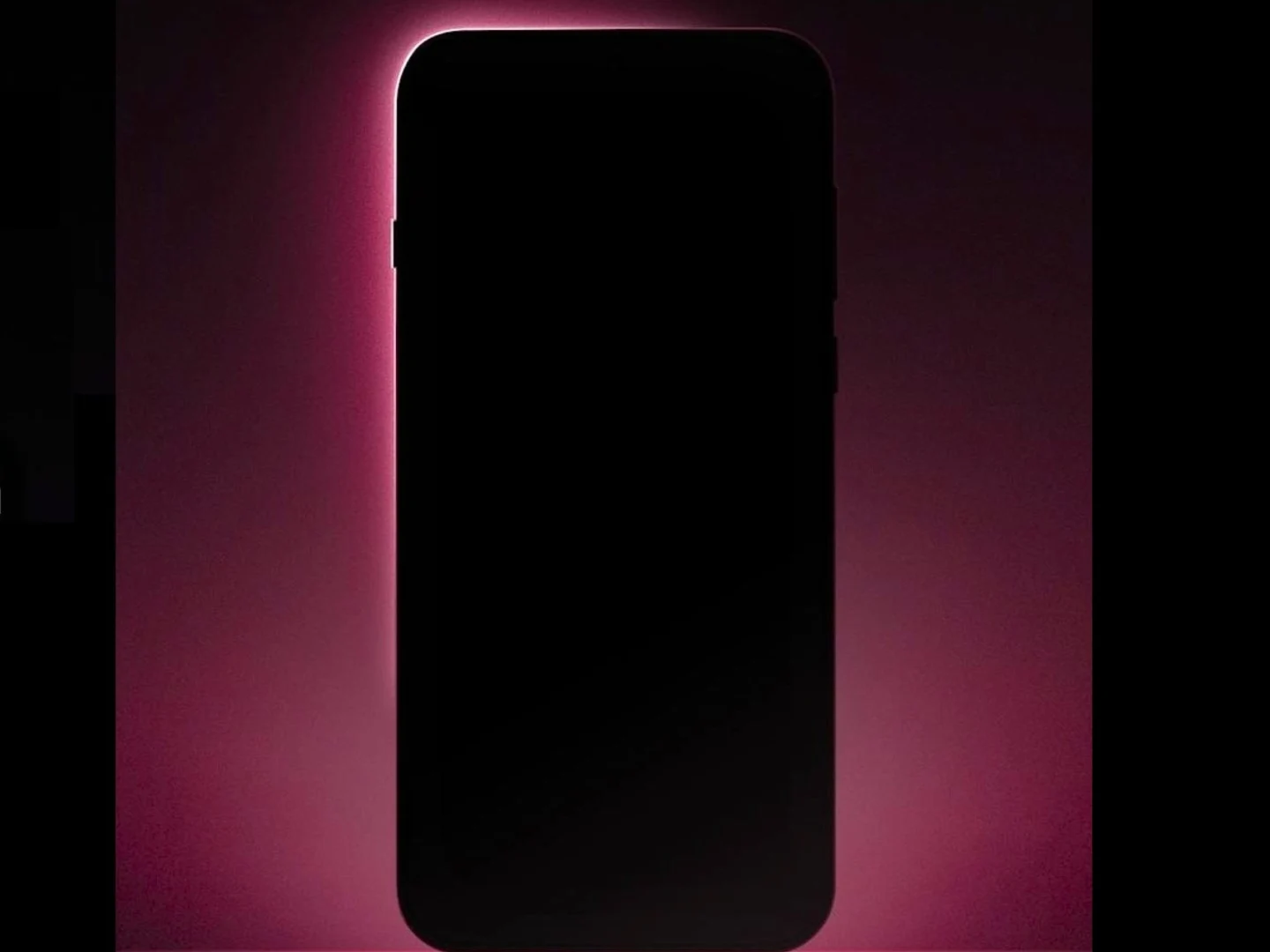
    Teaser images released by Oppo for the Find X9 series show the alert slider, volume, and power buttons, but no additional physical buttons are visible. It’s possible that these images pertain to the standard model, with the extra buttons being exclusive to the Pro version. Interestingly, the Quick Button on the Find X8 Pro is level with the frame, making it invisible from the front view. It remains uncertain if Oppo plans to reintroduce the Quick Button in the Find X9 series alongside two new AI buttons.

    We will need to be patient for a few more weeks until we receive official confirmation. However, as the launch date approaches, it’s likely that more leaks will come out, providing additional insights into the design, features, and pricing of the upcoming phones.

    Source:
    Link


  • Vivo X300 Ultra Set to Launch with 35MP Camera Upgrade

    Vivo X300 Ultra Set to Launch with 35MP Camera Upgrade

    Key Takeaways

    1. Vivo is set to launch the X300 and X300 Pro soon, with a release expected within a month.
    2. The X300 and X300 Pro will feature MediaTek’s Dimensity 9500 chipset, joining Oppo’s Find X9 series.
    3. The X300 Ultra’s launch is delayed until spring 2026, as indicated by the release schedule of previous models.
    4. The X300 Ultra may include a 200 MP Sony IMX09E main camera, which offers advanced features compared to competitors.
    5. The IMX09E sensor could potentially be paired with a 35 mm lens, promising exceptional image quality and positioning Vivo against high-end rivals like Samsung’s Galaxy S25 Ultra.


    The Vivo X300 Ultra’s launch is still some time away. Meanwhile, Vivo is getting ready to unveil the X300 and X300 Pro. These two devices are expected to be released within a month at most.

    New Features Ahead

    As we’ve mentioned before, the X300 and X300 Pro are among the first smartphones to use MediaTek’s Dimensity 9500 chipset, sharing the spotlight with the Oppo Find X9 and Find X9 Pro. In contrast, the X100 Ultra and X200 Ultra’s release schedule suggests that Vivo will hold off on the X300 Ultra until spring 2026.

    Camera Innovations

    Nevertheless, Digital Chat Station has shared that they have some early insights on Vivo’s upcoming Ultra-branded flagship. In a post on Weibo, the leaker hinted that Vivo plans to include the Sony IMX09E as the main camera for the X300 Ultra. This 200 MP sensor is believed to be technically better than the LYT-900, featuring a 1/1.12-inch optical format, 0.7 μm pixel size, and over 100 dB dynamic range.

    Although it has not been confirmed, the IMX09E could position Vivo against Samsung’s Galaxy S25 Ultra (currently priced at $1,075 on Amazon), which is one of the limited flagships with a 200 MP primary camera. To enhance this, Digital Chat Station proposes that Vivo might pair the IMX09E with a 35 mm lens, potentially outdoing the Vivo X200 Ultra as well. This sensor is reportedly large enough to deliver ‘exception image quality’ even at 70 mm.

    Source:
    Link


  • OnePlus 15, Vivo X300 Pro, Oppo Find X9 Get 3C Certification

    OnePlus 15, Vivo X300 Pro, Oppo Find X9 Get 3C Certification

    Key Takeaways

    1. Two new top-tier chipsets, MediaTek Dimensity 9500 and Qualcomm Snapdragon 8 Elite 2, are set to launch soon.
    2. Chinese firms like Xiaomi, Oppo, Vivo, and OnePlus are expected to be the first to release smartphones using these chipsets.
    3. Three flagship smartphones, OnePlus 15, Vivo X300 Pro, and Oppo Find X9, have received 3C certification in China.
    4. The OnePlus 15 will use the Snapdragon 8 Elite 2 and is confirmed to include a 120W charger.
    5. Vivo X300 Pro and Oppo Find X9 are expected to feature the MediaTek Dimensity 9500, with 90W and 80W chargers, respectively.


    Later this month, we can expect the launch of two new top-tier chipsets: the MediaTek Dimensity 9500 and the Qualcomm Snapdragon 8 Elite 2. Several Chinese firms, such as Xiaomi, Oppo, Vivo, and OnePlus, are likely to be the first to introduce smartphones that utilize these new chipsets. In fact, three flagship models have already achieved 3C certification in China.

    Certified Smartphones

    The smartphones that have obtained 3C certification include the OnePlus 15, Vivo X300 Pro, and Oppo Find X9. The OnePlus 15 is anticipated to run on the Snapdragon 8 Elite 2 chipset. It has been listed on the 3C certification website under the model number PLK110, and it confirms that it will come with a 120W charger.

    Device Specifications

    On the other hand, both the Vivo X300 Pro and Oppo Find X9 are expected to feature the MediaTek Dimensity 9500 chipset. According to the 3C certification site, these devices have been certified with the model numbers V2502A and PLJ110, respectively. The Vivo X300 Pro could come with a 90W charger, while the Oppo Find X9 might have an 80W charger included.

    In the wake of the new flagship chipsets being announced by MediaTek and Qualcomm in late September, Chinese smartphone brands are predicted to launch these devices in October within China. However, the worldwide release might happen later on.

    Source:
    Link


  • Xiaomi 16 and Other Flagships Set to Launch on September 24, 2026

    Xiaomi 16 and Other Flagships Set to Launch on September 24, 2026

    Key Takeaways

    1. Qualcomm’s Snapdragon 8 Elite Gen 5 will be revealed on September 23 at the Snapdragon Summit in Hawaii.
    2. Mediatek is set to showcase its Dimensity 9500 SoC a day earlier, on September 22.
    3. The Xiaomi 16 series, including the standard and Pro Max models, is expected to launch between September 24 and September 26 in mainland China.
    4. Multiple smartphone brands, including Xiaomi, Oppo, and Vivo, are likely to tease new devices by September’s end.
    5. The global launch of flagship phones in Europe and the US may follow, with Samsung’s Galaxy S26 series expected to lead the way.


    Once more, Qualcomm and Mediatek seem to be moving their significant launch events ahead by a few weeks this year. For the Snapdragon 8 Elite successor, this has already been confirmed. On September 23, the mobile platform, which may be called Snapdragon 8 Elite Gen 5, will be revealed at the Snapdragon Summit taking place in Hawaii. A day earlier, Mediatek is set to showcase the next version of its flagship SoCs, the Dimensity 9500.

    Exciting New Launches Ahead

    Recently, Chinese leaker and blogger Digital Chat Station mentioned on Weibo that this timing allows Android OEMs to introduce new devices. The Xiaomi 16 might debut as soon as September 24, alongside the new Xiaomi 16 Pro Max serving as the premium model, at least until the Xiaomi 16 Ultra is launched in the first quarter of 2026. More specifically, the new Xiaomi 16 lineup is projected to be available sometime between September 24 and September 26, initially only in mainland China, of course.

    A Wave of New Smartphones

    According to the leaker, it’s not only Xiaomi that has thrilling updates planned. “Every company” is likely to begin teasing their new smartphone generations by September at the latest. This is particularly true for Chinese brands, including Xiaomi, Oppo, Vivo, OnePlus, Motorola, and Honor, along with smaller companies like RedMagic. However, it remains unclear when these flagship phones will arrive in Europe or the US. There have been whispers about an earlier global launch for the Vivo X300 Pro, but if Samsung follows its usual pattern, the Galaxy S26 series will probably be the first to kick off the new smartphone year in Europe and the US.

    Conclusion

    In summary, the tech industry is buzzing with anticipation as major players prepare to unveil their latest innovations. Keep an eye out for the exciting announcements coming soon!

    Source:
    Link


  • MediaTek Dimensity 9500 Underwhelms in Oppo Find X9 Benchmarks

    MediaTek Dimensity 9500 Underwhelms in Oppo Find X9 Benchmarks

    Key Takeaways

    1. A leak of the ‘Oppo Find X9’ design has surfaced, but it is disputed by Oppo’s executive, Zhou Yibao, who claims it is not accurate.
    2. Zhou Yibao emphasized that the actual design of the Find X9 will be more refined and confirmed there won’t be a model with 24 GB RAM and 2 TB storage.
    3. Oppo has not announced a launch date for the Find X9, but it may debut before the OnePlus 13.
    4. The Find X9 has appeared on Geekbench with a MediaTek Dimensity 9500 chipset, which has shown disappointing performance metrics.
    5. The Dimensity 9500’s CPU and GPU performance is underwhelming compared to its predecessor, despite having advanced specifications.


    Earlier today, a leak from Ice Universe emerged, showcasing what they referred to as the ‘Oppo Find X9’. Although the leaker didn’t provide much detail, enthusiasts gathered that the design depicted might be a true glimpse into one of Oppo’s upcoming flagship devices.

    Oppo’s Response

    Zhou Yibao, an Oppo executive, responded to Ice Universe’s tweet, stating that it does not correctly portray the Find X9’s actual look. Through a post on Weibo, Zhou asserted that the image shared by Ice Universe is ‘not a real picture’, and emphasized that the Find X9 will feature a ‘more refined overall’ design with enhancements. Additionally, Zhou confirmed that there will not be a version of the Find X9 with 24 GB RAM and 2 TB of storage.

    Launch Speculations

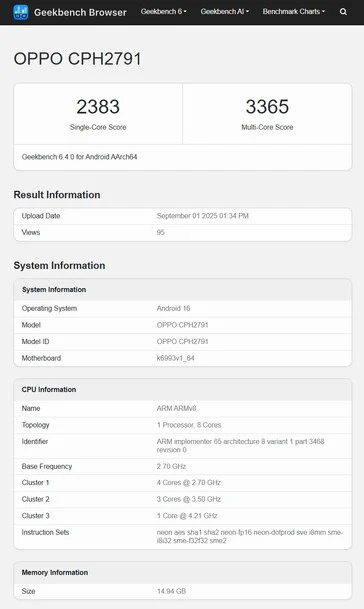
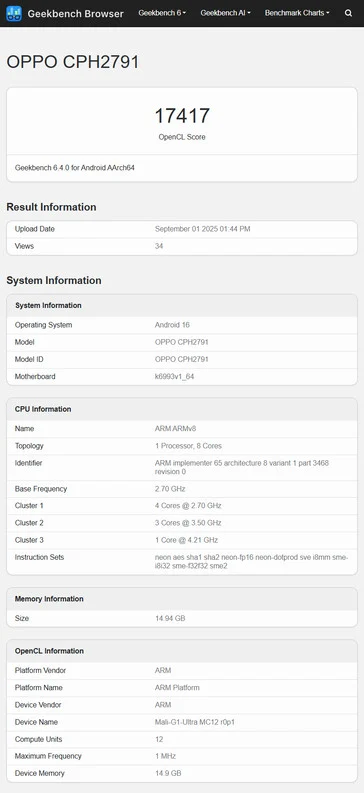
    As of now, Oppo has yet to announce a launch date for the Find X9. However, rumors suggest that the Find X9 series might debut before OnePlus unveils the OnePlus 13, which is currently priced at $849.99 on Amazon. In the meantime, it appears that the Find X9 has recently appeared on Geekbench, featuring the same MediaTek Dimensity 9500 chipset that was spotted in a recent Vivo X300 leak.

    Performance Concerns

    Unexpectedly, the Dimensity 9500 has been falling short of what many had hoped for, showing disappointing CPU and GPU performance. Even when overlooking the inaccurate multi-core score, the Dimensity 9500 lags behind its predecessor in Geekbench’s single-core and OpenCL tests, despite its three CPU clusters and Mali-G1 Ultra MC12 GPU.

    Source:
    Link


  • Oppo Find X9 Pro Leaks: Next-Gen Android Flagship Charging Specs

    Oppo Find X9 Pro Leaks: Next-Gen Android Flagship Charging Specs

    Key Takeaways

    1. The Oppo Find X9 Pro is designed to compete more effectively with the iPhone, featuring a sleek design and improved technology.
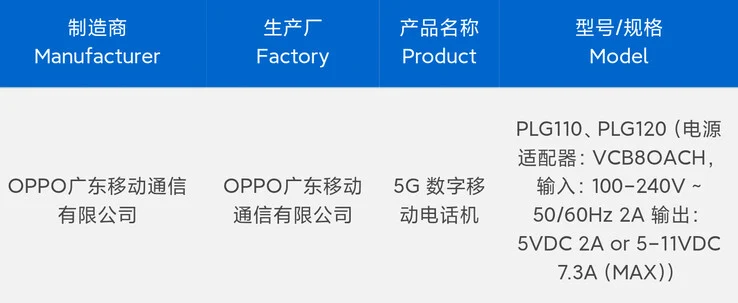
    2. It has two model numbers, PLG110 and PLG120, potentially successors to the Find X8 Pro and its Satellite Edition.
    3. The Find X9 Pro supports 80W wired charging with a larger battery capacity, similar to its predecessor.
    4. It is rumored to include magnetic wireless charging with a maximum speed of 50W, exceeding the current Qi2.2 standard.
    5. The standard Find X9 is expected to have similar specifications to the Pro model.


    The Oppo Find X9 Pro is expected to be a stronger contender against the iPhone compared to its earlier version. This is due to its appealing design, a new ultra-slim bezel LIPO OLED screen, significantly better rear cameras, and the innovative MediaTek Dimensity 9500 SoC.

    Model Numbers and Safety Approval

    Recent information from China’s 3C safety authority, shared by reliable leaker Digital Chat Station, indicates that the device has two model numbers. The PLG110 and PLG120 may be successors to the Find X8 Pro and its Satellite Edition, respectively.

    Charging Capabilities

    Both models have received clearance for 80W wired charging using the VCB80ACH power brick from Oppo, similar to what was seen with the X8 Pro before its release. While it appears that the Find X9 Pro (and its Satellite Edition) might not see advancements in this area, they are still anticipated to feature significantly larger batteries.

    Additional Features

    The forthcoming flagship from Oppo, set to launch later this year, is also rumored to support magnetic wireless charging. It’s expected to have a maximum speed of 50W, surpassing the 25W limit of the most recent universal Qi2.2 standard, which is quite impressive.

    Lastly, this new information strongly suggests that the standard Find X9 will feature similar specifications.

    Source:
    Link


  • Next-Gen Android Flagship Killer Leaks: What to Expect

    Next-Gen Android Flagship Killer Leaks: What to Expect

    Key Takeaways

    1. The upcoming iQoo smartphone, “V2520A,” may be launched as Neo11 or 11 Pro, featuring either the Qualcomm Snapdragon 8 Elite or MediaTek Dimensity 9500 processor.

    2. The Neo11 series aims to provide a budget-friendly alternative to the flagship iQoo 15, with upgraded battery capacities of 7,000mAh to 7,500mAh.

    3. Fast charging capabilities up to 100W via USB-C are expected, with the potential for wireless charging on the 11 Pro model.

    4. The devices are likely to have high-resolution 2K displays and design elements resembling the iPhone, including flat-edged metal frames and an ultrasonic fingerprint sensor.

    5. The Neo11 series may achieve IP68 ratings for water and dust resistance, competing with other upcoming models like the Honor GT 2 and Realme GT 8.


    Vivo’s gaming-oriented sub-brand, iQoo, has recently registered a new smartphone with Chinese authorities.

    Upcoming Models

    The device, known as “V2520A,” is expected to launch shortly, possibly under the names Neo11 or 11 Pro. One of these models is rumored to feature the nearly outdated Qualcomm Snapdragon 8 Elite processor, which has already been seen in the Neo10 Pro+. This situation is a bit confusing, as the other variant is said to utilize the upcoming MediaTek Dimensity 9500 instead.

    Competitive Pricing

    These phones are expected to offer these specifications as a way to provide a viable alternative to iQoo’s rumored flagship, the 15, while potentially being priced more attractively.

    The Neo11 series might be more budget-friendly, yet they are rumored to come with upgraded battery capacities ranging from 7,000mAh to 7,500mAh (considering that even the mid-tier 10R has a 6,400mAh battery available on Amazon in India).

    Fast Charging Features

    Additionally, these devices are believed to support fast charging for their larger batteries at rates up to 100W via USB-C, similar to the iQoo 15. However, the latter model could also include wireless charging capabilities.

    The Neo11 and/or 11 Pro are also expected to borrow design elements from the 10 series, featuring a nearly iPhone-like structure with flat-edged metal frames and a sleek display that includes a top-notch ultrasonic fingerprint sensor.

    Display and Durability

    On that note, both models might come equipped with high-resolution 2K displays, likely sourced from a Chinese manufacturer like BOE.

    In conclusion, the next iQoo Neo smartphones could even achieve official IP68 ratings for water and dust resistance.

    Thus, they may position themselves against other new offerings like the Honor GT 2, Realme GT 8, and possibly devices from the Vivo X300 series set to release in late 2025.

    Source:
    Link