
Key Takeaways
1. Neutron stars are small but incredibly dense, with a mass 1.5 times that of the Sun and a diameter of about 15 kilometers.
2. A significant discovery involving the collision of two neutron stars, named GRB 230906A, occurred in a small galaxy 4.7 billion light-years away.
3. This event was detected using the Chandra X-ray Observatory and further studied with the Swift and Hubble telescopes.
4. The collision may help answer questions about gamma-ray bursts that are not visible in their host galaxies and the distribution of heavy metals like gold and platinum.
5. Further research is needed to confirm the theory that neutron star collisions create heavy metals that contribute to the formation of new stars.
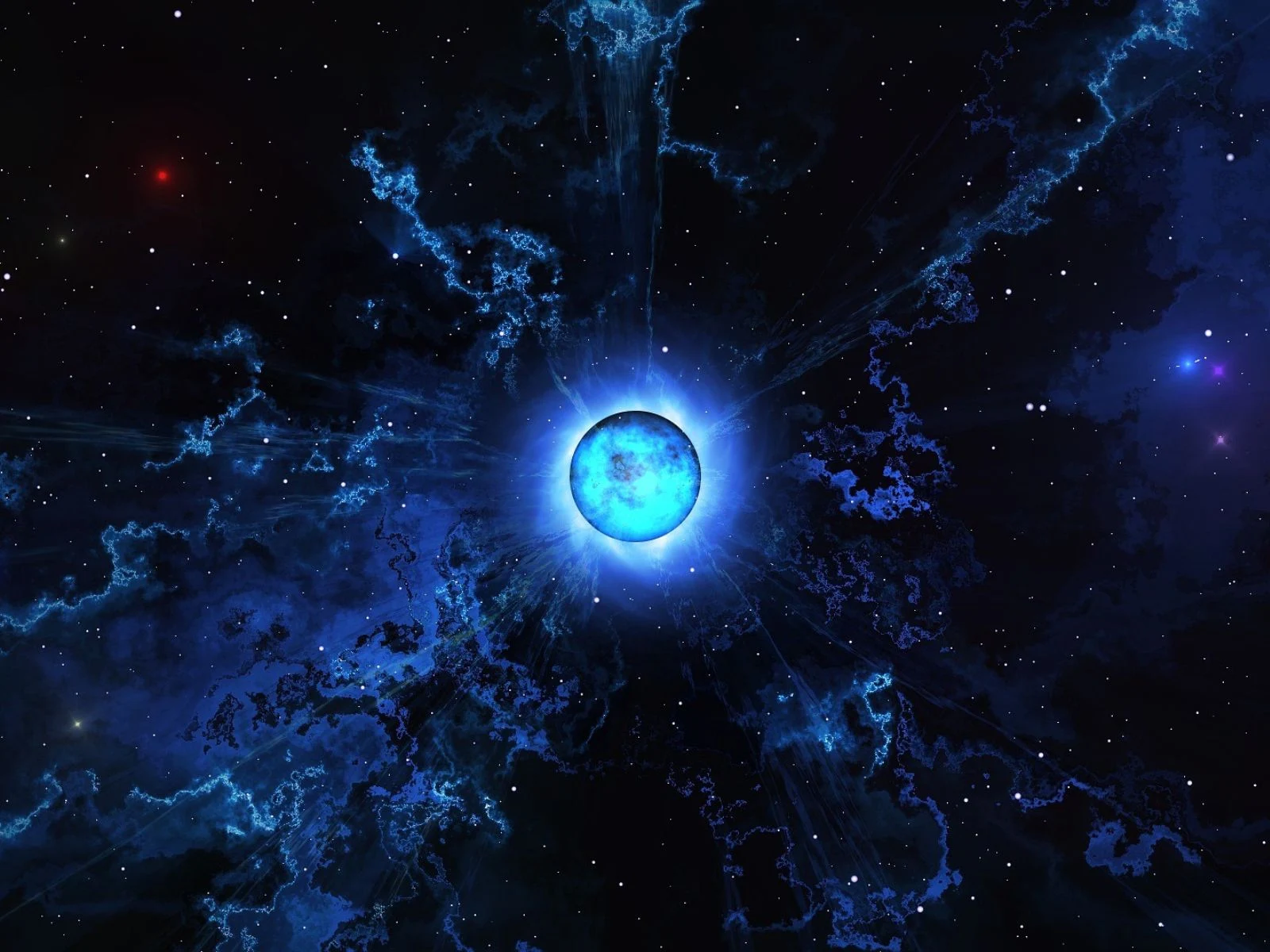
Neutron stars are tiny celestial bodies, measuring around 15 kilometers in diameter and possessing a mass 1.5 times that of our Sun. These stars form when a massive star collapses, leading to incredibly high density. Recently, researchers published a significant finding in The Astrophysical Journal Letters regarding these extreme objects in the universe.
Exciting Discovery of Neutron Star Collision
They found a collision between two neutron stars within a small galaxy. While this might not sound very remarkable at first, it is indeed a groundbreaking event, as such collisions are typically seen in medium to large galaxies. The event, called GRB 230906A, was identified using the Chandra X-ray Observatory, which pinpointed the exact site of the collision. Following that, scientists employed the Swift and Hubble telescopes to capture images of the area, uncovering a small galaxy that is located 4.7 billion light-years away.
Implications of the Findings
Simone Dichiara, a researcher from Pennsylvania State University and the study’s lead, mentioned that this discovery might help resolve two significant questions in astronomy. Some gamma-ray bursts from these events often don’t show up in the host galaxy or in nearby ones, likely due to the small size of their host. Furthermore, this could explain the presence of heavy metals like gold and platinum found well outside the centers of galaxies. Astronomers think that collisions between neutron stars can create these metals, which eventually end up in new stars. However, additional research is necessary to validate this theory.
Image source: NASA/CXC/Penn State Univ./S. Dichiara; IR: NASA/ESA/STScI; Illustration: ERC BHianca 2026 / Fortuna and Dichiara, CC BY-NC-SA 4.0; Image Processing: NASA/CXC/SAO/P. Edmonds
Source:
Link