Tag: gaming handheld

  • Retroid Pocket 6 Redesigned: New Pre-Order Date Announced

    Retroid Pocket 6 Redesigned: New Pre-Order Date Announced

    Key Takeaways

    1. Retroid is restarting pre-orders for the Retroid Pocket 6 after redesigning the product due to initial negative feedback.
    2. Pre-orders will begin at 9 PM EST and 9 AM BJT, as announced on their website and social media.
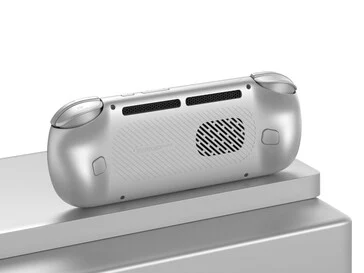
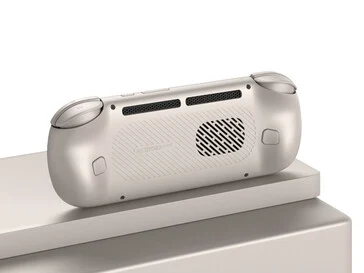
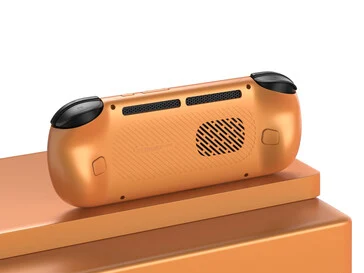
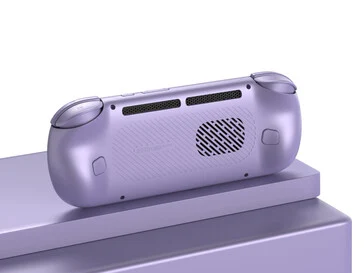
    3. The updated product page offers five color options, with the green color from the original design no longer available.
    4. Customers can choose between 8GB and 12GB RAM options and decide the placement of the D-Pad.
    5. All models will include two customizable buttons on the back, with no changes to specifications or pricing from the original announcement.


    After revealing fresh designs for the Retroid Pocket 6, Retroid is set to restart pre-orders for this Android-based gaming handheld. The device, which was first introduced on October 27 and quickly opened for pre-orders, had to halt its product listing on October 29 due to unfavorable feedback on its initial design.

    New Design Launch

    With the announcement of two new designs for the Pocket 6, Retroid is now prepared to accept pre-orders. A recent update on their official website and social media accounts states that pre-orders will kick off at 9 PM EST and 9 AM BJT.

    Product Page and Color Options

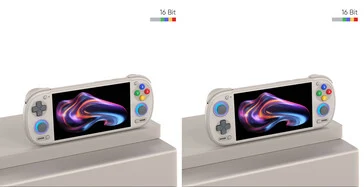
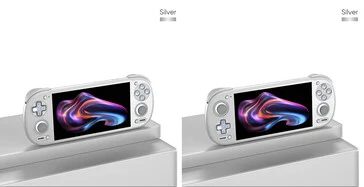
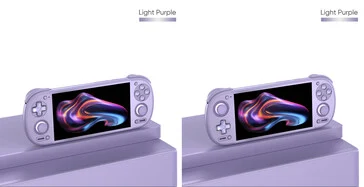
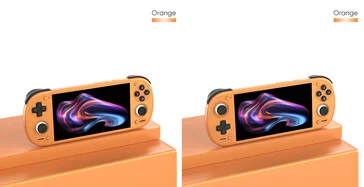
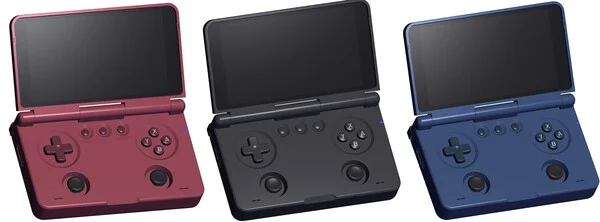
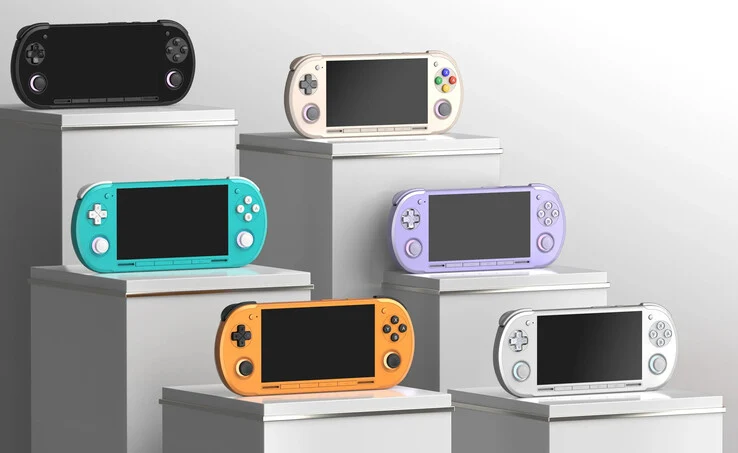
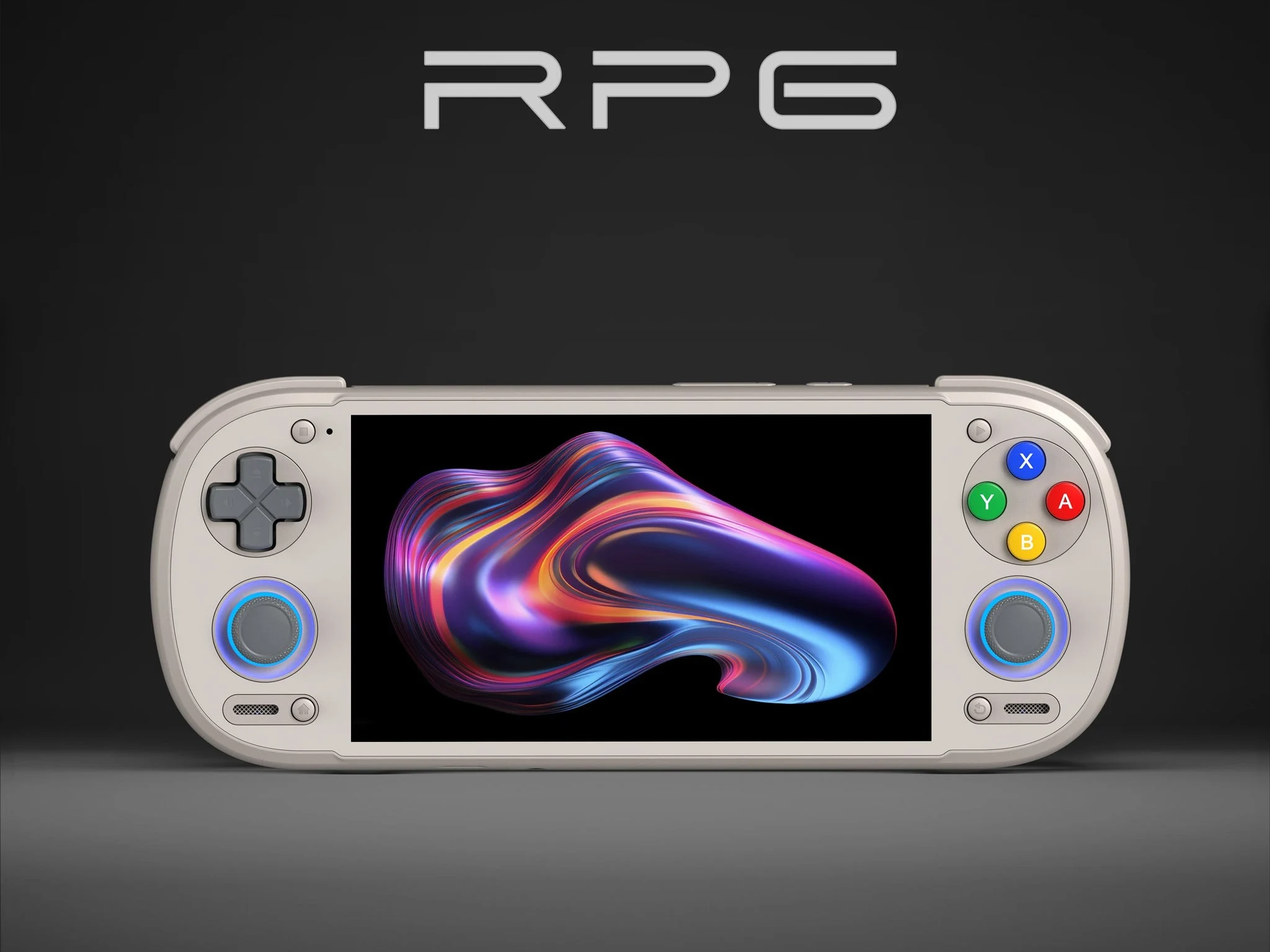
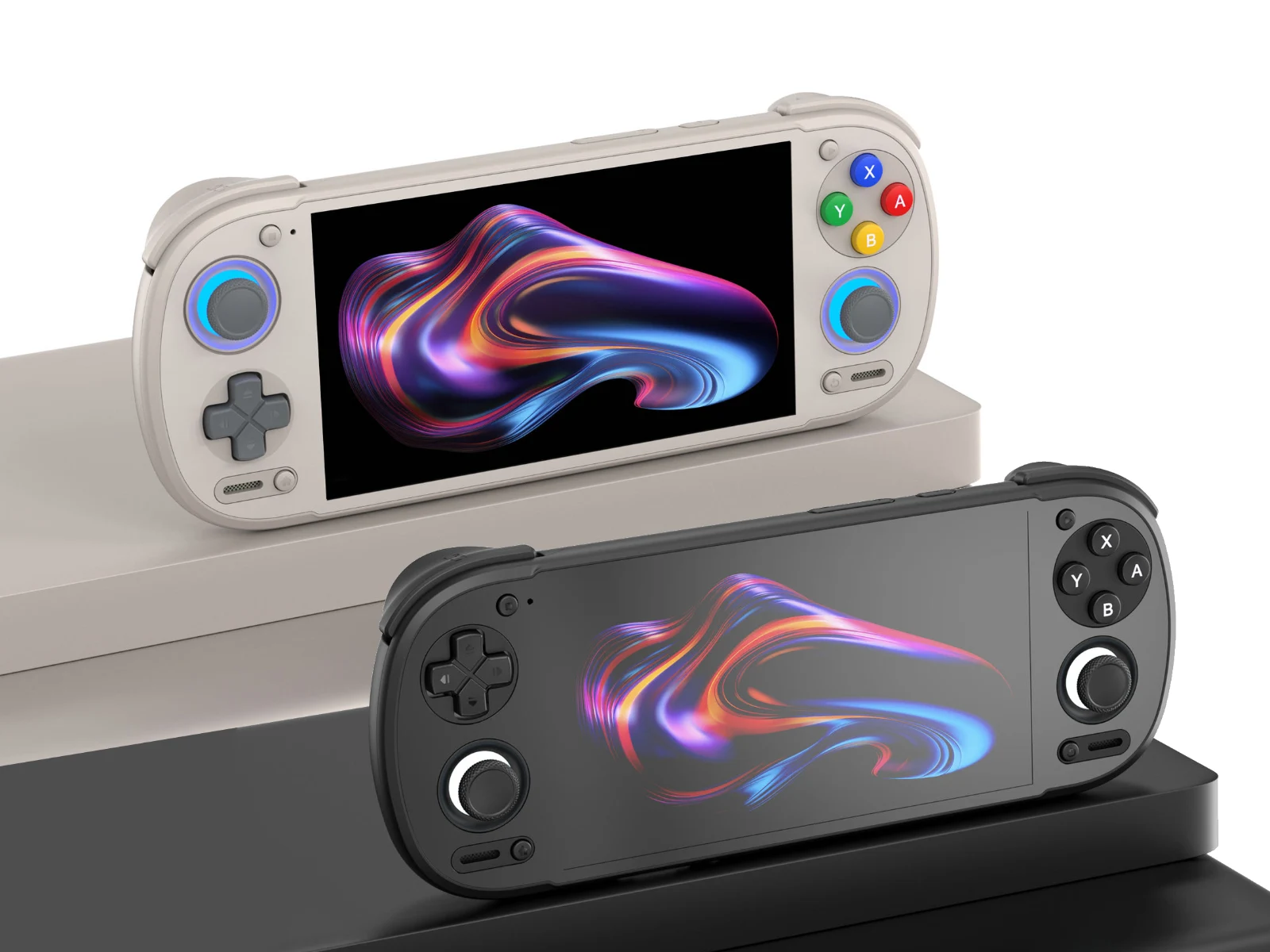
    The product page is active again, showcasing the updated designs. Customers can now select from five colors instead of the six offered with the previous design. Notably, the green option from the original design is no longer available. The Retroid Pocket 6 will come in both 8GB and 12GB RAM options, and buyers can choose whether to place the D-Pad at the top or bottom for either version.

    Features and Pricing

    Regardless of the chosen color, RAM size, or D-Pad configuration, every Retroid Pocket 6 model will feature two customizable buttons on the back. Other specifications, along with the pricing, have not changed from the original announcement.

    Source:
    Link


  • Retroid Pocket 6 Handheld: New Designs After Launch Issues

    Retroid Pocket 6 Handheld: New Designs After Launch Issues

    Key Takeaways

    1. The Retroid Pocket 6 was announced and went on sale, but pre-orders were halted for a redesign based on community feedback.
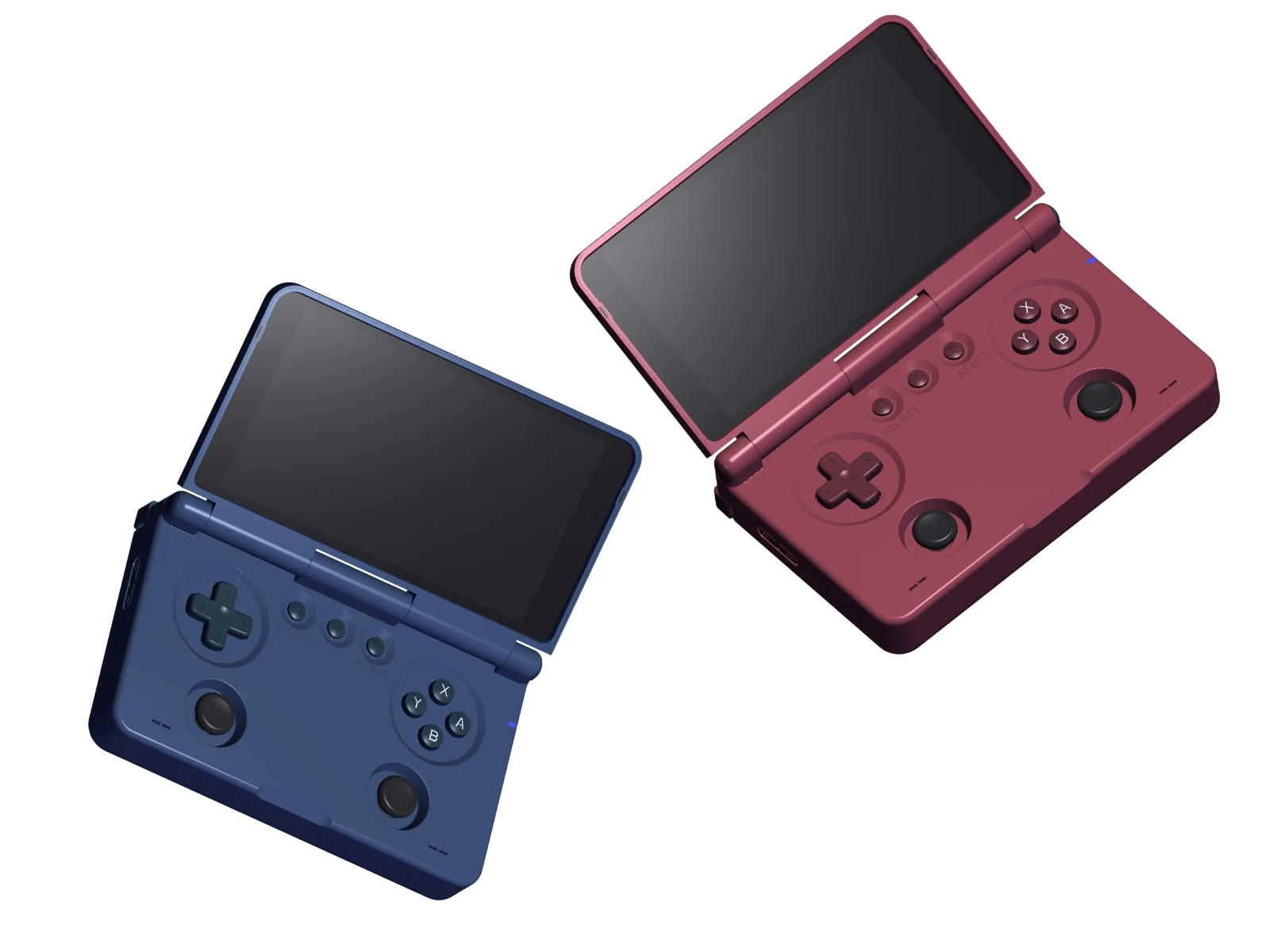
    2. The redesigned Pocket 6 will have two configurations: one with the left joystick on top and another with the original layout.
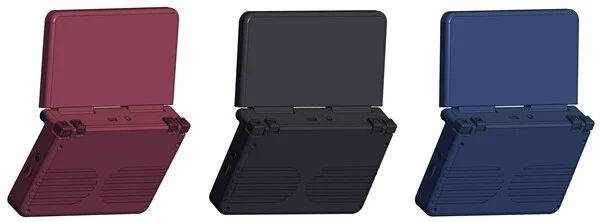
    3. M1 and M2 buttons have been moved to the back for easier access, while speakers and Android buttons have been relocated to the side.
    4. The redesigned device retains the same core hardware as the original version, ensuring similar performance.
    5. The Pocket 6 is powered by a Qualcomm Snapdragon 8 Gen 2 chipset, comparable to other devices like the Ayn Odin 2.


    The Retroid Pocket 6 has been through quite a bit lately. It was announced on Monday and went on sale the next day, alongside the more affordable Pocket G2. However, shortly after its launch, the company decided to halt Pocket 6 pre-orders for a redesign based on community feedback.

    Redesigned Features

    Now, Retroid has unveiled the results of this redesign just before the Pocket 6’s re-launch. Although the company has not yet set new pre-order dates, it hints that the Pocket 6 will be back soon. For now, it’s confirmed that the device will come in two configurations: one with the left joystick positioned on top and another with the original layout.

    Button and Speaker Adjustments

    Moreover, Retroid has relocated the M1 and M2 buttons to the back of the handheld, making them easier to reach with the forefingers. Similarly, the speakers and Android buttons have been moved to the side, which may or may not be an improvement. It appears that the redesigned Pocket 6 keeps the same core hardware as the first version. This means it should have similar performance to the Ayn Odin 2 or Odin2 Portal (currently priced at $359 on Amazon), boosted by a Qualcomm Snapdragon 8 Gen 2 chipset. For additional hardware specifics, please refer to our original launch piece.

    Source:
    Link


  • MagicX Launches One Flip 50: Affordable Clamshell Gaming Handheld

    MagicX Launches One Flip 50: Affordable Clamshell Gaming Handheld

    Key Takeaways

    1. MagicX launched the One Flip 50 gaming handheld, following the recent updates to the Zero 40 and the announcement of the One Retro 45.
    2. The One Flip 50 features a MediaTek Helio G85 chipset, 4 GB of RAM, and a 5-inch 1080p display.
    3. It includes 64 GB of internal storage with an option for expansion via a microSD card slot.
    4. The design includes in-line shoulder buttons, silicone ABXY buttons, and a silicone d-pad.
    5. The expected price for the One Flip 50 is around $95, aiming to compete with the Retroid Pocket Flip 2.


    MagicX has just launched its One 35 gaming handheld after recently updating the Zero 40 with a new translucent green color at the end of September, priced currently at $89.99 on Amazon. Now, the company has introduced the One Flip 50, a clamshell-style device, marking its second gaming handheld release in a short span, following the announcement of the One Retro 45 earlier this month.

    Specs and Performance

    The One Flip 50 features the same MediaTek Helio G85 chipset that powers the One 35 and One Retro 45. This chipset includes two ARM Cortex-A75 CPU cores, six Cortex-A55 CPU cores, and a Mali-G52 MP2 GPU. It will be paired with 4 GB of RAM and a 5-inch screen that offers 1080p resolution in a 16:9 aspect ratio. However, it only comes with 64 GB of internal storage. Luckily, the mock-ups shared on MagicX’s Discord indicate that it will include a microSD card slot for additional storage.

    Design and Features

    In terms of design, the One Flip 50 boasts in-line shoulder buttons, silicone ABXY buttons, and a silicone d-pad, which some may find appealing while others may not. Although the exact release date is still not announced, MagicX plans to price the One Flip 50 around $95. This new device seems to be MagicX’s strategy to compete with the Retroid Pocket Flip 2 while taking advantage of the growing popularity of clamshell gaming handhelds.

    Source:
    Link


  • Retroid Pocket 6 Launches: 120Hz AMOLED & Snapdragon 8 Gen 2 Under $200

    Retroid Pocket 6 Launches: 120Hz AMOLED & Snapdragon 8 Gen 2 Under $200

    Key Takeaways

    1. Retroid launched the Pocket 6 with pre-orders now available, following the recent release of the Pocket 5.
    2. The Pocket 6 features a 120 Hz AMOLED screen, a significant upgrade from the 60 Hz displays in the Pocket G2 and Pocket 5.
    3. It includes a larger 6,000 mAh battery, providing 1,000 mAh more capacity than the previous models.
    4. The device is powered by the Qualcomm Snapdragon 8 Gen 2 chipset, similar to AYN Technologies’ Odin 2 series.
    5. The Pocket 6 is priced at $209 for the Early Bird offer, with a higher-spec model available for $259, but shipping will not begin until January 2026.


    Retroid is making quick moves with the launch of the Pocket 6, which was introduced just yesterday. For some background, the company took roughly two weeks to get the Pocket 5 to consumers (currently priced at $259 on Amazon). When they launched the Pocket 5, they also showed off the Pocket Mini in late August, then kept teasing both devices until they finally arrived on September 10.

    Pre-orders and Pricing

    Now, Retroid has already started taking pre-orders for the Pocket 6. The same goes for the Pocket G2, which is priced $10 less than the Pocket 6. Despite this, the Pocket 6 offers several impressive upgrades not only compared to the Pocket G2 but also the older Pocket 5. For example, Retroid has added a 120 Hz AMOLED screen in the Pocket 6 instead of the 60 Hz displays used in both the Pocket G2 and Pocket 5.

    Display and Battery Features

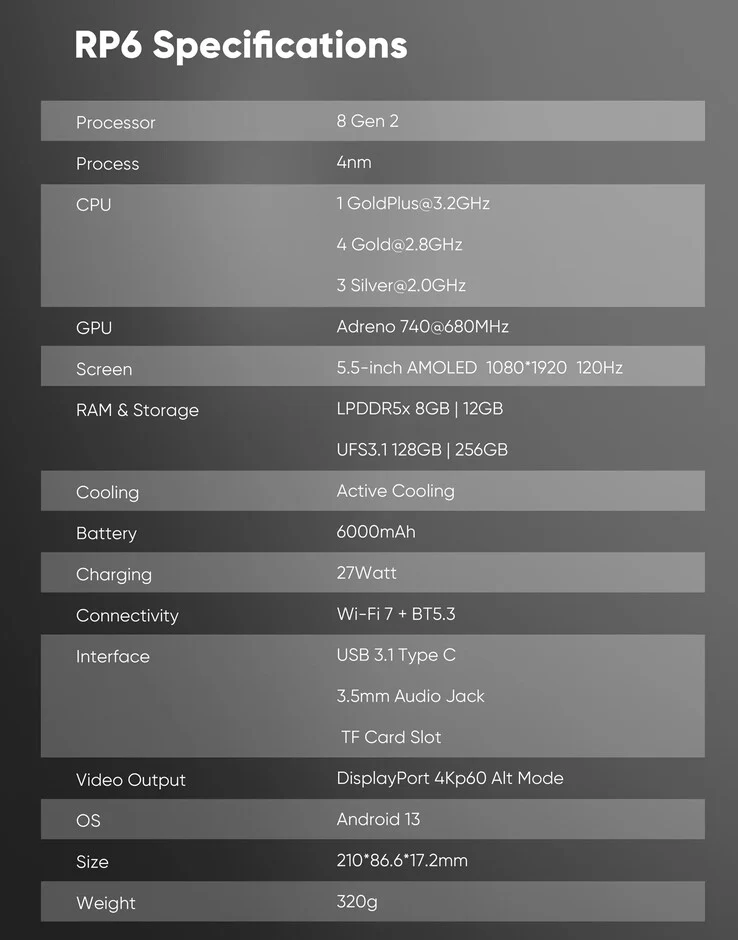
    While many classic games may not take advantage of the 120 Hz refresh rate, they can still gain from a 120 Hz screen by utilizing Black Frame Insertion (BFI). This helps to lessen motion blur and enhances the look of CRT shaders. Additionally, the Pocket 6 is equipped with a 6,000 mAh battery, which is 1,000 mAh larger compared to the batteries in the Pocket G2 and Pocket 5. It also boasts the Qualcomm Snapdragon 8 Gen 2 chipset, which is the same technology AYN Technologies employs in its Odin 2 series of gaming handhelds like the Odin 2 and Odin 2 Portal.

    Dimensions and Availability

    All these components are housed in a body measuring 210 x 87 x 17 mm and weighing about 320 g, thanks to its 5.5-inch display, active cooling system, and the aforementioned battery. The Pocket 6 is available for purchase starting today, with an Early Bird price of $209. If you need more power, Retroid also offers a model with 12 GB of RAM and 256 GB of storage for $259. Keep in mind that Retroid will not start shipping any Pocket 6 pre-orders until at least January 2026.

    Source:
    Link


  • OneXPlayer OneXFly Apex: First Liquid-Cooled Gaming Handheld

    OneXPlayer OneXFly Apex: First Liquid-Cooled Gaming Handheld

    Key Takeaways

    1. The OneXFly Apex gaming handheld features AMD Strix Halo APUs, up to 128 GB of RAM, and an 8-inch VRR display.
    2. The device is powered by an 85 Wh battery and has been shown playing Cyberpunk 2077 at 1200p with over 60 FPS.
    3. One-Netbook has introduced an external liquid cooling system for the OneXFly Apex to manage a 120 W TDP.
    4. The OneXFly Apex is set to compete with GPD’s Win 5, which has a smaller 7-inch screen and focuses on enhanced cooling.
    5. A launch event for the OneXFly Apex is scheduled for October 28 at 11:00 UTC to provide more hardware details.


    Over a month ago, One-Netbook gave a sneak peek of the OneXFly Apex under its OneXPlayer brand. This new gaming handheld, the OneXFly Apex, features AMD Strix Halo APUs, offers up to 128 GB of RAM, boasts an 8-inch VRR display, and is powered by an 85 Wh battery. In the meantime, GPD launched the Win 5, which also uses the same AMD platform but has a smaller 7-inch screen, plus an external battery solution to enhance cooling performance.

    OneXFly Apex in Action

    Recently, One-Netbook has revealed its first AMD Strix Halo gaming handheld through a series of videos, including one uploaded to YouTube. The video features the OneXFly Apex playing Cyberpunk 2077 at 1200p with ray tracing turned on and DLSS upscaling off. Unlike AMD Strix Point handhelds such as the OneXFly F1 Pro (currently priced at $1,439 on Amazon), which struggle to perform, the OneXFly Apex maintains over 60 FPS consistently.

    Cooling Solutions and Launch Event

    In addition, One-Netbook has announced that the OneXFly Apex will be compatible with an external liquid cooling system designed to manage a 120 W TDP effectively. As of now, One-Netbook has not shown how this cooling solution functions or how it connects to the device. The company is planning to hold a launch event for the OneXFly Apex on October 28 at 11:00 UTC, where it is expected to reveal more about the hardware.

    Source:
    Link


  • Affordable Strix Halo GPD Win 5 Handheld Shines in Game Tests

    Affordable Strix Halo GPD Win 5 Handheld Shines in Game Tests

    Key Takeaways

    1. The GPD Win 5 will start shipping to Indiegogo supporters in November 2025, featuring a more budget-friendly Ryzen AI Max 385 model.
    2. The Ryzen AI Max 385 model showed good performance, maintaining 60 FPS in Street Fighter 6 at 1080p with Medium settings and a TDP of 18 W.
    3. In Spider-Man 2, the Win 5 averaged 74 FPS at 1080p with Medium settings and a TDP of 28 W, capable of reaching around 130 FPS with frame generation.
    4. Forza Horizon 5 exceeded 100 FPS at 1080p with Medium settings and a TDP of 17 W; Cyberpunk 2077 averaged 91 FPS at 1080p with High settings and a TDP of 45 W.
    5. The device provided a solid gaming experience across multiple titles, including Red Dead Redemption 2, DOOM: The Dark Ages, and Borderlands 4.


    The GPD Win 5 is set to begin shipping to Indiegogo supporters in November 2025. Before the Strix Halo gaming handheld arrives in users’ hands, ETA Prime has released a video demonstrating the features of the more budget-friendly version.

    Testing the Ryzen AI Max 385

    In the video, the YouTuber evaluates the Ryzen AI Max 385 model of the gaming handheld, which is less expensive than the AI Max+ 395 version. The former features a slightly less powerful APU, which includes the Radeon 8050S iGPU with 32 compute units (CU).

    Despite not being the top model available from GPD, the gaming handheld showed decent performance during the gaming evaluations. Initially, ETA tested Street Fighter 6 at a resolution of 1080p, using Medium visual settings and a thermal design power (TDP) of 18 W. During this session, the Ryzen AI Max 385 Win 5 managed to maintain a consistent 60 FPS.

    Performance with Popular Games

    Following that, the YouTuber played Spider-Man 2 on the handheld at 1080p with Medium settings, but this time with a TDP of 28 W. Although this game typically struggles on integrated graphics processors, the Win 5’s more affordable setup achieved an average of 74 FPS. ETA mentioned that utilizing frame generation, the handheld could reach around 130 FPS while running the game.

    Next up was Forza Horizon 5, tested at a TDP of 17 W and 1080p resolution. With the Medium visual settings, the gaming device exceeded 100 FPS. Cyberpunk 2077 was also put to the test at 1080p with High settings and FSR set to quality. With a TDP of 45 W, it averaged around 91 FPS, while at 25 W TDP, the frame rate hovered close to 60 FPS.

    Additional Games and Overall Experience

    ETA Prime also benchmarked Red Dead Redemption 2 (currently priced at $14.99 on Humble Bundle) without FSR, set at 1080p resolution. At 45 W TDP, the Win 5 could run the game at about 75 FPS. Additionally, ETA tested titles like DOOM: The Dark Ages and Borderlands 4, finding that the device provided a solid overall gaming experience. For more insights, be sure to check out the video linked below.

    Source:
    Link


  • GPD Unveils New Win Max Handheld with AMD Strix Halo APU

    GPD Unveils New Win Max Handheld with AMD Strix Halo APU

    Key Takeaways

    1. GPD launched the Win 5 handheld with high-performance specs, featuring the Ryzen AI Max+ 395 and Radeon 8060S graphics.
    2. The Win 5 may be joined by the GPD Win Max, which could also use the Ryzen AI Max+ 395 APU.
    3. The Win 5 has a new design, eliminating the sliding keyboard and lacking a built-in battery.
    4. The future design of the Win Max refresh is uncertain, but a larger display than the Win 5 is likely.
    5. There is no guarantee that the Ryzen AI Max+ 395-equipped Win Max will be released.


    GPD has unveiled its latest gaming handheld, the Win 5, which packs a punch with powerful specs. Users can opt for configurations that include the Ryzen AI Max+ 395, the highest-performance choice available in the Strix Halo series. This APU is complemented by the Radeon 8060S, which currently stands as AMD’s most advanced integrated graphics solution.

    More Handhelds on the Horizon

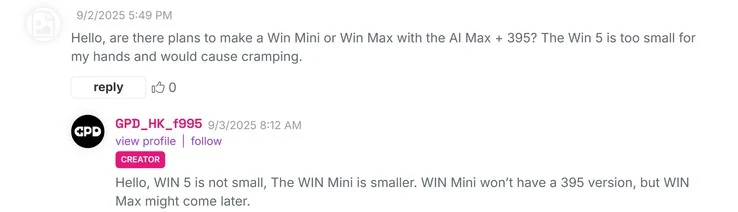
    Interestingly, GPD hinted that the Win 5 might not be the only device sporting the Ryzen AI Max+ 395. The company suggested that the GPD Win Max could also come equipped with the same powerful APU, much to the delight of those who felt let down by the Win 5’s features.

    A Shift in Design

    The GPD Win 5 showcases a new design, moving away from the sliding keyboard that characterized earlier generations. Notably, it lacks a built-in battery, which could be seen as a drawback for gamers who prefer portability (145 W Baseus small 20K power bank curr. $79.99 on Amazon).

    Future of the Win Max

    As for the anticipated Win Max refresh, it remains uncertain if it will adopt a new design or stick with the old one, but a larger display than the Win 5 is quite probable. For reference, the Ryzen AI 9 HX 370 variant has a 10.1-inch screen.

    While GPD has been vague about the specifics, there’s always a chance that the Ryzen AI Max+ 395-equipped Win Max may never come to fruition.


  • New Anbernic RG DS vs Nintendo DSi Dual-Screen Comparison Images

    New Anbernic RG DS vs Nintendo DSi Dual-Screen Comparison Images

    Key Takeaways

    1. Anbernic’s RG DS will emulate Nintendo DS and 3DS games, with stylus compatibility hinted at.
    2. The release date for the RG DS is still unknown, but pre-orders may start soon based on past patterns.
    3. The RG DS measures 161 mm wide, making it wider than the Nintendo DSi.
    4. In height, the RG DS is comparable to the Nintendo DSi XL, but slightly larger when opened.
    5. Anbernic plans to sell the RG DS for under $100, although many technical details are still undisclosed.


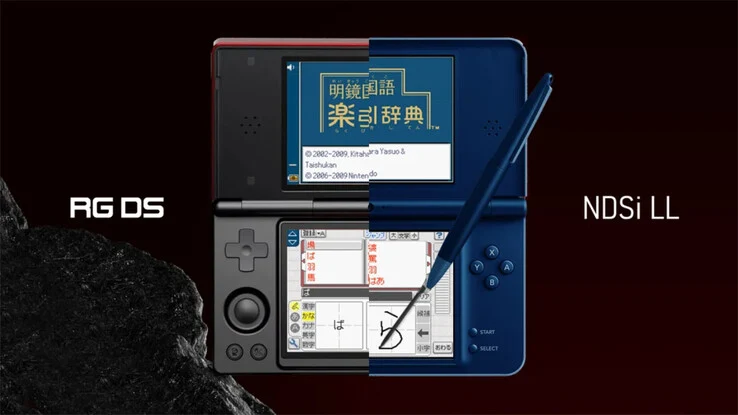
    Around a week ago, Anbernic revealed some gameplay clips of its upcoming gaming handheld. Marketed as an alternative to the Nintendo DS, the footage showcased the Anbernic RG DS’s capability to emulate not only Nintendo DS games but also more demanding Nintendo 3DS titles. Moreover, Anbernic hinted at stylus compatibility for both types of games.

    Release Date Mystery

    At this moment, Anbernic is keeping fans guessing about when their first dual-screen handheld will be available. Historically, Anbernic has tended to start pre-orders before the month wraps up, just like they did with the RG476H and RG477M (current price $299.99 on Amazon), among others. Although there hasn’t been any official word about the RG DS on Anbernic’s global social media, keen-eyed Reddit users have spotted new teasers on Anbernic’s QQ channel.

    Size Comparisons

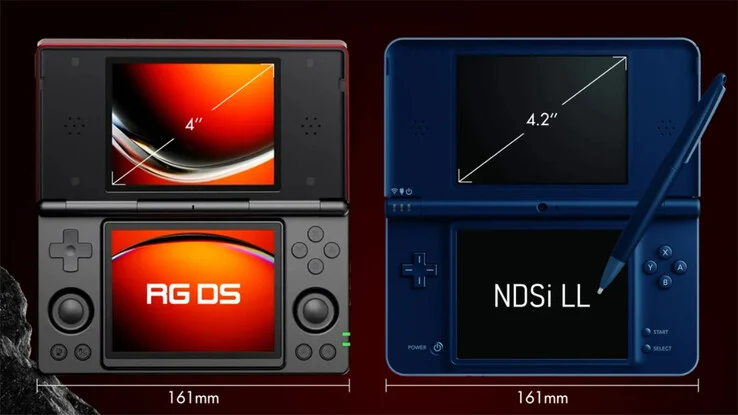
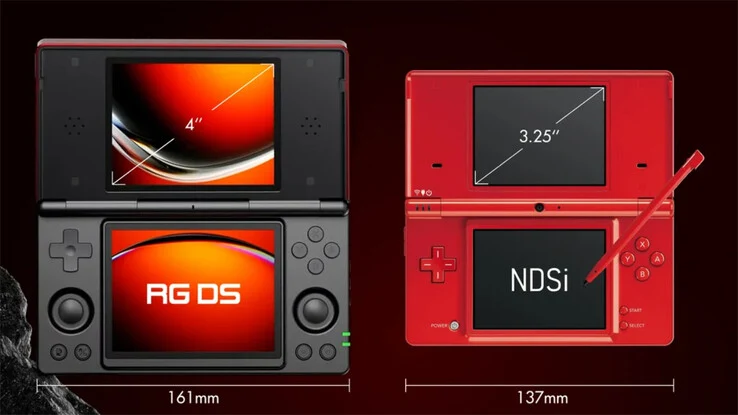
    The teasers released primarily focus on the RG DS’s size in relation to older Nintendo DS models. Officially, Anbernic has confirmed that the RG DS is 161 mm wide. This means that it is significantly wider than the Nintendo DSi, which measures only 137 mm across.

    When looking at it, the RG DS appears to be comparable in height to the Nintendo DSi XL, sharing the same 161 mm width. Even though it seems to be around 210–212 mm when opened, the RG DS sacrifices 4-inch screens for a slight 0.2-inch difference compared to the DSi XL’s dual displays. While many technical details remain undisclosed, Anbernic has previously indicated that the RG DS will retail for under $100.


  • Asus ROG Xbox Ally Review: Slow Performance and High Price

    Asus ROG Xbox Ally Review: Slow Performance and High Price

    Key Takeaways

    1. Asus and Microsoft introduced two new gaming handhelds featuring Xbox full-screen mode for the first time.
    2. The premium model, ROG Xbox Ally X, costs $999 and is equipped with the Ryzen AI Z2 Extreme processor.
    3. The base model, ROG Xbox Ally, priced at $599, has a comfortable design and a 7-inch 120 Hz display, but uses an outdated processor.
    4. Performance issues arise from the Ryzen Z2 chip, which struggles to run newer games smoothly compared to competitors like the Lenovo Legion GO S.
    5. The target audience for the base Xbox Ally is unclear, as it may only attract gamers interested in retro games, and the price may need to be lowered for wider appeal.


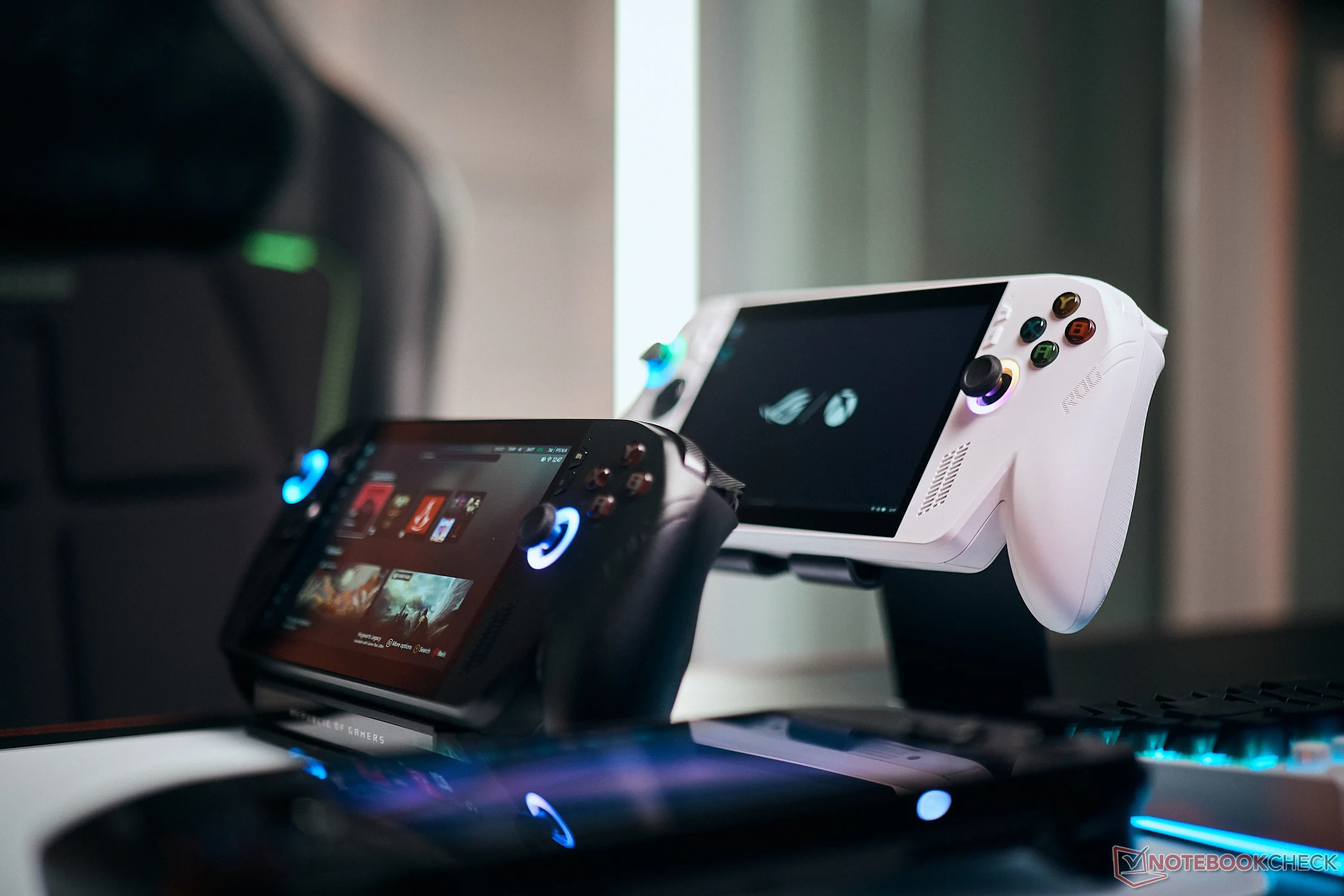
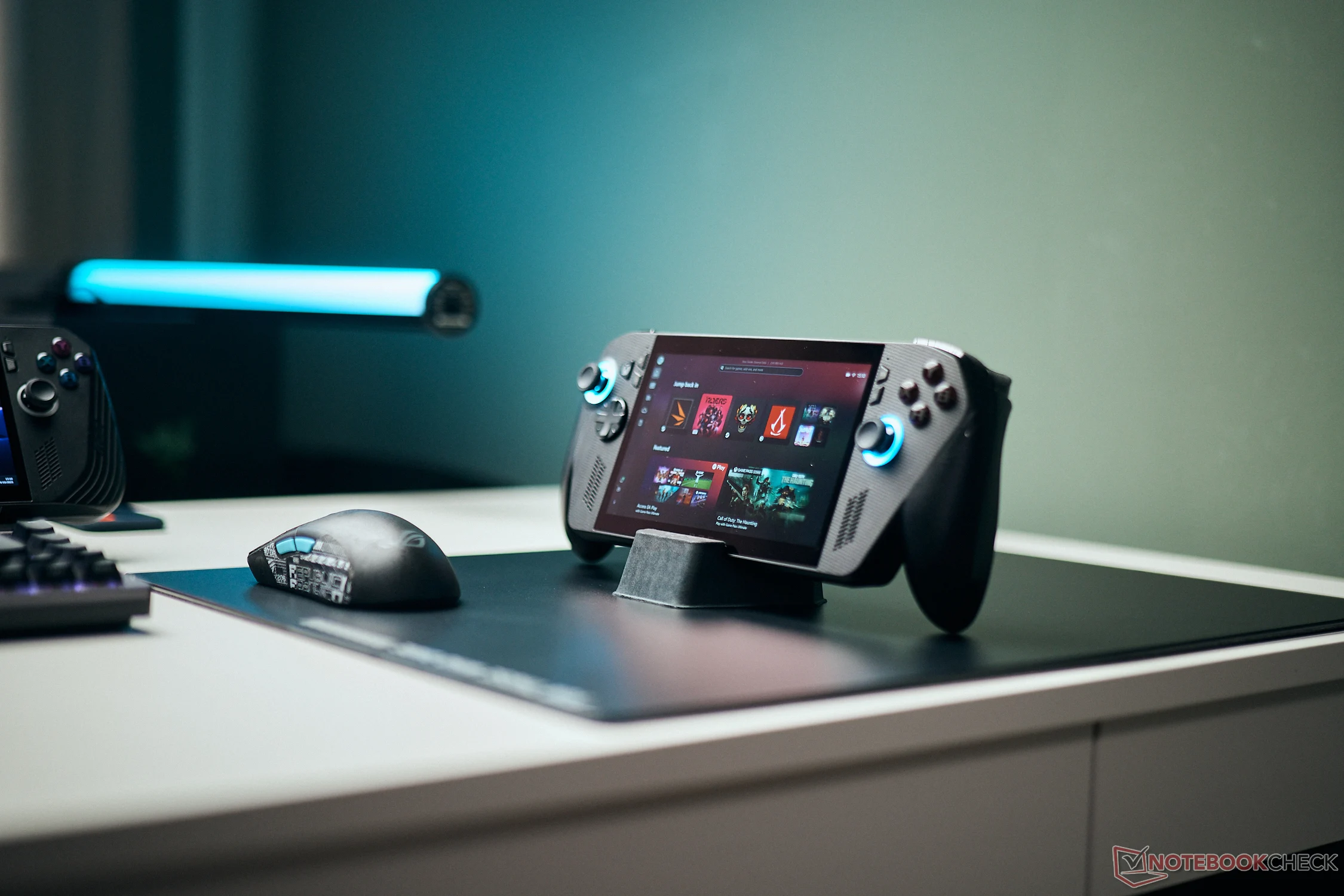
    Last week, Asus teamed up with Microsoft to introduce two new gaming handhelds that feature Xbox full-screen mode for the very first time. The spotlight was on the premium model, the ROG Xbox Ally X, equipped with the Ryzen AI Z2 Extreme, but it comes with a hefty price tag of $999. We also got to check out the more basic model, the ROG Xbox Ally, which sells for $599 and boasts an attractive white chassis.

    Positive Features

    Let’s dive into the good stuff: The fresh chassis design is a bit chunkier than its predecessor, yet the new grips are super comfy, allowing for long gaming sessions without discomfort. The base model retains the well-known 7-inch display, which is excellent for gaming, sporting 120 Hz and VRR. You also have two USB-C ports (albeit only USB 3.2), a speedy microSD card reader, and decent speakers. The fan operates quietly, and the 512 GB SSD is replaceable.

    Performance Concerns

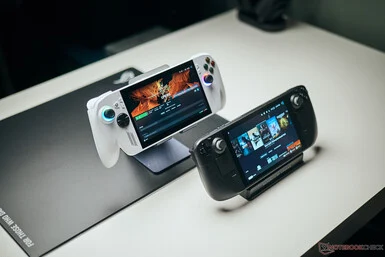
    The main concern lies with the processor; although the Ryzen Z2 may sound innovative, it’s essentially an outdated AMD Zen 2 chip, the same one that has powered the Steam Deck for years. As a result, newer titles struggle to run smoothly. Given the steep price of $599, this level of performance just doesn’t cut it. To put things in perspective, the Lenovo Legion GO S, featuring the Ryzen 2 Go (at least Zen 3+), offers significantly better speed and is currently priced at €449 in Germany.

    Target Audience Challenges

    While we can wholeheartedly endorse the ROG Xbox Ally X, pinpointing a specific audience for the base Xbox Ally is trickier. It may appeal to handheld gamers looking for maximum comfort who are primarily interested in retro or emulated games. However, for the base Xbox Ally to thrive, it will need a price reduction, because we believe that $599 is simply too much.


  • Asus ROG Xbox Ally X: The Most Comfortable Gaming Handheld

    Asus ROG Xbox Ally X: The Most Comfortable Gaming Handheld

    Key Takeaways

    1. Improved Ergonomics: The design enhances comfort and grip during extended play sessions, despite the device being bulkier and heavier.

    2. Comfort Shift: Transitioning back to traditional handhelds feels uncomfortable after using the ROG Xbox Ally X, highlighting its superior design.

    3. Size Considerations: While the new design offers better ergonomics, it may not suit those seeking a compact handheld option.

    4. Industry Impact: The ROG Xbox Ally X’s design may influence other companies to create larger-handled gaming devices.

    5. New Standard in Comfort: The device sets a new benchmark for comfort in handheld gaming, despite its size drawbacks.


    There’s a clear explanation for the design of gaming controllers, which became evident when we tried out Asus’ latest gaming handheld. Sony set a precedent with its PlayStation Portal streaming device, and now the new ROG Xbox Ally X resembles a big controller featuring a display in the center. Initially, we had some doubts about this fresh design, but those worries have been put to rest.

    Improved Ergonomics

    The latest handle design makes the device bulkier, requiring more room in your backpack. However, the ergonomics are significantly improved compared to older handhelds like the previous ROG Ally X, or other devices like the MSI Claw or Valve’s Steam Deck. After several hours of play, the handheld remained comfortable in our grip with no signs of tiredness. Even though it weighs around 720 grams, this extra weight didn’t negatively impact our overall impression of the device.

    A Shift in Comfort

    In our opinion, moving back to a traditional handheld after using the new ROG Xbox Ally X is surprisingly challenging, as the comfort level noticeably drops. We’re also intrigued to see if other companies will follow suit and create similar larger-handled designs. For those who want the tiniest handheld available, this might not be the best fit. However, comfort is likely to be a priority for a lot of users. You can find more details about the ROG Xbox Ally X in our full review.

    Conclusion

    In conclusion, this new handheld has changed our perspective on gaming controllers. While it may come with some drawbacks in terms of size, its ergonomic advantages are hard to ignore. The ROG Xbox Ally X seems to set a new standard in comfort for handheld gaming.

    Source:
    Link