
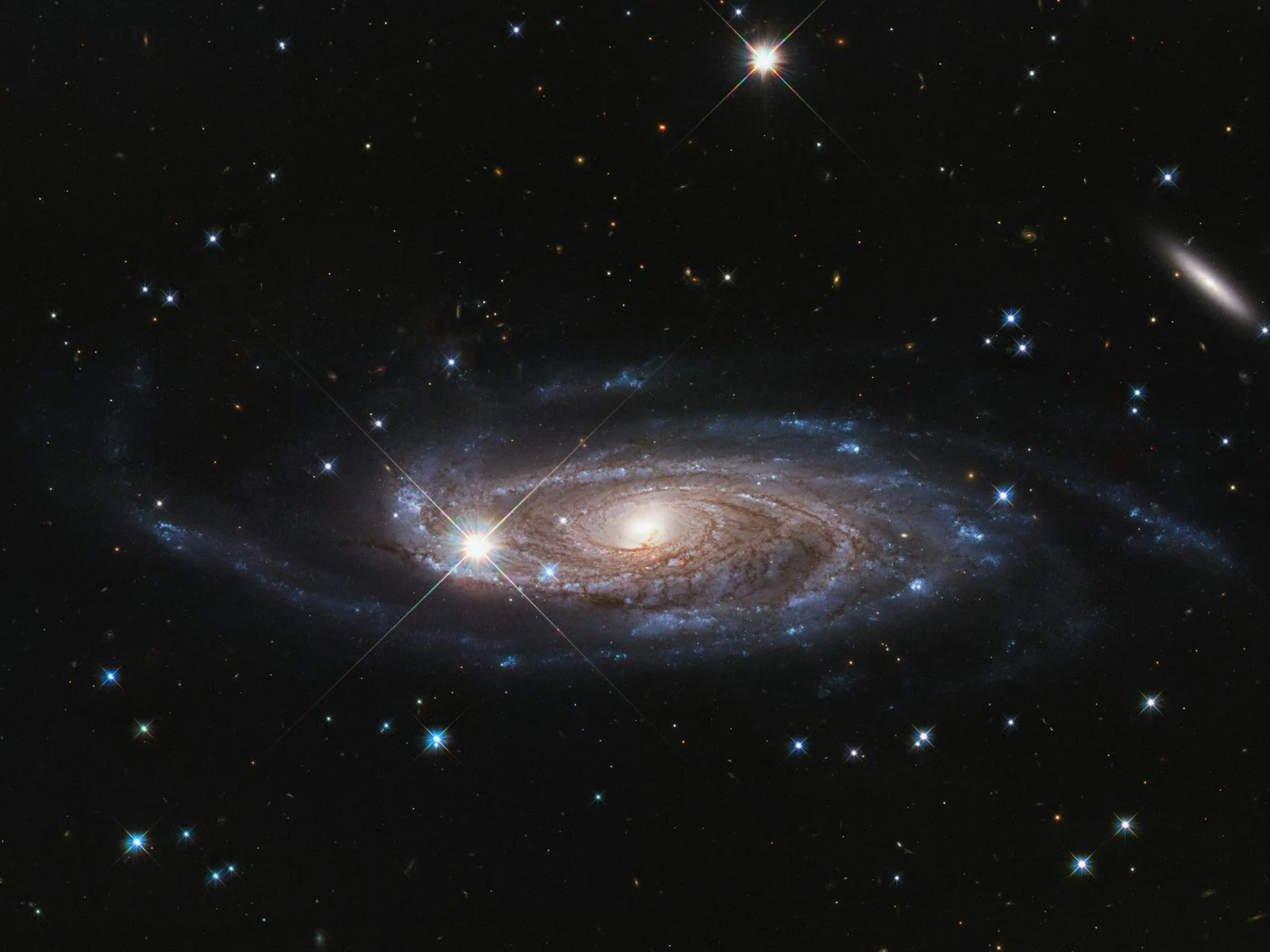
1. The Hubble Space Telescope captured detailed images of galaxy NGC 3137, illustrating its spiral structure and star clusters.
2. NGC 3137 is part of a galaxy group, including the Milky Way and over 500 dwarf galaxies, aiding astronomers’ understanding of our own galaxy.
3. The image reveals young stars in blue clusters and red gas clouds, with a supermassive black hole at its center, about 60 million times the Sun’s mass.
Exploring Space Telescopes and Their Discoveries
There are a plenty of galaxies out there in the universe, giving scientists and astronomers a chance to understand more about our cosmos. Sometimes, space telescopes are able to snap really cool pics of these galaxies, helping us see details that we can barely imagine. The James Webb Space Telescope is one such device that shows us incredible details through its powerful instruments.
Ancient Telescopes Still Make Big Contributions
Even with the new tech, older telescopes like the Hubble are still very useful. Launched way back in 1990, this telescope recently took a picture of a galaxy far, far away—about 53 million light-years from where we are. The image reveals som mesmerizing details, like clusters of stars and clouds of gas, showing us how vibrant and dynamic these cosmic structures are.
NGC 3137 and Its Cosmic Neighborhood
NGC 3137 is a spiral galaxy that get a lot of attention from astronomers because of its interesting features. It’s not alone though, it moves through space along with a whole group of galaxies including our own, the Milky Way, as well as NGC 3175 and over 500 tiny dwarf galaxies. Studying this galaxy helps us get a better idea of what our own galaxy might look like or how it has evolved over millions of years.
Colors, Stars, and Hidden Mysteries
This specific image shows several different colors across six bands, especially bright blue star clusters and red clouds of gas. This indicates that new stars are forming within these nebulae right now. The galaxy’s stunning spiral arms are clear, and at its very heart, a supermassive black hole lurks with a mass about 60 million times that of the Sun—pretty massive, huh? Also, stars from the Milky Way and other distant galaxies are scattered throughout this view, giving it a lively, bustling scene.