
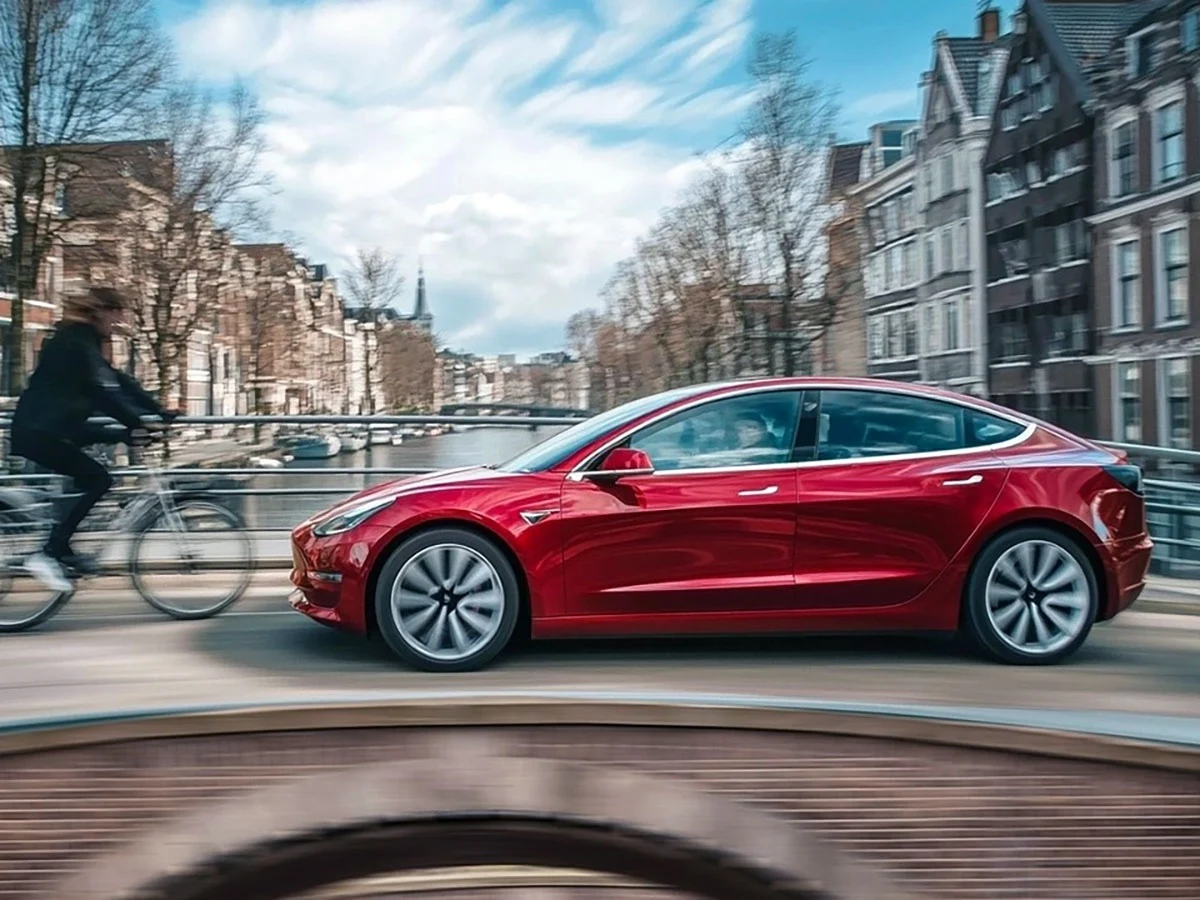
– Driver pressed gas pedal to 100% before crash, disengaging FSD
– Speed reached 73 mph in residential area; FSD would not allow this
– Incident caused by pedal misapplication, not self-driving system failure
– Tesla logs confirm FSD was deactivated prior to impact
– Findings highlight human error risks in autonomous vehicle use
A highly publicized incident with a Model 3 can’t be attributed to the Full Self-Driving system being active at the time, debunked Tesla.
A Texas Crash and the FSD Alibi
The Model 3 sedan crashed into a home in Texas at high speed, resulting in a 76-year-old victim, but the FSD option had already been deactivated at the time, it turned out. While the driver said that the car was driving itself during the accident, he may have wittingly or unwittingly misled the police. According to Tesla’s activity logs, the driver actually stepped on the gas before the crash, disengaging FSD and accelerating the vehicle instead of applying the brakes.
Pedal Mix-Ups Aren’t Uncommon
There have been several instances where Tesla drivers mistake the gas pedal for the brakes, leading to jumps off parking lots onto an ambulance and even a jetty, so it is not out of the question that something similar might have been in play here. Lending further credence to the theory for panicking and hitting the wrong pedal is the fact that, according to Tesla’s AI chief Ashok Elluswamy, the driver pressed the gas all the way down to “100%,” reaching a speed of 73 mph in a residential neighborhood, and kept pressing it even after the Model 3 had hit the building.
Why FSD Couldn’t Be the Culprit
In this case, FSD can’t be blamed, as it wouldn’t have left the car hit 70+ miles per hour in a residential area, let alone crash it into a house without any reaction. All incidents where active FSD or Autopilot may have been in play are logged into the U.S. National Highway Traffic Safety Administration’s dedicated database, where they get investigated on a case-by-case basis.
Implications for Future Investigations
While the so-called Special Crash Investigation on this one could confirm Tesla’s findings that a panicked driver may have been at fault, the findings would still be important for determining how people react during critical situations in autonomous vehicles. Ashok Elluswamy (Tesla) stated that the data shows the driver’s actions were the primary cause, not the software, underscoring the need for better driver training or alert systems in semi-autonomous cars.