Tag: CES 2026

  • Lenovo Unveils ThinkPad Rollable XD: Concept with Adaptive Displays

    Lenovo Unveils ThinkPad Rollable XD: Concept with Adaptive Displays

    Key Takeaways

    1. Lenovo will showcase the ThinkPad Rollable XD as a proof-of-concept at CES 2026, focusing on adaptive hardware for flexible computing.
    2. The device features a rollable display that can extend vertically, enhancing workflows that require more vertical screen space while maintaining a compact size when closed.
    3. The ThinkPad Rollable XD is part of Lenovo’s research into context-sensitive form factors and is not intended for commercial release at this time.
    4. Lenovo continues to explore innovative display formats, building on past experiments with foldable and dual-screen prototypes.
    5. Details on specifications, pricing, and availability for the Rollable XD have not yet been provided, and durability testing of the rollable mechanism remains unclear.


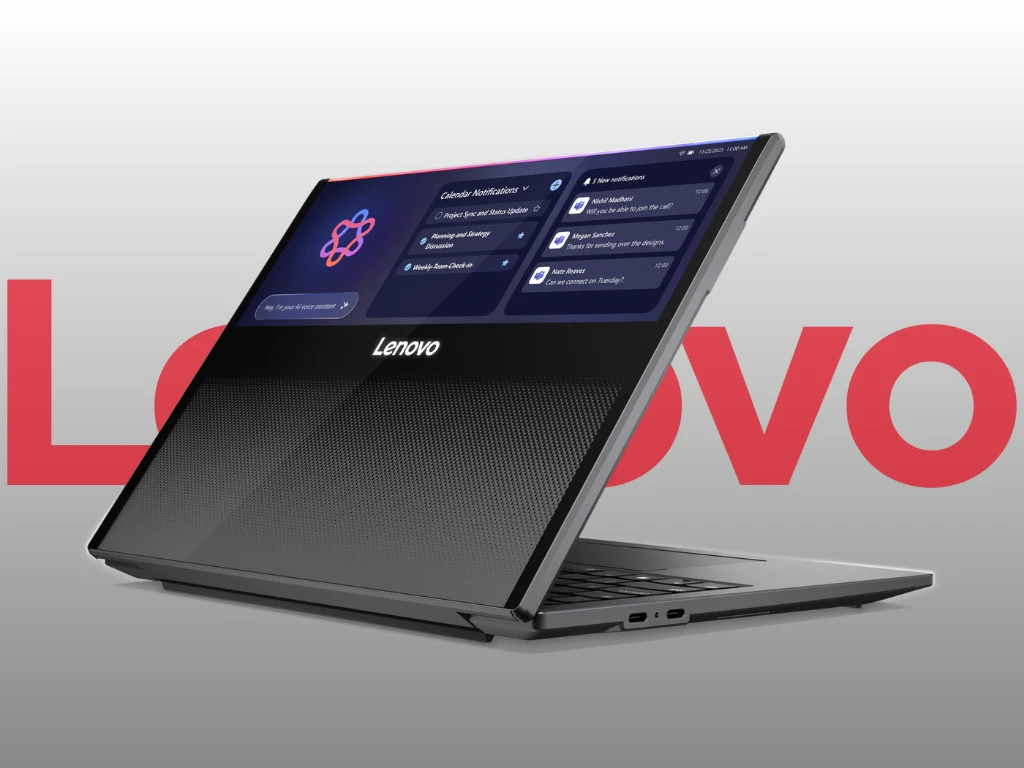
    Lenovo has announced that it will present the ThinkPad Rollable XD as a proof-of-concept device at CES 2026, alongside its latest product lineup. This device marks Lenovo’s exploration into adaptive hardware that could enable more flexible and contextual computing in the future.

    Innovative Display Design

    According to the preview information, the ThinkPad Rollable XD Concept features a rollable display that extends vertically, allowing the screen size to adjust based on the user’s needs. This design aims to enhance workflows that benefit from additional vertical space, like document editing, coding, or multitasking, all while keeping the laptop’s size the same when it is closed.

    Research Focus

    Lenovo emphasizes that this device is part of its wider research into intelligent, context-sensitive form factors and is not intended as a commercial product at this time. Currently, no specifications, pricing, or details on availability have been released.

    Continued Exploration

    The concept aligns with Lenovo’s ongoing efforts to experiment with unique display formats, following previous foldable and dual-screen ThinkPad prototypes. Like those earlier initiatives, the Rollable XD’s primary aim is to showcase feasibility and ideas for user interaction. Lenovo has not clarified if the rollable mechanism has been tested for durability beyond concept showcases.

  • Asus TUF Gaming Desktops 2026: AMD Radeon 9060 XT & RTX 50 GPUs

    Asus TUF Gaming Desktops 2026: AMD Radeon 9060 XT & RTX 50 GPUs

    Key Takeaways

    1. The TUF Gaming T500 has been updated to the TUF Gaming TM500, featuring AMD’s Ryzen 7 260 APU.
    2. The current price for the TUF Gaming TM500 is $899.99 on Amazon.
    3. New budget gaming desktops can be customized with Radeon RX 9060 XT or GeForce RTX 5060 Ti GPUs and up to 64 GB of DDR5 RAM.
    4. Both TM500 and T500 models include PCIe Gen 4 storage options and robust cooling systems.
    5. Pricing and availability details for the TM500 and T500 models have not yet been announced.


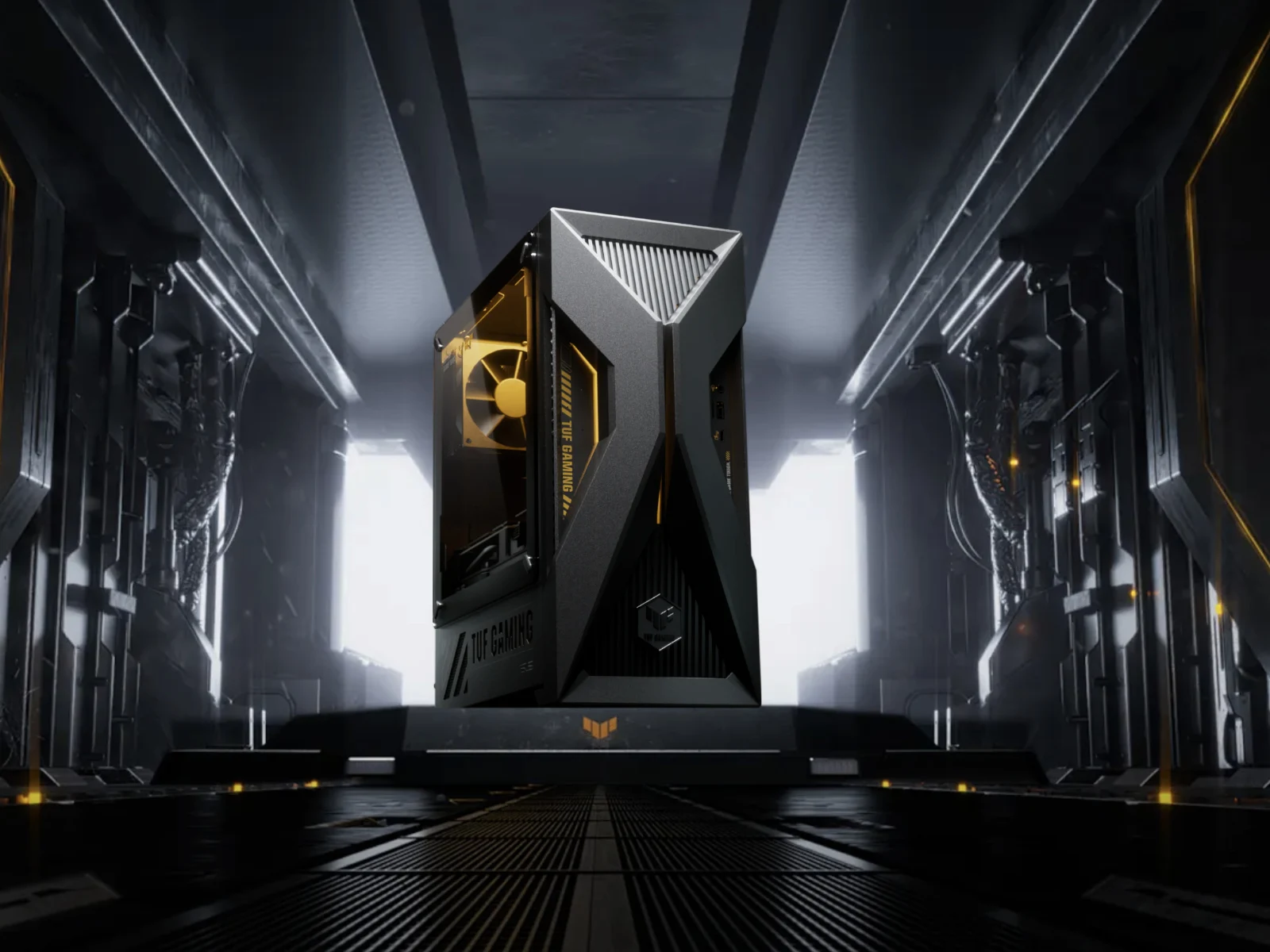
    Asus has refreshed the TUF Gaming T500, now known as the TUF Gaming TM500, following its 2025 launch with AMD APUs. The current price for the TUF Gaming T500 is $899.99 on Amazon. This update is part of a broader range of new Asus gaming products unveiled at CES 2026. While the latest ROG Zephyrus G14 and G16 might steal the spotlight, Asus has also introduced AMD’s Strix Halo platform to the more budget-friendly TUF Gaming A14.

    New Specifications

    In this iteration, Asus offers the TUF Gaming TM500 equipped with a Ryzen 7 260 from AMD’s Hawk Point series, featuring Zen 4 CPU cores. In contrast, the Intel-based TUF Gaming T500 will come with up to a Core i5-13420H. Additionally, Asus’s new budget gaming desktops can be customized with powerful Radeon RX 9060 XT or GeForce RTX 5060 Ti desktop GPUs, alongside a generous 64 GB of DDR5-5200 MT/s RAM.

    Enhanced Features

    Asus has also included PCIe Gen 4 storage options and has ensured robust cooling systems to keep the hardware from overheating. Both the TM500 and T500 models are equipped with 330 W 80 Plus Platinum certified power supplies and feature around a dozen ports located on their front and back panels. However, as of now, Asus has yet to announce the pricing or availability details for either model. For further information regarding the 2026 updates, please visit the company’s official website.

    Source:
    Link


  • WALL·E Returns: Affordable Home Robot by Zeroth Robotics Unveiled

    WALL·E Returns: Affordable Home Robot by Zeroth Robotics Unveiled

    Key Takeaways

    1. Zeroth Robotics debuted at CES 2026, launching five AI-driven robots, including the versatile W1 model.
    2. The W1 robot features caterpillar tracks for navigating uneven surfaces, with a capacity to carry 44 pounds and tow 110 pounds.
    3. Equipped with advanced navigation and monitoring systems, the W1 can be controlled via an app, voice commands, or a remote.
    4. Pre-orders for the W1 are set at $4,999, with US shipping starting on April 15, 2026; it is already available in China for approximately $5,599.
    5. Other robots in Zeroth’s lineup include the M1 humanoid for family assistance and the A1 research robot, all sharing a common technological foundation.


    Zeroth Robotics made its official entrance at CES 2026, coming out of stealth mode and launching into the US market. This previously lesser-known startup unveiled a full range of five AI-driven robots, which includes the W1. This versatile service robot, inspired by Pixar’s WALL-E, is designed to be used in homes, outdoors, by small businesses, and by developers. The W1 employs caterpillar tracks instead of wheels, allowing it to traverse uneven surfaces, tackle inclines of up to 20 degrees, and overcome minor obstacles. With a capacity to carry up to 44 pounds and tow 110 pounds, it serves various purposes like transport, surveillance, or assisting in gardens and business environments.

    Features of the W1

    Equipped with GPS and Beidou navigation, the W1 boasts multiple cameras, including RGB-D depth sensors, along with ultrasonic and infrared sensors, all part of a comprehensive 360-degree monitoring system. It can be controlled through an app, via voice commands, or with a specialized two-hand remote. The W1 is powered by a 308 Wh battery that offers as much as 20 hours of standby time and supports fast charging at 100 watts, reaching full charge in about an hour. While its design evokes echoes of WALL-E, it’s important to note that the W1 is not a licensed Disney product. A press release stated that a true WALL-E companion robot is available for families, schools, and theme parks, but only in the Chinese market.

    Launch Plans

    The W1 is set to launch in the US within the first quarter of 2026. The company has announced that pre-orders will be available for $4,999, with shipping expected to start on April 15. In China, this model is already available for purchase at a price of approximately $5,599.

    Alongside the W1, Zeroth Robotics also presented several other models, including the M1, a small humanoid robot standing around 15 inches tall. Designed for interaction, reminders, and daily assistance, the M1 operates on an AI system powered by Google Gemini. Aimed at families and senior citizens, the M1 is anticipated to release in April 2026, starting at $2,899.

    Additional Models

    The lineup features the A1, a four-legged research robot created for universities and R&D teams, as well as “Jupiter,” a large humanoid robot intended for logistics, service, and security tasks. All models are constructed upon a shared technological base that Zeroth refers to as “Technology DNA,” which incorporates motion control, interaction capabilities, and specially designed actuators.

    Source:
    Link


  • MSI Launches Claw 8 AI+ Glacier Blue and Polar Void Editions

    MSI Launches Claw 8 AI+ Glacier Blue and Polar Void Editions

    Key Takeaways

    1. MSI unveiled new devices during CES 2026, including updates to the Claw 8 AI+ gaming handheld.
    2. The Claw 8 AI+ and Claw 7 AI+ are powered by Intel’s Lunar Lake technology.
    3. The refreshed Claw 8 AI+ will feature a Glacier Blue Edition, primarily a cosmetic update.
    4. Previous editions like the Polar Tempest included significant upgrades, suggesting potential enhancements for the Glacier Blue Edition.
    5. MSI is also showcasing the Polar Void Edition, which is not expected to launch fully at this time.


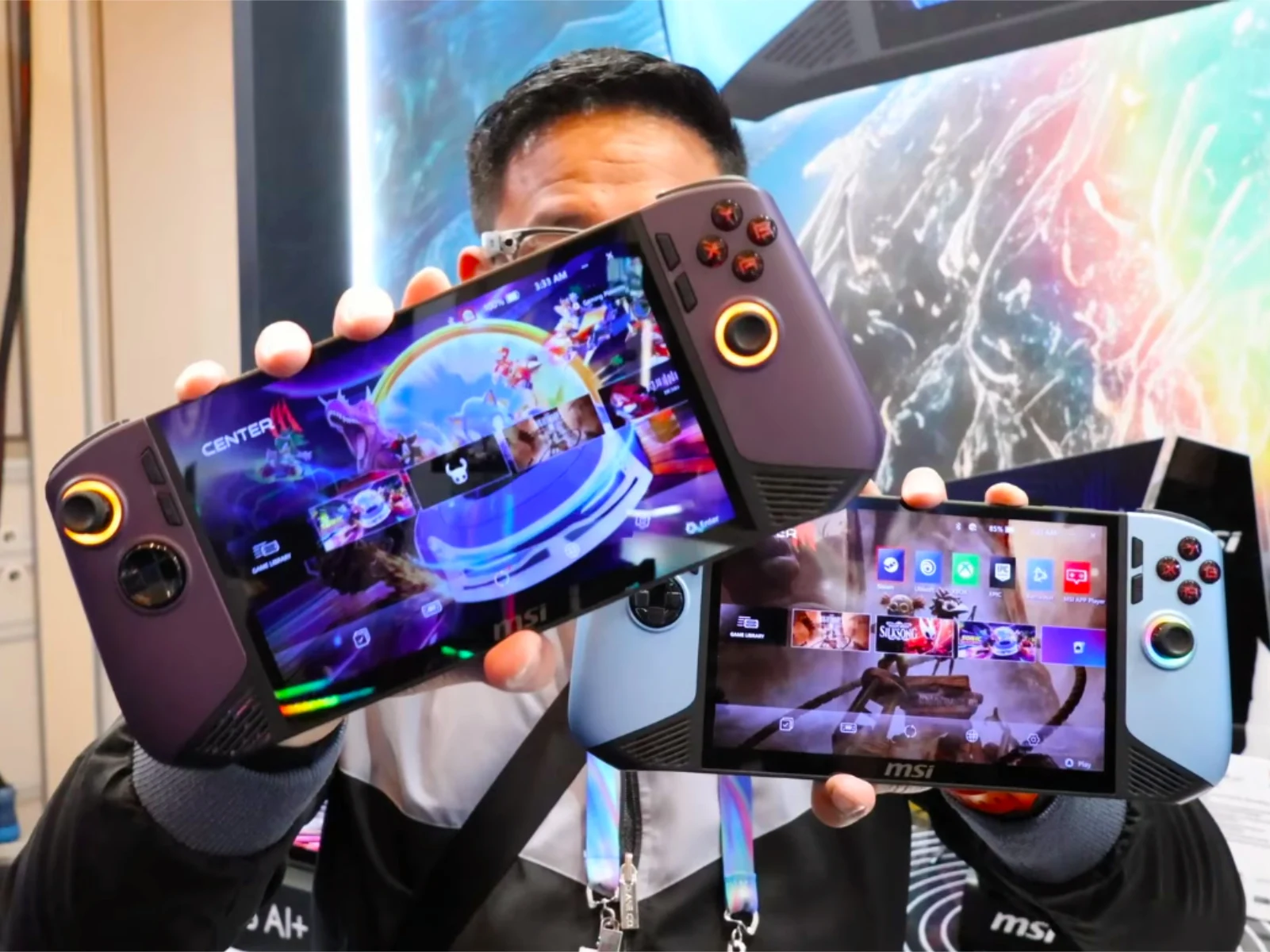
    Earlier today, MSI unveiled multiple new devices during its CES 2026 presentation. The company also hinted at updated versions of its well-liked Claw 8 AI+ gaming handheld. For reference, the Claw 8 AI+ was launched at the same time as the smaller Claw 7 AI+ (currently priced at $959.99 on Amazon).

    Current Offerings

    Currently, these two models are among the few gaming handhelds powered by Intel’s Lunar Lake, along with the OneXPlayer X1 Air. It seems that the next versions using Panther Lake technology are still some time away from hitting the market. Meanwhile, MSI has opted to refresh the Claw 8 AI+ with a Glacier Blue Edition. As seen in the image above, this Glacier Blue Edition might just be another cosmetic update like the previous Polar Tempest Edition.

    Potential Upgrades

    MSI differentiated the Polar Tempest Edition from the original Sandstorm model by including a 2 TB SSD. Therefore, we wouldn’t be shocked if MSI has similar enhancements planned for the Glacier Blue Edition. While the Glacier Blue Edition is on the way, MSI is also showcasing the Polar Void Edition at CES 2026. Sadly, this version is not expected to make a complete market debut at this time.

    Source:
    Link


  • Hisense 116UXS RGB-X MiniLED TV Launch: New Flagship Model

    Hisense 116UXS RGB-X MiniLED TV Launch: New Flagship Model

    Key Takeaways

    1. The Hisense 116UXS is a 116-inch RGB-X Mini LED TV featuring innovative RGB MiniLED Evo technology with an added cyan color for improved color representation.

    2. The TV covers 110% of the BT.2025 color space and achieves a peak brightness of 5,000 nits with many local dimming zones, though the exact number is not disclosed.

    3. It includes the Hisense Hi-View AI Engine RGB and supports Dolby Vision 2, offering enhanced smart features and performance.

    4. The design is nearly bezel-free and slim, measuring approximately 1.57 inches (39.9 mm) thick, with a built-in 6.2.2 channel sound system by Devialet compatible with Dolby Atmos.

    5. The 116UXS was recognized as an Innovation Award Honoree at CES 2026, but release date and pricing information have not yet been announced.


    Hisense has introduced its new top-of-the-line 116UXS, a 116-inch RGB-X Mini LED TV, during CES 2026. This latest model improves upon the previous 116UX TV (currently priced at $29,999.99 on Amazon Marketplace), which was launched in global markets in 2025.

    Enhanced Color Technology

    The Hisense 116UXS boasts the brand’s innovative RGB MiniLED Evo technology, which incorporates an additional color, cyan, into the traditional RGB setup. The company claims that this addition will enhance the TV’s color representation, making it appear “more natural and lifelike,” with improved detail in shadow areas. This model is capable of covering 110% of the BT.2025 color space and achieves a peak brightness of 5,000 nits, thanks to “tens of thousands of color dimming zones,” although the precise count of these local dimming zones hasn’t been disclosed yet.

    Smart Features and Design

    Equipped with the Hisense Hi-View AI Engine RGB, the new 116UXS also supports Dolby Vision 2. It’s designed to have an almost bezel-free appearance and is slim at 1.57 inches (approximately 39.9 mm) thick. Additionally, it features a built-in 6.2.2 channel sound system created by Devialet, which is compatible with Dolby Atmos for an enhanced audio experience.

    Awards and Future Availability

    Notably, at CES 2026, this television model was recognized as an Innovation Award Honoree. However, Hisense has not yet revealed any information regarding the release date or pricing details for the 116UXS RGB-X Mini LED TV.

    Source:
    Link


  • Galaxy Z Fold 8: First Look at Samsung’s Crease-Less Foldable

    Galaxy Z Fold 8: First Look at Samsung’s Crease-Less Foldable

    Key Takeaways

    1. Samsung showcased a prototype foldable device at CES 2026, hinting at a new flagship smartphone without a crease.
    2. The prototype includes two phones, with one resembling the Galaxy Z Fold 7 and the other featuring “Advanced Crease-less” technology.
    3. The crease-less display appears smooth with only a slight bend when light hits it, indicating potential advancements in foldable technology.
    4. Samsung is reportedly developing this new folding OLED technology for Apple’s upcoming foldable phone, suggesting collaboration between the two companies.
    5. The Samsung foldable device is expected to launch in July 2026, while Apple’s foldable may be released later, likely in 2026.


    CES is here, and the major tech companies are unveiling their newest gadgets. Samsung is showcasing its innovations at the event, possibly revealing a sneak peek of its upcoming foldable device, a flagship smartphone without a crease that could usher in a new wave of folding phones. So far, the company hasn’t disclosed when this next-gen foldable device will be available or if it is truly the successor to the Z Fold series.

    Samsung’s Latest Prototype

    According to Sammobile, reported by Max Jambor from the CES 2026 exhibition, Samsung has displayed a prototype foldable that closely resembles its current flagship model, but there’s a significant distinction. The display features two phones shown in their opened position, where the one on the left appears to be the Galaxy Z Fold 7, while the one on the right is an unidentified device that shares the same form factor.

    Advanced Crease-less Technology

    The right-side phone is highlighted with the label “Advanced Crease-less,” and it lacks the noticeable crease that is common in today’s foldable devices. A brief video clip shared by Max on X shows a slight bend in the middle of the screen when light hits it, but overall, the surface looks very smooth. This technology is thought to be what Samsung plans to implement in the Galaxy Z Fold 8.

    It’s been reported that Samsung is also working on this new folding OLED technology for Apple’s inaugural foldable phone, suggesting that Apple’s device might incorporate a similar display, although it will have different dimensions and aspect ratios. As for when these devices will be released, the Samsung foldable is anticipated to launch in July of this year, while Apple’s foldable may appear later, likely sometime in 2026.

    Max Jambor on X, Sammobile.

    Source:
    Link


  • Dell XPS 14 and 16 Laptops Relaunched with Lightweight Design

    Dell XPS 14 and 16 Laptops Relaunched with Lightweight Design

    Key Takeaways

    1. Dell is discontinuing all laptop sub-brands except Alienware and renaming the XPS series to “Dell Premium” in 2025.
    2. The XPS brand is making a comeback in 2026 with the introduction of Dell XPS 14 and XPS 16 models.
    3. Design updates include a more traditional look, physical function keys, and distinct edges for the touchpad.
    4. New models feature next-gen Intel Panther Lake CPUs, up to 64 GB memory, and up to 4 TB SSD storage, but lack dedicated GPUs.
    5. Pricing starts at $2,050 for the XPS 14 and $2,200 for the XPS 16, with availability beginning January 6th in the US and Canada.


    Dell kicked off 2025 with a significant announcement: It would be discontinuing all its laptop sub-brands, except for Alienware, putting the Dell name front and center. This meant even the highly regarded Dell XPS series was set to be renamed to “Dell Premium”.

    A Comeback for XPS

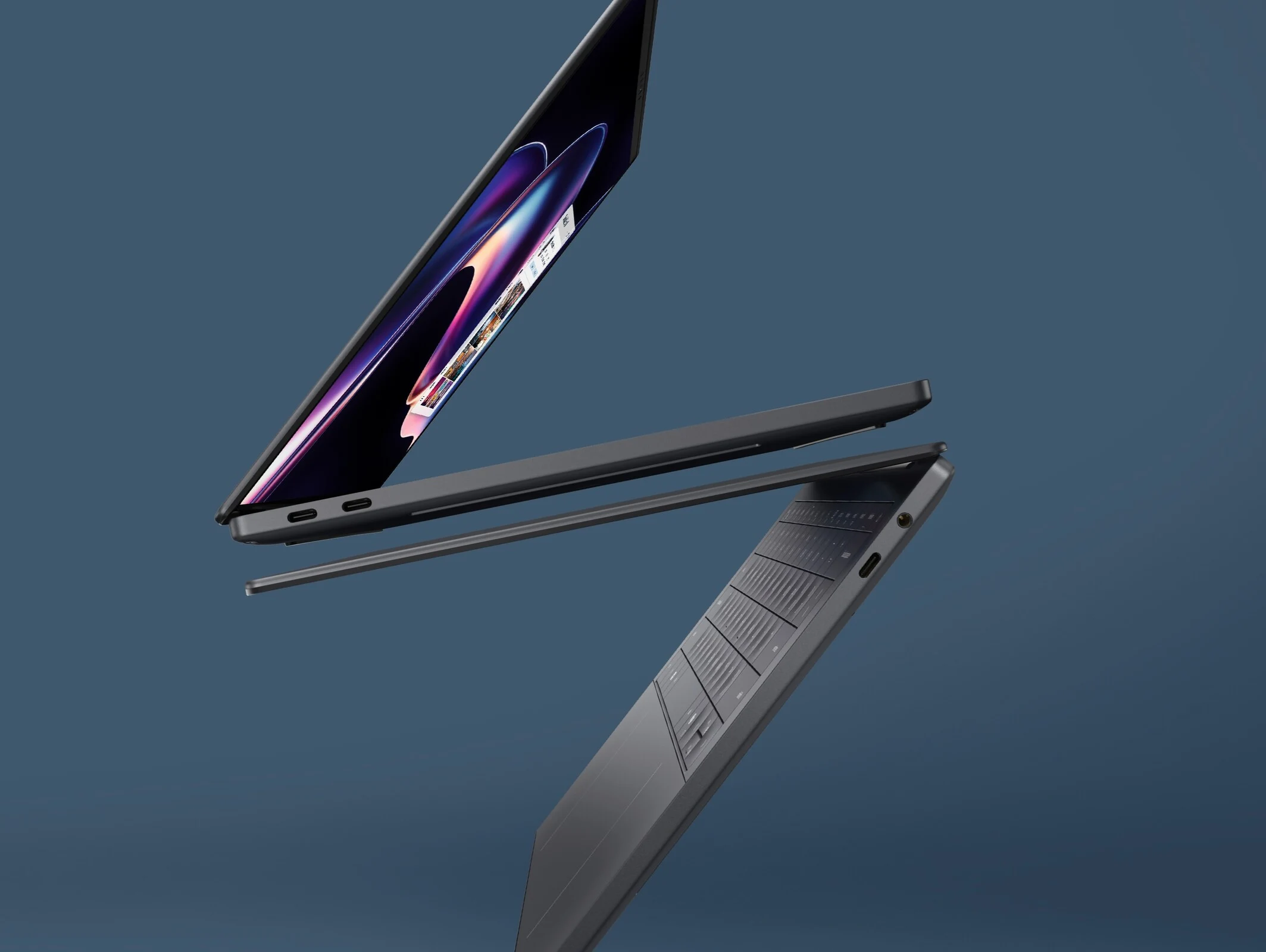
    Fast forward to 2026, and Dell is taking a different direction, bringing the XPS brand back to life. At CES 2026, the company unveiled two fresh models in the series: the Dell XPS 14 DA14260 and the Dell XPS 16 DA16260.

    Design Changes and Features

    With the return of the XPS name, Dell is also making some design changes to this premium prosumer laptop line, opting for a more traditional look. Among the updates are the reinstatement of physical function keys and distinct edges for the larger haptic touchpad.

    Powerful New Hardware

    As laptops in 2026, both the Dell XPS 14 and Dell XPS 16 are equipped with next-gen processors. They feature Intel’s Panther Lake CPUs, which come in basic 8-core options (Intel Core Ultra 5 325, Core Ultra 7 355) and more robust H class CPUs (Intel Core Ultra X7 358H, Core Ultra X9 388H). The latter models include Intel’s latest ARC Graphics, but don’t offer dedicated GPUs. Users can choose up to 64 GB of soldered LPDDR5X memory, while SSD storage can reach up to 4 TB.

    Premium Build and Weight Reductions

    These components are housed in cases made from high-quality materials, such as CNC Aluminum and Gorilla Glass on the palm rest. A notable change this year is the reduced weight of the Dell XPS 14 and XPS 16. Compared to the previous Dell 14 Premium and Dell 16 Premium found on Amazon, the weight has decreased from 1.7 kg to 1.4 kg for the 14-inch model and from 2.3 kg to 1.7 kg for the 16-inch model. While the lower weight comes at the cost of the dGPU option, it also affects the battery capacity of the 16-inch model, which now is 70 Wh, down from 99.5 Wh. The microSD card slot has been removed, and screen sizes have been adjusted from 14.5 inches and 16.3 inches to a more standard 14 and 16 inches. Both models offer options for WUXGA IPS screens along with 2.8K (14-inch) and 3.2K (16-inch) OLED screens. All displays support refresh rates of up to 120 Hz, with the IPS screens able to drop to a power-saving 1 Hz.

    Pricing and Availability

    The new Dell XPS series will be available starting January 6th in the US and Canada, with a starting price of $2,050 for the XPS 14 and $2,200 for the XPS 16 in the USA.

    Source:
    Link


  • Asus ROG Swift OLED PG27UCWM: New Tandem OLED Gaming Monitor

    Asus ROG Swift OLED PG27UCWM: New Tandem OLED Gaming Monitor

    Key Takeaways

    1. The ROG Swift OLED PG27UCWM features a 27-inch display and is part of Asus’ premium ‘ROG Swift’ lineup.
    2. It uses LG Display’s 4th Gen Tandem OLED panel technology, supporting 4K at 240 Hz and 1080p at 480 Hz via Dual Mode.
    3. The monitor has a sharp 166 PPI and an RGB Stripe sub-pixel configuration for improved text clarity.
    4. It boasts a 0.03 ms GtG response time, variable refresh rate technology, and VESA DisplayHDR 500 True Black certification with peak brightness of 500 nits.
    5. Connectivity options include DisplayPort 2.1, HDMI 2.1, and USB Type-C, but pricing and release date have not yet been announced.


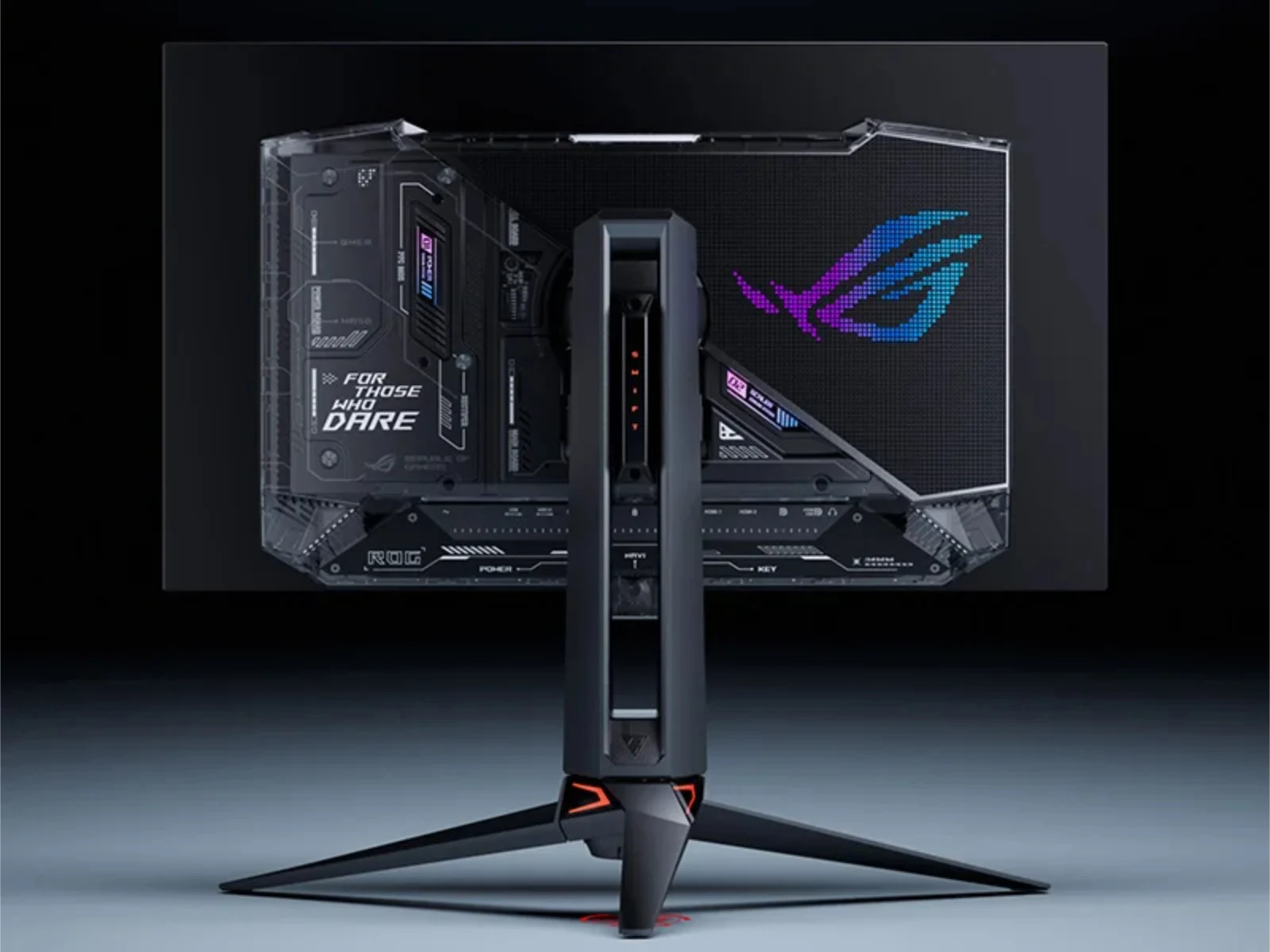
    The ROG Swift OLED PG27UCWM is the tiniest among the various gaming monitors that Asus is highlighting this week in Las Vegas during CES 2026. To give you an idea, other models include the ROG Swift OLED PG32UCDM Gen 3 and the ROG Swift OLED PG34WCDN, which we have discussed separately. As its name indicates, the ROG Swift OLED PG27UCWM features a 27-inch display and comes packed with functionalities that fit Asus’ premium ‘ROG Swift’ lineup.

    Advanced Display Technology

    Specifically, the PG27UCWM is built on LG Display’s 4th Gen Tandem OLED panel tech, enabling the monitor to operate at 4K with a 240 Hz refresh rate or at 1080p with 480 Hz via Dual Mode technology. Similar to the QD-OLED-supported ROG Swift OLED PG34WCDN, this model also uses an RGB Stripe sub-pixel configuration. In theory, this new arrangement, along with the PG27UCWM’s rough 166 PPI, should enhance text sharpness compared to earlier OLED models such as the ROG Swift OLED PG27UCDM, which is currently priced at $1,199 on Amazon.

    Impressive Performance Features

    Additionally, the ROG Swift OLED PG27UCWM features astonishing 0.03 ms GtG response times, variable refresh rate technology, and VESA DisplayHDR 500 True Black certification, providing a peak brightness of 500 nits in SDR mode (10% APL). Asus has also included DisplayPort 2.1 (UHBR20), HDMI 2.1 (FRL), and USB Type-C (90 W/DP Alt Mode) ports, just like the ROG Swift OLED PG34WCDN. At this moment, Asus has not disclosed when the ROG Swift OLED PG27UCWM will hit the market or its price. Asus might reveal further information later this week during CES 2026, however.

    Source:
    Link


  • LG Launches Wireless Ultra-Thin Wallpaper TV: A New Era in Design

    LG Launches Wireless Ultra-Thin Wallpaper TV: A New Era in Design

    Key Takeaways

    1. LG’s Wallpaper TV, the LG OLED evo W6, returns after nearly nine years, featuring a thickness of 9mm and a new Zero Connect Box for wireless connections.
    2. The W6 incorporates “Hyper Radiant Color Technology,” claiming to be 3.9 times brighter than standard OLEDs and boasts the lowest reflectance among LG TVs.
    3. The updated model runs on the latest webOS with features like voice-based profile switching, AI content recommendations, and LG Gallery+ for displaying art.
    4. It is powered by the Alpha 11 AI Processor Gen3, supports a 4K 165Hz refresh rate, and is compatible with Nvidia G-Sync and AMD FreeSync Premium.
    5. Pricing and availability details for the W6 are not yet revealed, but LG aims for a more reasonable price compared to the original model’s high cost.


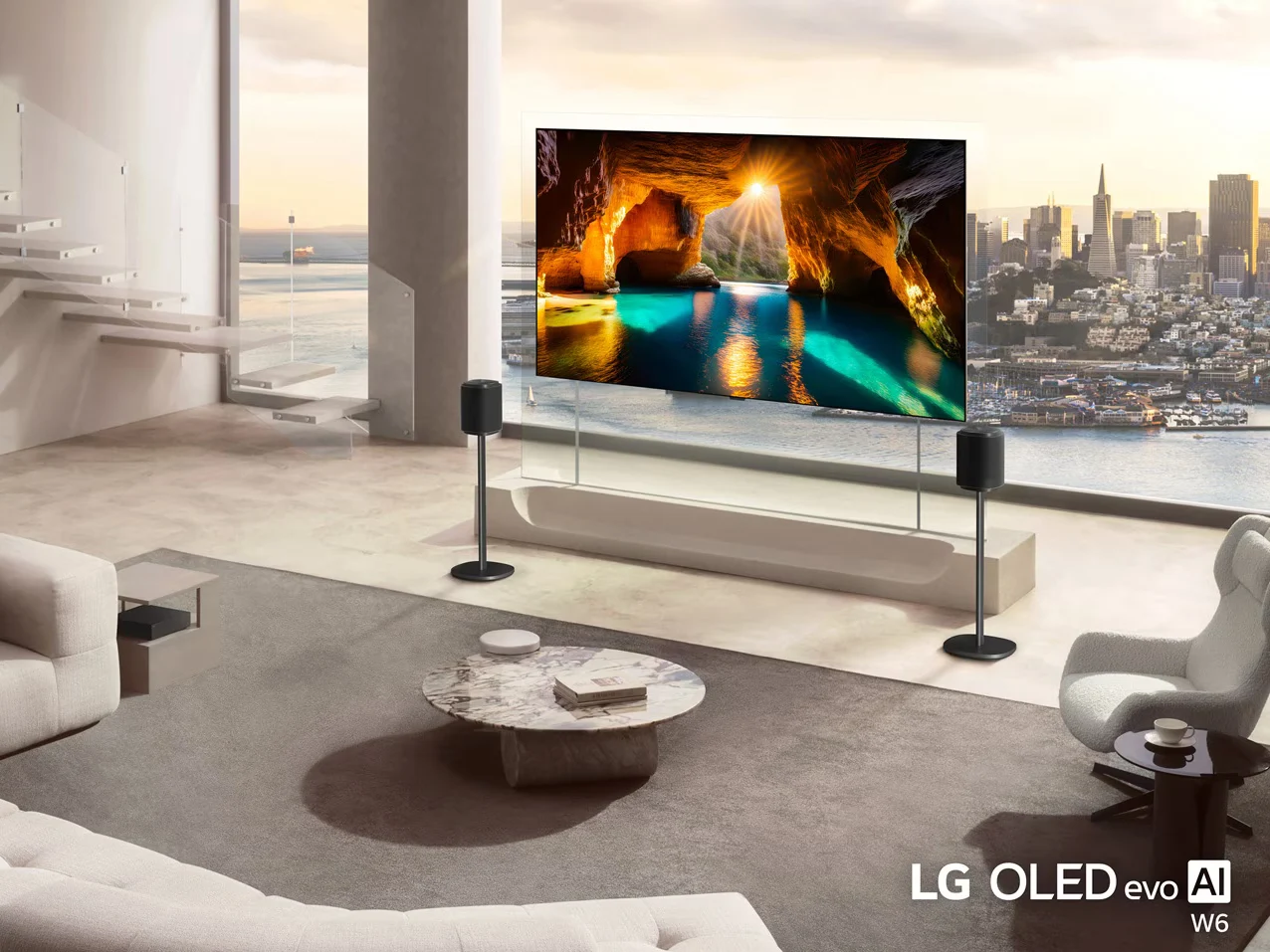
    It has been nearly nine years since we last encountered LG’s boldest television concept. At CES 2026, the Wallpaper TV is making a comeback. This new model is named the LG OLED evo W6 (with the “W” representing wallpaper) and is a revival of the exceptionally slim TV that the South Korean tech company first introduced in 2017.

    Thinnest Wireless OLED TV

    LG promotes the Wallpaper TV as its slimmest wireless OLED TV to date, coming in at 9mm thick—despite being thicker than the earlier version, which measured only 2.57mm. The original W7 was an engineering wonder but required a soundbar for the primary electronics and inputs, connecting to the TV via a cable. The updated model boasts a neater setup with a Zero Connect Box that houses all inputs and transmits 4K video and audio without wires from distances of up to 10 meters.

    Advanced Technology Features

    According to LG, the W6 is more than just visually appealing; it features an OLED panel with LG’s innovative “Hyper Radiant Color Technology,” which offers enhanced brightness, color, and contrast. The company claims it’s 3.9 times brighter than standard OLEDs but hasn’t disclosed the specific peak or HDR brightness levels. Additionally, the Wallpaper TV has the lowest reflectance among LG TVs and is the sole OLED TV to receive Reflection Free Premium certification from Intertek.

    The W6 is equipped with the latest webOS, offering voice-based profile switching, AI-driven content recommendations, and LG Gallery+. This feature transforms the screen into a changing art display when not in use.

    Impressive Specs

    Internally, the W6 is driven by LG’s Alpha 11 AI Processor Gen3 and supports a 4K 165Hz refresh rate along with Nvidia G-Sync and AMD FreeSync Premium compatibility. Like the rest of LG’s OLED TV range, the W6 includes the LG Gallery+ service, allowing the screen to exhibit a rotating collection of over 4,500 images when idle.

    The resurgence of the W-series marks a significant achievement for LG’s display division. While the initial 2017 model was priced at $7,999 (with the larger 77-inch version costing a staggering $19,999), LG seems to be targeting a more reasonable price point this time around. However, there are no specifics on pricing or availability at this moment, although LG has indicated to Tom’s Guide that it will be near its other high-end OLED TVs.

    The Wallpaper TV will be showcased at the LG Electronics booth (#15004, Las Vegas Convention Center) from January 6-9.

    Source:
    Link


  • Anker Launches New Clamp Design Desktop Charger for Easy Use

    Anker Launches New Clamp Design Desktop Charger for Easy Use

    Key Takeaways

    1. Innovative Clamp Design: The Anker Nano Power Strip features a unique clamp mechanism for easy attachment to desks, allowing for adjustable positioning.

    2. 10 Output Ports: It provides a total of ten outputs, including four USB ports (two USB-A and two USB-C) and six AC outlets.

    3. High Power Delivery: One of the USB-C ports can deliver up to 70W of power, making it suitable for charging various devices.

    4. Surge Protection: The power strip includes 1500J of surge protection, ensuring safety for connected devices.

    5. Launch and Pricing: The Anker Nano Power Strip is set to launch in the U.S. by the end of January 2026, with a retail price of $69.99.


    The Anker Nano Power Strip (10-in-1, 70W, Clamp) was introduced at CES 2026. This new desktop gadget is designed to help users charge their devices while keeping their workspace tidy. Its unique design makes it different from previous Anker power strips, such as the Nano Charging Station (67W Max), which currently sells for $33.99 on Amazon.

    Unique Design Features

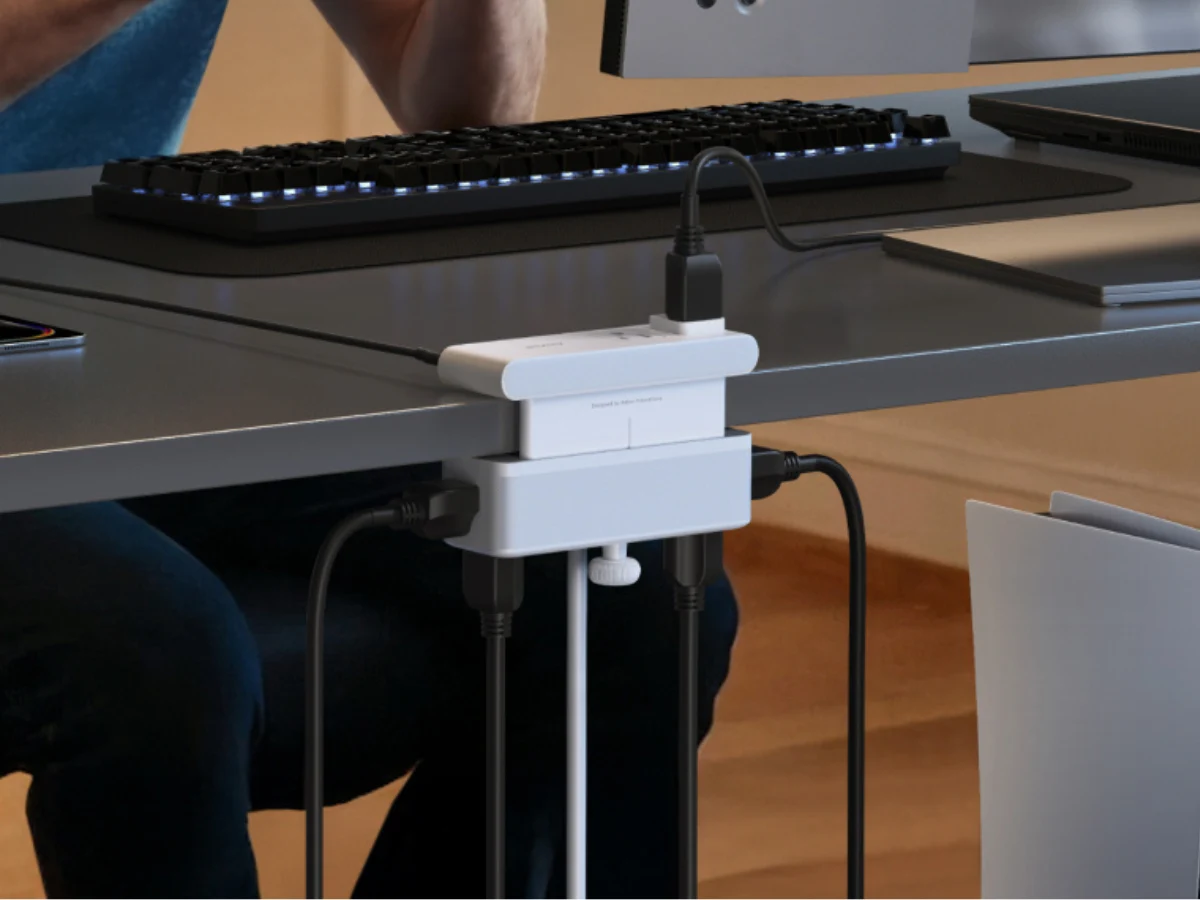
    This novel Anker Nano Power Strip features an interesting clamp mechanism, with parts positioned on both sides of your desk. You can easily adjust the clamp using a rotating knob located on the bottom of the unit. As suggested by its name, the device provides a total of ten outputs. On the front of the upper section, you’ll find four USB ports—two USB-A and two USB-C. Anker claims that one USB-C port can deliver up to 70W of power.

    Output and Safety Features

    The other six outputs consist of AC outlets, which are distributed between the upper and lower parts of the strip. Additionally, Anker promotes this product as having 1500J of surge protection. It includes a fixed power cable, and images show that it will come in two colors: black and white. However, specifics about the dimensions of the power strip have not yet been provided.

    Anker plans to launch the Nano Power Strip (10-in-1, 70W, Clamp) in the United States by the end of January 2026, with a retail price set at $69.99. The company has not yet confirmed plans for a European release.