Tag: Augmented Reality

  • Baidu Launches Xiaodu AI Glasses: First AI Glasses with Chinese Support

    Baidu Launches Xiaodu AI Glasses: First AI Glasses with Chinese Support

    At the recent Baidu World Conference in 2024, Baidu introduced its Xiaodu AI Glasses, heralded as the “first AI glasses in the world featuring a native Chinese language model.” Developed by Baidu’s hardware division, Xiaodu Technology, these glasses highlight Baidu’s sophisticated Ernie language model. They aim to blend AI technology into wearable devices specifically for Chinese-speaking users, going up against the well-known Ray-Bans by Meta.

    Specifications

    Weighing in at only 45 grams, the Xiaodu AI Glasses are outfitted with a 16MP ultra-wide-angle camera that includes AI stabilization, allowing for smooth, stable photographs from a first-person viewpoint. Moreover, they come with a four-microphone setup designed to capture sound effectively and have open-ear anti-leakage speakers for clear audio delivery. This design enables users to have an immersive, hands-free experience.

    The glasses boast six main features: real-time Q&A via walk-and-ask inquiries, calorie detection, object identification through an encyclopedia function, audio-visual translation, and smart reminders. Additionally, they include AI anti-shake technology for both photos and videos, allowing users to document their adventures effortlessly.

    Battery Life and Operating System

    When it comes to battery performance, the Xiaodu AI Glasses can last up to 56 hours on standby and provide over 5 hours of continuous audio playback. With rapid-charging capabilities, they can be fully charged in just 30 minutes, making them convenient for everyday use. These glasses operate on the DuerOS AI native system and are expected to integrate smoothly with popular Baidu applications like Baidu Maps and Baike, further enriching the user experience with Baidu’s offerings.

    Pricing & Availability

    Baidu has announced that the Xiaodu AI Glasses will officially be available in the first half of 2025, with a projected retail price of under 2,100 yuan (around $290).

    In other news, Apple has initiated a project for smart glasses, codenamed “Atlas.” This initiative aims to revolutionize wearable technology by providing a genuine AR experience. Spearheaded by Apple’s Product Systems Quality team, the project is currently in a research phase, gathering feedback from internal focus groups. Apple intends to create a lightweight, fashionable model that will initially work with the iPhone, utilizing its processing power, with the long-term vision of developing fully standalone smart glasses. Nevertheless, due to stringent quality standards, the launch might be delayed for up to five years. In the meantime, Apple is planning to unveil the Vision Pro 2 by 2025 or early 2026, which will feature an enhanced M5 chip for better AR functionalities.

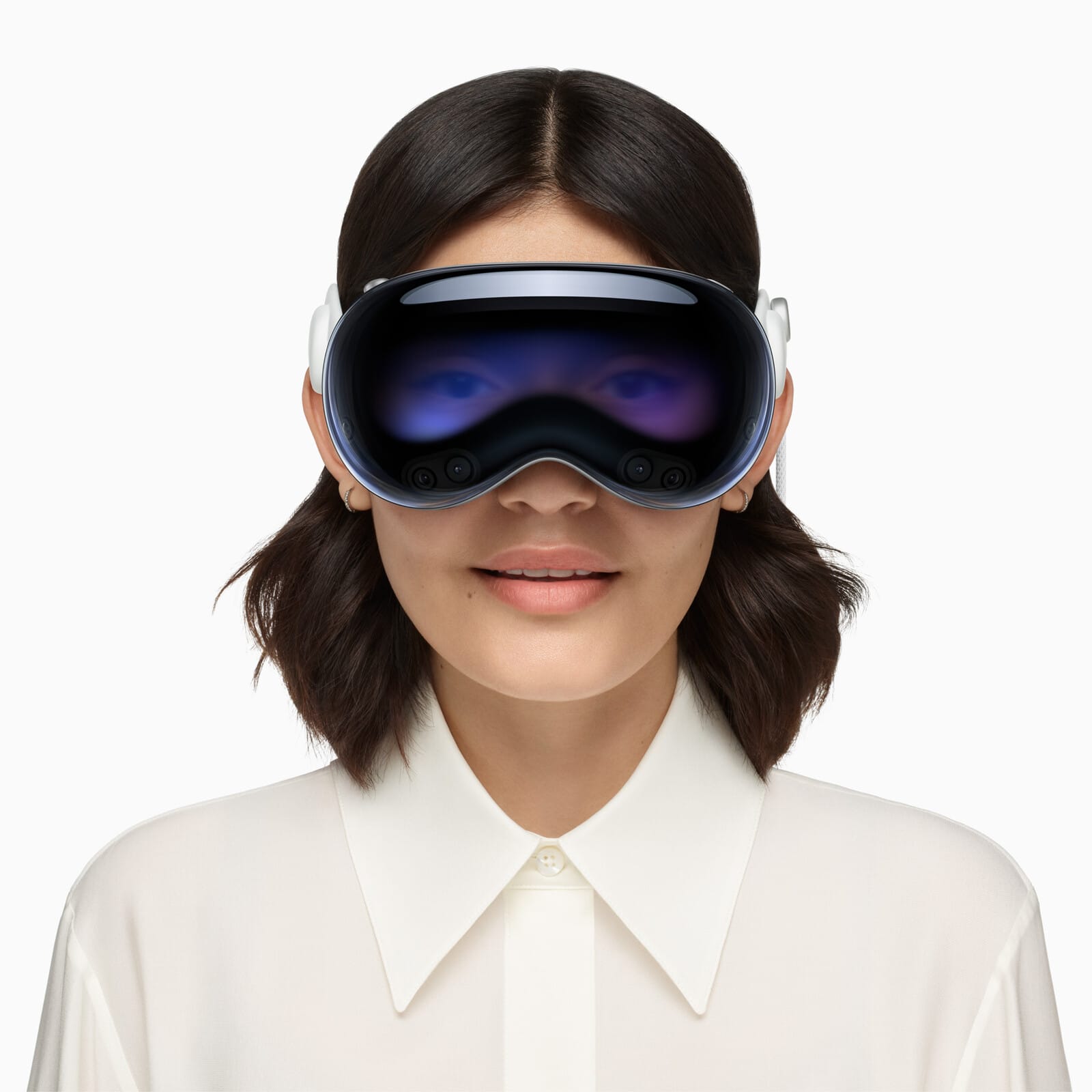
    Image 1
  • Apple Vision Pro 2 with M5 Chip and Apple Intelligence Coming 2H25

    Apple Vision Pro 2 with M5 Chip and Apple Intelligence Coming 2H25

    The Vision Pro has marked Apple’s entry into the world of augmented and virtual reality (AR/VR). However, the reception to the device’s mixed reality features has been varied, and many view it as akin to a public beta. Despite its premium price of $3,500 plus taxes, sales have been low, and the return rate is notably high.

    Potential for a Cheaper Alternative

    There are ongoing rumors that Apple might pivot towards a more affordable version of the Vision Pro, while a Vision Pro 2 could also be on the horizon. Analyst Ming-Chi Kuo has shared insights into what this next iteration might offer.

    Kuo suggests that the Vision Pro 2 could begin mass production in the second half of 2025. This new headset is expected to be powered by the M5 chip, an upgrade from the current M2 system-on-chip, and will integrate Apple Intelligence into spatial computing.

    Enhancements in Human-Computer Interaction

    Kuo anticipates that most of the hardware will remain consistent with the existing model to maintain similar pricing. The introduction of Apple Intelligence is expected to significantly improve human-computer interaction (HCI) capabilities, enhancing features like eye tracking and gesture control, contributing to a more seamless spatial computing experience. Kuo believes that the integration of Apple Intelligence in the Vision Pro 2 will provide a more concrete experience than currently found on the iPhone.

    He also mentions the potential for collaboration with OpenAI’s Sora, which could facilitate immersive text-to-video experiences that surpass what is feasible on smartphones and other gadgets.

    Supply Chain and Competitive Landscape

    Kuo expects the supply chain for the M5 Vision Pro 2 to remain similar to that of its predecessor, including suppliers like Zhaowei, which provided the electric focus adjustment system for the Vision Pro’s inter-pupillary distance (IPD).

    Ultimately, the success of the Vision Pro will depend on factors such as affordability, availability, and comprehensive app support. Apple faces a tough competition from Meta, which recently unveiled several intriguing products at Meta Connect, such as the Quest 3S starting at $299, the Orion AR glasses prototype, new AI features for Ray-Ban Meta smart glasses, and a permanent price reduction for the Quest 3.

  • Apple Vision Pro Headset Expands to China and 7 More Countries

    Apple Vision Pro Headset Expands to China and 7 More Countries

    The Apple Vision Pro headset will be available in eight countries following its launch four months ago. Pre-orders for the device will soon begin in Japan, Singapore, and China, where a cheaper alternative under $300 has been gaining traction. This announcement came during the annual Worldwide Developers Conference on June 11, 2024. Apple CEO Tim Cook revealed that the Apple Vision Pro would soon be available in several key markets.

    New Augmented Reality Platform

    The Apple Vision Pro represents Apple's first head-mounted display, with ambitions to eventually replace the iPhone. It is promoted as an augmented reality platform and a spatial computing device that blends digital content with the real world to offer users augmented reality experiences.

    Storage Options and Pricing

    The device comes with storage options ranging from 256GB to 1TB. The optical inserts for the device are sold separately, similar to the US market. There are speculations that a second version of the headset might be in development, potentially releasing in late 2025 or early 2026. Pre-orders for Australia, Canada, France, Germany, and the UK will start on June 28, with sales beginning on July 12.

    Initially, the Apple Vision Pro was priced at $3,499, with only slight discounts since its launch. International pricing closely mirrors the US price, with minor adjustments due to currency fluctuations and varying tax policies.

    In China, the 256GB model is priced at 29,999 yuan ($4,135), the 512GB model at 31,499 yuan ($4,342), and the 1TB model at 32,999 yuan ($4,549). Optional optical inserts start at 799 yuan ($69).

  • Apple Patents Interactive Digital Stone for AR and More

    Apple Patents Interactive Digital Stone for AR and More

    Apple enthusiasts, the future may bring some interactive "pebbles"! The US Trademark and Patent Office has disclosed a new Apple patent for a "digital stone" intended to work with the Vision Pro headset.

    Potential Features

    This digital stone could be a compact, handheld gadget, about the size of a pebble or coin. It may feature a touch-sensitive display for user interaction and visual information, alongside built-in microphones for voice commands and speakers for audio feedback. The patent also hints at capabilities such as location tracking and tactile feedback through vibrations.

    Versatile Uses

    The functionalities of this digital stone appear to be quite diverse. Envision it as a voice-activated assistant to manage your smart home or access various applications. It could also function as a remote control for your speakers, lights, or even kitchen appliances. The patent suggests its potential use as an anchor or marker within augmented reality or virtual reality settings. Even more fascinating, this device could connect and interact with a variety of electronics like headphones, speakers, smartphones, laptops, and more.

    While the comprehensive set of features is yet to be fully disclosed, the patent hints at a highly adaptable tool that could change the way we engage with technology in the years to come.

  • Unistellar AR Binoculars: Guided Navigation, Target-Lock & App

    Unistellar AR Binoculars: Guided Navigation, Target-Lock & App

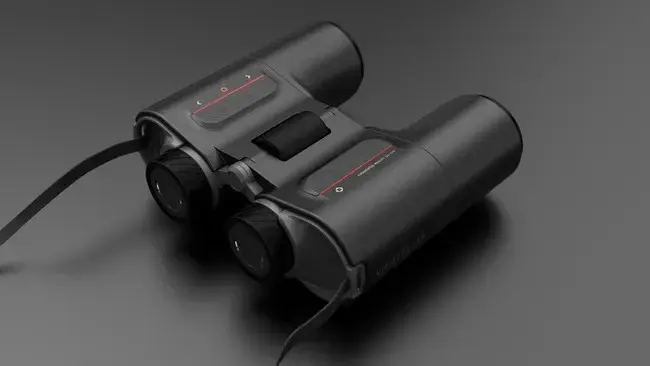
    Unistellar, a company known for its innovative smart telescopes, is exploring a new frontier: augmented reality binoculars. Their upcoming Envision binoculars are poised to transform how we interact with our environment.

    Augmented Reality Overlays

    The Envision binoculars feature a pioneering augmented reality (AR) overlay system. With just a press of a button, users can access a wealth of contextual information directly in their field of view. This personalized data, which includes an extensive map database, caters to a variety of needs. The Smart Scouting mode lets you effortlessly explore and identify landmarks and points of interest. For stargazers, the Guided Navigation mode turns the night sky into a guided tour, unveiling celestial wonders with informative overlays. Wildlife enthusiasts will appreciate the Shareable Target-Lock mode, which enables you to locate an animal, share its location with others, and keep everyone focused on the subject. For those who prefer a more traditional experience, the Envision can seamlessly switch to a classic, high-quality optical view.

    Smartphone Connectivity

    While the Envision connects to your smartphone via a dedicated app to fully unlock its AR features, Unistellar ensures that the binoculars deliver exceptional optical performance even without the AR functionality. This makes them an excellent choice for traditional binocular use as well.

    A Game-Changer in Optics

    Unistellar markets the Envision as a game-changing product, combining state-of-the-art AR technology with premium optics at a competitive price. Although specific technical details remain undisclosed, an upcoming crowdfunding campaign promises to provide more information.

    It's crucial to note that crowdfunding campaigns carry inherent risks. However, Unistellar's strong track record, including the successful delivery of the eVscope smart telescope and positive reviews of previous products, boosts confidence in the Envision campaign.

  • Gurman: Apple Vision Pro 2 Release Expected in Minimum 18 Months

    Gurman: Apple Vision Pro 2 Release Expected in Minimum 18 Months

    Apple’s venture into the mixed-reality domain with the Vision Pro headset has been met with acclaim for its diverse mixed-reality functionalities. However, the headset’s premium price and initial limitations have left some purchasers with feelings of remorse regarding their investment.

    Analyst Speculations on Vision Pro 2 Release

    Analyst Mark Gurman has hinted that a refined iteration, the Vision Pro 2, might not make its debut for at least another 18 months. According to Gurman’s “Power On” newsletter, Apple is projected to launch the second-generation Vision Pro around 2026.

    Reports have emerged of customers returning their Vision Pro headsets, raising concerns about the product’s early performance. Gurman acknowledges that returns are customary, occurring for various reasons. However, he notes that Vision Pro’s uniqueness might deter loyal Apple fans or tech enthusiasts from returning the product.

    Complaints about the Vision Pro headset typically revolve around its weight, limited app selection, and the hefty $3,500 price tag, which some users find disproportionate to the current user experience.

    Challenges Faced by Vision Pro

    Despite positioning itself as a luxury item with a premium price point, the Vision Pro is encountering challenges typical of first-generation technology. Mark Zuckerberg, CEO of Meta, has criticized its performance in comparison to Meta’s Quest 3, indicating the obstacles Apple may confront in a swiftly evolving market.

    Apple is renowned for its meticulous approach to new product categories, emphasizing quality over speed. Nevertheless, the current version of the Vision Pro seems to fall short of certain users’ expectations, signaling a need for enhancement.

    Gurman: Apple Vision Pro 2 Release Expected in Minimum 18 Months