
Tag: atmospheric reentry

  • Astronaut Captures Fireball in Earth’s Atmosphere from ISS

    Astronaut Captures Fireball in Earth’s Atmosphere from ISS

    Key Takeaway

    – An unexplained bright object streaked through the upper atmosphere below the ISS over West Africa on April 27, 2026, potentially related to reentry debris, a satellite, space junk, or a meteor.
    – The event was captured with a Nikon Z9 and 200 mm lens, showing the tail widening and breaking into smaller pieces.
    – Possible origins include the reentry of a rocket stage (possibly the one launching Progress MS-34), a satellite or debris reentry, or a meteor; none have been confirmed.
    – Atmospheric reentries and related flashing/shower events have been observed in recent years with various causes (e.g., Starship occurrences, satellite failures).

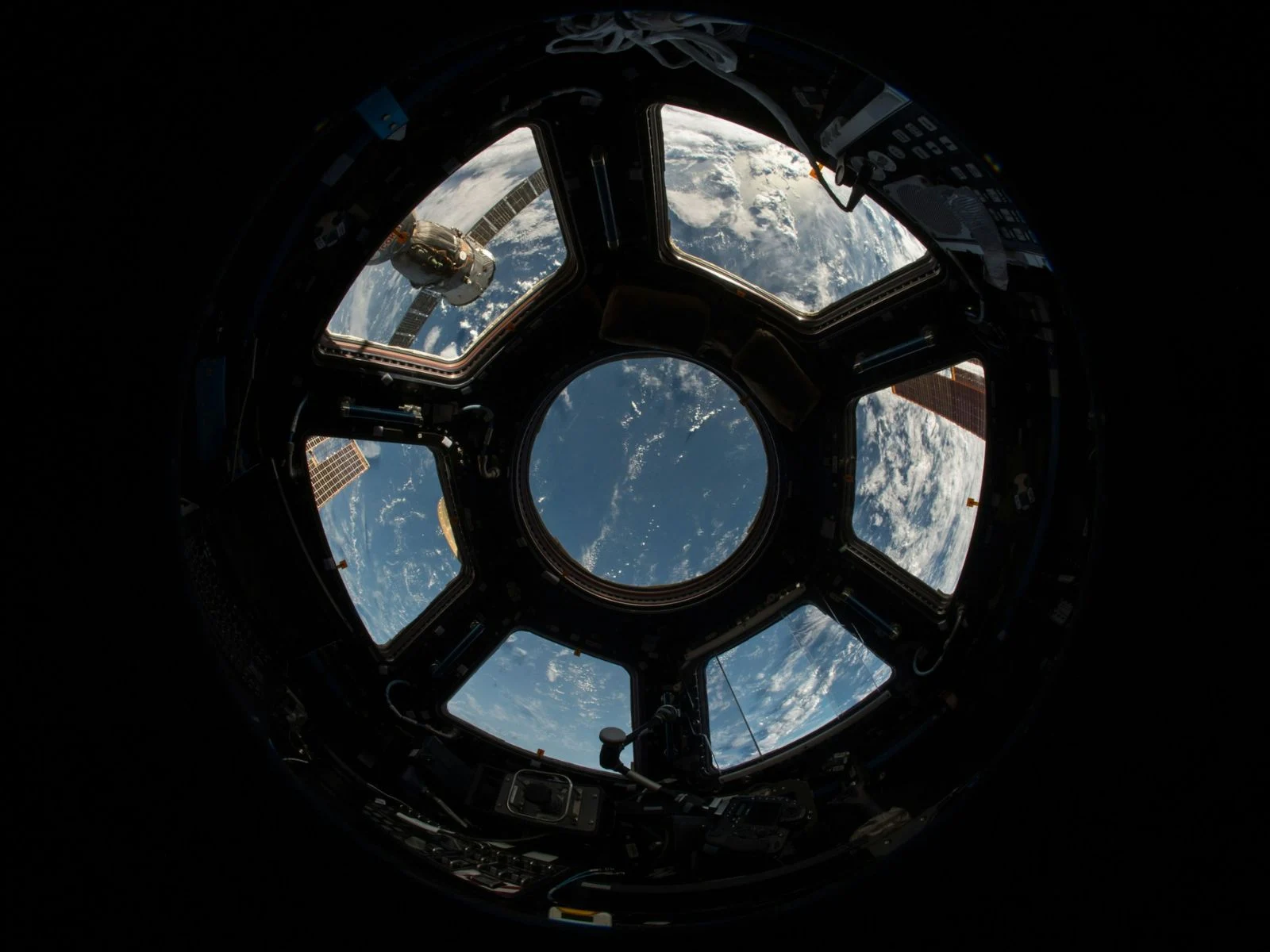
    From the ISS, which orbits Earth, astronauts can observe many phenomena. Indeed, they can see storms on Earth’s surface, as well as events in the atmosphere. That was recently the case for astronaut Chris Williams, who photographed a fireball in the upper atmosphere.

    Observation over West Africa

    This event occurred on April 27, 2026, as the ISS was flying over West Africa. While he was trying to locate the Progress MS-34 cargo spacecraft, he spotted a bright object in the atmosphere, as he explained: “I was scanning the sky to try to catch a glimpse of the approaching Progress MS-34 vehicle bringing new supplies. Just as we were passing over West Africa, I saw a bright object directly below us, streaking through the upper atmosphere. I saw its tail grow and then split apart into a shower of smaller pieces.”

    Potential origins

    Although the object’s disintegration is visible in this image, which was captured with a Nikon Z9 and a 200 mm lens, its origin remains unknown. Indeed, several hypotheses have been put forward, but none have been confirmed. As a result, this astronaut may have seen the atmospheric reentry of the rocket that launched this spacecraft. But that’s not all, as it could also have been a satellite, space debris, or even a meteor, according to some astronomers.

    Frequency of such events

    However, this kind of phenomenon is not especially rare. Several similar events have occurred in recent years, such as the case of the Starship. Not to mention that several satellites have also encountered problems, causing similar phenomena.

    Sources

  • Satellite Launches Impact Earth’s Atmosphere and Ozone Layer

    Satellite Launches Impact Earth’s Atmosphere and Ozone Layer

    Key Takeaways

    1. The number of satellite launches has surged, with thousands of satellites now in orbit for various global services.
    2. Satellites typically operate for 5 to 15 years before being deorbited through a process called atmospheric reentry.
    3. The burning of satellites during reentry releases harmful pollutants, including metal particles and black carbon soot, contributing to atmospheric pollution.
    4. The emitted chemicals can damage the ozone layer and affect the Earth’s atmosphere, raising concerns about environmental impact.
    5. Scientists advocate for recycling materials from deorbited satellites and initiatives like the European Space Agency’s ClearSpace-1 mission aim to address space debris sustainably.


    The number of satellites sent into space has increased significantly in the last few years. Mega-constellations, which are extensive networks of satellites working collectively, are being launched to offer worldwide internet, communication, navigation, and Earth observation services.

    Surge in Satellite Launches

    Every year, there are hundreds of launches, with thousands of satellites now positioned in orbit. These satellites typically function for 5 to 15 years before they are deorbited. The deorbiting process guides them back into the Earth’s atmosphere, where they heat up to extreme temperatures, burn, and eventually disintegrate. This whole process is known as atmospheric reentry.

    Environmental Concerns

    Recent studies have revealed that the material that burns during this process leads to atmospheric pollution. Metal particles and various chemical compounds are emitted into the middle atmosphere. Satellites are made with significant amounts of aluminum, which creates alumina particles when it burns and can linger in the middle atmosphere for extended periods. Rocket engines that burn hydrocarbon fuels also generate black carbon soot. Additionally, unusual metals like copper and lithium have been found.

    Moving Towards Sustainability

    The chemicals released can have an impact on different sections of the Earth’s atmosphere, causing damage to the ozone layer, heating the stratosphere, and altering the polar atmosphere. There’s also a risk of debris crashing down to Earth.

    To combat this issue, scientists have suggested that instead of incinerating satellites, the materials from deorbited satellites should be recycled and utilized again to minimize waste. The European Space Agency is working on the ClearSpace-1 mission, which aims to capture space debris and safely remove it. The materials recovered from this process can also be valuable, potentially creating new streams of income. Humanity now faces a choice: continue with current methods or develop a sustainable circular space environment.

    Phys.org

    Source:
    Link