Tag: Artemis II

  • NASA Artemis II Lunar Flyby High-Res Images Collection

    NASA Artemis II Lunar Flyby High-Res Images Collection

    Key Takeaway

    1. The Artemis II lunar flyby provided high-resolution images of the Moon’s far side, captured using a combination of onboard external cameras, handheld Nikon D5 DSLR cameras, and an iPhone 17 Pro Max.
    2. The crew was specifically trained to photograph lunar landmarks with zoom lenses, enhancing documentation and training for future crewed missions.
    3. The images showcase detailed crater features and Earth views, with lighting conditions at low sun angles increasing surface texture visibility and depth perception.
    4. The photography served primarily for mission documentation and training, representing an advancement in high-res coverage compared to past Apollo missions.

    Gallery of lunar images from Artemis II is now available

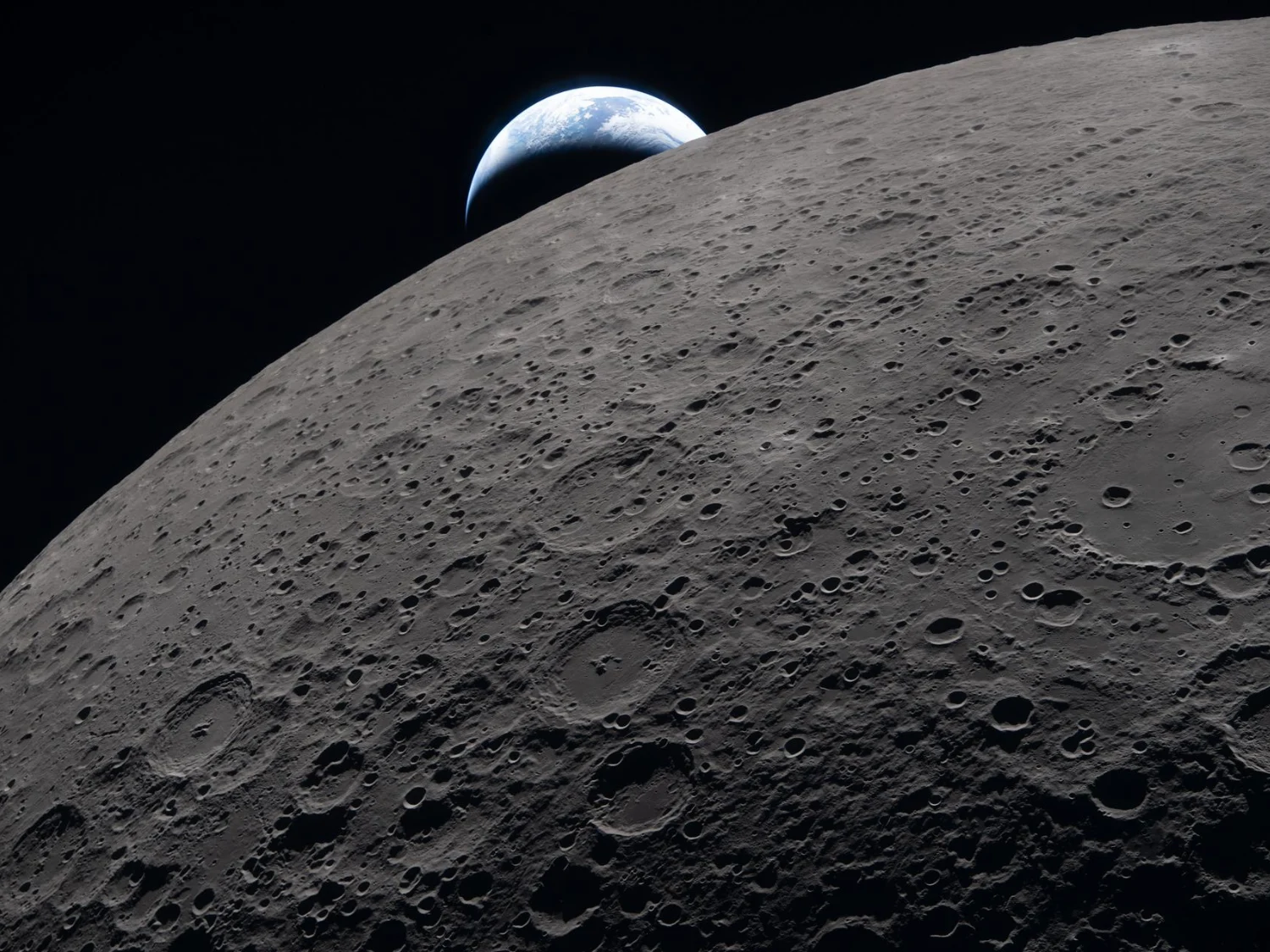
    NASA just revealed a whole bunch of really high-quality images from the Artemis II lunar flyby, taken during the crew’s close circle around the Moon’s backside. This set included shots showing detailed crater areas, the famous Earthrise, and even a solar eclipse from deep space. The pictures are pretty stunning, showing the Moon in incredible detail.

    How they took these pictures?

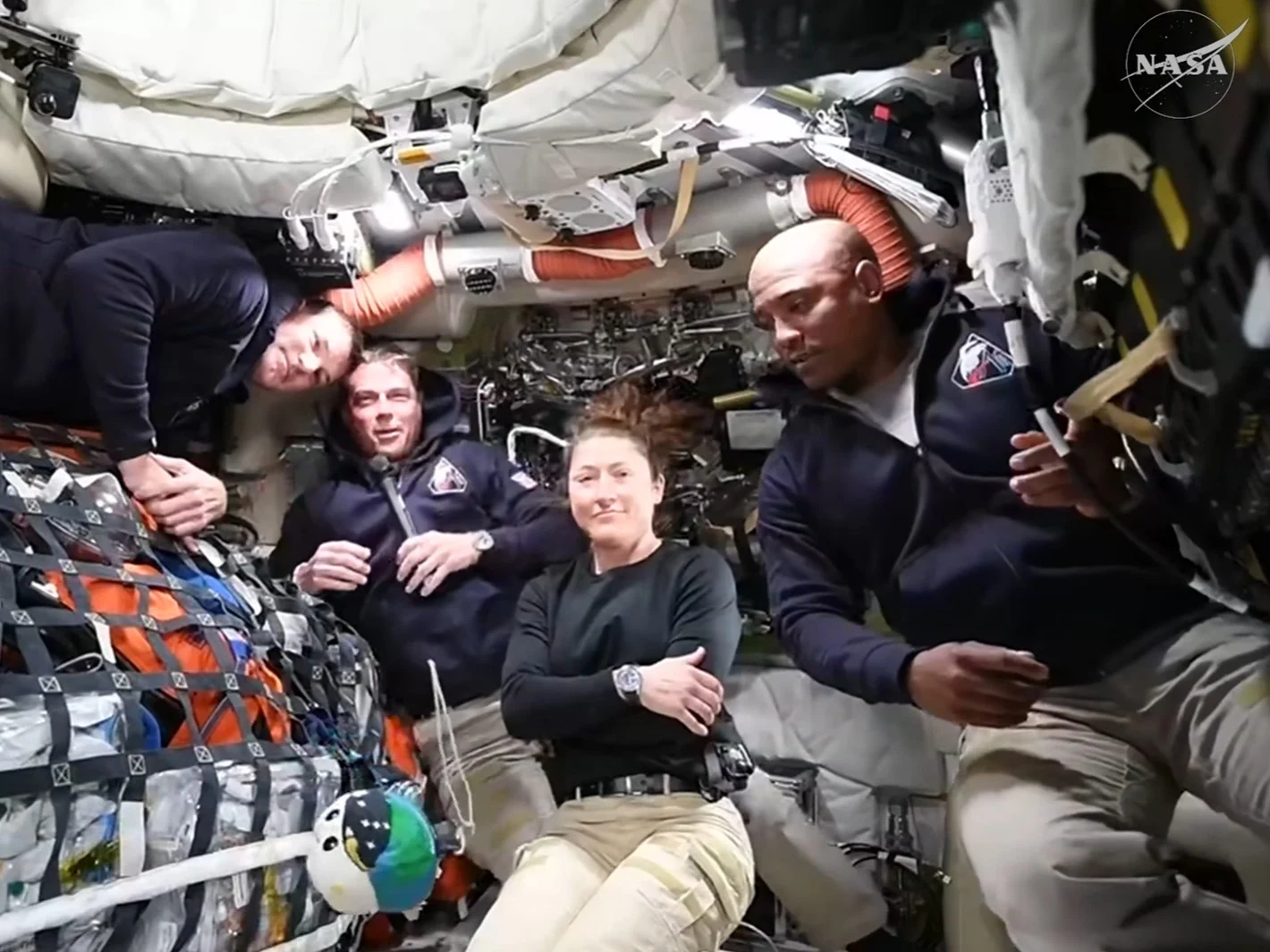
    The cool thing about this isn’t just what was taken but how. The crew used a mix of handheld and onboard camera gear. Inside their Orion spacecraft, astronauts had Nikon D5 DSLR cameras with a variety of zoom lenses. These aren’t the latest tech, but they’re tough, reliable, and resistant to space radiation. The astronauts used these cameras for both wide shots of the crew area and close-ups of the Moon through the windows. NASA trained them to capture important lunar landmarks specifically with their zoom lenses, which helped a lot in getting those sharp images.

    External & personal camera gear used on Artemis II

    Meanwhile, the Orion spacecraft itself is fitted with a bunch of external cameras for engineering, navigation, and documentation. Though NASA hasn’t said every camera model used during Artemis II, previous missions had arrays of mounted cameras. They captured external views and aided in navigation. Interestingly, NASA confirmed that astronauts also used personal devices like an iPhone 17 Pro Max, which during the mission was $1,319 (renewed), for casual shots, selfies, and social media style videos. These informal images add a more personal touch to the gallery and help document the experience more casually.

    Details & visual characteristics of the images

    With no atmosphere in space, the shadows in images are super sharp, contrast is high, and surface textures look very crisp—especially near the terminator (the line between day and night on the Moon). The shots of the far side are especially detailed because they were taken at low sun angles, making crater rims and ridges appear with more depth and clarity. These lighting conditions helped bring out the details that wouldn’t be as visible under direct sunlight.

    Purpose and significance of the lunar photography

    Primarily, Artemis II was a test flight and not specifically a scientific imaging mission. The photos taken are mainly useful for documentation and training, especially for future crewed landings on the Moon. However, the mission also provided a level of high-resolution coverage that previous Apollo missions couldn’t achieve back then. Now, it’s possible to view and download all these impressive images, offering a new perspective on lunar flybys for everyone interested in space exploration.
    Sources

  • NASA Uses Microsoft Hardware and Faces Outlook Challenges in Space

    NASA Uses Microsoft Hardware and Faces Outlook Challenges in Space

    Key Takeaway

    1. Minor technical issues, including sanitation system water levels and false leak alarms, were quickly resolved without impacting the mission.
    2. A remote troubleshooting of a Microsoft Surface Pro glitch demonstrated the feasibility of long-distance IT support during deep-space missions.
    3. NASA’s reliance on commercial off-the-shelf devices, like Microsoft Surfaces, provides practical and psychological benefits for astronauts during lunar missions.

    Recent Updates from Artemis II

    As the Artemis II mission is ongoing, there are some minor issues that came up during the mission. During the latest press conference, they mentiond that som small technical problems popped up but were fixed in no time. These issues seem to be nothing serious or to worry about, and they could very well happen on Earth as well.

    Technical Problems With the Spacecraft

    The first problem had to deal with the sanitation system onboard. It was found out that the water level was not enough, which caused the pumps to stop working. Just before the ship was about to make a crucial engine burn to get into lunar orbit, a leak alarm went off. But it was just a false alarm—a false reading caused by a fan that was slightly out of position messing with a pressure sensor. Nothing major, but it sure got some attention.

    Software Glitches Onboard

    Now, here’s a problem that anyone who uses computers might understand. Commander Reid Wiseman’s Microsoft Surface Pro was acting up. Two Outlook apps were running at the same time, and both weren’t working properly. This, however, had nothing to do with the rockets systems, just a pesky tech hiccup. The mission control back on Earth had to troubleshoot remotely, which was pretty impressive considering they were much farther away from the spacecraft than usual—probably the longest remote connection ever for support like that. It took about an hour but finally, they managed to fix the Outlook issues by reloading some files. Even though Outlook was showing offline, it did not cause any real problems for the mission.

    Why They Use Common Hardware

    The hardware used is mostly off-the-shelf stuff, which is really practical. NASA has a habit of using tablets that have styluses because they are easier for astronauts to use with bulky gloves. The Microsoft Surface has become a common choice, although they have looked into other options like iPads too. This equipment is mainly used for routine things, such as planning and communication, not for the critical flight systems. The important systems run on special hardware that is designed to withstand cosmic radiation and other space hazards.

    Psychological and Practical Reasons for Using Familiar Tech

    Using familiar devices also help reduce stress for astronauts since it makes their work simpler and more predictable. Space missions can be pretty stressful and complicated, so having reliable and easy-to-use gadgets can make a big difference. The software glitches, although annoying, did not affect the overall communication with mission control. Everything outside went smoothly, confirming that such minor technical issues are manageable and not a threat to the mission’s success.

    Sources
  • NASA Cancels March Lunar Launch Due to SLS Helium Flow Issue

    NASA Cancels March Lunar Launch Due to SLS Helium Flow Issue

    Key Takeaways

    1. Artemis II mission launch is postponed due to a helium flow problem in the Space Launch System (SLS) propulsion stage.
    2. The rocket and Orion spacecraft will be returned to the Vehicle Assembly Building for further examination.
    3. The issue arose during a standard repressurization process, leading to a loss of helium flow to the vehicle.
    4. Artemis II is planned to be a 10-day mission with a crew of three Americans and one Canadian, marking the first crewed lunar flyby in over 50 years.
    5. The Artemis program aims for a continuous lunar base and future crewed missions to Mars, with a technical briefing about future steps expected soon.


    NASA’s head, Jared Isaacman, has now confirmed that the Artemis II mission won’t launch in March. This decision comes after a helium flow problem was detected in the Space Launch System (SLS) interim cryogenic propulsion stage. The huge rocket and Orion spacecraft will be returned to the Vehicle Assembly Building at Kennedy Space Center in Florida for examination, meaning the targeted launch date of March 6 is no longer viable.

    Problem Detected

    The issue arose during a standard repressurization process overnight. Although the helium systems, which are crucial for engine purging and pressurizing the liquid hydrogen and oxygen tanks, worked fine in recent wet dress rehearsals, the team unexpectedly lost flow to the vehicle. Right now, the spacecraft is in a secure setup using a ground purge system. Possible hardware issues could involve a broken final filter, a quick-disconnect umbilical interface, or a check valve onboard. The last possibility could resemble a failure seen during the uncrewed Artemis I mission, which launched in November 2022 after facing its own delays.

    Upcoming Mission

    Artemis II is planned to be a 10-day mission with three Americans and one Canadian aboard, marking the first crewed lunar flyby in over 50 years. The program has faced numerous scheduling issues, including a liquid hydrogen leak in early February that cut short a wet dress rehearsal.

    In relation to this setback, Isaacman referenced the Apollo era, mentioning that Neil Armstrong’s Gemini 8 mission also had to abort due to technical problems just a few years before his famous moonwalk. Initiated during the administration of President Donald Trump, the Artemis program is seen as a vital step toward setting up a continuous lunar base and eventually sending crews to Mars. A detailed technical briefing about the future steps is anticipated later this week.

  • ESA Time-Lapse Shows Huge Scale of Artemis II Rollout

    ESA Time-Lapse Shows Huge Scale of Artemis II Rollout

    Key Takeaways

    1. ESA released a time-lapse video showcasing the Artemis II moon rocket rollout, highlighting collaboration with NASA.
    2. The European Service Module (ESM), provided by ESA, is crucial for supplying the Orion capsule with essential resources.
    3. The video condenses a 12-hour transport journey from the Vehicle Assembly Building to Launchpad 39B into just over 90 seconds.
    4. The crawler-transporter moves slowly at 1.6 km/h, emphasizing the rocket’s massive size in comparison to its surroundings.
    5. Artemis II aims to send four astronauts on a ten-day lunar flyby, with initial launch dates set for February or April if tests are successful.


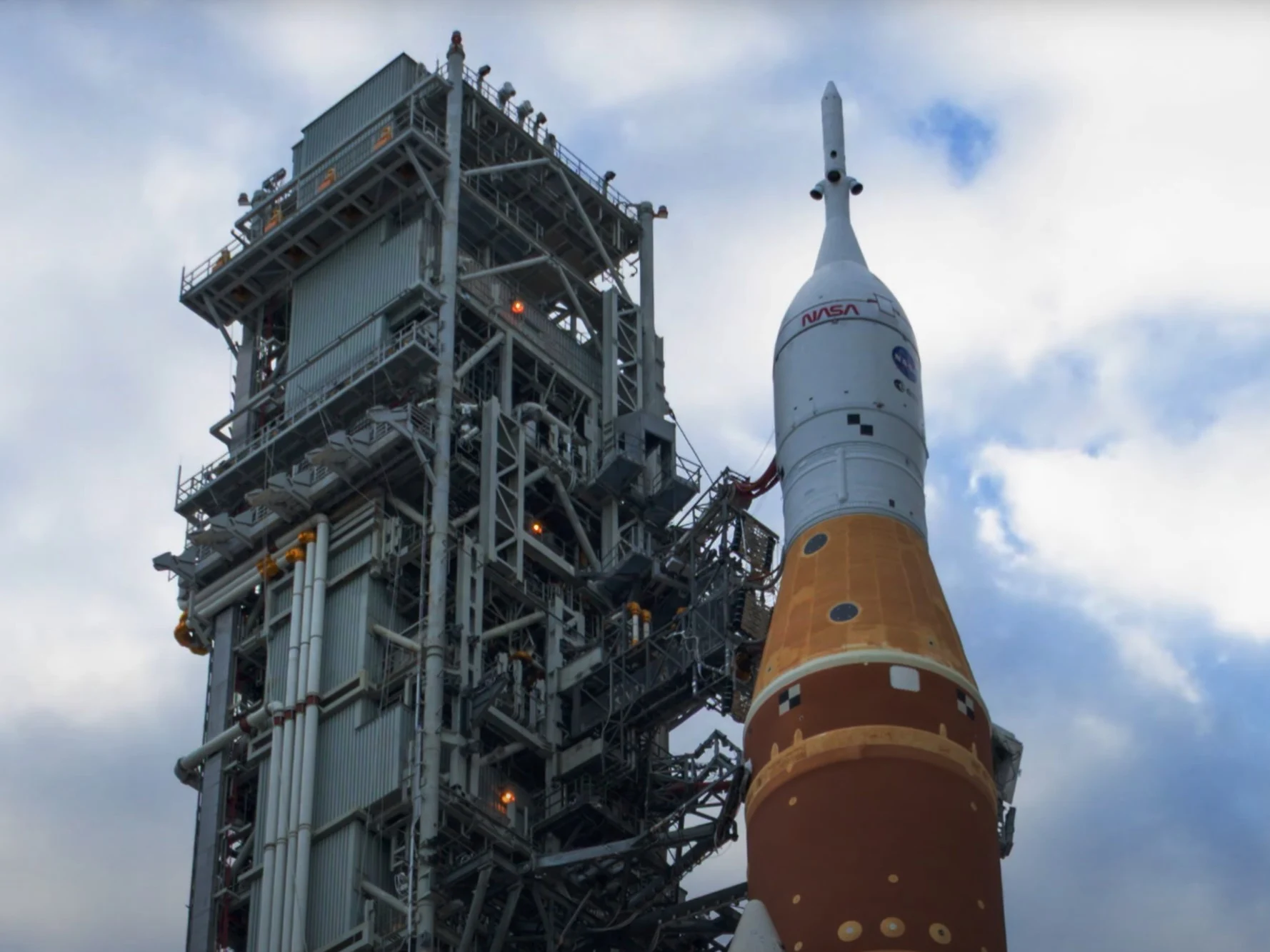
    The European Space Agency (ESA) has shared a brief video that captures the entire rollout of the Artemis II moon rocket in a speedy time-lapse. This video is significant because the mission is a collaboration. NASA is responsible for the enormous Space Launch System, while ESA provides a vital part known as the European Service Module (ESM). This essential component is located directly beneath the Orion capsule and supplies the crew with vital resources like electricity, water, air, and propulsion needed for the journey to the Moon. As a result, the ESA logo is clearly visible on the spacecraft.

    Impressive Time-Lapse

    The ESA video effectively compresses the twelve-hour journey from the Vehicle Assembly Building to Launchpad 39B into just over 90 seconds. Before the rocket emerges into the open air, the video offers a striking glimpse inside the Vehicle Assembly Building (VAB). Standing tall at 160 meters and with a volume of around 3.7 million cubic meters, this assembly facility is among the largest buildings in the world, providing an enormous backdrop that makes the already massive SLS rocket seem small in comparison.

    Slow Yet Steady

    In reality, the gigantic crawler-transporter moves at a maximum speed of 1.6 km/h (1 mph), a pace that even pedestrians could easily surpass. This special vehicle has been operational since 1965, having transported countless rockets and shuttles. The time-lapse makes up for the slow movement and skillfully showcases the 6.5-kilometer (4 mi) route along with the sheer size of the rocket.

    Preparing for Launch

    After reaching the launch pad, the preparations for the significant launch are now moving into an intense phase. Artemis II is scheduled to send four astronauts on a ten-day flyby of the Moon, marking the first crewed flight into deep space in fifty years. Once the rocket separates, the European Service Module will take over control. If the upcoming tests go well, initial launch dates are already planned for February, aiming for a departure by April at the latest. Since the rocket’s rollout, people can follow Artemis II through a live stream on YouTube.

    Source:
    Link