
Key Takeaways
1. The Steam Machine is more powerful than Valve’s handheld device, but some games may not run smoothly in a living room setting.
2. Game compatibility will be assessed similarly to the Steam Deck verified program, with easier requirements for developers.
3. Compatibility with input devices, especially Valve’s new game controller, is crucial, and Windows games must run on Proton or properly in Linux.
4. The Steam Machine’s specs include a 6-core AMD Zen 4 processor and RDNA 3 graphics, but there are concerns about system and GPU memory affecting performance at higher resolutions.
5. Game studios may face less strict standards for compatibility, and there are speculations about a potential delay in the Steam Machine’s launch due to rising storage and memory costs.
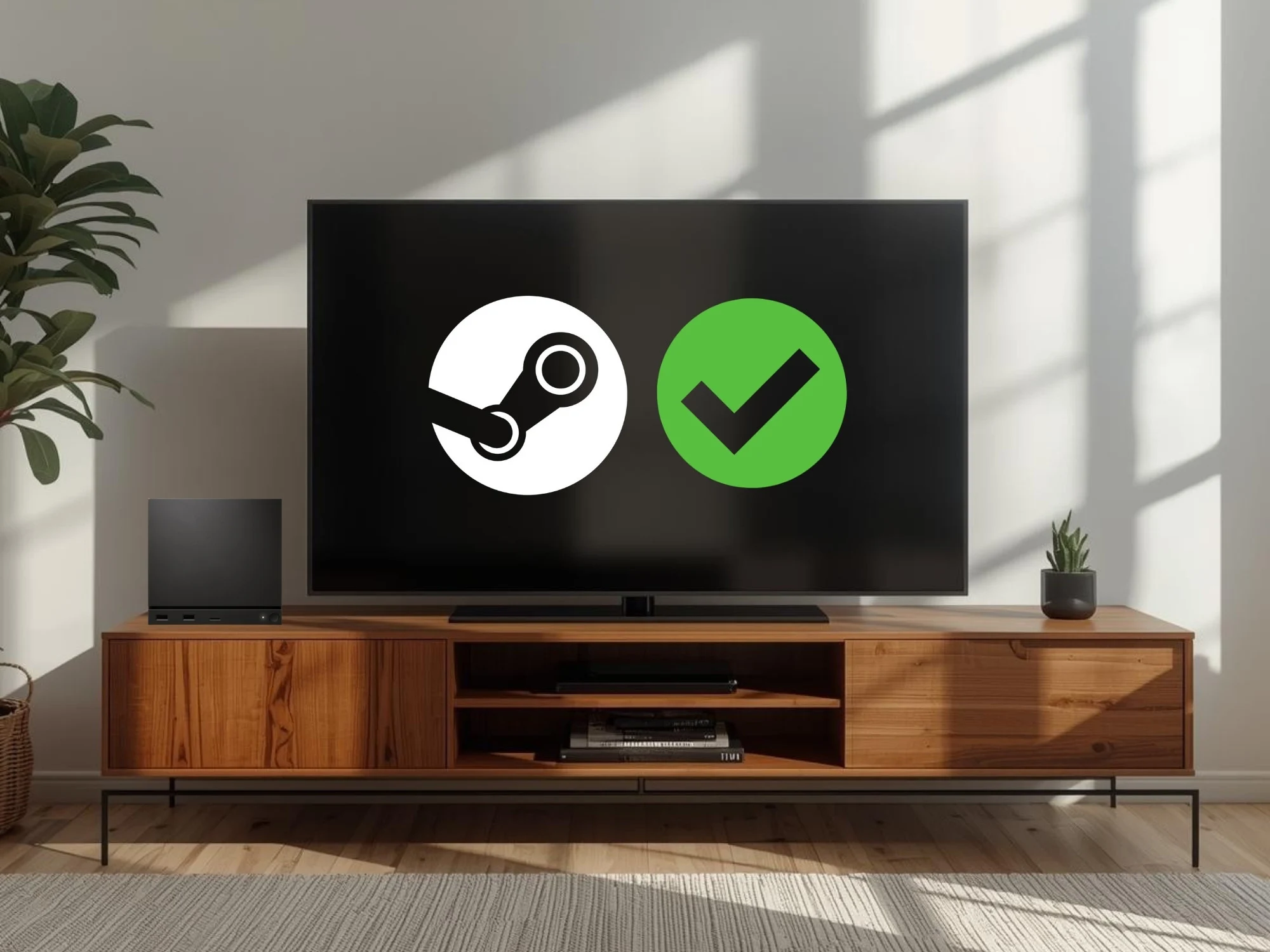
The Steam Machine is much stronger than Valve’s handheld device. However, some games might not provide a smooth experience in the living room. In an interview with Game Developer, a designer from Valve explained how the company will assess game compatibility. This process is similar to the Steam Deck verified program, but developers should face easier requirements.
Compatibility Considerations
Lawrence Yang mentioned that most candidates with the Steam Deck verified badge are likely to get approved. Still, the company will evaluate each game’s performance on the compact gaming PC. For mobile devices that have 7 or 7.4-inch screens, text should be easy to read. Since the Steam Machine is made for larger TVs, this isn’t as big of a concern.
Similar Requirements
Many of the requirements for the Linux-based handheld and the soon-to-be-released cube will be alike. Being compatible with input devices, like Valve’s new game controller, is also very important. Even more crucial, Windows games will need to either run on Proton in SteamOS or function properly in Linux. Unfortunately, DRMs will still block popular games like Battlefield 6 and Black Ops 7.
Specs and Concerns
The specs for the Steam Machine, which include a 6-core AMD Zen 4 processor and RDNA 3 graphics, should be able to handle most games. However, there are concerns about the amount of system and GPU memory before it even launches. The 8GB of VRAM may create challenges for achieving 4K at 60fps.
It’s uncertain if Valve will clarify when demanding games struggle with higher resolutions. Even for some games that are verified on Steam Deck, the company might recommend better settings. Players have noted that the green checkmark doesn’t always mean smooth gameplay without adjustments.
Future Outlook
Given Yang’s description of the process, it appears that game studios won’t need to meet very strict standards. Unfortunately, he did not share any updates on whether the mini PC is still expected to launch in early 2026. Some insiders have speculated that there could be a delay because of increasing prices for storage and memory. A delay would provide developers ample time to resolve any issues.
Source:
Link

Leave a Reply