
Key Takeaways
1. The tech sector is facing significant shortages and rising prices for memory, particularly RAM.
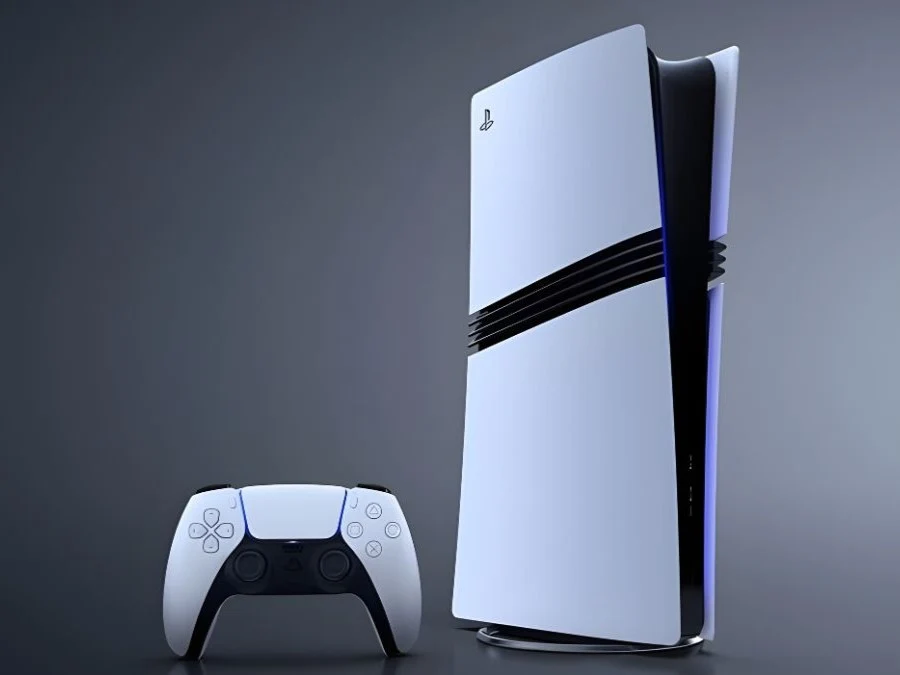
2. Sony is considering delaying the release of its next-generation PlayStation console to 2028 or 2029.
3. This delay marks a shift from previous expectations of a late 2027 launch.
4. A postponed release could disrupt Sony’s strategy to maintain user engagement across console generations.
5. The anticipated PS6 may require 30GB of GDDR7 RAM, which could lead to higher prices if released during a memory shortage.
The tech sector is currently facing significant shortages and increasing prices for memory. RAM costs have surged rapidly, impacting GPUs, SSDs, and various other hardware. Now, due to this ongoing memory crisis, it appears that Sony might have to postpone the release of its next-generation console.
Possible Delay for PlayStation
A recent report from Bloomberg reveals that Sony Group Corp is thinking about delaying the launch of its upcoming PlayStation console until 2028 or even 2029. This marks a notable shift from prior expectations, which suggested a launch in late 2027.
“According to sources close to the company, Sony Group Corp. is now contemplating a delay in the introduction of its next PlayStation console to 2028 or 2029. This would disrupt a carefully planned strategy aimed at maintaining user engagement across different hardware generations,” Bloomberg stated.
Impact on Sony’s Strategy
Bloomberg mentions that such a delay would interfere with Sony’s typical console launch strategy. The company usually organizes its hardware releases meticulously to keep players interested between console generations. Pushing back the PS6 by one or two years would represent a considerable change, but releasing it during a memory shortage could lead to a price tag that’s much higher than Sony desires. Previous leaks suggested that the PS6 is anticipated to come with 30GB of GDDR7 RAM, which is 14GB more than what the current PS5 offers.
Bloomberg’s report reveals the potential challenges ahead for Sony in an increasingly competitive gaming landscape.
Source:
Link
Leave a Reply