
Key Takeaways
1. The Snapmaker U1 3D printer is priced at $999, with an early-bird price of $749 and a limited-time cashback offer bringing it down to $679.
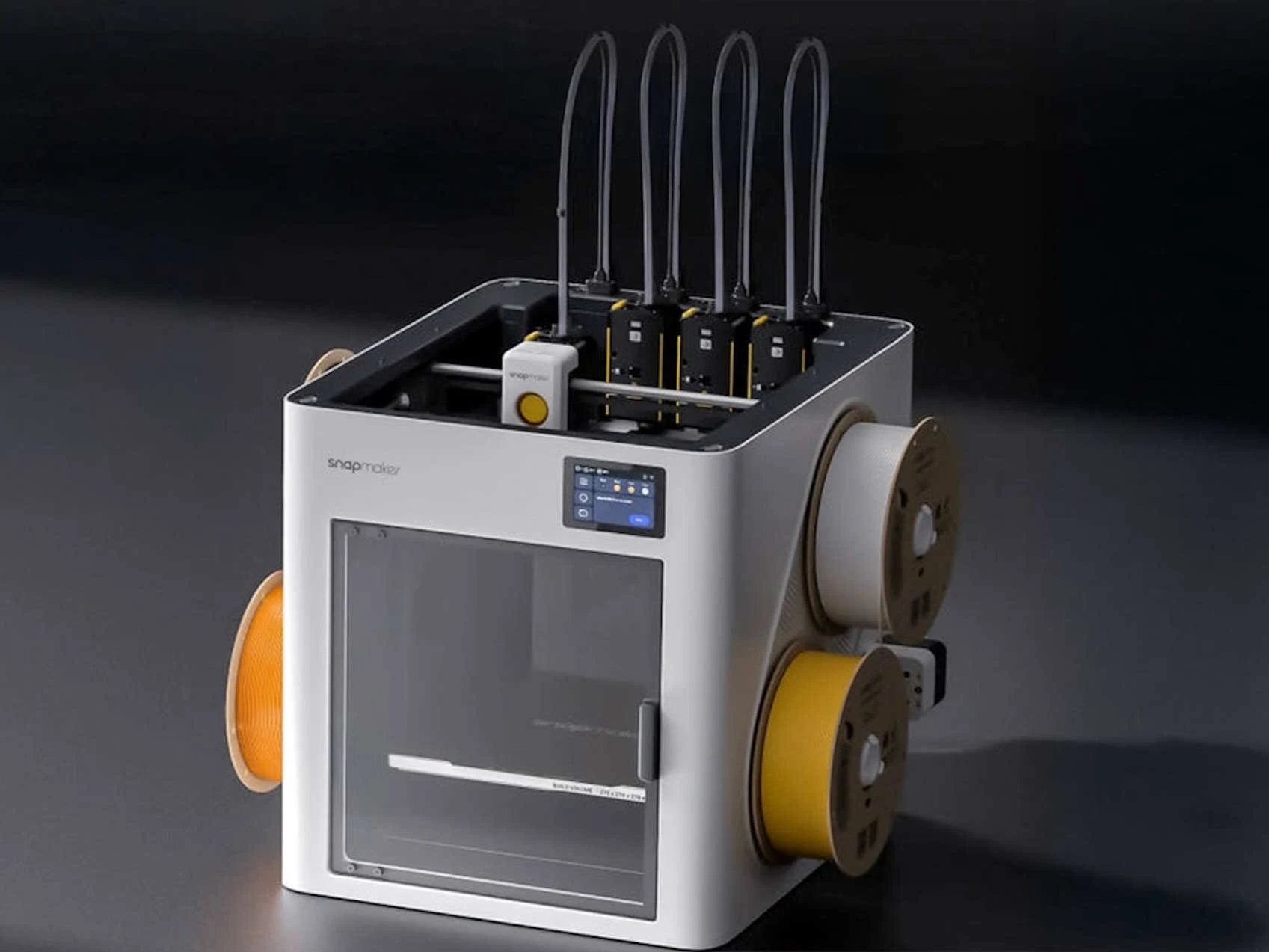
2. It features four toolheads that can switch in just five seconds, reducing downtime and material waste.
3. The printer delivers exceptional print quality with minimal vertical shifts of under 0.04 mm and includes built-in adjustments for flow delay and automatic bed leveling.
4. It has a build volume of 270 x 270 x 270 mm and can reach nozzle temperatures of up to 300°C and bed temperatures of up to 100°C.
5. Additional features include real-time monitoring with a built-in camera, a touchscreen interface, Wi-Fi connectivity, and USB support.
The Snapmaker U1 is a brand new 3D printer that comes with a suggested retail price of $999. As part of a continued crowdfunding effort, supporters can snag the device for an early-bird price of $749. Additionally, the company is providing a limited-time cashback offer for early reservations, which brings the cost down to $679. One of the most impressive aspects of the Snapmaker U1 is its four toolheads. While a single toolhead or nozzle can manage various filaments, changing colors or materials usually necessitates cutting the current filament, leading to some downtime and wasted material. On the other hand, the Snapmaker U1 claims it can switch toolheads (and thus filaments) in just five seconds.
Exceptional Print Quality
Even with multiple toolheads, the U1 is crafted to ensure minimal vertical shifts of under 0.04 mm. The quality of prints is improved by built-in adjustments for flow delay and automatic bed leveling. Instead of assigning different filaments to each toolhead, users can load the same filament types into several toolheads as backups.
Advanced Features
Similar to many contemporary 3D printers, the Snapmaker U1 has a built-in camera for real-time monitoring within its chamber, which features a build volume of 270 x 270 x 270 mm (10.6 x 10.6 x 10.6 in). The nozzle and heated bed can achieve maximum temperatures of 300°C (572°F) and 100°C (212°F), respectively. To print with carbon fiber filaments, optional add-ons and a hardened nozzle are necessary. Other useful features include a touchscreen interface, Wi-Fi connectivity, and USB support.
Source:
Link
Leave a Reply