
Key Takeaways
1. Researchers at Harbin Engineering University created a deep-sea soft robot that mimics fish movement and appearance, powered by ocean ions.
2. The robot features a new electrohydraulic system, allowing it to swim like a fish and avoid damage from harsh conditions.
3. It measures 32 cm in length and weighs about 670 grams, with flexible structures for pressure balance in deep-sea environments.
4. The robot successfully dived to depths of 4,000 meters and passed laboratory tests at 10,000 meters, withstanding temperatures as low as 2° C.
5. Equipped with a camera and optical sensors, the robot is designed for low-profile exploration and studying deep-sea biodiversity.
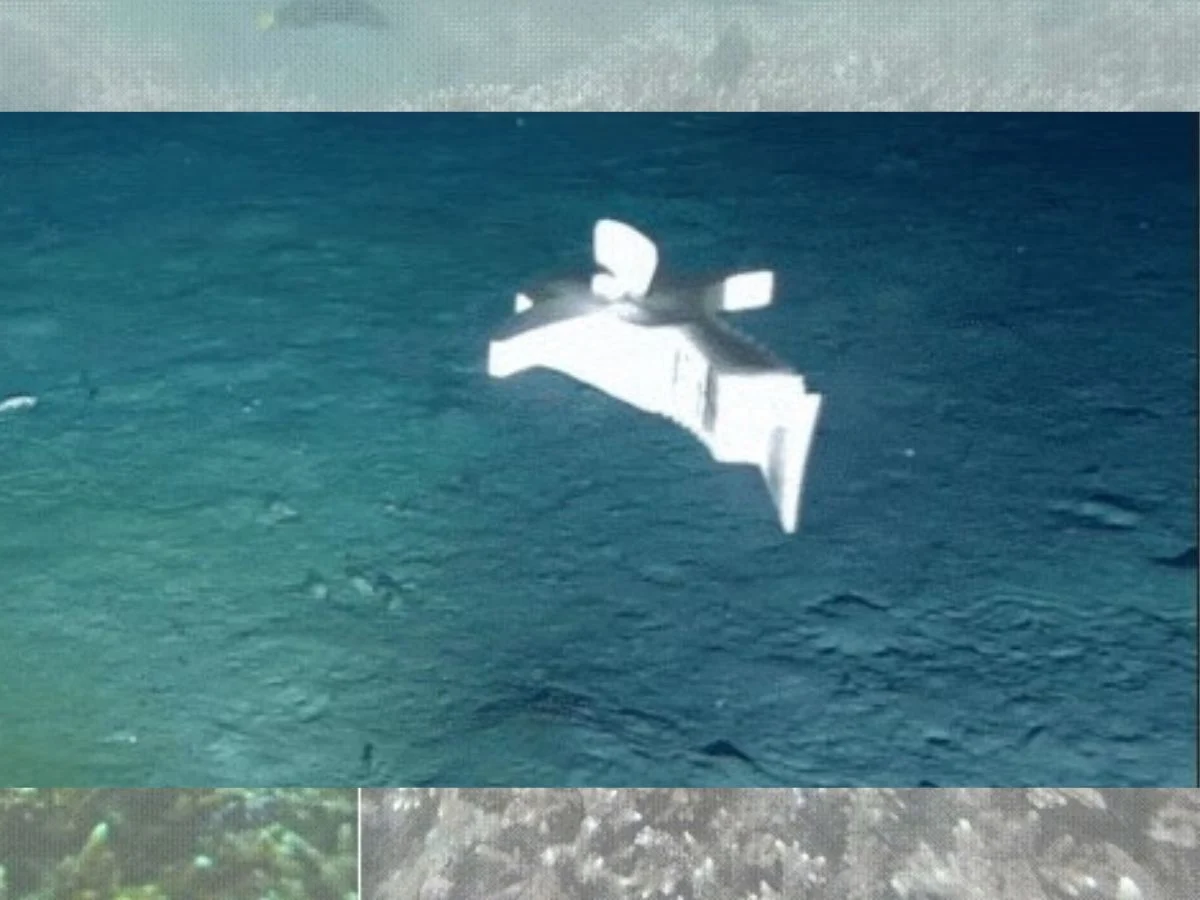
Researchers from Harbin Engineering University in China have created a unique deep-sea soft robot that mimics a fish both in movement and appearance, and it is powered by the ocean itself. This bionic fish, detailed in a paper in Science Robotics, aims to observe fragile marine ecosystems closely without causing disruptions.
Innovative Design
The team of scientists developed a new electrohydraulic system, which replaces the heavy, rigid motors found in traditional submersibles that are easily damaged. This soft robot measures about 32 centimeters (12.6 inches) in length and weighs approximately 670 grams (1.5 lbs). Its sides are designed with flexible structures that harness the natural ions present in seawater to generate an electric field. This electric field makes a special fluid inside the silicone body of the robot move from side to side, enabling it to swim just like a real fish would.
Adaptability and Testing
This innovative design gives the robot the ability to endure harsh conditions. The combination of the internal fluid and the flexible structure helps it automatically balance the pressure found in deep-sea environments. During field tests, the robot successfully dived to depths of 4,000 meters (13,123 feet). Furthermore, the research team stated that it has passed laboratory pressure tests at 10,000 meters (32,808 feet) and can withstand temperatures as low as 2° C (35.6° F). For context, Challenger Deep, the ocean’s deepest point, is only 10,935 meters (35,876 feet) deep.
Advanced Exploration Capabilities
This robotic fish is equipped with a camera and optical sensors, making it ideal for low-profile exploration and studying biodiversity in deep-sea areas that were previously hard to access.
Source:
Link
Leave a Reply