
1. The expected performance gains for the PS6 in ray tracing are likely around 3x-instead of the initially presumed 10x, depending on the game’s ray tracing complexity.
2. Leaks suggesting overhyped performance improvements should be viewed with skepticism, as real-world gains are more moderate.
3. The actual boost in ray tracing performance may vary, with heavier ray tracing demanding significantly more from hardware.
Next-Gen Console Release Timeline and Expectations
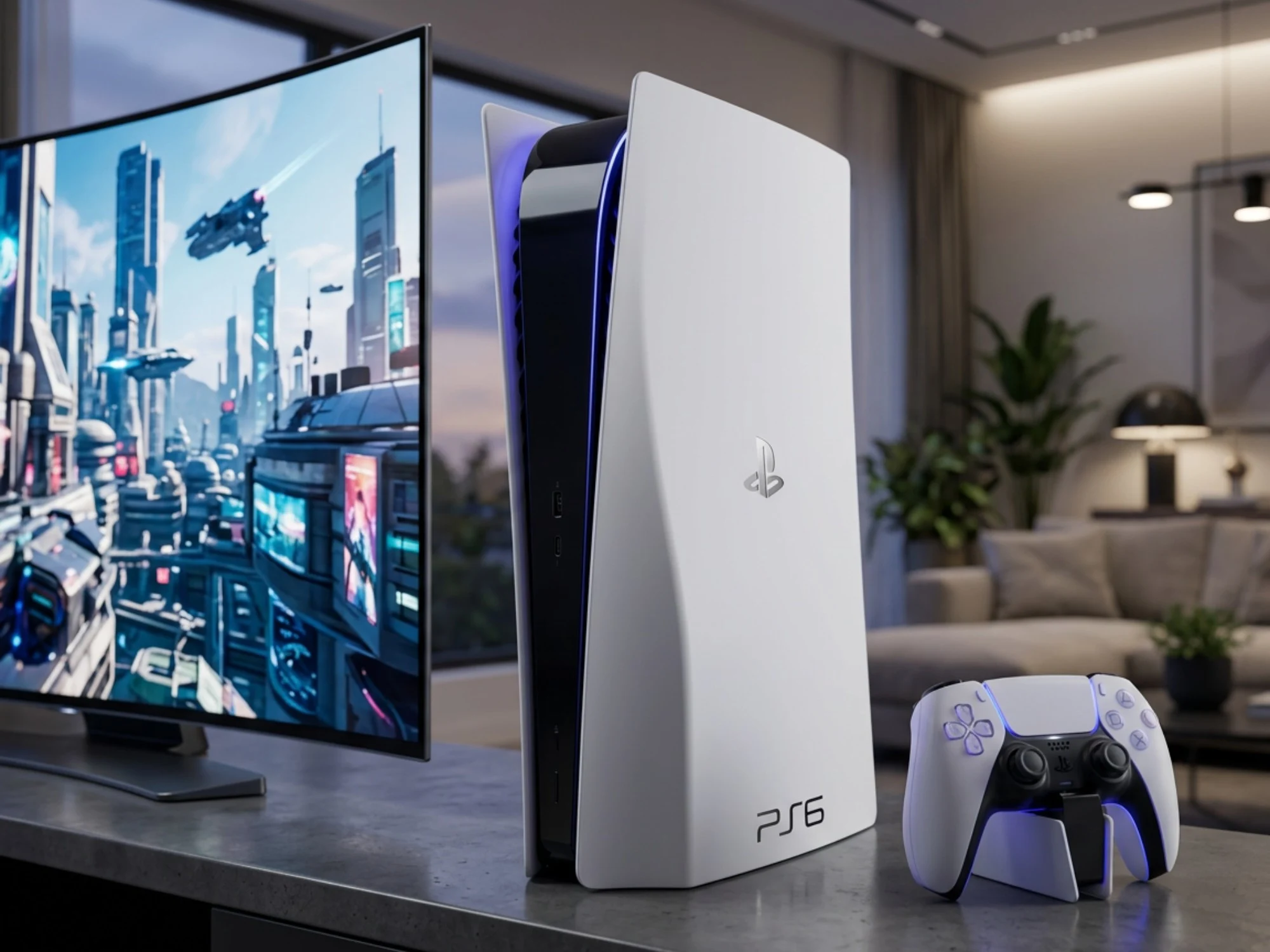
The upcoming generation of gaming consoles are expected around the end of 2027, with Sony preparing to launch both the PS6 and a handheld version of the PS6. Many leaks have painted a picture of significant improvements, especially in ray tracing capabilities which are said to surpass current technology by a large margin. These reports create anticipation for gamers eager for enhanced visual effects and smoother gameplay experience. Nevertheless, recent insider insights suggest that these performance claims might be somewhat exaggerated or misunderstood, indicating a need to temper expectations a bit.
Insights from Industry Leakers
Information recently surfaced from KeplerL2 on the NeoGaf forum, where they responded to claims that performance metrics had been misread. The discussion centered around a popular leaker known as Moore’s Law is Dead (MLID), famous for sharing details about next-gen hardware. MLID previously claimed that the PS6 would deliver a tenfold increase in ray tracing performance over the PS5, fueling speculation about revolutionary improvements. But KeplerL2 states, “The real gains are probably closer to about 3 times,” rooted in the actual data from game performance and technical estimates, meaning that the hype around a tenfold boost might be overly optimistic.
Clarifying Performance Expectations
Further explanation from KeplerL2 shed light on how performance metrics are often misinterpreted. They pointed out that when a slide mentions “Orion 10x RT perf vs Oberon,” it doesn’t mean that PS6 will be 10 times faster in all cases, especially not across all gaming scenarios. Instead, this ratio should be seen in specific contexts, such as comparing frame rates where a game running at 30 FPS on current hardware could be multiplied to estimate future performance, which isn’t always accurate. KeplerL2 went on to say that in tests involving Ubisoft’s Assassin’s Creed Shadows, the real-world improvement in ray tracing performance is closer to just over 3 times, particularly for games with lighter ray tracing effects. For more graphically demanding titles, like those employing path tracing, the performance gap might be slightly larger, but still not as dramatic as initially suggested.
Understanding the Broader Context
It’s important to underline that MLID did not officially claim a tenfold increase in frames per second (FPS); rather, they reported AMD’s stated performance figures, emphasizing the importance of context and interpretation. Also, the current PS5 Pro is marketed as being roughly 2x to 3x faster than the PS5 in ray tracing, which suggests that the PS6 could be at least 4x faster, though this varies dependent on the game and workload involved. Ultimately, while next-gen consoles will likely see substantial improvements, the exaggerated expectations should be dialed back based on more recent insights from industry insiders. As the release date approaches, more concrete details are expected to clarify the actual capabilities of these new pieces of hardware, but for now, patience and measured outlooks are advised.
Leave a Reply